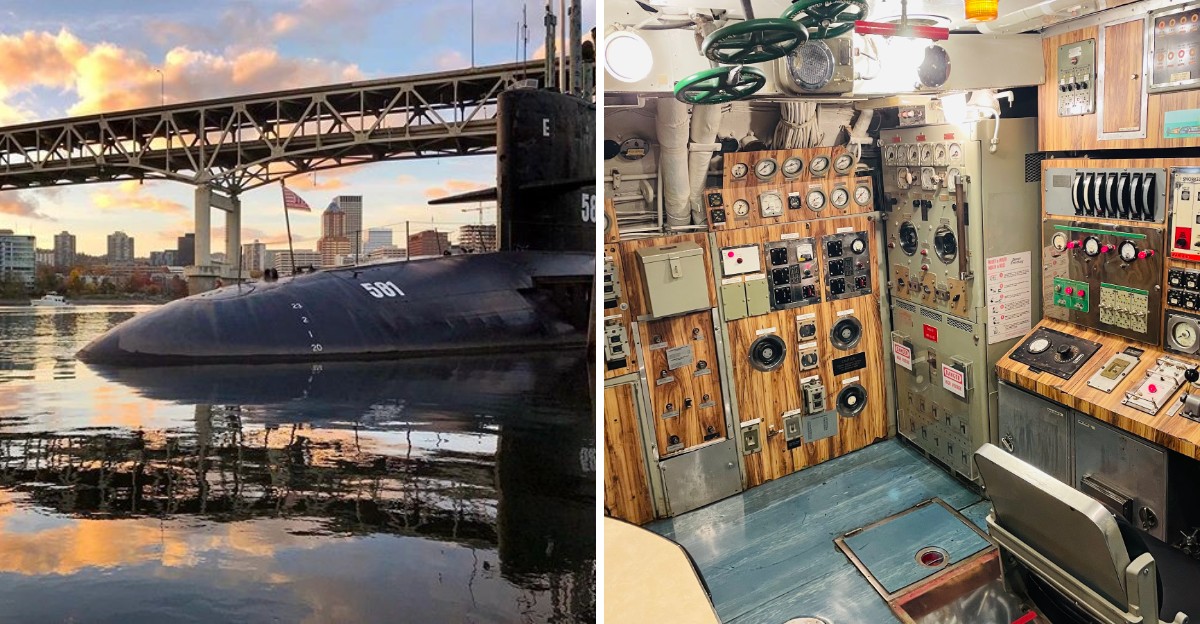
Ever wanted to squeeze through a hatch, duck under a pipe, and land inside a real Cold War submarine? Now you can, and nobody will ask you to dive.
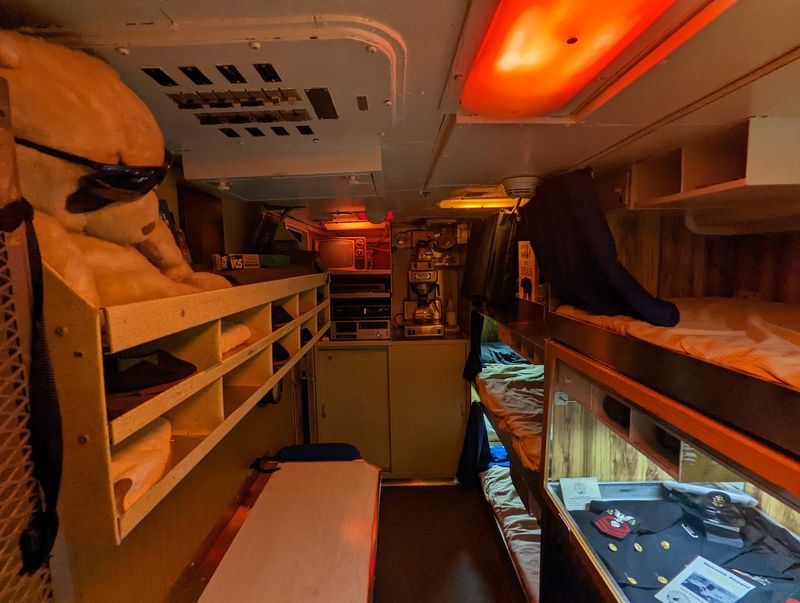
Bunks are stacked so tight that sleeping there looks like a game of human Tetris. Dials, valves, and torpedo tubes crowd every corner, each one telling a story about the crew who once lived and worked below the surface. Guides lead the way, sharing details you’d never pick up from a textbook.
Tight spaces make the history feel real. Standing in the same narrow passages sailors walked for months at a time changes how you think about life underwater. Kids love the gadgets, and adults quietly love them just as much.
A few steps inside, the outside world fades away. Oregon might be known for forests and coastline, yet few stops beat a tour like this one.
A Sub With a Big Place in Navy History
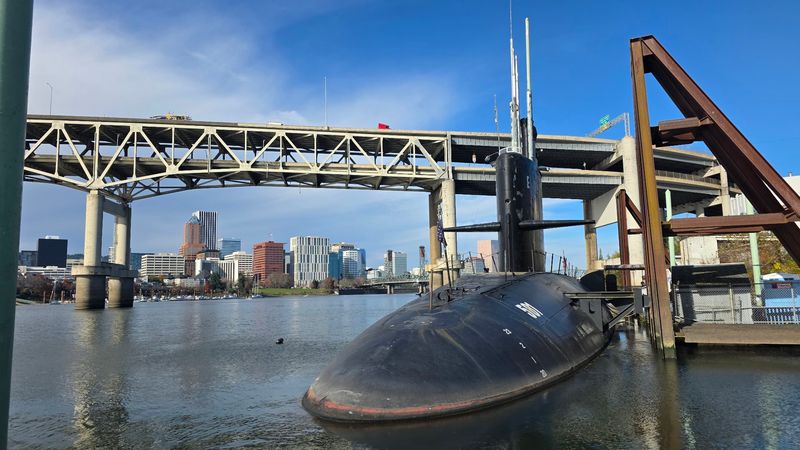
Few people realize that the Blueback holds a special record. It was the very last diesel-electric attack submarine built for the United States Navy. After it, the Navy switched fully to nuclear power, so this boat marks the end of an era.
Launched in 1959, the Blueback spent around thirty years in service during the Cold War. That was a tense time when the United States and the Soviet Union watched each other closely, and quiet submarines played a big role in that watching.
The Blueback belonged to the Barbel class, a small group of three boats with a rounded, teardrop hull that helped them move smoothly underwater.
When it was decommissioned in 1990, the Blueback was donated to the museum and later opened for tours. Knowing this backstory before you go makes every hatch and valve feel more meaningful. It turns a cool visit into a real history lesson you can walk through.
Getting There and Booking Your Spot
My best advice came down to one word. Book early. Tours hold only a small group at a time because the space inside is so tight, and popular time slots can fill quickly, especially on weekends and school breaks.
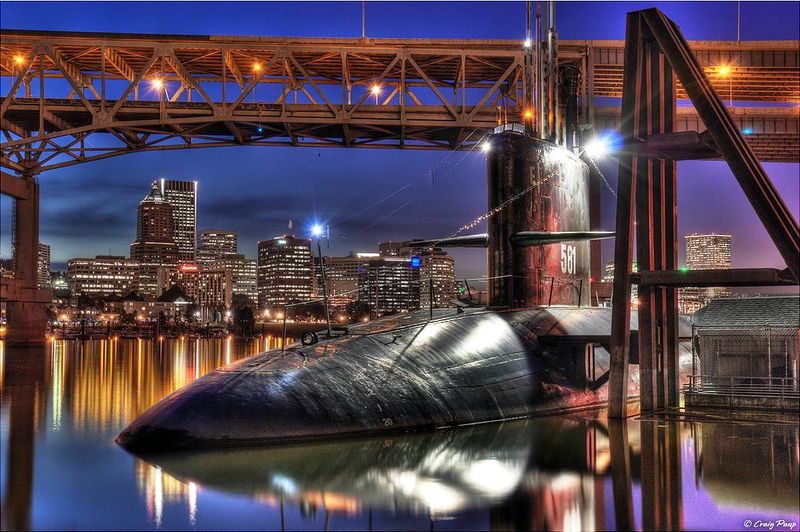
The submarine sits along the river just outside the Oregon Museum of Science and Industry on Portland’s east side. You check in with the museum, then head out toward the water where the long black hull waits at the dock. Seeing it up close for the first time is a bit of a thrill.
It looks sleek and serious, almost like a whale taking a nap. Arriving a few minutes early is smart. It gives you time to snap photos of the hull and the river view. It also means you will not be rushing, which matters when the next stop involves climbing down a ladder.
Guides Who Know Every Valve by Heart
The guides might be the true treasure here. Many visitors mention that some tour leaders once served on submarines themselves, and that kind of real-life knowledge changes everything. You are not just hearing facts. You are hearing how things actually worked.
My guide paused often to invite questions, and nothing seemed too silly or too technical. Kids asked where people went to the bathroom. Adults asked about sonar and battery power.
Every answer came with patience and a little humor, which kept the group laughing in a space that could easily feel cramped.
Because groups are small, you can actually hear everything and talk with the guide instead of peering over a crowd. That personal touch makes the tour feel less like a museum stop and more like a conversation with someone who truly loves this boat.
Inside the Control Room
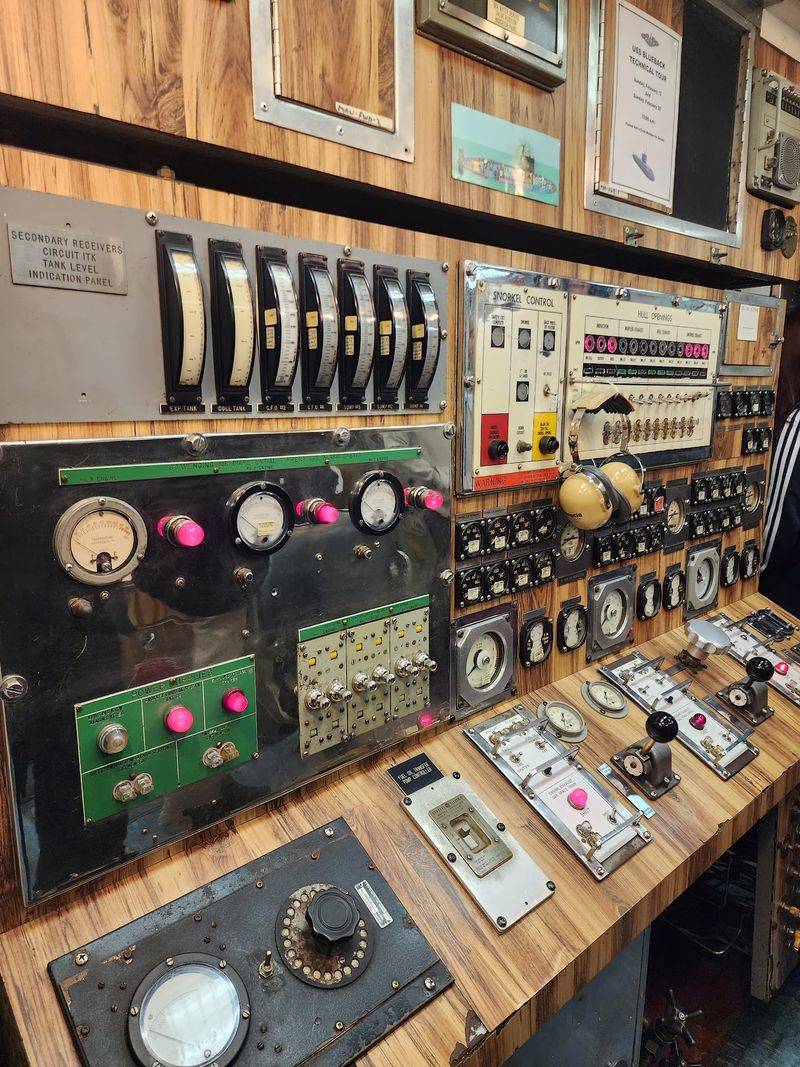
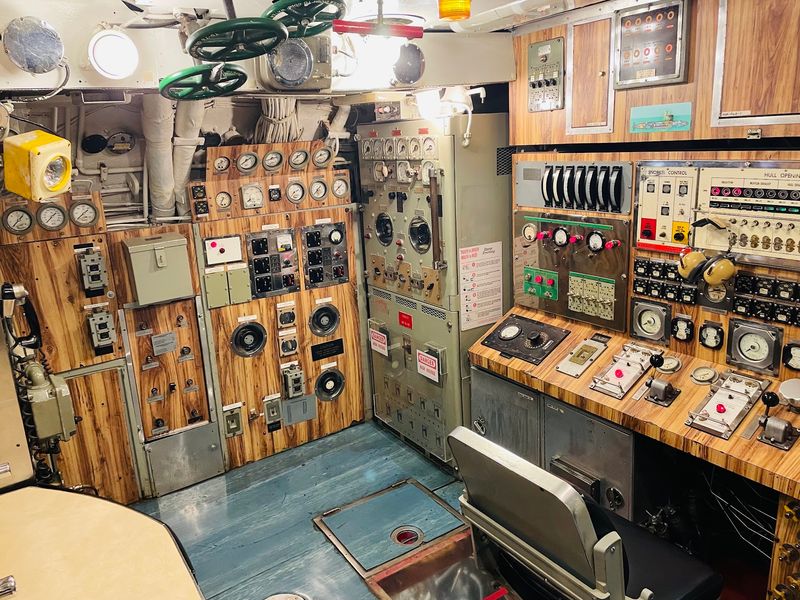
Dials. Everywhere. That was my first thought once I squeezed into the control room, the busy heart of the submarine where the crew steered, watched depth, and made big decisions.
Gauges and switches cover nearly every wall, and the periscope stands in the middle like a tall metal tree. Sailors used it to peek above the surface without showing the whole boat.
The guides explain how the crew controlled diving, surfacing, and direction, and it is amazing how many jobs had to happen at once. Everyone needed to trust each other completely.
You will also hear about sonar, the system that let the crew listen for other ships and objects in the dark ocean. Imagine finding your way by sound alone. It is a little like playing hide and seek with your eyes closed, except the stakes were far higher.
Take a moment here to look closely at the labels and colors on the panels. Many are original. There are no glass walls separating you from the gear, so the room feels alive, as if the crew just stepped out for a quick meal.
The Torpedo Room Steals the Show
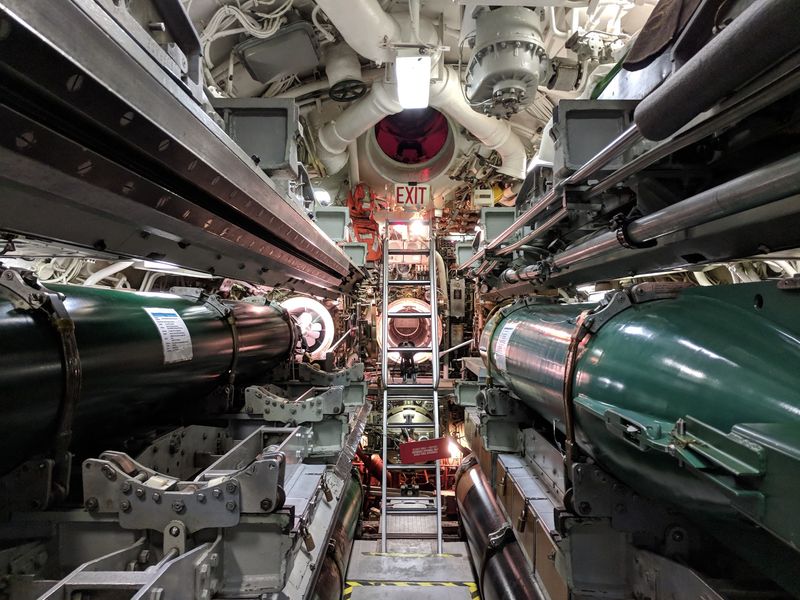
Ask almost anyone about their favorite stop, and there is a good chance they will say the torpedo room. It is easy to see why. The round tube doors at the front of the boat look straight out of an action movie.
The Blueback carried torpedoes that could be loaded and fired from tubes in the bow. Your guide will walk through how the crew moved these heavy weapons, stored them, and got them ready. It sounds dramatic, and it was, but the explanations focus on teamwork, skill, and careful training.
One detail surprised me. Some sailors actually slept in this room, right near the weapons, because every inch of space had a purpose. Bunks were squeezed wherever they fit. Try picturing a nap next to a torpedo. Not exactly a cozy hotel.
Kids especially love this part, so let them ask their questions. The room is roomier than some other areas, which gives everyone a chance to look around. It is also a great spot for a photo, so have your camera ready before the group moves along.
Bunks, Galley, and Life Below the Waves
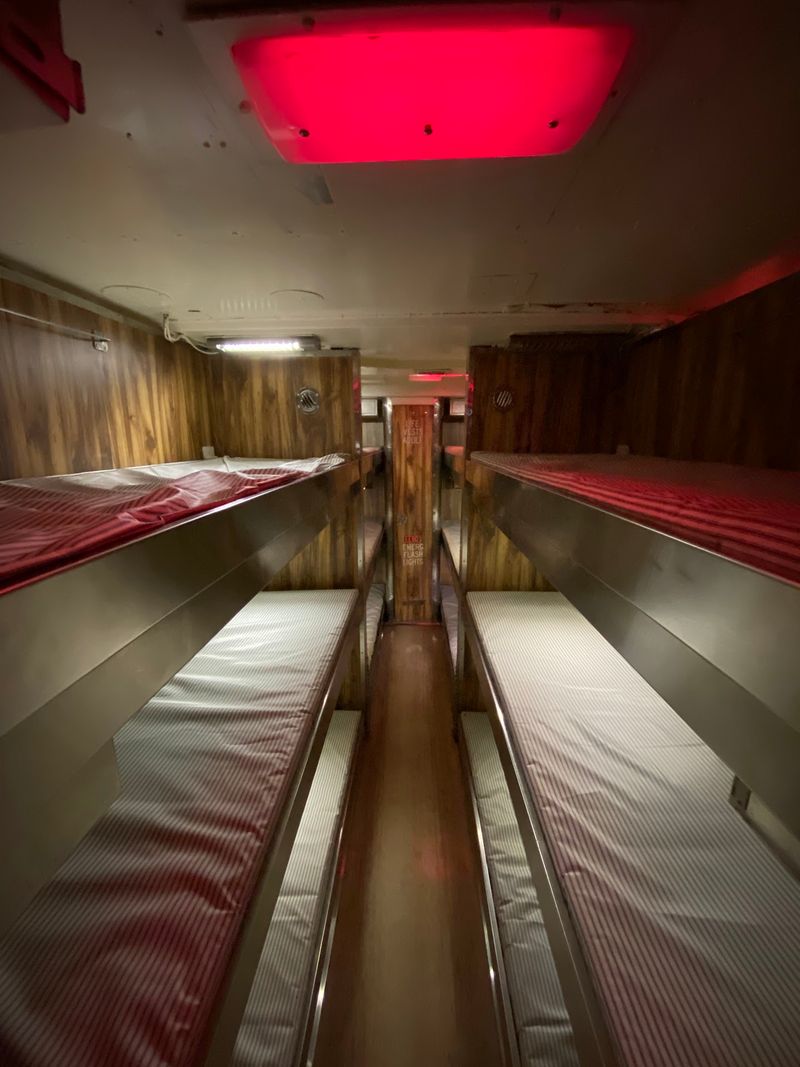
Around seventy to eighty sailors lived on this boat at a time, sometimes for months. Once you see the bunks, that number feels almost impossible. The beds are narrow and stacked tight, with just enough room to roll over.
The galley, or kitchen, is small but mighty. Cooks made meals around the clock for crews working in shifts, and good food was one of the biggest boosts to morale. The mess area doubled as a spot for eating, meetings, card games, and movies.
Visitors often laugh when they hear about the old ice cream machine, a little treat that made long patrols easier. This part of the tour really hits home. You start thinking about privacy, fresh air, and missing your family. I found myself feeling grateful for my own closet.
Ask your guide how the crew kept things clean and stayed friendly in such close quarters. The answers are eye-opening.
Engines, Batteries, and the Power Behind It All
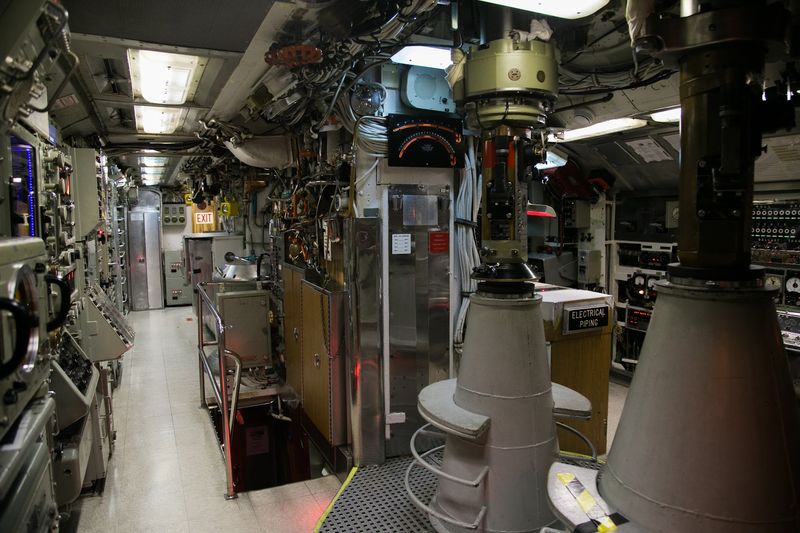
Down in the back of the boat, things get loud looking, even though it is perfectly quiet now. The engine room is a maze of pipes, valves, and big machines that once pushed the Blueback through the sea.
So how did a diesel submarine work? On or near the surface, diesel engines ran and charged giant batteries. Underwater, the boat switched to battery power, which made it very quiet and hard to detect.
That quietness was a huge advantage during the Cold War. Your guide can explain it in simple terms, so no engineering degree is needed.
Science fans will love this stop. It is a real-world lesson in energy, electricity, and machines, which fits nicely with the museum next door. Parents, this is a great moment to connect what kids see here with things they learn in school.
Look for the small details. Handwritten labels, worn metal handles, and tiny warning signs hint at the thousands of hours sailors spent here. It makes the machines feel human somehow. Each scuff tells a little story about hard work far below the waves.
Ladders, Hatches, and a Little Ducking
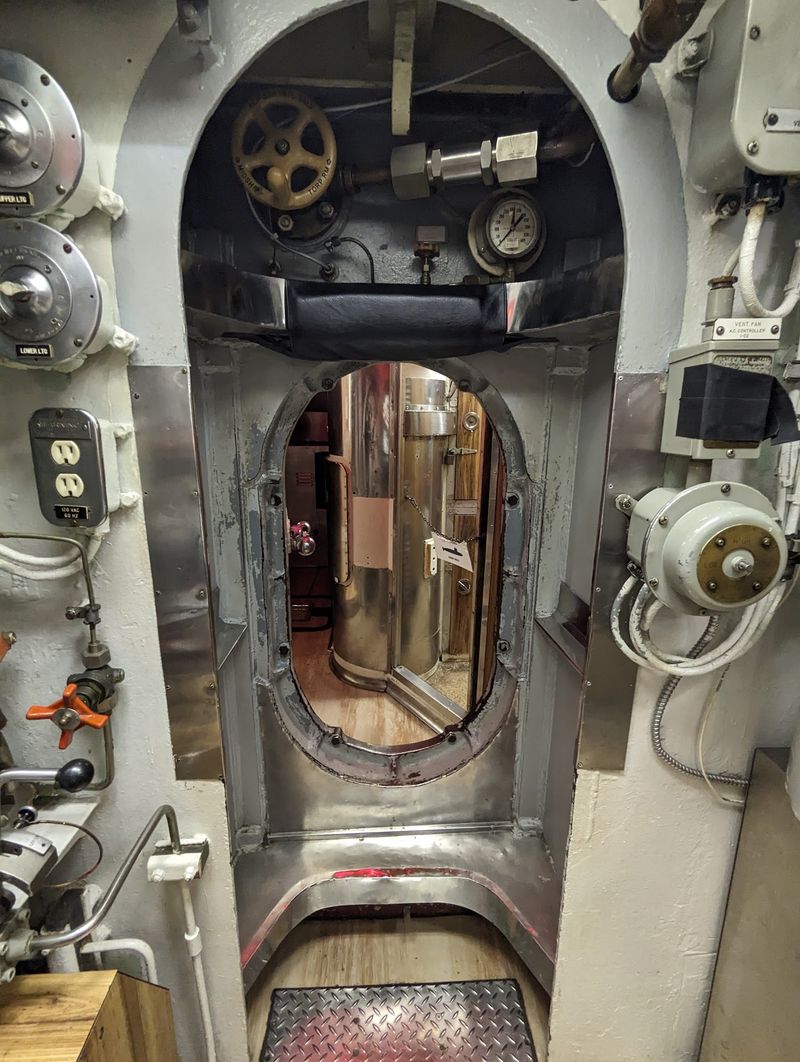
Mind your head. Seriously. The watertight doors between compartments are small and round, and you will duck and step through them many times during the tour.
This is a real submarine, not a model, so getting around takes some effort. Expect steep ladders, narrow hallways, and tight turns. For most people it is part of the fun, and it gives you a true sense of how sailors moved every day.
For anyone with knee, back, or mobility issues, though, it may be hard, so think it through before booking.
Wear comfortable, closed-toe shoes with good grip. Leave big bags, strollers, and bulky coats behind if you can, since there is not much room to spare. Small kids usually handle it well, but keep a hand nearby on the ladders.
Taking it slow is totally fine. The guides are used to all kinds of visitors and will wait for everyone. Once you get the hang of stepping through hatches, you might even start feeling like a real crew member. Just maybe not the kind who sprints to battle stations.
Technical Tours and Overnight Camp-Ins
For some visitors, the regular tour is just the start. The museum has offered a longer technical tour on select days, often on the second and fourth Sundays of the month, that goes much deeper into how the systems worked.
This version is perfect for engineering fans, veterans, and anyone who wants the full story of pipes, pumps, and propulsion. Spots are very limited, so plan well ahead and confirm details with the museum since schedules may change.
Then there are the camp-ins. Yes, groups can actually spend the night aboard the submarine! Scout troops, school groups, and families have slept in the same bunks where sailors once rested.
Picture flashlights, whispered jokes, and the soft creak of the hull on the river. It sounds like the kind of memory kids talk about for years.
Both options turn a fun visit into something bigger. If the standard tour leaves you wanting more, one of these experiences is a great reason to come back. Check the official museum website for current offerings, age rules, and how to reserve a place.
Making a Full Day of It in Portland
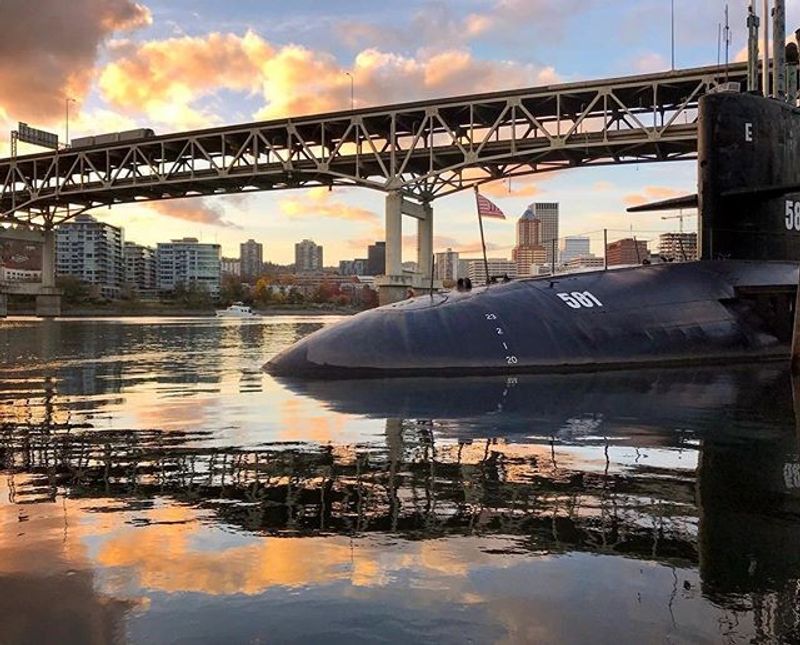
After climbing back up into the fresh air, I just stood on the dock for a minute watching the river. The Blueback looks different once you have been inside. It feels less like an object and more like a place with a heartbeat.
The best part is that the fun does not have to stop there. The submarine sits right next to the Oregon Museum of Science and Industry, so you can pair your tour with hands-on exhibits, a planetarium show, or a stroll along the Eastbank Esplanade. The river path offers lovely views of downtown bridges and boats drifting by.
Ready to explore this Cold War treasure for yourself? You will find the USS Blueback Submarine at 1945 SE Water Ave Suite 300, Portland, OR 97214. Book ahead, duck low, and get ready for one of the most unique adventures in the city.
