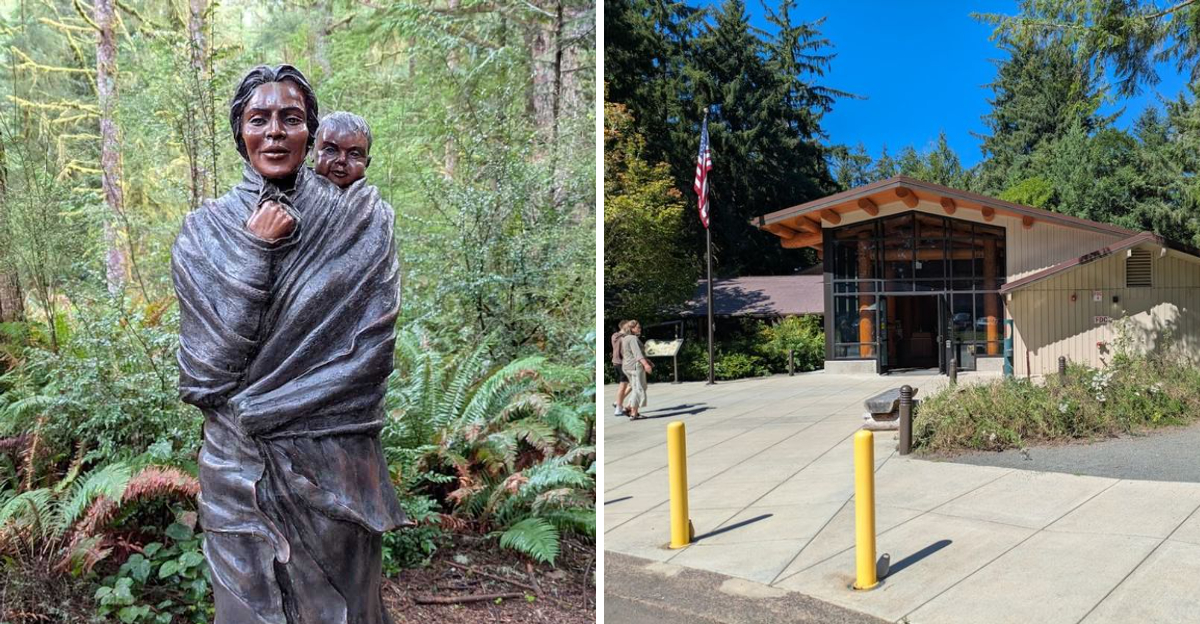
I came here expecting an off-road park, but what I found felt way deeper than just trails and engines. This Oregon spot isn’t only about mud, speed, and adrenaline.
It also carries a surprising piece of American history that most people would never guess is tied to a place like this. Somewhere between the dust clouds and roaring tires, this land also witnessed one of the earliest inclusive democratic votes in the country.
It’s wild to think that a place now filled with off-road chaos once played a role in something so foundational. Standing there, you can almost feel those two worlds colliding – recreation and revolution, side by side.
I’ve been to plenty of parks, but very few make you pause like this one does. And once you know the story, you don’t look at the terrain the same way again.
The Historic Vote That Changed Everything
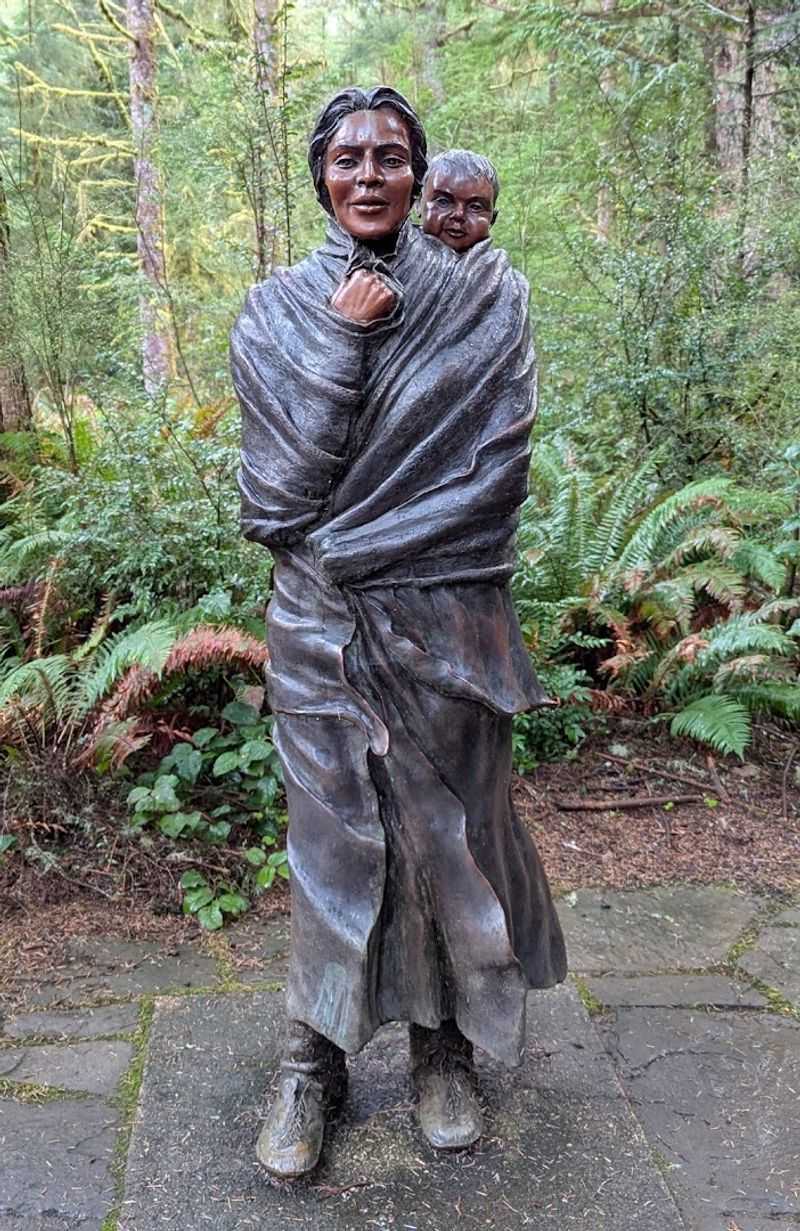
Most people know Lewis and Clark for their legendary cross-country expedition. Fewer know about the quiet but powerful moment that happened right here at Fort Clatsop.
When the Corps of Discovery needed to choose a winter campsite, everyone got a vote.
That included York, an enslaved Black man, and Sacagawea, a Shoshone woman. Neither group had legal voting rights anywhere in the United States at the time.
It was a small decision about geography, but the act itself was extraordinary.
Historians consider it one of the earliest recorded examples of inclusive democratic participation in American history. Standing in this park and knowing that moment happened on this very ground feels genuinely moving.
The visitor center covers this story with care and detail. Rangers often highlight it during their talks.
It is one of those facts that sticks with you long after you leave the trails behind.
Fort Clatsop Replica: Walking Through Winter 1805
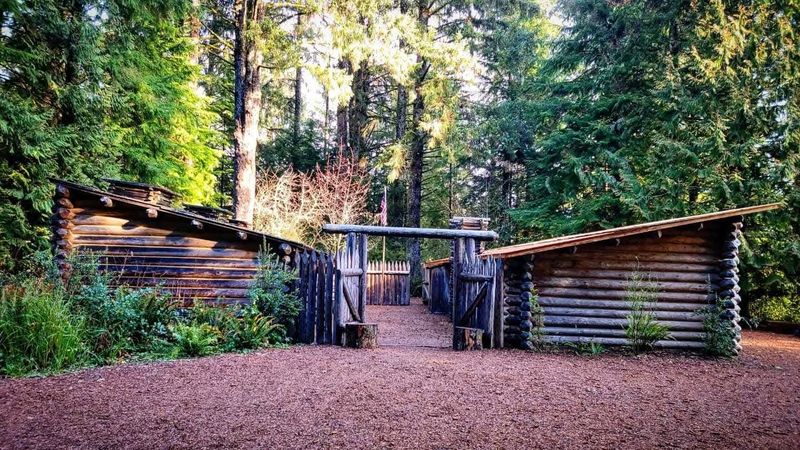
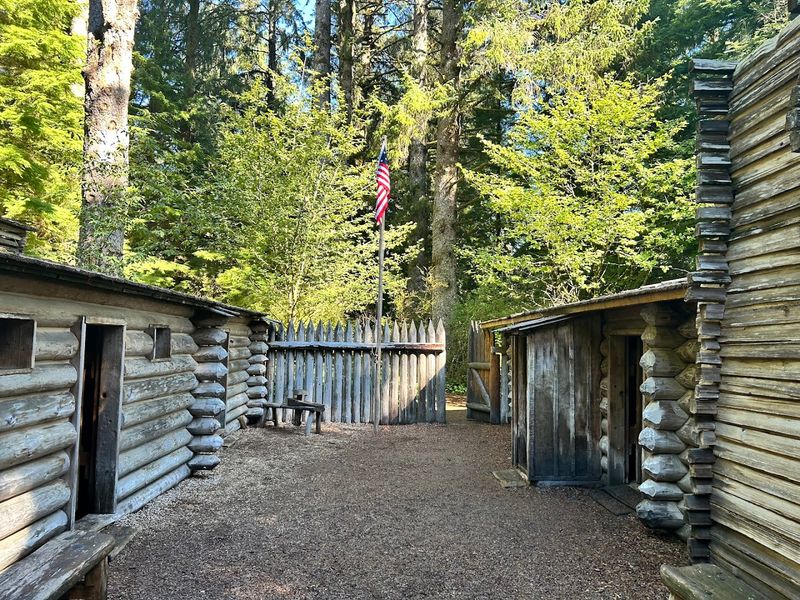
Walking through the reconstructed Fort Clatsop feels surprisingly intimate. The log walls are close together.
The rooms are dim and small. You can almost feel how cold and wet that winter must have been for the 33 members of the Corps of Discovery.
The current replica was built in 2006 after fire destroyed the earlier version. It faithfully recreates the sleeping quarters, storage rooms, and fortified walls the expedition relied on.
Each room has period-accurate tools and furnishings that give real texture to daily life.
I spent more time inside than I expected. The details pull you in.
Small things, like the way the bunks are arranged or the placement of the firepit, tell a story no textbook paragraph quite captures. Rangers in period costume sometimes walk the grounds and share stories from the expedition.
Their presence adds a layer of life to the wooden walls. Plan at least 30 minutes just for the fort itself.
The Visitor Center: Where the Journey Begins
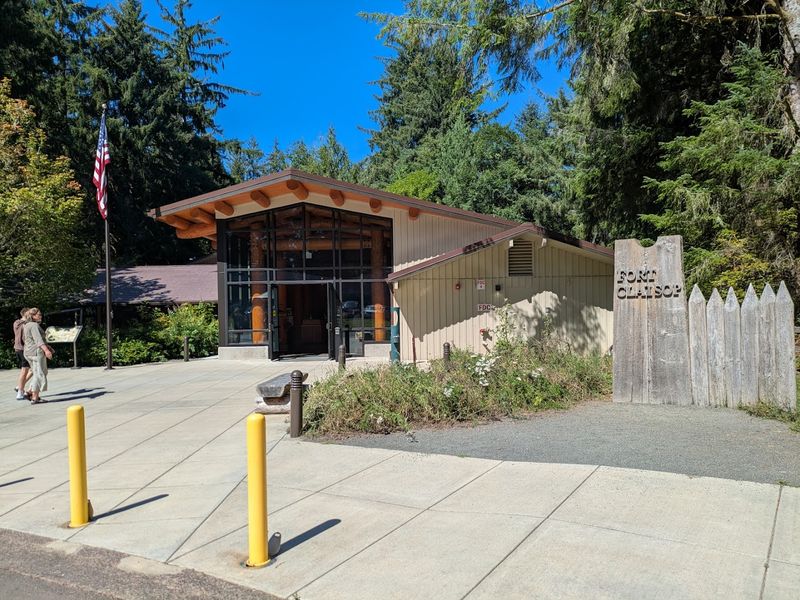
The visitor center is genuinely worth your time before hitting the trails. It is well-organized and easy to follow, even for younger visitors.
Two short films play regularly and give a solid overview of the expedition without feeling like a lecture.
The museum displays are compact but rich. I was surprised by how much information was packed into a relatively small space.
Trade goods, firearms, clothing, canoes, and handwritten correspondence are all professionally displayed. Each item connects to a specific moment in the journey.
Someone mentioned getting through the museum in about 20 minutes, but I found myself reading almost every panel. The section on the Corps’ relationship with the Clatsop tribe is especially thoughtful.
Staff members are knowledgeable and genuinely happy to answer questions. Kids can earn a Junior Ranger badge here, which makes the visit more interactive for them.
Start here before anything else. It sets the context for everything you will see outside.
Trails Through Mossy Old-Growth Forest
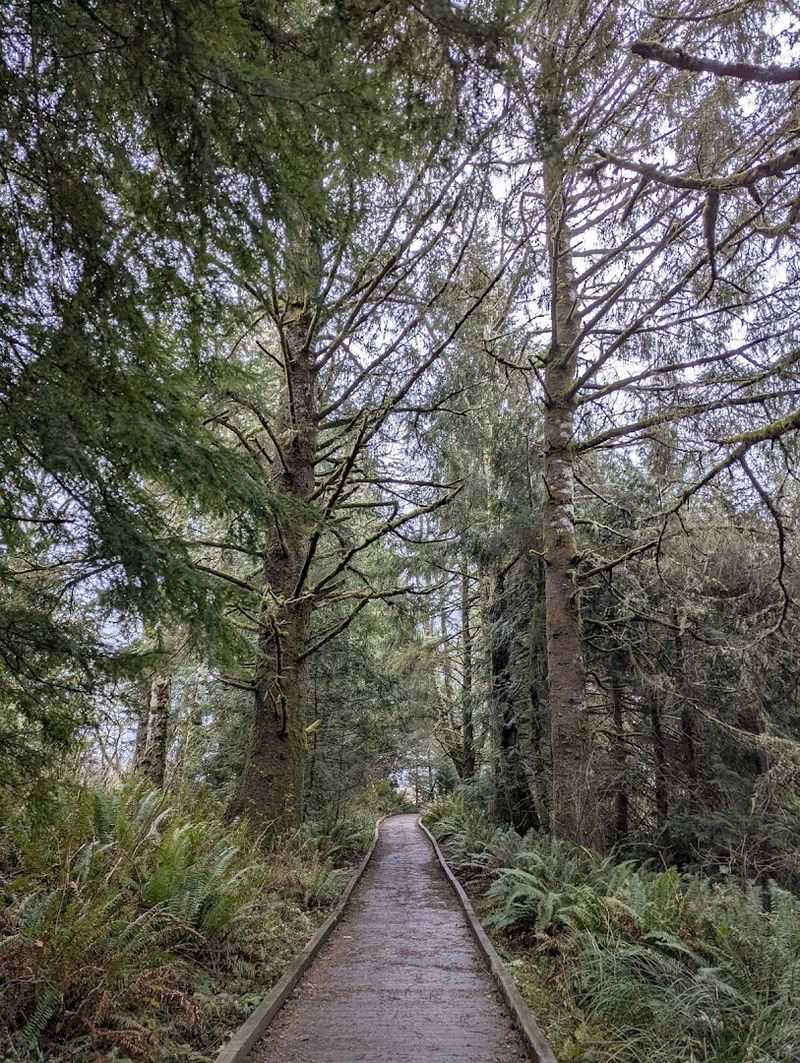
The trails here are genuinely beautiful. Thick moss coats nearly every surface, and the tree canopy creates a soft green light even on overcast days.
For visitors coming from drier climates, the forest can feel almost surreal.
The one-mile loop trail is perfect for a quick visit. It is mostly flat with one or two steeper sections.
Longer trails extend through the park and lead toward the river and even out to the coast via the Fort to Sea Trail. That longer route covers about six miles one way and passes through varied terrain.
Interpretive signs along the shorter trails explain local plant life, animal habitats, and historical details. A park ranger once led a school group I crossed paths with, pointing out edible plants the Corps of Discovery would have used.
That kind of hands-on learning makes the forest feel alive with context. Wear waterproof shoes.
The ground stays damp almost year-round in this corner of Oregon.
The Canoe Landing and River Views
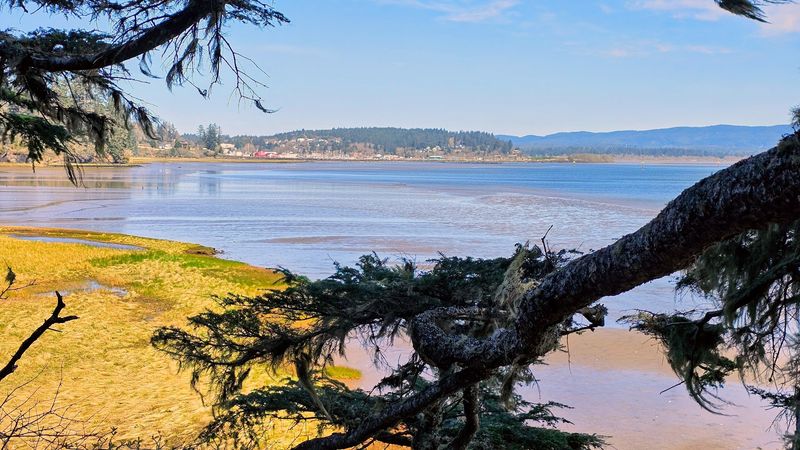
The walk down to the canoe landing is one of the quieter highlights of the park. It is easy to overlook if you are focused on the fort and museum.
But the path leads to a genuinely lovely spot along the river where the Corps of Discovery launched and landed their dugout canoes.
Standing there, looking out at the water, it is easy to imagine the exhaustion and relief the expedition members must have felt arriving here after months of travel. The view is calm and uncluttered.
A few benches make it a good place to sit and just absorb the surroundings.
One visitor described it as their favorite part of the entire trip, and I understand why. The combination of water, forest, and historical weight creates a mood that is hard to shake.
The path to the landing is short and manageable for most fitness levels. Go near the end of your visit.
It makes for a memorable final impression before heading back to the trailhead.
Ranger Talks and Living History Demonstrations
Some of the best moments at this park are completely unscripted. Rangers here have a gift for storytelling.
One visitor described listening to Ranger Randy recount expedition adventures and said it felt like hearing first-hand accounts around a campfire. That kind of energy is rare in any museum setting.
During summer months, living history demonstrations bring an extra layer of engagement. Costumed interpreters show how weapons were loaded and fired.
They explain how food was prepared and how the Corps managed illness and injury far from any town.
Ranger talks happen regularly throughout the day. Check the schedule at the visitor center when you arrive.
The talks are free with park admission and run about 20 to 30 minutes. They cover topics ranging from the Clatsop tribe to navigation methods to daily life inside the fort.
Even if you think you remember Lewis and Clark from school, these talks add details that textbooks rarely include. Bring the kids.
They tend to get completely absorbed.
Sacagawea’s Role in the Expedition
Sacagawea is one of the most recognized figures from the Lewis and Clark expedition. But the full scope of her contribution is often reduced to a single sentence in history books.
This park takes a more complete approach to her story.
She served as an interpreter, a guide, and a symbol of peaceful intent to the tribes the Corps encountered. Her presence with her infant son signaled that the group was not a war party.
That mattered enormously at nearly every diplomatic encounter along the route.
The visitor center dedicates meaningful display space to her background and her specific contributions. Her participation in the campsite vote is highlighted as a moment of remarkable historical significance.
The Clatsop tribe, local to this area, also features prominently in the park’s interpretation. Their relationship with the Corps during that winter was complex and collaborative.
Learning about these dynamics here, in the actual place where they unfolded, gives the history a weight that no documentary quite replicates.
York’s Story and the Vote That Echoed Through History
York traveled the entire length of the Lewis and Clark expedition. He paddled, hunted, navigated, and contributed at every stage of the journey.
Yet for most of American history, his story was treated as a footnote.
At Fort Clatsop, York participated in the vote to choose the winter campsite. He cast his opinion alongside every other member of the Corps.
That act, small in practical terms, was enormous in symbolic weight given the era.
The park’s exhibits address York’s story with honesty and depth. His life before and after the expedition is discussed without softening the difficult realities of his situation.
He remained enslaved after returning from the journey. His later fate is not entirely documented by historians.
But his presence on the expedition and his participation in that vote are recorded and recognized here as genuinely significant. Seeing his story told in this physical place, rather than in a side paragraph of a broader narrative, feels like a form of long-overdue acknowledgment.
Planning Your Visit: Practical Tips for First-Timers
The park is open daily from 9 AM to 5 PM. A National Park Pass covers the entry fee, which makes it a great stop if you are already traveling with one.
The address is 92343 Fort Clatsop Rd, Astoria, OR 97103, and it sits a short drive from downtown Astoria.
Plan for at least 90 minutes if you want to see the visitor center and the fort. Add another hour if you plan to walk to the canoe landing or explore the interpretive trails.
Spring and summer offer the richest experience. Summer brings demonstrations and full ranger programming.
Winter visits are quieter and can be quite rainy, though the forest has its own moody beauty in the off-season.
Wear layers. The Oregon coast weather shifts quickly.
Bring waterproof footwear for the trails. Dogs are welcome on outdoor trails but not inside buildings.
Clean bathrooms are available at the visitor center. There is also a small souvenir shop and a national park passport stamp station for collectors.
Why This Park Deserves a Spot on Every Oregon Itinerary
Not every national park carries this kind of layered meaning. Fort Clatsop is a place where natural beauty and human history overlap in a way that genuinely earns your attention.
The trails are lovely. The forest is stunning.
But the story underneath it all is what makes the visit linger in your memory.
This is where a group of 33 people survived a brutal Pacific Northwest winter together. It is where a Black man and a Native American woman cast votes before such a thing was recognized anywhere in the country.
Those are not small details. They are the whole point.
Visitors consistently mention the quality of the rangers, the depth of the exhibits, and the peacefulness of the grounds. It rewards curiosity.
The more questions you bring, the more satisfying the visit becomes. History buffs, families, hikers, and casual day-trippers all find something real here.
Dear Reader: This page may contain affiliate links which may earn a commission if you click through and make a purchase. Our independent journalism is not influenced by any advertiser or commercial initiative unless it is clearly marked as sponsored content. As travel products change, please be sure to reconfirm all details and stay up to date with current events to ensure a safe and successful trip.
