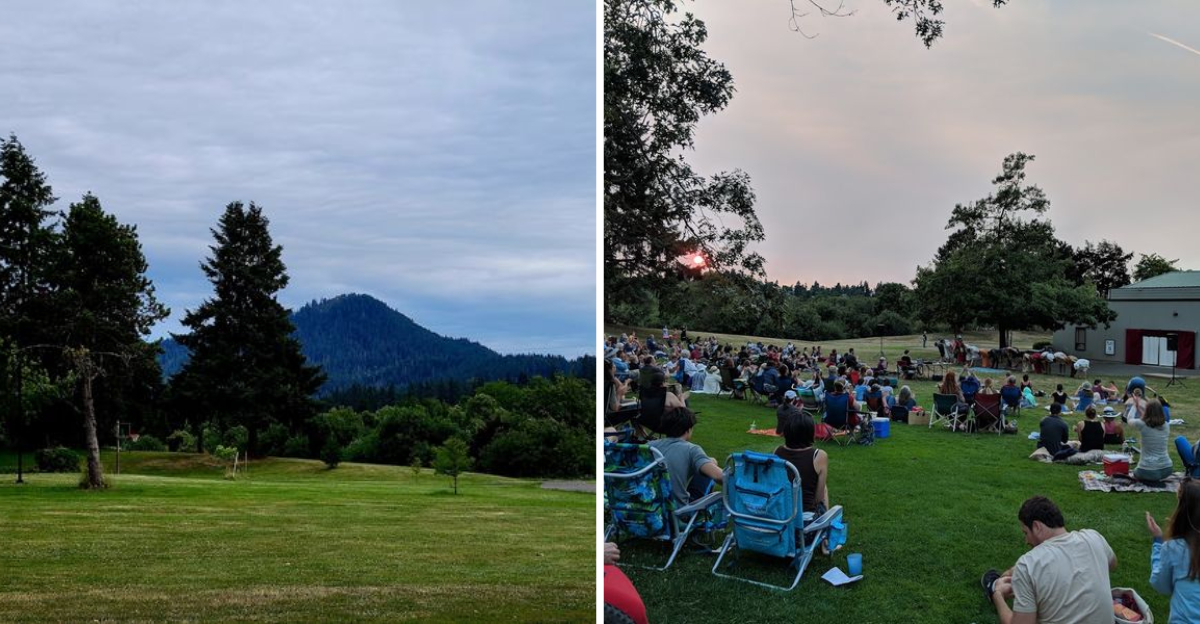
There is something quietly special about this Oregon park, and I felt it the moment I arrived. Nearly 100 acres of green space stretched out before me, a place where joggers share the landscape with protected wetlands and kids shriek with delight on an inclusive playground.
It is the kind of park that surprises you, offering far more layers than a simple patch of grass and a swing set.
I had heard friends say this place was worth the visit, but nothing quite prepared me for how seamlessly it weaves active recreation with genuine ecological stewardship. The soft crunch of bark trails underfoot and the quiet shimmer of restored creek water make every corner of this park tell a different story.
I found myself lingering longer than planned, watching the light shift through the trees and feeling grateful for public spaces done right. This is one of those rare places that manages to feel both energizing and deeply peaceful at the same time.
Trails That Whisper Stories
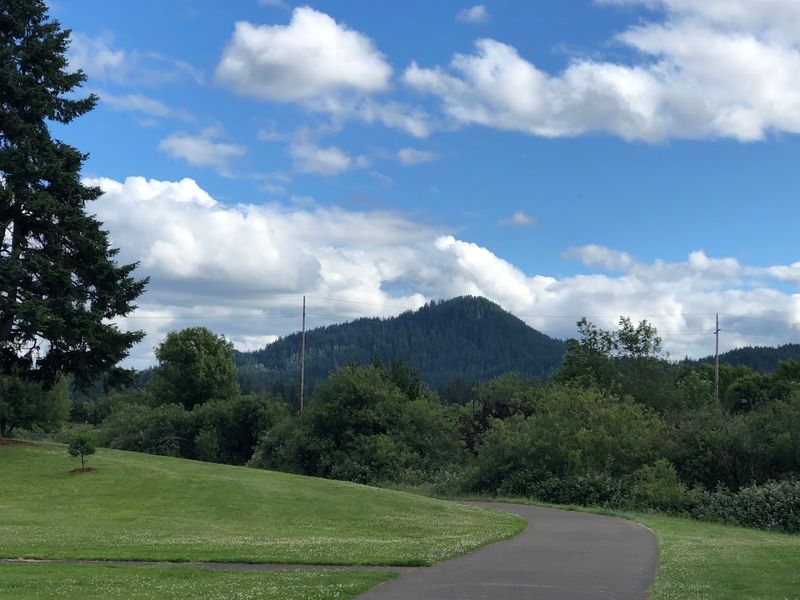
The North and South Amazon Running Trail System caught my attention before I had even finished my first lap. A 5.5-mile bark jogging path loops through the park, and the soft texture underfoot gives every step a kind of cushioned rhythm that paved trails simply cannot replicate.
Shorter cut-off loops offer flexibility for those who want a quicker circuit, and certain sections are lit for evening use, which is a thoughtful detail I genuinely appreciated.
The path transitions gracefully between open meadows and shaded pockets of forest, so the scenery keeps shifting in a way that prevents the walk from ever feeling repetitive. Cyclists glide by, walkers meander at their own pace, and the whole scene has a relaxed, communal energy.
Nobody seems rushed here.
What makes these trails especially compelling is how they connect beyond the park itself, linking to Frank Kinney Park and the broader Ridgeline Trail system. That sense of expansiveness, knowing you could keep going if you wanted to, adds a genuine thrill to even a short outing.
It is the kind of trail network that rewards curiosity and makes Eugene, Oregon feel like a city built for people who love to move.
A Playground Built for Every Kid
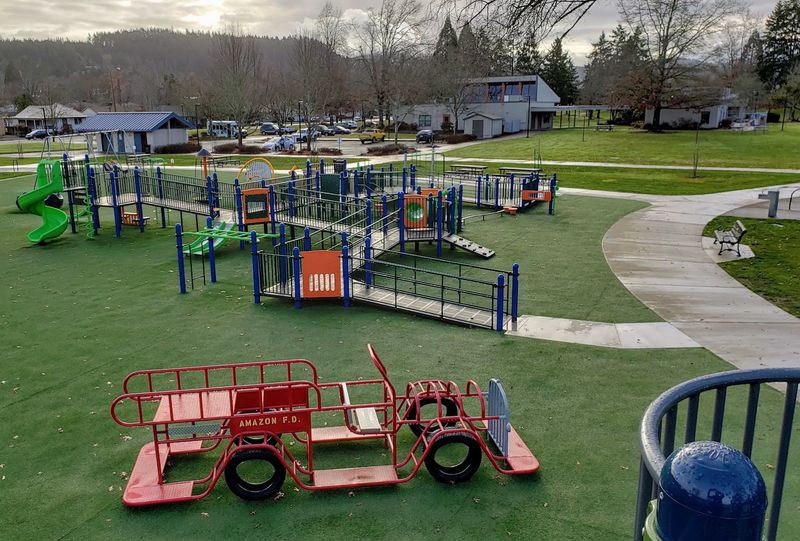
The playground at Amazon Park has a reputation among Eugene families, and honestly, it earns every bit of it. Kids here call it the Dinosaur Park, and once you spot the massive climbable dinosaur sculpture anchoring the space, you will understand why immediately.
It is the kind of bold, imaginative design choice that turns an ordinary afternoon into a genuine adventure.
Beyond the dinosaur, the space is filled with musical instruments, special spinners, multiple slides, and swings designed for children of all physical abilities, including shoulder-harness options for kids with mobility challenges. The ground beneath it all is covered in synthetic turf, which cushions falls and keeps little ones from tracking bark dust everywhere.
Parents tend to linger here longer than they planned.
There is also a separate structure scaled for older kids, so siblings of different ages are not fighting over the same equipment. Picnic tables are scattered nearby for easy supervision while eating a snack.
The thoughtful design of this space reflects a genuine commitment to making Amazon Park accessible and welcoming to every family, regardless of a child’s physical needs or age. It is refreshing to see a park that takes inclusivity this seriously.
Recreation That Matches Every Energy Level
Some parks offer a field and call it a day. Amazon Park takes a completely different approach, stacking recreational options on top of each other until the place feels almost like a small athletic campus.
Ball fields suitable for soccer and baseball spread across the open sections, drawing organized leagues and casual pickup games alike on any given afternoon.
The skate park sits nearby, and the sound of boards grinding against concrete edges gives the area a lively, urban pulse that contrasts nicely with the quieter natural zones. Sand volleyball courts, basketball courts, and tennis courts round out the options, ensuring that almost any sport preference is covered within a single visit.
I watched several different activities happening simultaneously, and the park absorbed all of it without feeling chaotic.
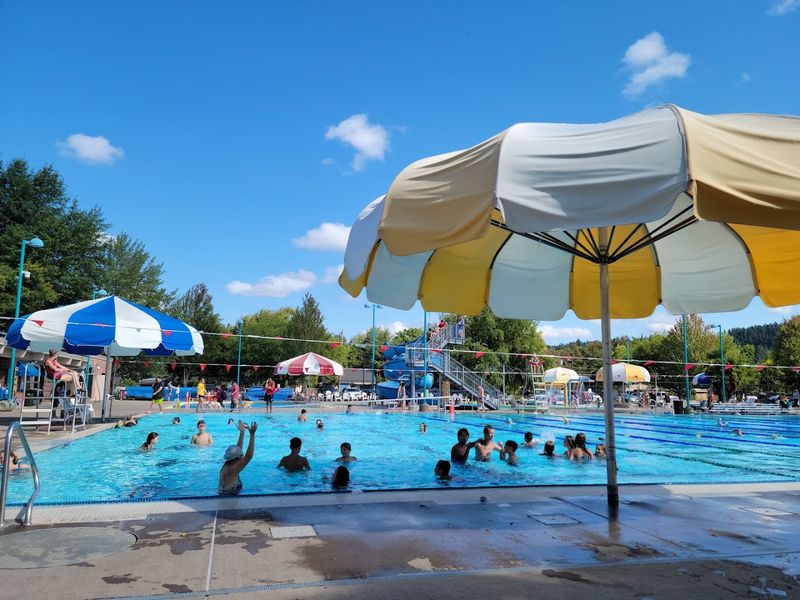
Summer brings yet another draw: the Amazon Pool, Eugene’s only outdoor public pool, typically opens from late May through September. With seven distinct sections, multiple diving boards, a twisty slide, a toddler area, and a snack bar, it functions almost as a destination on its own.
The pool staff keeps things running smoothly, and the overall atmosphere is relaxed and family-friendly. It adds a seasonal layer to the park that keeps people returning all summer long.
The Living Story of Amazon Creek
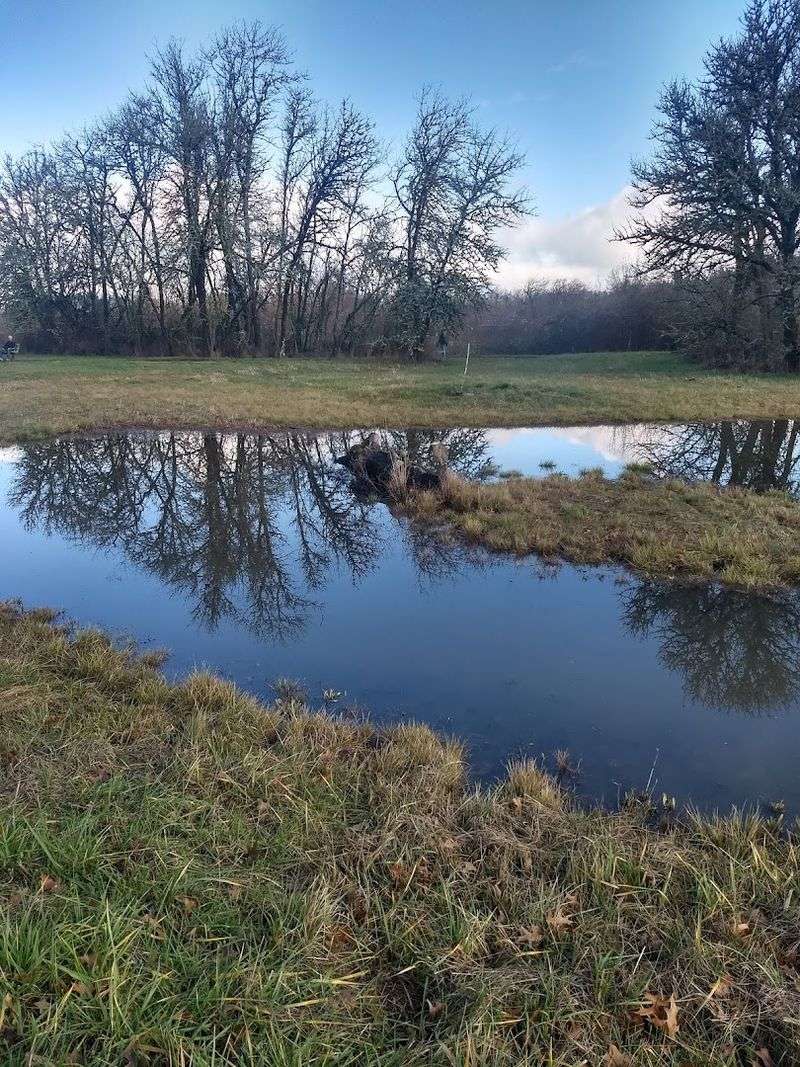
For decades, a significant stretch of Amazon Creek ran through a 65-year-old concrete channel, a practical but ecologically limiting solution. That is changing now.
The City of Eugene launched an ambitious restoration project in spring 2024, removing the concrete to restore the creek’s natural slope and replanting its banks with native species. The project is expected to continue through early 2026, and even mid-restoration, you can sense the transformation underway.
A footbridge south of 20th Avenue is being reconstructed as part of the work, giving visitors a new vantage point to observe the creek’s gradual return to health. The goal extends beyond aesthetics.
Improved water quality and a healthier natural habitat for fish, birds, and other wildlife are the real prizes here, and the early results look promising.
Pausing near the creek, I found myself thinking about how rarely urban parks commit to this level of ecological investment. It would be easy to leave the concrete in place and focus solely on recreational upgrades.
Instead, Eugene chose the longer, harder path of genuine restoration. That choice says something meaningful about how the city values its natural systems, and it gives Amazon Park a depth that purely recreational green spaces simply cannot match.
Rare Plants and Protected Wetlands
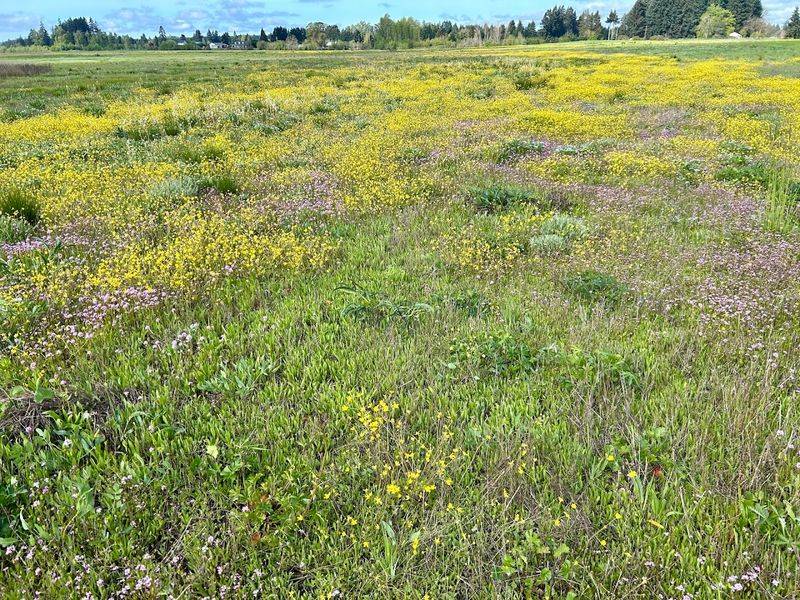
Hidden within Amazon Park’s wider landscape are ecological zones that carry genuine scientific significance. The park protects restored wet prairies, including an area known as Gawa-Ni, a Kalapuyan name meaning place where you walk through wetlands.
Another section is called Ma-Lik, meaning ash tree grove, also drawn from Kalapuyan language. These names are not decorative choices; they reflect a deliberate effort to honor the Indigenous history woven into this land.
Within these protected areas lives Bradshaw’s Lomatium, known scientifically as Lomatium bradshawii, a federally listed endangered plant that requires very specific wet prairie conditions to survive. Its presence here is a quiet but powerful indicator of how carefully managed these natural zones are.
Wet prairies of this type were once widespread across the Willamette Valley but are now critically rare, making every restored acre genuinely meaningful.
The ash groves face their own challenge from the Emerald Ash Borer beetle, and there are active discussions about transforming these areas back toward pre-colonial camas meadow conditions. It is conservation work that unfolds slowly and without fanfare, but the results accumulate over time.
For anyone who cares about biodiversity and native ecosystems, this corner of Amazon Park offers something genuinely worth seeking out.
Wildlife Sharing the Space
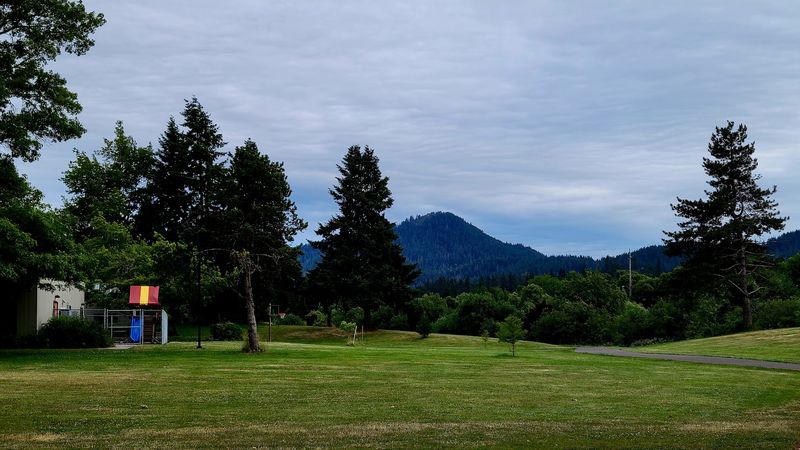
Sitting quietly near the creek restoration zone, I noticed how quickly nature fills in the gaps when given a little room to breathe. Bird calls layered over each other in the ash woodlands, and the occasional flash of wings between branches reminded me that this park is genuinely shared territory.
The ongoing habitat improvements are already drawing more species back to these edges.
The broader wetland ecosystems connected to the park support an impressive roster of wildlife, including beaver, river otter, Pacific chorus frogs, and over 200 other species according to local ecological records. I did not personally spot all of these on my visit, but knowing they exist nearby changes how you experience even the quieter corners of the park.
There is a sense of something living just beyond the treeline.
The dog park adds a different kind of wildlife energy to the mix. Dogs sprint, tumble, and socialize with obvious enthusiasm, their owners chatting nearby while keeping a loose eye on the action.
Water bowls and a rinse hose are available, practical details that make the space genuinely functional. Watching domesticated animals and wild creatures occupy the same green space, separated only by a chain-link fence and a few dozen yards, is a strangely satisfying reminder of how much life a well-managed park can hold.
Community Spirit in Bloom
Oregon’s Amazon Park does not stop at trails and ball fields. The Amazon Community Center sits within the park, hosting classes, workshops, and special events throughout the year for residents of all ages.
It is a building that sees genuine daily use, not just the occasional weekend event, and that steady activity gives the surrounding park a warm, inhabited feeling.
The Hilyard Community Center, also located here, houses Eugene’s Adaptive Recreation Program, which provides structured opportunities for individuals with physical, developmental, and emotional disabilities to participate in active, healthy lifestyles. Seeing that program embedded directly within a major public park, rather than tucked away in a separate facility, feels like the right approach.
Accessibility should be central, not supplemental.
The community garden adds a grounded, neighborly texture to the park’s character. Plots are tended with visible care, and the whole area has the easy, unhurried energy of people who genuinely enjoy being outside together.
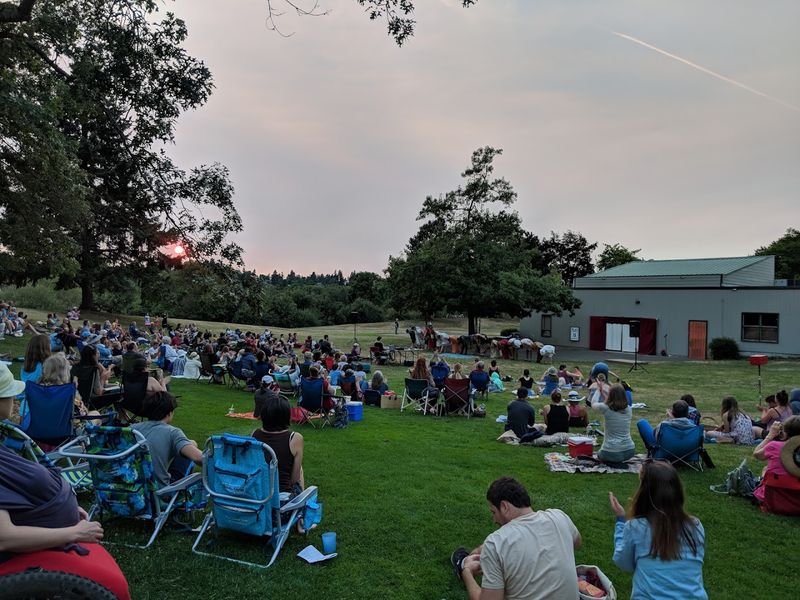
From June through October, a farmers market sets up on Thursdays, pulling in local vendors and regular shoppers alike. Events like the annual Teddy Bear Picnic and occasional Shakespeare in the Park performances round out a community calendar that keeps Amazon Park lively across every season.
It is a park that clearly belongs to the people who use it.
