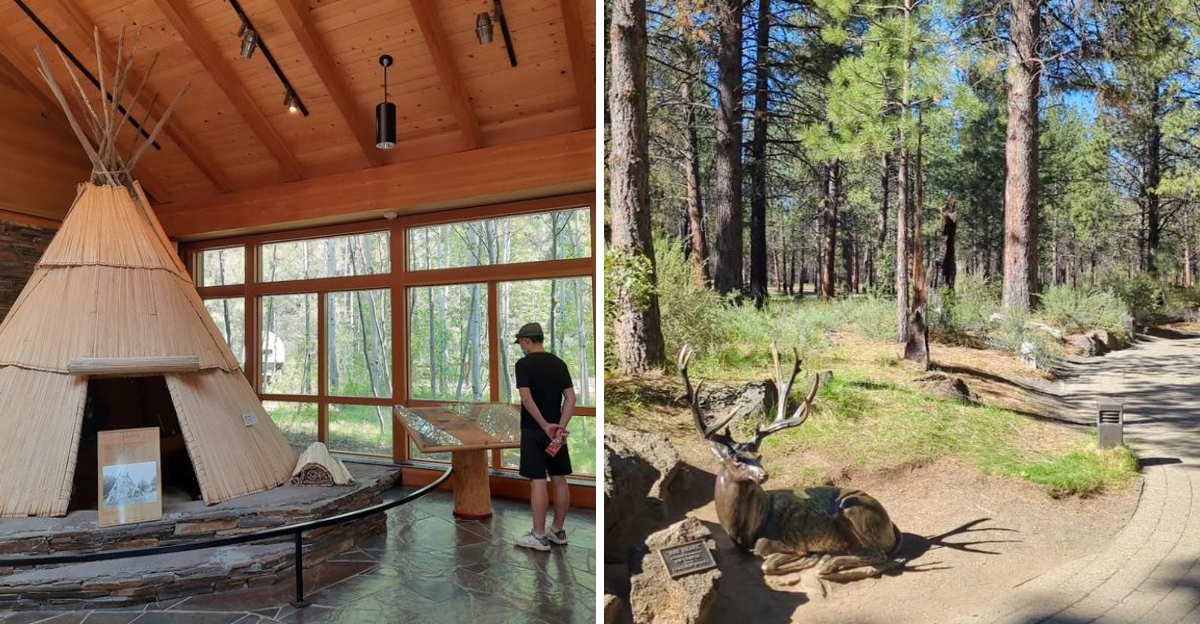
I walked through the gates at the High Desert Museum expecting a typical dusty display of old artifacts behind glass cases. What I found instead was something far more remarkable: a living, breathing portal into the past that made me feel like I’d stepped straight into the 1800s.
Located at 59800 S Hwy 97 in Bend, Oregon, this 135-acre wonder combines history, wildlife, and culture in ways that most museums only dream about.
The moment I spotted costumed historians working at an authentic pioneer cabin, I knew this wasn’t going to be an ordinary museum visit. The smell of sawdust from the working sawmill mixed with pine forest air, while the sounds of daily life from over a century ago echoed around me.
This place doesn’t just tell you about Oregon’s pioneer past, it lets you experience it firsthand, making history feel immediate and real in ways that textbooks never could.
Living History at the 1904 Ranch
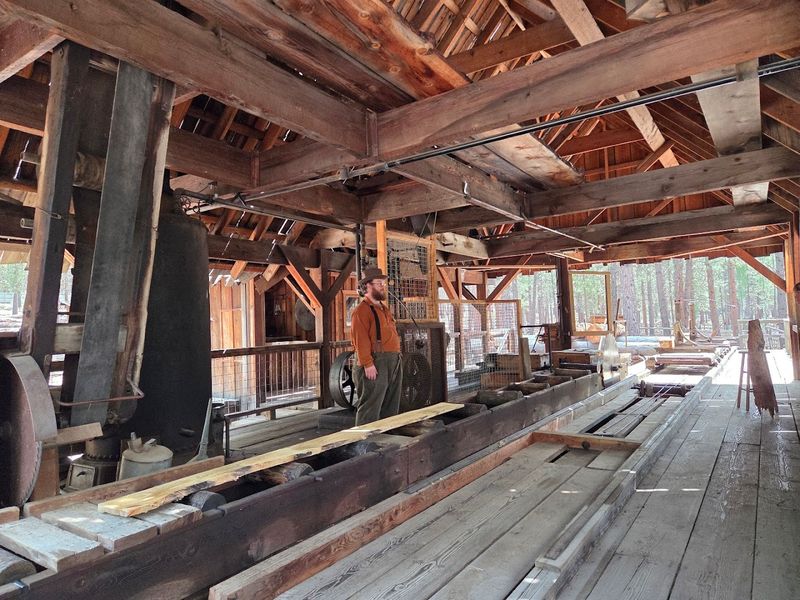
Stepping onto the grounds of the 1904 Ranch felt like crossing an invisible threshold into another era. Costumed historians don’t just stand around looking period-appropriate, they actually work the land, demonstrating skills that kept pioneer families alive in the harsh high desert climate.
I watched one historian split wood with techniques passed down through generations, explaining how settlers had to make every swing count when winter was approaching.
The working sawmill rumbles to life during demonstrations, its blade cutting through logs just as it would have done more than a century ago. You can smell the fresh-cut pine and hear the mechanical rhythm that once provided building materials for entire communities across Oregon.
The authenticity extends to every corner of the ranch, from the tools hanging in the barn to the methods used for daily chores.
Kids get absolutely mesmerized by the hands-on activities available here. They can try their hand at pioneer tasks, learning just how much physical labor went into survival back then.
This immersive experience transforms abstract history lessons into tangible memories that stick with visitors long after they leave.
The Spirit of the West Exhibition
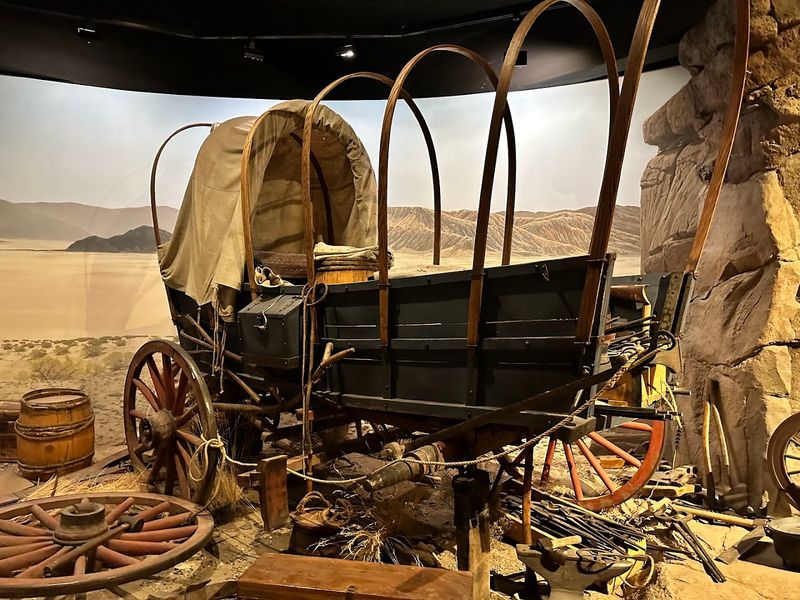
Walking through the Spirit of the West exhibition reminded me why some museums earn their reputation as world-class institutions. The craftsmanship and attention to detail in these displays rivals anything I’ve seen in major metropolitan museums, yet here it sits in the high desert of Central Oregon.
Each scene captures a specific moment in the region’s history with such precision that you can almost hear the conversations between fur trappers planning their next expedition.
The exhibition doesn’t sugarcoat the complexities of westward expansion. It presents the stories of miners, settlers, and traders with honesty, showing both their remarkable resilience and the challenges they faced.
I found myself lingering over the artifacts, from worn leather boots to handwritten journals, each item telling its own story about survival in an unforgiving landscape.
What struck me most was how the exhibition connects past to present. The same determination that drove pioneers to build communities in this harsh environment still defines Oregon’s character today.
You leave understanding not just what happened in the 1800s, but why it still matters to the region’s identity and culture now.
Native American Culture Through ‘By Hand Through Memory’
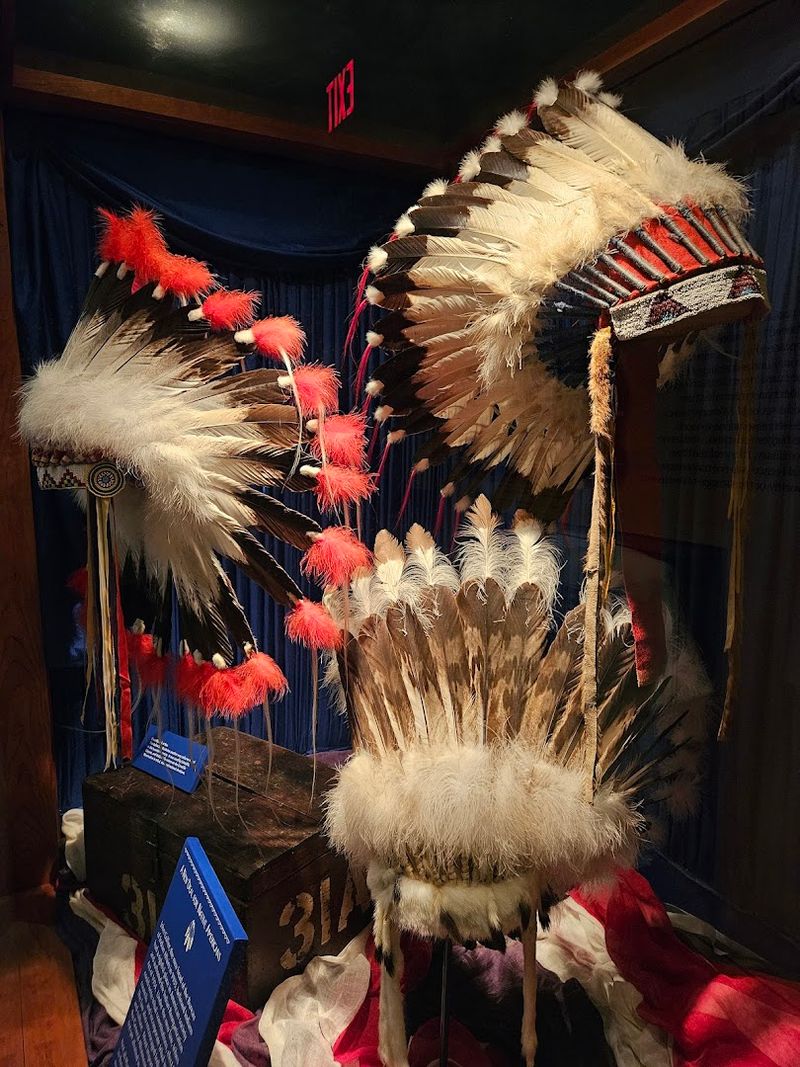
The ‘By Hand Through Memory’ exhibit stopped me in my tracks with its powerful presentation of Plateau Indian Nations’ history. Unlike exhibits that treat indigenous cultures as relics of a distant past, this one pulses with life and continuity.
The craftsmanship displayed in traditional weavings and tools demonstrates skills refined over countless generations, each piece representing knowledge carefully preserved and passed down.
I spent considerable time examining the intricate beadwork and basketry, marveling at the precision and artistry involved. These weren’t just functional objects, they were expressions of cultural identity and spiritual connection to the land.
The exhibit explains how these traditions survived despite tremendous pressure and hardship, showcasing the remarkable resilience of indigenous communities in Oregon and throughout the Intermountain West.
What makes this exhibit particularly meaningful is its focus on living culture rather than vanished civilizations. It highlights how Plateau Nations continue to practice traditional arts and maintain their cultural heritage today.
The stories shared here provide essential context for understanding the complete history of this region, not just the pioneer narrative that often dominates museum spaces.
River Otters and Wildlife Encounters
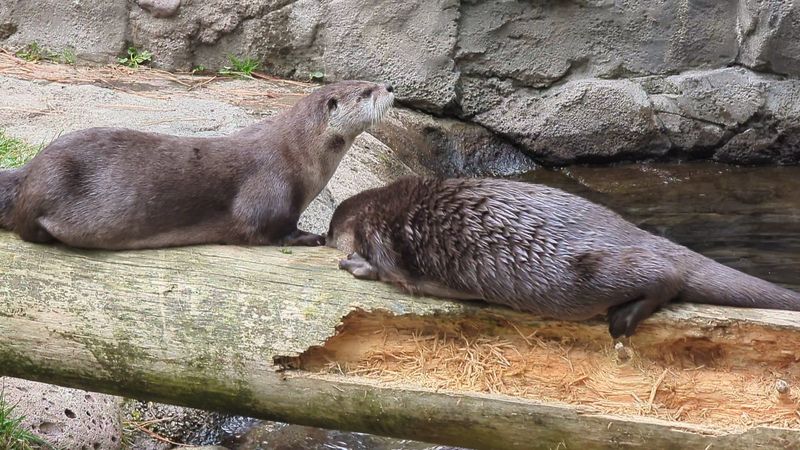
Nothing prepared me for the sheer entertainment value of watching river otters at play. These charismatic creatures put on a show that had both kids and adults pressed against the viewing glass, laughing at their acrobatic underwater maneuvers.
The exhibit design allows you to watch them from multiple angles, including an underwater viewing area where you can see them torpedo past at remarkable speeds.
The museum houses several native species, many of which arrived as rescues unable to return to the wild. Beyond the otters, I encountered porcupines munching contentedly on vegetables, their quills catching the light like nature’s own fiber optics.
The birds of prey section features bald eagles, golden eagles, and various owl species, each with its own story of rescue and rehabilitation.
What elevates these wildlife encounters beyond typical zoo experiences is the educational component woven throughout. Knowledgeable naturalists stationed at various exhibits share fascinating details about each animal’s behavior, diet, and role in the high desert ecosystem.
I learned more about Oregon’s native wildlife in one afternoon here than I had in years of hiking through the state’s wilderness areas.
Birds of Prey Flight Demonstrations
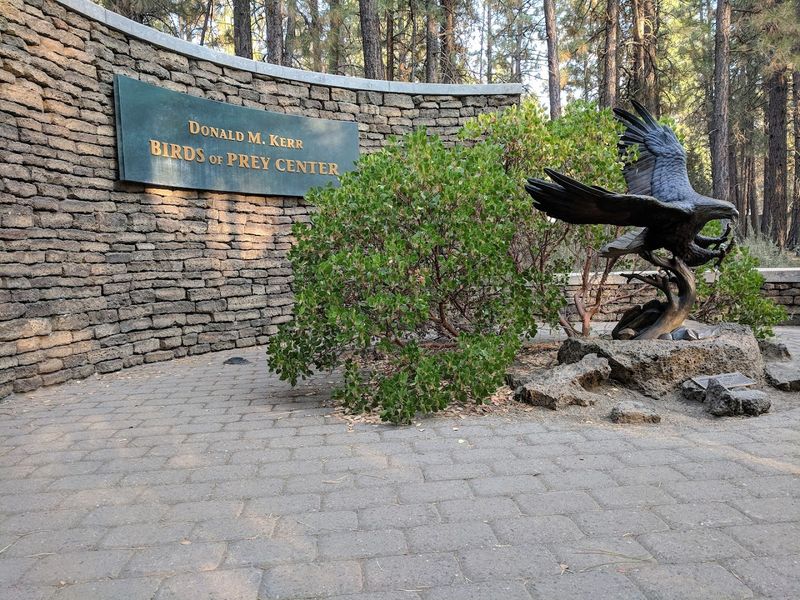
Few experiences compare to standing in an outdoor amphitheater while a red-tailed hawk swoops just overhead, its wings creating an audible whoosh as it passes. The summer flight demonstrations at the Birds of Prey Center rank among the most thrilling wildlife presentations I’ve ever witnessed.
These aren’t trained circus performers, they’re wild birds demonstrating their natural hunting behaviors in a controlled setting that allows visitors to appreciate their incredible capabilities.
Handlers explain the unique adaptations that make each species a successful predator while the birds soar, dive, and demonstrate hunting techniques. Watching a falcon reach speeds that would earn it a speeding ticket on most highways puts their athletic prowess into perspective.
The owls, with their silent flight capabilities, prove equally impressive as they glide past without making a sound.
These demonstrations serve an important educational purpose beyond pure entertainment. They help visitors understand the crucial role raptors play in maintaining ecosystem balance throughout Oregon and the broader Intermountain West.
By the end of the presentation, you’ve gained genuine appreciation for these magnificent birds and the conservation efforts working to protect them.
Expansive Forest Setting and Walking Trails
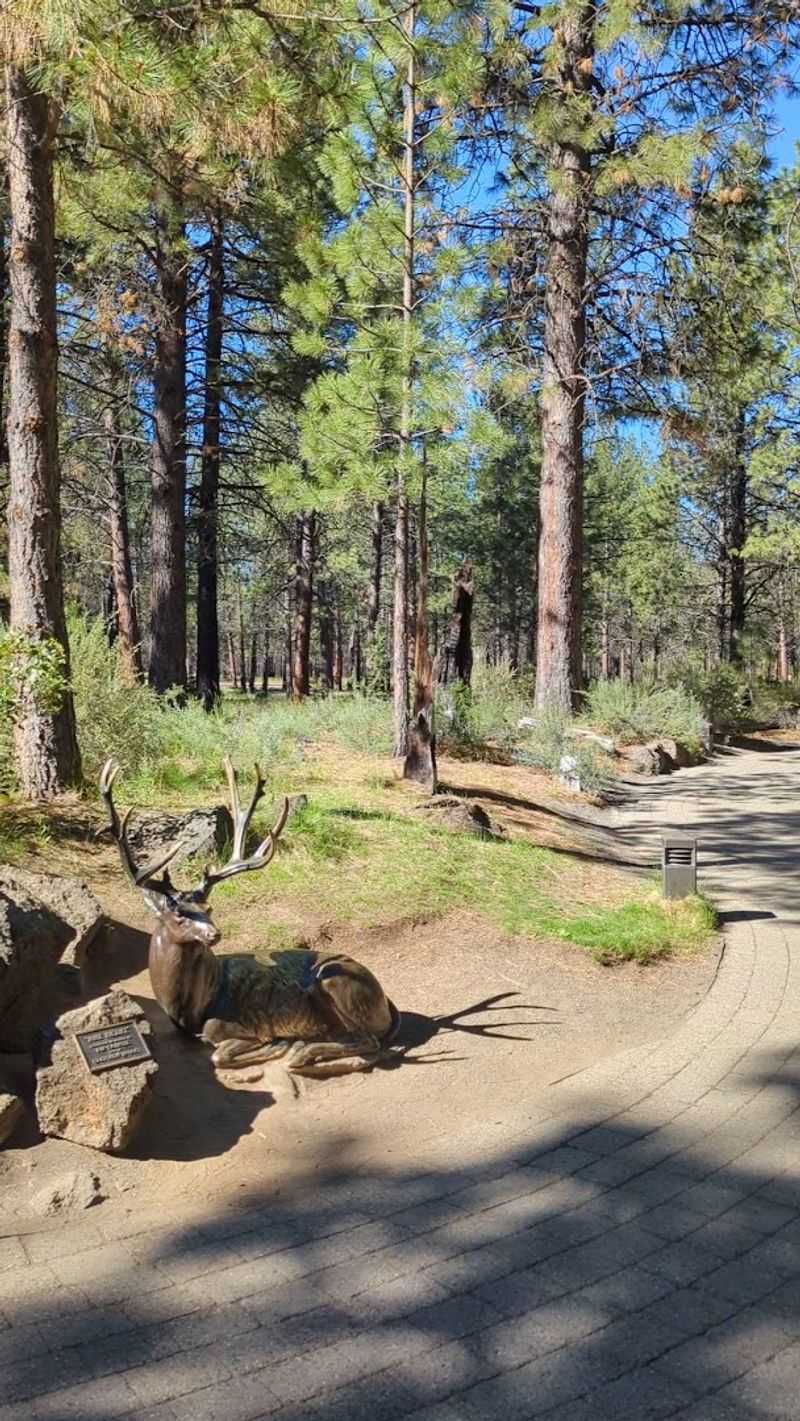
The moment I stepped onto the forest trails surrounding the museum buildings, the high desert’s unique character revealed itself. Ponderosa pines tower overhead, their distinctive vanilla-scented bark warming in the sun, while native shrubs and grasses demonstrate the remarkable plant adaptations necessary for survival in this environment.
The 135-acre campus provides enough space to create genuine separation between exhibits, making each discovery feel like a new adventure rather than just another room in a building.
These aren’t just connecting pathways between attractions, they’re educational experiences in themselves. Interpretive signs along the trails explain the ecology of the high desert, pointing out plant species and their traditional uses by indigenous peoples.
I found myself pausing frequently to examine the flora, understanding for the first time how this seemingly harsh landscape actually teems with life when you know where to look.
The outdoor setting transforms a museum visit into a nature walk, combining cultural education with environmental awareness.
Interactive Children’s Activities and Programs
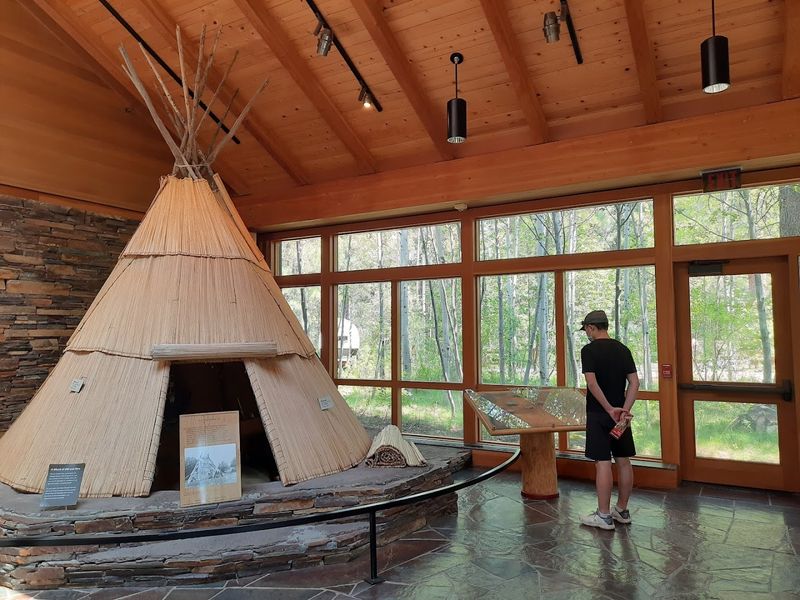
Parents know the challenge of keeping kids engaged at museums, but the High Desert Museum has cracked the code. Throughout my visit, I watched children completely absorbed in hands-on activities that made learning feel like play.
The interactive exhibits don’t just offer buttons to push, they provide genuine opportunities for kids to experiment with concepts like animal tracking, pioneer tool usage, and natural science observations.
The museum’s educational programming extends beyond permanent exhibits to include camps and special events designed for different age groups. I observed a group of young visitors trying their hand at traditional skills like rope-making and wool-spinning under the guidance of patient educators.
Their excitement was contagious, and I noticed several adults sneaking in to try these activities themselves when they thought no one was watching.
What impressed me most was how the museum manages to be genuinely educational without feeling like school. Kids absorb information about Oregon’s history, ecology, and culture naturally while they’re having too much fun to realize they’re learning.
Rimrock Cafe and Visitor Amenities
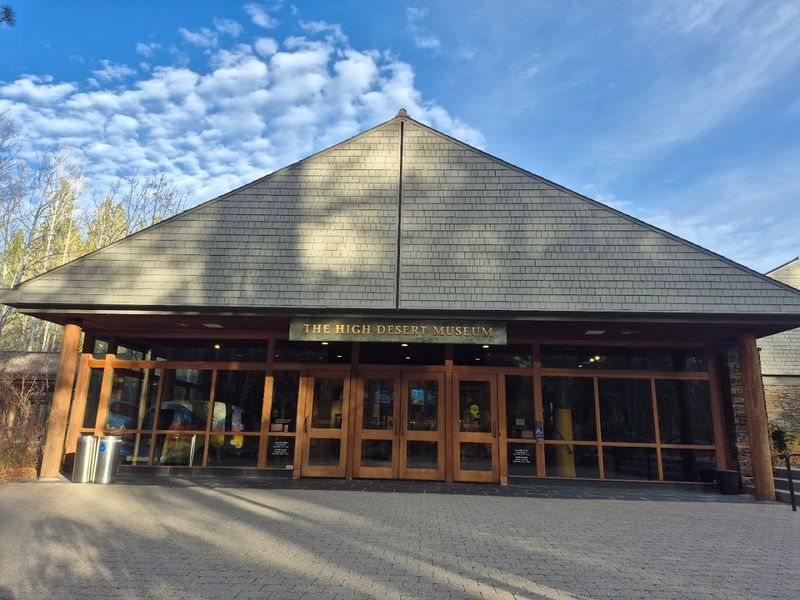
After several hours of exploring, I discovered the Rimrock Cafe and immediately appreciated having quality food available on-site. Museum cafeterias often serve uninspired fare, but this one surprised me with fresh, thoughtful options that go beyond typical institutional food service.
The outdoor terrace seating area proved particularly pleasant, allowing me to enjoy my meal while listening to birds calling from the surrounding forest.
The cafe’s Coconut Salad earned enthusiastic mentions in several visitor reviews I’d read, and I understood why after trying it myself. Having this dining option available means families can spend an entire day at the museum without needing to leave for meals, which significantly enhances the overall experience.
The pricing seemed reasonable for a museum cafe, and the quality justified the cost.
Beyond dining, the museum provides thoughtful amenities that demonstrate real consideration for visitor needs. Free parking accommodates the heavy traffic this popular attraction receives, and I noticed outdoor kennels available for visitors traveling with dogs.
Rotating Art Exhibitions and Western Art
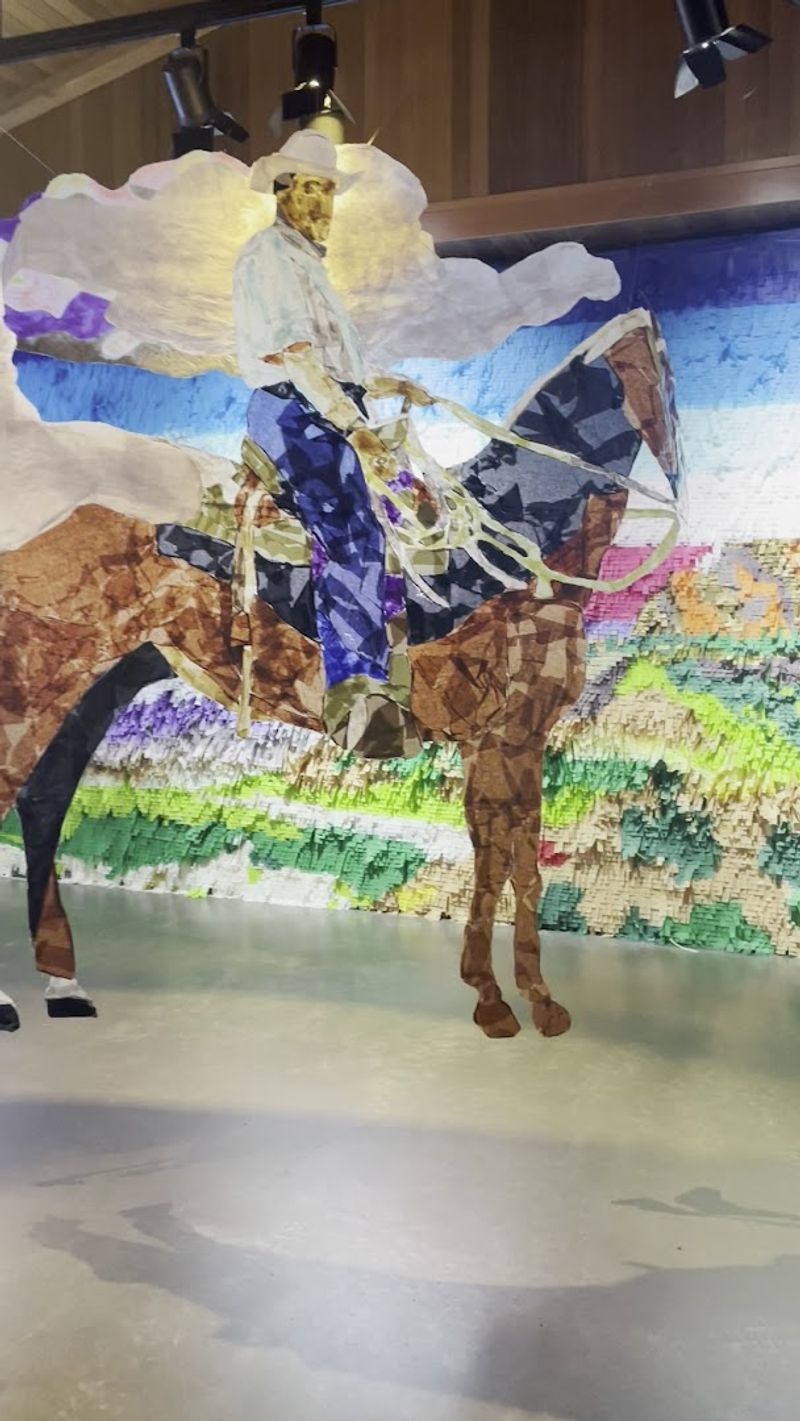
Art museums and natural history museums typically occupy separate categories, but the High Desert Museum brilliantly combines both disciplines. During my visit, rotating art exhibitions showcased works that explored themes directly connected to the region’s character and history.
The Western Art display featured pieces available for purchase, giving visitors the unique opportunity to take home museum-quality artwork that captured the spirit of Oregon’s high desert landscape.
The art exhibitions don’t feel tacked on as an afterthought, they integrate seamlessly with the museum’s broader mission of interpreting the Intermountain West’s culture and environment. I found myself moving between natural history displays and art galleries, each experience enriching the other.
The paintings and sculptures provided emotional and aesthetic dimensions to complement the factual information presented elsewhere in the museum.
This blend of art and science creates a more complete understanding of the region than either discipline could achieve alone. It’s a sophisticated approach that respects visitors’ intelligence while making the overall experience more engaging and memorable.
Private Non-Profit Mission and Community Impact
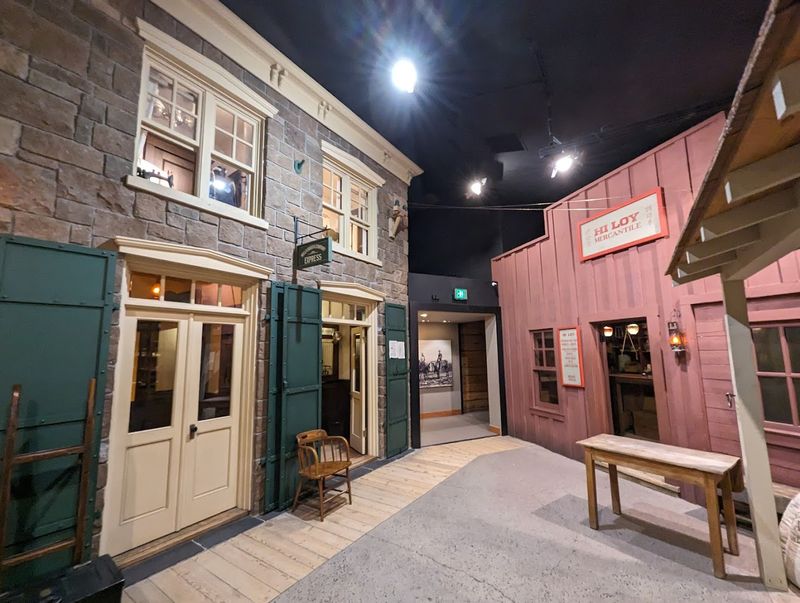
Understanding that the High Desert Museum operates as a private non-profit rather than a government-funded institution adds another layer of appreciation for what they’ve accomplished. Since its founding in 1982, the museum has grown into one of Oregon’s premier cultural attractions without relying on state funding, instead depending on admissions, donations, and community support.
This independence allows them to pursue their educational mission with remarkable creativity and flexibility.
The commitment to accessibility impressed me deeply, particularly the reduced admission rates available through programs like SNAP benefits. For just three dollars per person, families who might otherwise struggle with admission costs can access all the museum’s offerings.
This philosophy ensures that educational opportunities remain available to the entire community, not just those who can easily afford standard admission prices.
The museum’s success reflects the dedication of staff, volunteers, and supporters who believe in its mission. Their commitment transforms a good museum into an exceptional one, creating experiences that visitors remember and recommend to others exploring Central Oregon.
Dear Reader: This page may contain affiliate links which may earn a commission if you click through and make a purchase. Our independent journalism is not influenced by any advertiser or commercial initiative unless it is clearly marked as sponsored content. As travel products change, please be sure to reconfirm all details and stay up to date with current events to ensure a safe and successful trip.
