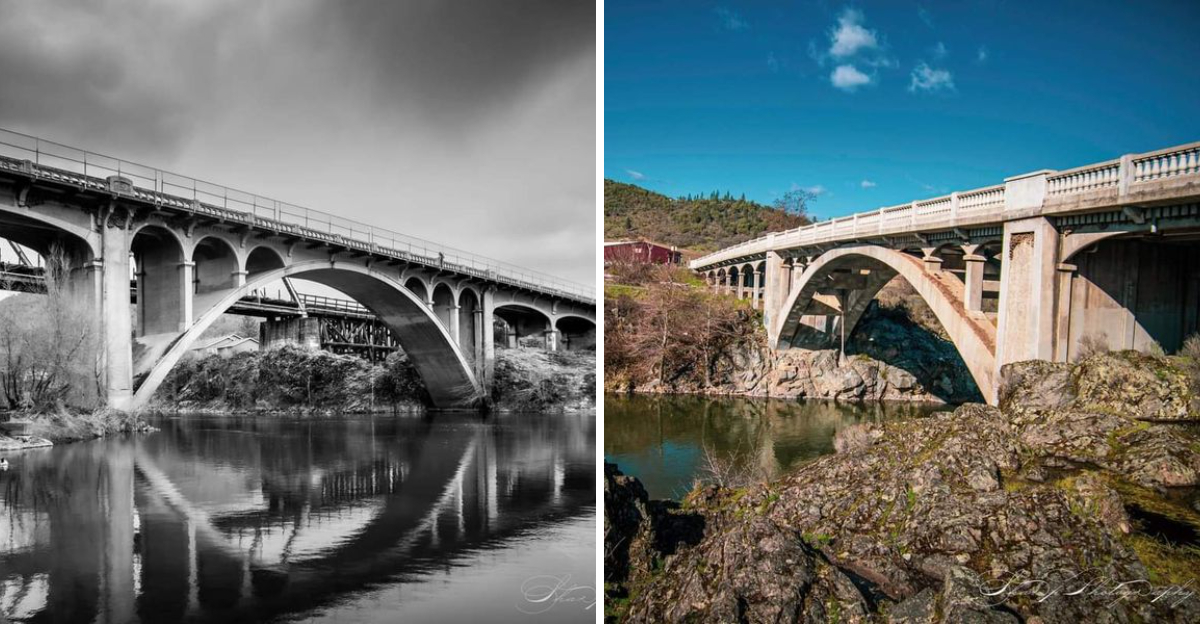
Walking across the Isaac Lee Patterson Bridge in Gold Beach feels like stepping onto a film set where history plays the leading role. This isn’t just another concrete span over water.
Built during the Great Depression, this Art Deco masterpiece connects you to stories of coastal pioneers, maritime industry, and the bold vision of Oregon’s most celebrated bridge designer.
The pedestrian path beneath its graceful arches offers more than exercise. You’ll discover remnants of cannery operations, spot a legendary shipwreck, and understand why engineers from across the country study this structure.
Every step reveals another layer of Oregon’s coastal heritage, making this short walk one of the most rewarding historical experiences along Highway 101.
Conde McCullough’s Crowning Achievement
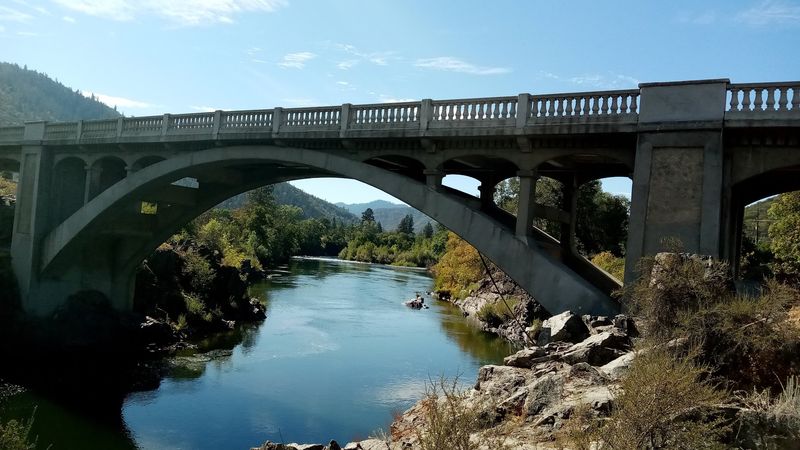
Bridge designer Conde McCullough didn’t just build crossings. He created landmarks that turned functional structures into works of art.
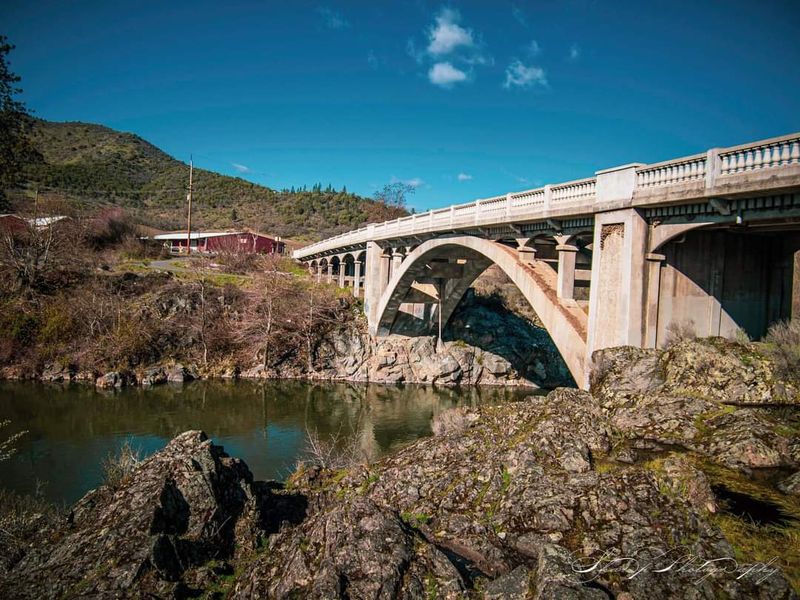
The Isaac Lee Patterson Bridge stands as one of his finest contributions to Oregon’s coastal highway system, showcasing the graceful concrete arches and decorative touches that became his signature style.
McCullough served as Oregon’s state bridge engineer from 1919 to 1935, designing over 600 bridges during his tenure. His philosophy merged beauty with practicality, believing travelers deserved inspiring views during their journeys.
The Gold Beach bridge demonstrates this vision perfectly, with Art Deco flourishes that catch your eye from every angle.
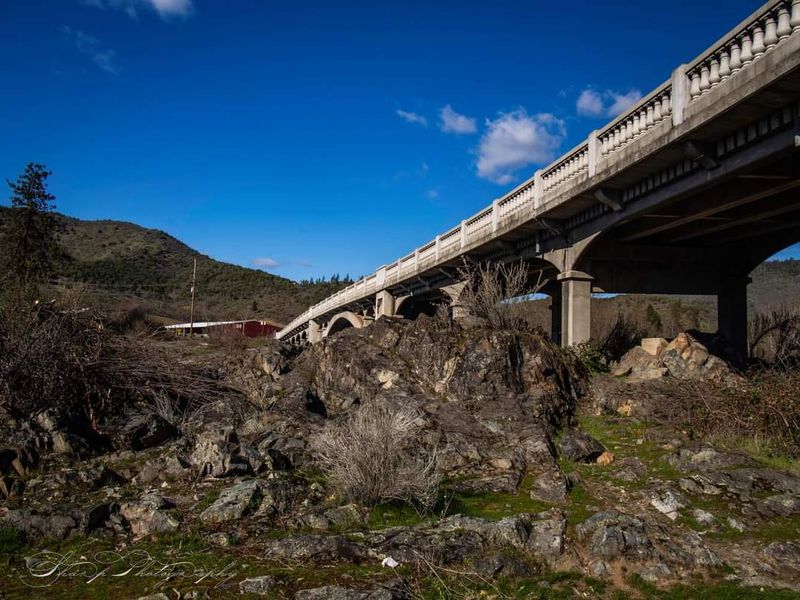
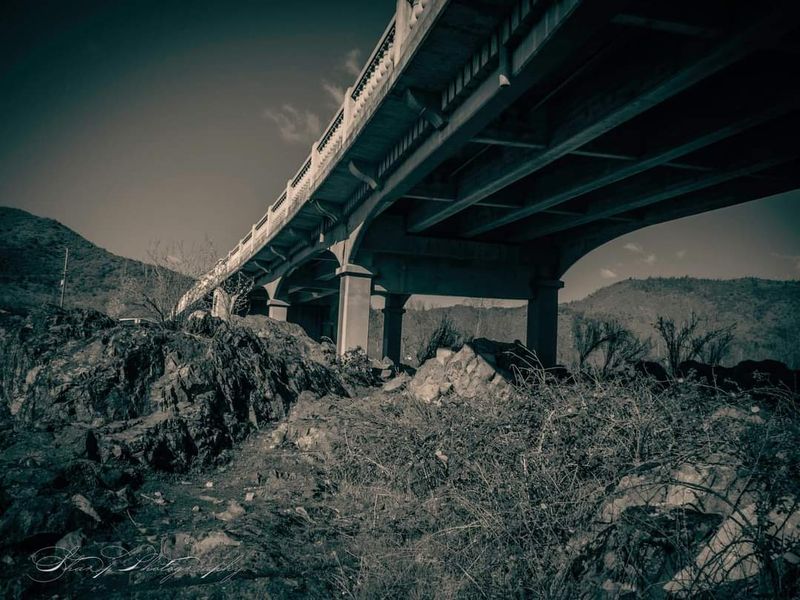
Walking beneath the arches lets you appreciate details motorists miss. The careful proportions, the play of light through the spans, and the way the structure frames the river all reflect McCullough’s genius.
His work transformed Oregon’s coastline, and this bridge remains a testament to an era when infrastructure meant more than simple efficiency.
Depression-Era Engineering Marvel
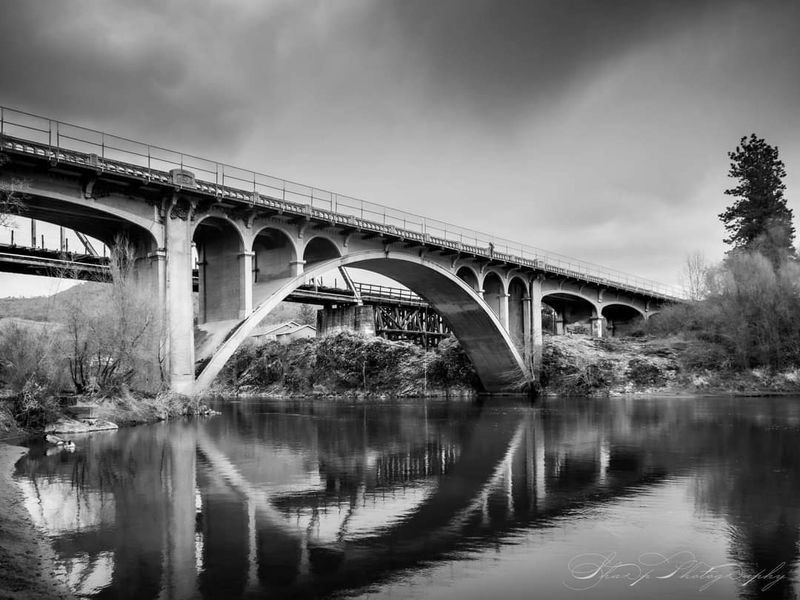
Construction began in 1931 when America faced its darkest economic hours. The bridge project brought desperately needed jobs to Curry County, employing skilled craftsmen and laborers who poured their expertise into every concrete arch.
Completion in 1932 marked a turning point for coastal transportation, finally providing reliable passage across the Rogue River.
Before this bridge existed, travelers relied on ferries or lengthy detours inland. Winter storms frequently disrupted service, isolating Gold Beach from the rest of Oregon’s coast.
The new span changed everything, opening year-round access that transformed the local economy and connected remote communities.
The engineering challenges were substantial. Workers had to account for the Rogue’s powerful currents, shifting sandbars, and the corrosive effects of salt air.
They succeeded brilliantly, creating a structure that has withstood decades of coastal weather.
Walking the pedestrian path today, you’re experiencing the same reliable crossing that brought hope to Depression-era Oregon.
National Recognition and Historic Status
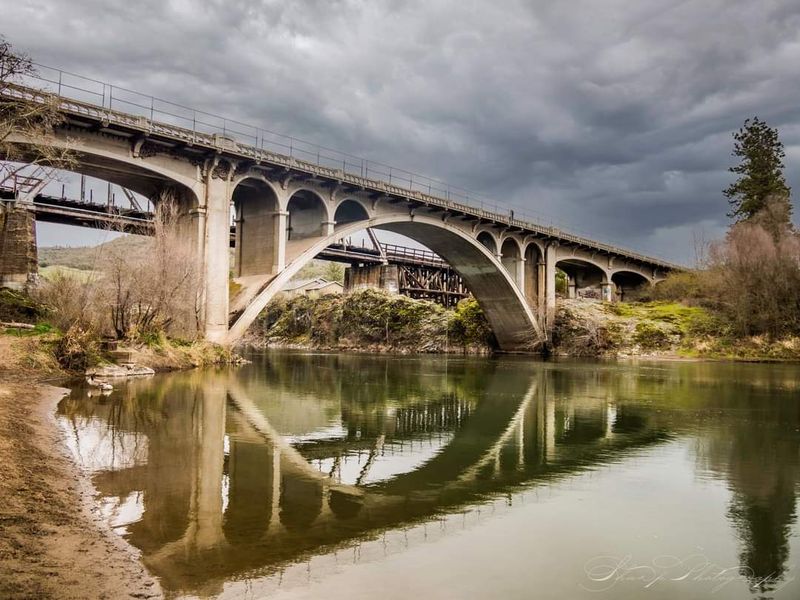
Recognition came decades after construction, but it arrived with impressive credentials. In 1982, the American Society of Civil Engineers designated the bridge a National Historic Civil Engineering Landmark, acknowledging its technical and aesthetic significance.
This honor placed it among America’s most important infrastructure achievements.
The National Register of Historic Places followed in 2005, cementing the bridge’s status as a protected cultural resource. These designations mean more than plaques and certificates.
They ensure preservation efforts receive proper attention and funding, protecting McCullough’s masterpiece for future generations.
As you walk the path, consider what these honors represent. Engineers and historians recognized something special here, a structure that transcends its practical purpose.
The bridge embodies an era when public works projects aspired to beauty, when builders took pride in creating lasting monuments.
Your footsteps connect you to that legacy, making history tangible rather than abstract.
The Pedestrian Path Experience
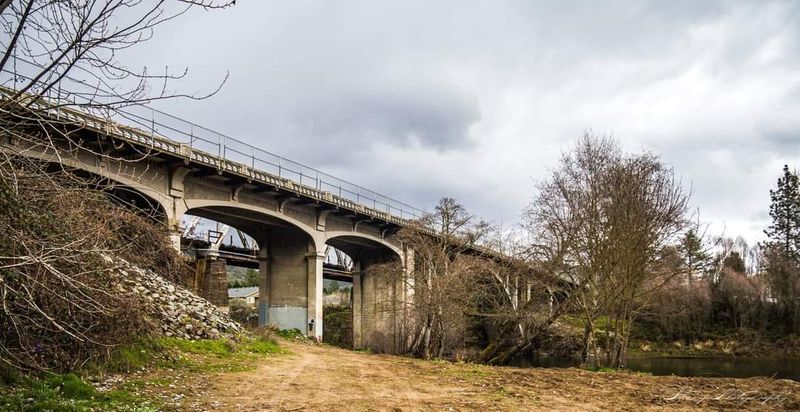
A dedicated paved pathway runs alongside and beneath the bridge structure, offering perspectives impossible from a car. The path feels substantial underfoot, wide enough for comfortable walking while maintaining that sense of being inside an architectural wonder.
Safety railings guide you without obstructing views.
The route takes you directly under the massive concrete arches, where you can look up and appreciate the engineering from below. Sunlight filters through the spans, creating dramatic shadows that shift throughout the day.
Each angle reveals new details in the concrete work, from the texture of the poured surfaces to the careful joints where sections meet.
This isn’t a strenuous hike. The gentle grade and smooth surface make it accessible to most visitors, including families with strollers and those with mobility considerations.
The entire walk takes perhaps twenty minutes at a leisurely pace, though you’ll likely linger longer, captivated by the views and the sense of walking through a living museum.
Mary D. Hume Shipwreck Connection
Your walk leads near one of Oregon’s most photographed maritime relics. The Mary D.
Hume rests in the shallows where the Rogue meets the Pacific, her wooden hull slowly returning to nature. Built in 1881, she worked as a cannery tender and steam tug for decades, serving the fishing industry that defined Gold Beach’s economy.
The ship’s story mirrors the region’s history. She hauled salmon catches, towed log rafts, and even saw service during World War II.
After retirement, she was intentionally grounded near the bridge, where she’s become an unofficial monument to the area’s maritime heritage. The contrast between the sturdy concrete bridge and the decaying wooden vessel creates a powerful visual narrative.
Interpretive signs along the path explain the Mary D. Hume’s significance and the broader context of Gold Beach’s fishing industry.
The shipwreck adds an unexpected dimension to your bridge walk, connecting land-based infrastructure to the maritime world that made the town prosper.
Historical Signage and Interpretation
Educational panels dot the walking route, transforming your stroll into an outdoor history lesson. These signs don’t just recite dates and facts.
They tell stories about the people who built the bridge, the canneries that once lined the riverbanks, and the transportation challenges that made this crossing essential.
Vintage photographs show Gold Beach as it appeared during the bridge’s construction, revealing a bustling waterfront dominated by fishing operations. You’ll learn about the salmon industry’s boom years, the technology of early 20th-century bridge building, and the communities that depended on reliable river crossings.
The signs are positioned to let you compare historical images with current views.
This interpretive approach makes history accessible rather than academic. Children can understand the stories, while adults appreciate the depth of research behind each panel.
The signage respects your intelligence without overwhelming you with unnecessary detail, striking that perfect balance between education and entertainment.
Panoramic River and Ocean Views
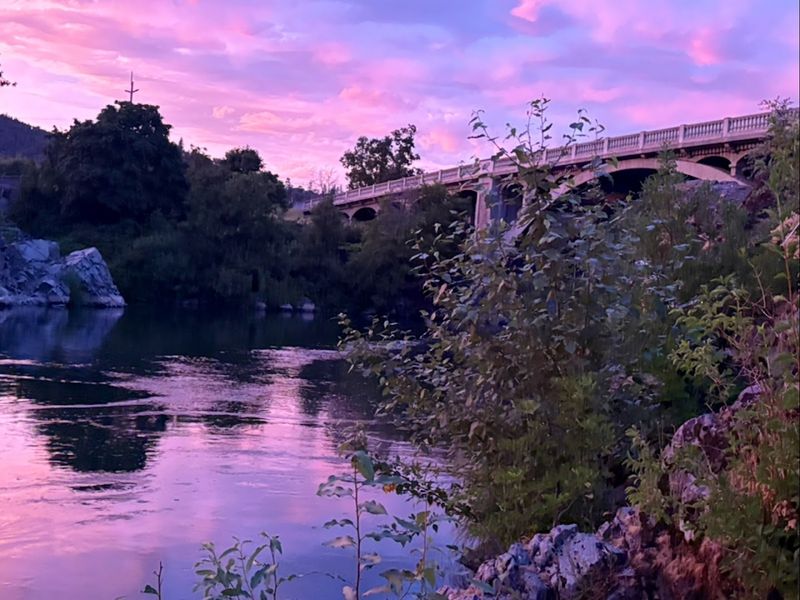
The viewpoint delivers what postcards promise but rarely capture. From the bridge’s pedestrian area, you can watch the Rogue River complete its journey from the Cascade Mountains to the Pacific Ocean.
The river mouth spreads wide here, creating a meeting place where fresh water and salt water mix in ever-changing patterns.
Looking upstream, forested hillsides frame the river’s course, hinting at the wilderness that lies beyond Gold Beach. Downstream, the Pacific stretches to the horizon, its mood shifting from glassy calm to white-capped intensity depending on the day.
Seabirds wheel overhead, and you might spot harbor seals surfing the river’s currents.
Benches positioned at strategic spots invite you to pause and absorb the scene. Early morning brings soft light that makes the water glow.
Late afternoon creates dramatic shadows across the river.
Each visit offers different conditions, different wildlife sightings, and different perspectives on this spectacular coastal landscape.
Art Deco Design Elements
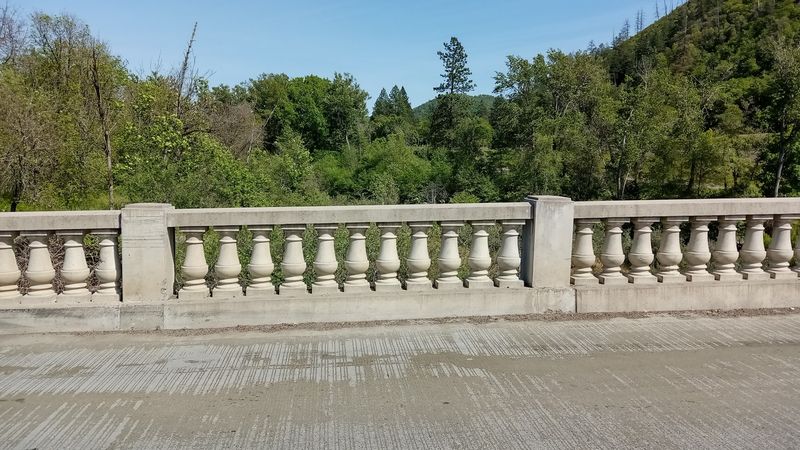
McCullough infused the bridge with decorative touches that elevate it beyond mere utility. Art Deco was at its peak when construction began, and the designer incorporated that era’s aesthetic into concrete and steel.
Look for geometric patterns in the railings, stylized ornamental details on the arch faces, and the overall streamlined profile that defines the movement.
These elements weren’t afterthoughts or unnecessary frills. McCullough believed beautiful bridges improved public morale and demonstrated government’s commitment to quality.
The Art Deco features cost relatively little extra but transformed the structure into something memorable. They represent an approach to public works that valued aesthetics alongside function.
Walking slowly lets you spot details that speed obscures. Notice how the decorative elements repeat in rhythm along the bridge’s length, creating visual harmony.
Observe the way shadows emphasize the relief patterns.
These touches prove that Depression-era builders, despite limited budgets, refused to sacrifice beauty for expediency.
Connecting Gold Beach and Wedderburn
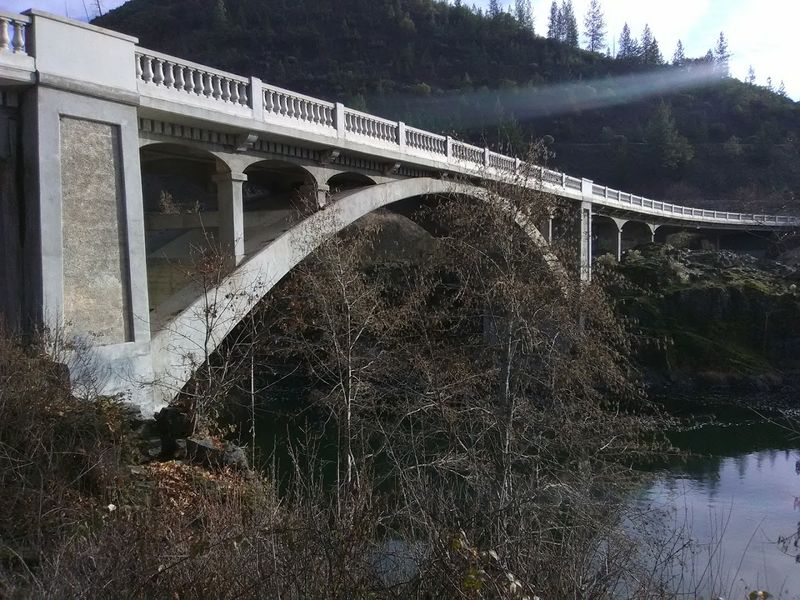
The bridge serves as more than a crossing. It’s the physical link between Gold Beach on the south bank and Wedderburn on the north, two communities that function as one despite the river between them.
Before 1932, residents relied on ferry service, which meant delays, weather cancellations, and the constant inconvenience of depending on boat schedules.
Wedderburn developed as a railroad terminus, while Gold Beach grew as a port and commercial center. The bridge finally allowed seamless movement between them, enabling businesses to operate across both sides and residents to live in one community while working in the other.
This connection proved crucial to the area’s economic development and social cohesion.
As you cross, imagine the liberation residents felt when the bridge opened. Suddenly, visiting neighbors, shopping, or reaching the doctor became simple rather than complicated.
The structure literally brought people together, strengthening community bonds that continue today.
Your casual walk retraces journeys that once required careful planning.
Easy Accessibility and Visitor Amenities
Practical considerations make this historical experience welcoming to everyone. Parking areas sit conveniently near the pedestrian path entrance, eliminating long walks before your walk begins.
The paved surface throughout means wheelchairs and strollers navigate easily, and the gentle grade accommodates various fitness levels without strain.
Benches appear at regular intervals, providing rest spots and photo opportunities. These aren’t just functional additions but thoughtfully placed to maximize views and create comfortable spaces for contemplation.
The facilities feel well-maintained, showing that local authorities understand this site’s value to both residents and visitors.
The walk requires no special equipment, no admission fees, and no advance reservations. You can stop spontaneously while driving Highway 101, spend twenty minutes or an hour, and leave enriched by the experience.
This accessibility ensures the bridge’s history remains available to all, not just dedicated history enthusiasts or serious hikers.
Oregon’s coastal heritage becomes tangible and approachable here.
Dear Reader: This page may contain affiliate links which may earn a commission if you click through and make a purchase. Our independent journalism is not influenced by any advertiser or commercial initiative unless it is clearly marked as sponsored content. As travel products change, please be sure to reconfirm all details and stay up to date with current events to ensure a safe and successful trip.
