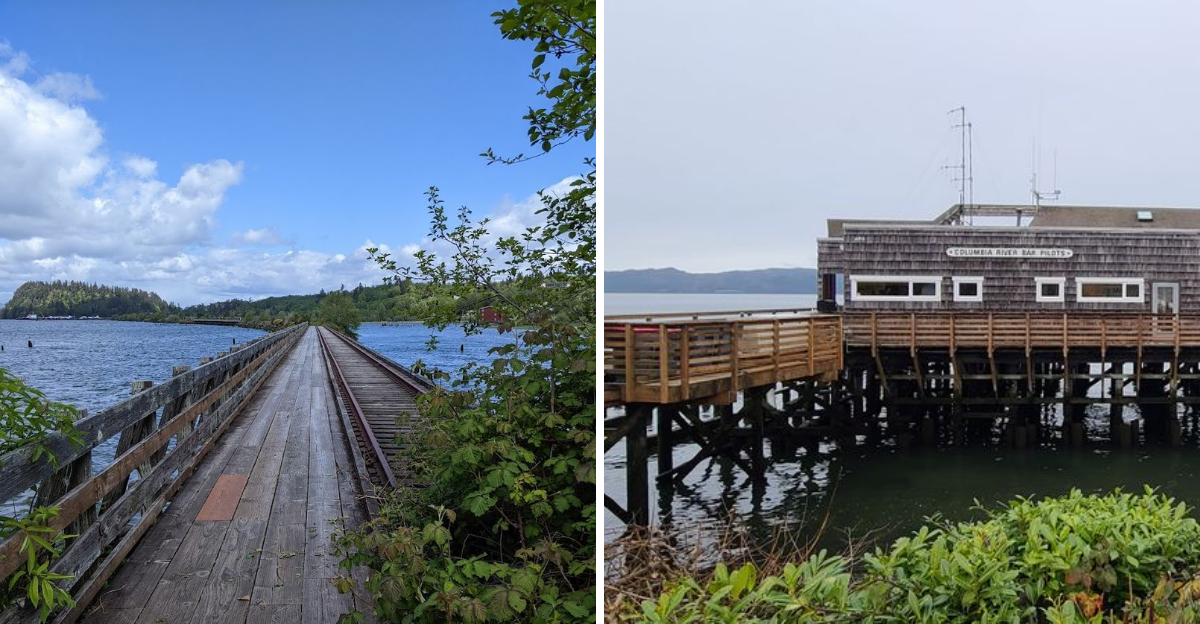
The Columbia River stretches out beside you, wide and powerful, as you set off along this stunning waterfront path. This 6.5 mile walk offers a perfect blend of natural beauty and fascinating history around every turn.
You pass beneath the towering Astoria-Megler Bridge, its steel arches framing the sky like a work of art. The path winds past old piers and historic cannery buildings, reminders of the town’s rich maritime past.
You can watch ships glide by, from massive container vessels to tugboats guiding their loads. Seals bob in the water, and eagles soar overhead, hunting for their next meal.
Benches are placed strategically along the route, inviting you to pause and take it all in. Interpretive signs share stories of the river’s importance to exploration, trade, and local culture.
The walk is flat and accessible, perfect for all ages and fitness levels. Oregon offers many scenic trails, but this riverfront gem is a truly unforgettable experience.
It is the kind of day that lingers in your memory long after the walk is over.
The Trail’s Railroad Roots and Historic Character
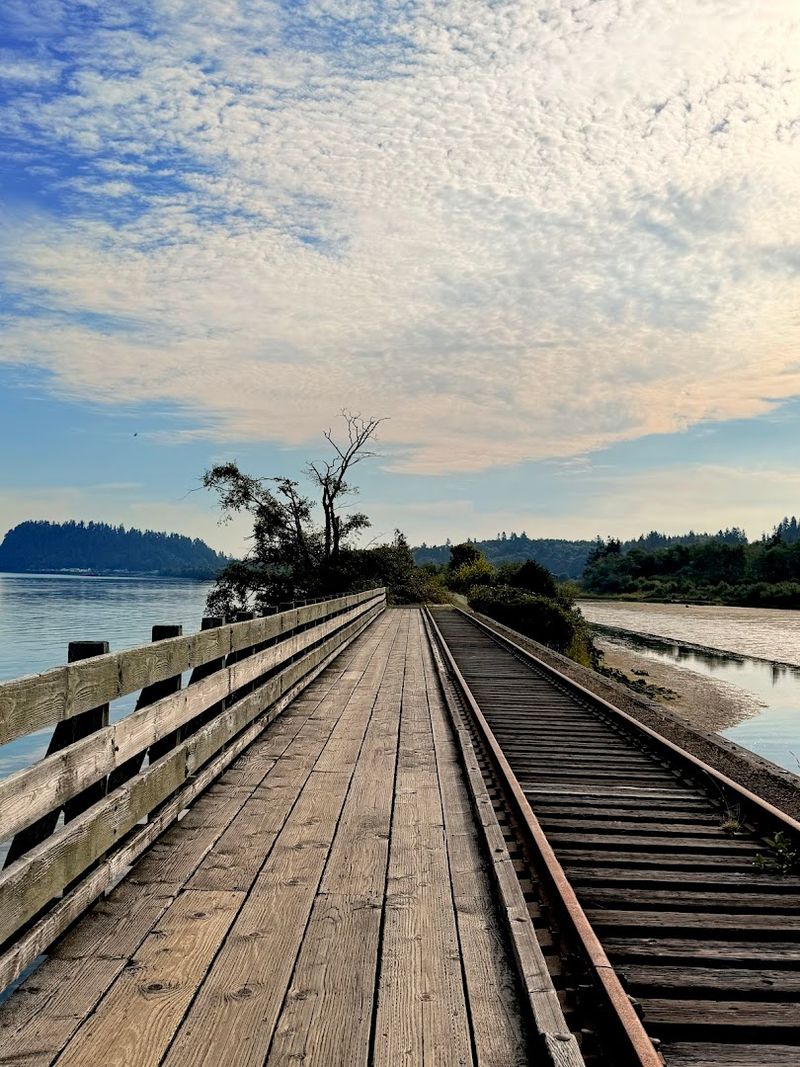
Long before joggers and cyclists claimed this path, trains rolled through here carrying goods along the Oregon coast. The Astoria Riverwalk follows the old Astoria and Columbia River Railroad corridor, and you can still feel that history under your feet.
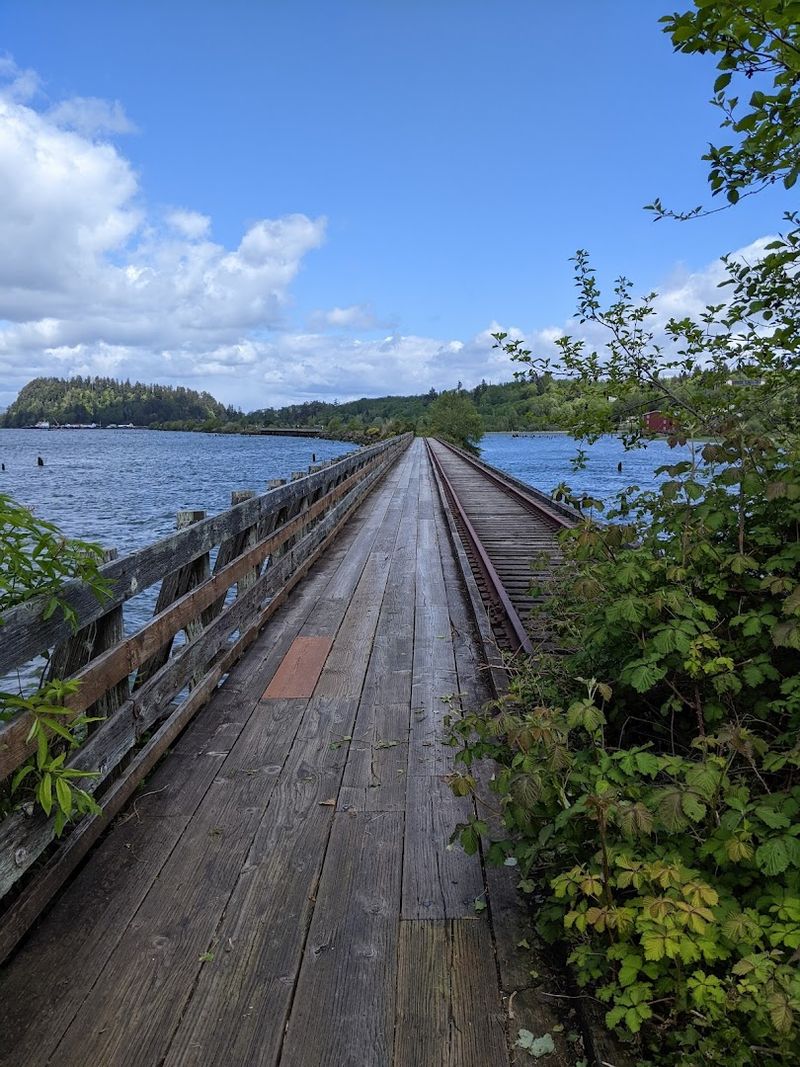
Sections of original wooden trestle remain, creaking gently as you cross them.
The Corps of Engineers once built rock levees here to bring the rail line straight into town. Those levees created a series of quiet lagoons that now sit peacefully alongside the trail.
It is the kind of detail that makes you pause and picture what this place looked like a century ago.
Starting at the Lagoon Road trailhead gives you the most historical feel right from the beginning. A small wooden bridge crosses a creek, shaded by trees that block the afternoon sun.
The transition from wild lagoon land to urban waterfront happens gradually, which makes the whole walk feel like a story unfolding one chapter at a time.
Starting Point at Lagoon Road Trailhead
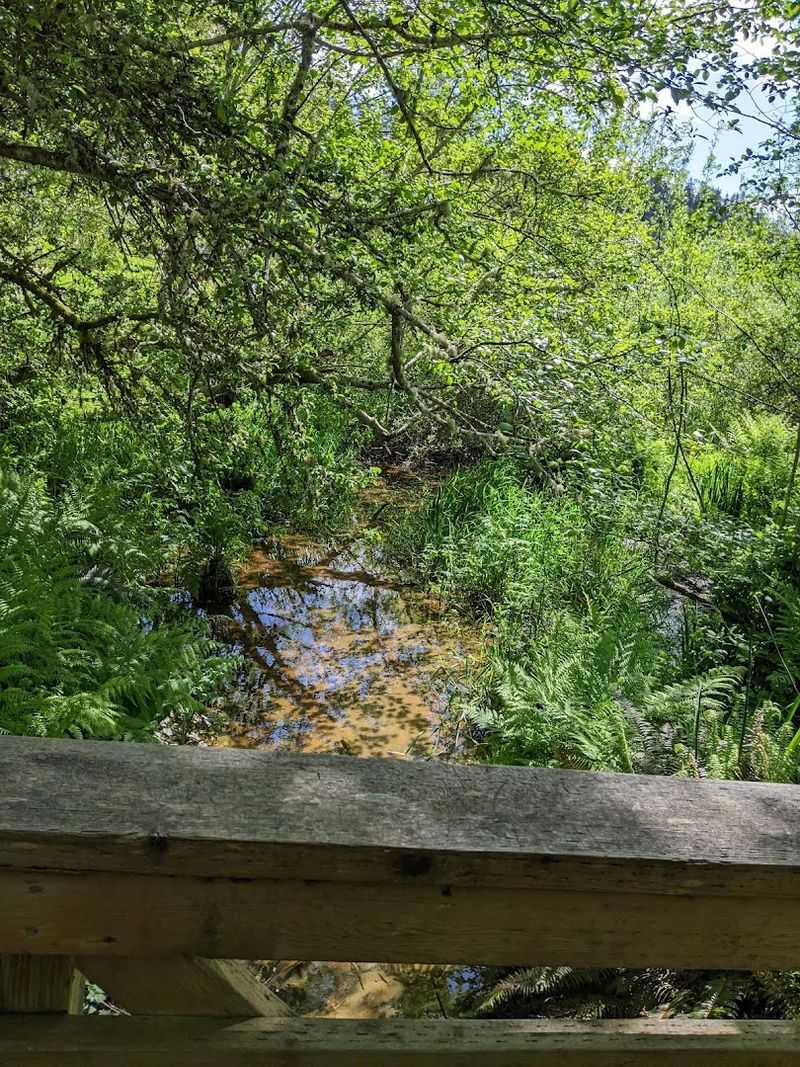
Parking at the Lagoon Road trailhead feels like finding a secret. It is a quiet, shaded spot tucked away from the main road, and a small wooden bridge over a babbling creek greets you right at the start.
The energy here is calm and unhurried, which is a great way to begin a long walk.
Wild blackberries grow thick along this western end of the trail in summer. You might find yourself stopping every few minutes just to pick a few ripe ones off the brambles.
It is a small, sweet reward that you definitely do not get at most urban trailheads.
The path here is quieter and less trafficked than the downtown sections, which makes it perfect for early morning walks. Birds are active in the trees along the lagoons, and the air smells clean and green.
Giving yourself time at this end of the trail before heading east toward town is absolutely worth it.
Lighted Pylons and the Four-Mile Evening Path
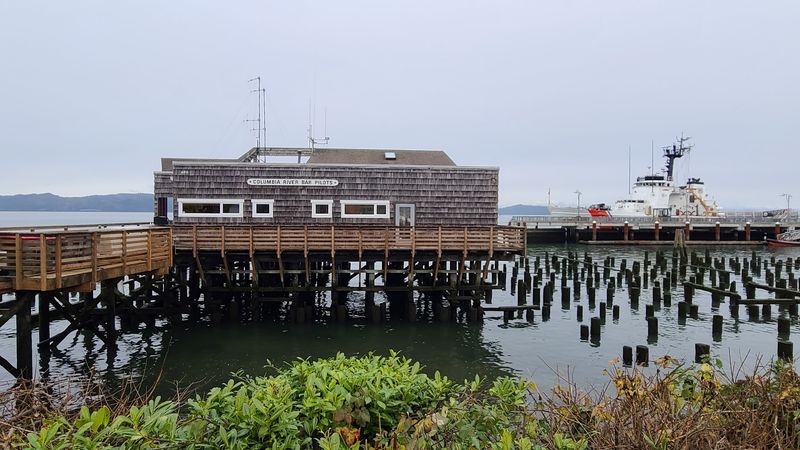
As the trail shifts from the lagoon side toward downtown Astoria, something changes in the atmosphere. Tall lighted pylons begin appearing alongside the path, marking roughly four miles of riverfront walking that stays lit into the evening hours.
It is a thoughtful touch that makes the walk feel welcoming at any hour.
The lights do more than just improve visibility. They give the path a certain character, especially on foggy evenings when the glow softens and halos around each pole.
Walking this section after sunset feels surprisingly peaceful rather than eerie.
This stretch is also where the trail becomes more accessible to a wider range of visitors. The surface is paved and relatively flat, making it manageable for wheelchairs and strollers.
Runners, cyclists, and walkers all share the path comfortably here, and the steady rhythm of the river on one side keeps everything feeling grounded and easy. You never feel rushed on this part of the walk.
Sea Lions on the Docks
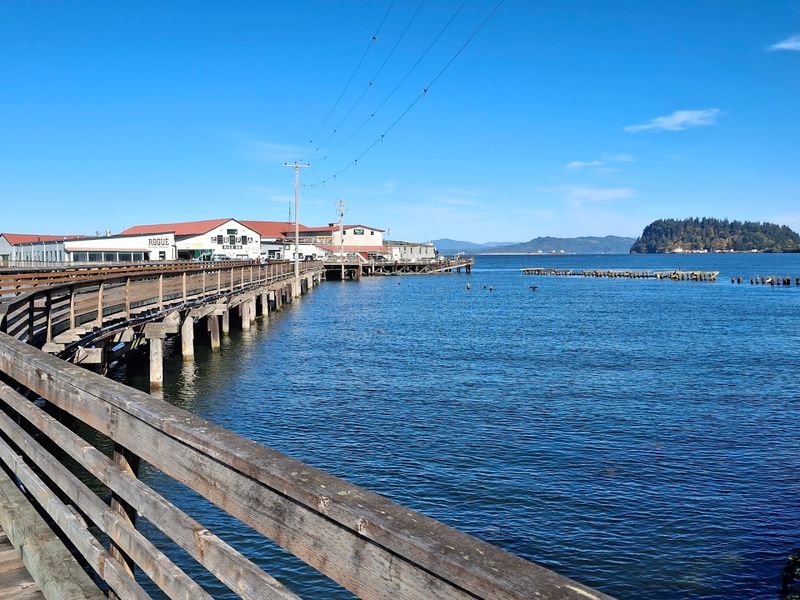
You hear them before you see them. That low, rolling bark carries across the water and catches your attention long before the docks come into view.
The sea lions of Astoria have claimed the old, unused piers as their own personal lounging spots, and they are completely unbothered by the humans watching from the path.
Seeing a dozen or more of them piled on top of each other, flopping around and calling out, is genuinely funny and a little bit awe-inspiring at the same time. They are enormous animals, and watching them move on land versus how gracefully they slip into the water is a real contrast.
This is one of those moments on the walk that you cannot plan for but will absolutely remember. Kids especially love this stop, and adults tend to linger longer than they expect.
Bring a pair of binoculars if you have them, because the details up close are even better than the general scene from the path.
The Columbia River Maritime Museum
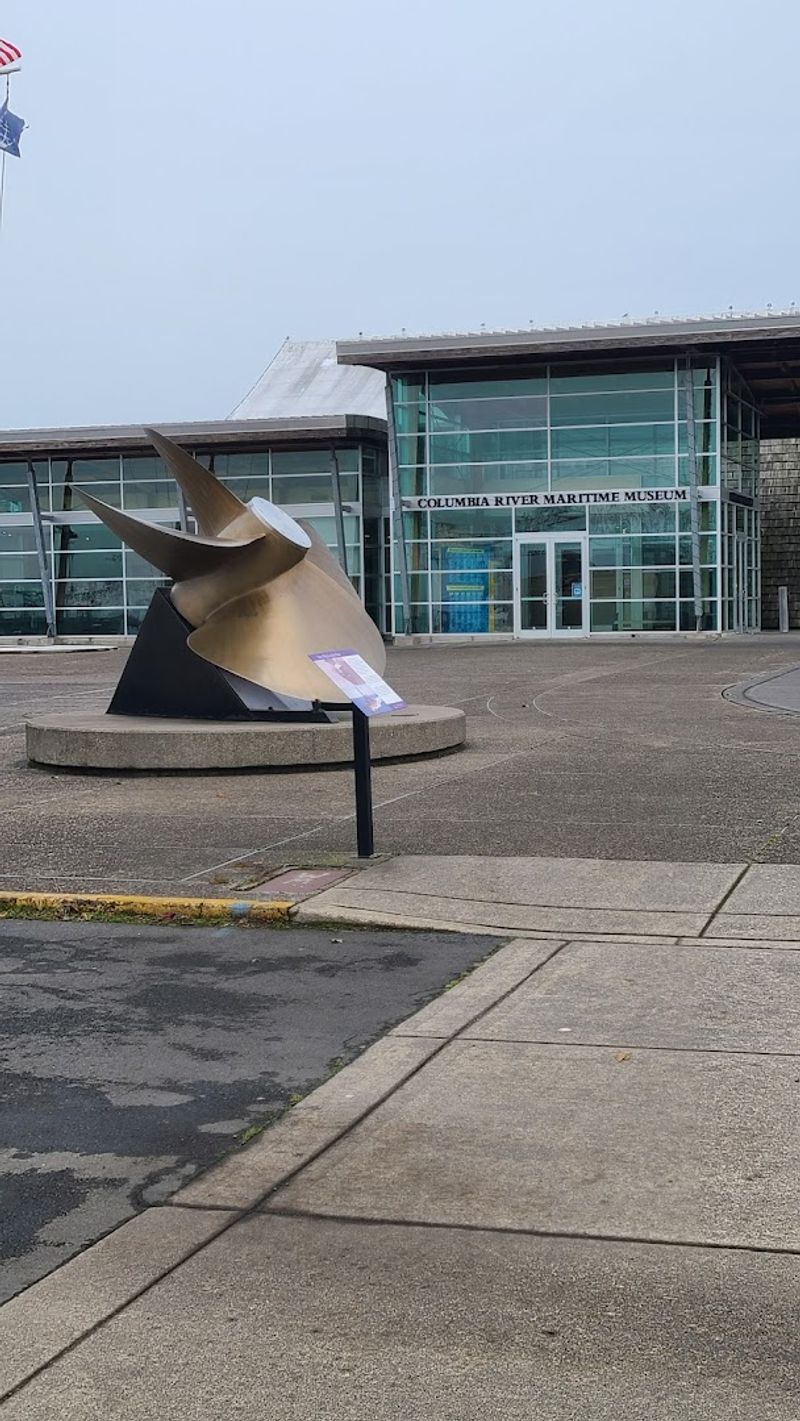
Right along the riverwalk sits one of the most impressive regional museums on the entire Oregon coast. The Columbia River Maritime Museum tells the story of the river’s powerful role in Pacific Northwest history, and the building itself is hard to miss with its bold curved architecture facing the water.
The museum’s outdoor presence adds a lot to the walk even if you do not go inside. A retired lighthouse ship called the Columbia is moored right next to the building, and you can see it clearly from the path.
It is the kind of landmark that makes you stop and take a photo without even thinking about it.
If you do step inside, you will find exhibits on navigation, fishing, shipwrecks, and the notoriously rough Columbia River Bar. The bar has earned the nickname “Graveyard of the Pacific” due to its dangerous conditions over the centuries.
Even a quick visit adds real depth to everything you see along the waterfront during your walk.
Walking Through Historic Downtown Astoria
The riverwalk does not just hug the water the whole time. It threads right through the heart of historic downtown Astoria, where Victorian-era buildings line the streets and local shops sit shoulder to shoulder with old cannery architecture.
The whole area has a lived-in, authentic feel that is refreshing compared to overly polished tourist towns.
Walking through this section feels like stepping into a different time period, but one that is still very much alive and functioning. Coffee shops, bookstores, and small restaurants fill the ground floors of buildings that have been standing for over a hundred years.
The smell of fresh coffee drifting out of an open door is genuinely hard to resist.
This part of the walk is also great for people-watching. Locals move through their day at an unhurried pace, and visitors tend to slow down to match that energy naturally.
The downtown section connects the wild western end of the trail to the more industrial eastern end, making it the social heart of the whole journey.
The Astoria-Megler Bridge Viewpoint
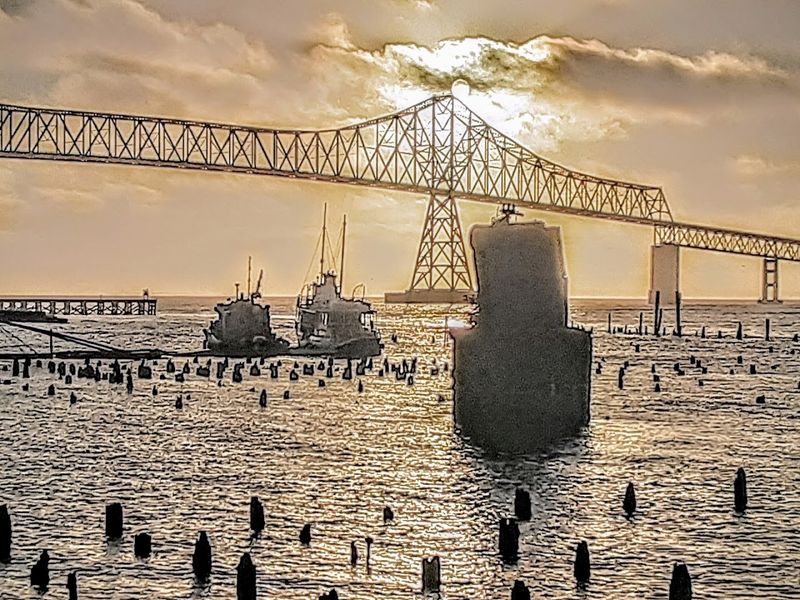
Nothing quite prepares you for the moment the Astoria-Megler Bridge comes into full view. It stretches across the Columbia River for over four miles, connecting Oregon to Washington state, and it is an absolute giant of a structure.
Looking up at it from the riverwalk path below gives you a genuine sense of its scale.
The bridge was completed in 1966 and is the longest continuous truss bridge in North America. That fact alone makes the view feel more significant once you know it.
Standing underneath the main span and listening to the low rumble of traffic overhead is oddly satisfying.
The path passes directly beneath the bridge, which creates a cool visual moment where the industrial and the natural sit right next to each other. The river is wide and active here, with boat traffic moving steadily in both directions.
Photographers tend to camp out at this spot, and it is easy to understand why once you see the light bouncing off the water near the bridge pylons.
Veterans Memorial and Quiet Reflection Spots
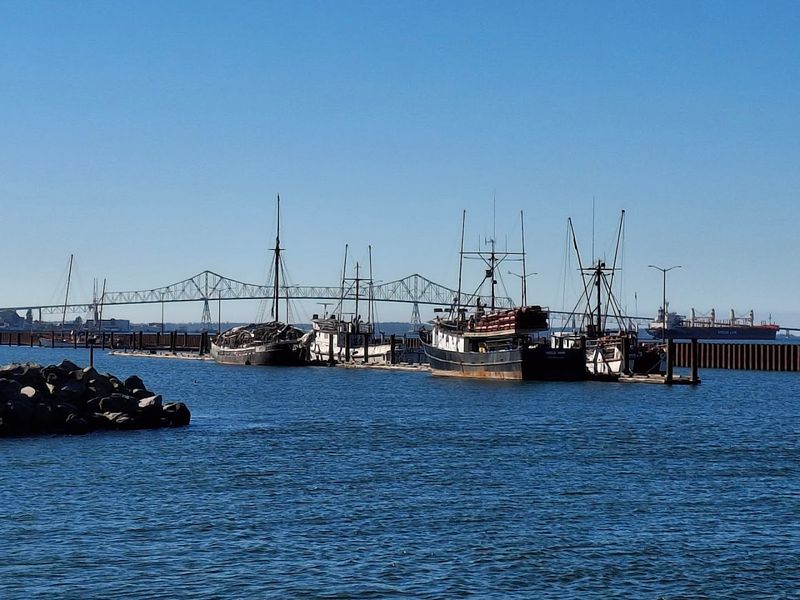
Tucked along the eastern stretch of the riverwalk, a veterans memorial offers a quieter, more reflective pause in the journey. The memorial is simple and dignified, honoring those who served from the Astoria area across multiple generations of American history.
It fits naturally into the landscape without feeling out of place.
Sitting near the memorial for a few minutes changes the tone of the walk in a good way. The river moves steadily past, and the sounds of the city soften a little in this spot.
It is a reminder that the riverwalk is not just a recreational path but also a meaningful piece of community space.
There are several other quieter spots scattered along the trail where benches face the water and invite you to simply sit and watch. Cargo ships pass with surprising regularity, and spotting one up close from a waterfront bench is an unexpectedly dramatic experience.
These pauses are what transform a walk into something that actually stays with you after you get back home.
The Eastern End: Marina, Boatyards, and Youngs River
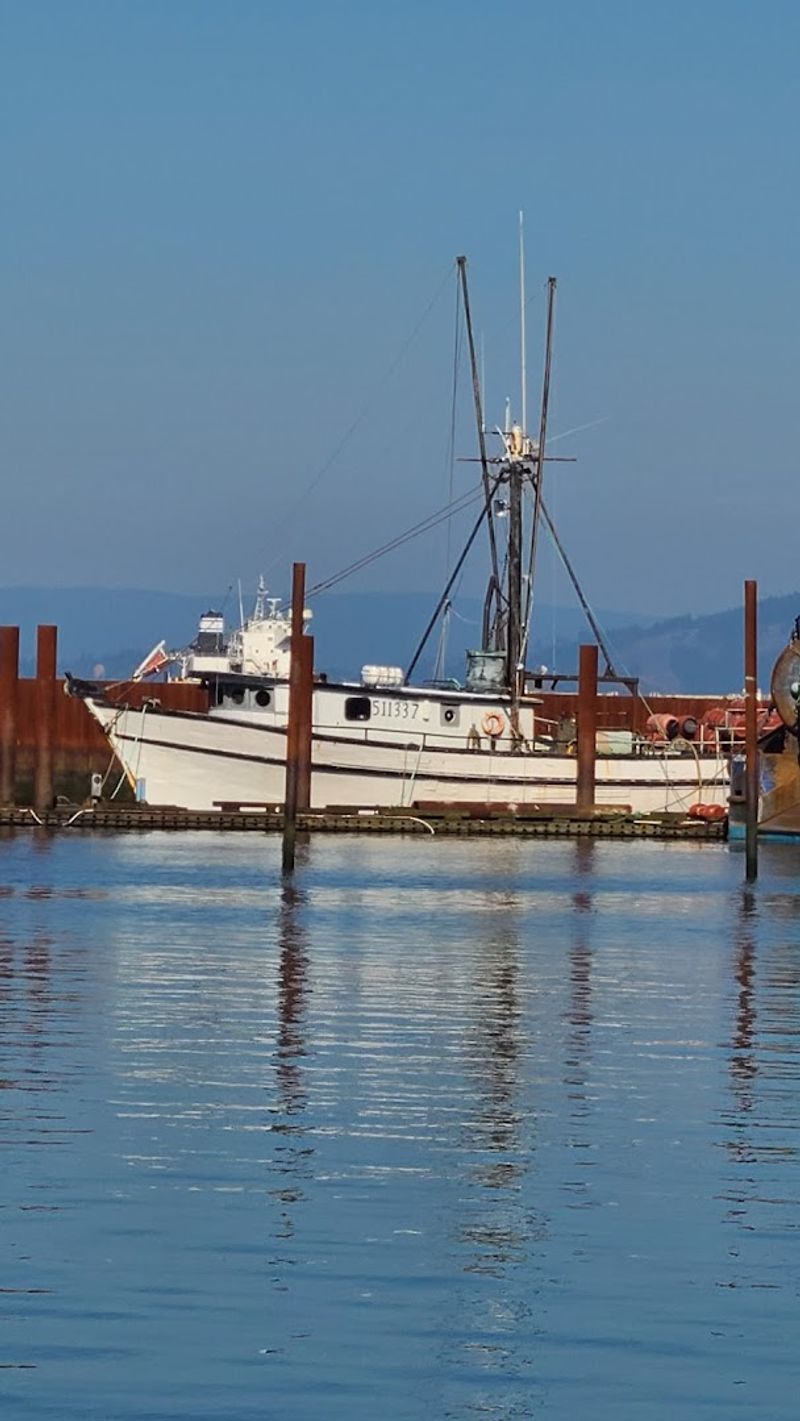
The eastern end of the riverwalk feels like a completely different world from the downtown section. Here, the path passes through the working side of Astoria, where boat repair yards, commercial fishing docks, and warehouses line the waterfront.
It is gritty and real in a way that feels honest about what this river town actually does for a living.
The smell of saltwater and engine grease mixes together in a way that is oddly appealing if you appreciate maritime character. Fishing vessels sit in various states of repair, and workers move around the boatyards with a focused efficiency that is interesting to watch.
This is the part of the walk that most tourists skip, which is exactly why it is worth going all the way to the end.
The trail eventually banks along Youngs River before reaching the western trailhead terminus. The river narrows here, and the surrounding landscape becomes more rural and green.
Finishing the walk at this end gives you a satisfying sense of having experienced Astoria from every angle it has to offer.
Practical Tips for Walking the Full Riverwalk
Walking all 6.5 miles at once is absolutely doable for most reasonably active people, but it helps to plan ahead. The trail is point-to-point rather than a loop, so arranging transportation back to your starting point is something to think about before you begin.
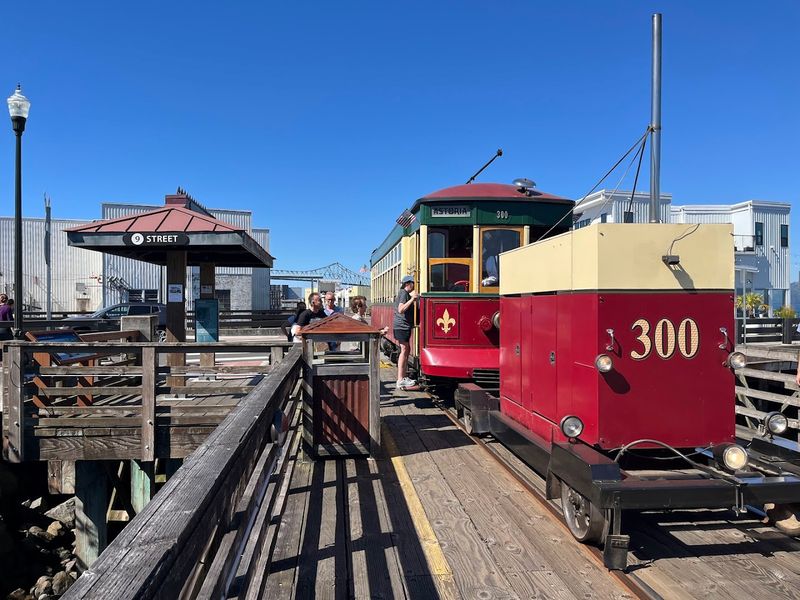
The Astoria Trolley runs along part of the route and is a fun option for the return trip.
Restrooms are available at various restaurants and coffee shops along the downtown section of the trail. Packing water and a light snack for the wilder western end is a smart move since amenities thin out considerably past the lagoon area.
Comfortable walking shoes with good grip are recommended, especially on the older wooden bridge sections.
Dogs on leashes are welcome on the trail, and many locals bring their pets along for the full walk. Cyclists can ride the entire route, though the wooden trestles require a bit of careful navigation.
The path is largely flat and accessible, making it a realistic option for a wide range of fitness levels and mobility needs.
