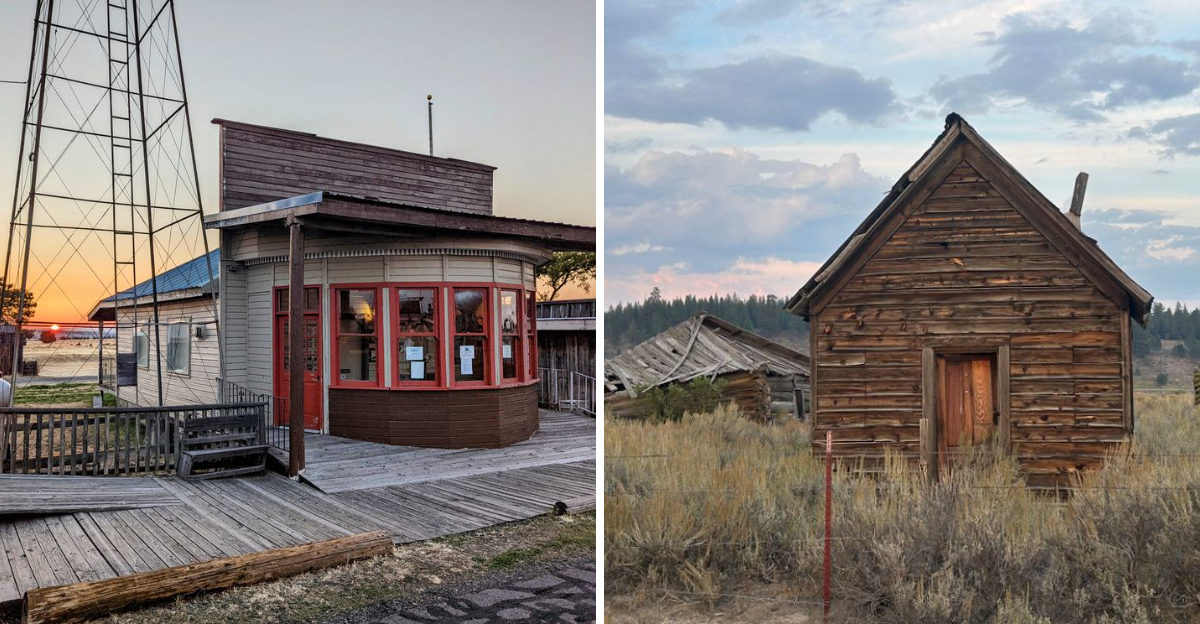
I used to think Oregon road trips were all waterfalls and cozy small towns, until I found myself cruising down empty highways that felt way too quiet for comfort.
One minute everything’s normal, and the next you’re staring at abandoned buildings groaning in the wind, rusted mining gear half-swallowed by sagebrush, and streets that look like everyone just vanished mid-sentence.
These ghost towns aren’t random ruins, they’re leftovers from gold rush fever dreams and boomtowns that burned bright and disappeared fast.
Oregon hides dozens of these places in plain sight, and most people drive right past without realizing how eerie they really are.
I’ve wandered through ten of the creepiest, where dusty doorways still feel watched and silence feels heavy. This isn’t a cozy weekend getaway, it’s a chills-down-your-spine kind of adventure.
Pack your camera, bring your bravest friend, and prepare to explore towns where time didn’t just slow down, it flat-out quit.
1. Shaniko: The Wool Capital That Time Forgot
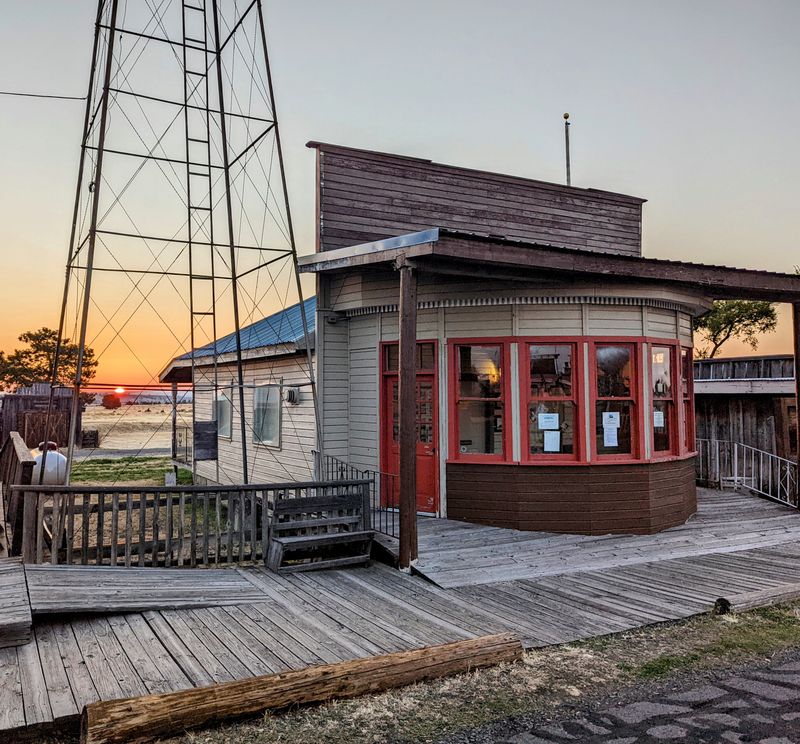
Walking down the main street of Shaniko feels like I’ve been transported back to 1900. This tiny town in Central Oregon once shipped more wool than anywhere else in the country, and now it stands frozen in time with its original buildings still lining the dusty roads.
The old Shaniko Hotel dominates the skyline, its two-story frame a reminder of when this place bustled with ranchers, merchants, and travelers.
I spent an afternoon exploring the weathered storefronts and peering through windows at artifacts left behind decades ago. Local legends say the old schoolhouse on the hill is haunted, and honestly, standing there alone as the wind whistled through broken windows, I wasn’t about to test that theory.
The town’s population peaked at around 600 people, but today only a handful of residents call it home.
What makes Shaniko so eerie is how well-preserved everything remains. You can still read faded signs advertising goods from the early 1900s, and the jail cells behind the old city hall look ready to lock up troublemakers.
The silence here is profound, broken only by creaking wood and distant wind.
I recommend visiting during fall when the temperatures are comfortable for walking around. Bring water because there are limited services, and respect the private property signs.
This ghost town offers incredible photo opportunities, especially during golden hour when the sun casts long shadows across the abandoned streets.
2. Sumpter Valley Gold Dredge: Where Joe Bush Still Roams
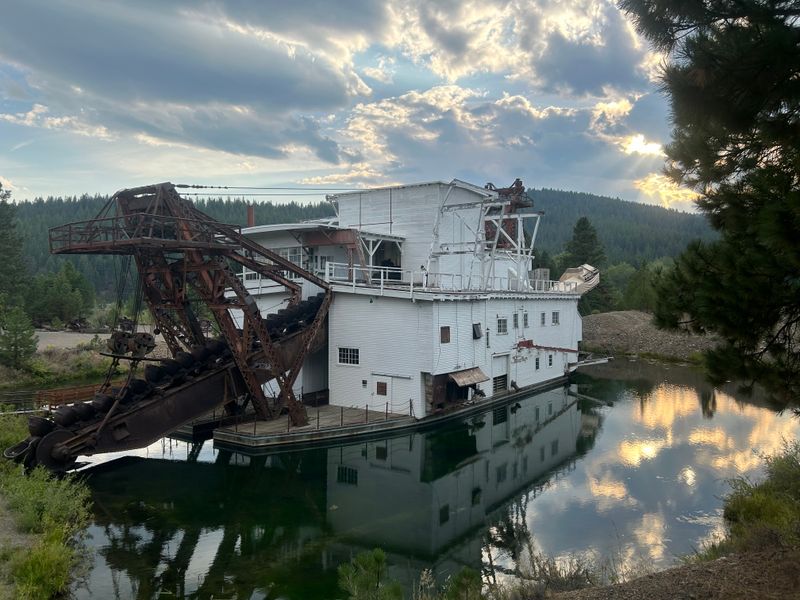
Standing beside this enormous metal monster, I couldn’t help but feel tiny. The Sumpter Valley Gold Dredge is a four-story floating factory that once chewed through riverbeds searching for gold, and now it sits silent in Eastern Oregon as a testament to human ambition.
This mechanical beast processed thousands of tons of gravel between 1935 and 1954, leaving behind miles of tailings that still scar the landscape.
The dredge operates as a state heritage area now, so you can actually walk through its rusted corridors and see where miners worked in dangerous conditions. I climbed the metal stairs carefully, noting how the entire structure groans and shifts slightly in the wind.
According to local stories, a miner named Joe Bush died here under mysterious circumstances, and his ghost supposedly haunts the machinery at night.
I visited during late afternoon, and even in daylight, the place gave me serious creeps. The grinding gears, conveyor belts, and sorting mechanisms create a maze of shadows and echoing spaces.
You can imagine the deafening noise this thing made when operational, working around the clock to extract every speck of gold.
The visitor center provides excellent historical context about gold mining in Oregon. Summer brings the most tourists, but spring offers wildflowers surrounding the site.
Wear sturdy shoes because the ground around the dredge is uneven, and don’t wander off designated paths.
3. Golden: Four Buildings and a Thousand Stories
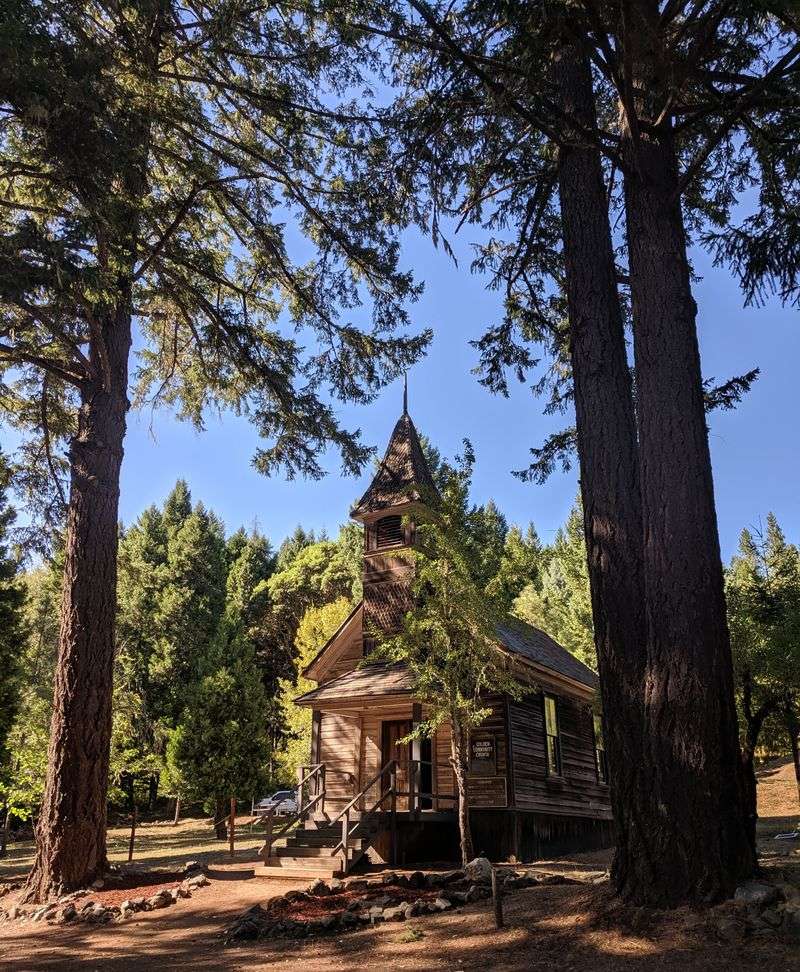
Finding Golden requires commitment because this Southern Oregon ghost town sits way off the beaten path. Only four original buildings remain from what was once a thriving gold mining community, and the isolation makes everything feel even more haunting.
I drove down a rough dirt road for what felt like forever before these weathered structures appeared through the trees.
The silence here is absolute. No traffic sounds, no distant voices, just wind through pine trees and the occasional bird call.
Golden thrived briefly during the 1890s gold rush, but when the easy gold ran out, people left as quickly as they’d arrived. Now these four buildings stand as lonely sentinels, their wood grey and warped from over a century of weather.
I explored carefully because these structures are fragile and could collapse at any moment. Peering through gaps in the walls, I spotted old bottles, rusted tools, and remnants of daily life abandoned in haste.
The largest building was probably a general store or boarding house, with multiple rooms still partially intact.
What struck me most was how nature is slowly reclaiming everything. Trees grow through foundations, and moss covers every surface.
This ghost town won’t last much longer, which makes visiting now even more important. Bring a detailed map because cell service is nonexistent out here, and let someone know your plans before heading into this remote area.
4. Buncom: Mining Dreams Turned to Dust
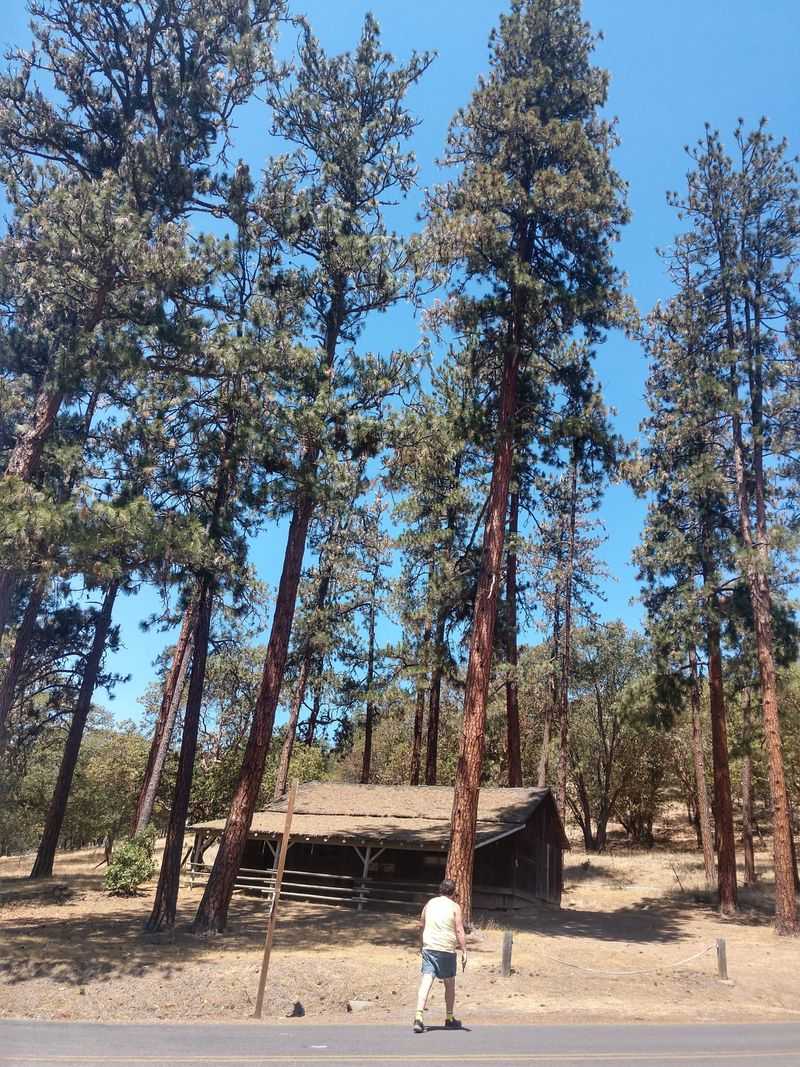
Buncom hides in the hills of Southern Oregon like a secret waiting to be discovered. This 19th-century mining town once housed hundreds of hopeful prospectors, but today only a handful of dilapidated structures remain standing.
I hiked up the overgrown trail to reach the town site, and with each step, I felt like I was walking backward through time.
The town got its unusual name from a postmaster who combined his own name with that of his partner. Mining operations here focused on gold and silver, and for a brief period, Buncom had a post office, school, and several businesses.
Now those buildings are mostly collapsed, with only walls and foundations marking where they once stood.
What makes Buncom particularly eerie is how the forest has swallowed most evidence of human habitation. I had to look carefully to distinguish building remains from natural rock formations.
The few structures still recognizable lean at precarious angles, their boards weathered to a silvery grey that blends with the surrounding landscape.
I recommend visiting during spring when wildflowers bloom around the ruins, creating a beautiful contrast with the decay. The hike is moderately difficult, so wear appropriate footwear and bring plenty of water.
No facilities exist anywhere nearby, and the nearest town is several miles away. Photography enthusiasts will love how light filters through the trees onto these forgotten buildings, creating an almost magical atmosphere despite the underlying sadness.
5. Neskowin Ghost Forest: When the Ocean Reveals Its Secrets
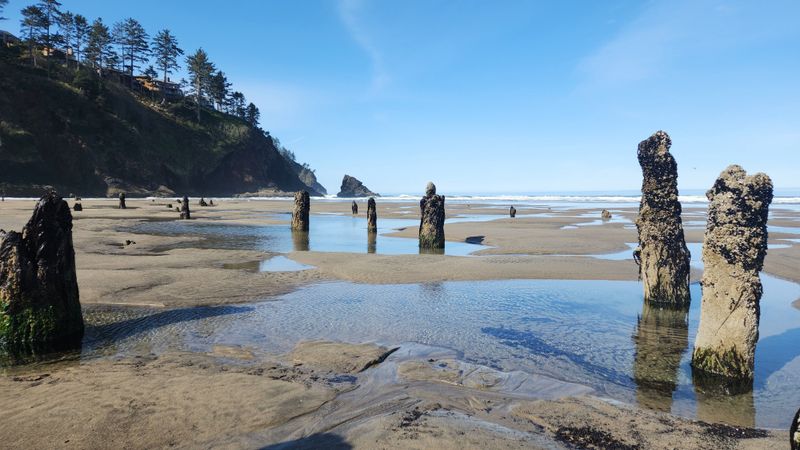
This ghost town is unlike any other on this list because it’s not a town at all. The Neskowin Ghost Forest appears on the Oregon Coast during low tide, revealing the stumps of a 2,000-year-old Sitka spruce forest that was buried by sand centuries ago.
I timed my visit perfectly and watched these eerie remnants emerge from the waves like something from a fantasy novel.
Scientists believe an earthquake caused the land to suddenly drop, allowing the ocean to flood the forest and preserve it under layers of sand. Now, when tides are low enough, you can walk among these ancient stumps and touch wood that was alive when Rome ruled the Mediterranean.
The contrast between the living ocean and these dead trees creates an atmosphere that’s both beautiful and unsettling.
I spent hours photographing the stumps from different angles as the tide slowly came back in. Each piece of wood has been smoothed and shaped by countless waves, creating sculptural forms that seem almost intentional.
Barnacles and seaweed cling to the surfaces, adding layers of texture and color.
Timing is everything for this ghost forest. Check tide tables before visiting because the stumps are only visible during the lowest tides of each month.
The beach at Neskowin is easily accessible, with parking right near the sand. I visited during fall when fewer tourists crowded the beach, allowing me to experience the ghost forest in relative solitude.
6. Granite: The Town That Mining Built and Abandoned
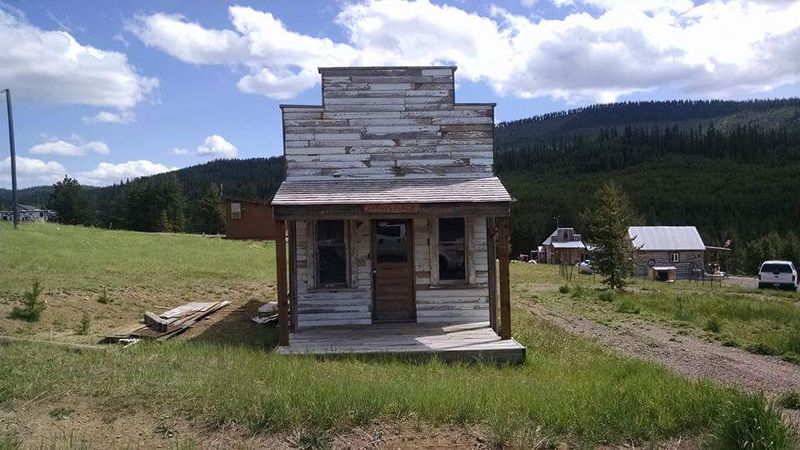
Granite sits in the Blue Mountains of Eastern Oregon, and reaching it requires navigating winding mountain roads that test your vehicle and your nerves. This former gold mining town once boasted a population of over 5,000 people during its 1860s heyday, but today fewer than 40 residents remain.
I arrived on a grey afternoon when fog hung low over the mountains, making everything feel even more isolated.
The town’s main street still has several original buildings, including an old general store that somehow continues operating. I walked past empty storefronts with faded advertisements visible through dusty windows, each one telling a story of businesses that closed decades ago.
The old schoolhouse stands on a hill overlooking town, its bell tower still intact but silent.
What fascinated me most was talking to one of the few year-round residents who shared stories passed down through generations. He described winters when snow buried the town for months, cutting off all access to the outside world.
Mining tunnels honeycomb the surrounding hills, though most are now dangerous and closed to exploration.
Summer is the only practical time to visit Granite because winter snows make roads impassable. The drive itself offers stunning views of Oregon’s high country, with alpine meadows and dense forests.
Bring supplies because services are extremely limited, and cell phone coverage is spotty at best. This ghost town rewards adventurous travelers willing to venture far off the main highways.
7. Antelope: From Commune Takeover to Quiet Abandonment
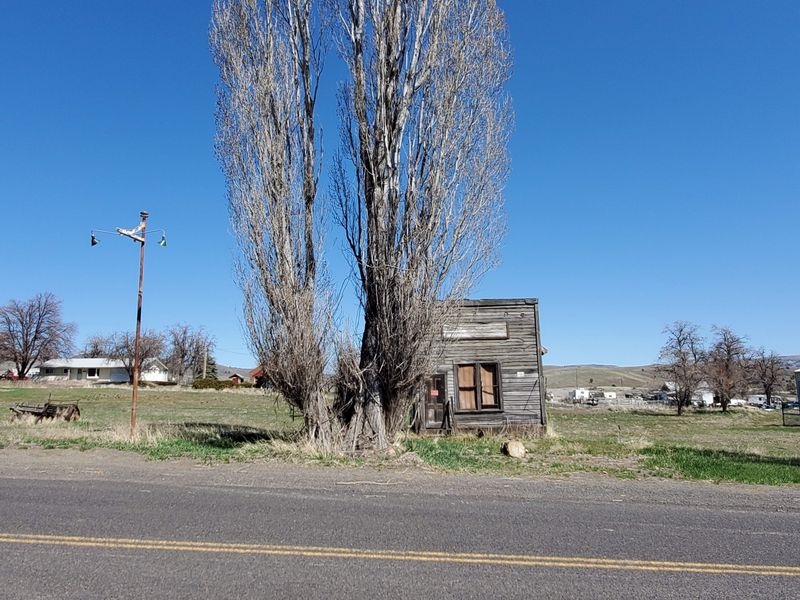
Antelope has one of the strangest stories of any Oregon ghost town because it nearly disappeared twice. This tiny community in Wasco County first declined as ranching became less profitable, then in the 1980s, members of a controversial religious commune took over the town government and renamed it.
I found the whole history fascinating and deeply weird, making my visit feel like exploring multiple timelines at once.
Today Antelope has returned to its original name and maintains a population of around 40 people. I walked the wide, dusty streets past buildings that have witnessed incredible drama and conflict.
The old schoolhouse, general store, and several houses remain, though many show signs of long-term neglect. Some structures date back to the 1870s when the town first formed.
What makes Antelope particularly interesting is how recent its troubles were. I met a longtime resident who lived through the commune years and shared stories that sounded almost unbelievable.
The tension between original residents and newcomers eventually led to criminal investigations and the commune’s collapse, leaving the town to pick up the pieces.
The surrounding landscape is classic high desert, with juniper trees dotting hills that roll toward distant mountains. I visited during summer when wildflowers added splashes of color to the otherwise brown terrain.
Antelope sits along a paved highway, making access easy compared to more remote ghost towns. The nearby John Day Fossil Beds offer another attraction if you’re exploring this region of Oregon.
8. Whitney: Logging Town Lost to Progress
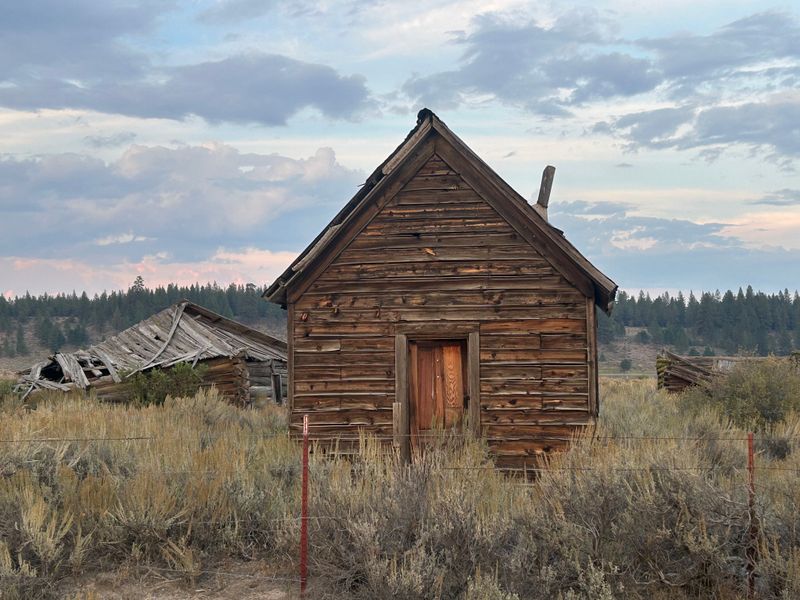
Whitney hides deep in the forests of Eastern Oregon, accessible only by logging roads that wind through miles of timber. This former mill town thrived during the early 20th century when lumber was king, but improved transportation eventually made the remote operation obsolete.
I reached Whitney after an hour of driving through dense woods, wondering if I’d taken a wrong turn before the buildings finally appeared.
The sawmill ruins dominate the town site, with massive rusted equipment slowly being consumed by vegetation. I walked carefully through the area because nails, broken glass, and unstable structures pose real dangers.
Several worker housing units still stand, their interiors stripped of anything valuable but retaining the basic layout of family homes from nearly a century ago.
What struck me most was how quickly nature reclaims industrial sites once humans leave. Trees grow through building foundations, and moss covers every surface in the damp forest environment.
The surrounding woods are incredibly quiet except for bird calls and wind through the canopy overhead.
Visiting Whitney requires serious preparation because you’re truly in the wilderness. I brought detailed maps, extra fuel, and emergency supplies in case of vehicle trouble.
Cell service doesn’t exist out here, and you might not see another person for hours. Summer offers the best access, though logging roads can be rough even in good weather.
This ghost town appeals to hardcore explorers willing to venture far from civilization to experience Oregon’s forgotten logging heritage.
Dear Reader: This page may contain affiliate links which may earn a commission if you click through and make a purchase. Our independent journalism is not influenced by any advertiser or commercial initiative unless it is clearly marked as sponsored content. As travel products change, please be sure to reconfirm all details and stay up to date with current events to ensure a safe and successful trip.
