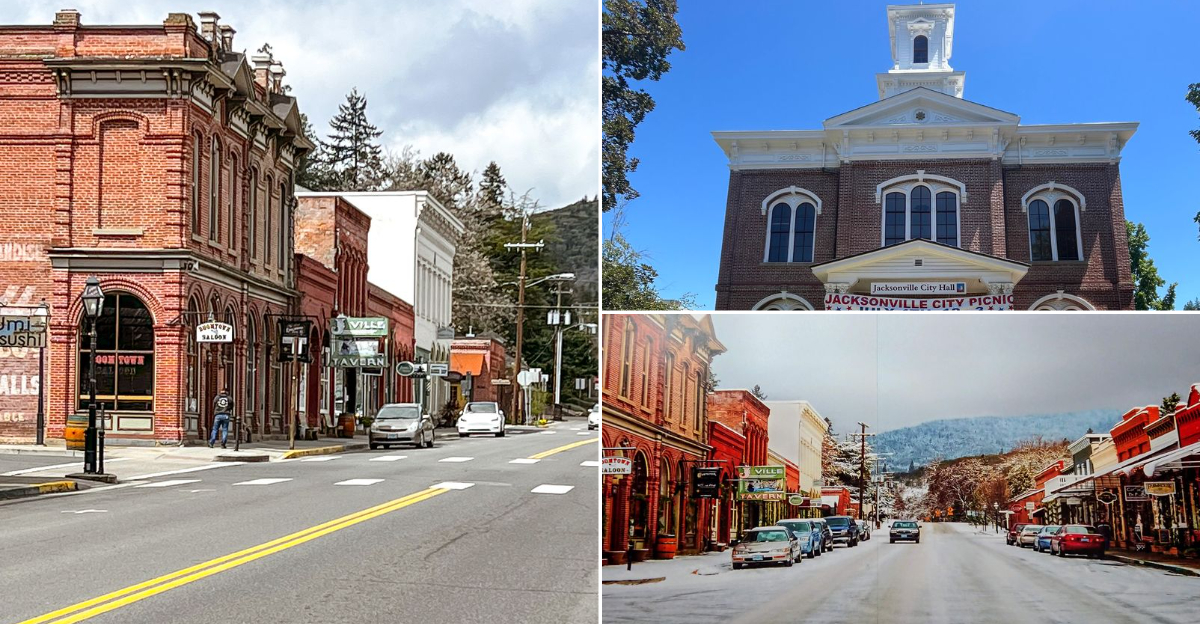
Picture us rolling into a small valley town where the first thing you notice is brick, wood, and quiet.
The street corners look like they remember stories, and you can kind of feel Oregon history humming under your shoes.
Jacksonville is that place, the rare settlement that never traded its old bones for shiny new ones. If you want a road trip that feels like time travel without costumes or kitsch, this is where we point the car.
The sidewalks slow you down without asking, and suddenly you are walking instead of marching. Shops fit the buildings instead of fighting them, and nothing feels rushed or repackaged.
It is the kind of place that rewards wandering with no plan and leaving a little later than you meant to.
A Town Born During Oregon’s Gold Rush
You step onto California Street and it hits you right away. The town looks settled into the hills like it has not moved an inch since the early rush for ore.
Jacksonville sits in the Rogue Valley, and the historic core still orbits California St and Oregon St.
If you want an address to start, punch in 205 W California St, Jacksonville, OR 97530.
The blocks are short, the sidewalks are wood or brick, and the storefronts are low and human.
You can see how people once walked these same lines from bank to assay office to hardware.
Look up at the cornices. Carved details still hold shadows in late afternoon.
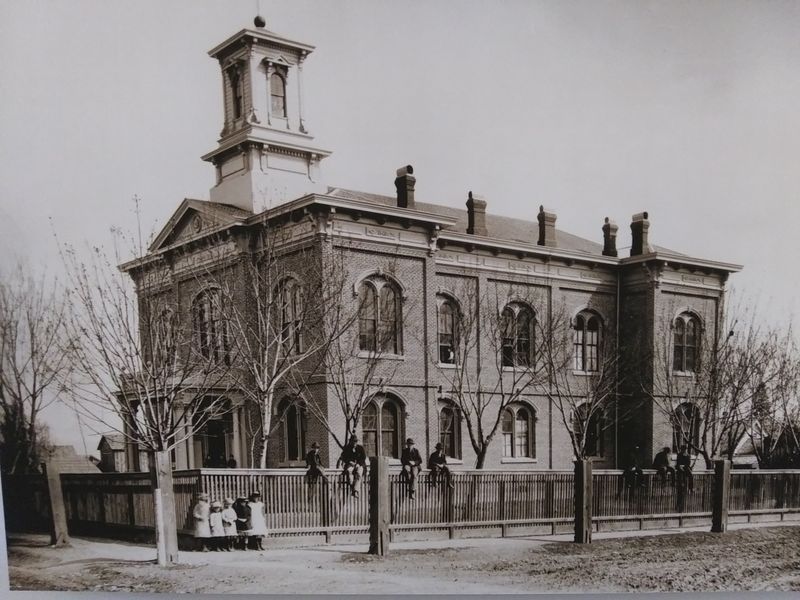
When we wander past the courthouse at 206 N Fifth St, Jacksonville, the air gets very still. It is the kind of still that makes you lower your voice without thinking.
You do not get a theme park vibe here. You just get a functioning town that never shed its early frame.
That is the part I love most. You can read Oregon’s beginnings without a marker telling you where to stand.
The grid is compact, like it grew practical before anything else. It makes walking feel easy and slow.
Start at the center and make a loop.
Each corner shows a different sliver of the same century.
It is simple, sturdy, and somehow personal. You will feel like you arrived late but right on time.
Why Jacksonville Never Rebuilt Its Downtown
Here is what stands out when you park and look around. Nothing about the core feels rebuilt to look old because the town never tore it down.
You can trace that choice at places like 160 E California St, Jacksonville.
The building lines match historic photos in a way that makes you blink.
Preservation was a decision people stuck with, not an accident. That is why the streets hold their original width and calm.
Stand by the corner of S Oregon St and California. The sightlines float low and continuous.
There is no glassy backdrop jumping in to steal the frame.
Your eye stays anchored to brick, wood, and trim.
The hardware of daily life slips inside. Signage stays quiet and the windows do the talking.
When towns rebuild, scale usually stretches. Here, scale never got taller than the stories it needed.
It makes everything readable from the sidewalk.
You do not have to crane your neck or chase a skyline.
Walk a block, then another. The rhythm stays steady and kind of reassuring.
It is the long game Oregon played here. Keep what works, and it keeps you too.
Streets That Still Follow Their Original Paths
If you like maps, this place will make you grin. The streets keep their original lines, and you can sense it underfoot.
Start where N Oregon St meets E California St near 155 E California St, Jacksonville. The crossing feels old in the best possible way.
Blocks run short and direct, almost like they were drawn by someone measuring with boots.
You turn a corner and the horizon stays intimate.
There is a slow cadence to the grid. Nothing rushes you to cut across.
Sidewalks sit close to the street with little fuss. That tight edge keeps the storefronts right in your conversation.
Stand by 110 S Oregon St, Jacksonville. Watch how the street narrows your focus without squeezing it.
The town rewards walking, not speeding. Your pace instantly drops to face-to-face speed.
Cross at the next block. You will notice how the slope plays nicely with the building heights.
It makes the whole day feel continuous.
The path you pick is probably the path people used long ago.
Oregon has plenty of charming towns. This one keeps the original lines like a promise.
Brick Buildings That Have Never Been Replaced
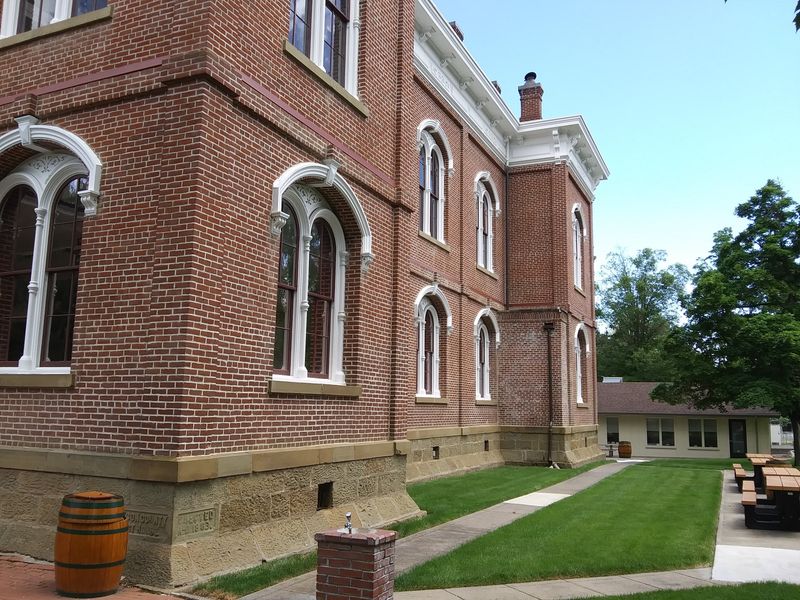
Let’s talk bricks because these walls tell the story straight. They show wear and care without pretending to be new.
Walk to 175 E California St, Jacksonville, and take a slow look. The bricks are tight and confident, the kind that hold memories in their mortar.
Window arches curve like calm eyebrows over time.
Cornices hold shadows that roll across the day.
Nothing jumps out as patched for show. It looks more like steady attention than big makeovers.
You can trace paint ghosts and hand-laid patterns.
That texture is the reason the streets feel so grounded.
At 155 W California St, Jacksonville, you get a solid run of facades. They line up like a chorus that has been singing forever.
Take a minute and step back. The scale tells you these were made for walking life.
When sun hits the brick just right, it warms the whole block.
You feel Oregon’s dry light making friends with red clay.
Touch a corner if it is safe. The temperature comes through your palm and somehow resets your day.
These are not placeholders. They are the actual bones, still doing their job.
How Daily Life Fits Inside Historic Walls
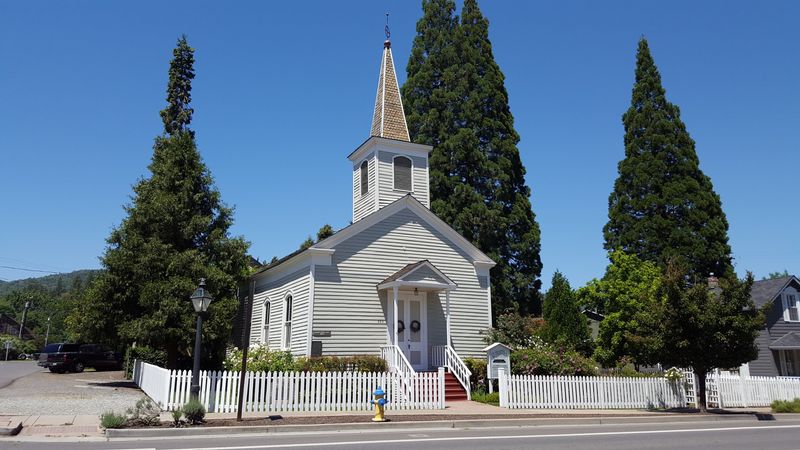
You know how some historic places feel like sets. This is not that, because daily life just keeps happening inside the old frames.
Look at 110 E California St, Jacksonville, and watch people move in and out. The door swing feels easy, not precious.
Windows are tall and bright, so light runs deep into the rooms.
Floors creak softly in the way that makes you slow down.
Signs stay low-key and practical. You can read them without feeling sold to.
There is a comfort in seeing modern needs slip into old rooms. It proves the buildings are still working as intended.
Walk past 165 S Oregon St, Jacksonville, OR 97530.
You will notice how each doorway tells you the same story in a different accent.
People greet each other across the sidewalk line. It is close enough for a nod and a half-smile.
The best part is how nothing feels forced. The town lets the routine breathe.
Stand by the display windows and watch reflections of trees ripple across glass. It layers the day in a nice way.
Oregon can be dramatic, but this is gentle. The walls hold the tempo and you match it.
What You Notice The Moment You Arrive
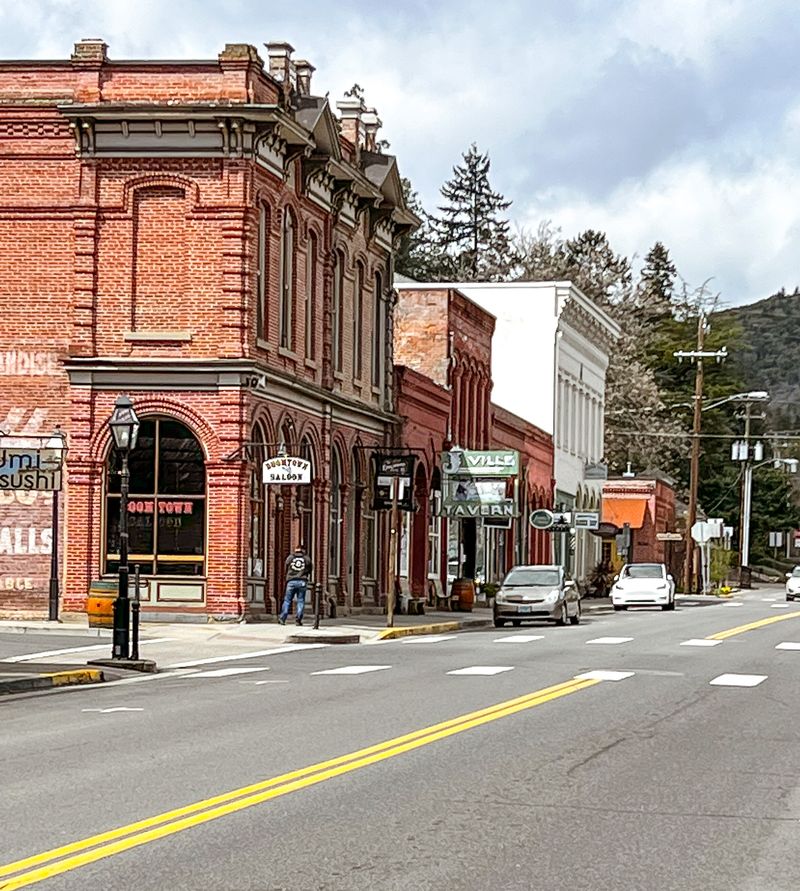
First thought when you park near 150 W California St, Jacksonville. It is quiet in a way that makes the brick speak first.
The buildings are low and honest, like they remember your size. You do not feel dwarfed or hurried.
Crosswalks sit close to corners.
You are always one easy decision from the next block.
There is almost no visual noise on the main stretch. Nothing flashes or shouts at you.
Window glass shows scenes behind and reflections outside. It creates a calm overlap between street and room.
Walk ten steps and pause. You will hear shoes on wood and leaves in the shallow wind.
Even the signs feel friendly.
Fonts look chosen by people, not a committee.
That is when the time travel feeling kicks in. You notice your shoulders drop.
It is Oregon, but slowed down to a past pace.
The town greets you by standing still.
Honestly, that first minute sells the whole day. The rest is just confirming what you already felt.
Why The Town Feels Quiet Even When It’s Busy
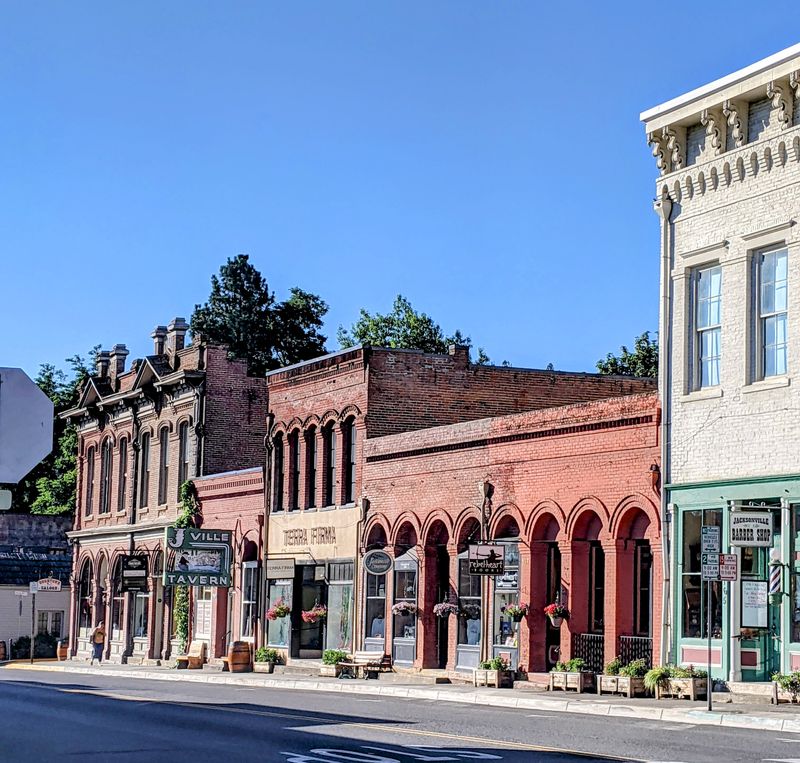
Have you noticed how some places turn noisy just by being full? Jacksonville manages the opposite and it is fascinating.
The building height and street width settle the sound.
Try standing near 170 S Oregon St, Jacksonville, and just listen.
Low facades keep voices close to the ground. Nothing bounces or echoes the way taller streets do.
Trees lend a soft filter to the whole scene.
Leaves take the edge off footsteps and conversation.
Wooden awnings run like small sound baffles. You get shade and a hush at once.
Cross from one side to the other and check your pace.
Odds are you slow to match everyone else.
The town invites you to use your indoor voice outdoors. It is surprisingly contagious.
When traffic passes, it feels brief and polite. The street does not turn into a channel for hurry.
Walk south a block and back. Your ears adjust and start picking up quieter details.
That is the trick I keep remembering. Design makes the calm, not just luck.
How Jacksonville Avoided Becoming A Theme Town
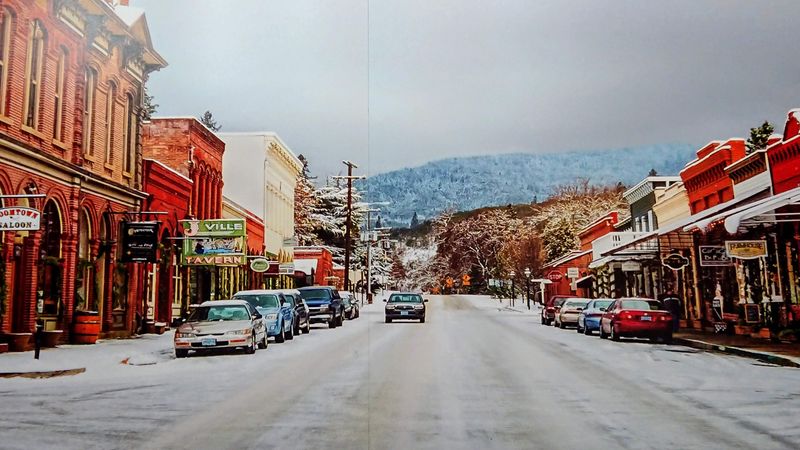
Plenty of places lean into costumes when they keep old buildings. Jacksonville just keeps living in them and that is the whole difference.
You will not see staged scenes or oversized props.
The details are real because they have jobs to do. Windows frame the day instead of posing for it.
Signage looks like it belongs to the building, not a set. Nothing winks at you with fake age.
It helps that the street grid stayed intact.
When the bones are right, the outfit can stay simple.
Look at the way thresholds are worn smooth. That comes from use, not a weekend event.
If you listen, locals aim their steps with muscle memory.
Visitors fold into that rhythm without trying.
That everyday flow keeps the place grounded. The story tells itself at sidewalk speed.
I like how Oregon history shows up as context, not theater.
You feel included rather than entertained.
It is honest and low drama. Exactly what keeps you coming back.
The Trade-Offs Of Staying The Same
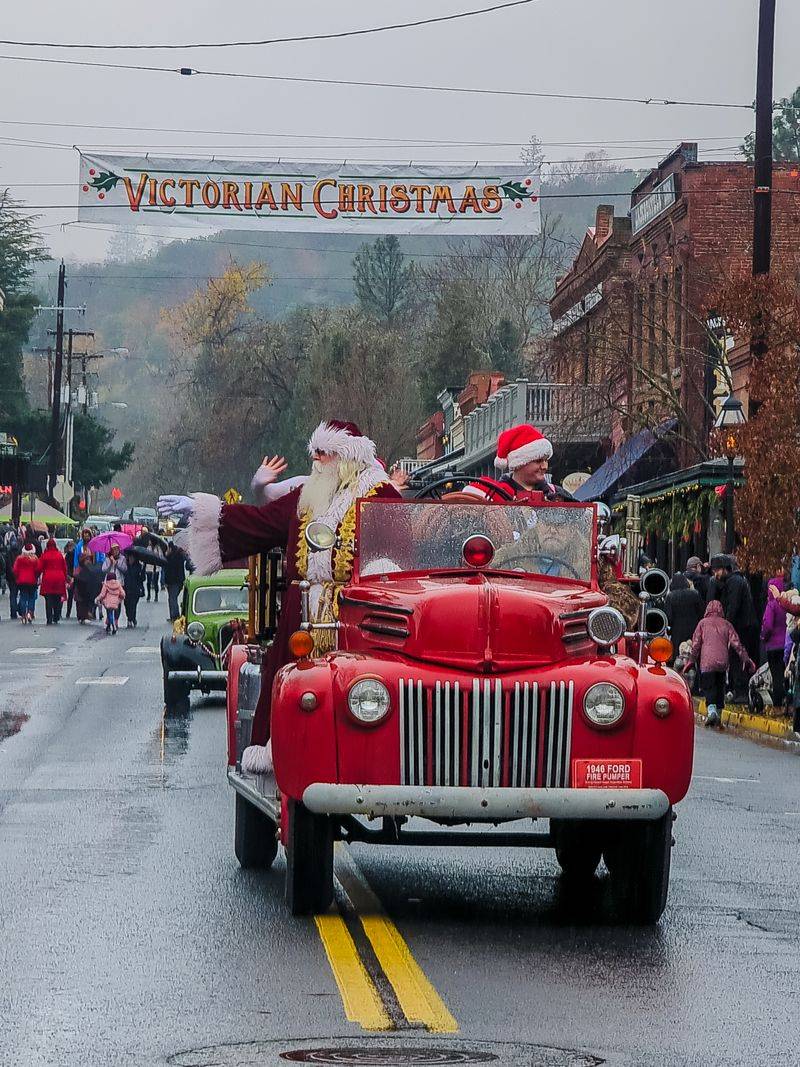
Staying the same comes with choices. You can feel the limits and the rewards at the same time.
Take a slow walk past 235 E California St, Jacksonville. The street holds its shape even when modern life asks for more.
There are fewer big signs and big moves.
In return you get continuity that feels rare now.
Loading, parking, all the daily logistics run quieter. The town trades friction for calm.
Some projects probably take longer to fit into the frame. But that patience shows up as beauty you can use daily.
Look at how porches meet the sidewalk. Edges blur in a friendly way.
The built world asks you to be a considerate neighbor. You answer by moving a little slower.
It is not about being stuck. It is about picking a lane and trusting it.
Oregon has room for all kinds of growth.
This corner chose consistency and wears it well.
Call it restraint if you want. It feels like care to me.
A Place Where Oregon’s Pioneer Era Still Shows
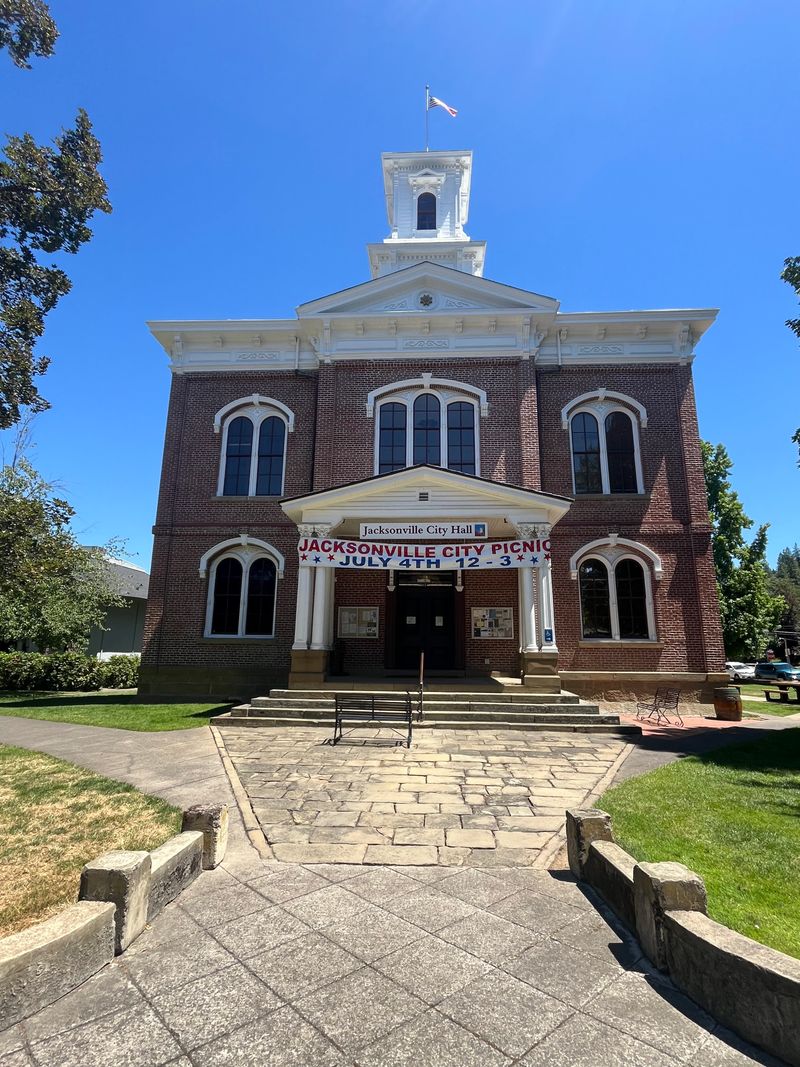
End of the day, let’s loop back to the feeling that got us here.
Jacksonville looks like a chapter heading you can walk through.
Stand near 206 N Fifth St, Jacksonville, and watch the light ease across the courthouse. The edges of the buildings turn soft and dignified.
You can picture wagons rolling these lines without forcing it. The street grid makes that imagining simple.
The brick keeps its color late. Windows glow like steady lanterns as the sky cools.
People still use every doorway. That is what makes the past feel close instead of staged.
Walk one more block along W California St.
Shadows stretch and pull the corners together.
Oregon’s story sits in plain view here. No speeches, just good bones doing quiet work.
We can head out whenever you want.
I kind of like lingering until the streetlights click on.
That tiny moment sells the time travel idea again. The town looks unchanged because it mostly is.
Let’s come back when the seasons shift. It will be the same, and that is the point.
Dear Reader: This page may contain affiliate links which may earn a commission if you click through and make a purchase. Our independent journalism is not influenced by any advertiser or commercial initiative unless it is clearly marked as sponsored content. As travel products change, please be sure to reconfirm all details and stay up to date with current events to ensure a safe and successful trip.
