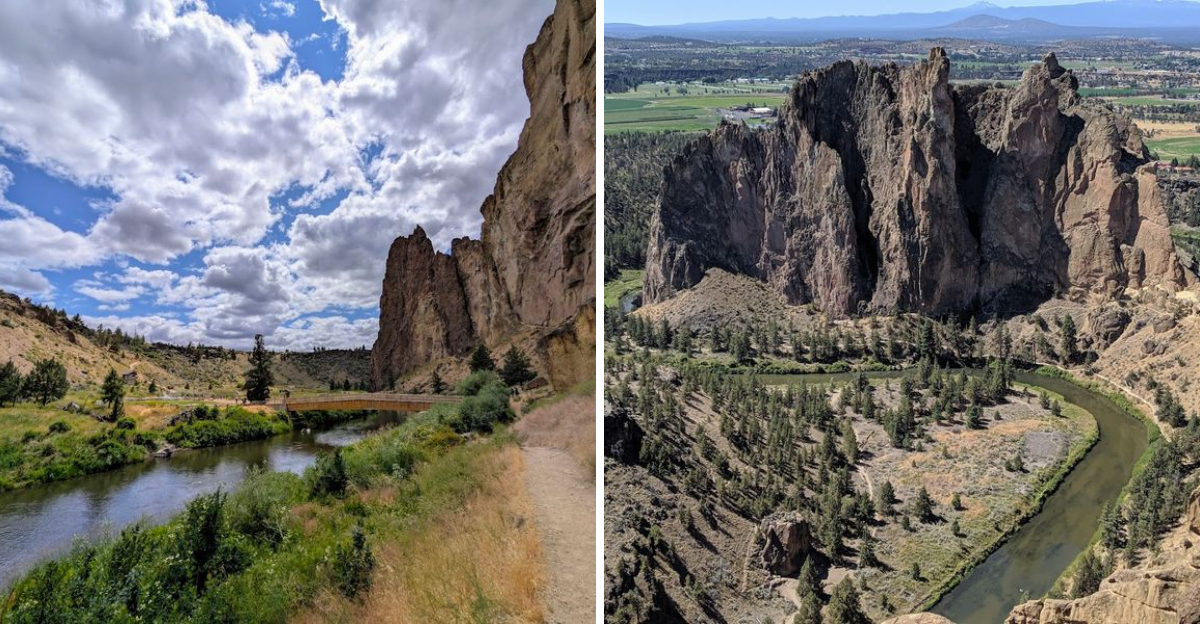
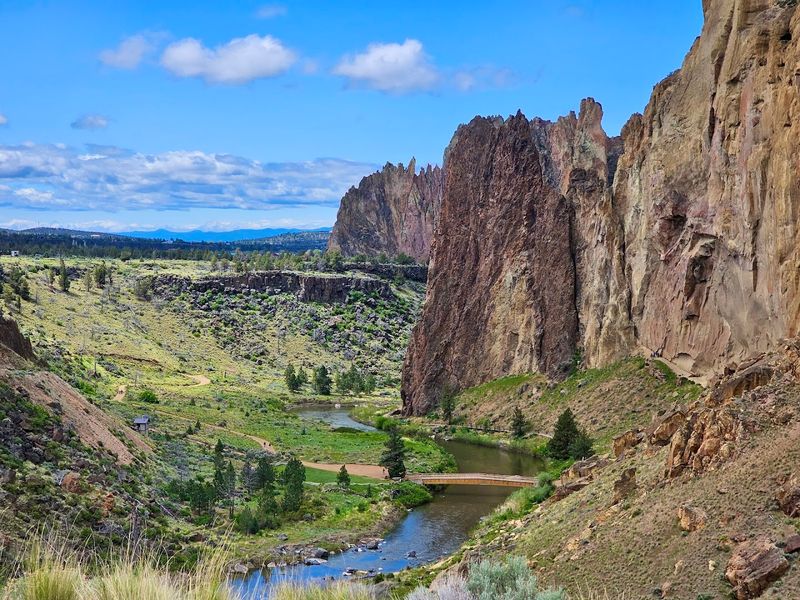
The moment I stepped onto that dusty trail my jaw completely dropped open. Giant rock spires jut out of the ground like some dragon’s teeth honestly.
The river below winds through the canyon like a lazy and silver snake. I half expected to see a wizard walking around the next corner somewhere.
The rocks are striped with colors that honestly do not look real at all. Climbers dangle from vertical walls like tiny and colorful little ants up there.
I sat on a boulder and just stared for twenty minutes without moving once. My photos look completely fake because nothing in nature should be this dramatic.
The whole place feels like someone designed it for an epic fantasy movie. Leaving felt like waking up from a really good dream that ended too soon.
The Dramatic Rock Formations That Define the Skyline
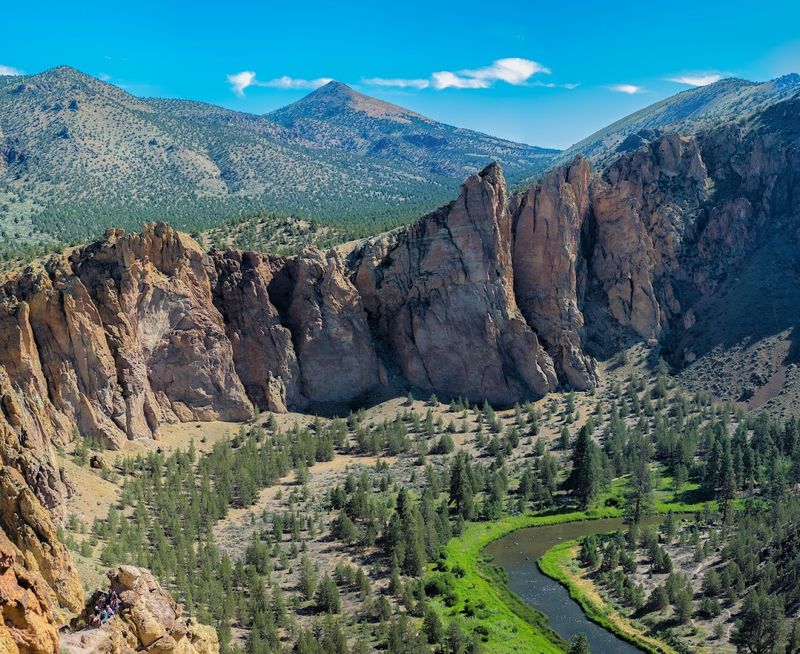
The moment you walk past the trailhead and catch your first full view of the cliffs, something shifts inside you. These are not just rocks.
They are ancient, volcanic structures shaped over millions of years by eruptions and erosion.
The formations are made of welded tuff and basalt, pressed and carved by time into jagged spires and sweeping walls. Some rise hundreds of feet above the canyon floor.
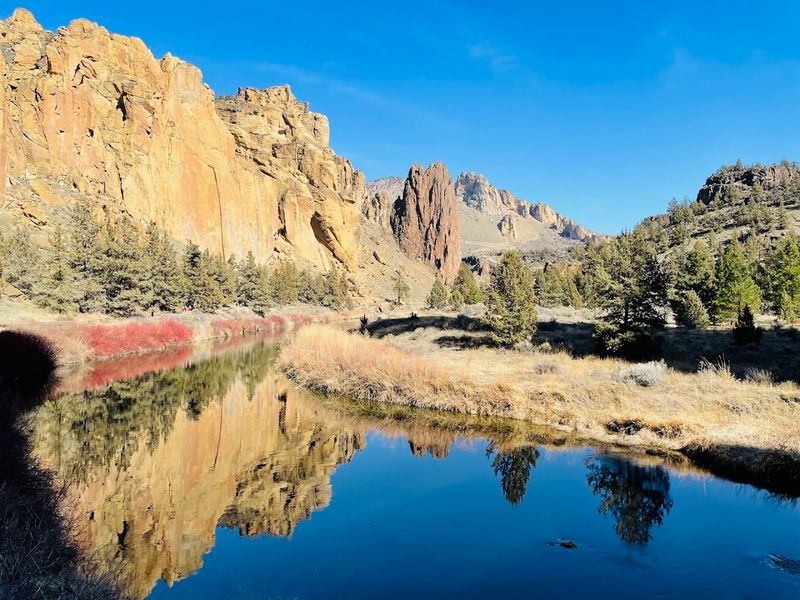
The colors shift throughout the day, moving from deep amber in the morning to a warm rust-red by late afternoon.
Looking up from the river trail, the scale is genuinely hard to wrap your head around. Tiny figures of rock climbers dot the cliff faces, which gives you a real sense of just how massive these walls are.
The geological story here goes back to the Cascade Range volcanic activity, and it shows in every layer and crack. Standing beneath them feels less like a hike and more like standing inside a painting that someone forgot to finish.
Misery Ridge Trail and Why the Name Is Earned
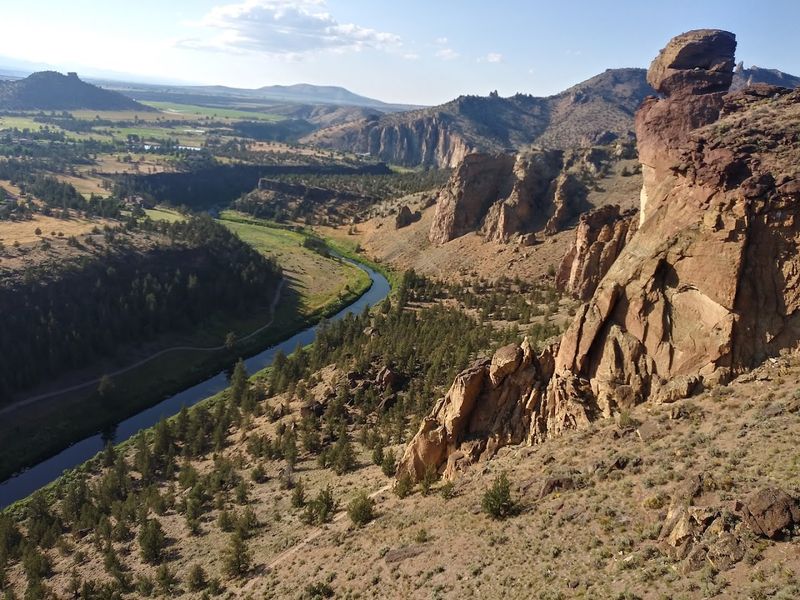
Ask anyone who has hiked Misery Ridge and they will give you the same look, a mix of pride and exhaustion. The name is not an exaggeration.
It is steep, exposed, and relentless in the best possible way.
The trail climbs sharply up the front face of the central formation, with switchbacks that demand real effort. Your legs will feel it.
Your lungs will feel it. But the payoff at the top is extraordinary.
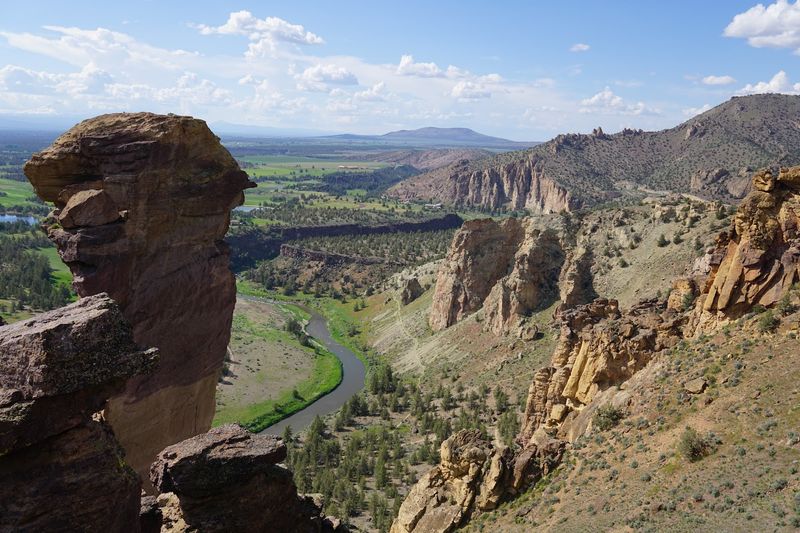
From the summit, you can see Mount Hood, Mount Jefferson, Three Fingered Jack, and the Three Sisters lined up on the horizon. That view alone makes every burning step worth it.
Going up the back side offers a more gradual climb, which is a smart move if your knees need a break. Most people tackle the loop counterclockwise to get the hard part done first.
Bring water, wear proper shoes, and do not underestimate the high desert heat. The trail has very little shade, so start early if you can.
Rock Climbing Routes That Put Smith Rock on the Map
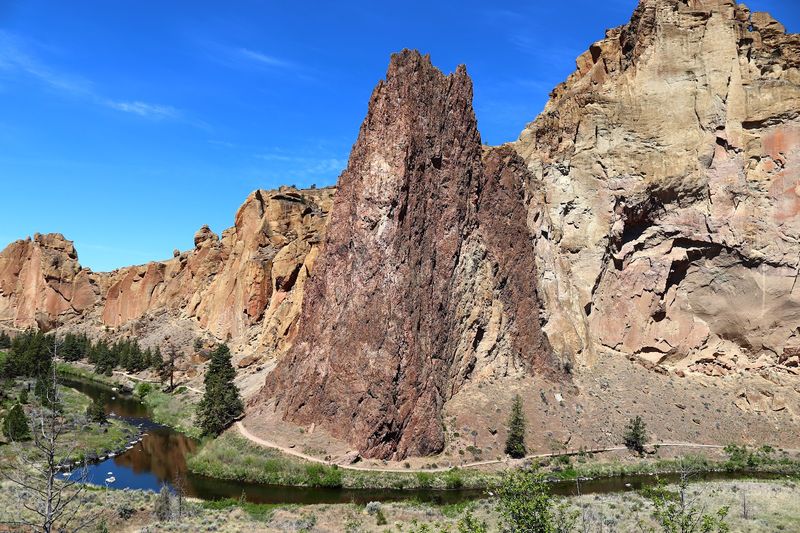
Smith Rock is not just a hiking destination. It is widely considered the birthplace of modern American sport climbing, and that title is worn with serious pride.
Back in the late 1970s and early 1980s, climbers here started using bolted routes and new techniques that completely changed the sport worldwide. Today, there are more than 2,000 climbing routes spread across the canyon walls.
That number is staggering when you think about it.
Routes range from beginner-friendly to seriously technical. Watching experienced climbers move up vertical walls with calm precision is mesmerizing, even if you never plan to clip a carabiner yourself.
Early mornings in winter are especially fascinating because some climbers show up even when temperatures drop near freezing. The park draws visitors from around the world specifically for the climbing, and the culture around it feels warm and welcoming.
You do not have to be a climber to appreciate the athleticism on display every single day along these canyon walls.
The Crooked River Walk That Feels Surprisingly Peaceful
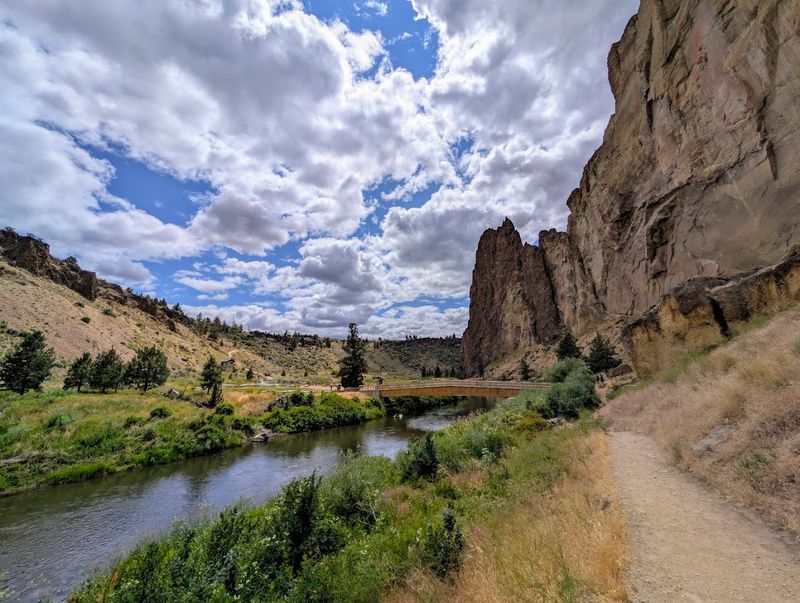
Not every visit to Smith Rock has to involve a strenuous climb. The river trail along the Crooked River is one of the most calming walks in the entire park.
The path hugs the water’s edge and stays relatively flat for a good stretch. Families with strollers use it.
Kids splash near the banks. The sound of the river moving over rocks creates a natural soundtrack that slows everything down.
Looking up from the riverbank, the formations tower above you in a way that feels almost cinematic. The reflections in the water on a still morning are genuinely stunning.
Fishing is also possible here, and smallmouth bass have been caught in the Crooked River by lucky visitors. The trail connects to other routes, so you can extend your walk as much or as little as your legs allow.
Even a short loop along the river gives you a completely different perspective on the park compared to the ridge trails above.
Wildlife Surprises You Did Not Expect to Find Here
Smith Rock has a habit of surprising you when you least expect it. One minute you are focused on the trail, and the next, a bald eagle drifts overhead without making a sound.
Eagle sightings are not uncommon here, especially near the canyon walls where they nest. Jackrabbits dart across the dry brush in the early morning hours.
Mule deer have been spotted grazing near the quieter edges of the park. The high desert ecosystem supports more life than it initially appears to.
Birders find the park especially rewarding because the cliff faces serve as natural nesting habitat for raptors. Prairie falcons and golden eagles have also been observed in the area.
The key is to move slowly and stay quiet, which is easy to do when the scenery already has you walking at a slower pace. Wildlife watching here does not require any special gear or guided tour.
Just patience, a good pair of eyes, and a willingness to look up every once in a while.
The Wolf Tree Trail for Those Who Prefer Fewer Crowds
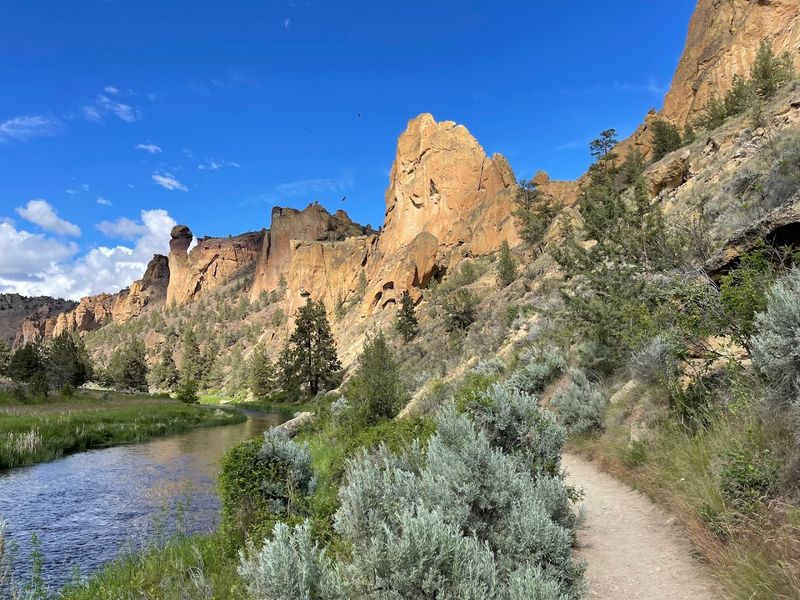
Most visitors head straight for Misery Ridge, which means the Wolf Tree Trail often gets overlooked. That is actually great news if you enjoy a bit of solitude with your scenery.
The trail winds along the river for a stretch before connecting to Burma Road, which climbs up to the neighboring hillside. It takes more time and effort than the main routes, but the reward is a view that most people never get to see.
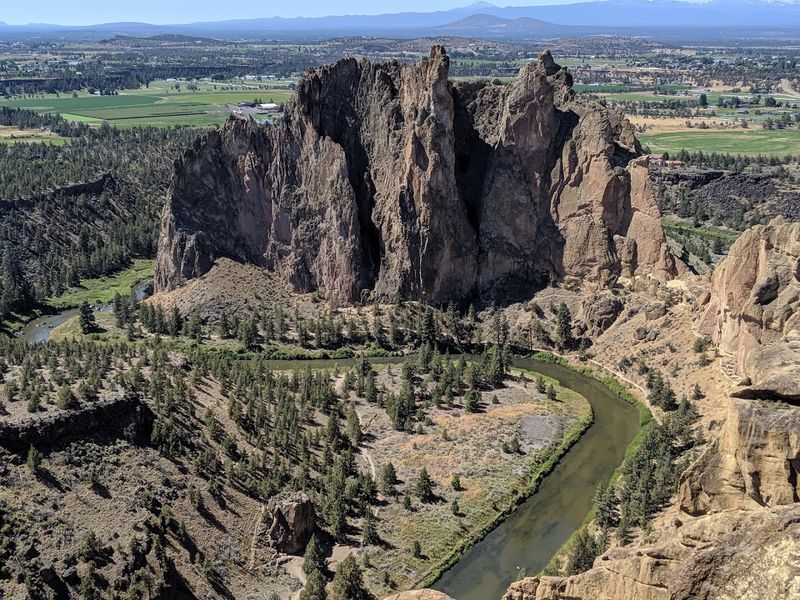
From the top of that hillside, you look down at the rock formations from above, with the Cascade Mountains stretching out behind them. It is a perspective that completely reframes everything you thought you knew about the park.
The loop version of this trail covers the full outer edge of the park, which is a serious commitment. Even just heading up to the hilltop and turning back is a satisfying half-day adventure.
Fewer footsteps on the trail means more chances to spot wildlife and actually hear the wind moving through the canyon below.
Camping Under the Stars in a Canyon Setting
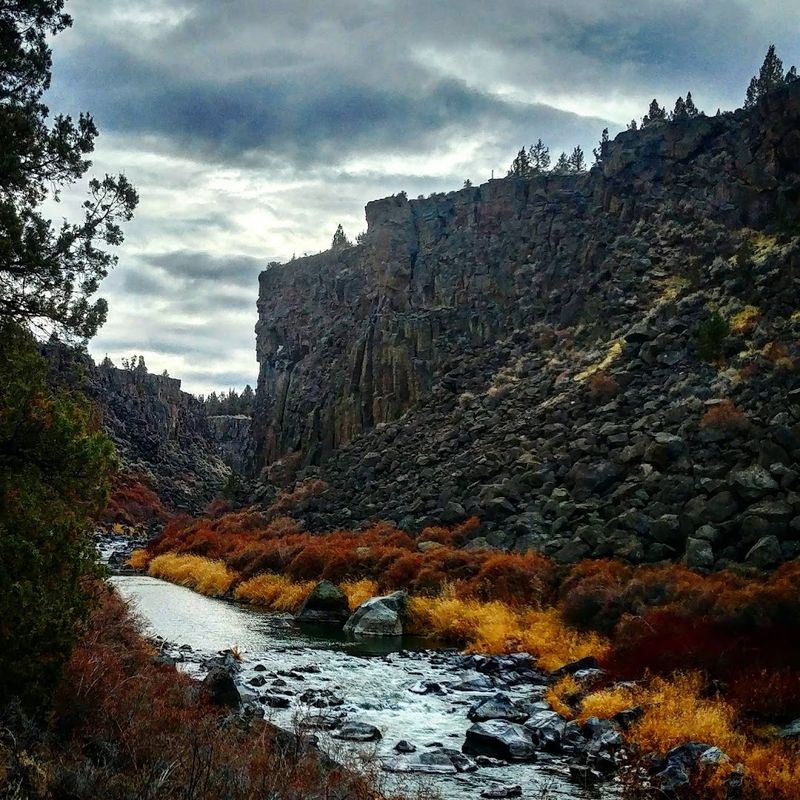
Spending the night at Smith Rock changes the entire experience. The walk-in campsites sit close enough to the action but feel removed from the day crowd once the sun goes down.
Setting up a tent here is simple. The sites are primitive but well-maintained, and the check-out time gives you a full morning to explore before heading out.
Waking up inside the canyon before other hikers arrive is genuinely special.
The light at dawn hits the rock walls differently than any other time of day. Everything glows in shades of orange and pink before the sky fully brightens.
Nights are cool even in summer, so pack an extra layer. The quiet after dark is the kind that makes city noise feel like a distant memory.
Fishing on the Crooked River in the early morning is a bonus for campers who want to make the most of their time. The park handles camping registration through the Oregon State Parks system, so booking ahead is strongly recommended during busy seasons.
Family-Friendly Features That Make Everyone Welcome
Smith Rock is not just for hardcore adventurers. Families with young kids find plenty to enjoy here without tackling a single steep trail.
The flat sections near the river are stroller-friendly and easy to navigate. Clean restrooms are spaced throughout the park, which anyone traveling with small children will appreciate immediately.
Picnic areas are scattered across the grounds, offering shaded spots to rest and eat between walks.
Watching rock climbers from below is endlessly entertaining for kids. The sight of someone scaling a vertical wall with nothing but grip and determination tends to spark a lot of questions and wide eyes.
There is also a rock climbing playground area near the park entrance that younger visitors enjoy. The wide variety of trail lengths means families can customize their visit based on energy levels and age.
A short loop along the river still delivers jaw-dropping views without requiring anyone to push too hard. The park genuinely has something for every kind of visitor, no matter how young or old.
Best Times to Visit and How to Beat the Crowds
Summer weekends at Smith Rock can get busy. Really busy.
The parking lot fills up fast, and the main trails start to feel crowded by mid-morning. That does not mean you should skip it, just plan smarter.
Arriving before 9 a.m. makes a noticeable difference. The light is better for photos, the air is cooler, and the trails feel almost private.
Winter visits are surprisingly rewarding too. Snow is not always present, and the park stays open year-round for hiking and climbing.
December and January mornings can be cold and windy, but the park empties out considerably. Some visitors report having entire trail sections to themselves on weekday winter mornings.
Fall is another underrated season here. The high desert takes on warm tones that complement the rust-colored cliffs beautifully.
Spring brings wildflowers along the lower trails and slightly milder temperatures before the summer heat sets in. No matter when you go, checking the weather forecast and packing layers is always a good call in Central Oregon.
What to Bring and How to Prepare for Your Visit
Preparation makes a real difference at Smith Rock. The high desert environment is beautiful but unforgiving, especially during warmer months when the sun beats down on exposed trails with almost no shade.
Water is the single most important thing to bring. Carry more than you think you need.
A reusable bottle with at least two liters is a smart starting point for any trail longer than the flat river path. Sturdy shoes with ankle support are essential, especially on Misery Ridge where loose gravel and steep descents can catch you off guard.
Sunscreen and a hat are non-negotiable in summer. The elevation and dry air can make sunburn happen faster than expected.
A light jacket is useful for early morning starts or canyon-level walks where wind picks up off the river. Trail maps are available at the visitor center, and staff there are genuinely helpful with route recommendations.
The park charges a day-use parking fee, so keep that in mind when planning your trip. Address: Smith Rock State Park, Crooked River, OR 97760.
