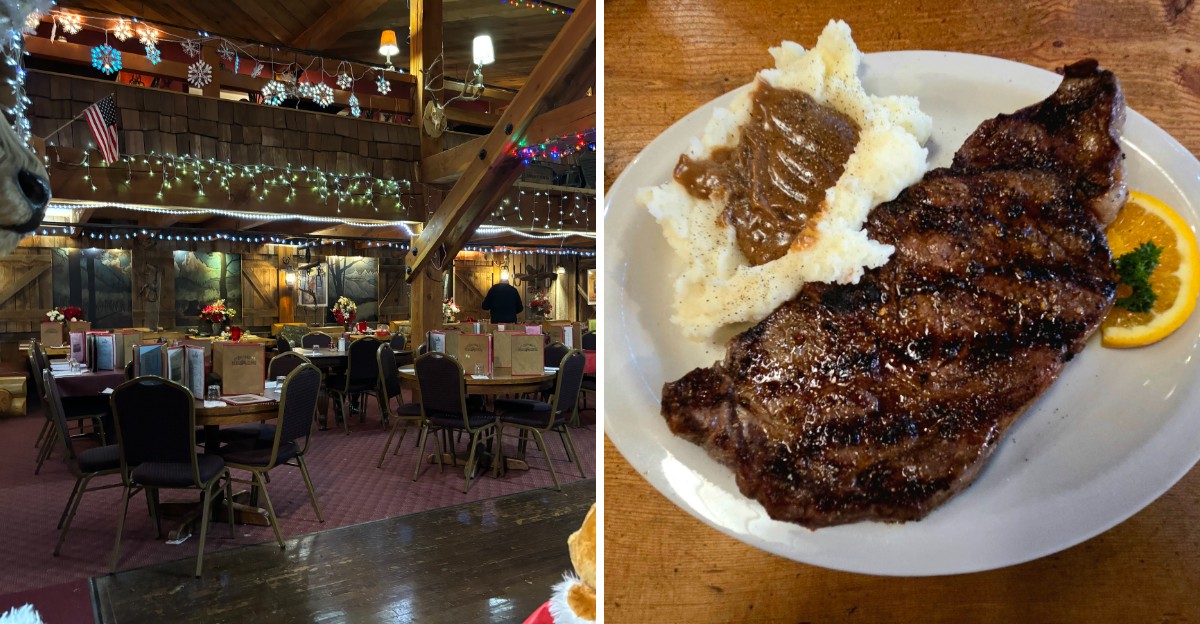
Farmland surrounding a restaurant usually suggests simple, unpretentious food. Here, that setting hides steaks confident enough to challenge any big-city reputation.
Cuts come from cattle raised close by, nothing shipped frozen from somewhere distant or unfamiliar. Preparation stays straightforward too, technique doing the real work rather than fancy plating or unnecessary flourishes distracting from the meat itself.
Competing with established city steakhouses from a rural location takes real confidence most farmland restaurants never attempt. This one built that reputation anyway, letting quality speak louder than location ever could on its own.
Few steakhouses this far from a city center earn comparisons like these. Oregon diners willing to drive out keep confirming the steaks hold up completely, no big-city address required.
A Ranching Town That Sets the Scene
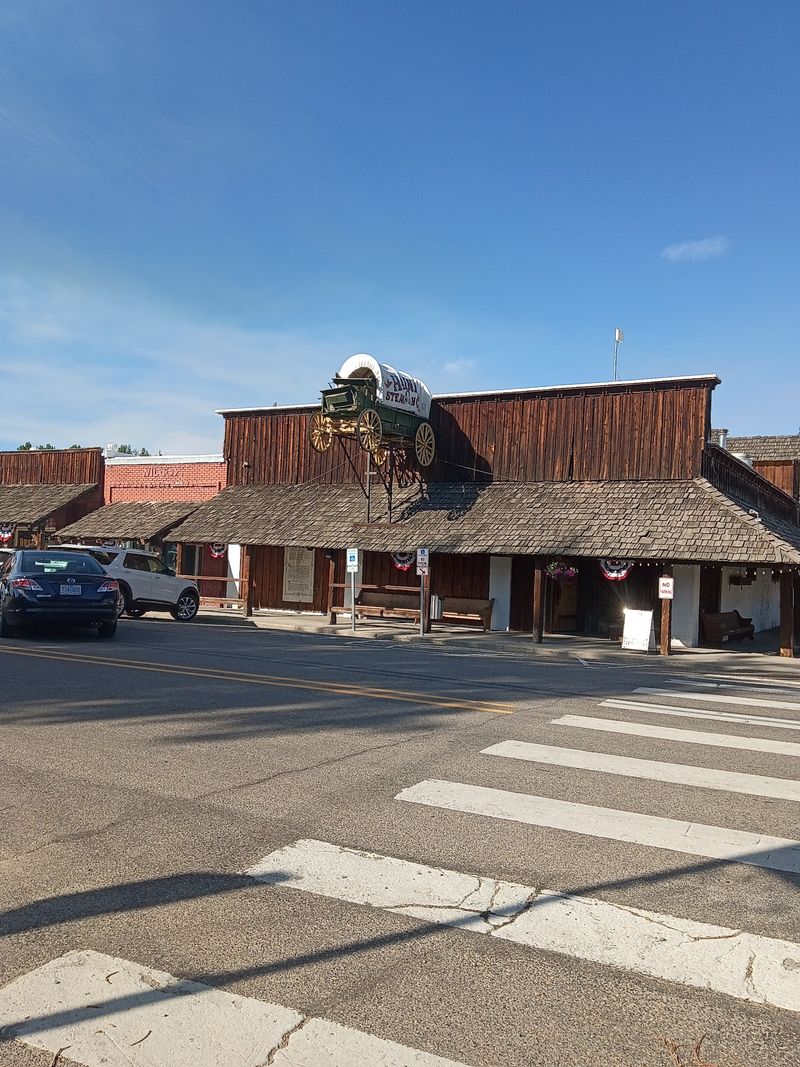
Hay fields, grain silos, and cattle fences frame the road long before the restaurant sign comes into view. Haines sits in the Baker Valley, a wide stretch of farmland with the Elkhorn Mountains standing guard to the west.
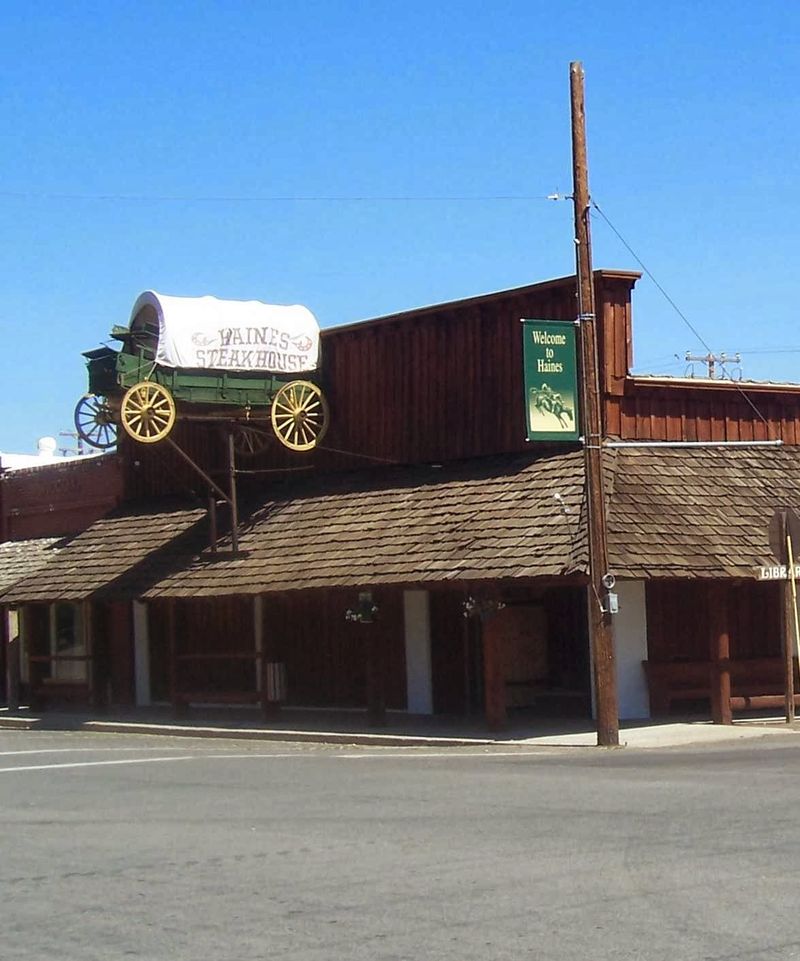
The town itself is tiny. A few quiet streets, a park, a post office, then a low wooden building with a gravel edged lot out front.
What struck me is how naturally the steakhouse fits its surroundings. Beef country wraps around the place on every side, so ordering a steak here feels less like a splurge and more like eating close to the source.
Travelers coming from Baker City cover about ten miles of straight highway. Others passing between Pendleton and Boise build dinner around the stop, which says plenty. Arrive with daylight left if possible. Valley views on the approach are half the reason to make the drive.
The Drive That Becomes Part of Dinner
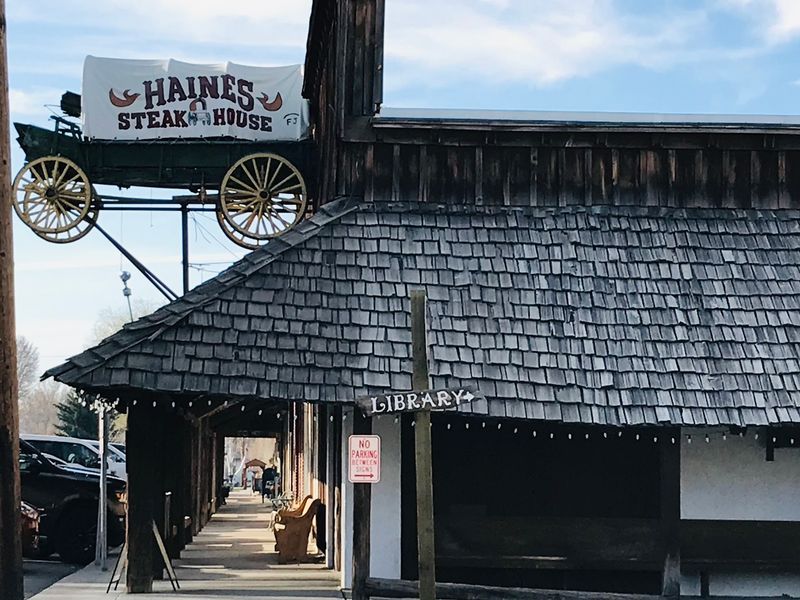
Getting there is genuinely enjoyable, which is not something you can say about most restaurant parking lots. The interstate runs nearby, but the older highway through the valley is the route worth taking.
Long straight stretches, irrigation sprinklers throwing mist over the fields, and hawks sitting on fence posts. My drive over took barely fifteen minutes from Baker City and still felt like a scenic detour.
Folks come from farther out too. People make the trip from La Grande, Ontario, and even across the state line, treating the meal as the reason for an afternoon outing.
Keep an eye on your fuel gauge before leaving town. Services thin out fast in this part of Oregon, and cell signal can get spotty between valleys.
Winter travelers should check road conditions first. Snow and blowing wind change the timing of everything out here, and an early start beats rushing in the dark.
Wood Paneling and History Hanging Overhead
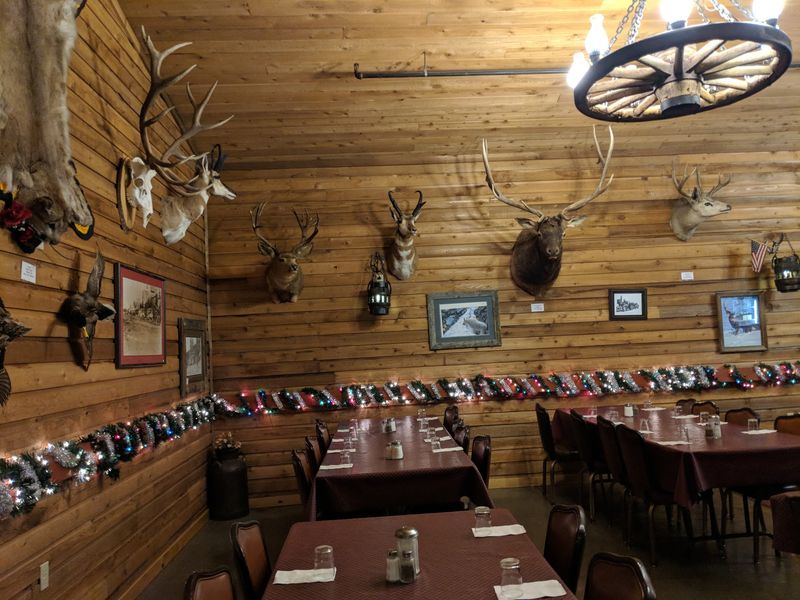
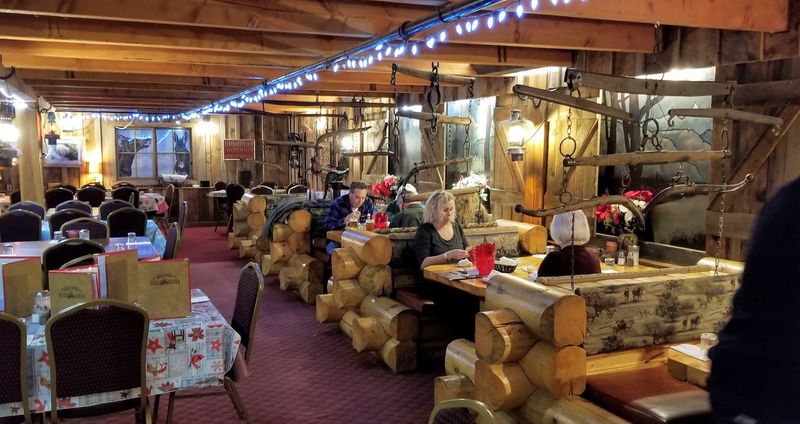
Old horse tack, hand tools, saddles, and framed photographs cover nearly every inch of wall space inside. None of it looks arranged by a designer, which is exactly the appeal.
The dining room is wood paneled and dim in a comfortable way, with lighting soft enough to make the room feel like early evening no matter the hour.
Photos of local ranchers and farmers hang alongside pieces of equipment those same families once used. It turns waiting for food into a slow walk through regional history.
Kids tend to love the branding irons and horseshoes. Adults usually end up pointing at something across the room mid conversation.
Seasonal decorations appear around holidays, and the staff clearly enjoy putting them up. Ask about a particular item on the wall if curiosity strikes, since most pieces have a local connection worth hearing about. Bring a phone with battery left. The room photographs better than expected.
The Chuckwagon Salad Bar Built Into a Real Wagon
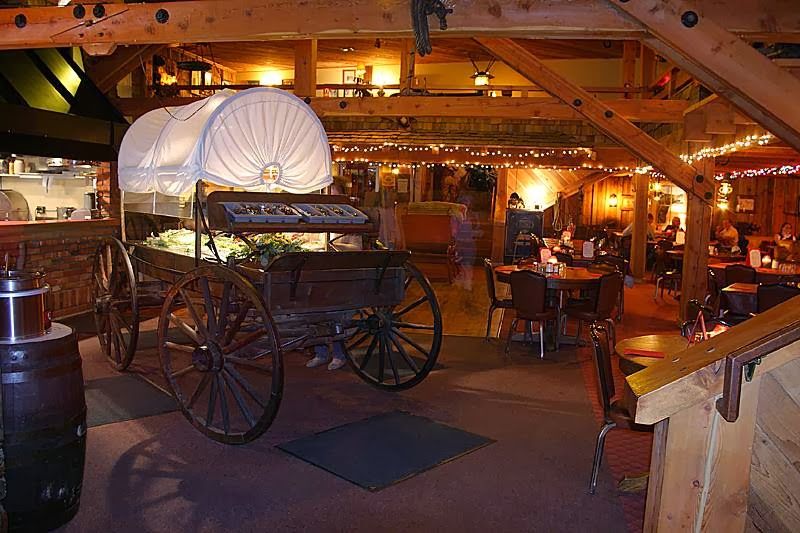
Nothing quite prepares you for a salad bar served out of an actual covered wagon. The wooden wheels, the canvas top, the whole thing parked in the middle of the dining room.
Bowls sit tucked inside, filled with crisp greens, chopped vegetables, house made salads, and toppings. A single pass comes with most meals, and plenty of people call it the highlight.
Honestly, I would have been happy eating only from the wagon. The selection covers more ground than expected for a small town kitchen. Cornbread, chili, and baked beans round things out on the side. Load a smaller first plate if steak is coming, because the portions arriving later are hearty.
Families with picky eaters do well here. There is enough variety that everyone finds something familiar before the main plates land on the table. Take a look at the wagon itself too. It has earned its keep.
Steaks Cooked Plainly and Proudly
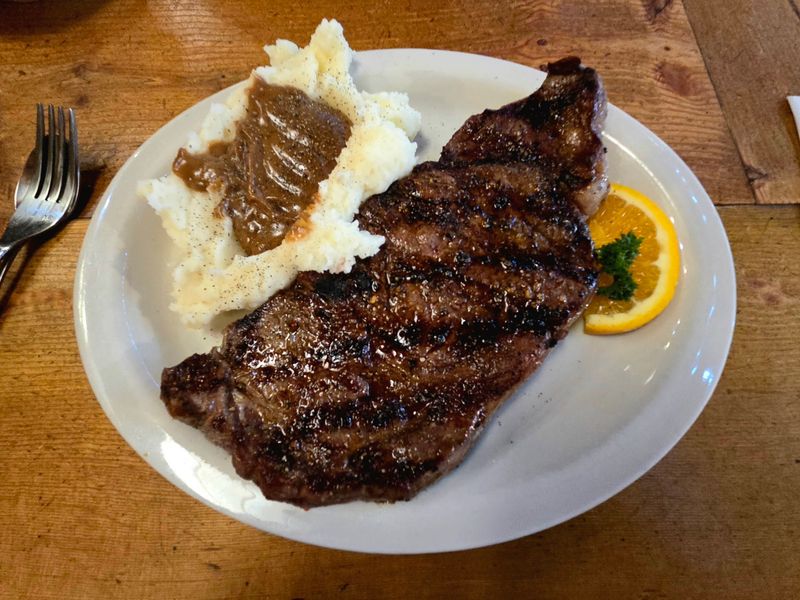
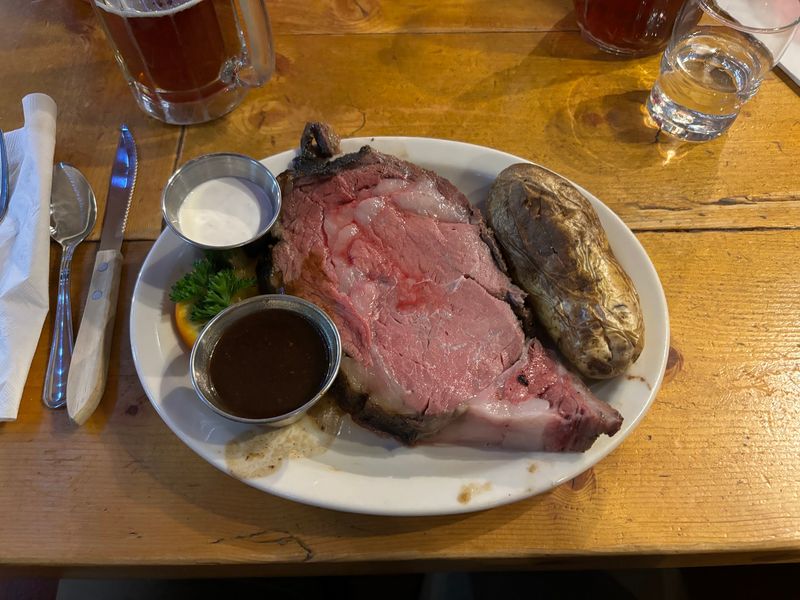
Ribeye and prime rib are the two names you hear most from regulars, and both arrive without much fuss on the plate. The kitchen leans on the quality of the beef rather than heavy seasoning.
Flat iron steak has its own following. Smoked ribs, brisket, and lamb chops appear on the menu too, along with crab legs for anyone wanting something from the water. My ribeye came out tender with real marbling running through it, the kind of cut that needs almost nothing added.
Sides stack up quickly. Baked or fried potatoes, cowboy beans, buttery garlic bread, and cornbread all make appearances alongside the main plate. Ask for your steak the way you actually like it, and mention preferences clearly when ordering.
Portions run generous. Sharing a larger cut between two people is common, and boxes for leftovers are no trouble at all.
Family Ownership You Notice Right Away
Some restaurants run on systems, and others run on people who genuinely care how your evening goes. The owners here have been at it for many years, and it shows in small ways.
Greetings at the door feel unhurried. Tables get held for guests running late, and questions about the menu get answered with real detail rather than a shrug.
The kitchen operates with obvious discipline too. Ingredients are kept organized, salads are prepared in house, and the beef is chosen carefully rather than bought on price alone.
Staff seem to know the regulars by name, and newcomers get folded into that same friendly rhythm. If anything needs sorting out during a meal, the front counter is the place to mention it. The response is quick and gracious.
Little touches happen here as well, like a homemade cake for guests celebrating an anniversary. Details like that stick with people.
Hours Worth Planning Around
Showing up hungry at two in the afternoon on a Tuesday would be a mistake, so a little planning helps. Doors open at 4:30 in the evening Wednesday through Monday.
Saturdays start earlier at 3:30, and Sundays begin at 12:30 for anyone wanting a late lunch instead of dinner. Tuesday is the one day the kitchen stays quiet.
Closing happens at 8, which is normal for a rural steakhouse. Rolling in near the end of service still works, though arriving with time to spare makes the meal far more relaxed.
Early arrivals get the best of both worlds. Softer light in the dining room, a fully stocked wagon, and no rush between courses. Double check hours before holidays. Small towns keep their own calendar.
Weekend Crowds and Small Town Energy
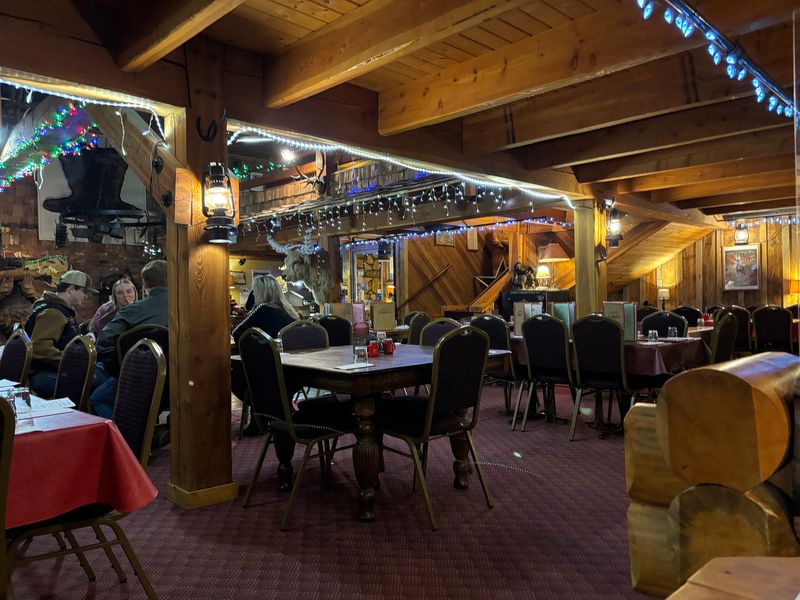
Friday and Saturday evenings turn the parking lot into a scene of dusty trucks and out of state plates. The dining room fills with families, ranch crews, and travelers all at once.
Big local events crank things up further. Graduation weekends and the Eastern Oregon Livestock Show bring crowds that stretch every table in the building.
Music plays in the background and conversation carries across the room. It has the feel of a community gathering that happens to serve dinner. Patience pays off on those nights. The kitchen is working through a lot of plates, and the food arrives worth the wait.
Weeknights offer a calmer version of the same experience. Wednesday or Thursday visits mean quicker seating and a quieter room for anyone traveling with kids. Either way, the energy is friendly. Strangers end up chatting about where they are headed next.
Why People Drive Hours for One Meal
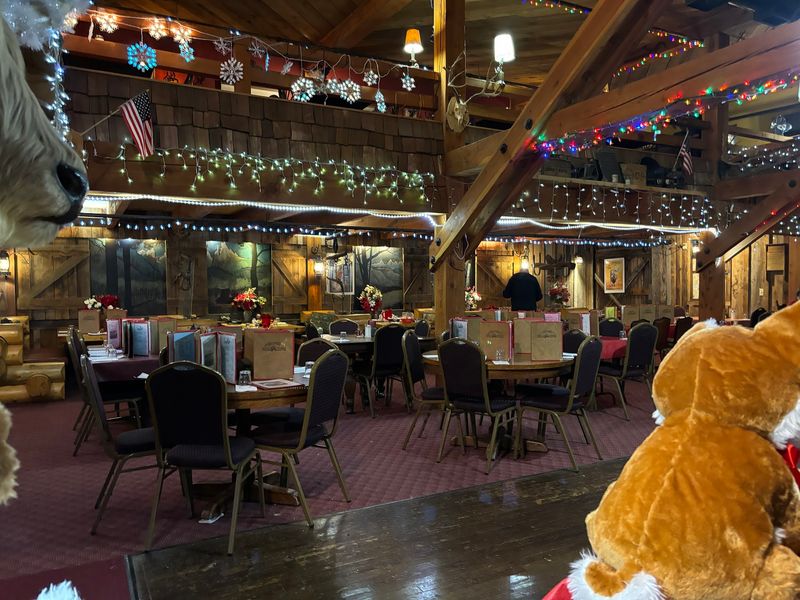
Ask around eastern Oregon and you will hear about folks putting ninety minutes on the odometer just for dinner here. That kind of loyalty does not happen by accident. Part of it is the beef, cut thick and sourced with care in the middle of ranch country. Part of it is the wagon salad bar nobody forgets.
The rest comes down to feeling welcome. Guests get treated like returning friends whether it is their first visit or their fiftieth. Repeat visitors often turn the meal into a yearly tradition, timing it with a trip through the region.
For travelers, the value stands out. Steak, salad bar, bread, beans, and potato arrive together, which stacks up well against city prices. My advice is simple. Skip lunch, take the long way, and treat this dinner as the main event of the day.
Building the Stop Into a Bigger Oregon Route
Pairing dinner with an afternoon of sightseeing turns the whole thing into a proper day trip. Baker City sits minutes away with historic brick buildings and the Oregon Trail Interpretive Center nearby.
The Elkhorn Drive scenic byway loops through mountains and old mining country west of the valley. Anthony Lakes offers cool air in summer and snow in winter. Hikers, anglers, and anyone chasing back roads will find plenty to fill the hours before the doors open at 4:30.
Lodging is easiest in Baker City, a short and simple drive back after eating. Fuel up, charge your camera, and give yourself room in the schedule. Rushing this corner of Oregon defeats the point entirely.
When hunger hits, aim for Haines Steak House at 910 Front St, Haines, OR 97833, where farmland, ranch history, and a seriously good steak share the same wooden room.
