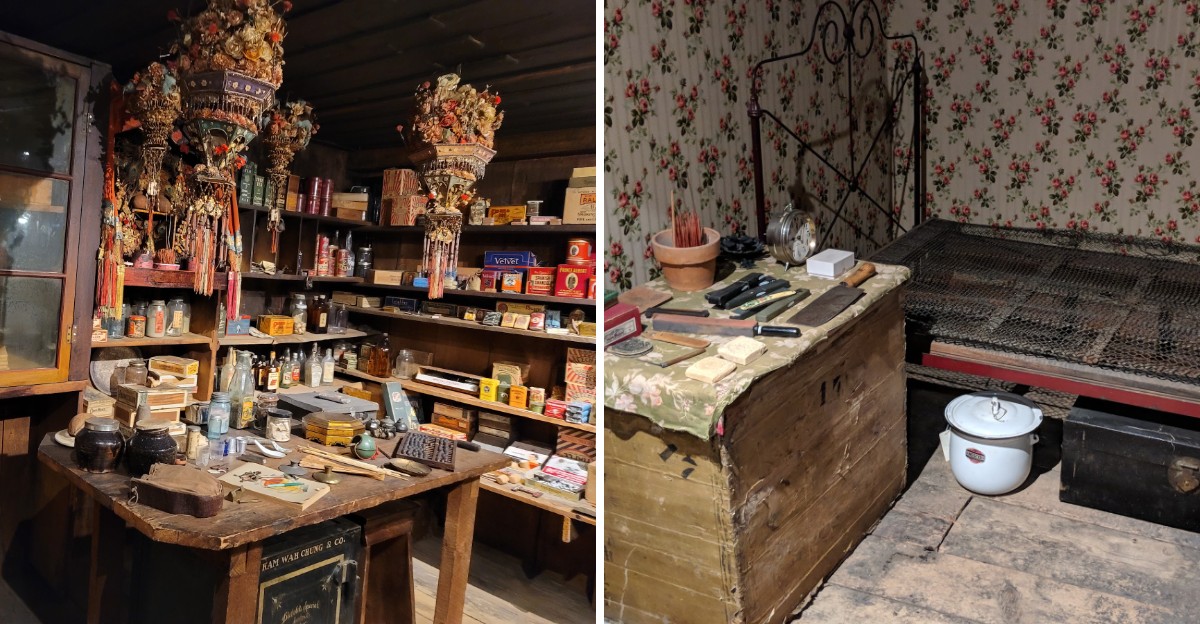
Two men locked the door of a small stone building in the 1940s, and the inside barely changed for decades. Shelves of herbs, old canned goods, and personal belongings simply waited.
One of those men was a healer famous for reading pulses. The other was a sharp businessman who handled the money, the mail, and the paperwork. Together, they ran this place as a shop, clinic, and community hub for more than fifty years.
I love that this tiny Oregon building holds such a huge story. It feels less like a museum and more like a pause button pressed on a whole chapter of the American West.
I can’t imagine a better way to meet history face to face. So how did a frontier general store end up frozen in time?
Two Partners Built Something That Outlasted Everyone’s Expectations
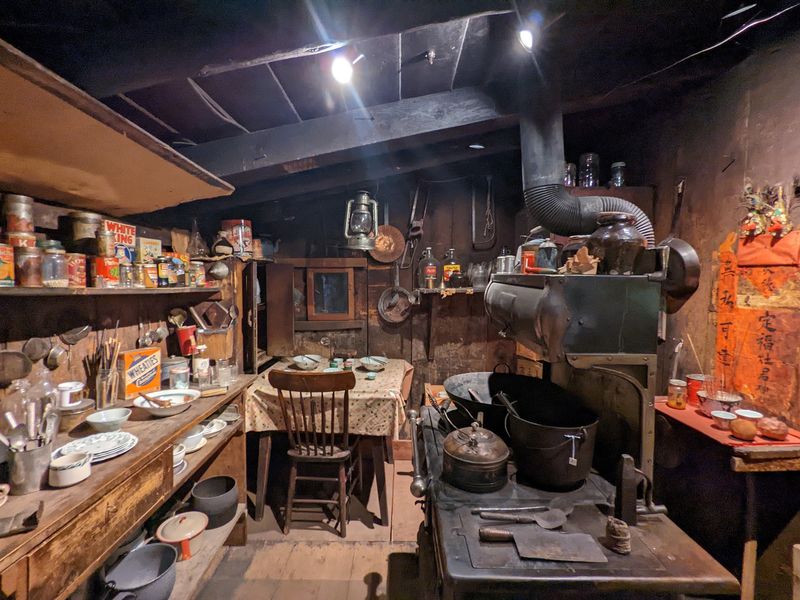
Kam Wah Chung Interpretive Center tells the story of Ing Hay and Lung On, two Chinese immigrants who arrived in eastern Oregon in the late 1800s. Their partnership lasted more than half a century, which is longer than plenty of marriages.
Ing Hay became known as Doc Hay, an herbal doctor. Lung On handled business, translation, and letters for the community. The pair bought the Kam Wah Chung & Co. building in 1887. Back then, the area held a large Chinese population drawn by the nearby gold rush.
Over time, the building became far more than a store. It served as a clinic, a post office of sorts, a social hall, and a place of worship. Lung On passed away in 1940, and Doc Hay left the building in the late 1940s. The doors were locked, and everything stayed inside.
Decades later, the city discovered the contents nearly untouched. The building is now a National Historic Landmark managed by Oregon State Parks.
That alone makes it worth a stop. Few places let you see a partnership this clearly through the objects two people left behind.
The Guided Tour Is Small On Purpose, So Plan Ahead
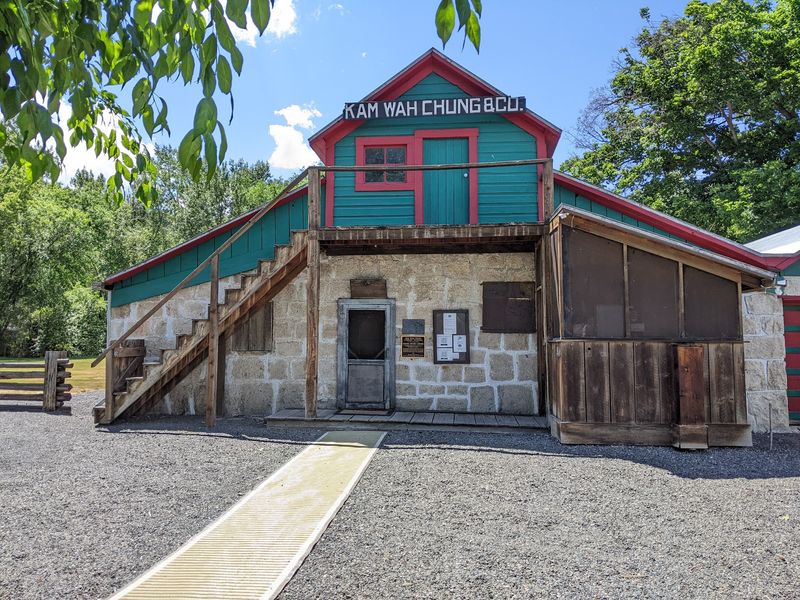
Eight people. That’s the usual limit for each tour of the historic building, and there’s a very good reason for it. The inside is cramped, packed with fragile shelves and original items. More bodies would mean more risk to things that have survived for well over a century.
Tours of the historic building are free and guided, which is the only way to see inside. They typically run on the hour during the season. Because groups stay tiny, spots can fill up. Arriving a little early and signing up at the interpretive center is a wise move.
The small size has a bonus. You get closer to the guide, can ask questions, and actually hear every story. Tours last about an hour. That’s long enough to soak it in without your feet filing complaints.
Hours and seasons can shift, so check with Oregon State Parks before you go. The historic building usually opens for tours from spring through fall.
A donation on the way out is always appreciated. Free admission keeps the doors open to everyone, and support keeps it that way.
An Herbal Pharmacy That Would Make Any Chemist Stare
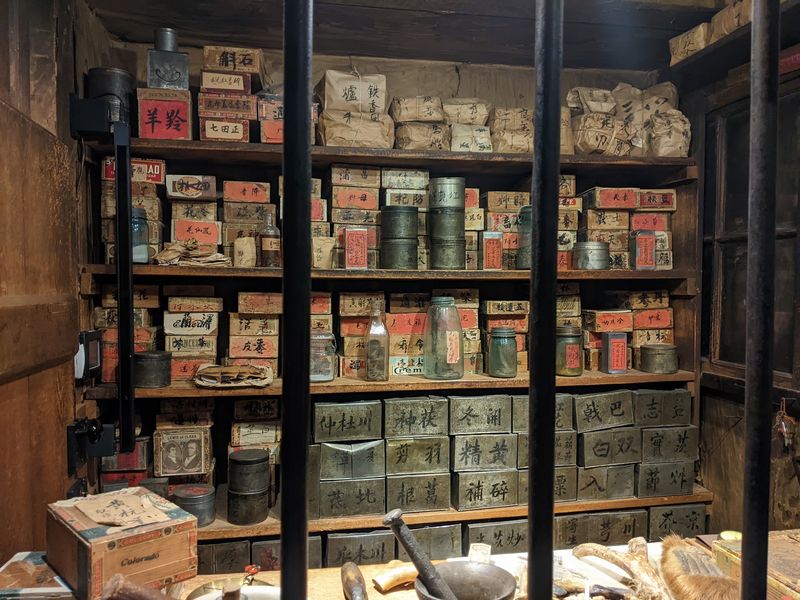
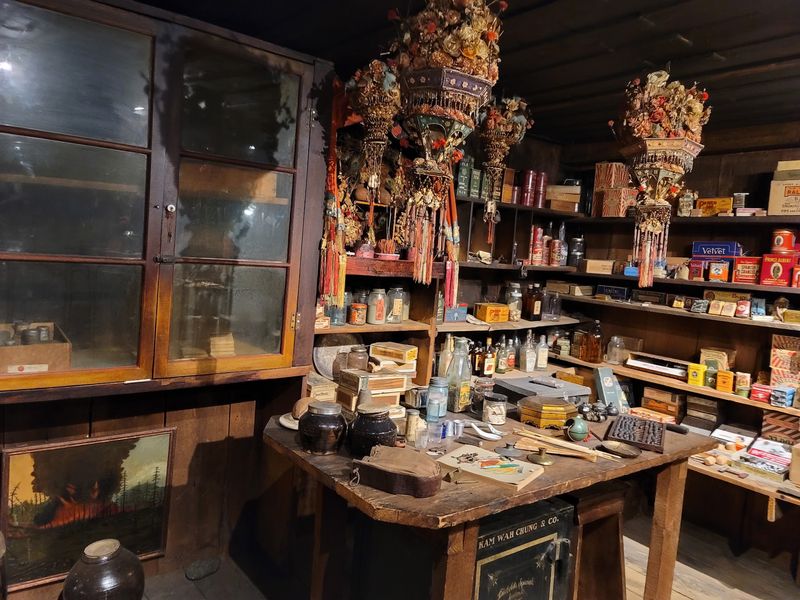
Hundreds of herbs once lined these shelves. Kam Wah Chung holds one of the most complete traditional Chinese apothecaries from its era in the United States.
Doc Hay was a skilled pulse reader. He diagnosed patients by feeling the pulse at the wrist, then mixed herbal remedies tailored to each person. His reputation spread far beyond the Chinese community. Ranchers, miners, and townsfolk of all backgrounds came to him for help.
That’s remarkable for the time. Many Chinese immigrants faced harsh discrimination, yet Doc Hay earned trust across the region through his work.
The pharmacy shows how serious his practice was. Jars, boxes, and labeled containers still fill the space, holding ingredients that tell their own quiet story. You can’t touch anything inside, including the walls. It might feel strict, but every surface is part of the history.
Science fans will love this part. It’s a rare look at how traditional medicine worked on the American frontier. Bring your questions for the guide. The herbal side of the story is where many of the best details live.
Lung On Was The Business Brain Behind The Whole Operation
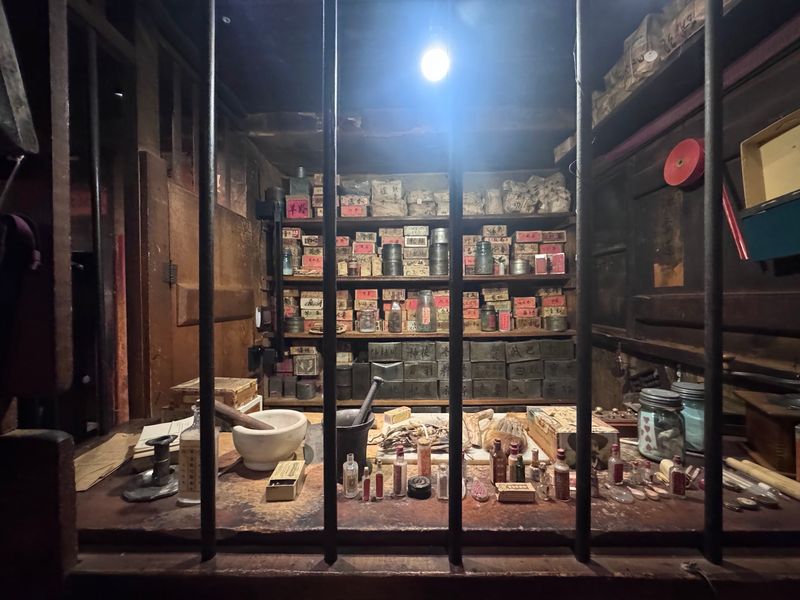
Every great duo needs a planner. For this one, that was Lung On, a well-educated man who spoke English and understood business. He ran the general store side of Kam Wah Chung. Shelves held food, supplies, and goods that miners and locals needed.
Lung On also helped his community in practical ways. He wrote letters, handled paperwork, and translated for people who couldn’t navigate English.
His business sense went beyond the store. He became a successful entrepreneur in the area, including selling cars, which was a big deal at the time.
Some of the old store stock is still visible. Seeing labels and goods from long ago feels like flipping through a frontier shopping list. I like how his role balances Doc Hay’s story. One healed the body, while the other kept the business and community running.
Together, they proved immigrants could build real success despite unfair laws. Their partnership supported far more people than just the two of them. Pay attention to his corner of the story. It shows the clever, everyday work that kept this place alive.
Living Quarters That Feel Like The Owners Just Stepped Out
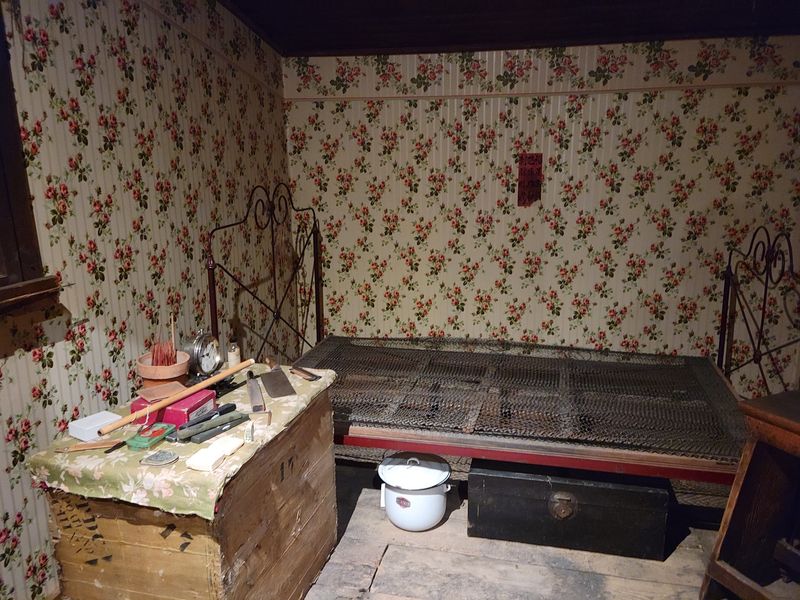
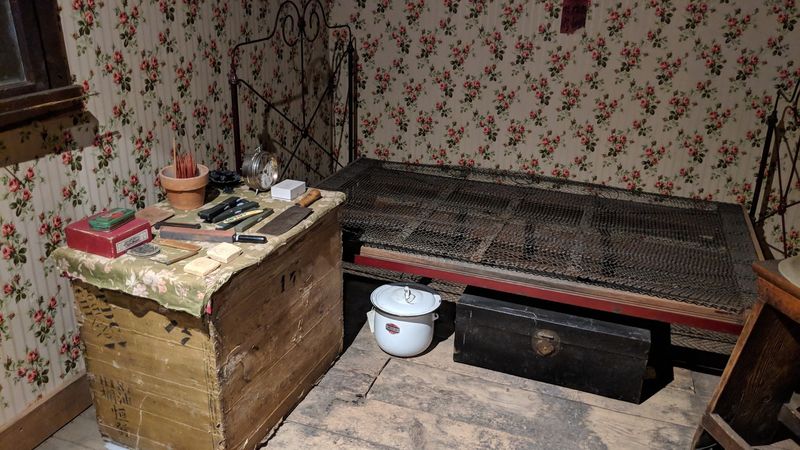
Beds, a kitchen, and personal belongings still fill the rooms. Doc Hay and Lung On didn’t just work here, they lived here too. That makes the visit feel personal. You’re seeing daily life, not just a staged display.
The building also held space for a shrine. It reflected the spiritual life that mattered to the men and their community. Plenty of small, everyday objects survived. Those little details often stick with visitors longer than the big ones.
Why did so much remain? After the men were gone, the building sat locked for years before the city took ownership. When it finally opened, the contents were still in place. That quiet stretch is the reason it’s often called a time capsule.
The building is tight and dim in spots. Young kids might get restless, though older kids often find it fascinating. Look closely at walls and corners. Even the oldest, plainest surfaces carry pieces of this remarkable story.
A Gold Rush Story Most Oregon History Books Skip
Gold changed everything here. Discoveries in the 1860s drew thousands of miners to Grant County, including a large number of Chinese workers. By the late 1800s, John Day had a sizable Chinese community. Many surprised visitors had no idea this part of Oregon history existed.
Life was not easy for these newcomers. Unfair laws and prejudice limited where they could work, live, and own property. Still, the community built a lively neighborhood. Kam Wah Chung became its heart, serving as a gathering place for news, supplies, and support.
Over time, much of that Chinese population moved away as mining faded. The store stayed, and so did its two famous residents. That’s why this site matters so much. It holds proof of a community that helped shape the region.
Historians from many fields value it. The collection supports research in medicine, immigration, business, and Western history. Go in curious. You’ll likely leave wanting to read more about the Chinese pioneers of the West.
Start At The Interpretive Center Before The Big Reveal
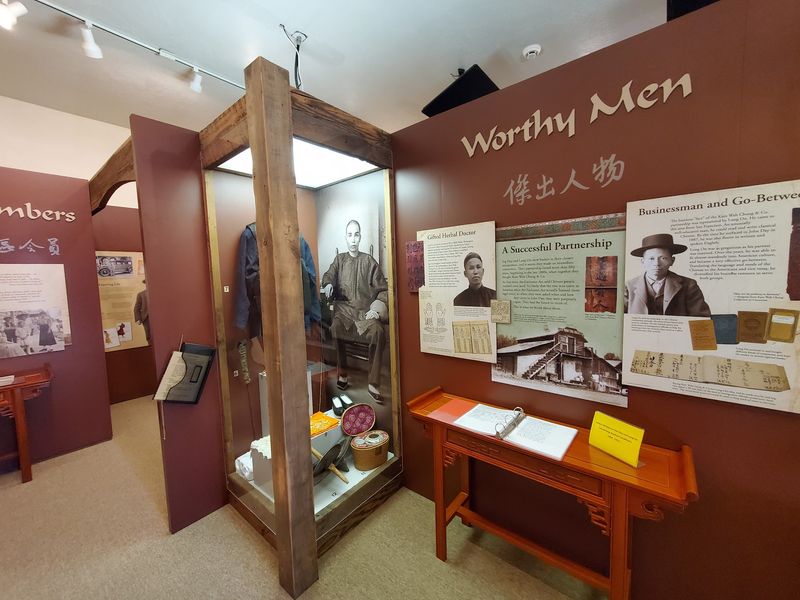
Smart visitors begin a short walk from the historic building. The interpretive center sits at 125 NW Canton St, John Day, OR 97845, and it works like a friendly warm-up act.
Inside, exhibits explain the gold rush era and the Chinese community that shaped this corner of the state. You’ll find artifacts, photos, and panels that set the scene.
It’s a small space, so you won’t need hours. Still, packing your brain with context first makes the guided tour hit harder. Think of it as reading the back cover before opening the book. You’ll recognize names, places, and objects once you step into the old store.
This is also where tours start. Staff and volunteers help organize groups, so checking in here first keeps things simple. Families can relax a bit here too. Most items sit safely behind glass, which means fewer nervous moments around curious little hands.
There’s a gift shop as well. Picking up a small souvenir is an easy way to support the site and bring a bit of this story home.
Volunteers And Guides Turn Old Objects Into Great Stories
Objects only say so much on their own. The real magic at Kam Wah Chung Interpretive Center comes from the people who share its stories.
Guides and volunteers lead the historic building tours. Their knowledge connects each shelf and room to the lives of Doc Hay and Lung On.
Good storytelling makes history stick. A dusty jar becomes interesting when you learn who used it and why. Guides also tailor details to the group. Kids may get fun facts, while history buffs can dig deeper with questions.
Don’t be shy about asking things. The tour is small enough that conversation feels natural. Oregon State Parks manages the site with this teamwork. Rangers, staff, and volunteers all help protect and share it.
Free tours depend on that effort. A thank-you or a donation goes a long way. You might walk out with more questions than answers. Honestly, that’s a sign the guide did a great job.
Make John Day Part Of A Bigger Eastern Oregon Adventure
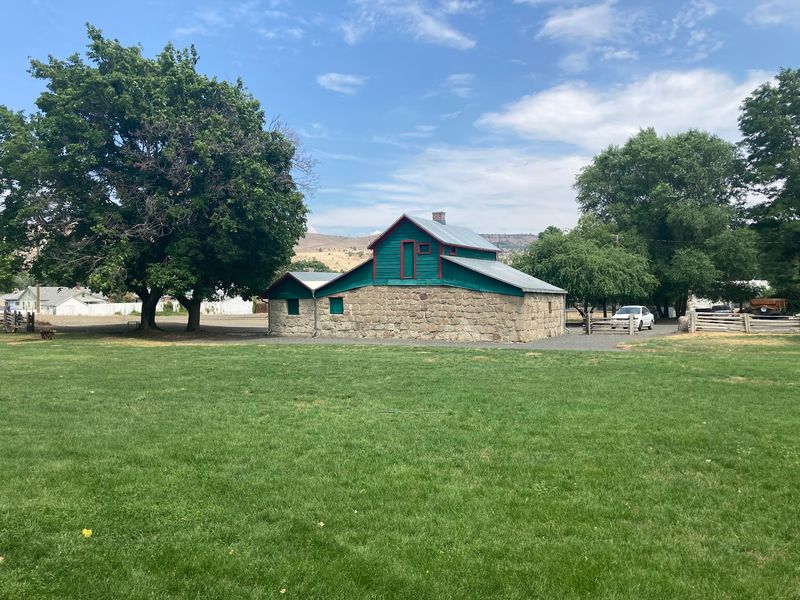
Here’s a tip for road trippers: pair this visit with the scenery of Grant County. The town of John Day sits in a lovely stretch of eastern Oregon. The John Day Fossil Beds National Monument is within driving range. Its colorful hills and ancient fossils make a great second stop.
Outdoor fans can also explore the Malheur National Forest nearby. Hiking and camping options make it easy to stay a while. Summers can get hot out here. An indoor museum stop offers a nice break from the sun.
The interpretive center is generally open daily from 9 AM to 4 PM. Tour seasons may vary, so confirm before heading out. Plan at least an hour for the tour. Add more time if you want to linger in the center.
I believe this is one of the most meaningful stops in the state. It mixes adventure, history, and heart in one small town. So add it to your Oregon list. A tiny stone store has rarely held this much story.
