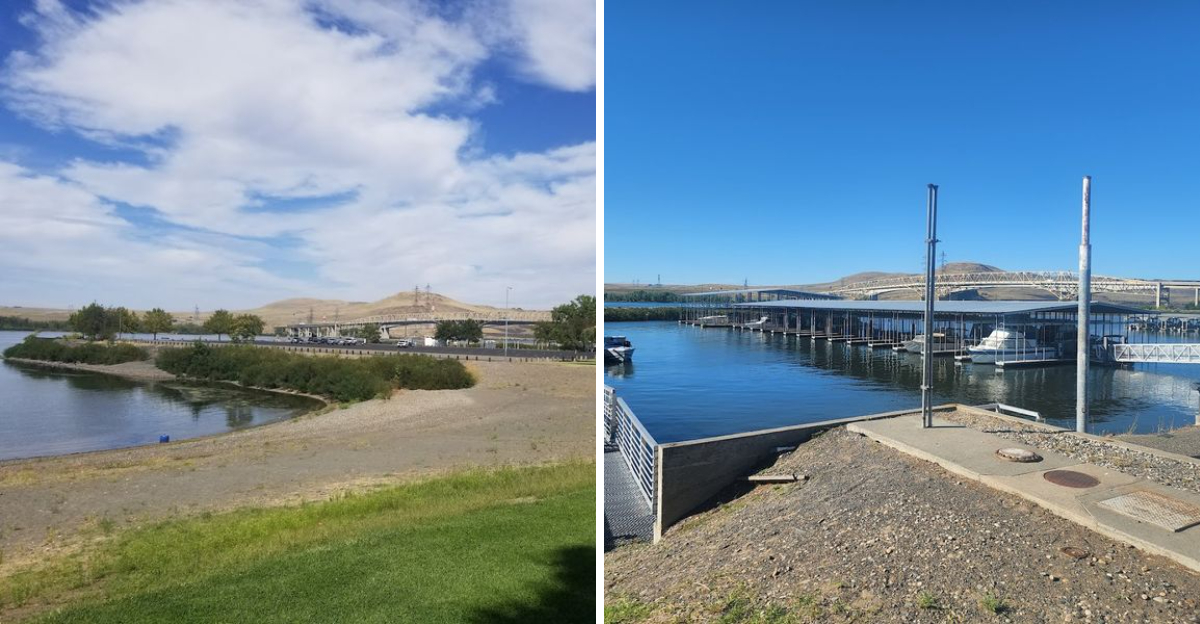
A small town in eastern Oregon, once known for a nearby chemical weapons depot and a state prison, now holds a surprising and powerful title. It has become a global hub for data centers, a claim that sounds almost unbelievable for a community of around 8,000 people.
Tech giants have poured billions into the area, transforming its economy, doubling home prices, and bringing thousands of construction workers to RV parks and hotels. The old main drag is being replaced by massive, highly secure facilities that power our cloud and AI.
The draw is simple and powerful: abundant, affordable hydroelectric power from the Columbia River, a cool and dry climate, and access to crucial fiber-optic routes.
While the economic boom has brought prosperity, it also comes with challenges like rising costs and tensions over how to manage the rapid growth.
Oregon’s rural communities have found themselves on the cutting edge of the digital economy, and this quiet town is now at the heart of it all.
Why Umatilla Became a Tech Giant’s Favorite Backyard
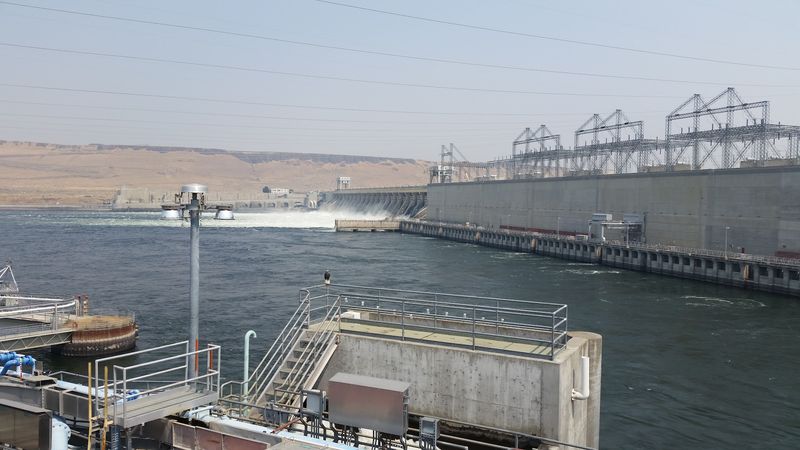
Nobody really expects a small river town to become a global data powerhouse. Umatilla sits quietly at the edge of the Columbia River, and yet major tech companies have planted enormous server facilities right here.
The reasons are surprisingly practical and worth understanding.
The Columbia River provides an almost endless source of affordable hydroelectric power. That cheap, reliable electricity is exactly what data centers need to run thousands of servers around the clock.
Energy costs are one of the biggest expenses for any large-scale tech operation.
The region also benefits from a naturally cool climate for much of the year. Cooling massive server rooms requires serious infrastructure, so cooler outdoor temperatures help reduce that burden significantly.
Companies save enormous amounts of money by choosing locations like Umatilla over warmer regions.
Land here is also relatively inexpensive and available in large quantities. Building sprawling campuses requires space, and Umatilla has plenty of room to grow.
Google’s Massive Presence Along the Columbia River
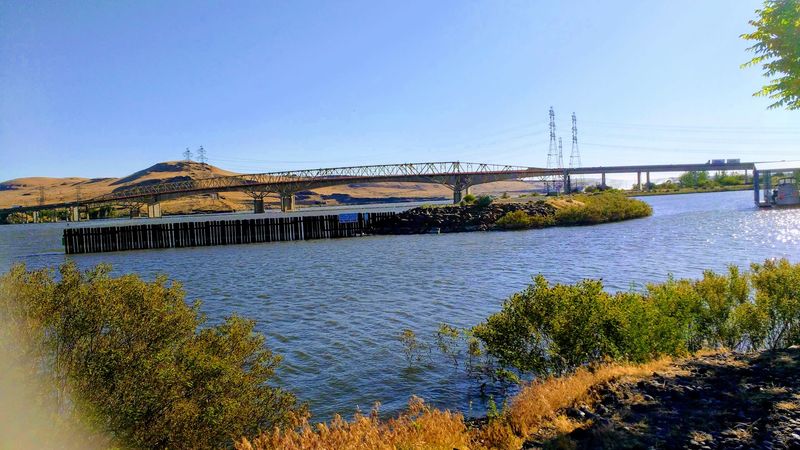
Google put Umatilla on the map in a way that few people outside the tech world fully appreciate. The company built one of its major data center campuses right here, drawing attention from the global technology industry.
I remember reading about it and genuinely doing a double take at the location.
The facility processes enormous amounts of data that flows through Google’s global network every single second. Search queries, YouTube videos, Gmail messages, and cloud services all pass through infrastructure housed in places like Umatilla.
It is hard to wrap your head around that scale when you are standing in such a quiet town.
Google’s investment brought jobs and economic activity to a region that needed both. Local contractors, engineers, and support staff found new opportunities because of the campus.
The ripple effect on the local economy has been real and measurable over the years.
Amazon Web Services and the Cloud That Lives in Oregon
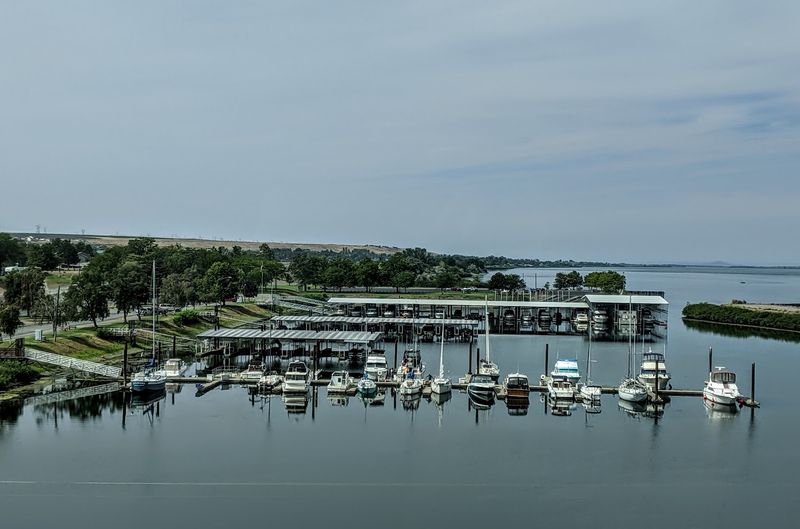
Amazon Web Services chose the Umatilla area as a key part of its massive cloud infrastructure network. AWS is the backbone of countless websites, apps, and businesses operating around the world today.
Knowing that so much of that infrastructure lives near a small Oregon town is genuinely mind-bending.
When you stream a show, shop online, or use a popular app, there is a real chance the data traveled through servers near Umatilla. The town quietly supports digital experiences that billions of people rely on every day.
That invisible connection between a rural river town and global commerce is remarkable.
AWS facilities in the region have also contributed to Oregon’s reputation as a tech-friendly state. Oregon’s tax incentives for data centers have made the state attractive for large-scale infrastructure investment.
Those policy decisions paid off in a big way for communities like Umatilla.
The local workforce has grown more technically skilled as a result of these investments. Training programs and partnerships with regional colleges have helped residents access careers in tech-adjacent fields.
The Columbia River’s Role in Powering the Digital World
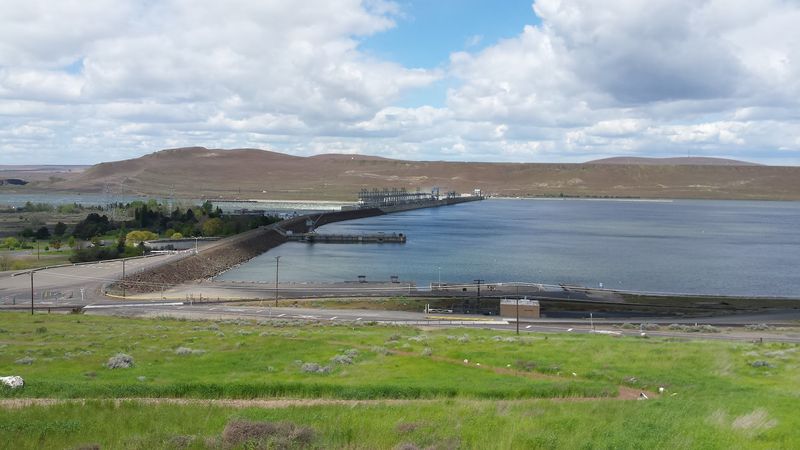
The Columbia River is not just a beautiful natural feature running through this part of Oregon. It is the reason the entire data center industry found Umatilla so appealing in the first place.
Hydroelectric dams along the river generate massive amounts of clean, affordable electricity.
Power is the single biggest operating cost for any data center, so cheap electricity changes everything. The Pacific Northwest’s hydroelectric grid offers rates that are significantly lower than most other regions in the country.
That financial advantage compounds over years of continuous operation at massive scale.
Standing on the riverbank in Umatilla, you get a real sense of how much energy this river carries. The water moves steadily and powerfully, almost indifferent to the enormous role it plays in the digital economy.
There is something poetic about ancient river power fueling modern internet infrastructure.
The river also supports agriculture, recreation, and local wildlife in and around Umatilla. Fishing, boating, and riverside walks are part of everyday life here for residents.
The Columbia is both a practical resource and a source of genuine natural beauty for the community.
Umatilla’s Small-Town Feel Despite Its Global Importance

Walking through downtown Umatilla, nothing immediately screams global tech hub. The streets are calm, the pace is relaxed, and neighbors actually wave at each other from across the road.
That contrast between global significance and small-town ease is part of what makes this place so genuinely interesting.
The town has a population of just over 7,000 people, which means everyone tends to know everyone else. Community events, local diners, and neighborhood parks are the social fabric here.
Life moves at a human pace, and that feels refreshing in a world obsessed with speed.
Local businesses along the main corridors serve the everyday needs of residents and passing travelers alike. There are places to grab a good meal, pick up supplies, and chat with locals who are proud of where they live.
That civic pride is palpable once you spend even a short time here.
Umatilla proves that a town does not need skyscrapers or a famous skyline to matter on a global scale. Its importance is measured in terabytes and server uptime, not city blocks.
That is a genuinely new kind of significance for a genuinely old-fashioned kind of town.
Oregon’s Tax Incentives That Lured the Tech Industry Here
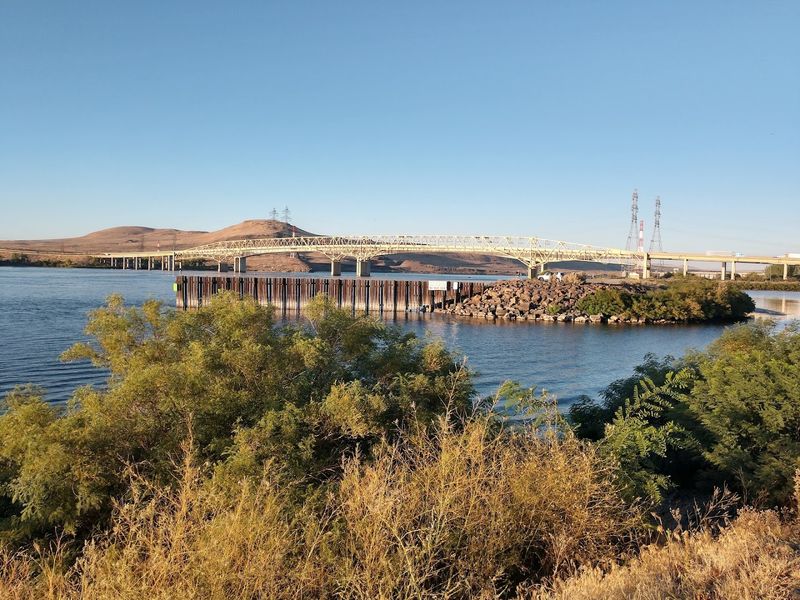
Oregon did not accidentally become a data center destination. State lawmakers made deliberate decisions to attract large-scale tech investment through targeted tax policy.
Those decisions had an outsized impact on communities like Umatilla, which benefited directly from the resulting corporate interest.
Oregon offered significant property tax exemptions for data center construction and equipment for many years. Those incentives reduced the financial risk for companies considering major infrastructure investments in the state.
When Google, Amazon, and others ran the numbers, Oregon kept coming out ahead of competing locations.
The strategy worked remarkably well for a state that was looking to diversify its economy beyond timber and agriculture. Tech investment brought high-paying construction jobs, permanent technical positions, and increased local tax revenue.
The economic math made sense for both the companies and the communities involved.
Policy decisions like these rarely make headlines, but their effects are visible on the ground in Umatilla. New roads, improved utilities, and expanded local services all reflect the investment that followed those early incentives.
The Umatilla Chemical Depot and the Town’s Complicated History
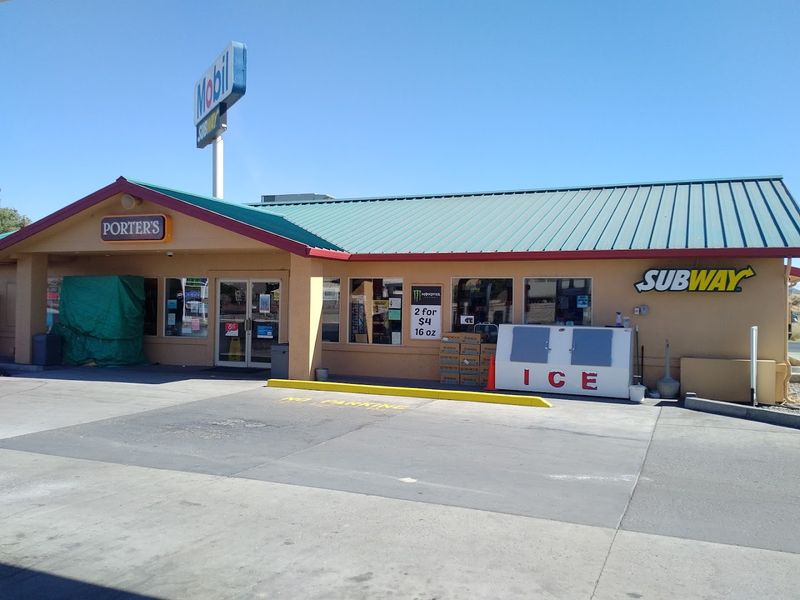
Long before data centers arrived, Umatilla had a very different kind of national significance. The Umatilla Chemical Depot stored a substantial portion of the United States’ chemical weapons stockpile for decades.
That history adds a layer of complexity to the town’s identity that residents have not forgotten.
The depot operated from World War II through the early 2000s, when the stockpile was finally destroyed. The destruction process was carefully managed and monitored, eventually concluding successfully after years of work.
That chapter of Umatilla’s history is sobering and important to acknowledge honestly.
The land where the depot once operated has since been repurposed and monitored for environmental safety. Local communities were deeply involved in the cleanup and transition process over many years.
Residents showed real resilience in advocating for their safety and their town’s future.
Understanding this history helps explain the community’s measured approach to large outside investments like data centers. Umatilla has learned to ask hard questions about what industries bring to a town beyond jobs and tax revenue.
Outdoor Recreation and Natural Scenery Around Umatilla
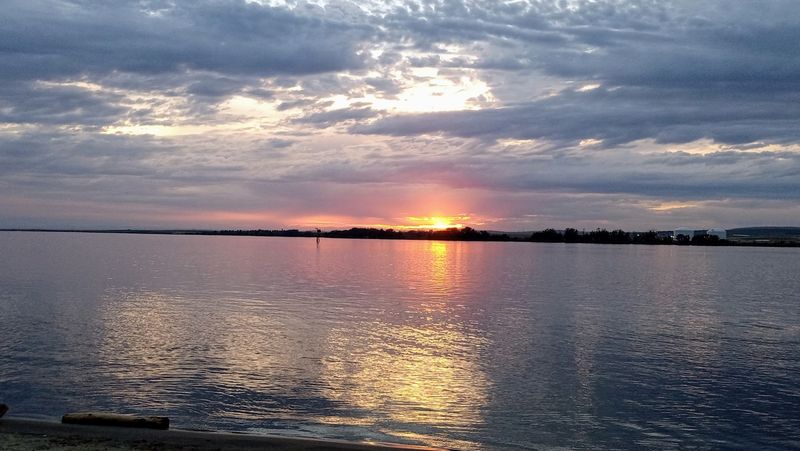
Umatilla’s outdoor landscape is genuinely underrated by people who only know the town for its tech facilities. The Columbia River creates a natural playground right at the edge of town, offering fishing, boating, and waterside relaxation throughout the warmer months.
I was honestly surprised by how beautiful the riverbanks are up close.
Hat Rock State Park is a nearby gem that draws visitors from across the region. The park features a striking basalt rock formation, walking trails, and calm water access that feels miles away from any digital concern.
It sits just a short drive from Umatilla and is well worth the trip.
The surrounding high desert landscape has its own dramatic appeal that grows on you over time. Wide open skies, rolling wheat fields, and distant hills create a visual rhythm that feels expansive and calming.
Sunsets here are the kind that make you stop mid-sentence just to stare.
Birdwatching along the river is a surprisingly rewarding activity in this area. Migratory birds use the Columbia River corridor as a major flyway, making sightings both frequent and varied.
The McNary Dam and Its Connection to Umatilla’s Energy Story
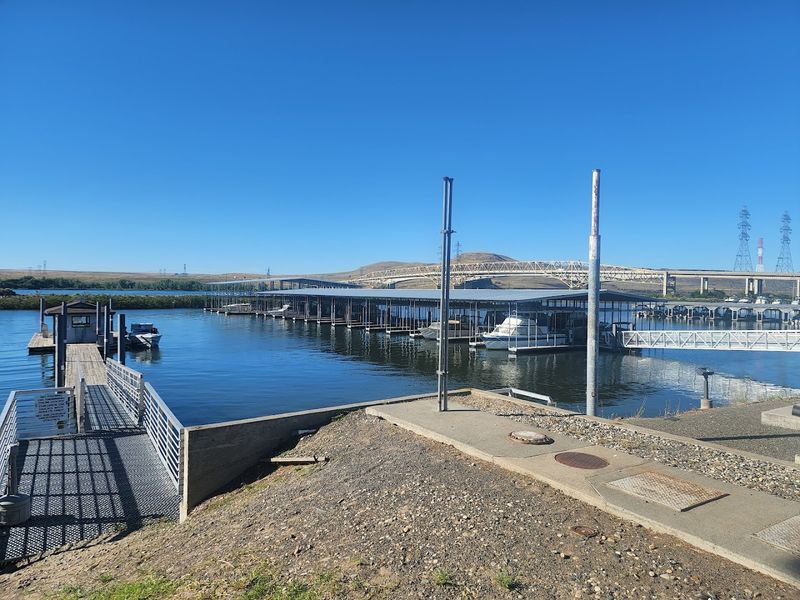
The McNary Dam sits just downstream from Umatilla and is one of the key reasons the town became so attractive to energy-hungry industries. Built in the early 1950s, the dam generates a steady and substantial supply of hydroelectric power for the entire region.
Its presence is fundamental to understanding Umatilla’s economic evolution.
Driving across the dam or viewing it from the riverbank gives you a real sense of its scale. The structure stretches impressively across the Columbia, holding back an enormous reservoir called Lake Wallula.
That reservoir also creates recreational opportunities like boating, fishing, and camping for local residents and visitors.
The dam’s power output feeds directly into the regional grid that data centers tap into around the clock. Without facilities like McNary, the economic case for building in Umatilla would be far less compelling.
Energy infrastructure and tech infrastructure are deeply connected in this part of Oregon.
The Army Corps of Engineers manages the McNary Dam and offers visitor information at the site.
What the Future Looks Like for Umatilla, Oregon
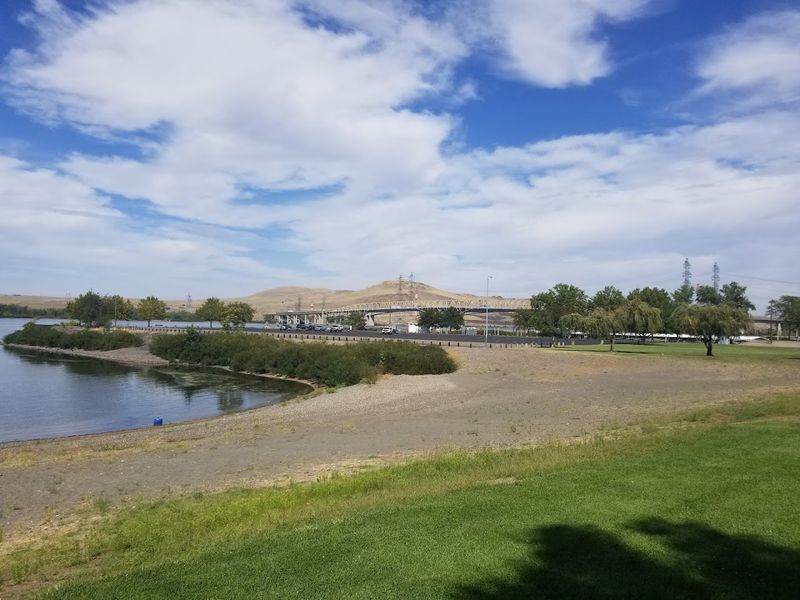
Umatilla is at an interesting crossroads between its agricultural roots and its emerging tech identity. The town is small enough that every new development feels significant, but connected enough to global industry that its future is genuinely hard to predict.
That tension makes it one of the more fascinating places to watch in the Pacific Northwest.
Continued investment in data center infrastructure seems likely given the region’s ongoing advantages. Cheap power, available land, and established relationships with major tech companies create a strong foundation for future growth.
The question is how Umatilla shapes that growth to benefit the people already living here.
Local leaders have increasingly focused on workforce development and community planning to manage the changes thoughtfully. Ensuring that economic growth translates into better schools, services, and opportunities for residents is the real long-term challenge.
Progress without inclusion is not really progress at all.
