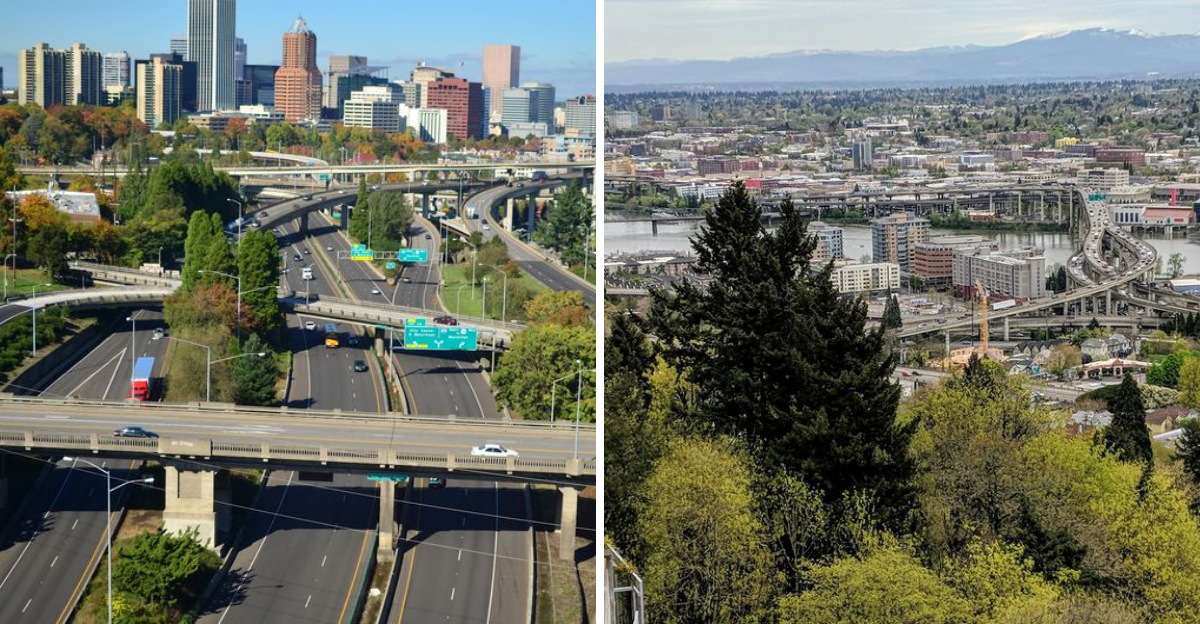
The welcome mat is still there, but fewer people are stepping through the front door these days. This Oregon city has seen its population shrink for three years straight, and the main culprit is the skyrocketing cost of suburban living that has turned the dream of homeownership into a punchline .
A second bedroom now feels like a luxury, and the suburbs are quietly bleeding families who simply cannot afford to keep up . The nearby suburbs themselves are becoming unaffordable, with home prices climbing to a staggering $520,000, a nearly 15% increase in just one year .
The census numbers do not lie, with Portland’s population dipping by nearly 8,000 people as residents move to neighboring towns . The Oregon suburbs are taking the hit, offering a little more space but far less affordability as housing costs continue to outpace wages .
It is a tough cycle, and for many families, the only option left is to pack up and head for cheaper pastures.
Suburban Neighborhoods Are Feeling the Squeeze

The suburbs around Portland used to feel like the practical, affordable answer to city living. I spoke with a few long-time residents who remembered when Gresham and Tigard felt genuinely budget-friendly. That feeling has faded considerably in recent years.
Areas like Lake Oswego and West Linn have always carried a premium price tag. But now even more modest suburbs are seeing their costs rise at uncomfortable speeds.
Working families are finding it harder to plant roots and stay put long-term.
The ripple effect of urban cost pressure pushes outward into surrounding communities. As Portland proper becomes more expensive, buyers flood the suburbs and drive those prices up too.
It becomes a cycle that is difficult to escape without leaving the region entirely.
Local schools, parks, and community centers in these areas are feeling the impact of shifting demographics. Some neighborhoods are seeing less community engagement as turnover increases.
Stability, which once defined Portland suburbs, is becoming harder to maintain for many residents.
Property Taxes Are Adding to the Burden
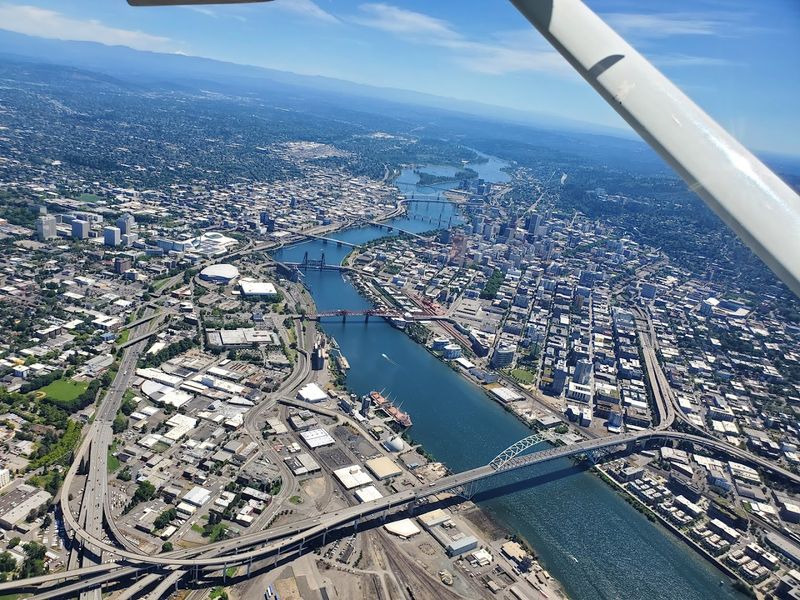
Owning a home in the Portland area comes with costs that go beyond the mortgage payment. Property taxes in Oregon can vary significantly depending on the county and neighborhood.
For many suburban homeowners, those annual bills have become a real source of stress.
Oregon uses a unique property tax system tied to assessed values that can lag behind market values. This sounds like good news, but it creates unpredictability for long-term homeowners.
When properties change hands, assessments can jump significantly and catch new buyers off guard.
Some retirees on fixed incomes are finding their property tax bills increasingly difficult to manage. Staying in the home they have owned for decades is starting to feel financially unsustainable.
That is a painful reality for people who built their lives in Portland’s suburbs.
Younger homeowners face a different version of the same problem. They bought in at higher prices and now carry heavier tax burdens alongside those costs.
The combined pressure is pushing some to reconsider whether Portland is truly the right long-term home.
The Cost of Daily Life Has Quietly Climbed
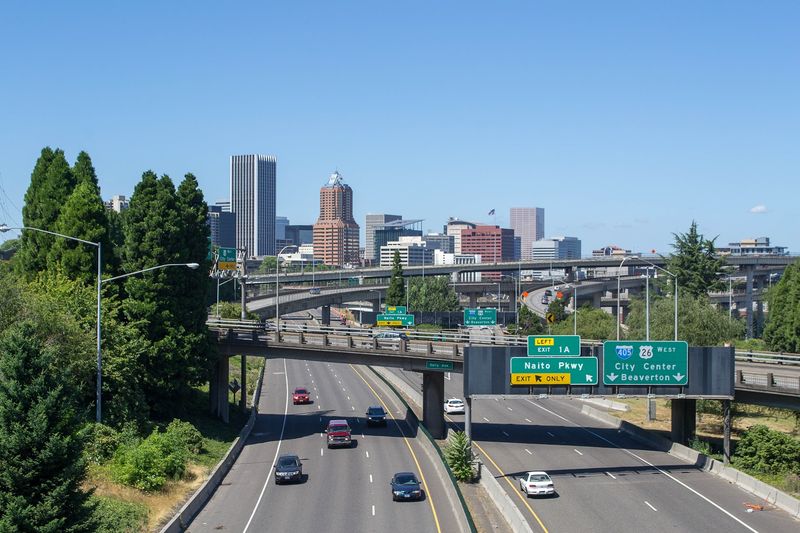
It is not just housing that is making life expensive in Portland’s suburbs. The everyday cost of groceries, utilities, and transportation has been creeping upward for years.
Many residents say they feel it most when they look at their monthly budgets.
Oregon has no sales tax, which sounds like a big advantage and genuinely helps in some ways. But that benefit gets quietly absorbed by higher costs in other areas of daily spending.
People often find that the savings are not as large as they initially expected.
Utility bills in the Pacific Northwest can surprise newcomers, especially during cold and wet winters. Heating costs, internet service, and transportation expenses all add up faster than many families anticipate.
Managing all of these expenses alongside rent or a mortgage creates real financial strain.
I noticed that many local conversations eventually circle back to money and affordability. It is a theme that runs through community gatherings, neighborhood forums, and casual coffee shop chats.
Portland’s suburban residents are feeling the pinch in ways that are hard to ignore anymore.
Housing Costs Have Skyrocketed Beyond Reach
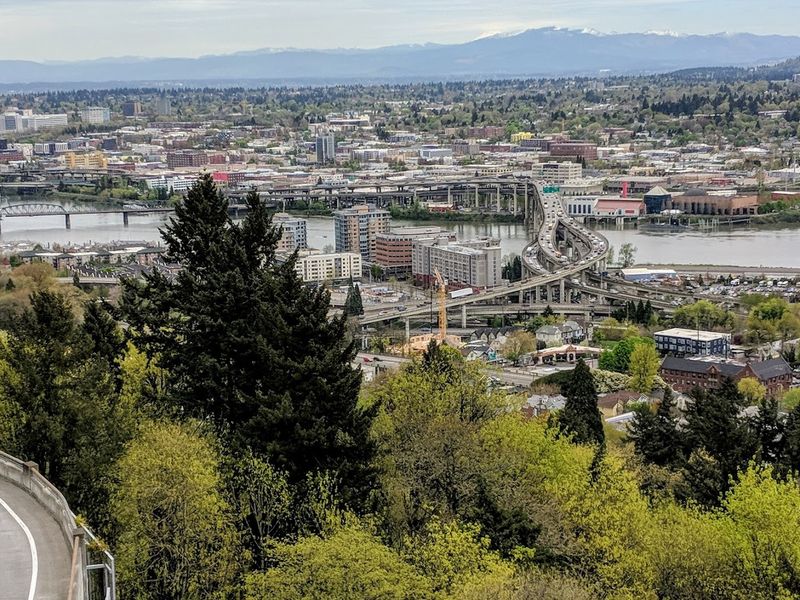
Walking through Portland’s suburbs, I noticed more “For Sale” signs than I expected. The housing market here has changed dramatically over the past several years.
Prices that once felt reasonable now stretch far beyond what many families can manage.
Median home prices in the Portland metro area have risen sharply. Many residents who bought homes a decade ago are sitting on significant equity.
But younger buyers and renters are finding the numbers simply do not add up for them.
Renting has not offered much relief either, with apartment costs climbing alongside purchase prices. Many people are choosing to leave rather than stretch their budgets dangerously thin.
The financial pressure is real and it shows up in everyday conversations around the city.
Communities that once attracted working-class families are now drawing wealthier buyers from other states. This shift is pushing long-time residents further out or completely away.
Portland is experiencing a quiet but significant population reshuffling driven by housing costs.
Traffic and Commute Costs Are Draining Wallets
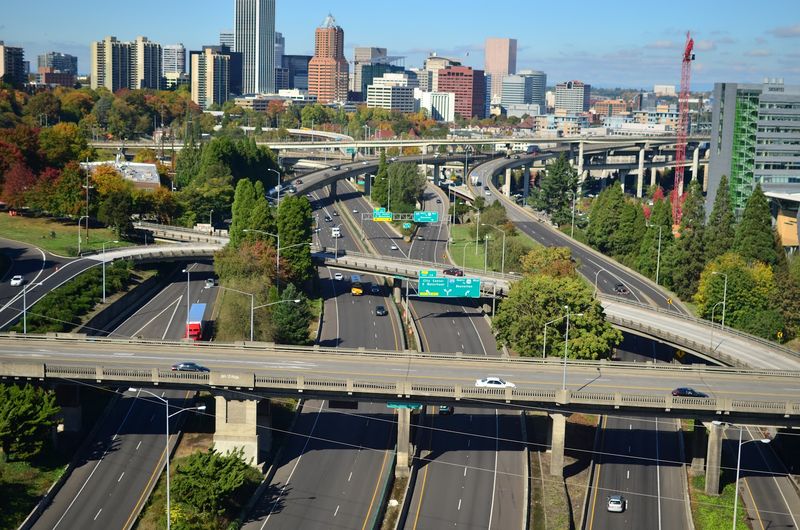
Living in Portland’s suburbs often means spending a significant chunk of time in traffic. The commute from areas like Hillsboro or Clackamas into downtown Portland can be genuinely exhausting.
Time lost in traffic translates directly into money spent on fuel and vehicle wear.
Public transit in the Portland metro area is reasonably developed compared to many American cities. TriMet’s MAX light rail and bus network covers a wide area and serves many commuters well.
But suburban areas on the outer edges still rely heavily on personal vehicles for daily travel.
Gas prices in Oregon have historically tracked above the national average. For families with multiple commuters, those fuel costs pile up quickly over the course of a month.
Adding parking fees, vehicle maintenance, and insurance makes transportation a major budget line item.
Some residents have tried to offset commuting costs by working remotely when possible. That option is not available to everyone, though, and many jobs still require a physical presence.
The daily grind of suburban commuting is quietly pushing some families toward more affordable regions elsewhere.
Local Schools Are Facing Funding Challenges
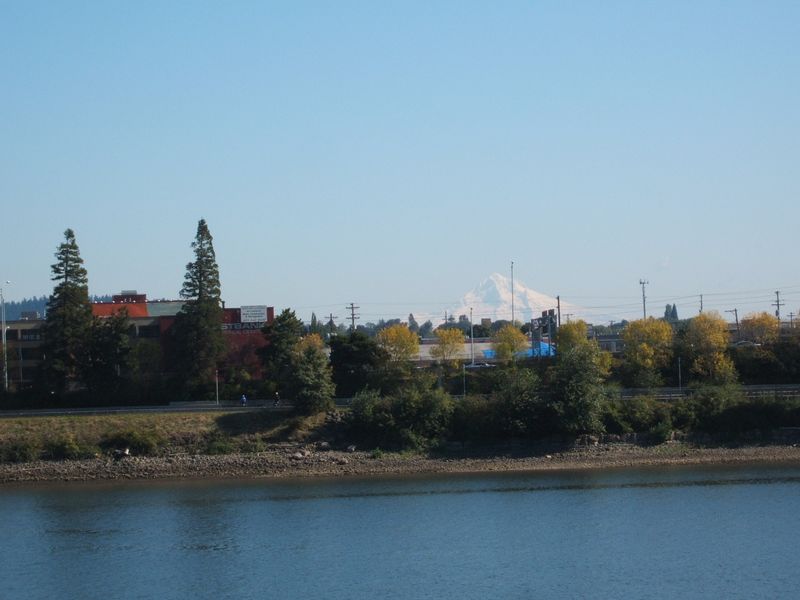
Education is one of the biggest factors families consider before choosing where to settle down. Portland’s suburban school districts have historically offered solid programs and community involvement.
But funding pressures are creating real challenges that parents are starting to feel directly.
Oregon’s school funding system has faced criticism for years over its inconsistency and unpredictability. Some districts are well-resourced while others struggle to maintain basic programs and staffing levels.
The gap between well-funded and underfunded schools can be significant even within the Portland metro area.
Families moving into Portland’s suburbs often discover that school quality varies widely by neighborhood. The expectation of a uniformly good suburban school experience does not always match the reality on the ground.
That mismatch can be a genuine disappointment for parents who relocated specifically for better schools.
Teachers in many Portland-area districts have spoken publicly about classroom resource shortages. Overcrowding and underfunding affect the quality of education that students receive each day.
For families already stretched financially, the idea of supplementing public education with private options is simply not realistic.
Remote Workers Are Discovering Cheaper Alternatives
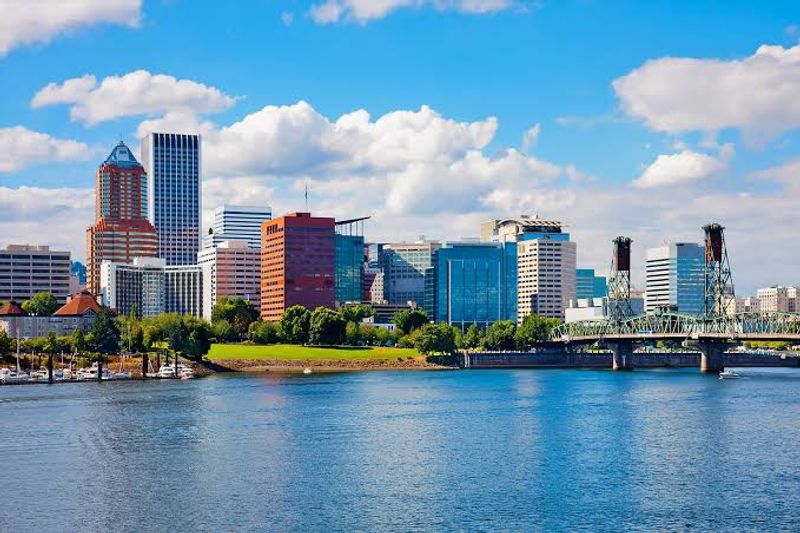
The rise of remote work changed the calculus for a lot of Portland-area residents in meaningful ways. If you no longer need to commute to a specific office, the question becomes simple and direct.
Why pay Portland prices when you can work from somewhere far more affordable?
States like Idaho, Montana, and even parts of Washington have attracted Portland residents seeking lower costs. Boise in particular has seen a notable influx of former Portland metro residents over recent years.
The trade-off of leaving familiar surroundings often feels worth it when the financial relief is substantial.
I found it striking how many people I talked to were seriously weighing this exact decision. The conversation kept coming back to quality of life versus financial sustainability in the long run.
For remote workers especially, the answer increasingly points toward leaving Portland behind.
This migration of remote workers is reshaping both Portland and the communities receiving them. Portland loses tax-paying residents and economic activity when people leave in significant numbers.
The cities gaining them experience their own affordability pressures as demand rises in previously quiet markets.
Small Businesses Are Struggling to Keep Staff
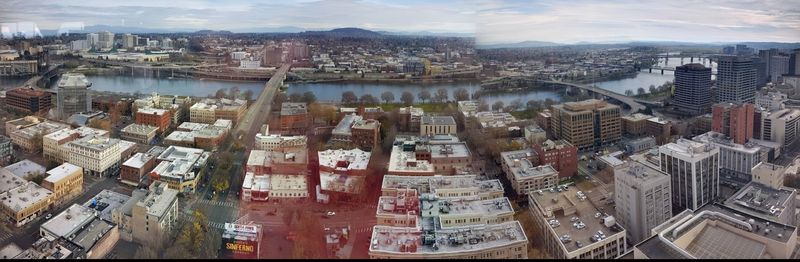
Running a small business in Portland’s suburbs has always required resilience and community support. But the rising cost of living is creating a staffing problem that many business owners did not anticipate.
Workers simply cannot afford to live near where they work anymore.
When employees have to commute long distances to afford housing, turnover rates tend to rise. Businesses spend more time and money training new staff rather than building experienced teams.
That cycle is exhausting for owners and disruptive for customers who value consistency and familiarity.
Some business owners in areas like Milwaukie and Lake Oswego have shared their frustrations openly in local forums. Finding reliable staff willing to work for wages that match the local market is increasingly difficult.
Raising wages enough to compete with housing costs is not always financially viable for smaller operations.
The ripple effect touches customers too, as service quality and business hours sometimes suffer. Longer wait times, reduced staffing, and occasional closures become part of the local experience.
Parks and Green Spaces Remain a Genuine Bright Spot
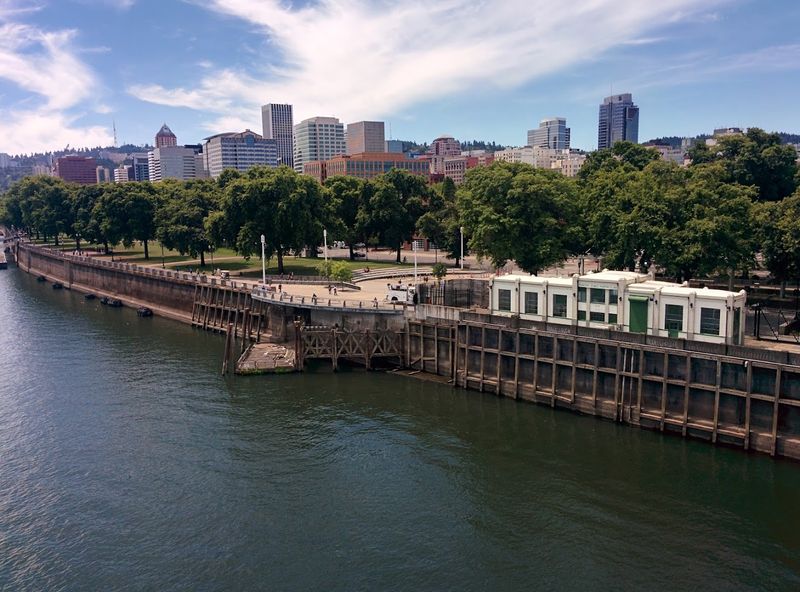
Not everything about Portland’s suburban experience is defined by financial pressure and frustration. The city and its surrounding areas are genuinely blessed with beautiful parks and natural spaces.
Washington Park alone offers enough to fill an entire weekend with meaningful outdoor experiences.
The Oregon Zoo, the Japanese Garden, and the Hoyt Arboretum all sit within Washington Park’s boundaries. Each of these destinations offers something distinct and memorable for visitors and locals alike.
I spent a morning wandering the arboretum trails and felt genuinely refreshed by the end of it.
Forest Park is one of the largest urban forests in the entire United States. Its trails wind through dense greenery that feels miles away from the city even when you are not.
For residents dealing with daily stress, access to this kind of nature is genuinely therapeutic and restorative.
These green spaces represent one of Portland’s most enduring and democratizing qualities as a city. They are largely free to access and open to everyone regardless of income level.
Where Portland Goes From Here Is an Open Question
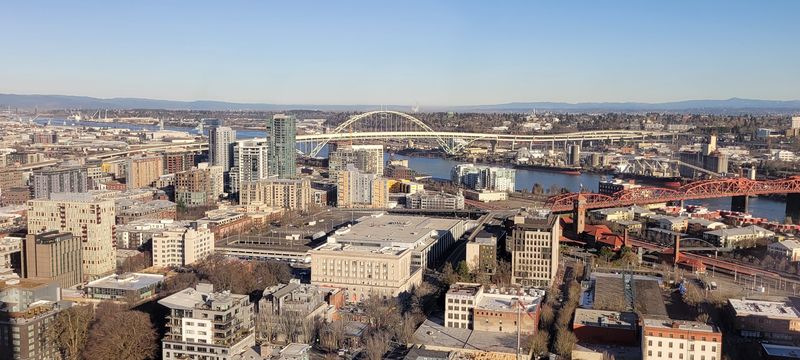
Portland is at a crossroads that many American cities have faced before in different forms. The tension between growth, affordability, and community identity is not unique to the Pacific Northwest.
But the way Portland navigates it will shape the city’s character for the next generation of residents.
City planners and local officials have been discussing housing policy changes for years with mixed results. Zoning reforms, increased density allowances, and affordable housing initiatives are all part of ongoing conversations.
Progress has been slower than many residents would like, and frustration is understandably building across the community.
Some long-time Portlanders remain optimistic that the city will find its footing again over time. They point to the cultural richness, the natural beauty, and the community spirit as reasons to stay invested.
That loyalty to place is something that financial spreadsheets cannot fully capture or quantify.
