This Oregon trail doesn’t just tell a story – it brings one powerful 1860s life back into focus. I step onto the path and immediately feel like I’ve entered something far deeper than a scenic walk.
It honors a blind Coos woman whose resilience still echoes through every stretch of the trail.
Markers along the way turn history into something you actually move through, not just read about. Locals treat it with quiet pride, while I keep slowing down like the ground itself is asking for attention.
There’s a strange kind of energy here – calm, but impossible to ignore. And by the time I leave, it doesn’t feel like I visited a trail… it feels like I met a story.
Who Was Amanda? The Woman Behind the Trail
Her name was Amanda, and her story is one that Oregon has quietly honored for decades. She was a Coos woman, born into a coastal Indigenous community that called this stretch of the Oregon coast home long before settlers arrived.
Amanda was blind.
That detail alone makes the story remarkable. She walked trails that sighted people would find challenging, navigating by memory and instinct through dense forest and uneven terrain.
In the 1860s, Indigenous peoples in Oregon faced brutal displacement. Amanda’s journey along this coastline was not a leisure hike.
It was survival, resilience, and connection to land that her people had known for generations.
Learning about her before visiting makes the entire hike feel different. Every step feels weighted with meaning.
The trail named in her honor is not just a path through the trees. It is a living tribute to someone who refused to be erased by history, and that makes it one of the most powerful places on the Oregon coast.
Getting to Amanda’s Trail: Finding the Hidden Entrance
Finding this trail is honestly part of the adventure. The south entrance has no parking, and the trailhead is not exactly shouting for attention from the highway.
Driving south from Yachats on Highway 101, keep your eyes on the east side of the road. Look for a gravel road marked with a green gate and the numbers 1356.
That is your spot. Pull in there and park along the road.
Walk up the gravel path a short distance and you will start seeing signs. The trail branches off to the right.
It is easy to miss if you are not paying attention, so slow down and stay alert.
The address listed is Forest Hill St 5533, Yachats, OR 97498, which helps if you are using GPS. Still, the area can be tricky to navigate on a first visit.
Give yourself extra time before the hike to find the entrance without stress. Starting relaxed makes the whole experience better.
The 804 Trail Connection: A Coastal Approach Worth Taking
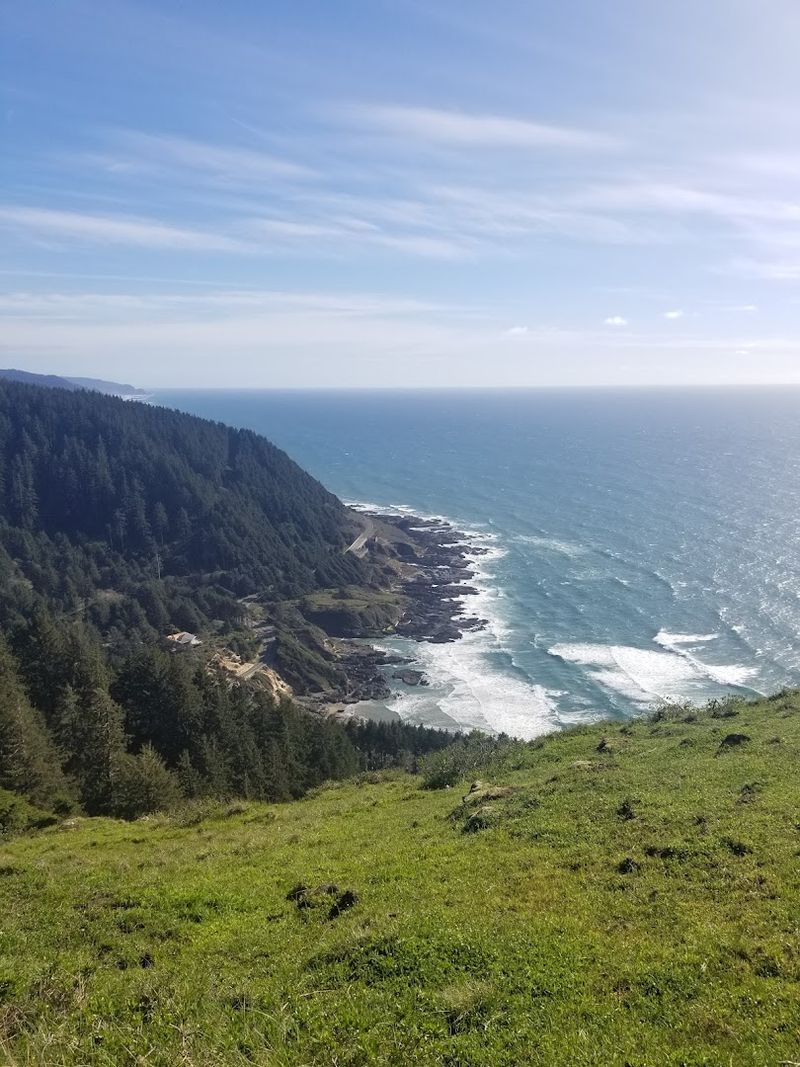
One of my favorite ways to reach Amanda’s Trail is by starting from Yachats Ocean Road and linking up via the 804 Trail. The coastal views along this approach are genuinely stunning.
You get angles of the shoreline that you simply cannot see from Highway 101. The trail hugs the edge of the coast, giving you the sound of waves crashing below and the smell of salt air the whole way.
It feels cinematic.
The 804 Trail is considered a smooth, medium hike. It is more accessible than some sections of Amanda’s Trail itself, making it a good warm-up for what comes next.
Hikers who prefer a gentler start will appreciate this route.
Connecting the two trails creates a longer outing, roughly six to seven miles round trip depending on how far into Yachats you wander. Pack enough water and snacks for the full stretch.
The payoff at the end, with the statue and suspension bridge, makes every extra mile feel completely worth it.
Trail Difficulty: What to Expect on the Hike
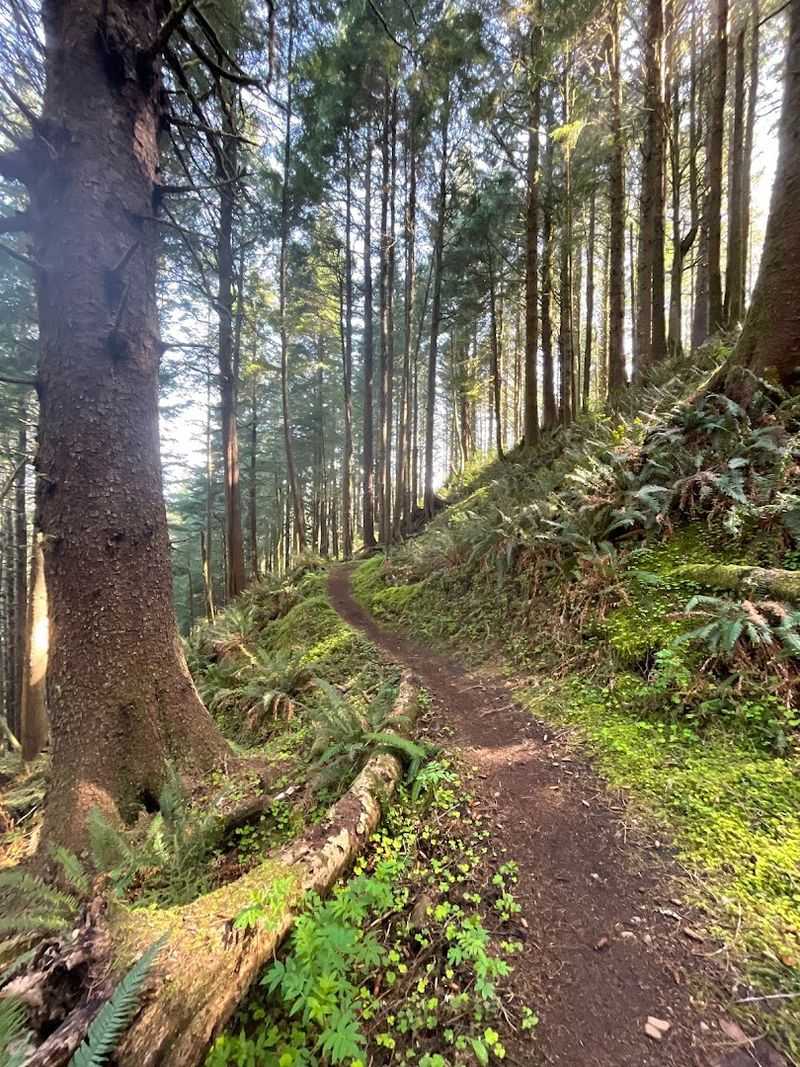
Amanda’s Trail is not a beginner walk. Let me be upfront about that.
There is one notably steep climb, and the path can feel longer than trail listings suggest.
Starting from the summit makes things harder, especially for anyone with mobility concerns. The terrain includes some obstacles to step over, and the path narrows in places.
Sturdy hiking shoes are a must, not a suggestion.
That said, the trail is mostly scrub rather than rock scrambling. It rewards effort with beauty rather than technical skill.
Most moderately fit hikers will manage it with some steady breathing and a few rest stops.
The ascent back up to Cape Perpetua from Yachats is the section that earns the most complaints, and the most praise once it is finished. Hikers consistently describe it as grueling but absolutely worth the effort.
Pack more water than you think you need. The trail is open 24 hours, but starting in the morning gives you the best light and the coolest temperatures for that uphill push.
The Amanda Statue: A Monument That Hits Differently
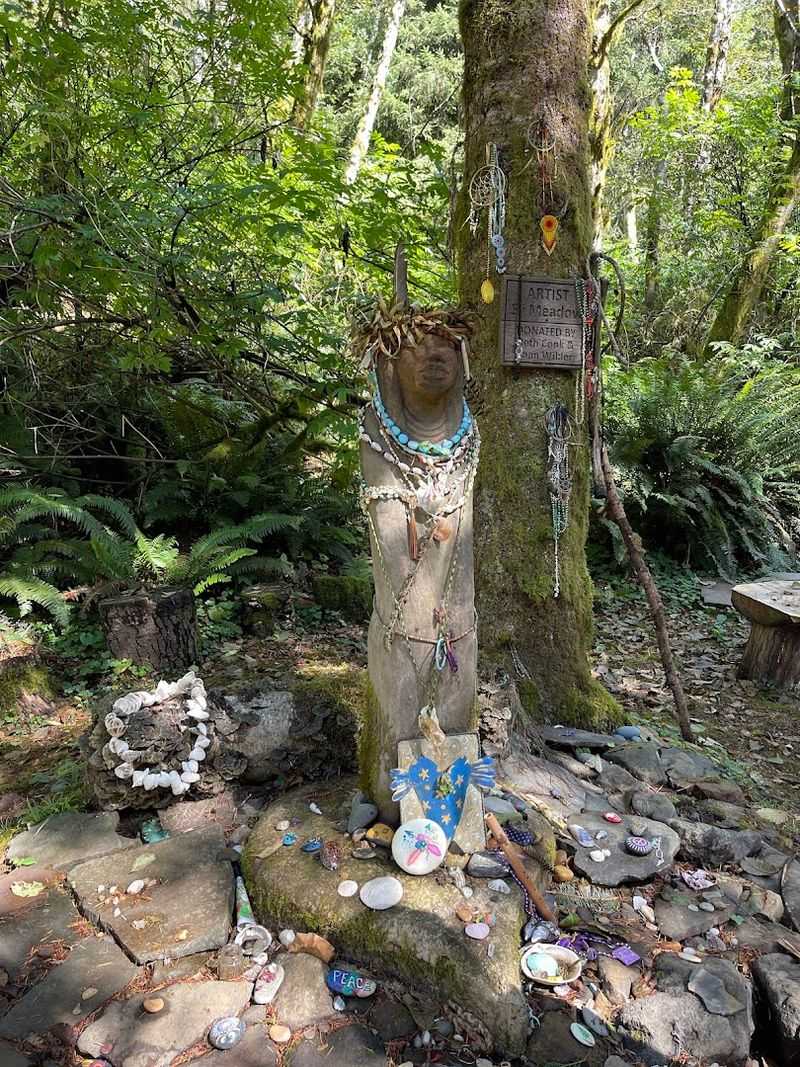
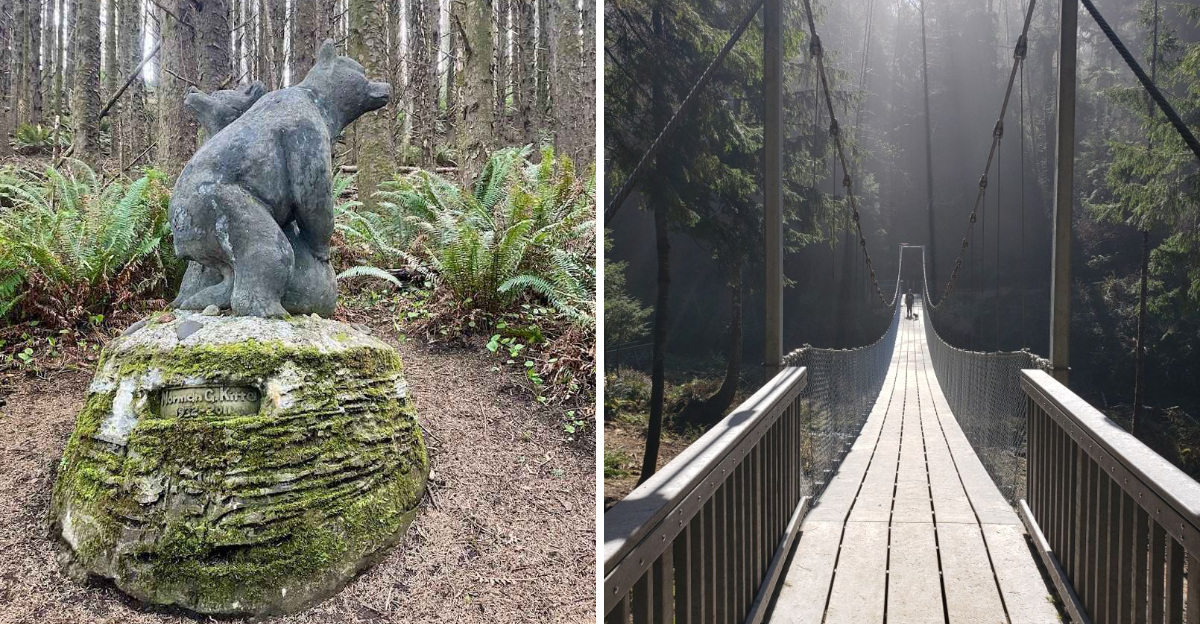
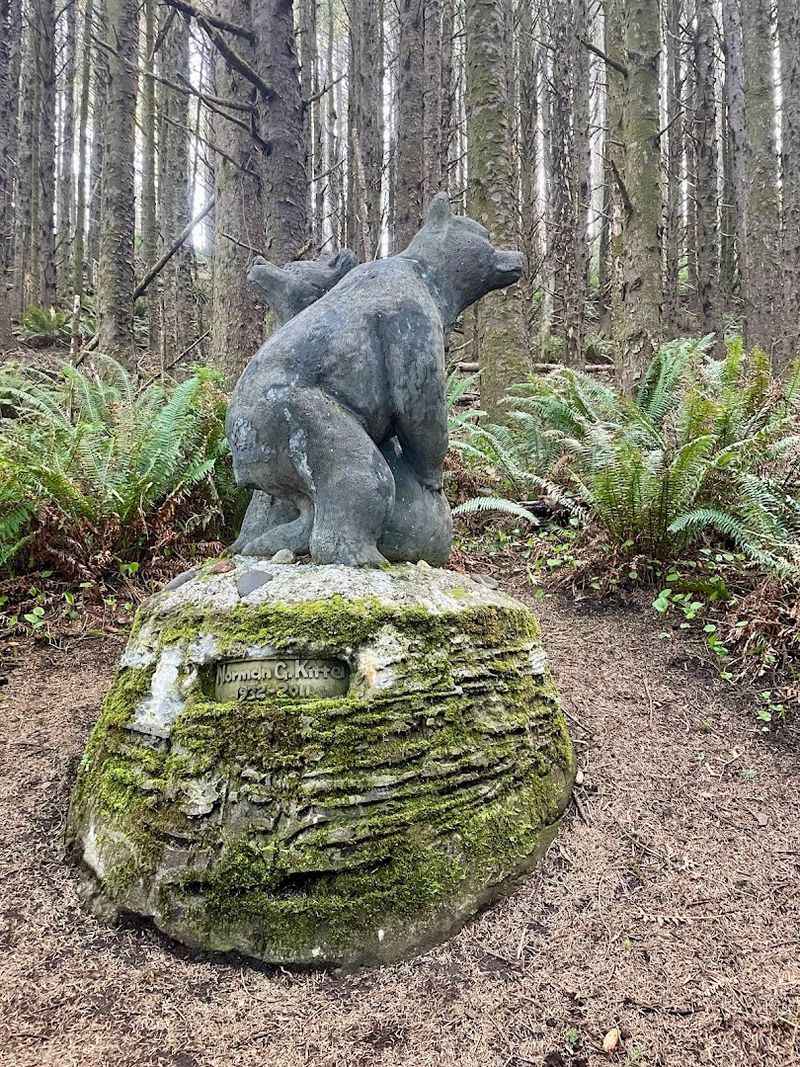
At the end of the trail, there is a statue of Amanda. Seeing it for the first time is a quiet, emotional moment.
It stands in a forested clearing, and something about the setting makes it feel deeply personal.
The statue is not loud or dramatic. It is still and dignified, much like the story it represents.
Standing in front of it, I thought about what it meant for a blind woman to navigate this landscape in the 1860s, without the gear, maps, or safety nets we take for granted today.
The monument was placed here intentionally, not just as a historical marker but as a space for reflection. Visitors often pause longer than expected at this spot.
There is no rush to move on, and most people seem to feel that instinctively.
Reading about Amanda before the hike makes the statue land harder. It transforms from a piece of art into a conversation with history.
Plan to spend a few quiet minutes here. It is one of those rare trail moments that stays with you long after the hike is done.
The Suspension Bridge: A Stunning Trail Finale
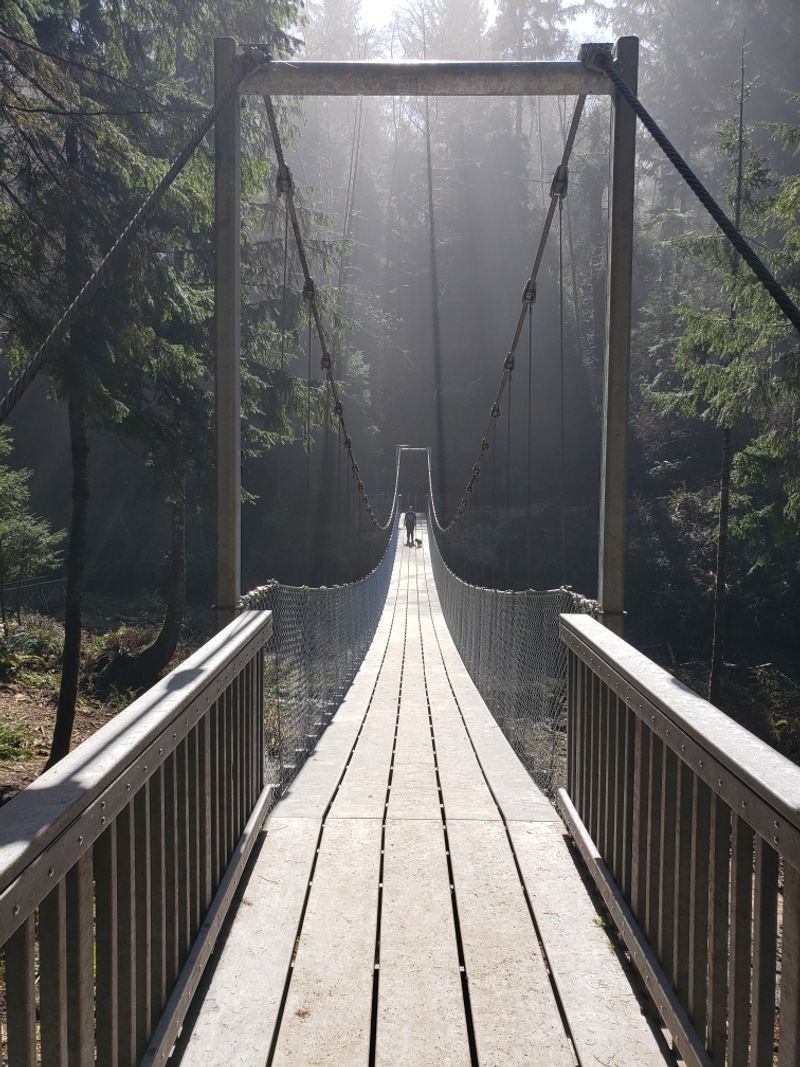
Just near the Amanda Statue is a suspension bridge that completely changes the energy of the trail’s ending. After a challenging hike, crossing it feels like a reward.
The bridge was newly built in recent years and has quickly become one of the most talked-about features of the trail. It sways gently as you cross, with the sound of water below and tall trees framing the view on both sides.
It is genuinely gorgeous.
Hikers who only make it partway along the trail sometimes turn back before reaching the bridge. That is a shame, because this section is worth pushing toward.
Even reaching the creek area nearby offers a peaceful, uncrowded spot to rest and take in the forest.
The combination of the statue and the bridge creates a meaningful conclusion to the hike. One speaks to history, the other to the beauty of the natural world.
Together, they make Amanda’s Trail feel like more than just a physical challenge. It is an experience that layers nature, story, and reflection into one memorable afternoon.
Flora, Fauna, and Forest: What You Notice Along the Way
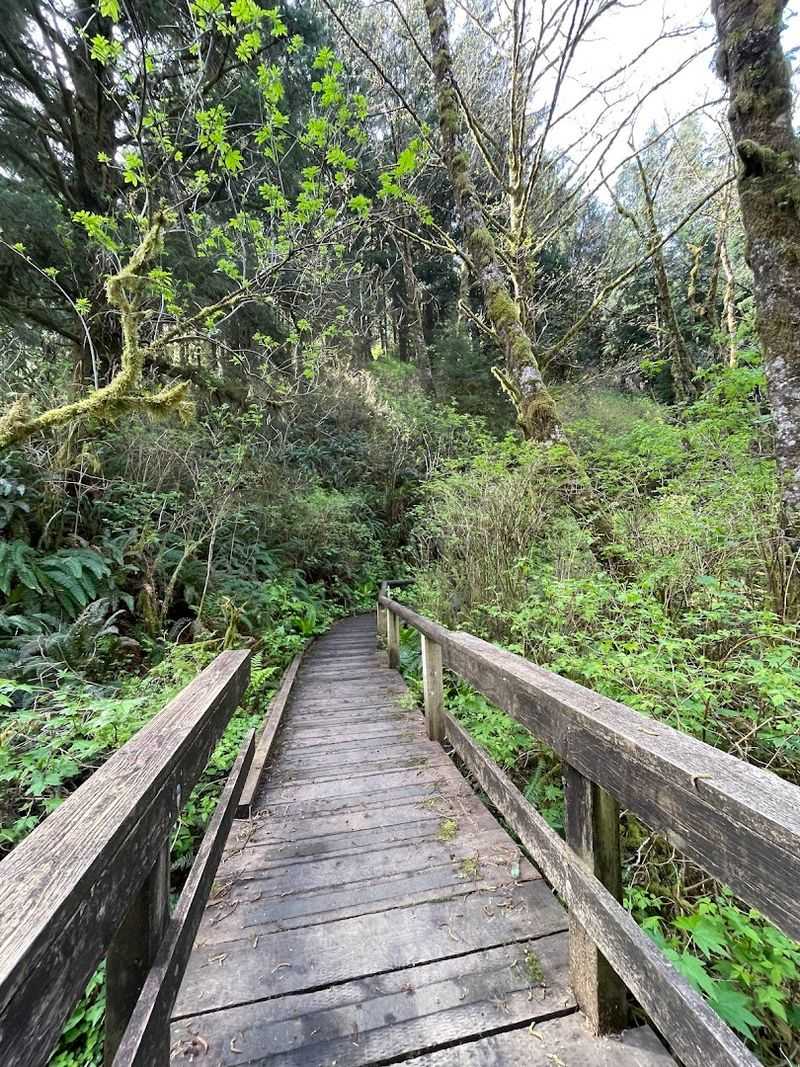
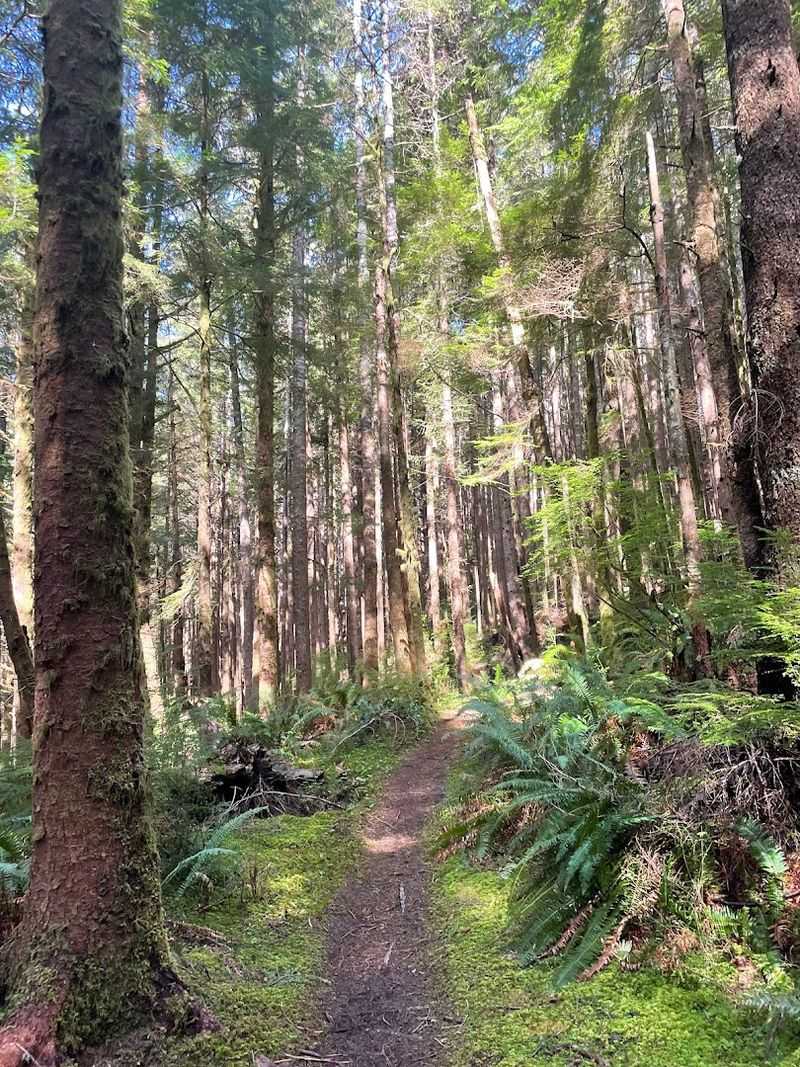
The forest along Amanda’s Trail is absolutely beautiful. Dense canopy, thick ferns, and mossy ground cover create the kind of scenery that makes you stop mid-step just to look around.
Hikers have spotted snails and ladybugs along the path, which sounds small but adds a lovely, grounded quality to the experience. The trail feels alive in a way that manicured parks simply do not.
There is wildness here that feels honest.
Birdsong is a constant companion on quieter mornings. The smell of the forest after rain is something I cannot fully describe.
It is earthy and sharp and oddly comforting, like the trees are breathing alongside you.
If you slow down and pay attention, the flora alone makes the hike worthwhile. This is not the kind of trail where you rush.
It rewards patience and curiosity. Bring a camera but also just use your eyes sometimes.
Some moments are better held in memory than captured on a screen. The forest here has a way of making you feel genuinely small, in the best possible sense.
The History Lesson the Trail Quietly Teaches
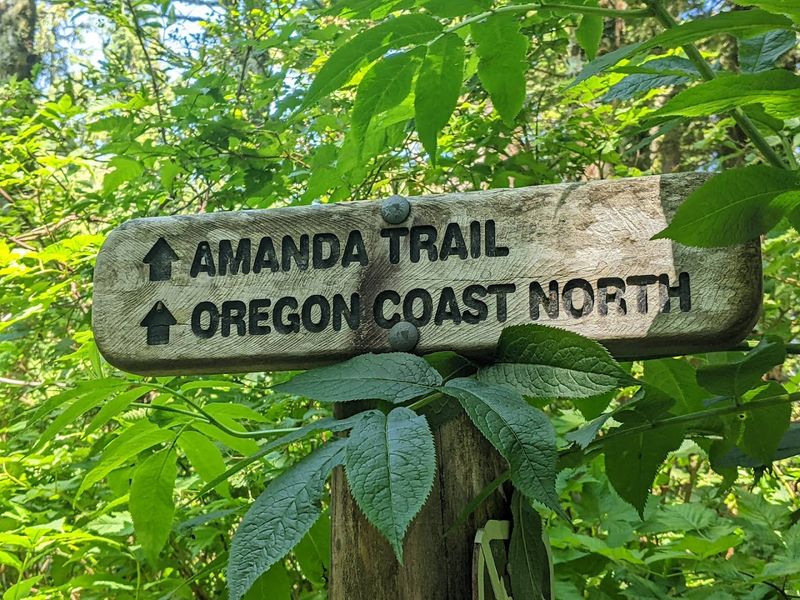
Walking Amanda’s Trail on the Fourth of July feels particularly meaningful, as one visitor noted. The trail carries a history that is uncomfortable and important in equal measure.
Indigenous peoples of the Oregon coast, including the Coos, faced forced removal and displacement during the mid-1800s. Amanda’s story exists within that larger, painful context.
The trail named for her does not shy away from that truth.
There is real value in a hiking trail that teaches something. Most outdoor spaces focus on scenery, and there is nothing wrong with that.
But Amanda’s Trail asks you to hold beauty and history at the same time, which is a more complex and rewarding experience.
Reading up on the Coos people before visiting adds significant depth to the hike. Understanding even a little of the history changes how the forest feels around you.
The trail becomes a conversation rather than just a workout. That is rare, and it is part of what makes this place stand out along a coastline full of genuinely remarkable natural attractions.
Cape Perpetua Connection: Extending the Adventure
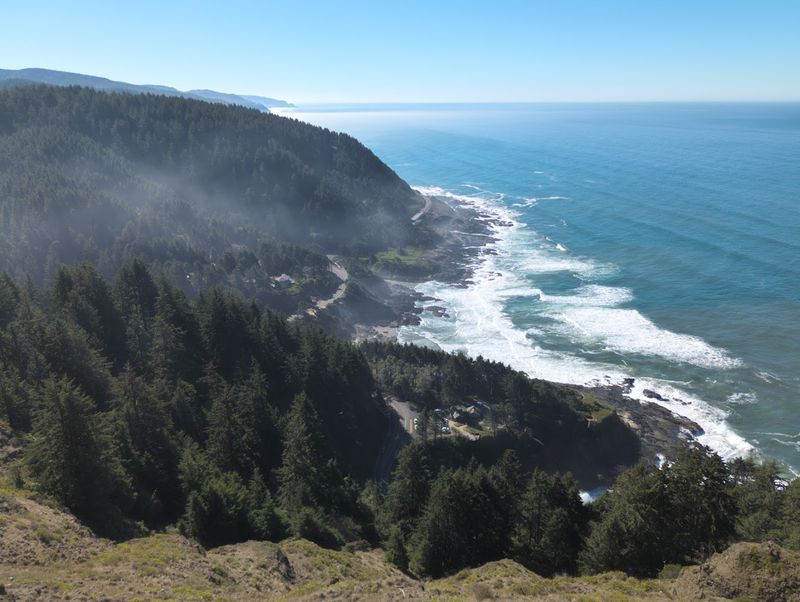
Amanda’s Trail connects to Cape Perpetua, one of the most celebrated natural landmarks on the entire Oregon coast. That connection transforms a single hike into a full coastal adventure.
Cape Perpetua sits high above the water, offering views that stretch for miles on a clear day. The elevation gain from Yachats up to the cape is significant, and the trail does not pretend otherwise.
But the payoff is a view that earns every single step of the climb.
Hikers who start from the cape and descend toward Yachats get the dramatic views early, then finish in town where food and rest are easy to find. Going the other direction means ending on a high note, literally, with the coastline spread out below you.
The total distance, six to seven miles round trip, is manageable for most active hikers in a single day. Start early to avoid the midday heat and give yourself buffer time for the return climb.
Cape Perpetua has its own visitor area with facilities, which is worth knowing before you plan your route.
Tips for Visiting Amanda’s Trail in Yachats, Oregon
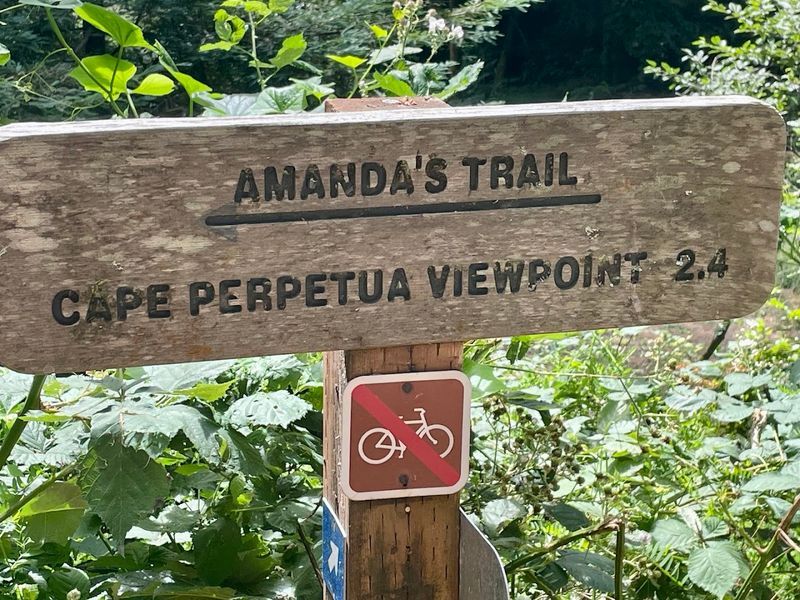
A few practical things will make your visit to Amanda’s Trail much smoother. First, wear real hiking shoes.
The path narrows, gets uneven, and includes some obstacles. Sandals are a bad idea here.
Bring more water than you expect to need. The trail feels longer than listed distances suggest, and the uphill sections will have you reaching for your bottle more than once.
A light snack helps too, especially if you are tackling the full Cape Perpetua route.
Parking at the south entrance does not exist, so plan accordingly. The gravel road off Highway 101 with the green gate and the number 1356 is your best bet for starting the hike.
Arriving early on weekends helps avoid the small but growing crowds this trail is starting to attract.
The trail is open 24 hours, every day of the week. Dogs are welcome on the narrow path, but keep them leashed given the terrain.
Address: Forest Hill St 5533, Yachats, OR 97498.
Dear Reader: This page may contain affiliate links which may earn a commission if you click through and make a purchase. Our independent journalism is not influenced by any advertiser or commercial initiative unless it is clearly marked as sponsored content. As travel products change, please be sure to reconfirm all details and stay up to date with current events to ensure a safe and successful trip.
