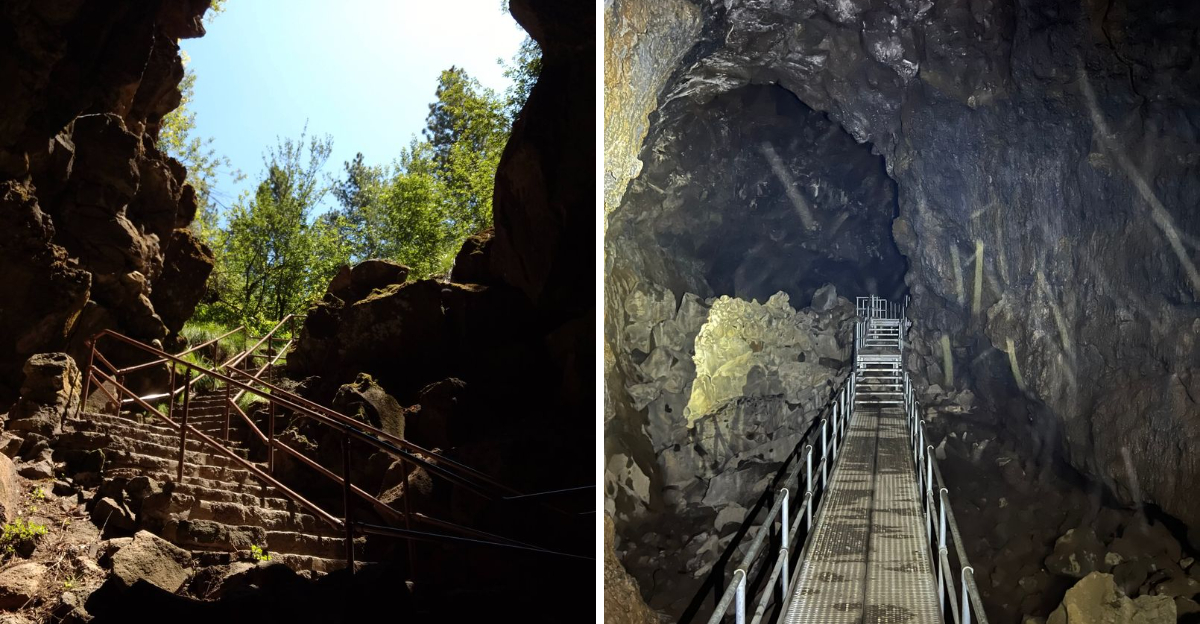
Standing at the entrance to Lava River Cave, I felt like I was about to step into another world entirely. The cool air rushing up from below carried the promise of adventure, darkness, and geological wonders that few places in Oregon can match.
This isn’t your typical tourist stop. Located about 12 miles south of Bend within the Newberry National Volcanic Monument, this mile-long lava tube offers something genuinely rare: the chance to walk through the same pathway that molten rock carved thousands of years ago.
I’d heard stories about the constant 42-degree chill, the pitch-black darkness, and the strange formations hanging from the ceiling. But nothing quite prepared me for the actual experience of descending those 55 stairs and entering a space that feels frozen in time.
Whether you’re a geology enthusiast or simply looking for an unforgettable way to escape the summer heat, this underground journey delivers an experience that stays with you long after you climb back into the sunlight.
Oregon’s Longest Lava Tube Stretches Over a Mile
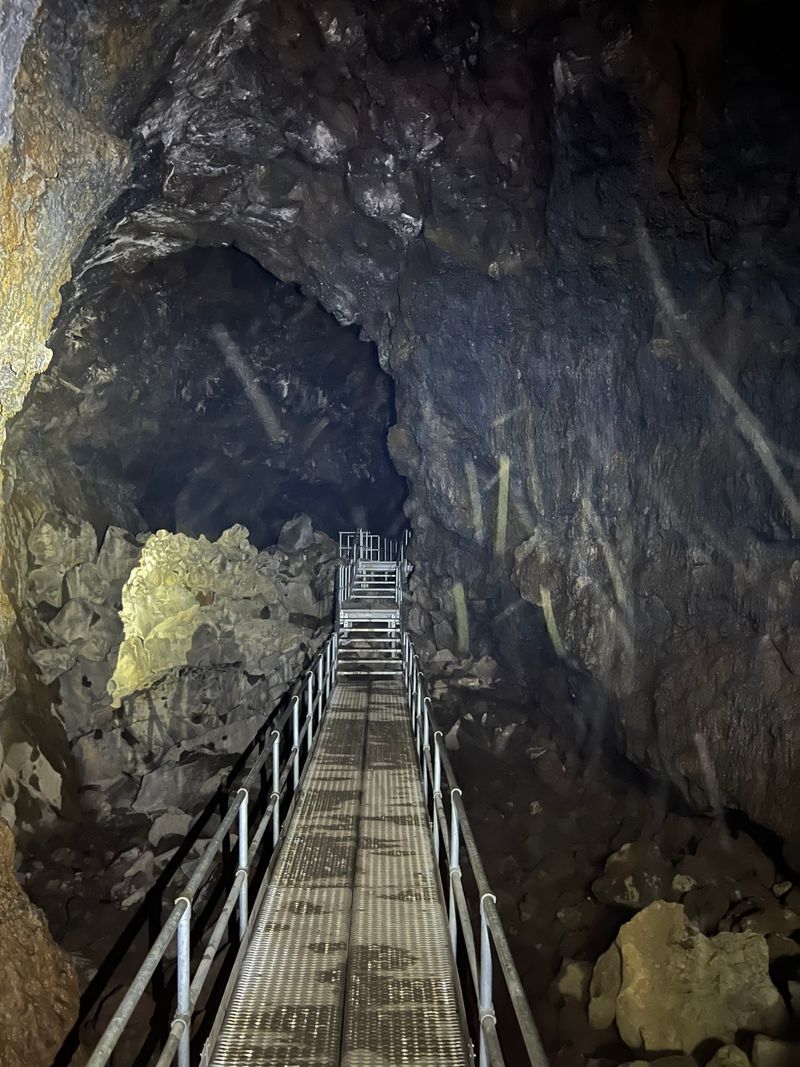
Walking into Lava River Cave means committing to a serious underground hike. At 5,211 feet long, this is the longest uncollapsed lava tube in all of Oregon, and you feel every bit of that distance as you venture deeper into the darkness.
The tube formed roughly 80,000 years ago when a river of molten lava flowed beneath a hardening crust. Once the lava drained away, it left behind this massive tunnel that now welcomes curious visitors like me.
I spent about an hour and a half making the round trip, though some folks take longer if they stop frequently to examine the walls and ceiling. The path isn’t paved or perfectly smooth, so you’re genuinely hiking rather than strolling.
What struck me most was the sheer consistency of the tunnel. Unlike many caves that narrow and widen unpredictably, this lava tube maintains an impressively large diameter for most of its length.
You can stand upright through nearly the entire journey, with only a few spots requiring a slight duck.
The end of the cave arrives somewhat anticlimactically with a collapsed section, but reaching that point feels like a genuine accomplishment.
Year-Round 42-Degree Temperature Stays Constant
Forget everything you know about Oregon’s seasonal temperature swings. Down in Lava River Cave, it’s always 42 degrees Fahrenheit, whether you visit in blazing July or chilly October.
I made the mistake of thinking a light sweater would suffice during my summer visit. Wrong.
That constant chill seeps through clothing faster than you’d expect, especially when you’re standing still admiring a formation.
The cold becomes most noticeable about ten minutes into your exploration. Your fingers start feeling stiff, and you begin wishing you’d brought gloves.
Rangers recommend dressing as if you’re going on a winter hike, and they’re absolutely right.
Interestingly, this stable temperature makes the cave a perfect refuge during Central Oregon’s hot summers. While the surface might be pushing 90 degrees, you’re experiencing something closer to early spring temperatures underground.
The contrast feels almost shocking when you emerge back into sunlight.
I watched several visitors shivering despite wearing jackets, while others who came prepared with layers, hats, and gloves seemed perfectly comfortable. The temperature won’t change for you, so you’ve got to change for it.
Self-Guided Exploration Lets You Set Your Own Pace
Unlike many cave systems that require guided tours with strict schedules, Lava River Cave trusts you to explore independently. Rangers provide a brief safety orientation at the entrance, then you’re free to venture into the darkness at whatever speed suits you.
This freedom transformed my experience completely. I could linger at formations that fascinated me without feeling rushed by a group.
When I wanted to move quickly through certain sections, nobody held me back.
Families with young children appreciated being able to turn back early if needed. Serious cave enthusiasts spent extra time photographing unusual features.
Everyone moved according to their own comfort level and interests.
The self-guided format also means you can experience moments of genuine solitude underground. During quieter periods, I found myself completely alone in certain sections, surrounded by absolute silence and darkness.
That’s increasingly rare in popular tourist destinations.
However, this independence comes with responsibility. You’re in charge of your own safety, navigation, and pacing.
There’s nobody to remind you to watch your step or point out interesting features. The cave rewards those who come prepared and pay attention.
55 Steep Stairs Lead Down to the Cave Entrance
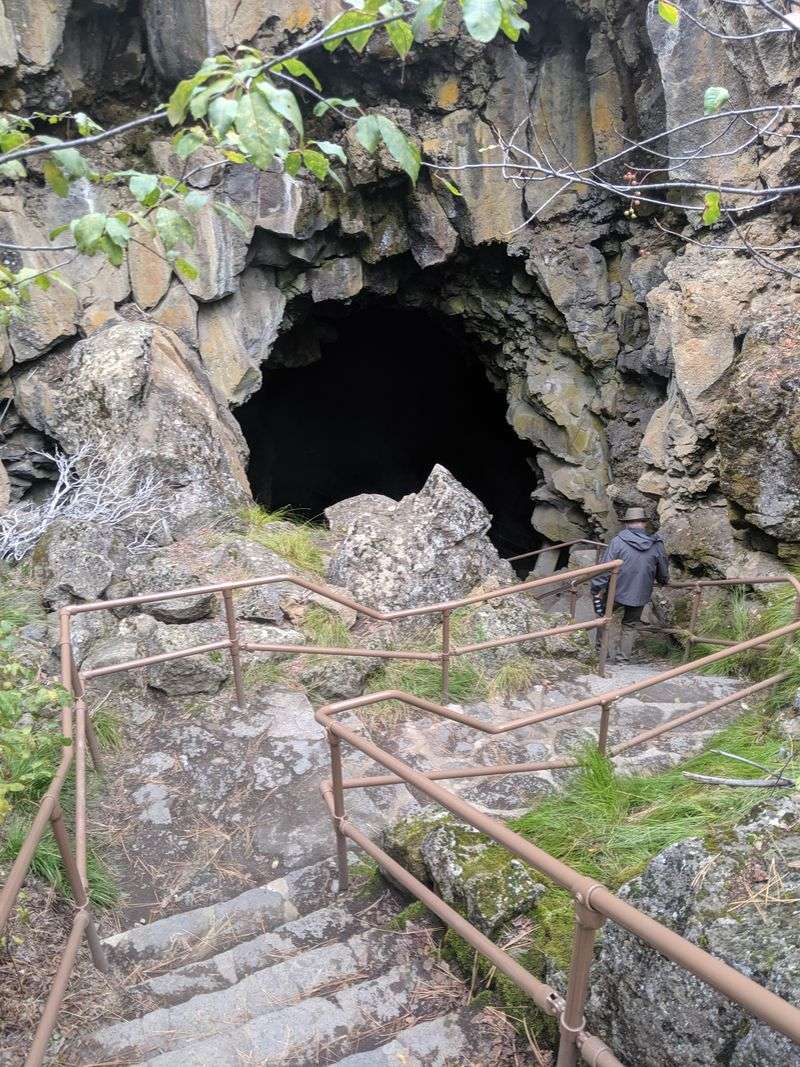
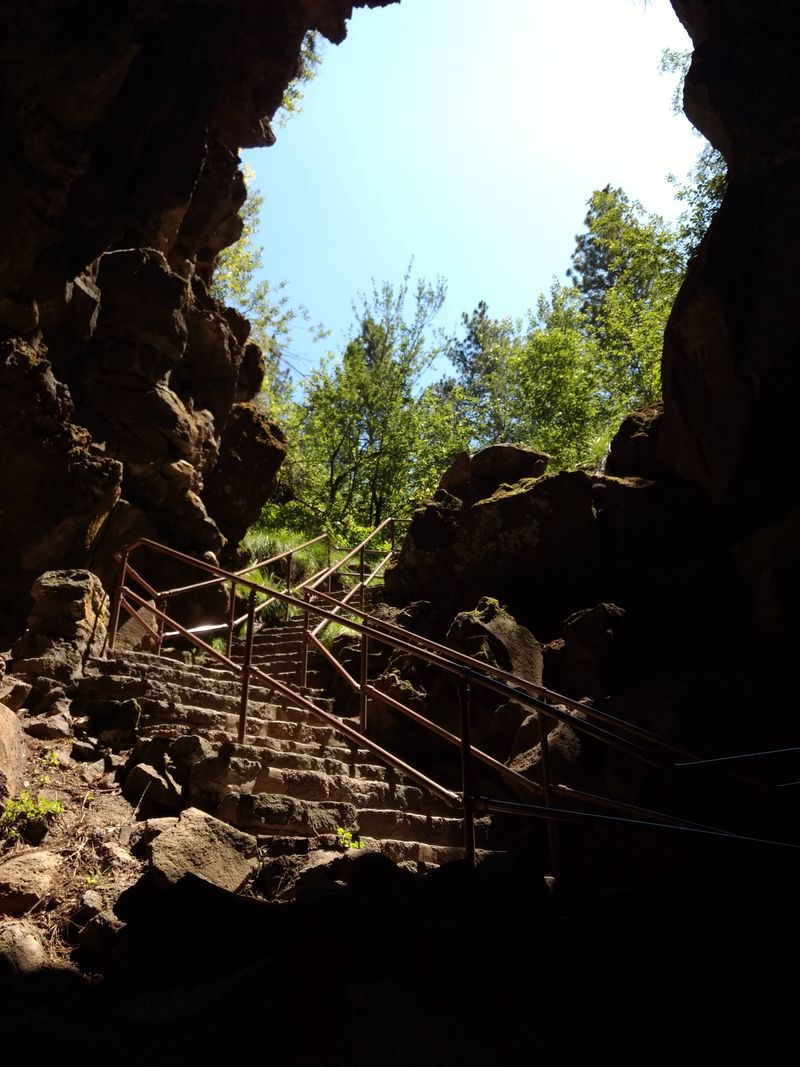
Your underground adventure begins with a descent that gets your heart pumping. The entrance staircase drops 55 feet down into the earth through a collapsed section of the lava tube’s ceiling.
These aren’t gentle, gradual steps. They’re steep, industrial-style stairs with metal grating that lets you see straight through to the darkness below.
I gripped the handrails tightly on my way down, feeling the temperature drop with each step.
For visitors with mobility challenges, these stairs present a serious obstacle. There’s no elevator, no alternate entrance, and no way to avoid them.
I watched several older visitors carefully consider whether they could manage both the descent and the eventual climb back up.
The stairs also serve as a natural filter for the cave experience. By the time you reach the bottom, you’ve already committed to the adventure.
There’s no casual strolling into this environment.
Coming back up after exploring the full length of the cave tests your leg strength significantly. I was breathing hard by the time I reached the top, and I wasn’t alone.
Many visitors pause partway up to catch their breath and prepare for the final push.
Two Independent Light Sources Are Absolutely Required
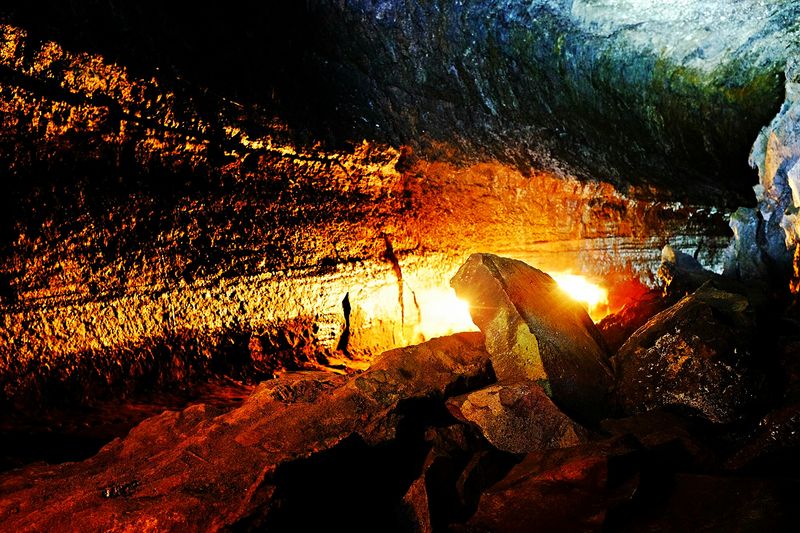
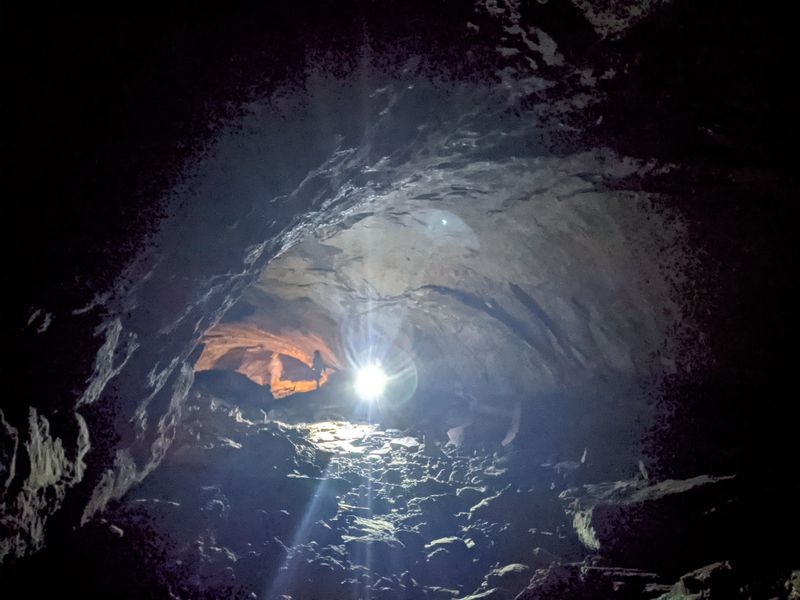
Darkness in Lava River Cave isn’t like nighttime darkness. It’s absolute, complete, and disorienting in ways that surprised me even though I came prepared.
Rangers insist that every visitor bring at least two independent light sources, and this isn’t bureaucratic over-caution. When I briefly experienced a flashlight failure deep in the cave, I understood instantly why the backup mattered so much.
Phone flashlights don’t cut it as primary illumination. They’re too weak, drain batteries quickly, and don’t provide the focused beam you need to navigate uneven terrain safely.
I relied on a quality headlamp as my primary source, which kept my hands free for balance.
The rental lights available on-site for seven dollars proved incredibly popular. These powerful spotlights illuminate the cave far better than standard flashlights, revealing details on the ceiling and distant walls that weaker lights simply can’t reach.
Several visitors I encountered had underestimated the darkness and were struggling with inadequate lighting. They moved slowly, uncertain of their footing, missing most of the cave’s interesting features.
Don’t be that person. Invest in proper lighting or rent the good stuff.
Strict Gear Restrictions Protect Against White-Nose Syndrome
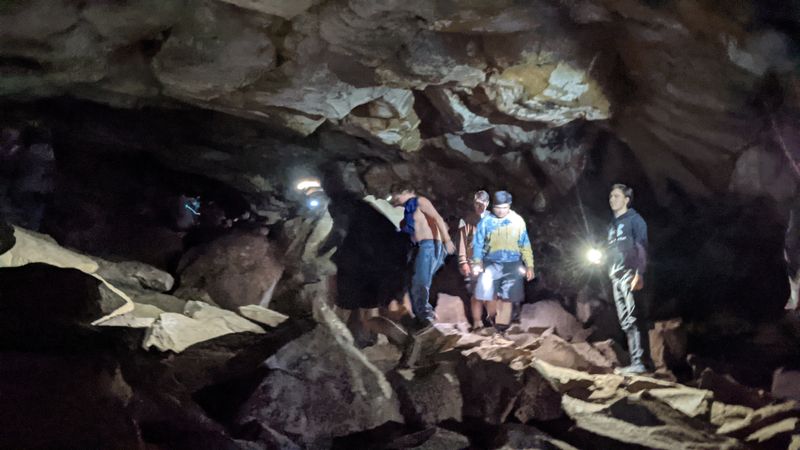
Before descending into Lava River Cave, rangers conduct an unusual inspection. They’re checking whether you’ve worn your clothing or gear in any other caves, and they’re deadly serious about it.
White-nose syndrome, a devastating fungal disease killing bats across North America, spreads through contaminated equipment moved between cave systems. Although Lava River Cave doesn’t currently host significant bat populations, protecting it remains crucial.
I watched rangers turn away visitors wearing shoes or carrying gear they’d used in other caves. No exceptions, no arguments.
This strict policy initially seemed extreme until rangers explained the catastrophic impact white-nose syndrome has had on bat populations elsewhere.
The inspection process adds a few minutes to entry but serves an important conservation purpose. Rangers ask direct questions about your cave-visiting history and examine equipment carefully.
Lying about previous cave visits isn’t worth the risk to the ecosystem.
This policy means planning ahead if you’re touring multiple caves during your Oregon visit. You’ll need separate sets of clothing and gear, or you’ll need to visit Lava River Cave first before exploring other cave systems in the region.
Timed-Entry Reservations Control Visitor Numbers
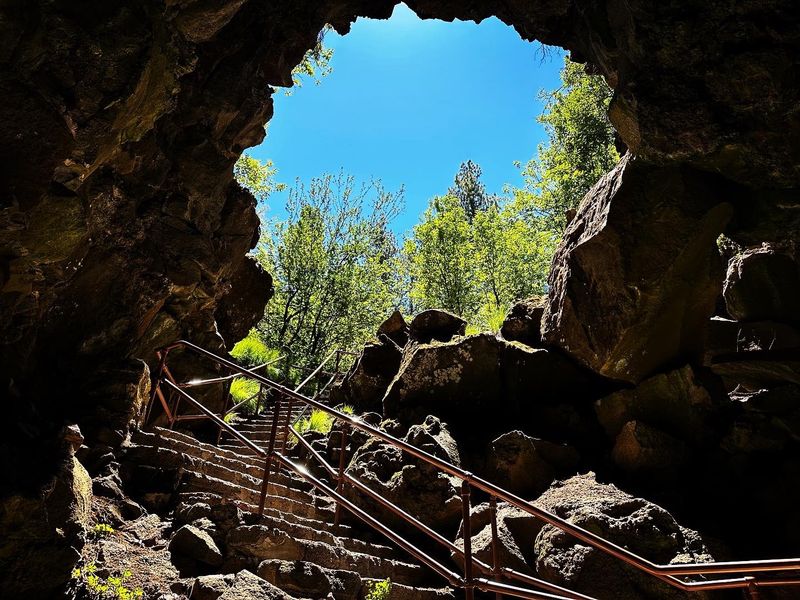
Spontaneous visits to Lava River Cave rarely work out anymore. The site now operates on a timed-entry reservation system designed to prevent overcrowding in the underground environment.
Reservations become available online at 7:00 AM the day before your intended visit, and popular time slots fill within minutes during peak summer months. I set an alarm to ensure I could book my preferred entry time.
The system limits how many people enter the cave during each time window, creating a much better experience than the crowded free-for-all that existed previously. Underground, I encountered other visitors but never felt crushed by crowds.
Missing your reserved time slot isn’t the end of the world, but rangers maintain the schedule fairly strictly. Arriving within your designated window ensures smooth entry.
Late arrivals may face delays or, during busy periods, might not get in at all.
The reservation fee is minimal, just a few dollars per vehicle, making this an incredibly affordable adventure compared to many tourist attractions. That low cost, combined with the incredible experience, creates tremendous demand that the reservation system helps manage fairly.
No Pets Allowed Protects the Cave Ecosystem
Dog owners planning to visit Lava River Cave face disappointment. Pets aren’t permitted inside the cave under any circumstances, regardless of size, behavior, or how much you promise they’ll be well-controlled.
This strict policy protects the delicate cave ecosystem from contamination and disturbance. Even well-behaved dogs can introduce foreign bacteria, disturb potential wildlife, and create sanitation issues in an environment that lacks natural cleaning processes.
I watched several visitors arrive with dogs, clearly not having researched the pet policy beforehand. Rangers firmly but politely turned them away, explaining that no exceptions exist.
Service animals receive different consideration under accessibility laws, but regular pets simply cannot enter.
The policy also relates to practical safety concerns. The steep stairs, dark environment, and uneven terrain create hazards for animals.
A panicked or injured pet underground would create a serious emergency situation.
Planning ahead means arranging pet care before your visit. Some visitors leave pets in vehicles with windows cracked and water available, checking on them frequently.
Others choose to visit on days when one family member can stay outside with pets while others explore the cave.
Located Just 12 Miles South of Bend for Easy Access
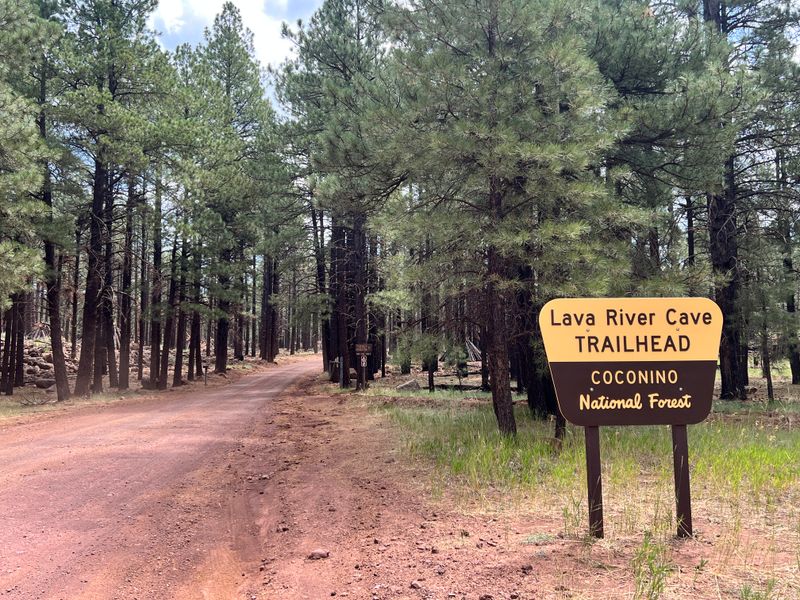
Finding Lava River Cave couldn’t be easier. The site sits along Cottonwood Road, just 12 miles south of Bend, making it perfectly positioned for visitors staying in Central Oregon’s most popular tourist hub.
The drive from Bend takes roughly 20 minutes under normal conditions, following Highway 97 south before turning onto the well-marked access road. I appreciated how straightforward the route was, with clear signage preventing any confusion.
This proximity to Bend means the cave works beautifully as either a half-day excursion or part of a longer day exploring the Newberry National Volcanic Monument. You’re not committing to an all-day expedition that requires packing extensive supplies.
The surrounding area offers additional attractions worth exploring. Lava Lands Visitor Center sits nearby, providing excellent context about the region’s volcanic history.
The Lava Cast Forest, Paulina Falls, and other volcanic features create opportunities for a full day of geological exploration.
Cell phone service exists in the parking area, though it disappears once you descend into the cave. The facility includes clean restrooms and a small visitor contact station where rangers provide information and rent lighting equipment.
Dear Reader: This page may contain affiliate links which may earn a commission if you click through and make a purchase. Our independent journalism is not influenced by any advertiser or commercial initiative unless it is clearly marked as sponsored content. As travel products change, please be sure to reconfirm all details and stay up to date with current events to ensure a safe and successful trip.
