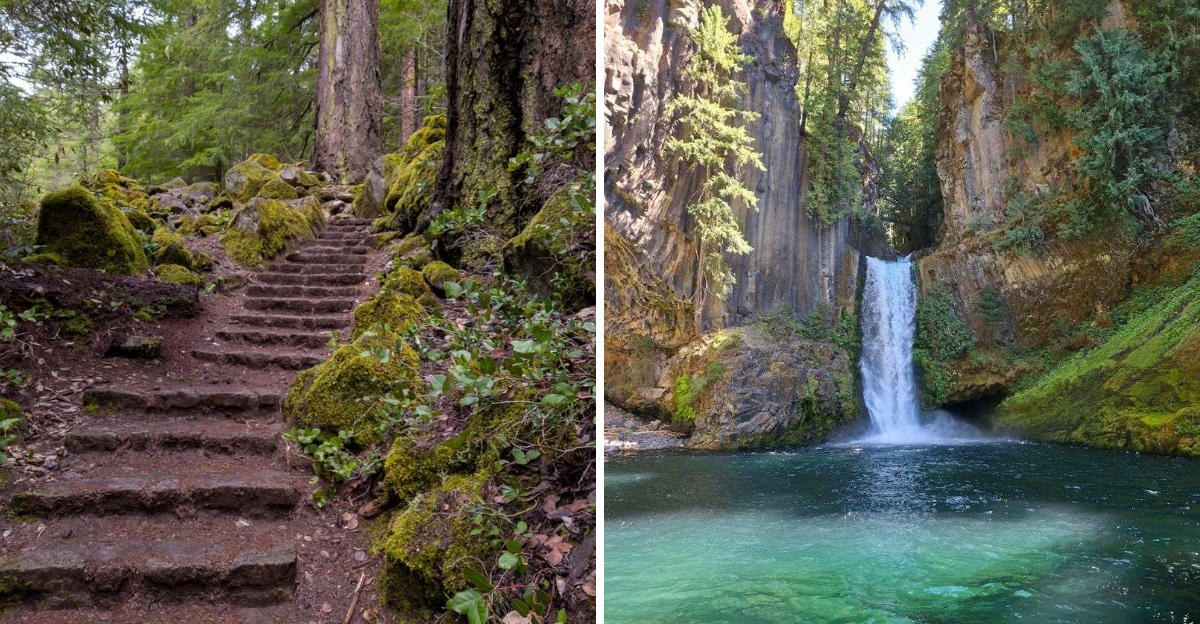
Discovering this tucked-away trail in Oregon felt like stepping into a storybook. Every bend promises something unforgettable.
The moment the forest opened up, the roar of a massive cascade greeted me. I knew the hike would be worth every breathless climb.
With each switchback, the air grew cooler and the scent of pine intensified. It built anticipation for the grand reveal – a staggering 220-foot waterfall that plunges like liquid glass into a mist-kissed pool below.
It’s the kind of hidden gem that makes you want to pause and breathe deeply. You can soak in the sheer power of nature while feeling totally at peace.
If you love a good trek that rewards you with a jaw-dropping view, this Oregon adventure should be at the top of your list.
The Trail That Starts With A Surprise
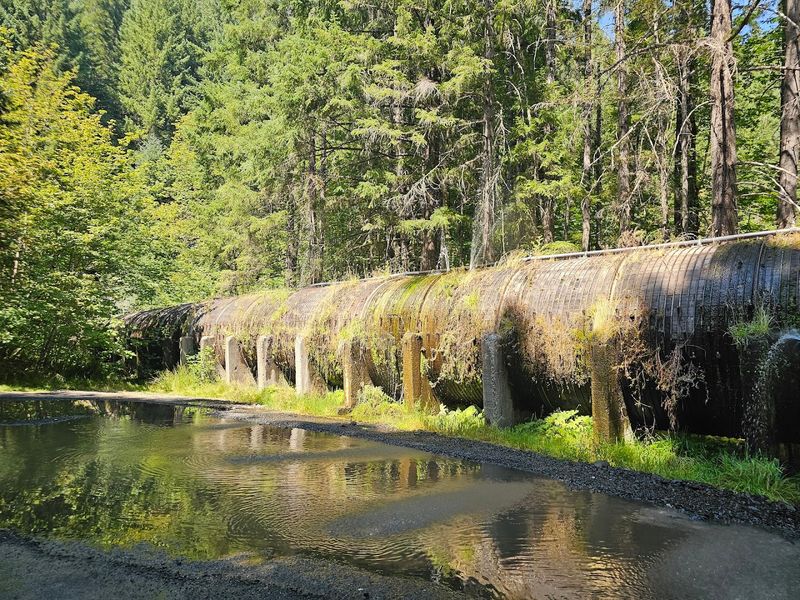
Right at the trailhead parking lot, something unexpected grabs your attention before the hike even begins. A massive old wooden pipeline runs alongside the path, dripping with water and covered in algae.
It looks like it belongs in a fairy tale, not a national forest parking lot.
That pipeline is part of a hydroelectric system that has been managing the North Umpqua River for decades. It is quirky, photogenic, and a little surreal.
Some visitors spend more time photographing it than they planned.
The trail itself begins wide and well-maintained. Douglas firs tower overhead, their trunks thick with moss.
Ferns line both sides of the path, and the forest feels dense and alive in the best possible way.
You can hear the river almost immediately. The sound builds gradually as you move deeper into the trees.
It is the kind of walk that makes you slow down and pay attention. Even before the falls appear, the trail itself is worth the drive out here.
How Long Is The Hike To Toketee Falls
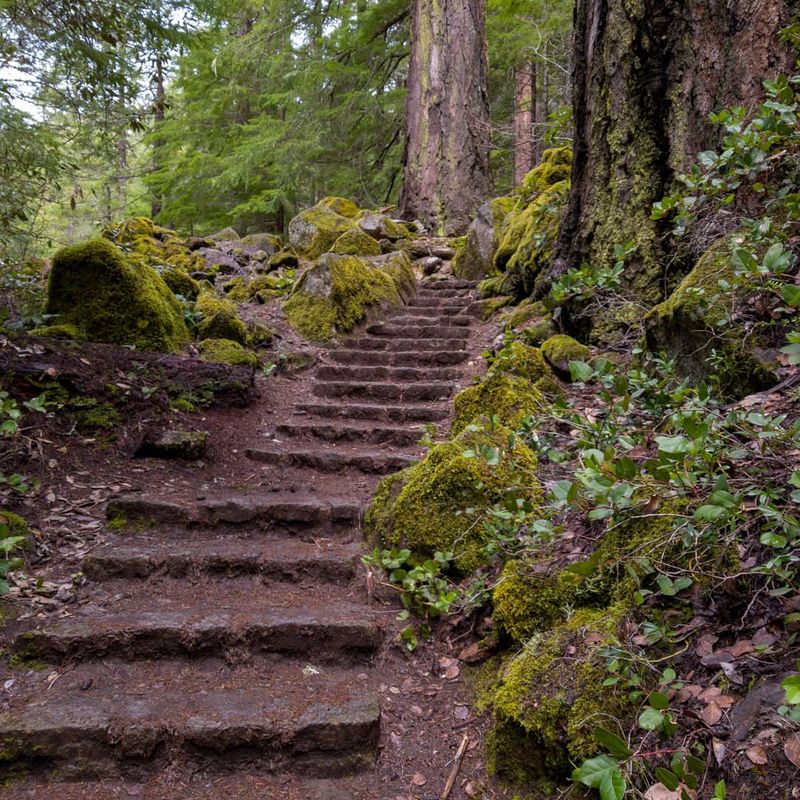
At just 0.8 miles round trip, this hike is short enough for almost anyone to manage. The distance is not the challenge here.
What gets people is the elevation change and the wooden staircases scattered throughout the trail.
There are roughly 120 steps total, spread across multiple staircase sections. Some go up, some go down, and the terrain shifts between wide flat paths and narrow rocky sections.
Tree roots cross the trail in several spots, so watch your footing.
Most visitors finish the round trip in about 45 minutes, including time to stop and look around. If you like taking photos, budget closer to an hour.
The trail rewards those who move slowly.
Dogs are welcome on the trail, which makes it a solid outing for families with pets. The path is not wheelchair accessible due to the stairs and uneven ground.
Overall, the hike feels manageable and well worth the effort, even for people who do not usually hike regularly.
What Makes The Basalt Columns So Striking
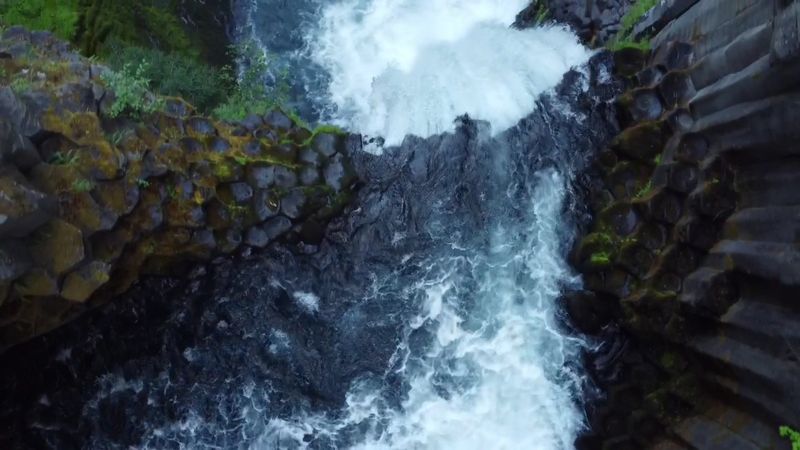
Toketee Falls is not just another pretty waterfall. The rock formations framing it are genuinely unlike anything most people have seen up close.
Ancient lava flows created these perfectly geometric hexagonal basalt columns thousands of years ago.
As the lava cooled slowly and evenly, it contracted into these six-sided shapes. The result looks almost engineered, like someone stacked dark stone pillars by hand.
The columns rise dramatically on both sides of the falls, giving the whole scene a cathedral-like quality.
Water has carved through this volcanic rock over millennia, cutting the gorge deeper with every passing season. The contrast between the dark angular rock and the white rushing water is visually stunning.
It photographs beautifully in almost any light.
Geologically, this kind of formation is called columnar jointing. It appears in volcanic regions around the world, but few places showcase it as dramatically as Toketee.
The basalt here feels ancient and powerful, like the landscape is reminding you that it was here long before any trail was ever built.
The Two-Tiered Cascade Up Close
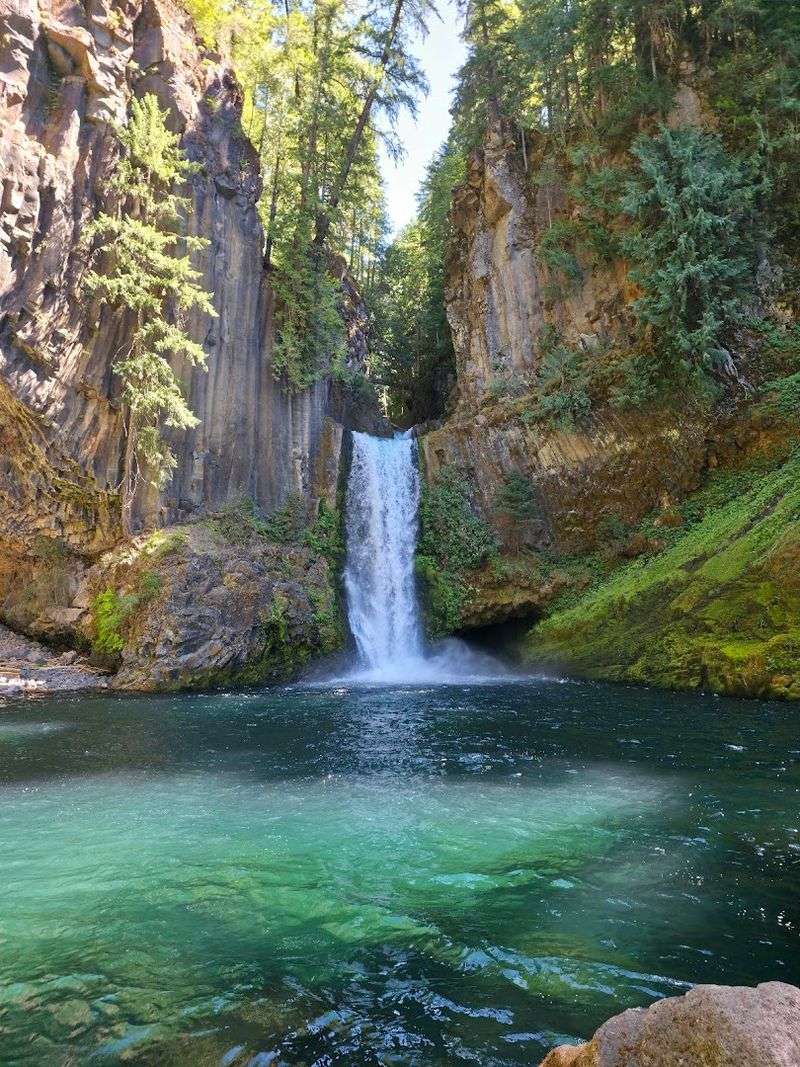
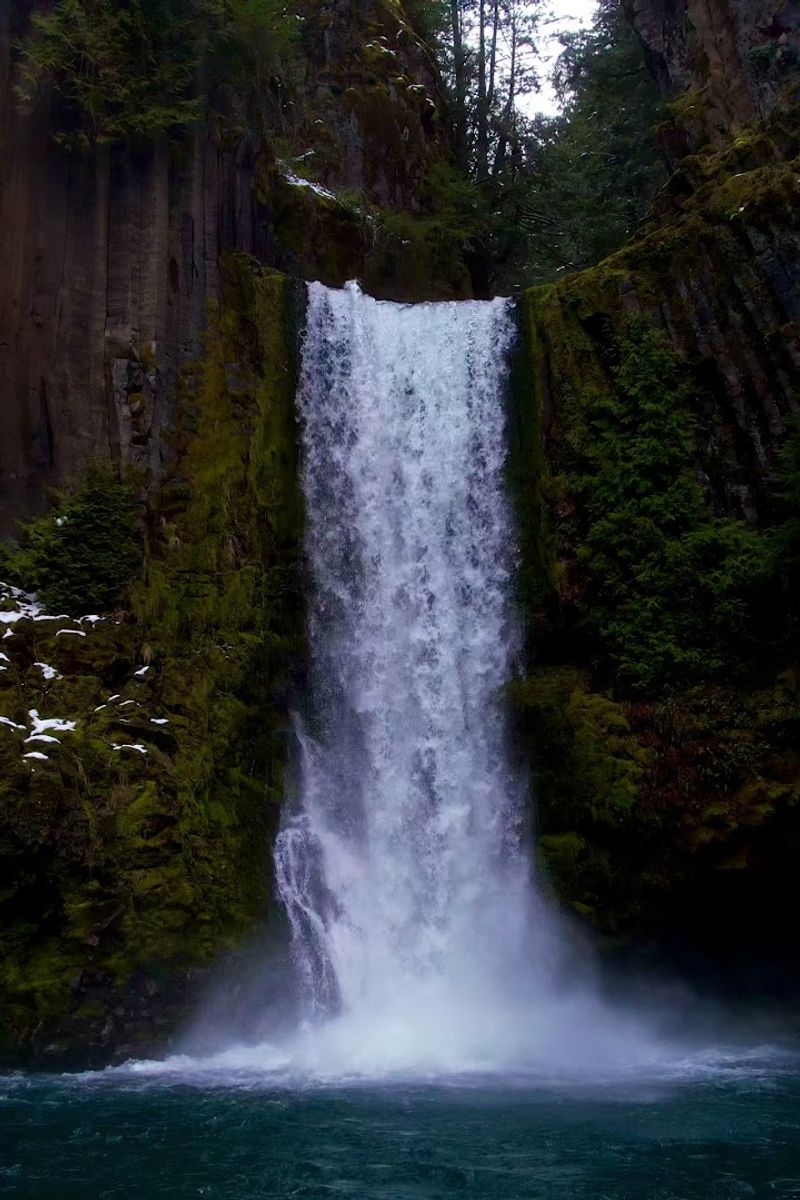
Standing at the viewing platform, the full scale of Toketee Falls finally hits you. The upper tier drops roughly 28 feet before the water gathers briefly, then plunges again in a second dramatic drop of about 85 feet.
Together, the two tiers create a cascade that feels enormous.
The water lands in a deep pool that glows turquoise in good light. The color comes from the depth of the pool and the mineral content of the water.
It looks almost unreal against the dark basalt walls surrounding it.
The platform gives you a clear, elevated view of both tiers at once. It is a genuinely spectacular vantage point.
There is a bench there, which is a nice touch after climbing all those stairs to get there.
The mist from the falls drifts up and reaches the platform on windier days. You might get lightly sprinkled without expecting it.
That cool mist on a warm summer afternoon feels refreshing, and it adds to the sensory experience of being there in person.
Visiting The Viewing Platform Safely
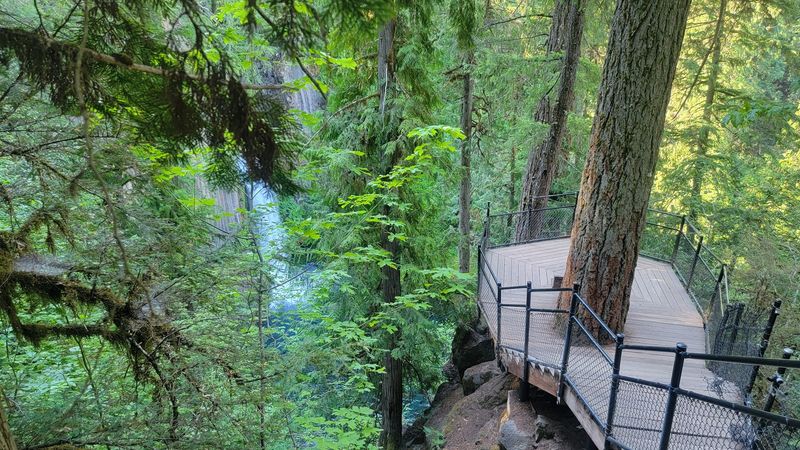
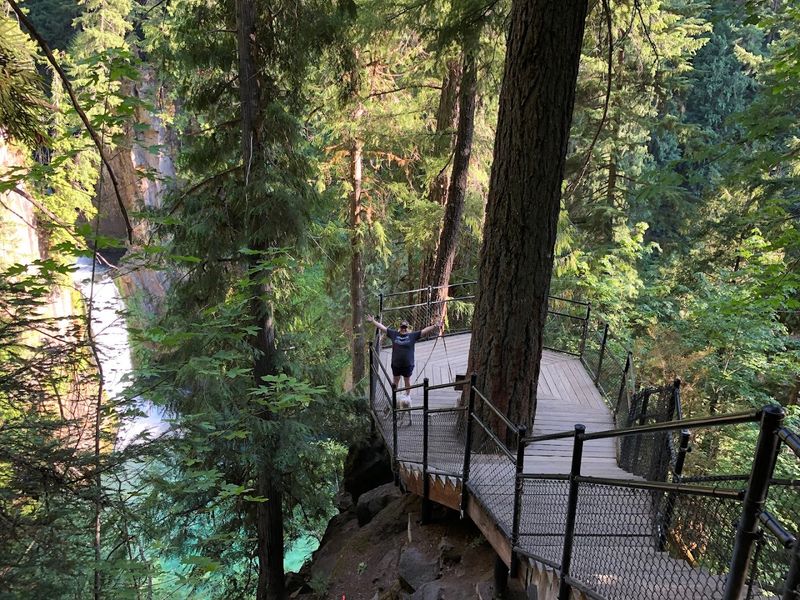
The viewing platform at the end of the trail was built to give visitors a safe, clear view of the falls. It is sturdy, well-maintained, and positioned at a height that lets you see both tiers of the cascade clearly.
There is a fence along the edge for safety.
Signs at the platform warn visitors to stay on the correct side of the railing. Every year, people attempt to climb down past the fence toward the base of the falls, and injuries happen.
The descent is steep, slippery, and genuinely dangerous, especially in wet conditions.
The platform itself is a great place to linger. There is room to stand, sit, and take photos without feeling rushed.
Bring a camera with a zoom lens if you want detailed shots of the basalt columns and the waterfall together.
Arriving early in the morning gives you the best chance of having the platform to yourself. Midday on weekends can get crowded.
The parking lot only fits around ten cars, so timing your visit thoughtfully makes the whole experience more enjoyable and relaxed.
The Best Time Of Year To Visit
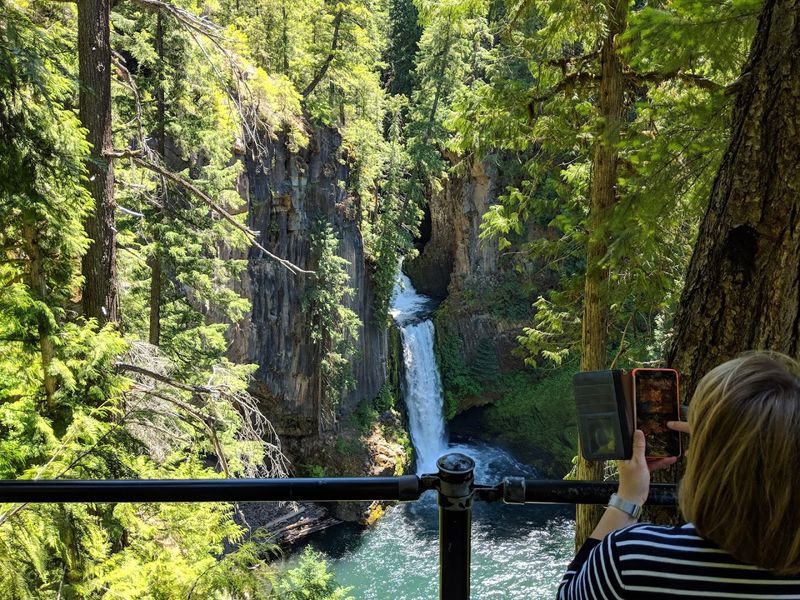
Toketee Falls flows year-round, which already puts it ahead of many Oregon waterfalls that slow to a trickle by late summer. A nearby dam regulates the North Umpqua River, keeping the water flow relatively consistent no matter the season.
Spring brings the most vibrant greenery. The ferns are lush, wildflowers appear along the trail, and the forest feels electric with new growth.
Fall is equally stunning, with warm amber and gold colors lighting up the trees around the trail.
Summer visits are popular and the hike is dry and easy to navigate. August can be busy, but the waterfall still delivers.
Winter trips are possible but require caution, as ice and mud can make the staircases slippery and unpredictable.
Early morning visits in any season tend to be the most peaceful. The light is softer, the crowds are smaller, and the mist from the falls catches the sunlight in beautiful ways.
If you can only visit once, late spring or early October offer the most rewarding combination of color, light, and trail conditions.
Photography Tips For Capturing The Falls
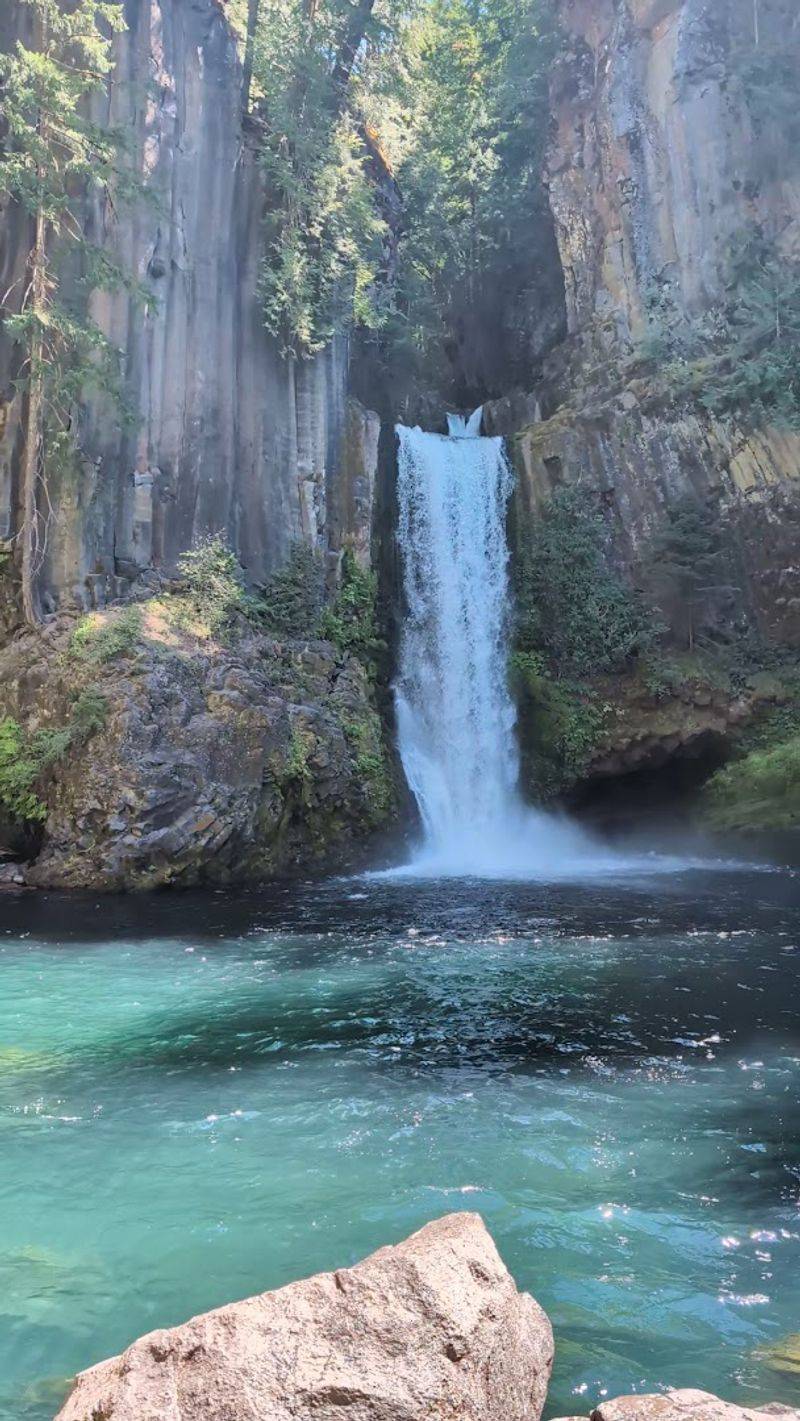
Getting a great shot of Toketee Falls takes a little planning, but the location does most of the work for you. The contrast between the dark volcanic rock and the bright cascading water creates natural drama in almost every frame.
Early morning light is softer and reduces harsh shadows inside the gorge. A wide-angle lens helps capture both tiers of the falls along with the basalt columns framing them.
A slow shutter speed smooths out the water and gives it that silky, flowing look.
The mist from the falls can be an issue for lenses. Bring a microfiber cloth and check your lens between shots.
A lens hood also helps cut down on moisture and glare.
The trail itself offers several smaller photo opportunities before you reach the main platform. The river views, the mossy trees, and that quirky wooden pipeline near the parking lot all make for compelling images.
Do not rush straight to the platform and miss the smaller moments along the way. They add real depth to a Toketee Falls photo collection.
What To Wear And Pack For The Trail
The trail to Toketee Falls is short, but packing smart still makes a difference. Good footwear is the single most important thing to get right.
Trail shoes or sturdy sneakers with grip are ideal, especially on the wooden staircases, which get slippery when wet.
Wear comfortable, layered clothing. The forest stays cool even in summer, and the mist near the platform can make you feel chilly quickly.
A light jacket or fleece takes up almost no space and is easy to tie around your waist if you warm up.
Bring water, even for a short hike. The trail does not have any water sources or facilities beyond the parking lot area.
A small daypack with a water bottle, a snack, and a camera is all you really need.
Trekking poles are helpful for people with knee or balance concerns, especially on the stair sections. The trail has tree roots and uneven patches that catch people off guard.
A little preparation goes a long way toward making the hike comfortable and enjoyable from start to finish.
Getting To Toketee Falls From Highway 138
Toketee Falls sits along Highway 138, also known as the Rogue-Umpqua Scenic Byway. This stretch of road is one of the most beautiful drives in Oregon, cutting through the Umpqua National Forest with river views and forest scenery the whole way.
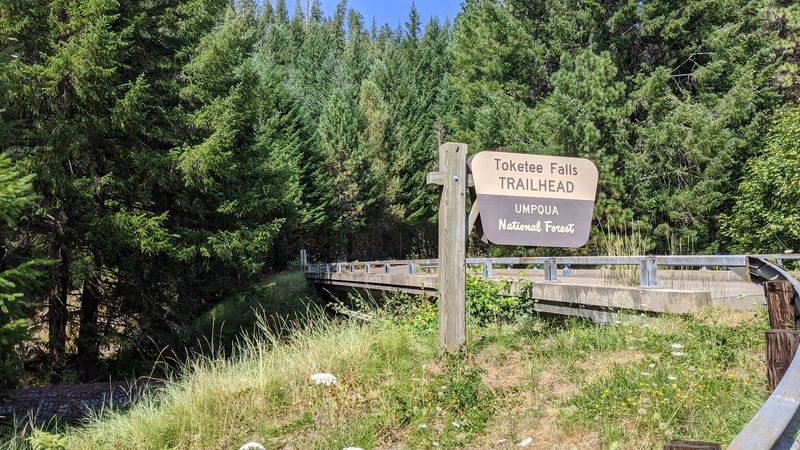
The turnoff to the falls is well-signed from the highway. Once you turn off, a short gravel road leads to the small parking area.
The lot holds around ten cars, so arriving early on weekends is genuinely important if you want a spot.
There are no fees to park and no entry costs for the trail. The nearest towns with gas and food are Roseburg to the west and Crater Lake to the east.
Plan your fuel and snacks before heading out, as services along Highway 138 are limited.
The drive itself is part of the experience. The highway follows the North Umpqua River for long stretches, and the scenery builds anticipation the closer you get.
Pulling into that small gravel lot already feels like arriving somewhere special, even before you take a single step on the trail.
Why Toketee Falls Stays With You Long After You Leave
Some places are beautiful and forgettable. Toketee Falls is not one of them.
There is something about the combination of the ancient rock, the roaring water, and the deep forest that leaves a mark on you in a way that is hard to explain afterward.
The scale of the falls surprises people even when they have seen photos before arriving. Standing at the platform and hearing the water crash into the pool below adds a physical dimension that no image can fully capture.
The sound alone is worth the trip.
The walk back through the forest feels different than the walk in. You notice more.
The light through the fir canopy, the smell of wet moss, the sound of the river fading behind you. It is a slower, quieter kind of leaving.
Toketee Falls earns its reputation as one of Oregon’s finest natural landmarks not through hype but through the genuine impact it has on people. First-time visitors frequently say they will return.
Many of them do. That kind of loyalty is the truest measure of a place worth visiting.
Dear Reader: This page may contain affiliate links which may earn a commission if you click through and make a purchase. Our independent journalism is not influenced by any advertiser or commercial initiative unless it is clearly marked as sponsored content. As travel products change, please be sure to reconfirm all details and stay up to date with current events to ensure a safe and successful trip.
