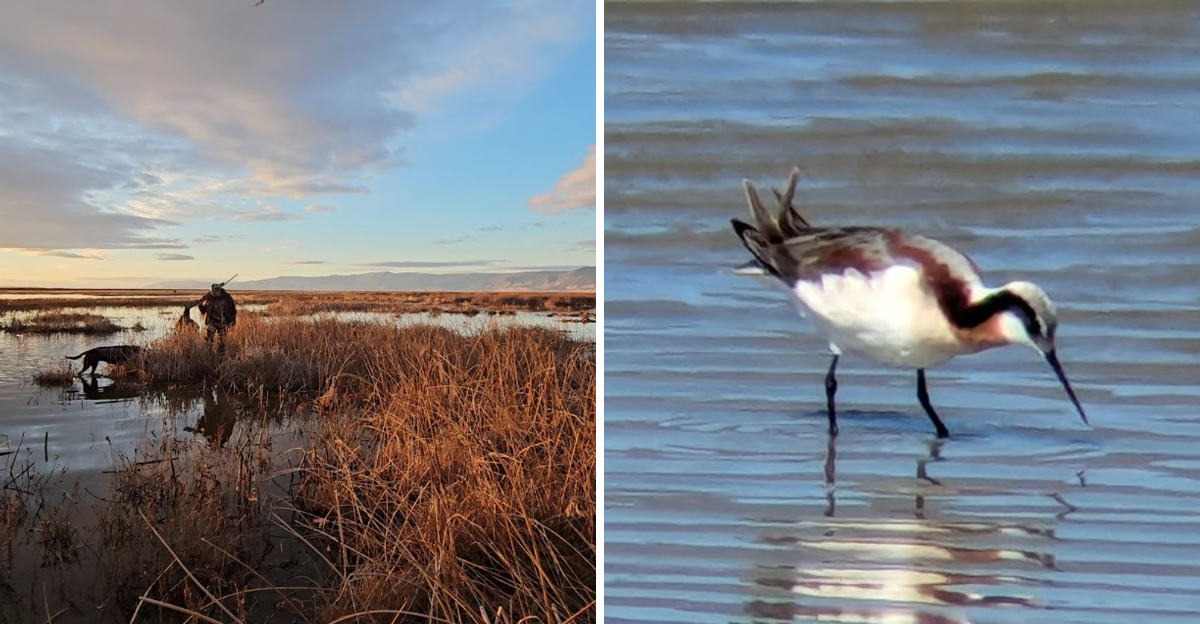
Birds see this place from the air long before humans ever notice it on a map. Almost thirty square miles of shallow water and marsh grasses spread across a high desert valley in Oregon, serving as one of the most important rest stops along the Pacific Flyway.
Millions of migrating birds touch down here each spring and fall, refueling after long flights before continuing their journey. You can stand on the viewing platform and watch clouds of ducks, geese, shorebirds, and sandhill cranes swirl against a backdrop of distant mountains.
The sound alone is overwhelming, thousands of calls mixing together into a wild symphony that never stops. Birdwatchers come from across the country with spotting scopes and checklists, ticking off species they cannot find anywhere else.
The best months are April and September when the migration peaks, though summer brings its own quiet beauty. Oregon protects this wetland not just for the birds but for anyone who wants to witness one of nature’s great spectacles.
The mosquitoes can be fierce so bring strong repellent, the trails are mostly flat and easy to walk, the views will stick with you long after you drive away.
The Pacific Flyway: A Highway in the Sky
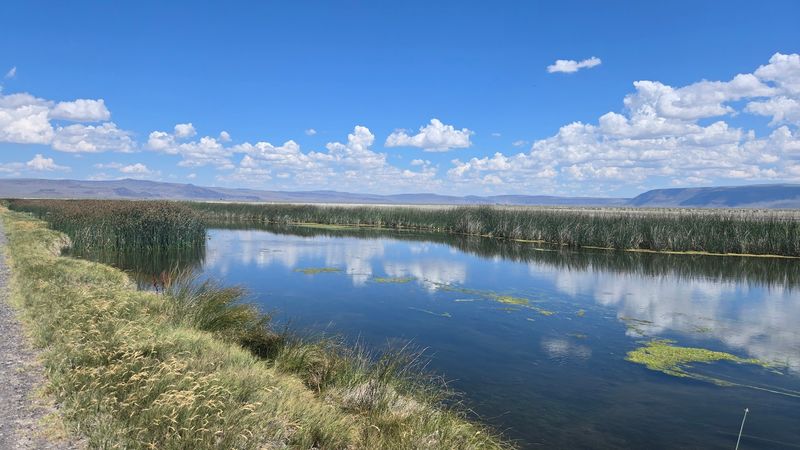
Picture millions of birds traveling thousands of miles twice a year. They need safe places to rest and eat along the way.
The Pacific Flyway is the western migration corridor stretching from Alaska down to South America.
Summer Lake sits right in the middle of this busy aerial route. Birds flying between their breeding and wintering grounds depend on reliable wetland stops.
Without places like this, migration becomes dangerous and exhausting.
The flyway supports over 500 bird species. Many of them pass through Oregon’s high desert during spring and fall. Shorebirds, ducks, geese, and even rare species use the wetlands here to refuel.
I learned that the timing of migration is incredibly precise. Birds arrive at predictable windows each year.
Knowing that Summer Lake is always ready for them makes this place feel genuinely important, not just scenic.
What Makes Summer Lake Wildlife Area So Special
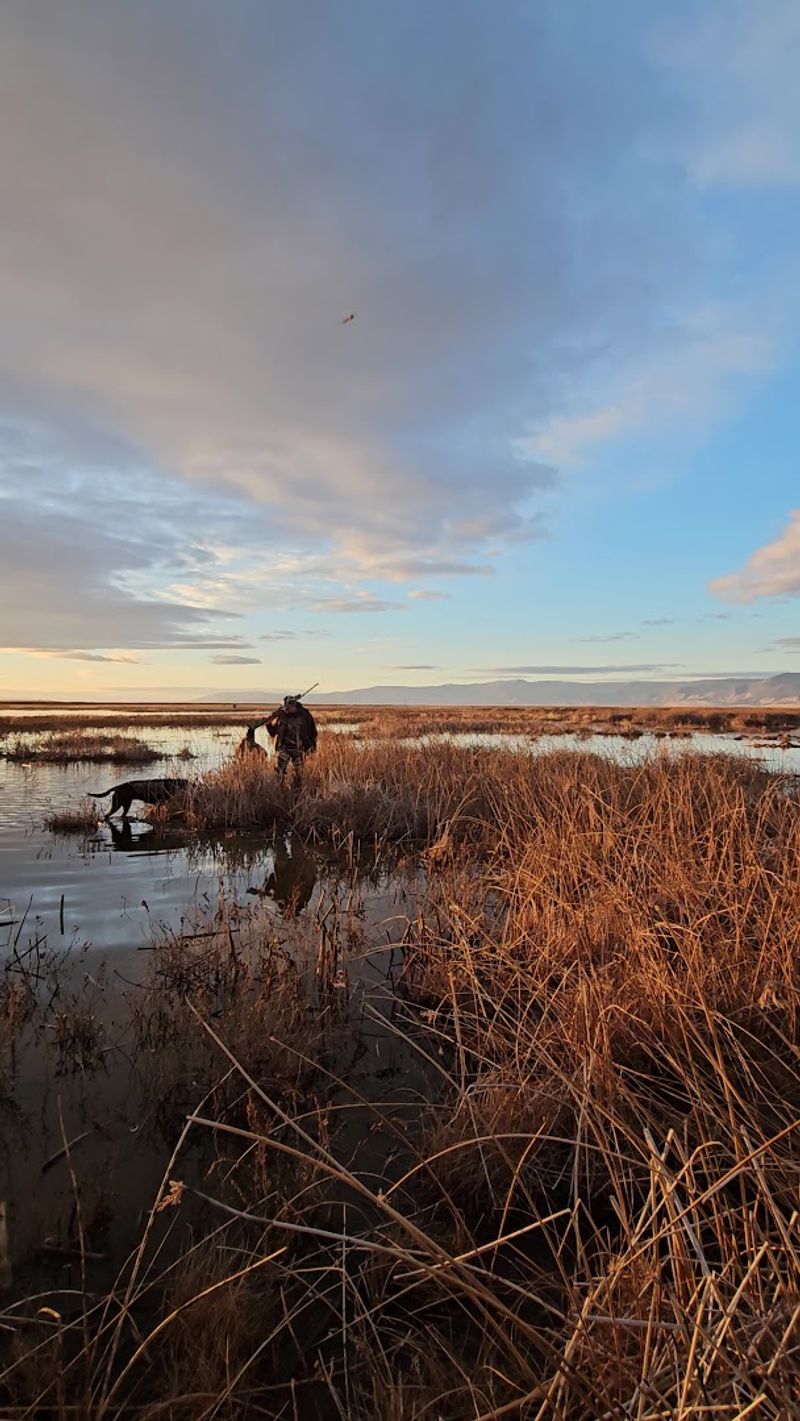
Most people have never heard of Summer Lake, Oregon. That surprised me when I first started researching it. It is one of the most ecologically significant wetland areas in the entire Pacific Northwest.
The management area covers 29.6 square miles of carefully managed habitat. Oregon Department of Fish and Wildlife, known as ODFW, oversees the land.
Their work keeps the wetlands healthy and productive for wildlife year-round.
The area includes freshwater marshes, shallow impoundments, and upland zones. Each habitat type supports different species at different times of year. The variety is what makes this place so productive for birds.
Water levels are actively managed using a system of dikes and water control structures. This allows staff to mimic natural flood cycles.
That careful management is what keeps hundreds of thousands of birds returning season after season.
Bird Species You Can Spot Here
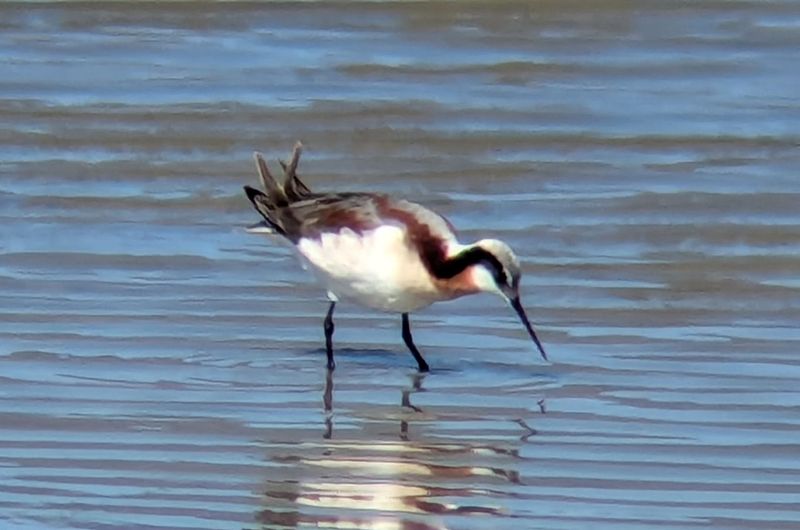
The bird list at Summer Lake is genuinely staggering. Over 300 species have been recorded within the management area. That number alone tells you something extraordinary is happening here.
Tundra swans are among the most dramatic visitors. Thousands arrive during fall migration, turning the water white with their presence.
Watching them land in large groups is one of those moments you remember for a long time.
Sandhill cranes are another highlight. Their prehistoric calls echo across the marsh in early spring. Seeing them up close in the open terrain here feels unlike anything you experience in a typical park.
White pelicans, pintail ducks, Canada geese, and numerous shorebird species also use the area regularly. Rare sightings happen too.
Birders travel from across the country specifically hoping to catch species that are hard to find anywhere else in Oregon.
The Best Times to Visit for Wildlife Watching
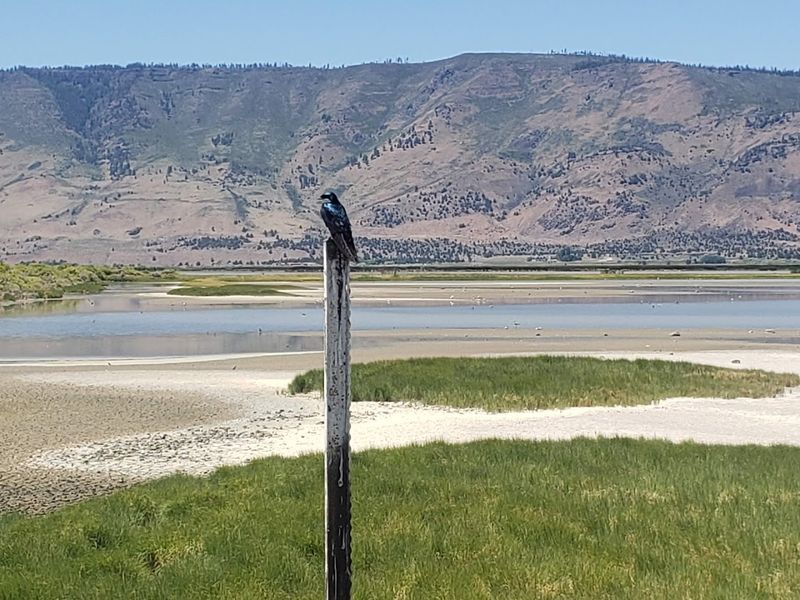
Timing your visit makes a huge difference at Summer Lake. Spring migration runs roughly from March through May.
That window brings the biggest concentrations of waterfowl and shorebirds to the area.
Fall migration, from September through November, is equally impressive. Tundra swans and ducks arrive in massive numbers during October and November.
The light during those months is also stunning for photography.
Summer has its own rewards, nesting birds are active and visible. Great blue herons, avocets, and black-necked stilts raise their young in the marsh during the warmer months.
Winter brings a quieter energy to the area. Some hardy species stay year-round, and raptors like rough-legged hawks and bald eagles hunt the open fields.
I found that visiting outside peak season gave me a more personal, unhurried experience with the landscape and its permanent residents.
How the Wetlands Are Actively Managed
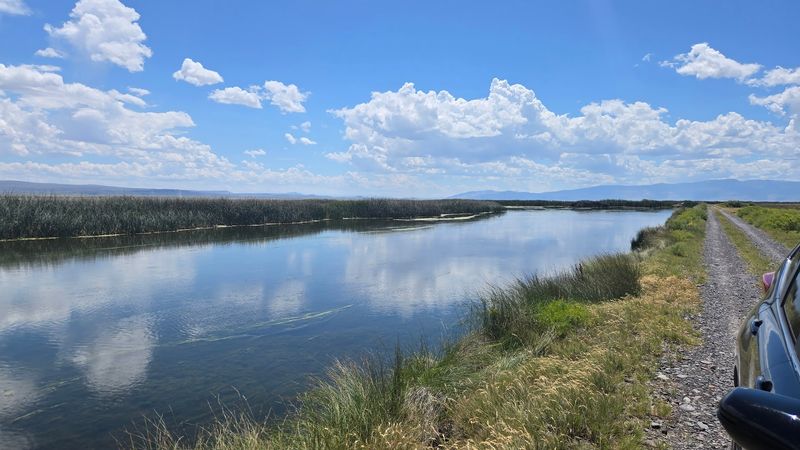
Managing a wetland this size is a serious, year-round job. ODFW staff control water levels across multiple impoundments throughout the year.
The goal is to create the right habitat conditions at the right time for migrating birds.
During spring, water levels are raised to flood shallow areas. This creates feeding habitat for shorebirds and dabbling ducks.
Lowering water in late summer exposes mudflats that attract a different set of species.
Vegetation management is also part of the work. Invasive plants can choke out native marsh species if left unchecked.
Controlled burns and mechanical removal help keep the ecosystem balanced.
Farming on parts of the property provides grain crops that feed migrating geese and cranes. This kind of active stewardship is what separates a healthy wildlife area from one that slowly degrades.
The effort behind the scenes here is enormous, and the birds clearly benefit from it every season.
Exploring the Area: Roads, Trails, and Access Points
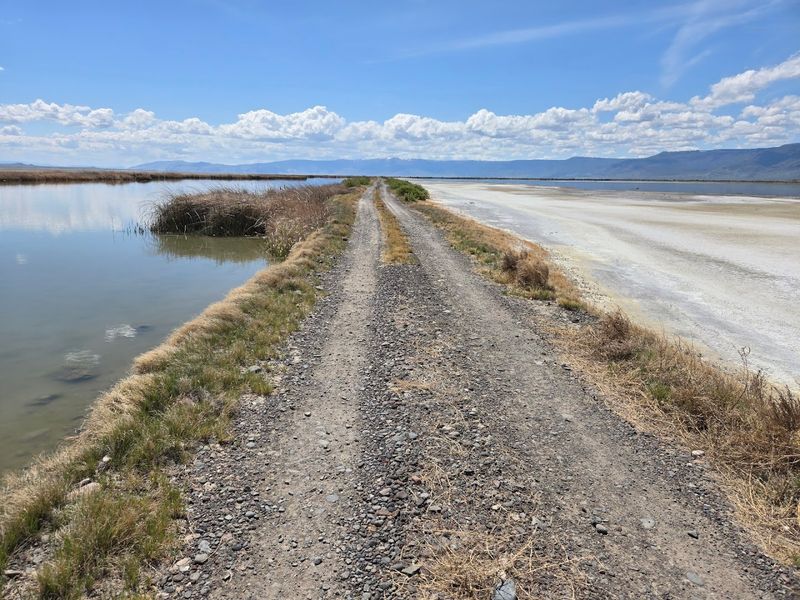
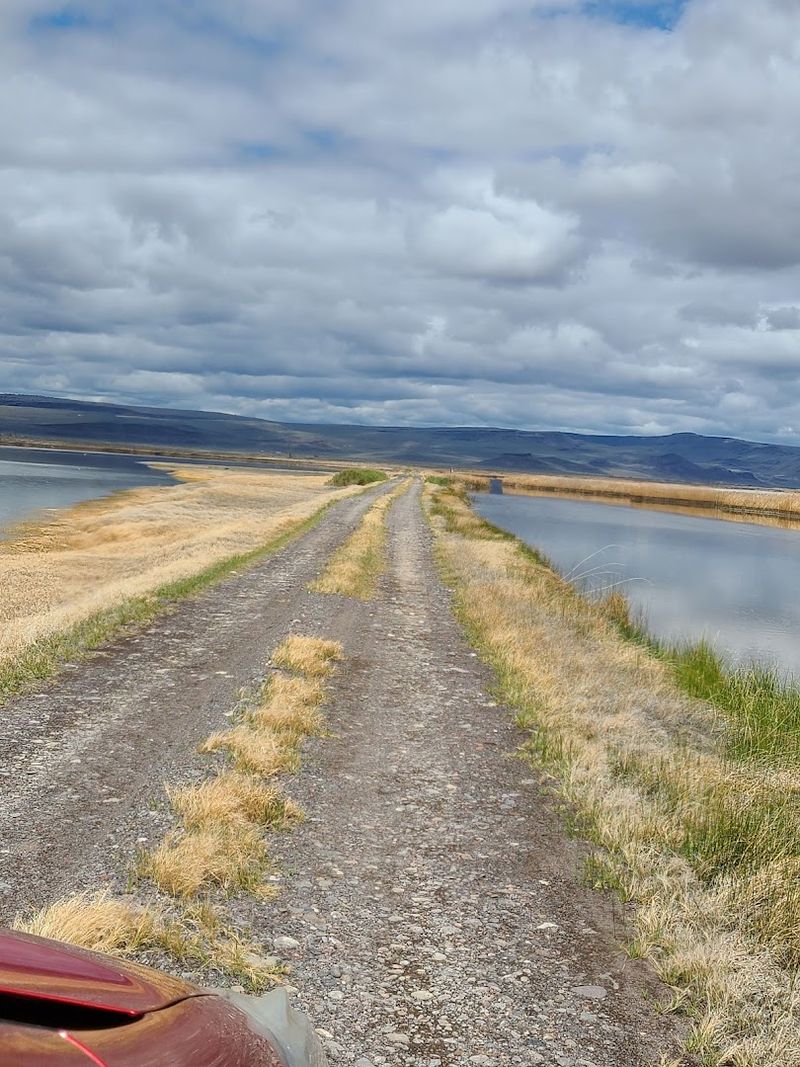
Getting around Summer Lake Wildlife Area is easier than you might expect. A network of gravel roads and dikes allows visitors to explore large portions of the area by vehicle.
This is especially helpful for birding, since you can cover a lot of ground without disturbing nesting birds.
There are also walking paths along dike tops. These give you a low, close perspective on the marsh.
Early morning walks along these routes are especially rewarding when wildlife is most active.
A few viewing platforms and pullouts are scattered throughout the area. They make it easy to scan open water with binoculars or a spotting scope.
I spent a long time at one of these spots just watching ducks feed in the shallows below.
Note that an ODFW parking permit is required to access the area. Permits can be purchased online or at local vendors.
It is a small cost for access to something genuinely world-class.
Photography Opportunities at Summer Lake
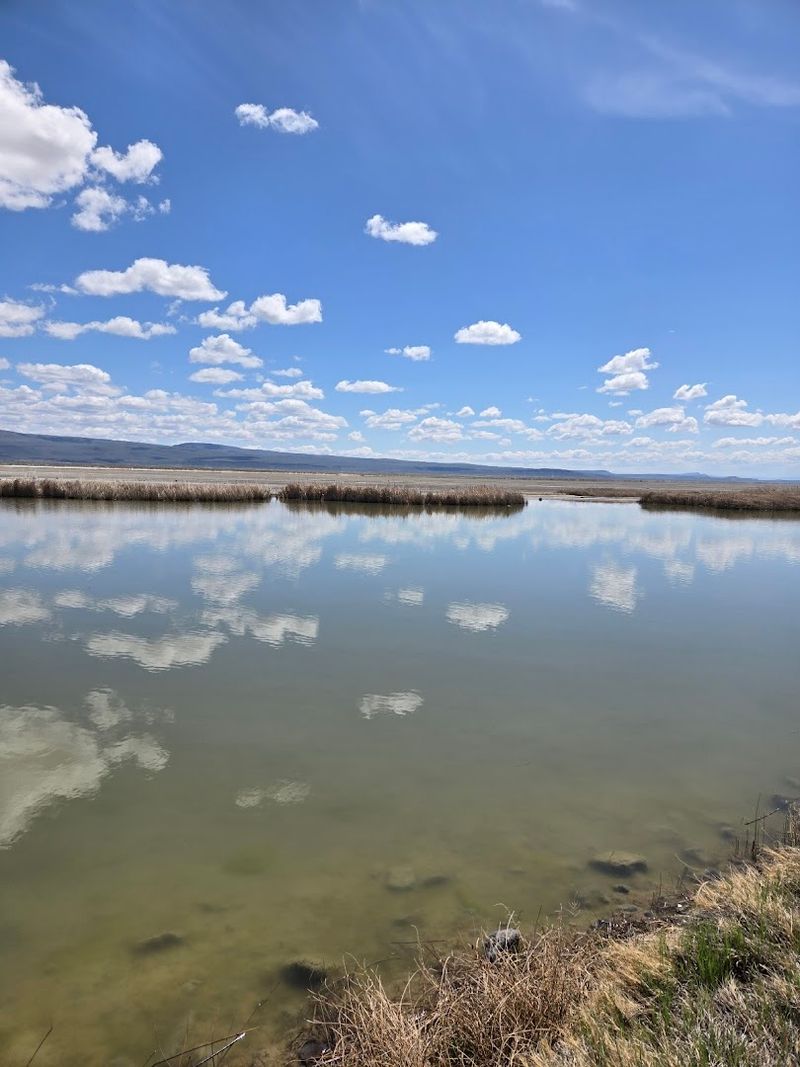
Few places in Oregon offer photography conditions quite like this. The flat, open terrain gives you wide, unobstructed views of birds in natural light.
Sunrise and sunset here paint the water in colors that feel almost unreal.
The low dike roads let you position yourself at eye level with birds on the water. That perspective creates intimate, compelling images.
I noticed that birds here are accustomed to slow-moving vehicles, so you can get surprisingly close without causing stress.
Fall migration is particularly popular with photographers. Huge flocks of swans and ducks create dramatic scenes.
The contrast of white birds against dark water and golden marsh grass is visually striking.
Bring a telephoto lens if you have one. A 400mm or longer focal length is ideal for capturing shorebirds and distant waterfowl.
A tripod or bean bag for vehicle support will also make a real difference in the quality of your shots here.
The Surrounding Landscape and High Desert Setting
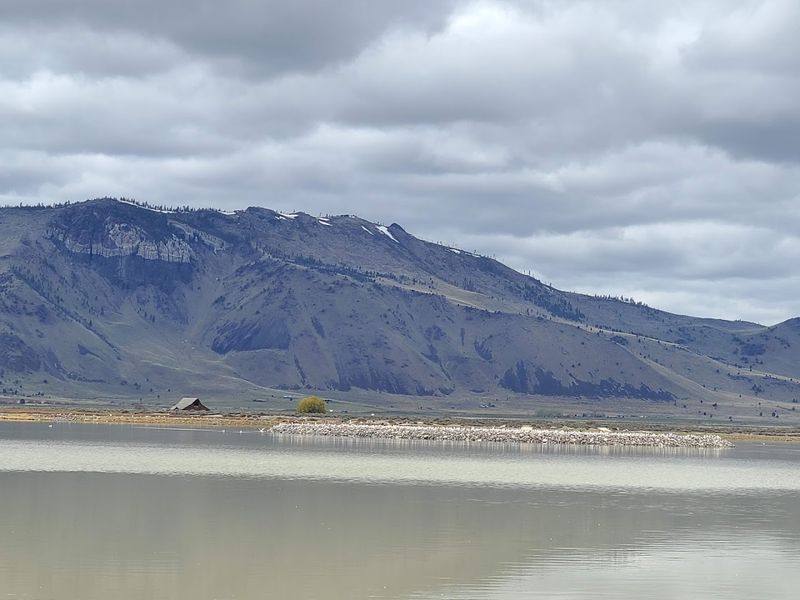
The setting around Summer Lake is as dramatic as the wildlife itself. The area sits in a broad, flat valley surrounded by Oregon’s high desert.
To the east, Abert Rim rises sharply as one of the tallest exposed fault scarps in North America.
The contrast between the dry sage-covered hills and the lush green marsh is striking. It makes the wetland feel like a true oasis in an otherwise arid landscape.
That contrast is also what makes the area so valuable to birds traveling through.
The sky here is enormous. On clear days you can see for dozens of miles in every direction.
That wide-open visibility makes bird-watching feel effortless, since flocks are visible from a great distance as they approach or depart.
Temperatures swing widely between seasons. Summer days can be warm and dry, while spring mornings are often crisp and cool.
Dressing in layers is always a smart move when planning a full day of exploration in this landscape.
Nearby Amenities and Planning Your Trip
Summer Lake is genuinely remote. That is part of its charm.
The nearest services are in the small community of Summer Lake itself, which has limited options for food and fuel.
Paisley, Oregon is about 20 miles south and offers a bit more in terms of basic supplies. Lakeview, the county seat, is roughly an hour away and has more complete services.
Planning ahead and packing your own food and water is strongly recommended.
Camping options exist near the wildlife area. The area around Summer Lake has dispersed camping on Bureau of Land Management land nearby.
Arriving the night before a big birding day means you can be out on the dikes at first light.
Cell service is limited in this part of Oregon. Download maps and any wildlife checklists before you leave.
A paper copy of the ODFW visitor map for Summer Lake Wildlife Area is also worth printing before your trip.
Why Summer Lake Matters for Conservation
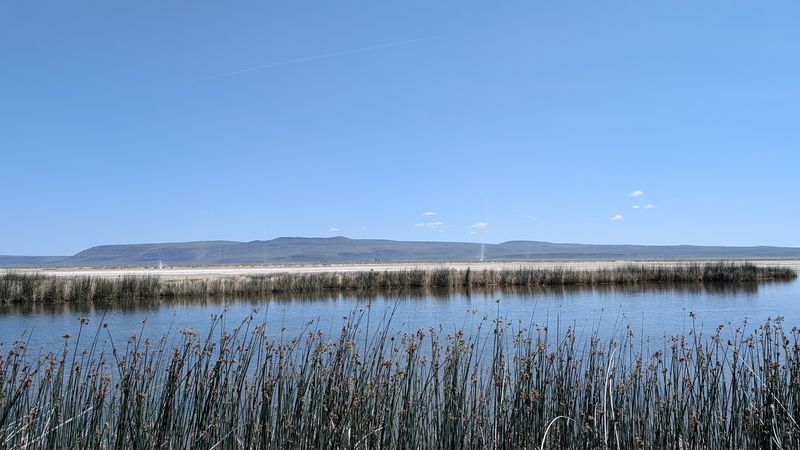
Places like Summer Lake are not just beautiful, they are essential. Wetlands across North America have been drained, filled, and developed at an alarming rate over the past century.
What remains is under constant pressure.
The Summer Lake Migratory Waterfowl and Game Management Area represents a genuine conservation success. Active management and legal protection have kept this wetland healthy and functional.
That is not something to take for granted.
Birds that rely on the Pacific Flyway need a chain of reliable stopover sites. Remove one link in that chain, and entire populations can suffer.
Summer Lake is one of the most important links in the western United States.
Supporting ODFW programs and purchasing the required parking permits directly funds the management of areas like this one. Every visitor who comes here with respect and curiosity becomes part of the conservation story.
This place deserves to be known, protected, and visited for generations to come.
