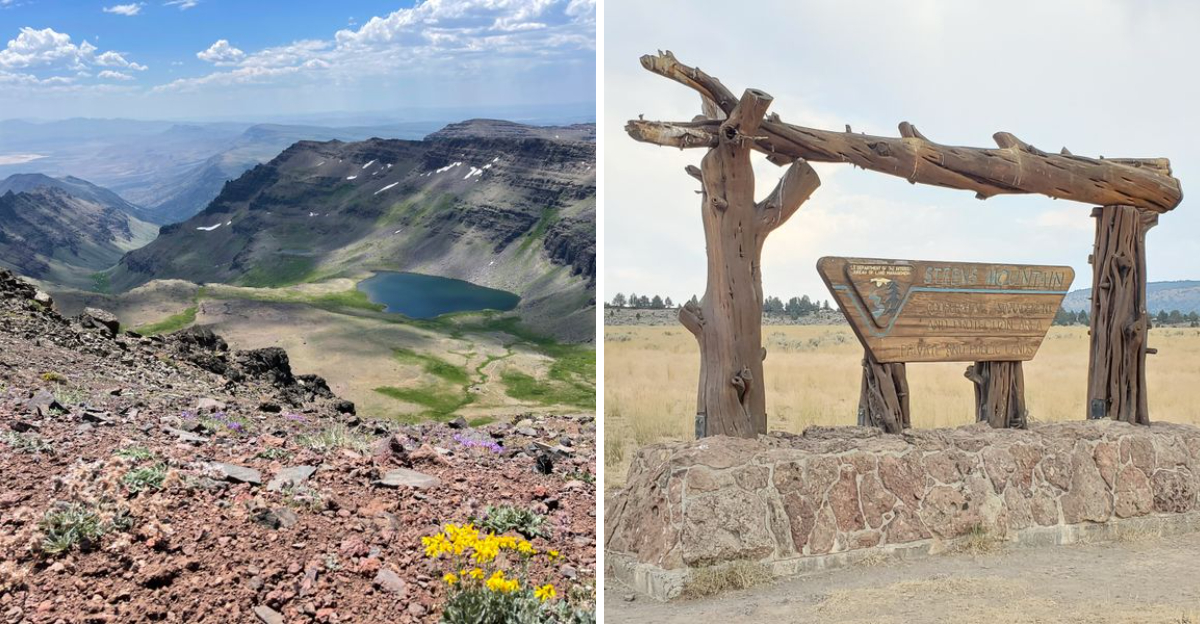
I thought I knew what a scenic drive looked like until I tackled Steens Mountain.
Rising nearly 10,000 feet out of southeastern Oregon, this massive fault-block mountain feels less like a road trip and more like crossing into another planet.
One minute you’re cruising through high desert scrub, the next you’re climbing past alpine meadows, icy streams, and viewpoints that make your palms sweat even if you’re not afraid of heights. The scale out here is unreal.
A glacier-carved gorge drops a full vertical mile. Wild mustangs roam the plains like they missed the memo about modern life.
On a clear day, the views stretch across multiple states, and when night falls, the sky goes completely feral with stars. This isn’t a casual Sunday cruise with coffee in the cup holder.
Steens Mountain is remote, humbling, and wildly beautiful in a way that makes you feel small in the best possible sense. Photos don’t do it justice. You have to feel it.
The Highest Road in Oregon Reaches 9,734 Feet
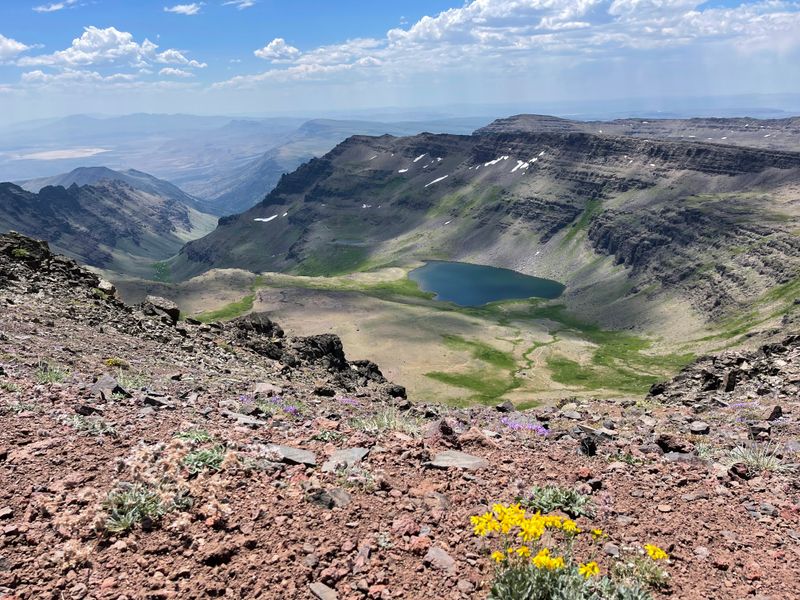
Steens Mountain Loop Road holds the title for Oregon’s highest drivable road, topping out at 9,734 feet above sea level. The route climbs steadily from the high desert floor through a series of switchbacks that’ll have your ears popping and your camera working overtime.
I’ve made this drive multiple times, and the sensation of gaining elevation so rapidly never gets old.
The road typically opens in July after snowmelt and closes again by October, giving you a narrow window to experience this alpine adventure. You’ll start in sagebrush country and end up in a landscape that feels more like Alaska than Oregon.
The temperature can drop 30 degrees from bottom to top, so layers are your best friend here.
What makes this drive truly special is how accessible it makes such extreme elevation. Most mountains this tall require serious hiking or climbing, but here you can experience genuine alpine conditions from your vehicle.
The views expand with every curve, revealing more of the Alvord Desert far below and mountain ranges stretching toward the horizon in every direction.
Kiger Gorge Drops Away Like Nature’s Amphitheater
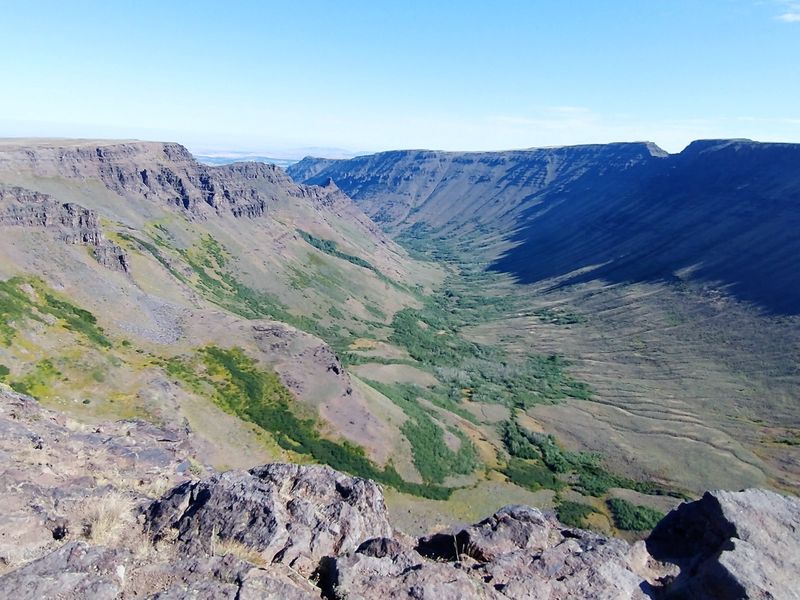
Kiger Gorge is hands down one of the most spectacular glacier-carved canyons I’ve ever seen. This massive U-shaped valley was sculpted by ancient ice flows that left behind sheer walls plunging over 2,000 feet straight down.
Standing at the overlook, you can see the entire gorge spread out below like a textbook example of glacial geology brought to life.
The viewpoint sits right along the loop road, making it an easy stop that delivers maximum impact. I always spend at least 20 minutes here because the changing light creates completely different moods throughout the day.
Morning light fills the gorge with golden warmth, while afternoon shadows add dramatic depth to every ridge and fold.
Wildlife spotting from this vantage point can be incredible. I’ve watched wild mustangs grazing on the gorge floor, looking like tiny toys from this height.
Raptors ride thermals rising from the canyon, soaring at eye level as they hunt. The scale of everything here recalibrates your sense of space and makes you realize how small we really are in the grand scheme of things.
East Rim Overlook Offers a Vertical Mile Drop
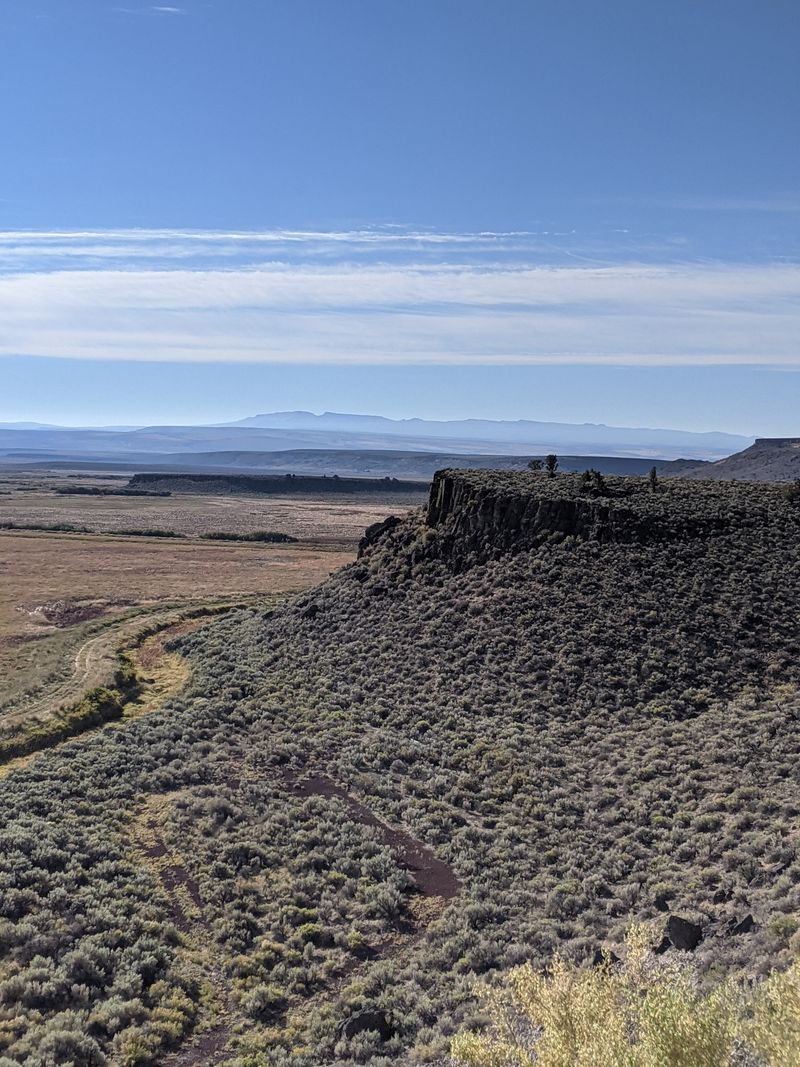
East Rim Overlook delivers one of the most vertigo-inducing views in all of Oregon. From this spot, you’re looking down a full vertical mile to the Alvord Desert floor below.
The sheer face of the mountain creates an almost unbelievable sense of exposure that makes my palms sweat every single time I stand near the edge.
This eastern escarpment formed through massive geologic faulting that tilted the entire mountain block. The result is a gentle slope on the west side and this absolutely bonkers cliff on the east.
Sunrise here is legendary among photographers because the first rays of light hit the desert floor while the rim remains in shadow, creating stunning contrasts.
I recommend visiting on a clear day when visibility extends 100 miles or more. You can see into Nevada from here, and on exceptional days, even identify individual mountains in Idaho.
The Alvord Desert spreads out like a tan carpet dotted with dry lakebeds that shimmer in the heat. Birds soar thousands of feet below your boots, and the silence is so complete you can hear your own heartbeat pounding in your ears.
Wild Mustang Herds Roam the High Desert Slopes
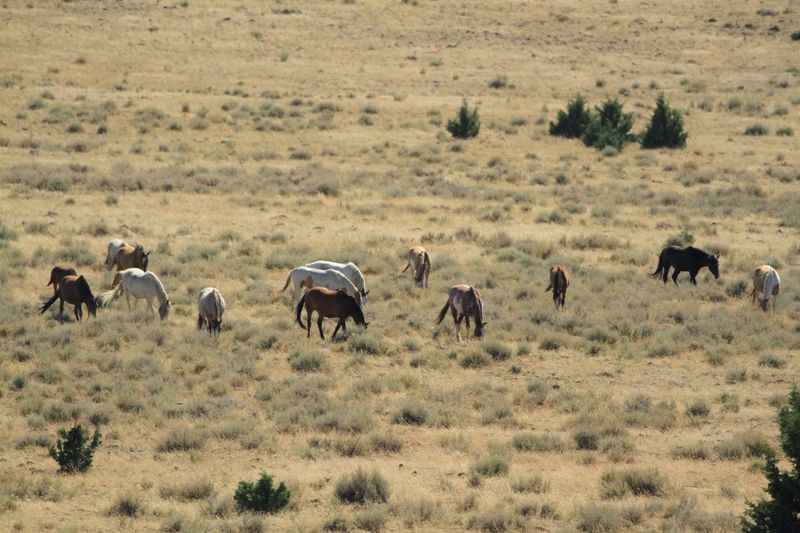
Spotting wild mustangs on Steens Mountain ranks among my favorite wildlife experiences anywhere. These magnificent horses have roamed this landscape for generations, descendants of Spanish horses brought to North America centuries ago.
Watching them move across the open terrain with complete freedom stirs something primal in anyone lucky enough to witness it.
The herds usually number between five and twenty horses, led by a dominant stallion who keeps watch while the others graze. I’ve seen them at various elevations, from the sagebrush flats to surprisingly high on the mountain itself.
They’re remarkably adapted to this harsh environment, thriving where many domestic horses would struggle.
The best viewing happens early morning or late afternoon when the horses are most active. Bring binoculars because these are wild animals that maintain healthy distance from humans.
I once watched a herd for over an hour as foals played and adults groomed each other, completely unbothered by my presence several hundred yards away. That sense of witnessing genuine wildness, not some managed park experience, makes every moment feel precious and rare in our increasingly tamed world.
Basque Shepherd Arborglyphs Tell Stories in Aspen Bark
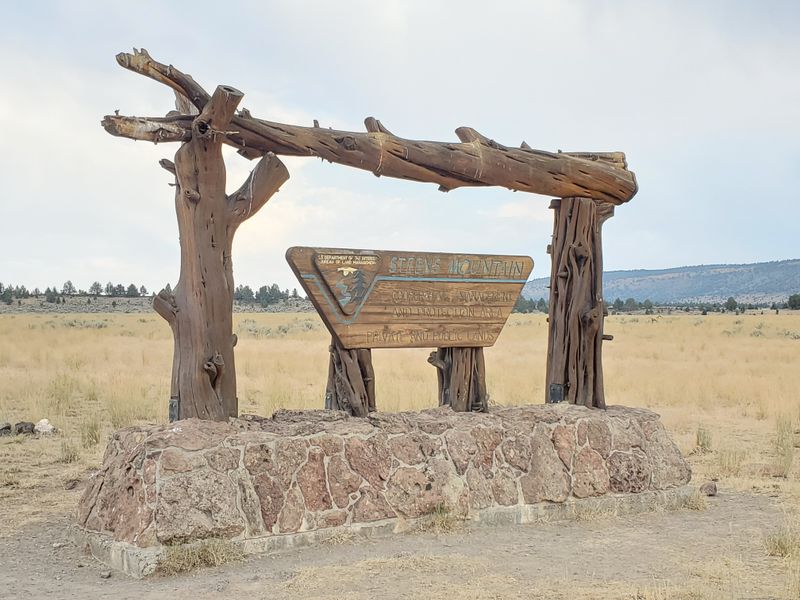
Hidden among the aspen groves on Steens Mountain are remarkable pieces of living history called arborglyphs. Basque shepherds who tended massive flocks here in the late 1800s and early 1900s carved names, dates, and images into the soft aspen bark.
These carvings have grown and stretched with the trees, creating haunting historical records that still speak across more than a century.
Finding these arborglyphs feels like discovering treasure. Some show simple names and dates, while others feature surprisingly detailed drawings of animals, women, or scenes from daily life.
The Basque people came from the Pyrenees region between Spain and France, hired as sheepherders because of their legendary skill with livestock in harsh mountain terrain.
I always feel a connection to these lonely shepherds who spent months alone in these mountains with only their dogs and thousands of sheep for company. They carved these messages partly from boredom but also from a deep human need to leave some mark, to say “I was here.” The aspen groves where you’ll find the best examples grow in moist areas along the western approach to the summit, particularly near Lily Lake and Fish Lake areas.
Vegetation Zones Change Like Flipping Through Ecosystems
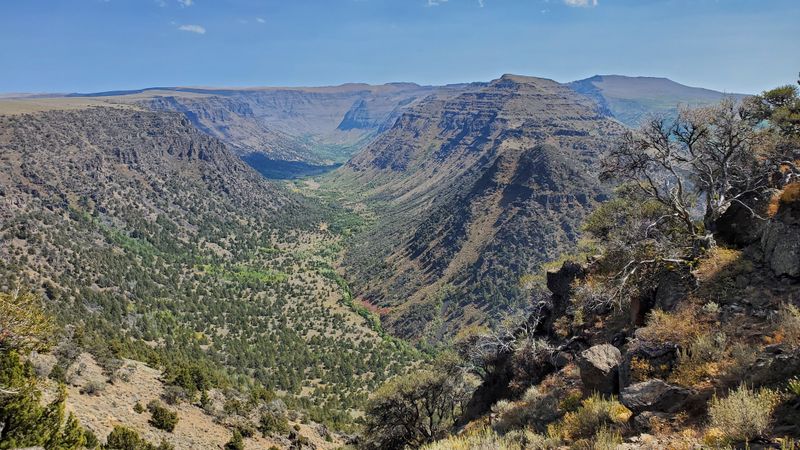
Climbing Steens Mountain takes you through five distinct vegetation zones in just 60 miles of driving. You start in classic high desert dominated by sagebrush and bunchgrasses, move into western juniper woodlands, pass through mountain mahogany and aspen zones, enter subalpine forests, and finally reach alpine tundra at the summit.
It’s like traveling from Nevada to Alaska in an afternoon.
Each zone supports completely different plant and animal communities. I love how abruptly the transitions happen in some places.
You’ll round a curve and suddenly be surrounded by quaking aspens where moments before only sagebrush existed. The ecological diversity packed into this relatively small area makes Steens Mountain a living laboratory for understanding how elevation affects ecosystems.
The alpine tundra zone at the top especially fascinates me because these plants survive extreme conditions found nowhere else in Oregon. Tiny cushion plants hug the ground to escape brutal winds, and wildflowers bloom in intense bursts during the brief summer window.
Some of the species here are endemic, meaning they exist nowhere else on Earth. That fact alone makes protecting this mountain absolutely critical for biodiversity in the region.
Four-State Views Stretch Across the High Desert
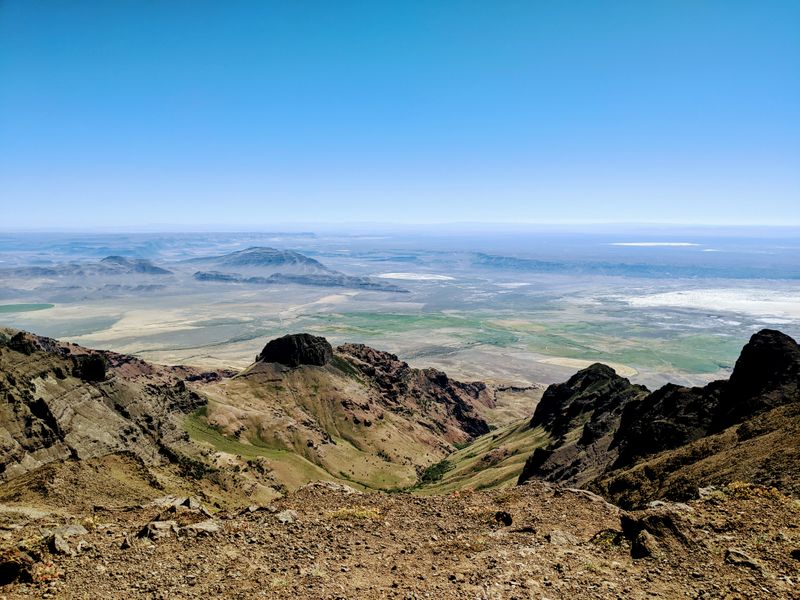
On crystal clear days, the summit of Steens Mountain delivers views across four states. Oregon obviously surrounds you, but Nevada lies immediately east, Idaho spreads northeast, and California peaks appear to the south.
Standing at this vantage point makes you appreciate just how vast and empty the Great Basin region truly is.
The best visibility typically happens after weather fronts pass through, cleaning out atmospheric haze. I’ve stood at the summit when I could count at least 15 different named mountain ranges in every direction.
The Pueblo Mountains march south along the Oregon-Nevada border, the Owyhee Mountains rise in Idaho, and California’s Warner Mountains form a blue silhouette far to the south.
What strikes me most is the lack of human development visible from this height. Aside from a few ranch buildings and the tiny town of Fields far below, the landscape remains essentially unchanged from what indigenous peoples saw thousands of years ago.
No cities, no highways, no sprawl interrupting the natural patterns. This perspective reminds me why protecting places like Steens Mountain matters so much for future generations who deserve to experience true wilderness.
Night Skies Explode with Stars in the Dark Sky Reserve
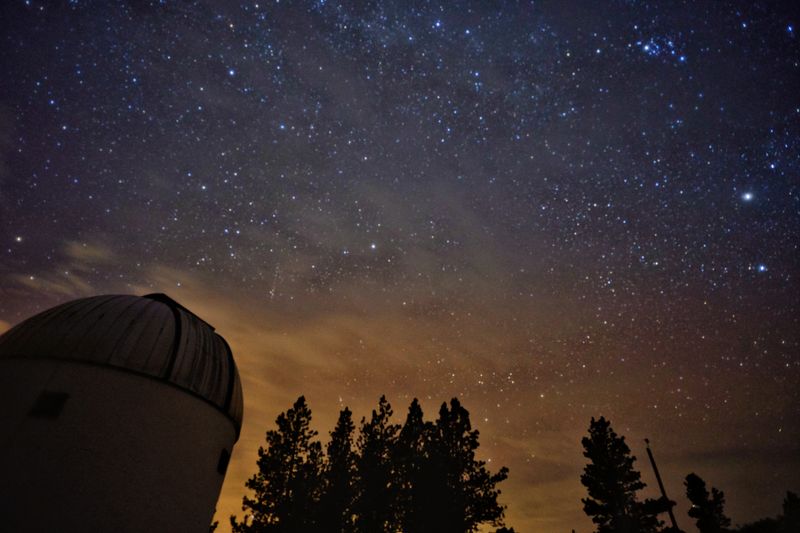
Steens Mountain offers some of the darkest night skies in the continental United States. The combination of high elevation, remote location, and absence of light pollution creates conditions where the Milky Way casts actual shadows.
I’m not exaggerating when I say the sky here looks more like a planetarium than what most people consider normal nighttime darkness.
On moonless nights, you can see thousands of stars with the naked eye, including satellites slowly crossing overhead and occasional meteors streaking through the atmosphere. The Milky Way appears as a glowing river of light arching completely across the sky.
I’ve introduced friends to truly dark skies here, and their reactions range from stunned silence to actual tears at the beauty they never knew existed.
Astrophotographers travel from around the world to capture images from Steens Mountain. The dry air and high altitude mean less atmospheric distortion, resulting in incredibly sharp star images.
I recommend spending at least one night camping somewhere along the loop road, giving your eyes 30 minutes to fully adapt to the darkness. That’s when the sky really comes alive and you understand why ancient peoples saw stories written in the stars.
Dear Reader: This page may contain affiliate links which may earn a commission if you click through and make a purchase. Our independent journalism is not influenced by any advertiser or commercial initiative unless it is clearly marked as sponsored content. As travel products change, please be sure to reconfirm all details and stay up to date with current events to ensure a safe and successful trip.
