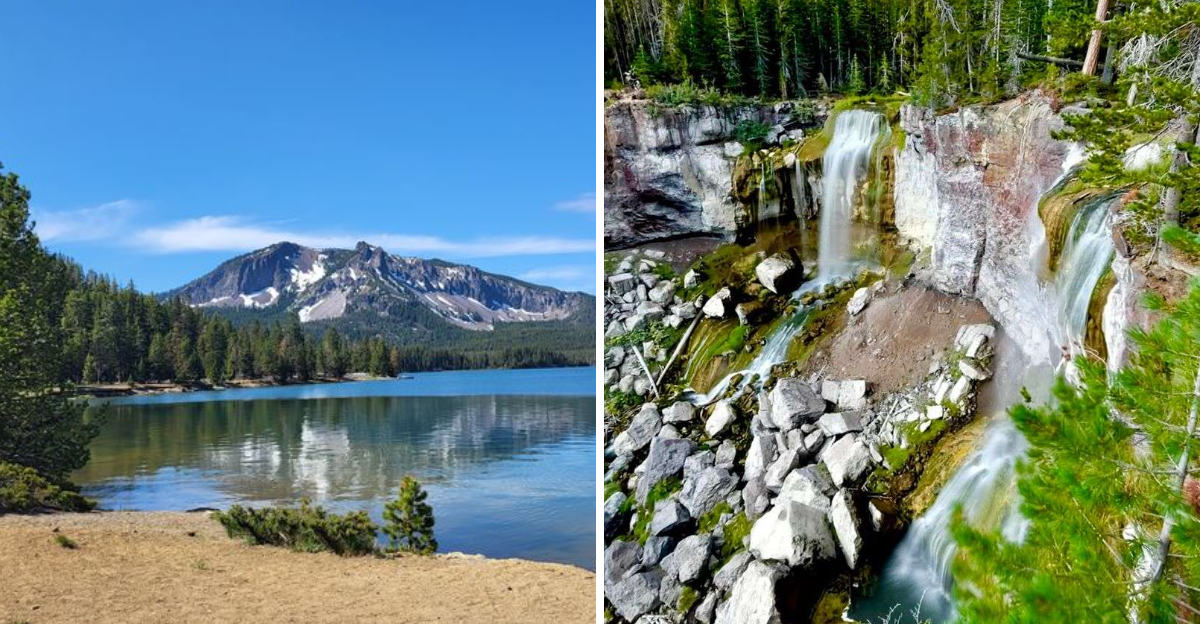
When a friend sent me a quick snapshot of a hidden lake in Oregon, I was instantly drawn in by the way the water glittered like a polished gemstone from the sky. The aerial view made it feel almost surreal.
It’s like a giant sapphire set into the rugged landscape, shimmering against cliffs and pine-filled valleys. I couldn’t resist planning a weekend trip to see it for myself.
The moment I hovered above the surface, the vivid blue confirmed every photo I’d ever seen. It’s the kind of spot that makes you pause and breathe a little deeper.
It also reminds you how nature can turn even the most remote corners into a work of art. If you love discovering places that look better than any postcard, this lake’s otherworldly charm is definitely worth adding to your Oregon adventure list.
The View From Paulina Peak
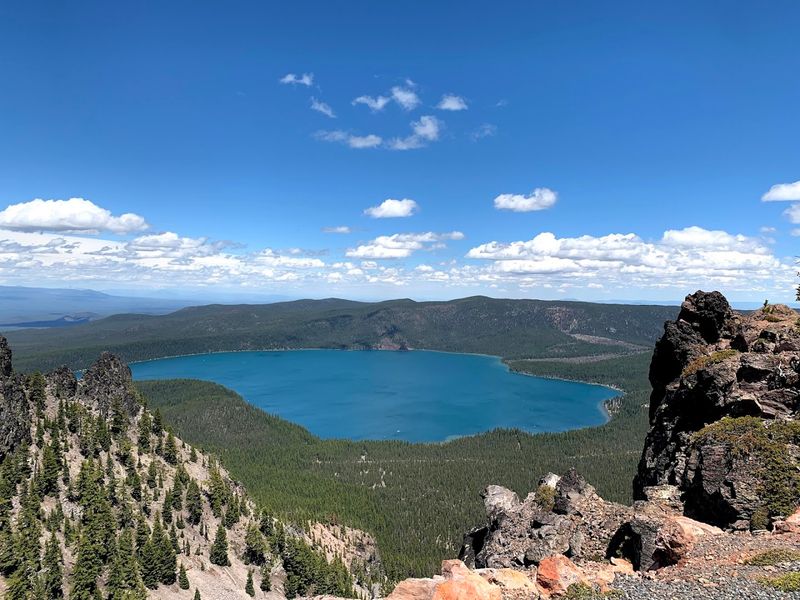
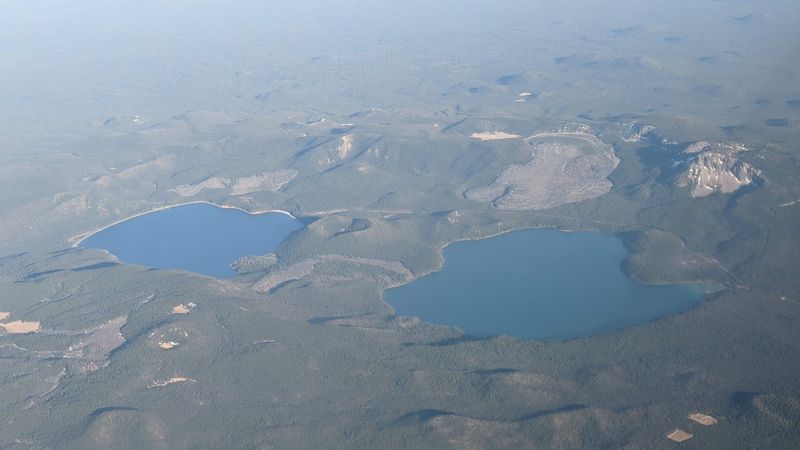
Nothing prepares you for the moment you reach the top of Paulina Peak. The lake below looks exactly like a giant sapphire dropped into the earth.
At roughly 7,985 feet, this is the highest point in the Newberry National Volcanic Monument.
You can either hike or drive to the summit. The road is unpaved and a bit bumpy, but the payoff is enormous.
On a clear day, you can spot the Cascade peaks stretching across the horizon.
The colors down below shift depending on the light. Morning visits tend to show the lake at its most vivid blue.
Clouds rolling through can turn the water silvery and dramatic in a matter of minutes.
Photographers love this spot for a reason. The geometry of the caldera, the dense forest rim, and the twin lakes below create a composition that feels almost surreal.
Go early to beat any foot traffic. Bring a light jacket because wind at the peak can catch you off guard.
Kayaking and Paddleboarding the Caldera Waters
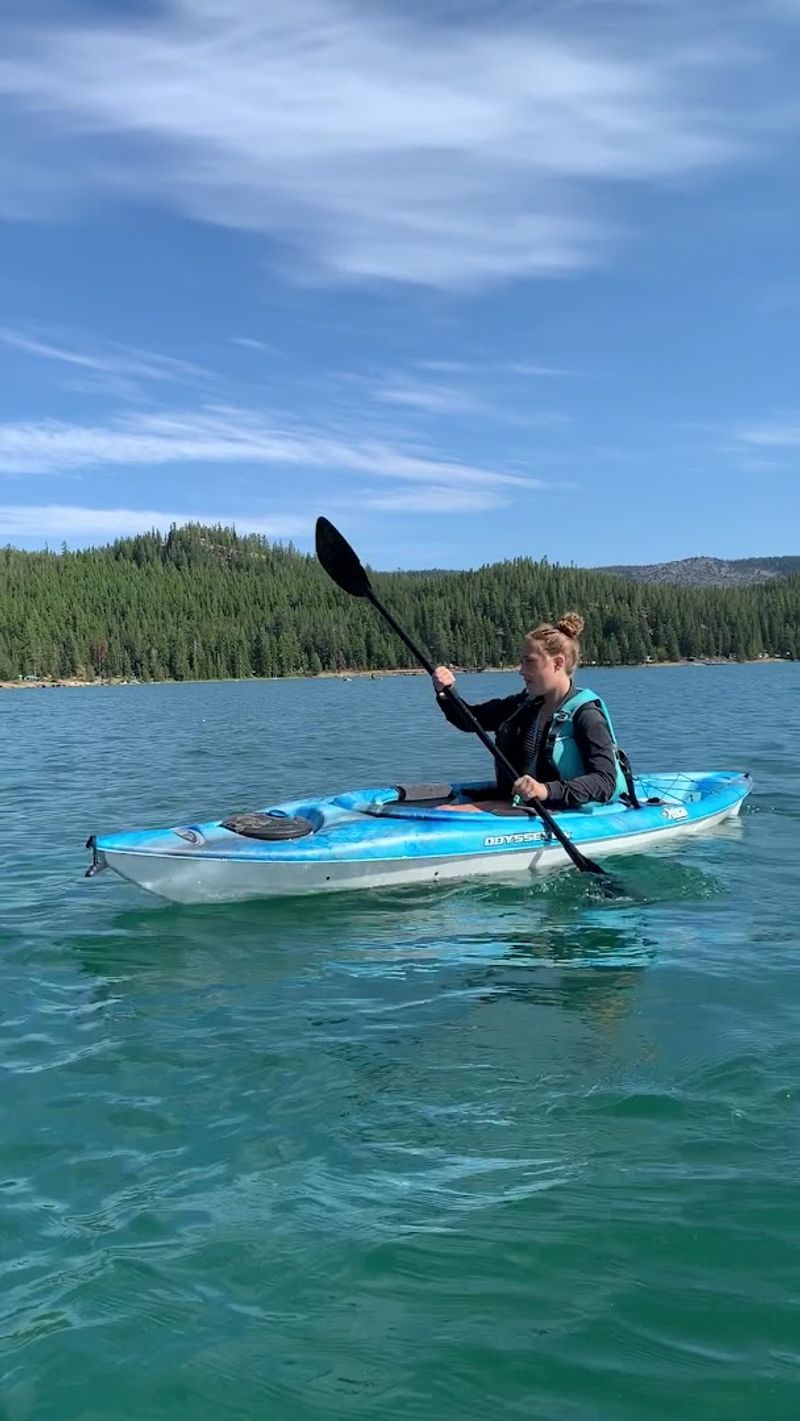
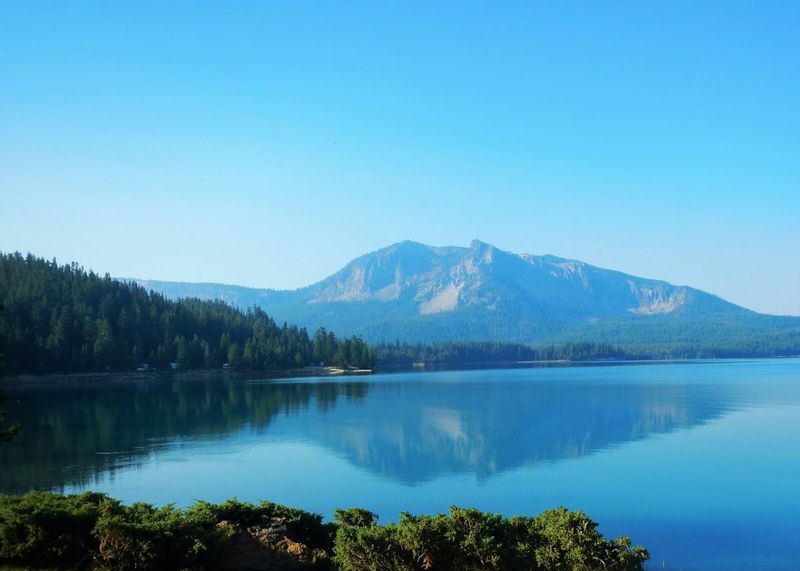
Gliding across Paulina Lake on a paddleboard feels genuinely meditative. The water is calm most mornings, and the caldera walls rise up around you on every side.
It creates this incredible sense of being held inside something ancient.
Kayaking is equally popular here. Paddling close to the shoreline lets you notice small details, like steam rising near the hot spring areas and the rocky volcanic edges dipping into the water.
The lake sits at around 6,331 feet elevation, so the air feels crisp and clean.
There is a 10 mph speed limit across the entire lake. That rule keeps things peaceful and safe for everyone on the water.
Rentals are available nearby if you did not bring your own gear.
Mornings tend to be the calmest time to paddle. Afternoon winds can pick up and create choppier conditions.
Starting early also means you get the lake mostly to yourself, which makes the whole experience feel even more special and unhurried.
The Natural Hot Springs Along the Shore
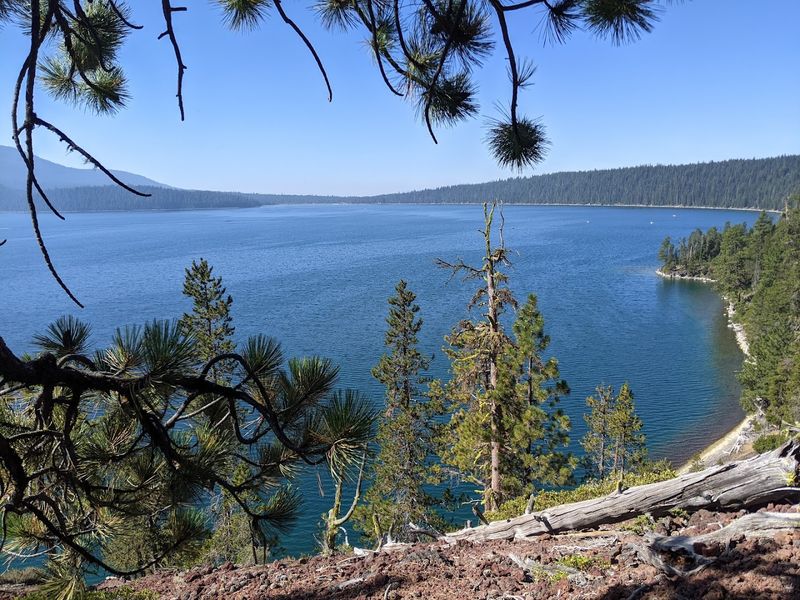
Finding the hot springs at Paulina Lake feels like stumbling onto something the earth is doing quietly and without any fanfare. Small geothermal pools bubble up near the lakeshore, warm and completely natural.
The contrast between the cool lake water and the hot spring pools is genuinely refreshing.
The hike to reach the main hot spring area is about 1.5 miles from the trailhead. It is not a difficult trail, but the volcanic terrain adds some texture to the walk.
Wear shoes with decent grip just to be safe.
Sitting in the warm pools with the lake stretched out in front of you is a very particular kind of calm. There are no structures, no facilities, and no signs telling you what to do.
It feels primitive in the best possible way.
Arriving early in the morning is the smartest move. The springs can attract crowds by midday during summer.
An early start means you get that rare window of stillness before the day fully opens up around you.
Fishing for Kokanee and Brown Trout
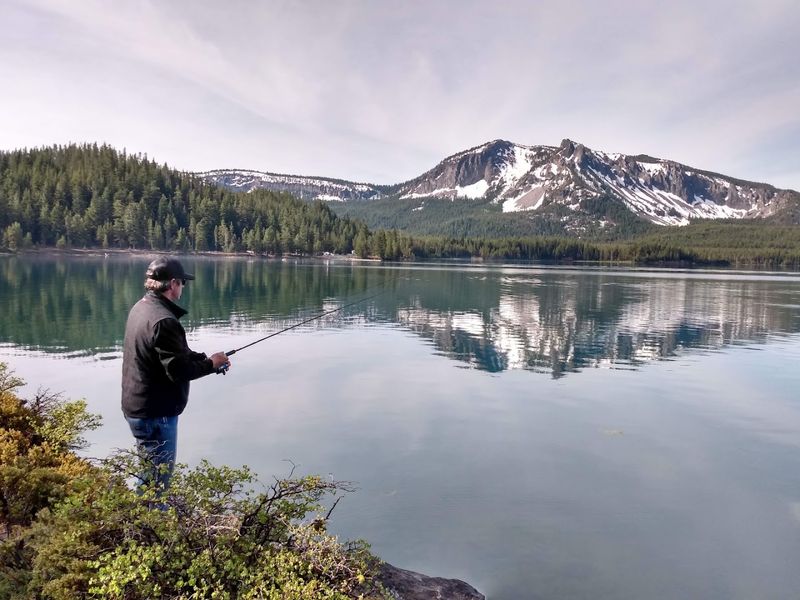
Paulina Lake has a reputation among anglers that goes well beyond Central Oregon. The kokanee salmon fishing here can be exceptional, and the brown trout are a genuine challenge that rewards patience.
Local knowledge matters a lot on this lake.
Brown trout tend to be most active in the early morning and late evening hours. Timing your session around those windows makes a real difference.
The lake also has a 10 mph speed limit, which keeps the water calm and ideal for fishing from a boat.
Shore fishing is absolutely possible here. There are good spots to wade and cast along various sections of the shoreline.
Some anglers swear by early morning sessions timed around the lunar calendar for the best results.
Boats and gear are available for rent nearby, which is helpful if you traveled light. Fishing licenses are required and can be sorted out before your visit.
The scenery alone makes sitting out on the water worthwhile, even on slower fishing days.
Camping Inside the Volcanic Caldera
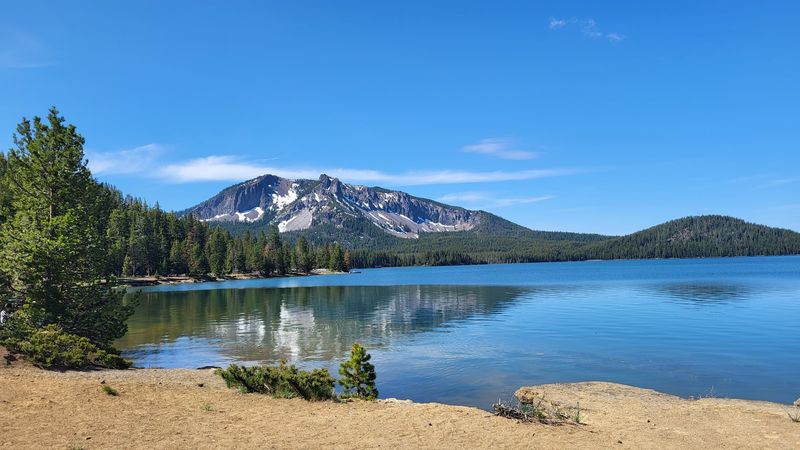
Waking up inside a volcanic caldera with a lake view is not something most people get to experience. Camping at Paulina Lake puts you right in the middle of that reality.
The campsites sit close enough to the water that you can hear the lake moving at night.
The bathrooms at the campground are well maintained, which makes a noticeable difference on a multi-night stay. Several sites offer views that would cost a fortune at a resort.
The no-cell-signal situation is actually one of the best parts.
Unplugging completely for a few days resets something in your brain. You start noticing wildlife more.
Deer, birds, and other animals move freely through the area around the lake. The campground fills up quickly in summer, so booking ahead is strongly recommended.
Pack strong bug spray. The mosquitoes here are legendary and will find you regardless of how well you think you are protected.
A good head net is also worth bringing if you are camping during peak bug season in early summer.
Hiking the Trails Around the Lake
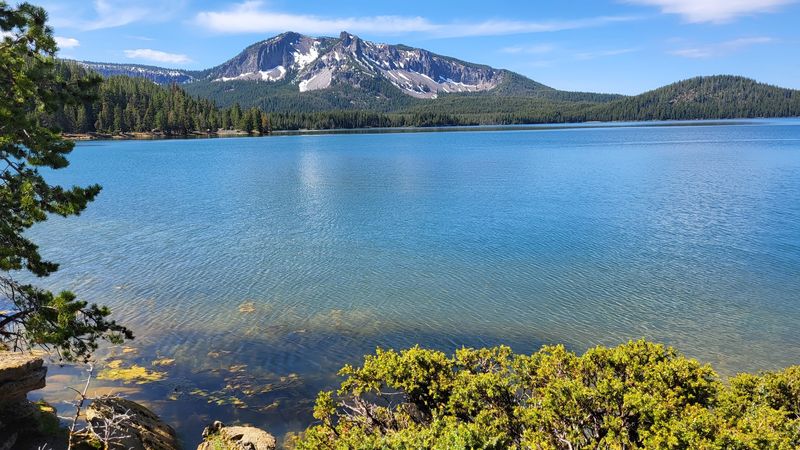
The trail system around Paulina Lake gives you a completely different relationship with this place compared to just driving in and looking at it. Walking the perimeter trail puts you at eye level with the volcanic shoreline, the lava outcroppings, and the dense forest.
It changes how you see everything.
The main loop around the lake is manageable for most fitness levels. There are sections with stunning lake views and others that feel more enclosed by trees, which creates a nice rhythm to the walk.
Side trails branch off toward the hot springs and lava fields.
Wildlife sightings are common on the trails. Keep your eyes open and your noise level down.
The area supports a healthy population of birds, deer, and other forest creatures that are easy to spot if you move quietly.
Trail conditions can vary by season. Spring visits may mean muddy patches or even snow at higher elevations.
Layers are a smart choice regardless of what the forecast says, because mountain weather shifts fast and without much warning.
The Obsidian Flow and Lava Fields
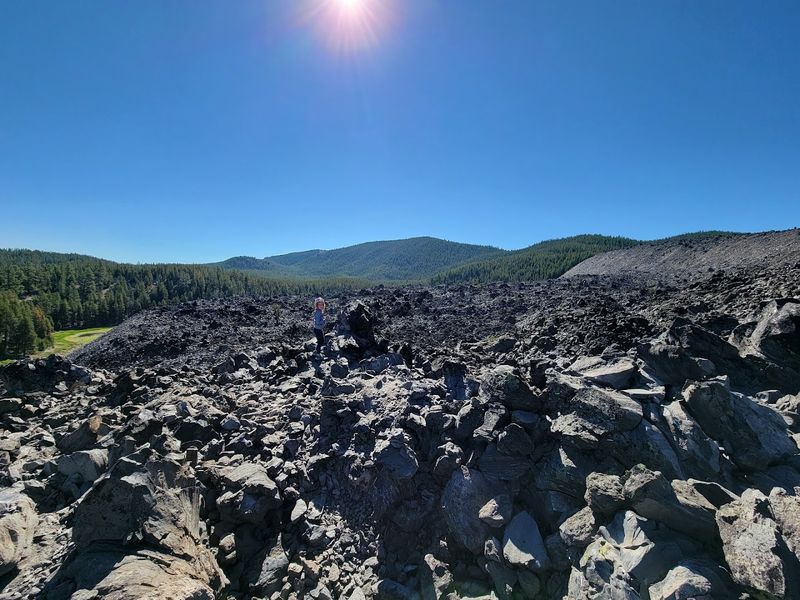
The Big Obsidian Flow near Paulina Lake is one of the most visually striking geological features in Oregon. Walking across a field of shiny black volcanic glass feels genuinely alien.
The obsidian catches sunlight and throws it back at you in unexpected ways.
This lava flow is relatively young in geological terms, having erupted around 1,300 years ago. A boardwalk trail winds through the flow and keeps visitors on a safe path.
The interpretive signs along the route explain what happened here in plain, fascinating terms.
Rockhounding is popular in this area. Obsidian pieces are scattered throughout the monument, though collecting is regulated.
Check the current rules before picking anything up from the ground.
The contrast between the black lava and the blue lake visible in the distance is something worth photographing. The two landscapes feel like they belong to different planets.
Visiting the obsidian flow and the lake together on the same day gives you a real sense of just how geologically active this corner of Oregon has been.
Paulina Creek Falls
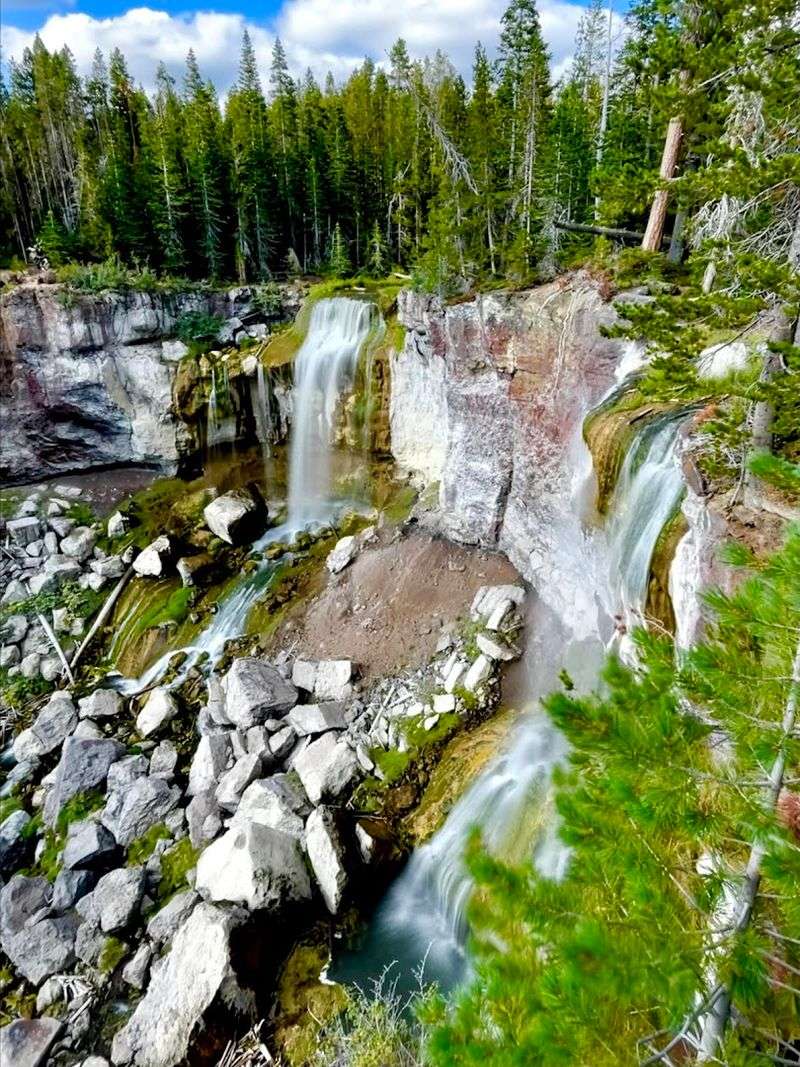
Paulina Creek originates at Paulina Lake and eventually tumbles over a dramatic volcanic edge to create Paulina Creek Falls. The waterfall drops around 80 feet and produces a constant roar that you hear before you see it.
Standing near the base feels genuinely powerful.
The falls are accessible via a short trail that is suitable for most visitors. The path winds through a cool, shaded forest corridor that provides welcome relief on warm summer days.
Interpretive information along the route explains how the volcanic caldera drains to form this creek.
Photography conditions at the falls are best in the morning when the light filters through the trees at a low angle. The mist from the falls can reach you on the trail if you get close.
A light waterproof layer for your camera gear is worth considering.
Some visitors drive in and walk just a short distance to the main viewing area. Others build a longer hike around the creek and falls as part of a bigger exploration day.
Both approaches are completely valid and rewarding in their own way.
Wildlife Watching in the Monument
The wildlife around Paulina Lake is one of those things that sneaks up on you. You come for the lake and the geology, and then a deer walks out of the tree line ten feet away.
The caldera environment supports a surprisingly rich variety of animals.
Birds are especially active here. Osprey hunt over the lake surface with impressive precision.
Smaller songbirds fill the forest with sound from early morning onward, and waterfowl can often be spotted near the marshy edges of the shoreline.
Mammals are present too, though they tend to be more elusive. Deer are relatively common and often unbothered by quiet visitors.
Moving slowly and speaking softly increases your chances of meaningful wildlife encounters significantly.
Dawn and dusk are the most productive times for watching animals. The light is also better for photography during those windows.
Bringing a pair of binoculars adds a lot to the experience, especially for birdwatching along the trail and from the campsite in the early morning hours.
Planning Your Visit to Paulina Lake
Getting to Paulina Lake requires a drive of about 25 miles south of Bend, Oregon. The road into the monument is paved for most of the route but transitions to a rougher surface as you climb toward the caldera.
A standard passenger car handles it fine in good conditions.
Summer is the busiest season and for good reason. The weather is warm, the trails are open, and the lake is at its most inviting.
Spring and fall offer solitude but come with unpredictable weather, including the possibility of snow even in late spring.
Bring more bug spray than you think you need. The mosquitoes at Paulina Lake are genuinely intense during early summer.
Repellent with a high DEET concentration is the practical choice if you plan to spend time outdoors after sunset.
There are lodge facilities in the area where you can grab a meal and get out of the sun. Planning a full day rather than a quick stop is the right approach.
This place rewards the visitors who slow down and let it unfold.
Dear Reader: This page may contain affiliate links which may earn a commission if you click through and make a purchase. Our independent journalism is not influenced by any advertiser or commercial initiative unless it is clearly marked as sponsored content. As travel products change, please be sure to reconfirm all details and stay up to date with current events to ensure a safe and successful trip.
