Just a short drive from the chaos of an international airport, this Virginia park feels like a secret that most people somehow missed.
The moment I turned onto the road, the noise of Northern Virginia just faded away, replaced by the rustle of trees and the distant call of birds.
Spread across 357 acres, this park holds something genuinely rare: a preserved slice of colonial-era life that most visitors do not even know exists.
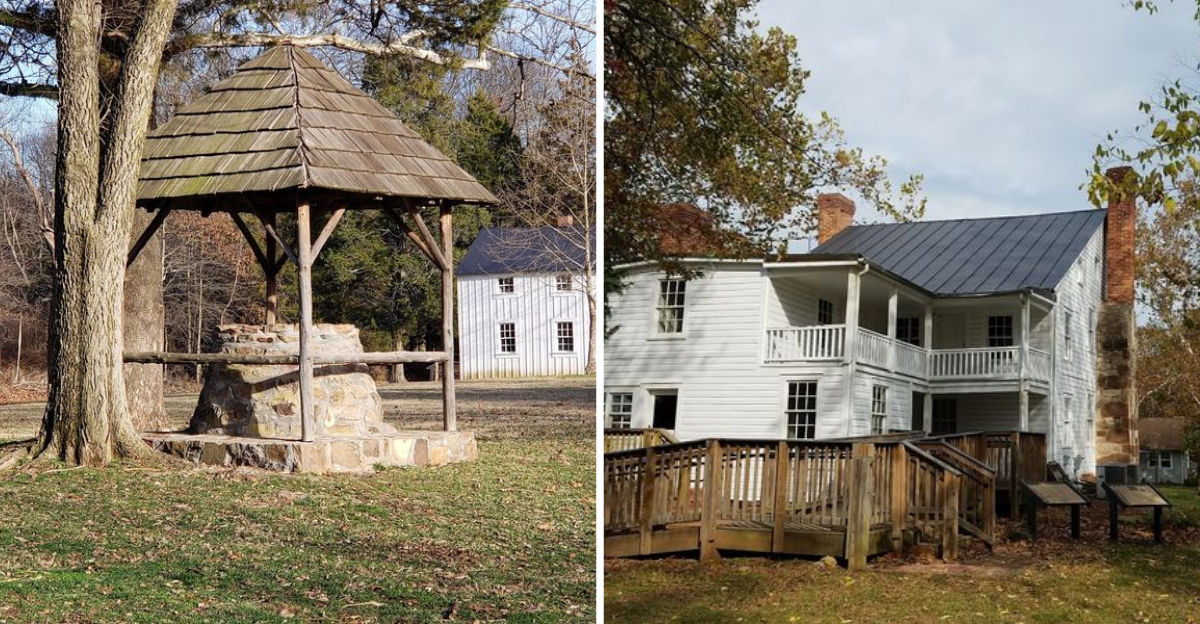
A heritage area sits quietly within the park, sheltering buildings that date back to the 1770s, a ghost village frozen in time.
I spent an afternoon wandering trails that wind through forests, meadows, and past shimmering ponds, each turn revealing something new.
This is one of those places that rewards the curious, the patient, and anyone willing to wander just a little off the beaten path.
The Lanesville Heritage Area: A Colonial Ghost Village Hiding in Plain Sight
There is something quietly unsettling about standing in front of a building that has been there since before the United States existed.
The Lanesville Heritage Area is the historical heart of Claude Moore Park, and it preserves a cluster of structures that span more than two centuries of American life.
It does not shout for attention, which is exactly what makes it so compelling.
The area is often called a colonial ghost village because the buildings remain intact but the community that once thrived here is long gone.
That contrast between the physical presence of the structures and the absence of the people who used them gives the place an eerie, reflective atmosphere.
You can almost hear the echo of daily life in every weathered plank and mossy stone foundation.
Monthly tours of the Lanesville House and the schoolhouse are offered, giving visitors a guided look at what life actually looked like in this corner of Virginia centuries ago.
Visiting without a tour is still worthwhile, since the grounds are open and the exteriors alone tell a rich story.
If you have any interest in early American history, this area deserves far more time than most people give it.
Vestal’s Gap Road: An Ancient Trail That Shaped American History
Few walking paths in Virginia carry the kind of weight that Vestal’s Gap Road does.
This old road began as an American Indian trail and evolved into the primary overland route from Alexandria heading westward, serving travelers from the 1690s all the way until 1825 when the Leesburg Pike finally replaced it.
That is over a century of boots, hooves, and wagon wheels wearing down the same ground you walk on today.
The road played active roles in the French and Indian Wars, the Revolutionary War, and the War of 1812.
Soldiers, merchants, and ordinary families all moved along this corridor, carrying news, supplies, and stories across the Virginia landscape.
Its place on the National Register of Historic Places is well earned and not just a formality.
Walking this stretch now, it is easy to forget how significant the path beneath your feet really is.
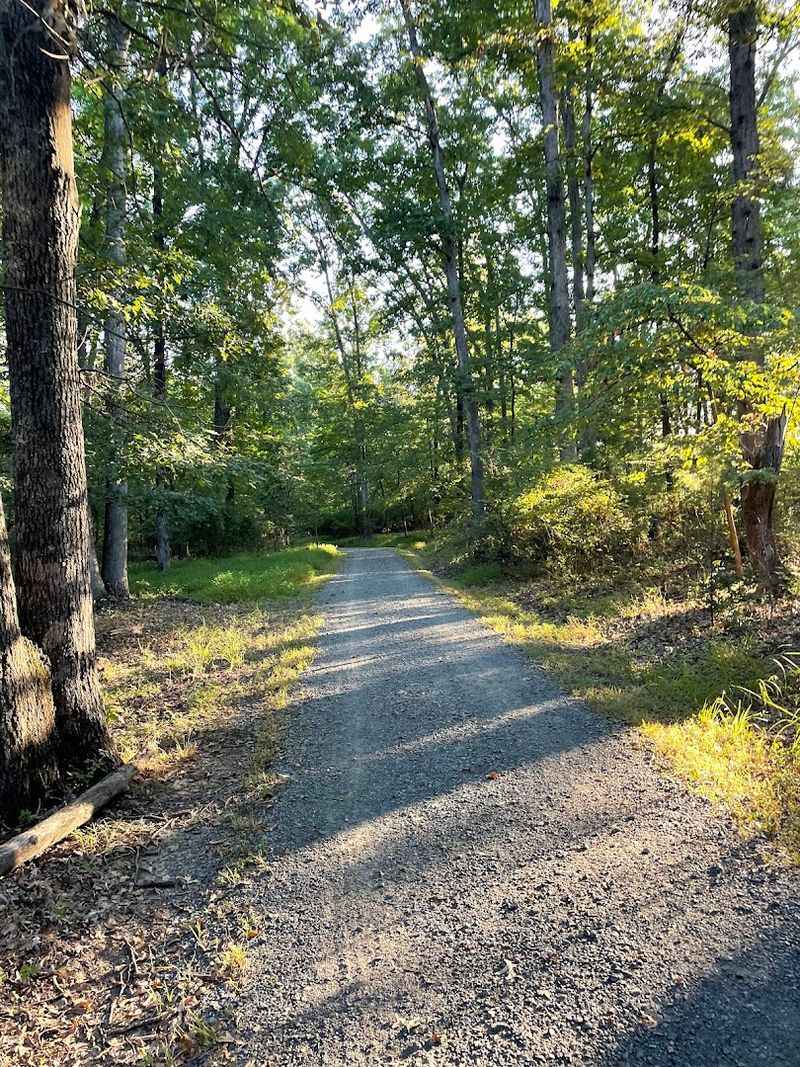
The forest closes in on both sides, the light filters through the canopy, and the noise of modern life disappears almost completely.
Bringing a bit of curiosity and maybe a trail map makes the experience even richer. History does not always announce itself loudly, and Vestal’s Gap Road is proof of that quiet power.
The Lanesville House: A 1770s Ordinary That Served Weary Travelers
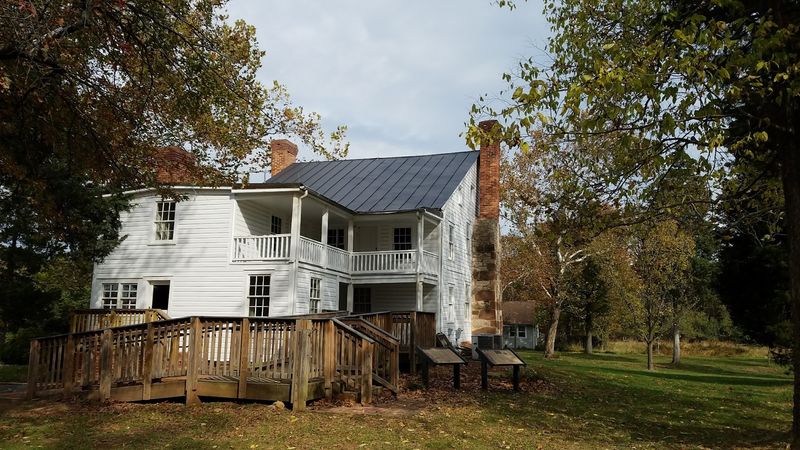
The Lanesville House has a personality all its own. Built in the 1770s, this structure served as an ordinary, which was essentially a rest stop and inn for travelers making the long journey along Vestal’s Gap Road.
By 1807 it was also operating as a post office, making it a genuine hub of communication and commerce in a time when those things required real physical effort to maintain.
What strikes me most about this building is how lived-in it still feels, even after all these years. The walls hold layers of history that no museum exhibit could fully replicate.
Ordinary travelers, soldiers passing through, and local families all moved through this space, and you can feel that accumulated human presence in a way that is hard to describe but easy to sense.
Monthly tours give visitors the chance to go inside and hear the full story from knowledgeable guides. The tours are not long, but they are genuinely informative and never feel like a lecture.
Going on a clear morning when the light hits the old structure just right makes the whole experience feel cinematic.
The Lanesville House is not flashy, but it is one of the most authentically historic buildings you will find in all of Loudoun County.
Bridges’ Schoolhouse and the Frogshackle Nature Center: Two Buildings, Two Eras
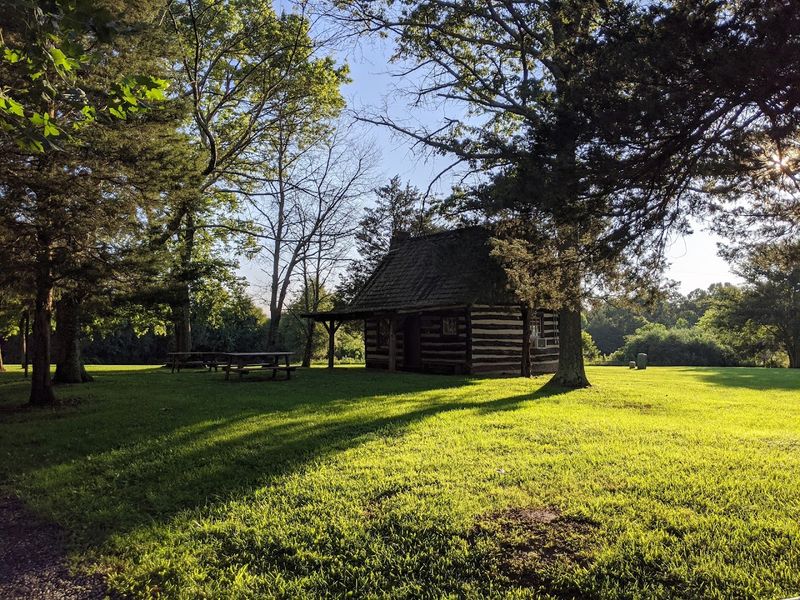
Not every building in the Lanesville Heritage Area is from the colonial period, and that variety is part of what makes the area so interesting.
Bridges’ Schoolhouse was built in the 1870s and carefully restored in 2014, giving visitors a look at post-Civil War rural education in Virginia.
One-room schoolhouses like this one were the center of community learning for generations of children who had very few other options.
Right alongside that story sits the Frogshackle Nature Center, a mid-1700s log cabin that was relocated to the park in the 1960s. The name alone is enough to make you stop and look twice.
The cabin now serves as a nature education space, bridging the gap between the park’s historical identity and its role as a living natural environment.
Together, these two buildings represent very different chapters of American rural life, and seeing them side by side creates an unexpectedly rich conversation between eras.
Kids especially seem to respond to the Frogshackle cabin because it looks exactly like something from a storybook.
Adults tend to linger a bit longer at the schoolhouse, maybe imagining what a school day felt like with no electricity, no cafeteria, and a single teacher managing every grade at once. Both buildings are worth a slow, unhurried look.
Over 11 Miles of Trails Through Forests, Meadows, and Ponds
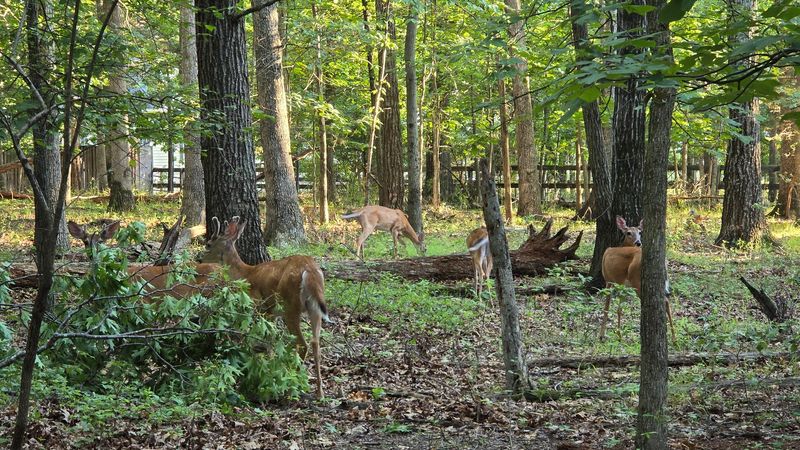
Claude Moore Park has over 11 miles of trails, and no two sections feel quite the same. Some paths cut through dense woodland where the tree canopy blocks out most of the sky.
Others open up into wide meadows where you can actually see the horizon, which feels surprisingly rare in this part of Northern Virginia.
The ponds are a highlight that sneaks up on you. Rounding a bend and suddenly finding a calm stretch of water surrounded by reeds and trees is the kind of small surprise that makes a hike feel genuinely rewarding.
The trails are not paved in the heritage area, so comfortable shoes matter, but the terrain is mostly level and manageable for a wide range of fitness levels.
Fishing is allowed in the two ponds, and on any given weekend you will spot a few people sitting quietly at the water’s edge with a line in the water.
The park is open 24 hours, which means early morning visits are entirely possible and honestly some of the best.
Mist sitting over the ponds at dawn, birdsong filling the air, and almost no other people around is the kind of experience that makes you wonder why you do not come here more often.
Wildlife and Birdwatching: Over 150 Species Call This Park Home
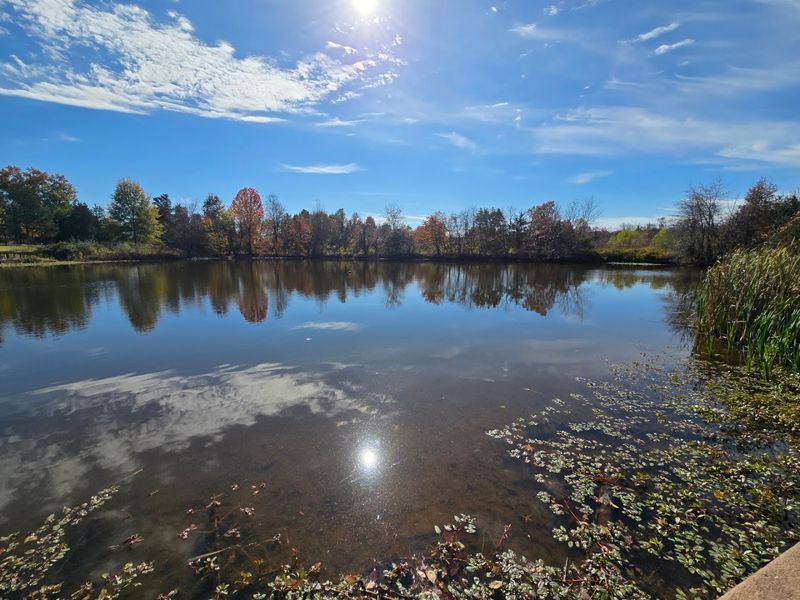
The wildlife at Claude Moore Park is genuinely impressive for a park this close to a major airport and a dense suburban area.
Over 150 bird species have been recorded here, which makes it a real destination for birdwatchers who know what they are looking for.
Herons, geese, owls, and a rotating cast of migratory visitors show up throughout the year, keeping the experience fresh no matter when you visit.
Deer are common enough that seeing one rarely causes much excitement among regular visitors, but newcomers always stop and stare.
Smaller mammals, reptiles, and amphibians round out the ecosystem, and the ponds support fish populations that attract both anglers and wildlife watchers.
The biodiversity packed into 357 acres is genuinely surprising.
Bringing binoculars makes a real difference, especially near the water where herons tend to stand motionless for long stretches before making their move.
Early morning and late afternoon are the most active windows for wildlife activity.
Even without any specific goal, just moving slowly and paying attention to what is happening in the trees and undergrowth turns a simple walk into something much more engaging.
The park rewards patience in a way that feels almost old-fashioned and completely refreshing.
The Visitor Center, Discovery Room, and Loudoun Heritage Farm Museum
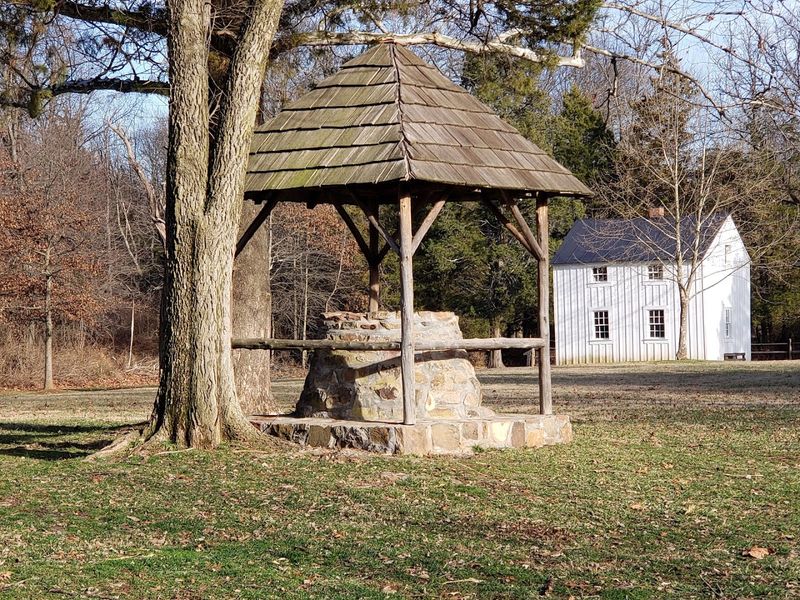
The Visitor Center at Claude Moore Park is a good first stop, especially if you are bringing kids or visiting for the first time.
Inside, the Discovery Room offers hands-on activities and live animal displays that make the park’s natural environment feel tangible and accessible.
It is the kind of space where children actually engage rather than drift toward their phones, which is a genuine accomplishment.
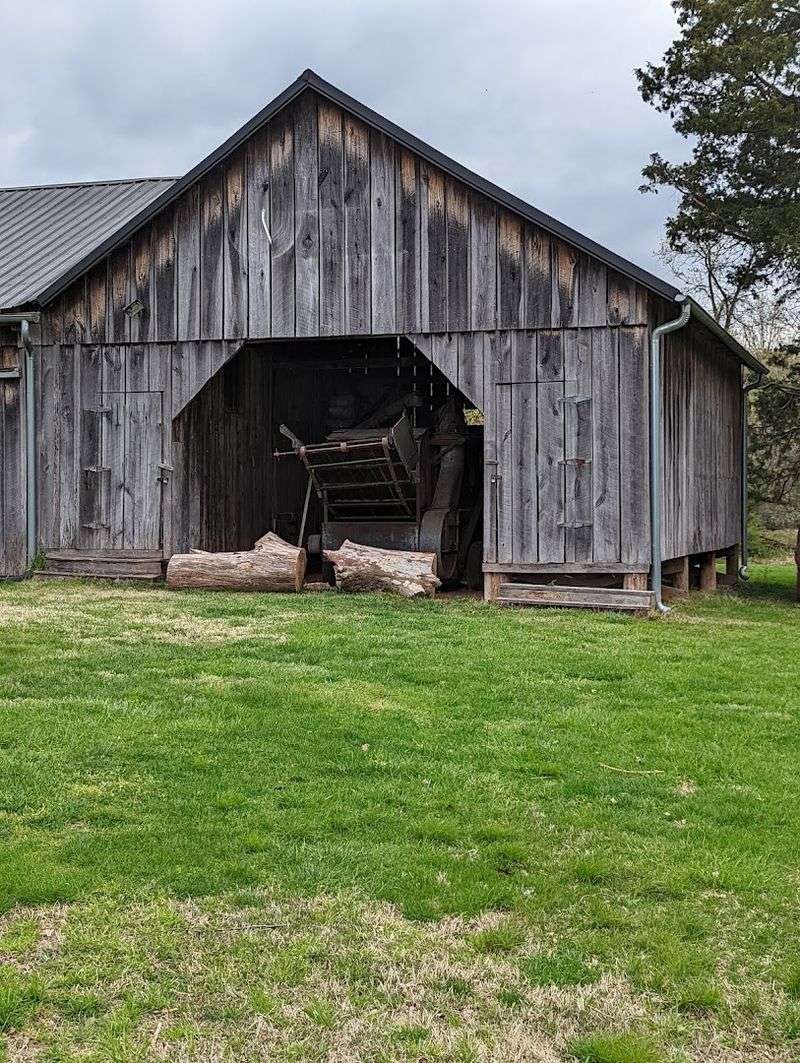
The Loudoun Heritage Farm Museum adds another layer to the experience by connecting the park’s historical identity to the broader agricultural story of Loudoun County.
Farm life shaped this entire region for centuries, and the museum does a thoughtful job of making that story feel relevant rather than dusty.
Exhibits cover tools, techniques, and the rhythms of rural life in a way that does not require any prior knowledge to appreciate.
Picnic pavilions are scattered through the park, making it easy to extend a visit into a full afternoon. Parking near the visitor center can get tight on busy weekends, so arriving early solves that problem before it starts.
The combination of hands-on education, historical depth, and outdoor space makes Claude Moore Park one of the most complete park experiences in all of Loudoun County.
Address: 21610 Old Vestals Gap Rd, Sterling, VA 20164.
