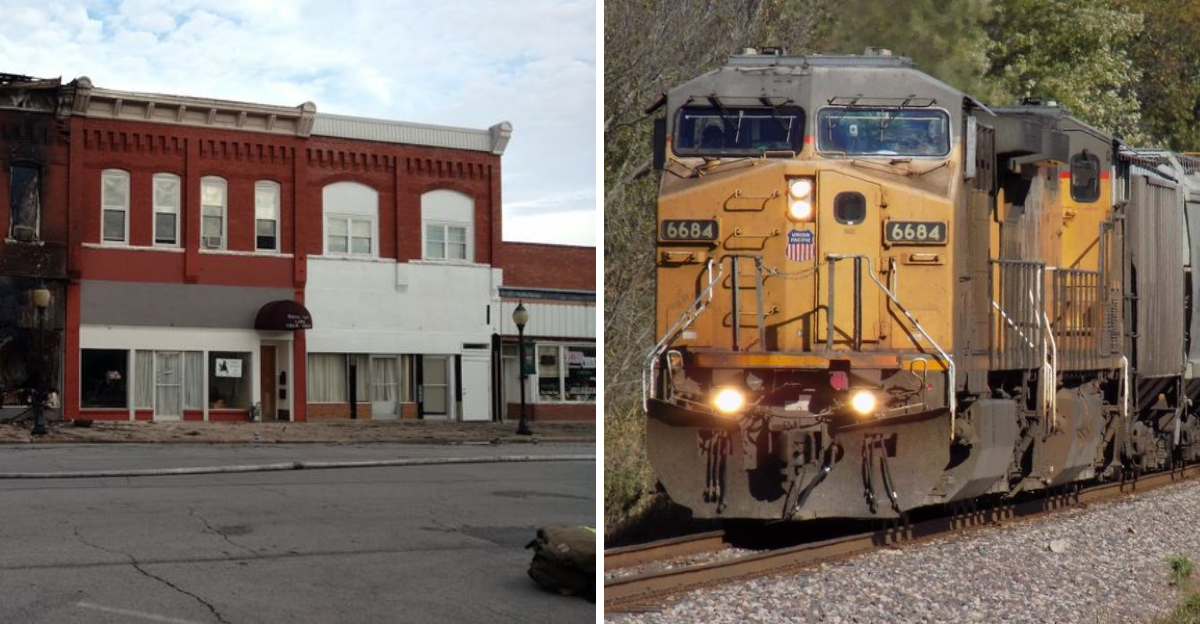
Wagoner isn’t abandoned, and it isn’t fading away. It’s a working town with deep roots, the kind of place where history feels present without being staged.
Instead of tumbleweeds and empty streets, you’ll find brick buildings, a steady rhythm of daily life, and reminders that this community helped shape early Oklahoma. In 1896, Wagoner became the first incorporated city in Indian Territory, a distinction that still sets it apart.
That early start left its mark. The layout, the courthouse square, and the long-standing storefronts all hint at a time when this was a center of territorial activity.
Walking its streets today feels less like exploring ruins and more like stepping into a town that simply chose not to reinvent itself every decade. The past isn’t preserved behind glass here.
It’s built into the sidewalks, written into the architecture, and carried forward by the people who continue to call Wagoner home.
The Weight of Being First
Being the first incorporated city in Indian Territory should have made Wagoner a household name. Instead, it became one of those fascinating footnotes in history books that most people skip right over.
The town earned its place in the record books on January 4, 1896, when it officially became a city before Oklahoma was even a state.
That distinction carries a certain heaviness when you walk through town today. You can almost feel the weight of all those years pressing down on the streets.
The buildings remember when this place buzzed with the energy of pioneers and settlers carving out new lives in untamed territory.
What strikes you most is how Wagoner hasn’t tried to turn its history into a tourist trap. There are no giant billboards screaming about its historical importance.
The town just exists, quietly holding onto its stories like an old photograph tucked in a drawer.
Wagoner is home to roughly 8,000 residents, which isn’t much considering its head start on every other town in the region. Walking past the old structures, you wonder what it was like when this was the only official city for miles around.
That pioneering spirit hasn’t completely disappeared, but it’s definitely taken on a quieter, more introspective quality over the past century and change.
Streets That Remember Everything
The streets in Wagoner have this uncanny ability to make you feel like you’re being watched by the past. Not in a creepy way, exactly, but more like the pavement itself has absorbed over a century of footsteps and conversations.
Every crack in the sidewalk tells a story if you’re patient enough to listen.
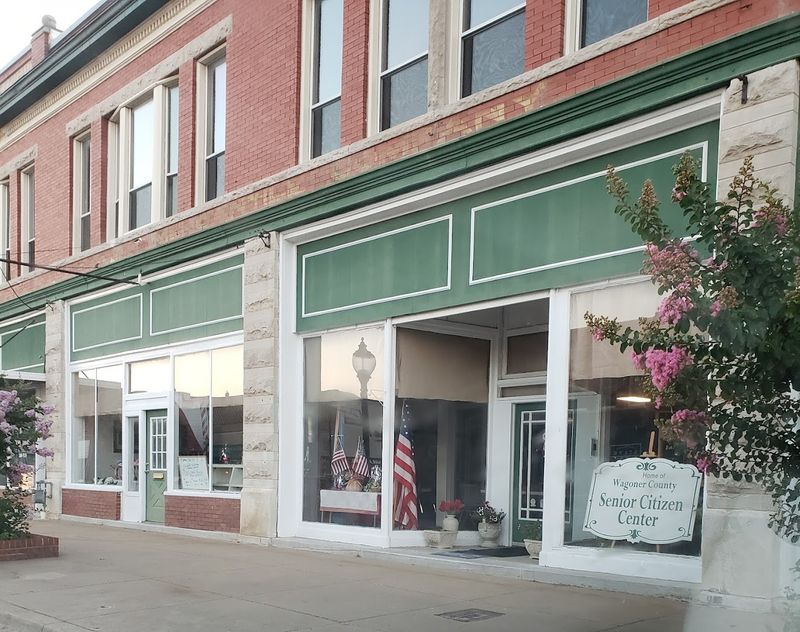
Main Street runs through town like a timeline you can walk. Some of the buildings date back to those early territorial days, their brick facades weathered but still standing strong.
Others came later, filling in gaps as the town grew, but they all share that same quality of stubborn permanence.
What gets you is the quietness. You expect a town with this much history to be louder somehow, more insistent about its importance.
Instead, Wagoner lets you discover things at your own pace, like finding old letters in an attic.
The layout hasn’t changed much over the decades, which means you’re basically walking the same routes that territorial officials and early settlers took. That continuity creates an odd sensation, like you’re occupying two time periods simultaneously.
Modern cars pass by buildings that remember horse-drawn carriages. It’s disorienting in the best possible way, this collision of then and now happening on every corner.
The Courthouse Square Silence
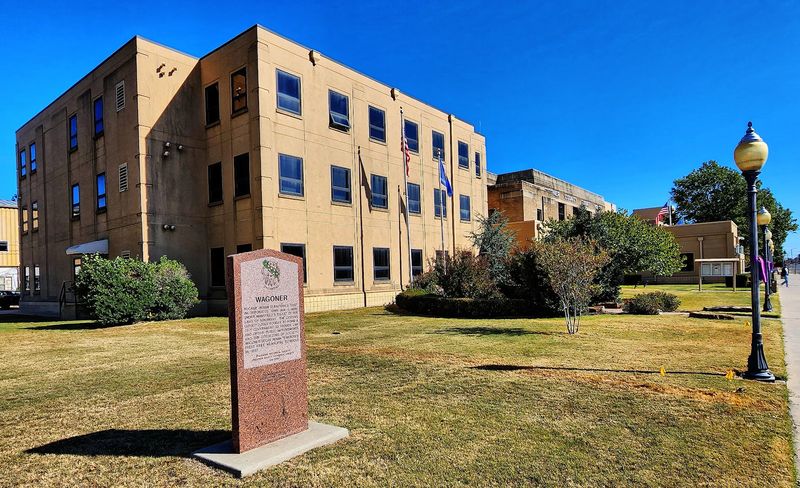
Courthouse squares usually serve as the beating heart of small towns, but Wagoner’s feels more like a held breath. The Wagoner County Courthouse anchors the town as county seat, a role it’s played since the county’s creation.
Standing in that square, you get the sense that big decisions were made here, lives changed direction, justice was served or denied.
The building itself isn’t flashy or imposing in the way some courthouses try to be. It’s solid and functional, built to last rather than to impress.
That practical approach to architecture tells you something about the people who settled here and the ones who stayed.
On weekdays, you’ll see people coming and going with paperwork and purpose, keeping the machinery of local government grinding along. But catch the square on a weekend or after hours, and it transforms into something else entirely.
The emptiness amplifies every sound, making your footsteps seem intrusive.
What haunts you about this space is thinking about all the moments that unfolded here. Every marriage license, every property dispute, every criminal case added another layer to the courthouse’s memory.
The building doesn’t advertise these stories, but they’re there in the worn steps and the way afternoon light falls through old windows, illuminating dust motes that have been dancing in this space for generations.
Railroad Ghosts and Iron Dreams
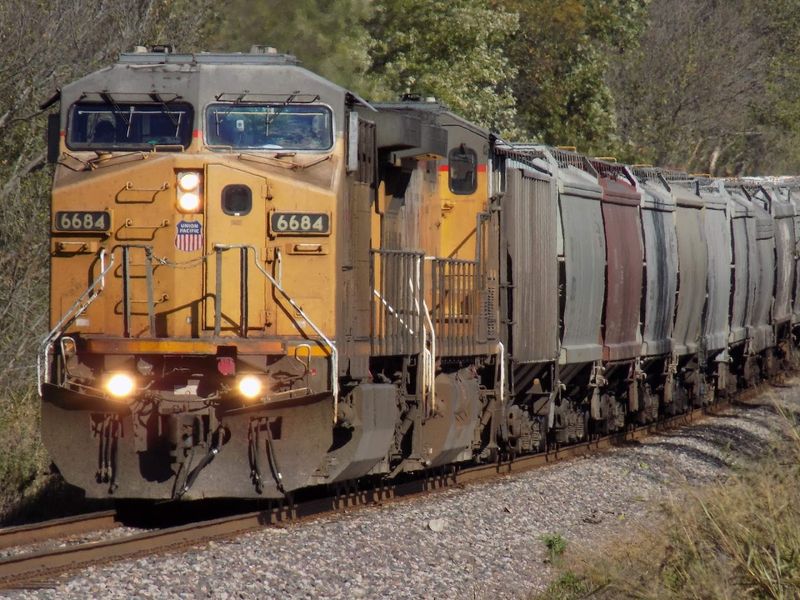
Railroads built towns and reshaped them just as quickly across Oklahoma, and Wagoner owes its entire existence to those iron rails. The Missouri, Kansas and Texas Railway, better known as the Katy, put Wagoner on the map when it laid tracks through Indian Territory.
Without that railroad connection, this place would never have become anything more than empty prairie.
You can still trace the railroad’s influence on the town’s layout and development. The tracks determined which side would grow faster than the other.
Property values rose and fell based on proximity to the depot. Fortunes were made and lost depending on whether your business could easily ship goods out or receive supplies in.
These days, the romance of rail travel has faded into nostalgia. Trains still pass through, but they don’t stop the way they used to, don’t bring the crowds and commerce that once kept Wagoner thriving.
That shift from vital transportation hub to just another stop on the line changed everything about the town’s trajectory.
Walking near the old railroad corridors, you can almost hear the phantom whistles and feel the ground trembling under heavy locomotives. The infrastructure remains, but the energy has dissipated.
It’s like visiting a stage after the actors have gone home, when all that’s left are empty sets and fading memories of performances long finished.
Buildings With Stories They Won’t Tell
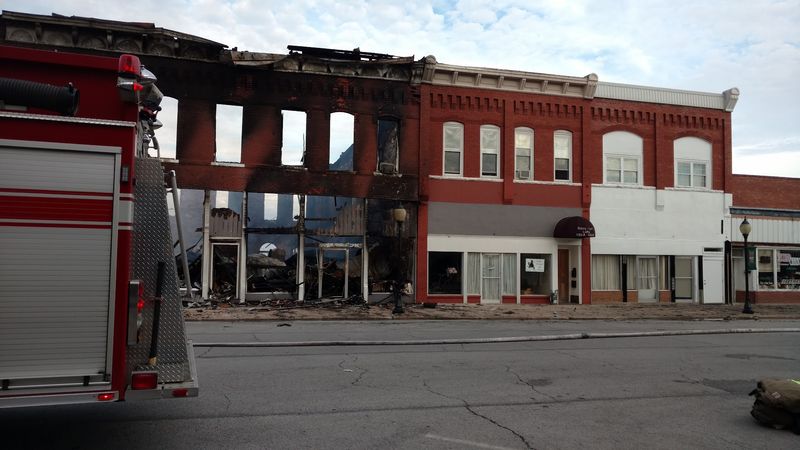
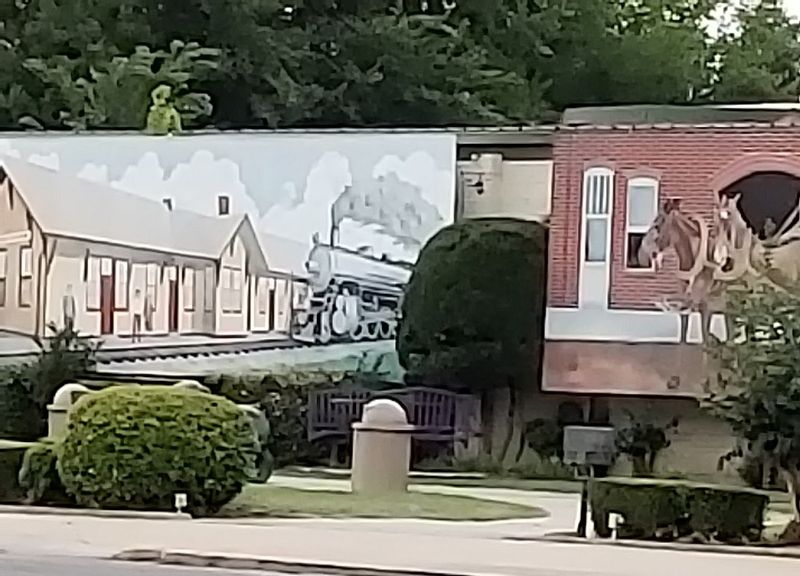
Every old building in Wagoner is keeping secrets. Some wear their age proudly with faded painted advertisements ghosting across brick walls, fragments of businesses that closed decades ago.
Others have been renovated and repurposed so many times that their original identities have been completely erased.
What makes these structures haunting isn’t their condition. Many are still in use, housing shops or offices or apartments.
It’s the knowledge that they’ve witnessed so much change while remaining fundamentally the same. The walls absorbed conversations in languages that are nearly extinct now, heard plans made by people whose descendants have long since moved away.
You’ll spot architectural details that modern construction doesn’t bother with anymore. Decorative cornices, intricate brickwork, windows positioned to catch natural light before electricity made that consideration obsolete.
These touches remind you that people once cared deeply about beauty and craftsmanship even in utilitarian structures.
Some buildings sit empty, their windows dark and their purposes forgotten. These are the ones that really get under your skin.
You can’t help but wonder what happened, why they were abandoned, what final transaction or tragedy led to their current state. The occupied buildings have moved on with new stories, but the empty ones are stuck, frozen at the moment they were last used, waiting for their next chapter.
The Population That Stayed
Around 7,600 people call Wagoner home, which raises an interesting question. What makes someone stay in a a town that moves at a slower pace than most?
The easy answer is family, roots, affordable living. But spend any time talking to locals and you’ll discover it’s more complicated than that.
There’s a certain kind of person who thrives in places like Wagoner. They’re not looking for constant stimulation or endless opportunities.
They want stability, community, a place where people still know their neighbors’ names. That small-town intimacy has its drawbacks, sure, but it also creates connections that bigger cities can’t replicate.
The population has remained relatively stable over the decades, never exploding into boom-town growth but never completely withering either. That steadiness is part of what gives Wagoner its frozen-in-time quality.
Towns that grow rapidly lose their character in the rush.
Wagoner is a town that moves at its own pace
Walking through residential neighborhoods, you see homes that have housed multiple generations of the same family. Kids play in yards where their grandparents played decades earlier.
That continuity creates a living history that’s different from the architectural kind. These are people who chose to stay or chose to return, who find something valuable in Wagoner that the rest of the world overlooks.
Their commitment to this place is what keeps it from becoming a true ghost town.
The Feeling You Can’t Quite Name
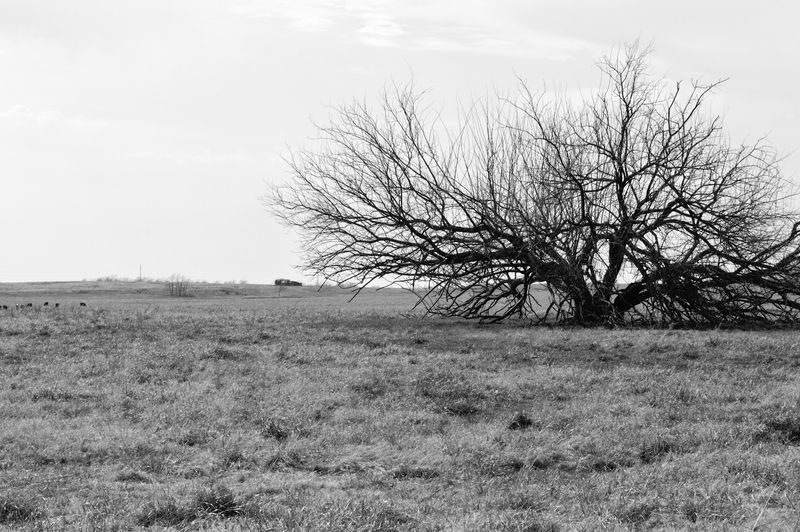
There’s an emotion that settles over you in Wagoner that doesn’t have a proper name. It’s not quite sadness, though there’s melancholy in it.
Not quite nostalgia, though it definitely makes you think about time passing. Maybe it’s something closer to recognition, like you’re seeing a future that could happen to any small town if circumstances shift just slightly.
This feeling hits hardest during those in-between times. Late afternoon when the light goes golden and soft, or early morning when fog clings to the streets.
The town looks almost dreamlike then, as if it might disappear completely if you blink too hard. You become hyperaware that you’re standing in a place that has grown steadily rather than rapidly.
Part of what makes Wagoner haunting is that it’s not dramatically ruined or picturesquely decayed. It’s just quietly persistent, continuing to exist without fanfare or recognition.
That understated quality is more unsettling than obvious abandonment would be. It forces you to confront the fact that significance isn’t permanent, that being first doesn’t guarantee being remembered.
The feeling follows you after you leave. Days later, you’ll catch yourself thinking about those empty storefronts, those patient buildings, those people who stayed.
Wagoner gets under your skin not through spectacle but through subtle insistence, a gentle reminder that history happens everywhere, even in places that don’t always make travel headlines.
Finding Wagoner Before More People Discover It
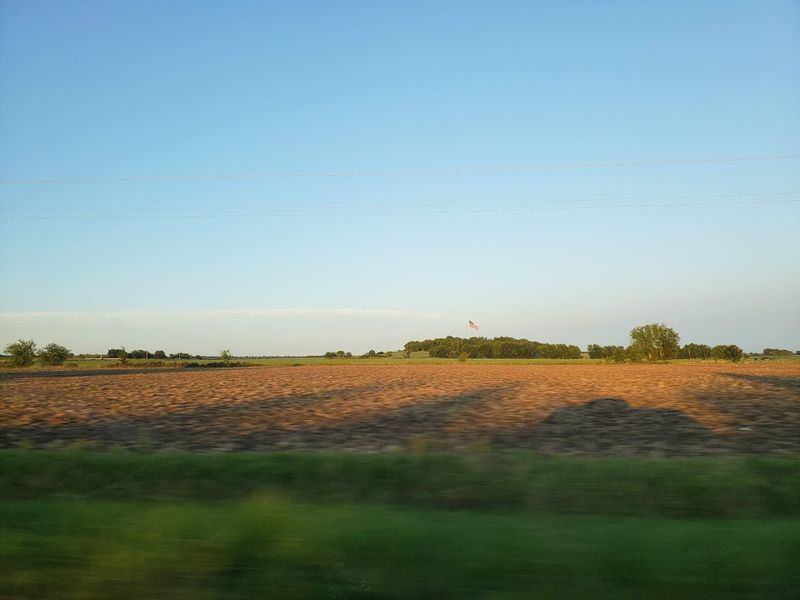
If you want to experience Wagoner, you’ll find it in northeastern Oklahoma, about 45 minutes southeast of Tulsa. The town sits at coordinates that GPS can locate easily enough, though finding it spiritually requires a different kind of navigation.
You need to arrive with patience and openness, ready to see beauty in stillness rather than activity.
The address is simply Wagoner, Oklahoma 74467, which covers the whole town rather than pointing to one specific attraction. That’s fitting, really, because Wagoner itself is the attraction.
You can’t just visit one building or monument and claim you’ve seen it. You have to wander, let yourself get a little lost, pay attention to details that seem insignificant at first.
Give yourself a few hours at minimum, ideally a full afternoon. Drive the streets slowly, park and walk when something catches your eye.
Talk to locals if they seem open to conversation. Many longtime residents have stories worth hearing if you’re willing to listen.
Don’t expect guided tours or interpretive signs explaining everything. Wagoner doesn’t package its history that way.
The best time to visit is probably weekdays when you can see the town functioning normally rather than dressed up for weekend visitors. Come with curiosity instead of expectations, and you’ll leave with something more valuable than photographs.
You’ll leave with that unnamed feeling, that awareness of time’s strange movements, that haunting sense of having touched something real and rare in an increasingly manufactured world.
Dear Reader: This page may contain affiliate links which may earn a commission if you click through and make a purchase. Our independent journalism is not influenced by any advertiser or commercial initiative unless it is clearly marked as sponsored content. As travel products change, please be sure to reconfirm all details and stay up to date with current events to ensure a safe and successful trip.
