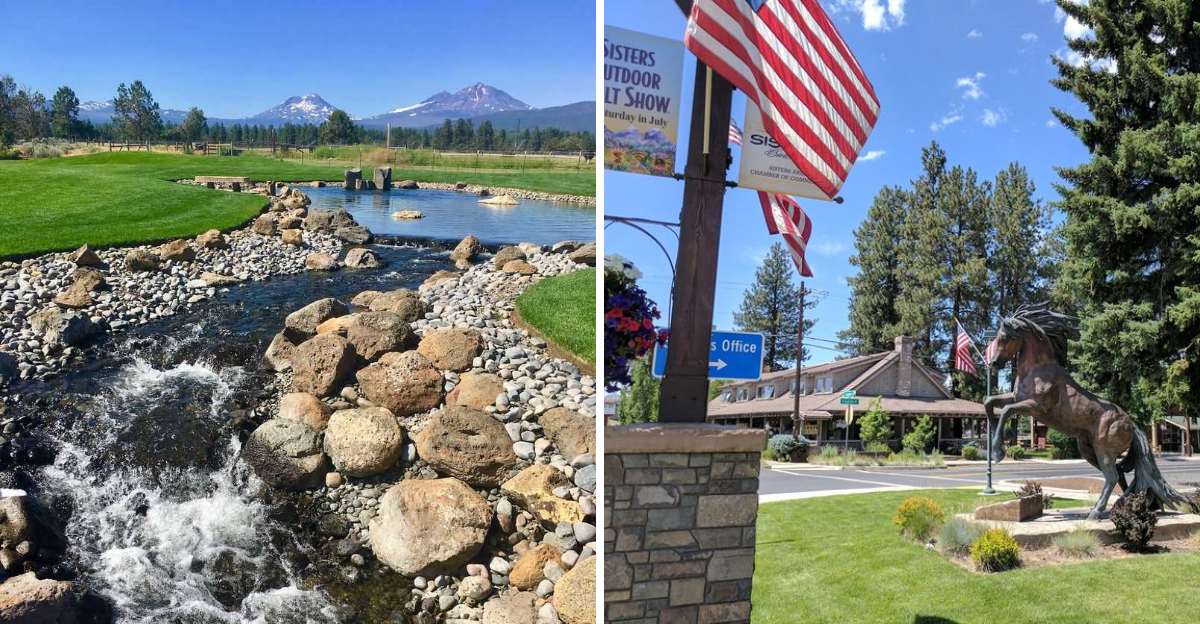
You know those towns that show up on every “must-visit” list, and by the time you get there, you’re fighting for parking? This Oregon mountain town isn’t that place. It has the kind of views that make you stop and stare, but somehow stays refreshingly under the radar.
The downtown is walkable and charming, with old-fashioned storefronts, local coffee shops, and the Cascade peaks towering in the background. The food scene is surprisingly good, and the outdoor access is world-class. The best part? It costs far less than the more famous mountain towns nearby.
Come for the views, stay for the pace, and enjoy a place that still feels like a discovery. Oregon’s most overlooked mountain town is waiting.
Where the Cascade Skyline Steals Every Glance
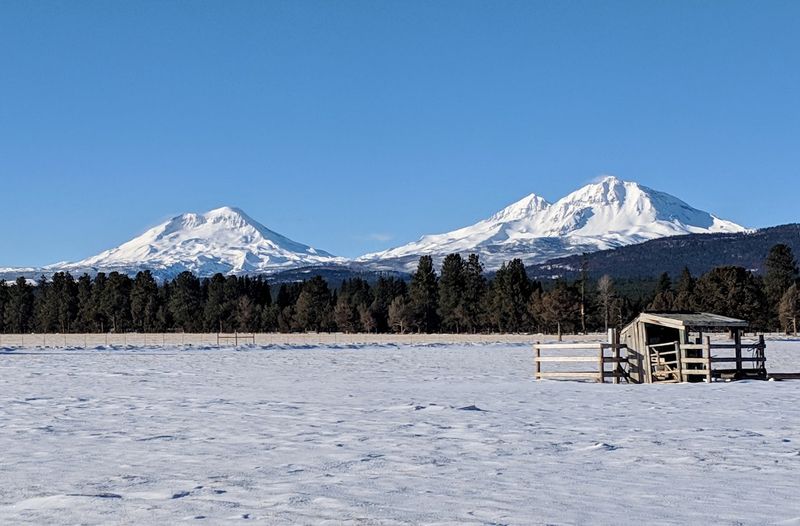
Three volcanic peaks stack up along the western horizon here, and old-timers nicknamed them Faith, Hope and Charity. Maps call them North, Middle and South Sister.
The town borrowed its name from that trio, which explains why nearly every street ends in a postcard. Cameras come out constantly. Morning light turns the snowfields soft pink, and by late afternoon the ridges settle into a deep blue that looks almost painted.
Best part? No gate or entrance booth stands between a visitor and that view. Pull over along Cascade Avenue, glance west, and the whole crest lines up. Snow clings to the summits well into June, so the scenery holds long past ski season.
Bring sunglasses. High desert light bounces hard off pale rock and wide open sky, especially around midday.
Photographers chasing quiet corners will find far fewer people here than at the busier pullouts closer to Bend, and the angles on the peaks feel more dramatic from this side. Sunset near the edge of town is the easy win. Stay a few minutes after the color fades.
An 1880s Frontier Main Street That Never Feels Like a Costume
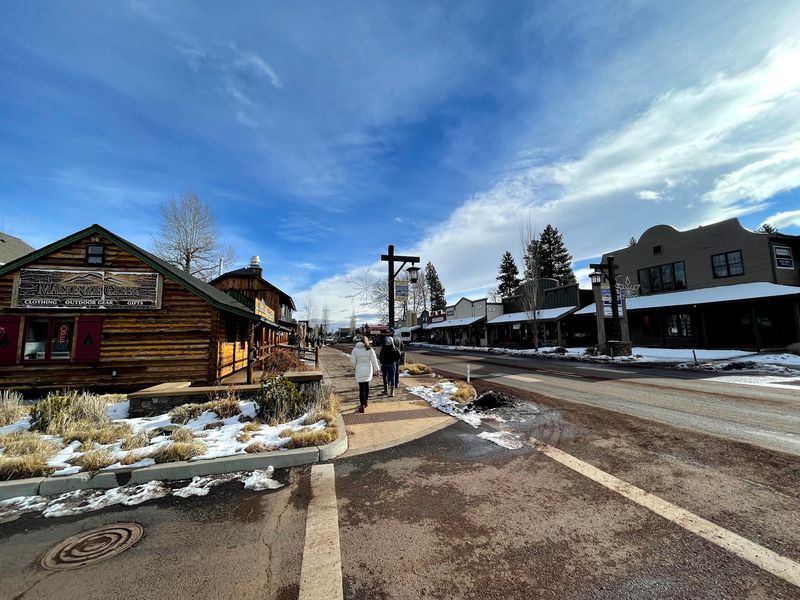
Wooden boardwalks, hand painted signs and covered porches run the length of the main street, and the look is no accident. Town rules have kept new buildings in an 1880s frontier style for decades. The result reads like a film set, except the hardware store is real and so is the line at the bakery.
Shops here lean toward small and independent. Expect galleries, bookshelves, outdoor gear, candy jars and quilting fabric within a few blocks of each other.
Parking sits mostly along Cascade Avenue and Hood Avenue, both easy to walk in a single loop. Take the side streets too. Some of the better finds hide half a block off the main drag, behind flower boxes and shady porches.
Benches show up often, which makes browsing feel unhurried rather than rushed. Locals chat on corners, dogs wait patiently outside doorways, and nobody seems in a hurry to move along.
Summer weekends bring more foot traffic, though even then the sidewalks stay comfortable. Come on a weekday morning for the calmest version of downtown.
Peterson Ridge, Singletrack That Starts at the Edge of Town
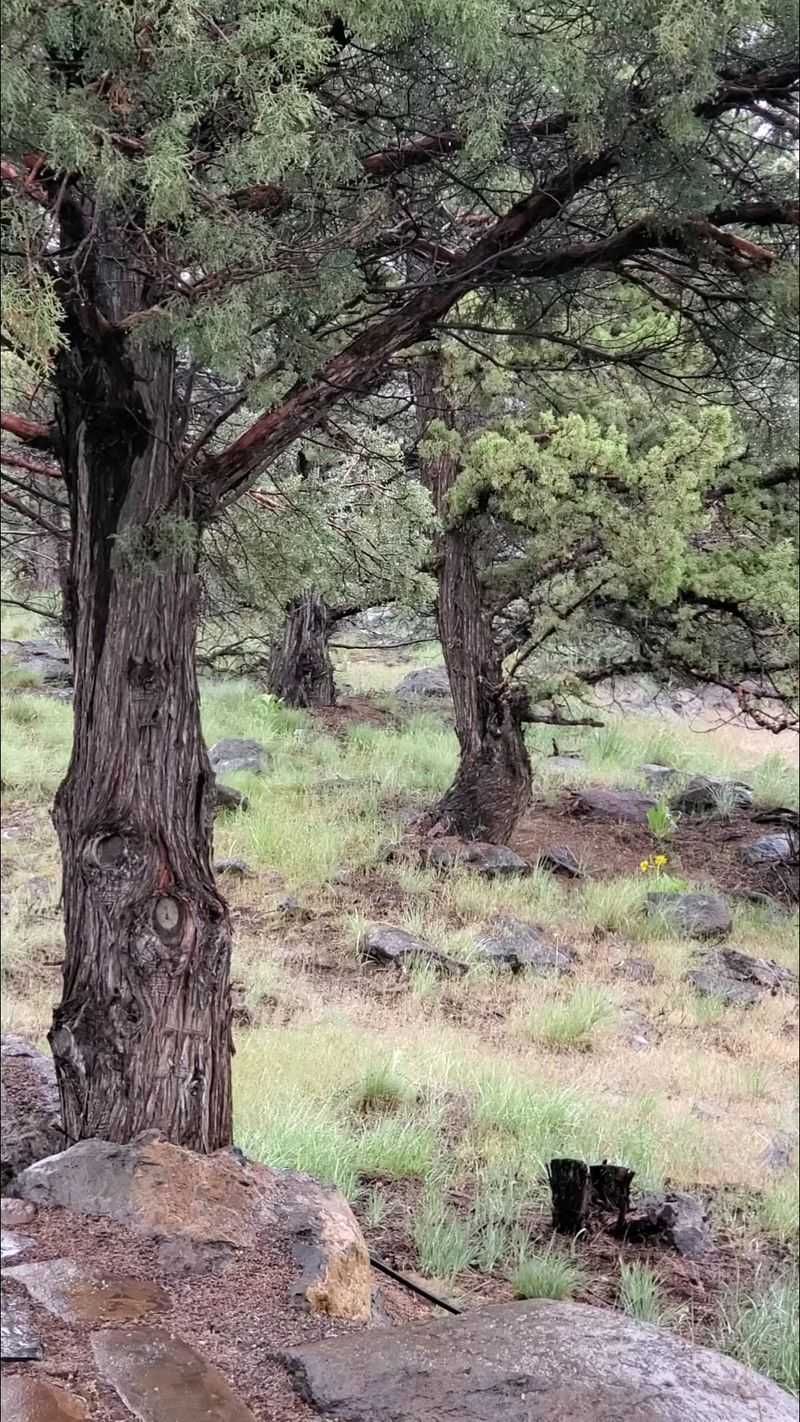
Mountain bikers talk about Peterson Ridge the way other people talk about a favorite song. The trail network starts right at the south edge of town, which means no shuttle and no long drive. Ponderosa pines stand tall and spaced out, so the light filters through in stripes.
Dirt here drains fast. Trails often dry out earlier in spring than routes higher in the Cascades, giving riders a jump on the season.
Loops range from mellow rolling singletrack to longer climbs with rocky sections near the upper ridge. Runners and hikers share the same paths, and leashed dogs are common. Views open at a few points, with the peaks appearing between the trees like a reward for the climb.
Carry more water than expected. High desert air pulls moisture out quickly, even on cool mornings that feel mild at the trailhead.
A downloaded map helps since junctions come often and service can drop. Finish the loop, coast into town, and lunch is minutes away.
Village Green Park, the Town’s Unofficial Living Room
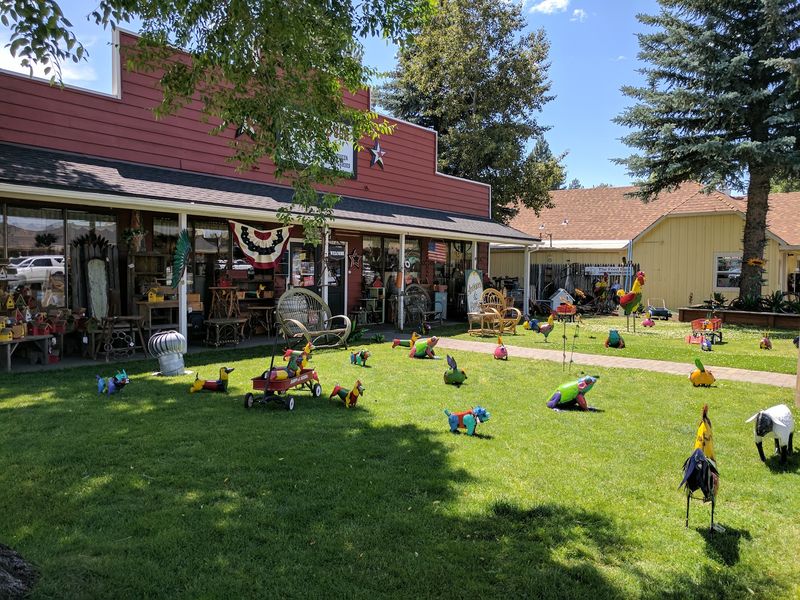
A grassy square in the middle of town serves as the unofficial living room of Sisters. Village Green Park has shade trees, a gazebo, restrooms and enough lawn for a picnic blanket.
Families spread out here between errands. Kids run loops around the play structure while parents claim a bench in the shade.
During summer the park hosts events, markets and gatherings that spill onto the surrounding streets.
Even on a quiet Tuesday it works as a rest stop. Grab something from a nearby bakery, sit under a pine and watch the town go about its day. The pines here are old and tall, and their bark smells faintly like vanilla in warm weather, a quirk of ponderosas that never gets old.
Leashed dogs are welcome. Restrooms and water make this a practical base for travelers with children or anyone regrouping after a hike. Evening brings long shadows and cooler air, since high desert temperatures drop fast after sunset. Bring a jacket even in July.
Address: 335 S Elm St, Sisters, Oregon 97759
Coffee, Bakeries and a Slow Morning Ritual
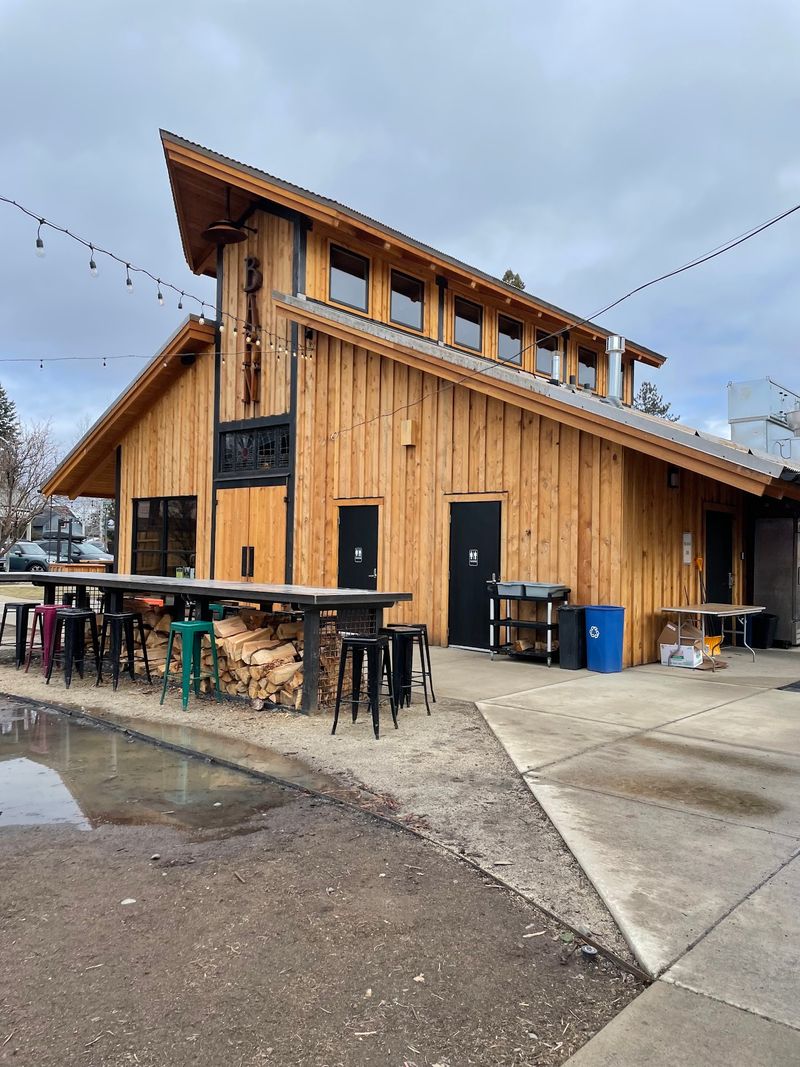
The smell hits before the door even opens. Sisters Coffee Company roasts on site, and the wood beamed room feels more like a lodge than a cafe. A stone fireplace anchors one side, with a loft upstairs for anyone who wants a quieter seat.
Mornings bring a mix of cyclists, ranchers, remote workers and visitors trying to plan the day. Conversation carries. Nobody seems bothered by lingering, which is part of the charm.
Beyond coffee, the town punches above its size for food, with bakeries, taco counters, burger joints and breakfast spots that fill up fast on weekends. Portions tend to be generous and the pace is unhurried.
Order at the counter, find a table, and expect someone nearby to strike up a friendly chat about trail conditions.
Takeaway cups travel well to the mountains, which is exactly what many people do. Fuel up, then drive west toward the pass with breakfast still warm in hand. Arrive before nine on Saturday if a window seat matters.
Whychus Creek and a Canyon Carved by Snowmelt
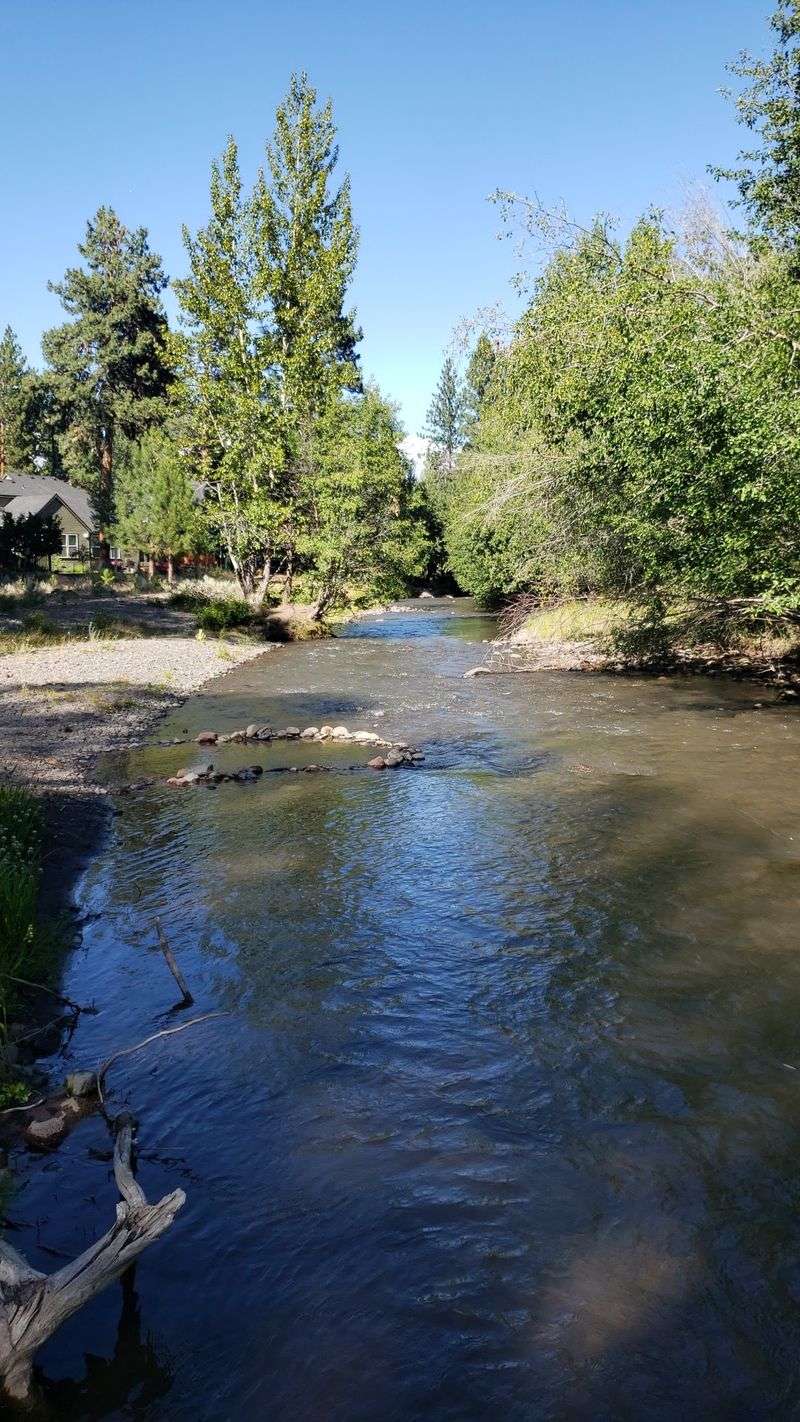
Snowmelt from the Cascades feeds Whychus Creek, and the water runs clear and cold through canyon walls just outside town. Trails follow the rim and drop to the creek in places.
Wildflowers show up in late spring. Balsamroot turns whole slopes bright yellow, and the contrast against dark basalt is worth the walk on its own.
Restoration work along the creek has brought back steelhead and salmon runs after decades of absence, a slow win that locals are proud of.
Wildlife sightings happen often enough to keep eyes moving, with deer, hawks and the occasional otter near the water. Footing can be loose on the descent, so shoes with grip help. Shade is limited along the rim.
Start early in summer, carry water and plan for a return climb that feels longer than the way down. Winter access varies with snow and mud, though quiet days out there have a stillness that is hard to match. Coverage is spotty, so download a map first. Pack out everything, including fruit peels.
Climbing Black Butte for the Best Panorama Around
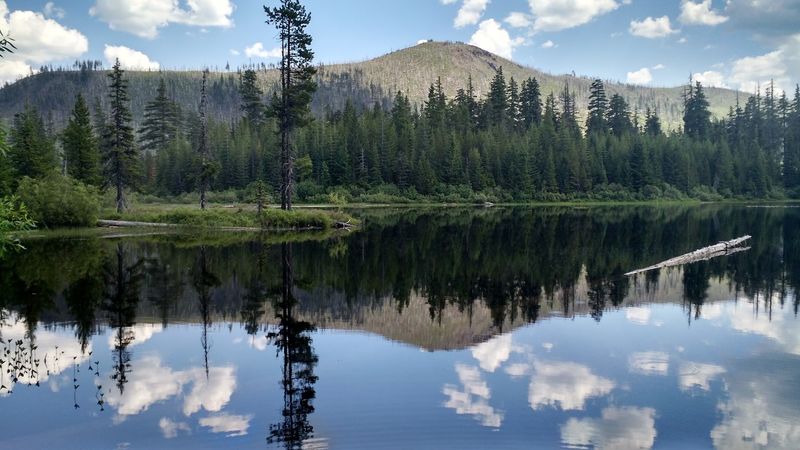
That perfectly cone shaped hill northwest of town is Black Butte, and it looks almost drawn by hand. A trail climbs to the summit through open forest, ending near a historic lookout area. The reward is a panorama stretching from Mount Adams to Broken Top on clear days.
Elevation gain is steady rather than brutal. Most hikers manage the round trip in a morning, though the final stretch is exposed and hot in midsummer. A forest road leads to the trailhead, and a recreation pass is required to park.
Check road conditions before heading up. Snow lingers into late spring and dust takes over by August. Wind at the top can be surprising, so a light layer in the pack pays off even when town feels warm.
Lookout structures at the summit are historic and closed inside, but the ridge offers plenty of places to sit. Bring a snack and stay a while. Watching cloud shadows slide across the Cascades beats any roadside photo.
Suttle Lake, a Forest Bowl Twenty Minutes West
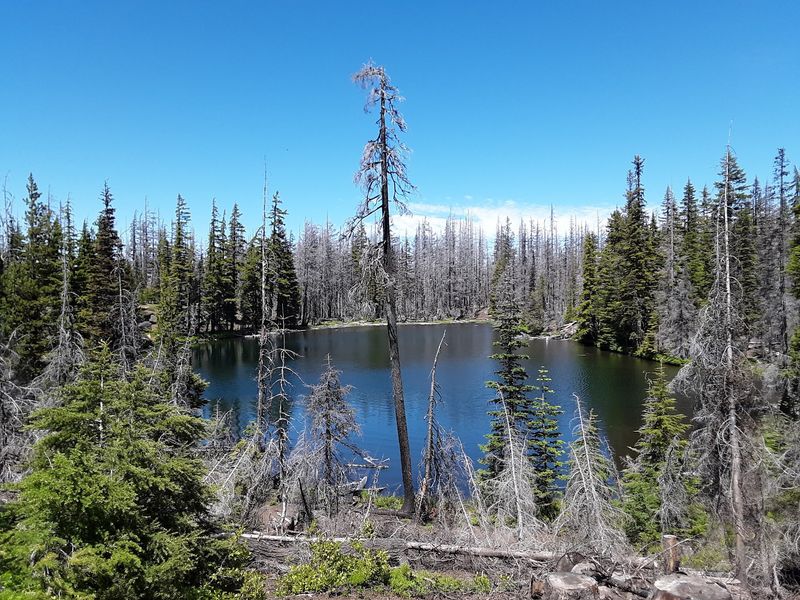
About twenty minutes west, Suttle Lake sits in a bowl of Douglas fir with mountains rising behind it. A trail loops the shoreline, roughly three and a half miles of easy walking. Kayaks and paddleboards drift near the edges on warm afternoons.
Water stays cold. Swimmers usually last a few brave minutes before retreating to a sunny log. Campgrounds ring the lake, and a lodge sits at the eastern end with a dock and chairs facing the water.
Mornings are glassy and quiet, with mist lifting off the surface. By afternoon a breeze usually picks up. Nearby Blue Lake and the Santiam Pass corridor add options if the parking area looks full.
Mosquitoes can be persistent in early summer, so pack repellent and long sleeves for evening. Fall is the sleeper season here. Vine maple adds color, crowds thin out, and the loop feels almost private on a weekday. Fishing is popular from shore and boat. Check current rules before casting a line.
The Metolius River and the Quiet of Camp Sherman
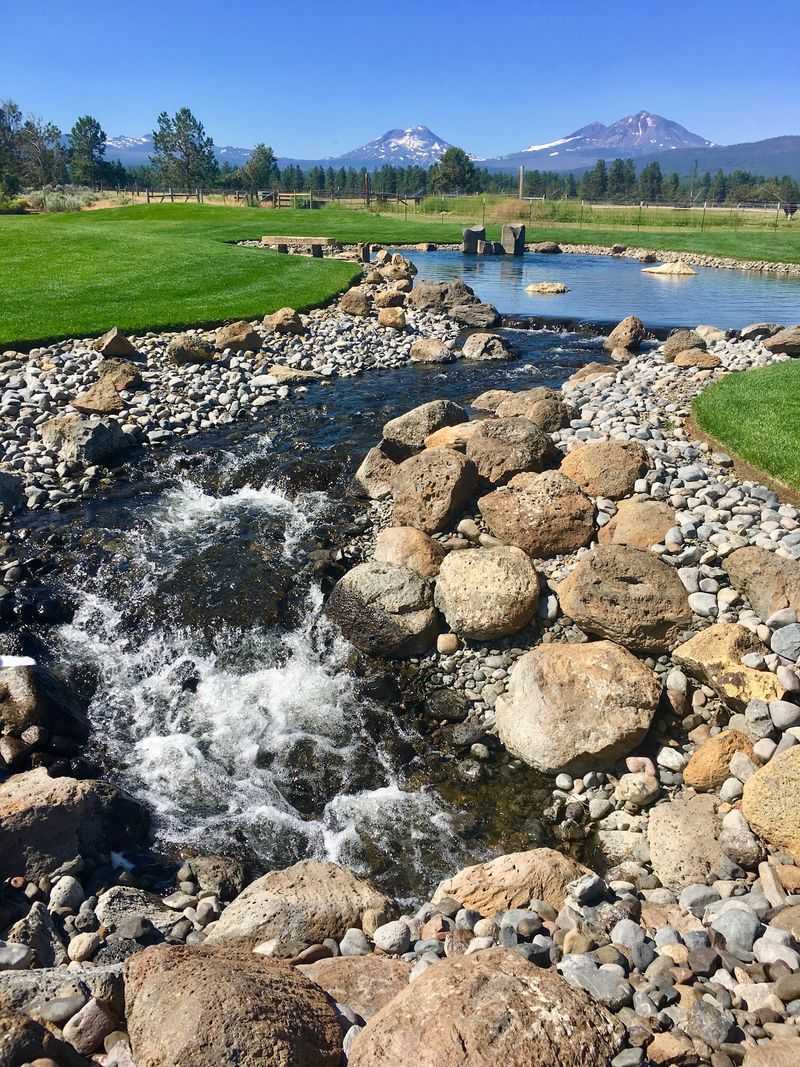
Few rivers announce themselves the way the Metolius does. It appears from the ground at a spring near Black Butte, already full sized and startlingly clear. A short paved path leads to the headwaters viewpoint, and the color of the water is hard to believe.
Camp Sherman sits nearby, a tiny community with a general store, cabins and a footbridge over the river. Fly fishers wade the shallows with slow, patient casts. Trails follow both banks under towering pines.
The air stays cooler here, sometimes ten degrees below town on a hot afternoon, which makes it a favorite escape. Birdsong replaces road noise almost immediately. Fishing rules on the Metolius are strict and vary by section, so read the posted signs carefully.
Even without a rod, the walk is the point. Watch for springs bubbling along the banks and deep green moss on fallen logs. Drive time from Sisters runs under half an hour. Go on a weekday if possible.
Quilts on Storefronts, Rodeo Dust and Easy Shoulder Seasons
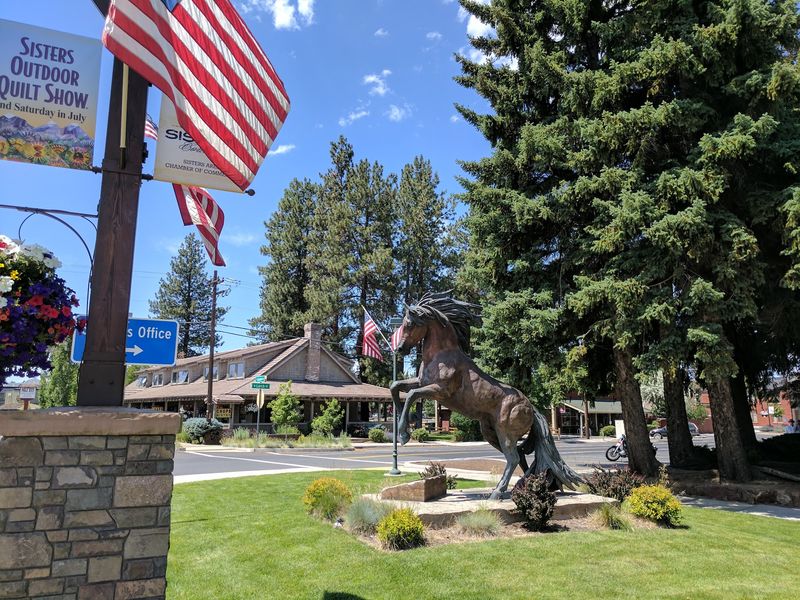
Quilting put this small town on the map in an unexpected way. Every July, the Sisters Outdoor Quilt Show drapes hundreds of quilts across storefronts and fences downtown. Color spills over every wooden wall.
The event began modestly outside a local shop and grew into one of the largest gatherings of its kind.
Rodeo weekend brings a different energy in June, with horses, dust and a packed grandstand. Music events fill the calendar through summer, and galleries stay busy year round.
Book lodging early for festival weekends. Rooms fill months ahead, and the main street slows to a crawl during peak hours. Outside those weekends, the town returns to its usual easy pace, which many visitors prefer.
Shoulder seasons in May and late September offer clear mountain views, mild days and far more elbow room.
Wandering the boardwalks with a warm drink while snow sits on the peaks is a simple pleasure that costs nothing. That balance of scenery and calm keeps people coming back.
