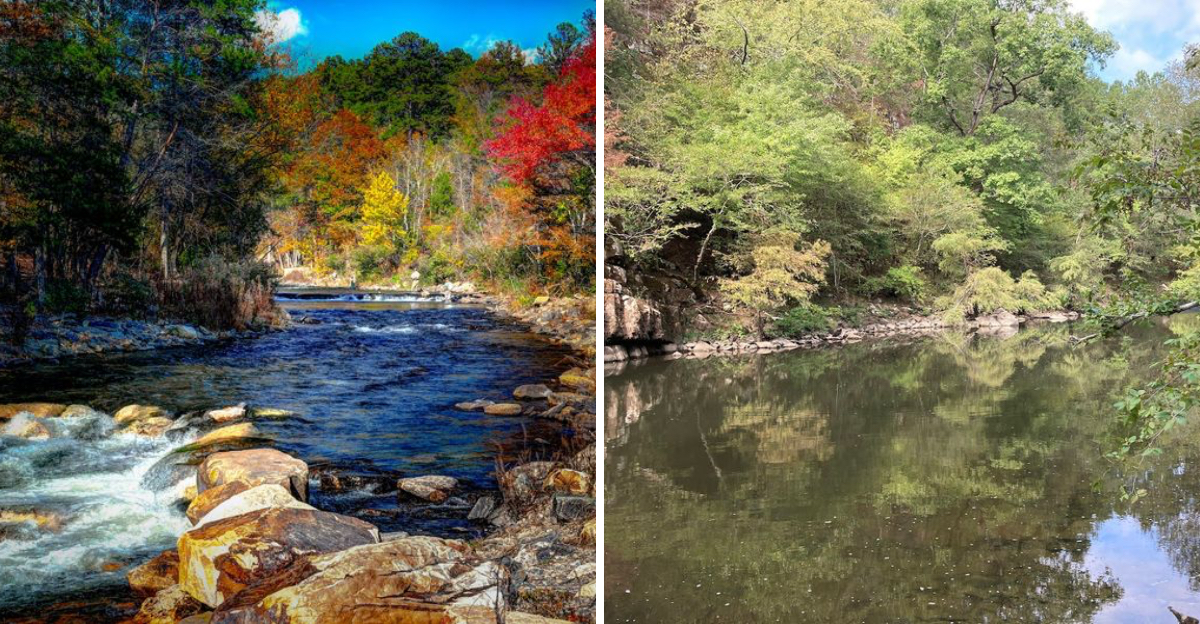
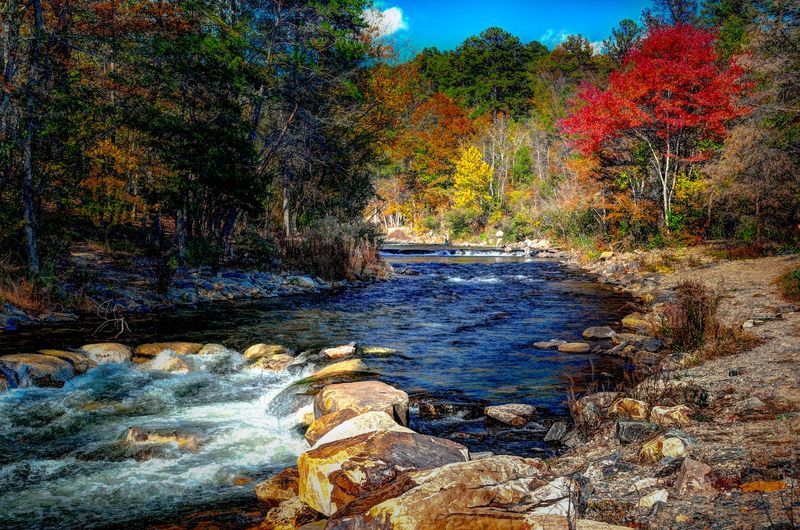
The first time you see the Mountain Fork River winding through the Kiamichi Mountain foothills, it barely looks real. The water runs cold and crystal clear, straight from the springs, sliding over rock in a way that makes you stop and stare a little longer than you meant to.
Step down to the bank and you can see straight to the bottom. Trout move through the current like shadows, and the quiet around you feels earned.
The anglers who frequent this stretch are not loud about it, and after a few hours here, you will understand the instinct to keep it quiet. Cast a line for trophy trout, drift along on a slow float, or simply stand still and take in the river cutting through forested hills.
One full day here has a way of reshaping what you expect from a getaway in Oklahoma.
Why Fishermen Are Quietly Obsessed With This River
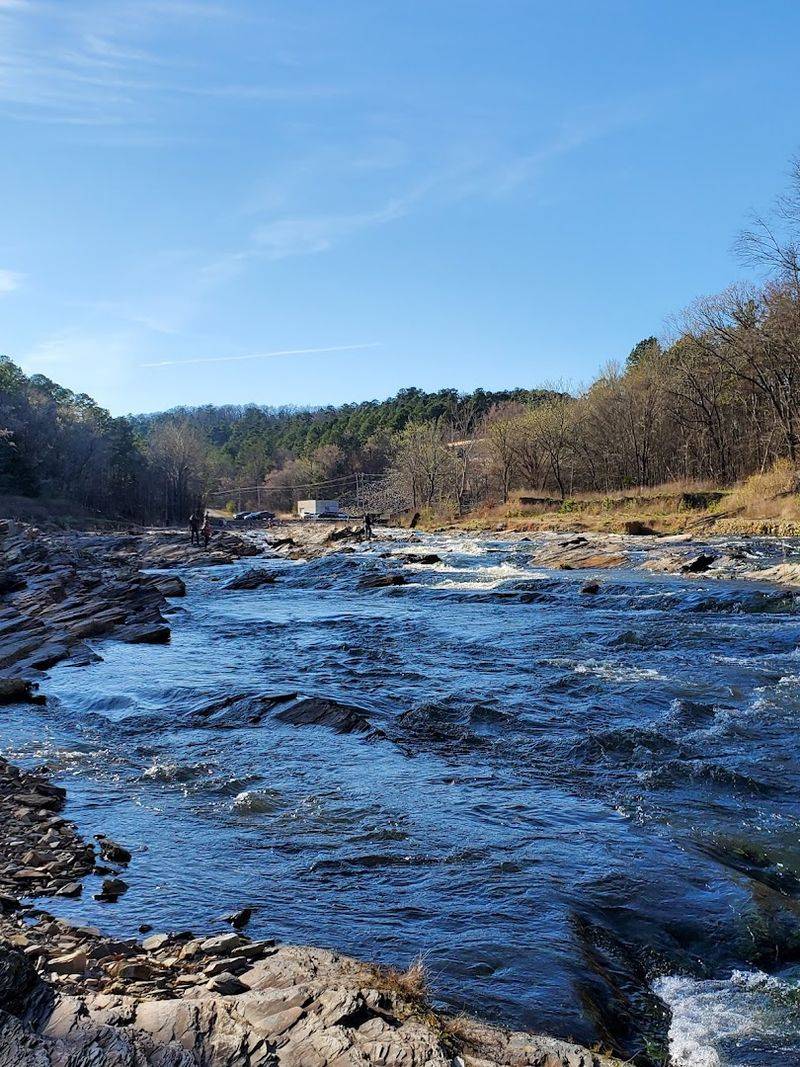
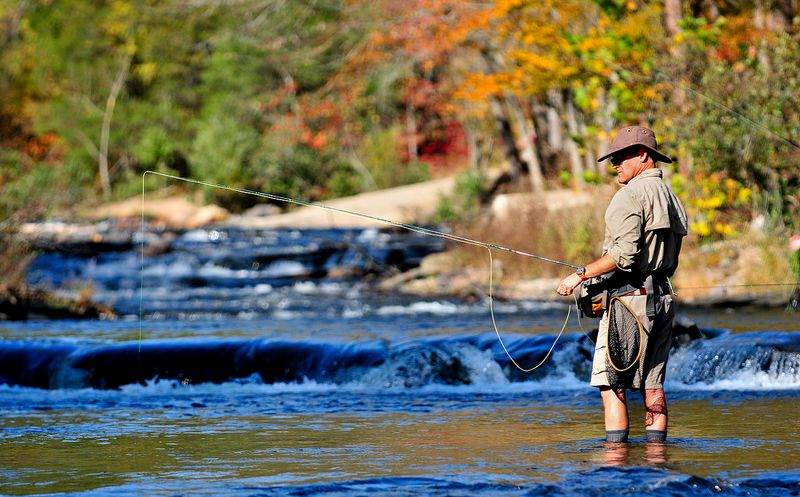
Cold, gin-clear water running over slate rock is basically a fisherman’s fantasy, and Mountain Fork delivers that experience in full. The river is spring-fed, which means the water stays remarkably cold even during the blazing Oklahoma summers.
That cold temperature is exactly what trout need to survive, making this one of the very few places in Oklahoma where you can realistically target rainbow trout year-round.
The river runs through Beavers Bend State Park, and the Oklahoma Department of Wildlife Conservation regularly stocks it with trout, which keeps the fishing action consistent and exciting. Bass fishing is also popular here, and catfish anglers find plenty of deep holes to work throughout the river’s length.
The variety of species available in one stretch of river is truly impressive for a state not typically associated with world-class fishing.
What really sets Mountain Fork apart from other Oklahoma fishing spots is the atmosphere. The river corridor is heavily forested, quiet, and almost otherworldly in its beauty.
You are not fighting crowds at a boat ramp or dealing with heavy motorized traffic on the water. The pace here is slow, intentional, and deeply satisfying.
Early mornings on the Mountain Fork feel like a reward for showing up, and the fish seem to agree that this stretch of water is worth protecting.
The Water Clarity Will Genuinely Stop You in Your Tracks
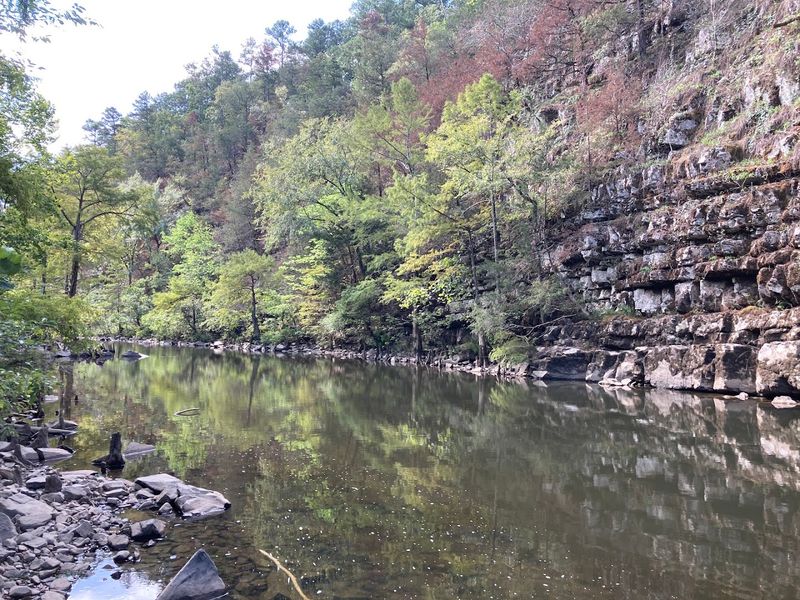
Standing at the edge of Mountain Fork River for the first time, the water clarity hits you like a plot twist you did not see coming. You can see straight to the bottom in most sections, watching individual rocks and the occasional fish gliding past like they own the place.
It feels almost too clean to be real, especially compared to the murky rivers most of us have grown up around.
The spring-fed nature of the river is responsible for this remarkable clarity. Groundwater filters through layers of rock before emerging into the river system, stripping out sediment and keeping temperatures stable throughout the year.
That cold, clean water is also why the scenery along the banks feels so lush and alive, since the surrounding forest draws energy from this consistent water source.
Photographers absolutely lose their minds here, and honestly, it is hard to blame them. The way sunlight hits the surface in the morning creates these shifting patterns on the riverbed that look almost like something from a nature documentary.
Families bring kids just to wade in the shallows and feel the cold water on a hot day, which is one of those simple pleasures that never gets old. The clarity is not just beautiful, it is a reminder that some places in Oklahoma are still remarkably untouched.
Beavers Bend State Park Is the Perfect Base Camp
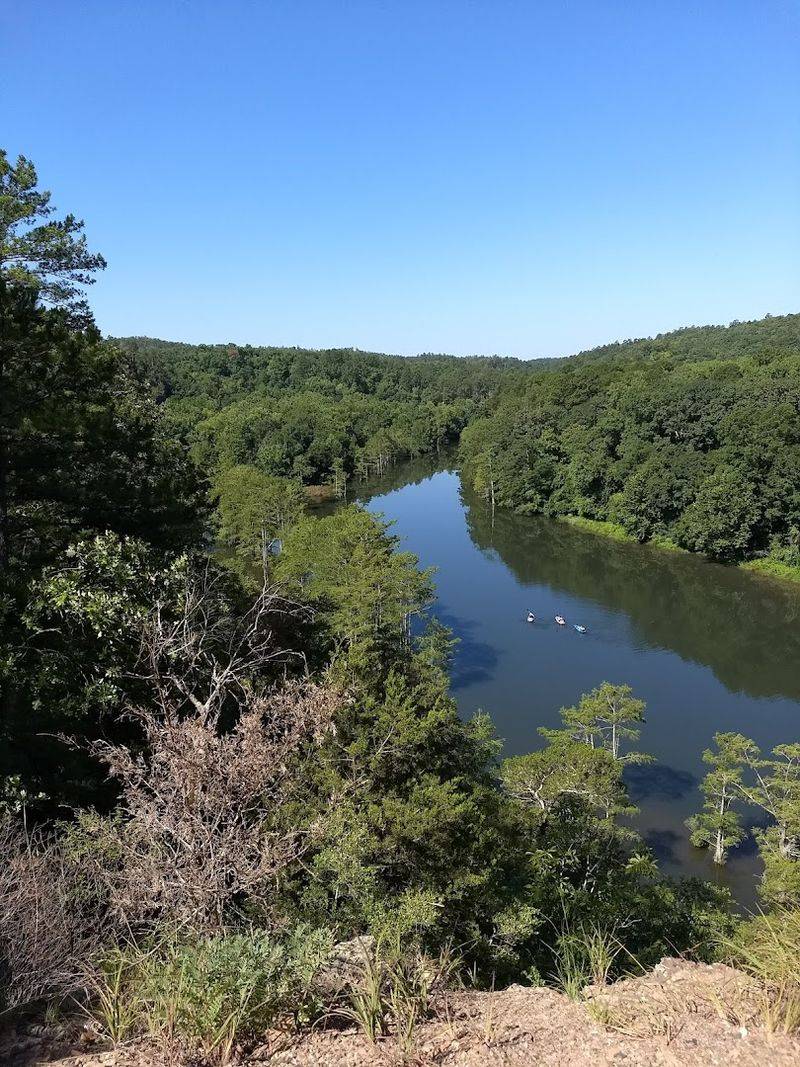
If you are planning a trip to fish or float the Mountain Fork River, Beavers Bend State Park is your home base, your starting point, and your reason to stay longer than you originally planned.
The park sits right along the river corridor and offers a mix of camping, cabin rentals, and RV sites that make it accessible for basically every type of traveler.
It is one of the most beloved state parks in Oklahoma, and that reputation is completely earned.
The park office is where you can grab a trail map, which is really important since cell service in this area is unreliable at best and completely nonexistent at worst. Getting a physical map before you head out on the trails is one of those small decisions that makes the whole trip run smoother.
Rangers and staff at the park are knowledgeable and helpful when you have questions about fishing regulations or river conditions.
Beyond fishing, the park has miles of hiking trails that wind through pine and hardwood forest, past creek crossings and scenic overlooks. The forest here has a different feel than most of Oklahoma, almost like you have crossed into a different region entirely.
The mix of pines and the sound of moving water creates a sensory environment that is surprisingly hard to leave behind. Plan for at least two nights minimum, because one is never enough.
Float Trips on Mountain Fork Are Unforgettable
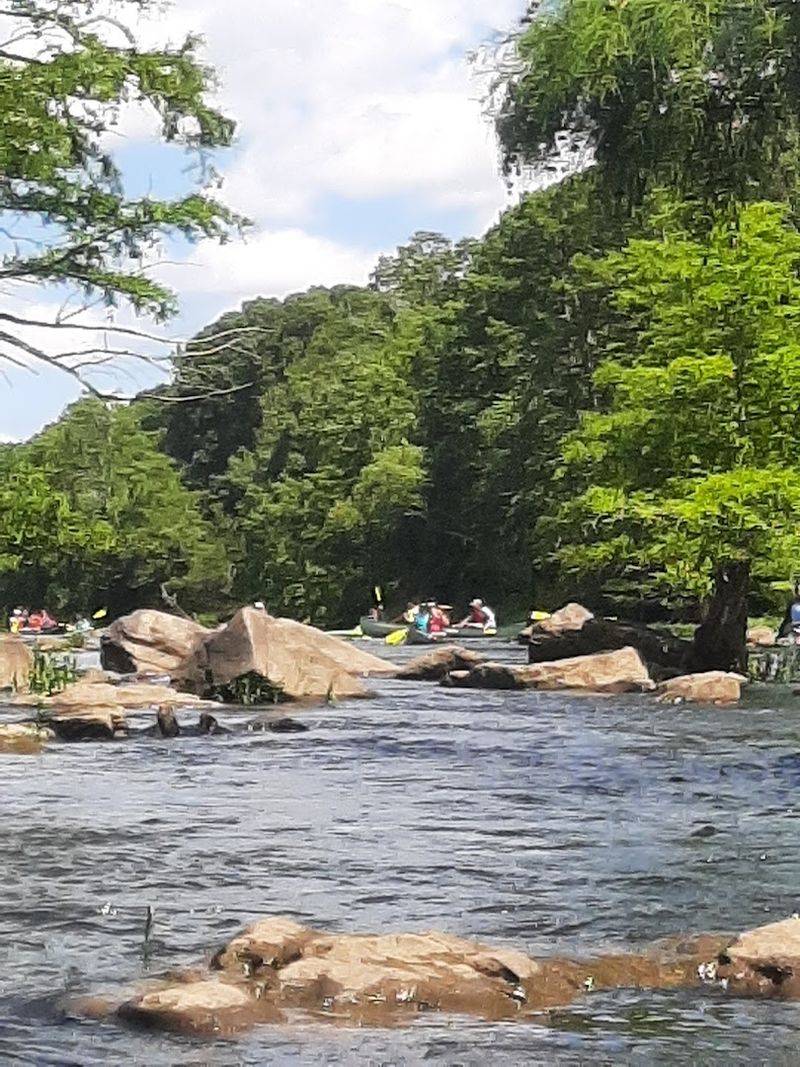
Kayaking or canoeing the Mountain Fork River is one of those experiences that sounds relaxing on paper but ends up being the highlight of an entire trip. The river moves at a gentle pace through most sections, with occasional small rapids that add a little excitement without turning things into a survival situation.
Even first-timers can handle the float comfortably, and kids who are old enough to paddle will have an absolute blast.
Several outfitters in the area rent kayaks and canoes, making it easy to get on the water without hauling your own gear across the state. Rental operations typically offer shuttle services so you can float a one-way route and not have to paddle back upstream.
Planning the logistics ahead of time makes the whole experience feel effortless and lets you focus entirely on the river itself.
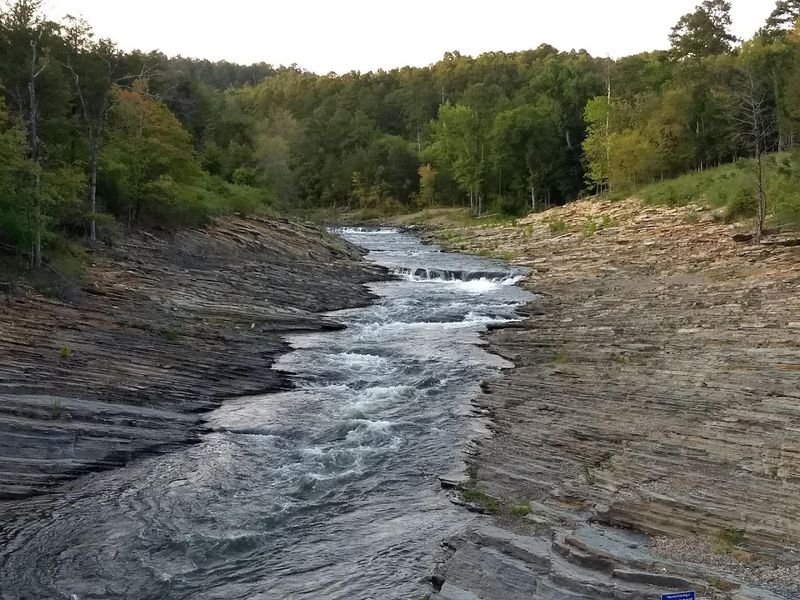
The scenery during a float trip is something that photographs simply cannot capture fully. Slate rock formations line the banks in certain sections, and the forest canopy creates a kind of natural tunnel overhead that filters the sunlight into something almost magical.
Wildlife sightings during float trips are common, including beavers, deer, cardinals, and bats near dusk. Bring a dry bag for your phone and camera, wear proper water shoes rather than flip-flops, and pack out everything you bring in.
The river deserves that respect.
Wildlife Along the Banks That Will Surprise You
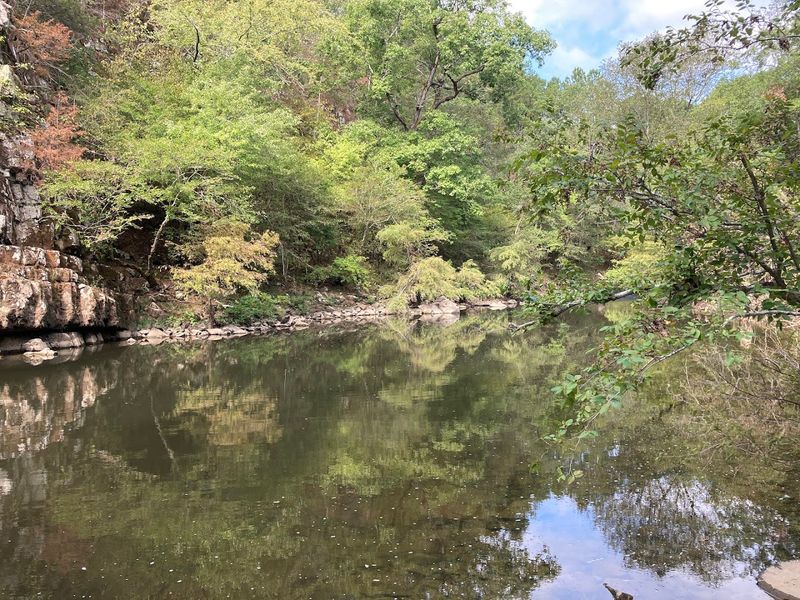
Most people come to Mountain Fork for the fish, but the wildlife situation along this river is truly spectacular in its own right.
The corridor between the water and the forest creates a rich habitat zone where multiple species converge, and if you move quietly and pay attention, the sightings start adding up fast.
Deer are practically a given, especially in the early morning hours when they come down to the water to drink.
Beavers are active along the Mountain Fork, and you can spot their work in the form of gnawed trees and muddy slides along the banks. Seeing an actual beaver swimming near your kayak is one of those wildlife moments that feels oddly cinematic.
Bats emerge near dusk and patrol the surface of the river, scooping up insects with an efficiency that is really impressive to watch up close.
Cardinals flash their red through the tree line constantly, and the general birdwatching along the river is excellent throughout the year.
The foothills of the Kiamichi Mountains create a transitional zone where species from multiple ecological regions overlap, which makes the diversity here higher than you might expect from a single river corridor.
Bringing a small pair of binoculars adds a whole new dimension to a day on the water, and the wildlife alone is worth the drive to this corner of Oklahoma.
The Kiamichi Mountain Foothills Set the Scene
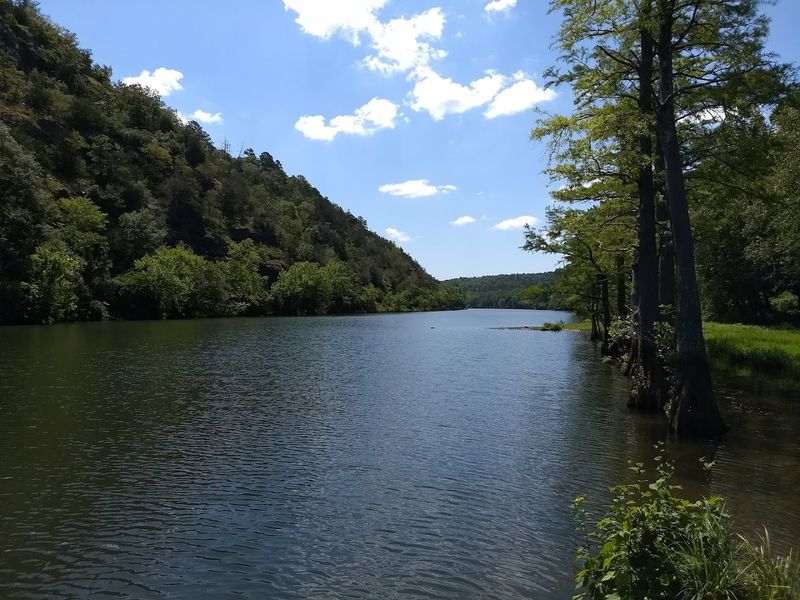
Southeastern Oklahoma does not always get the credit it deserves as a scenic destination, and the Kiamichi Mountain foothills are a big reason why that reputation needs updating.
The rolling, forested ridges that surround the Mountain Fork River valley create a backdrop that feels more like the Ozarks or even the Southern Appalachians than what most people picture when they think of Oklahoma.
It is surprising the first time you see it.
Highway 259, which runs parallel to the river through this area, is officially designated as a scenic byway for very good reason. Driving it with the windows down and the forest pressing in on both sides is one of those simple road trip pleasures that stays with you.
The elevation changes are subtle but enough to create distinct micro-environments along the route, with different tree species and understory plants appearing as you move up and down the terrain.
The mountains also act as a natural barrier that keeps the area feeling remote and somewhat protected from the kind of rapid development that has changed other parts of Oklahoma. That remoteness is a feature, not a flaw.
The combination of mountain scenery, river access, and dense forest creates a sensory environment that recharges something deep in your brain. Coming back from Mountain Fork feels less like returning from a trip and more like returning from actual rest.
Camping Here Hits Different Than a Regular Campground
There is something about camping along a river that activates a specific kind of contentment that regular campgrounds just cannot replicate.
The sound of moving water replaces the need for white noise machines, and waking up to birdsong and the smell of pine is a combination that honestly makes a strong case for leaving the city behind more often.
Mountain Fork camping hits that sweet spot between accessible and wild.
Beavers Bend State Park offers a range of camping options, from primitive tent sites close to the water to full hookup RV sites with more amenities. Cabin rentals are also available for those who want a roof overhead but still want to be surrounded by the forest and river environment.
The variety of options means families with different comfort levels can all find something that works without compromising the experience.
One practical note worth keeping in mind is that cell service is spotty throughout this area, and in some spots along the river it disappears entirely. Downloading offline maps before you arrive is a smart move, and grabbing a physical map from the park office is even smarter.
The lack of connectivity is actually one of the things that makes Mountain Fork camping so restorative. You stop checking your phone because you almost forget it exists, and that might be the most valuable thing this place has to offer.
Best Times to Visit and What to Expect Each Season
Summer is when Mountain Fork gets the most visitors, and the crowds during peak season can be significant. Think of a popular theme park on a holiday weekend and you will have a rough idea of what Broken Bow looks like in July.
The river itself absorbs some of that traffic, but popular access points and floating sections can feel busy during peak summer weekends.
Fall is the best-kept secret season for this river. The crowds thin out noticeably after Labor Day, the temperatures drop into comfortable ranges for hiking and fishing, and the foliage along the Kiamichi foothills turns into a legitimate color show.
The fish are still active, the trails are less crowded, and the whole experience feels more like the peaceful river retreat that Mountain Fork is supposed to be.
Winter fishing on Mountain Fork is a legitimate option that most people overlook entirely. The trout stocking continues through cooler months, and the cold water that trout love is at its most productive temperature during late fall and winter.
Spring brings higher water levels from rainfall, which changes the float trip experience but can also trigger aggressive feeding behavior from fish. Each season offers something truly different, and the honest answer is that Mountain Fork rewards visitors who show up outside of the obvious peak window.
Practical Tips for Getting the Most Out of Your Visit
A few practical details can be the difference between a smooth, memorable trip and a frustrating one, and Mountain Fork has a handful of quirks worth knowing before you arrive.
Cell service is unreliable throughout much of the Beavers Bend area, so downloading offline maps before you leave home is not optional, it is essential.
Picking up a physical trail and river map from the Beavers Bend State Park office when you arrive gives you a reliable backup.
Footwear matters more than people expect on this river. Flip-flops and sandals are notorious for getting lost in the current during float trips, and walking the rocky banks in inadequate shoes leads to sore feet and potential injury.
Water shoes or old sneakers that can get wet are the right call, and you will thank yourself for making that choice within the first hour on the water.
Insect repellent and sunscreen are non-negotiable during warmer months, and packing an energy bar or two for longer hikes is a genuinely good idea rather than an overcautious one.
The trails here can be moderately demanding depending on which route you choose, and the combination of heat, humidity, and exertion adds up quickly.
Bringing a mesh bag to pack out your trash from the river keeps this beautiful place clean for everyone who comes after you. That small effort matters more than most people realize.
Dear Reader: This page may contain affiliate links which may earn a commission if you click through and make a purchase. Our independent journalism is not influenced by any advertiser or commercial initiative unless it is clearly marked as sponsored content. As travel products change, please be sure to reconfirm all details and stay up to date with current events to ensure a safe and successful trip.
