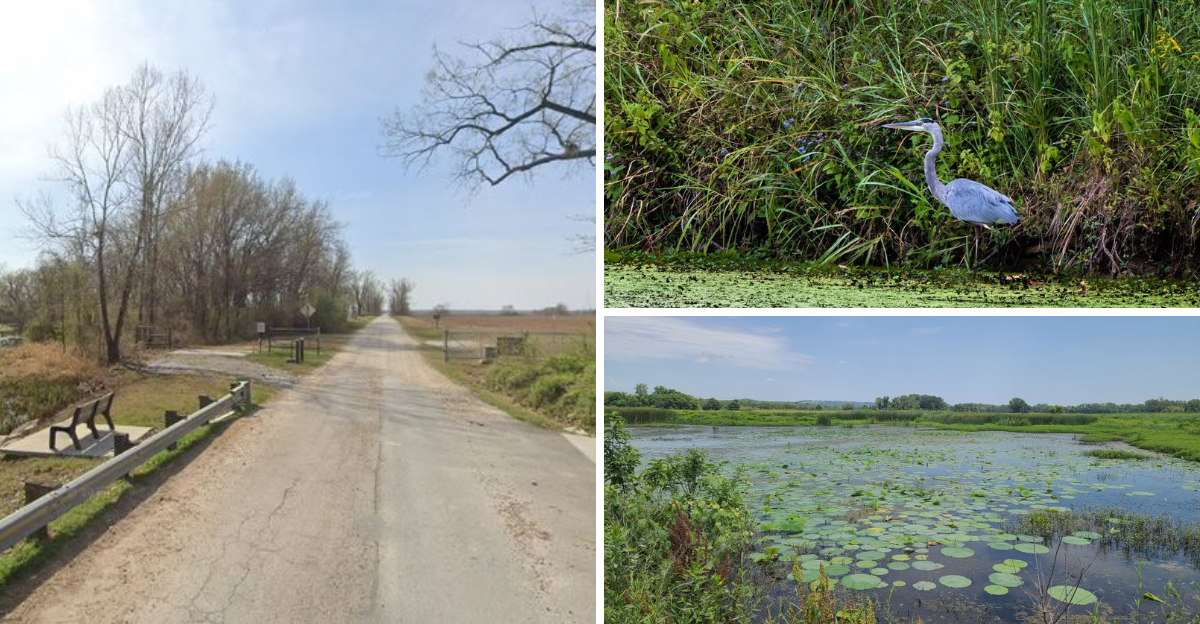
If you think Oklahoma is all red dirt and prairie grass, you clearly haven’t wandered into Sequoyah National Wildlife Refuge. Horton’s Slough Trail proves that our state holds wetland wonders that rival anything you’d find along coastal regions.
This quiet path through marshes and woodlands offers something rare: a chance to disconnect from the noise and reconnect with wild Oklahoma. Birders, photographers, and anyone craving a peaceful escape will find this trail delivers exactly what nature lovers need.
The 1.5-mile loop winds through habitats teeming with wildlife, from wading birds to turtles sunning themselves on logs. Located near Vian in eastern Oklahoma, this refuge protects over 20,000 acres of diverse ecosystems where the Arkansas River meets wetland habitats.
Horton’s Slough Trail serves as the perfect introduction to this protected landscape, accessible enough for families yet wild enough to feel like a genuine adventure. Pack your binoculars and prepare for a side of Oklahoma most people never experience.
A Trail That Welcomes Everyone
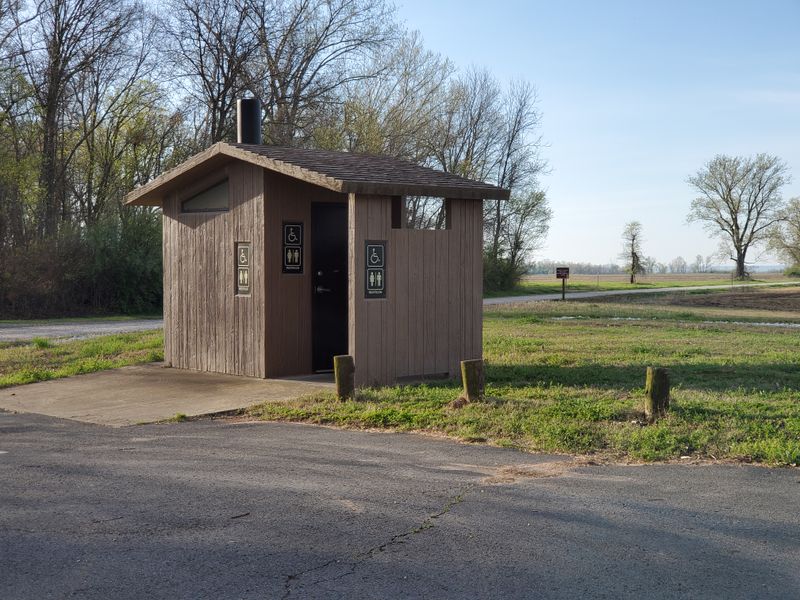
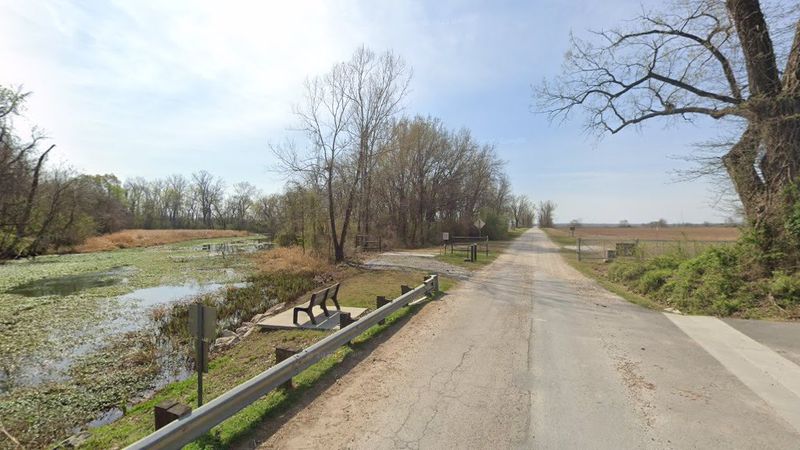
Horton’s Slough Trail was designed with inclusivity in mind, featuring a well-maintained path that accommodates visitors of varying abilities. The 1.5-mile loop includes boardwalk sections that keep your feet dry while offering unobstructed views of the wetland ecosystem.
Families with strollers, individuals using wheelchairs, and anyone who prefers stable footing will appreciate the thoughtful construction.
The trail surface remains relatively flat throughout, making it an excellent choice for those who want to experience nature without tackling steep inclines or rugged terrain. Benches placed at strategic intervals provide rest spots where you can pause to observe wildlife or simply soak in the peaceful atmosphere.
Interpretive signs along the route offer educational insights about the plants, animals, and ecological processes that define this wetland environment.
Early morning and late afternoon provide the most comfortable temperatures for walking, especially during Oklahoma’s warmer months. The trail stays open year-round, though conditions can vary with seasonal flooding.
Winter visits offer crisp air and the chance to spot migratory birds, while spring brings vibrant greenery and active wildlife. Address: N4520 Rd, Stigler, OK 74462.
Birdwatching Paradise Right in Front of You
Sequoyah National Wildlife Refuge attracts over 300 bird species throughout the year, and Horton’s Slough Trail positions you right in the middle of this avian activity. Great blue herons stalk through shallow waters with prehistoric grace, while egrets flash brilliant white against the darker wetland backdrop.
Depending on the season, you might encounter wood ducks, green herons, or the occasional bald eagle soaring overhead.
Migratory patterns bring dramatic changes to the bird population, with peak activity occurring during spring and fall migrations. Waterfowl numbers swell during winter months when northern species seek Oklahoma’s relatively mild climate.
Songbirds fill the trees during breeding season, creating a symphony that accompanies your walk. Bring binoculars and a field guide to maximize your identification success.
The boardwalk sections offer stable platforms for photography, allowing you to steady your camera or phone for those perfect shots. Patient observers often witness feeding behaviors, courtship displays, and other fascinating activities.
Even novice birders will find the experience rewarding, as many species here show little fear of quiet humans. The diversity of habitats along the trail supports this incredible variety of birdlife year after year.
Wetland Ecology Unfolds Before Your Eyes
Walking Horton’s Slough Trail offers a living classroom in wetland ecology, where you can observe how water, plants, and animals interact to create a thriving ecosystem.
Cattails dominate the marsh edges, their brown seed heads swaying in the breeze while their roots filter water and provide shelter for fish and amphibians.
Cypress trees rise from the water, their distinctive knees protruding above the surface as adaptations for oxygen exchange in saturated soil.
The wetland acts as nature’s water treatment system, filtering sediments and absorbing excess nutrients before water continues downstream. This natural purification process supports healthier river systems and provides critical habitat for species that depend on clean water.
Aquatic plants visible from the trail contribute oxygen to the water while offering food and cover for countless organisms.
Seasonal water level changes create dynamic conditions that different species exploit in various ways. Spring flooding expands available habitat, while summer drawdowns concentrate fish and attract wading birds.
Understanding these cycles helps visitors appreciate why wetland conservation matters so much. The refuge manages water levels to benefit wildlife, creating optimal conditions for breeding, feeding, and migration.
This careful stewardship ensures the wetland continues functioning as Oklahoma’s natural treasure.
Wildlife Encounters Beyond the Birds
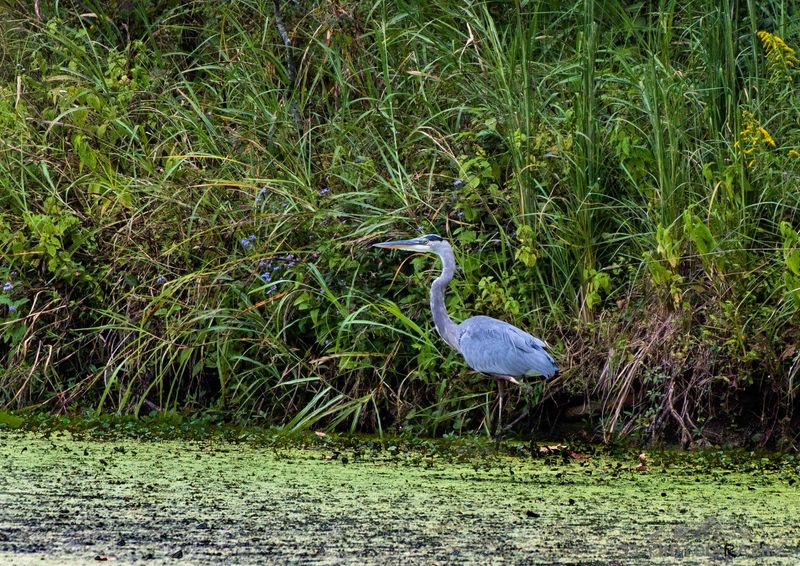
While birds steal much of the attention, Horton’s Slough Trail hosts an impressive cast of other wildlife characters. Turtles bask on logs, absorbing sunlight to regulate their body temperature before sliding back into the water at your approach.
Beaver activity becomes evident through gnawed tree trunks and constructed dams that alter water flow patterns. River otters occasionally make appearances, their playful antics providing entertainment for lucky observers.
White-tailed deer frequent the wooded sections, especially during dawn and dusk when they feel more comfortable moving through open areas. Their tracks in muddy sections tell stories of nocturnal wanderings.
Raccoons, opossums, and armadillos also call this refuge home, though their mostly nocturnal habits keep them hidden during typical visiting hours. Fox squirrels chatter from tree branches, protesting human intrusion into their territory.
Reptile diversity includes various snake species, most completely harmless and beneficial for controlling rodent populations. Water snakes bask near the shore, while ribbon snakes glide through vegetation hunting small prey.
Amphibians emerge during wet weather, with frogs providing evening concerts that echo across the marsh. Each creature plays a role in maintaining the ecological balance that makes this refuge so vibrant and healthy.
Photography Opportunities Around Every Bend
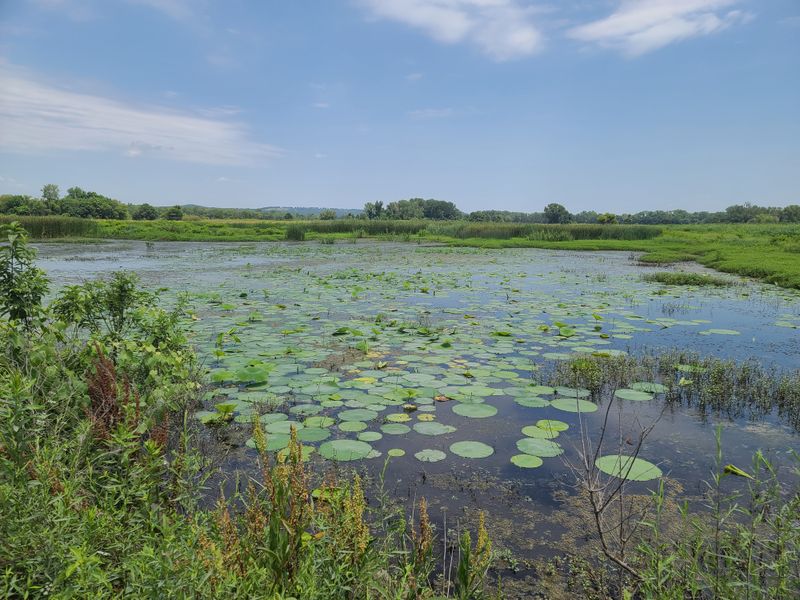
Photographers find endless inspiration along Horton’s Slough Trail, where changing light conditions create dramatically different moods throughout the day.
Golden hour bathes the wetland in warm tones that make ordinary scenes extraordinary, while overcast days provide soft, even lighting perfect for capturing detail without harsh shadows.
The reflective water surfaces double the visual impact, mirroring trees, birds, and clouds in near-perfect symmetry.
Macro photography enthusiasts can focus on smaller subjects like dewdrops on spider webs, butterfly wings, or intricate flower structures. Wide-angle shots capture the expansive wetland vistas, conveying the scale and beauty of this protected landscape.
Wildlife photography challenges your patience and skill, rewarding those who wait quietly for the perfect moment when a heron strikes or a turtle surfaces.
The boardwalk provides stable shooting platforms, eliminating camera shake that often plagues handheld photography in natural settings.
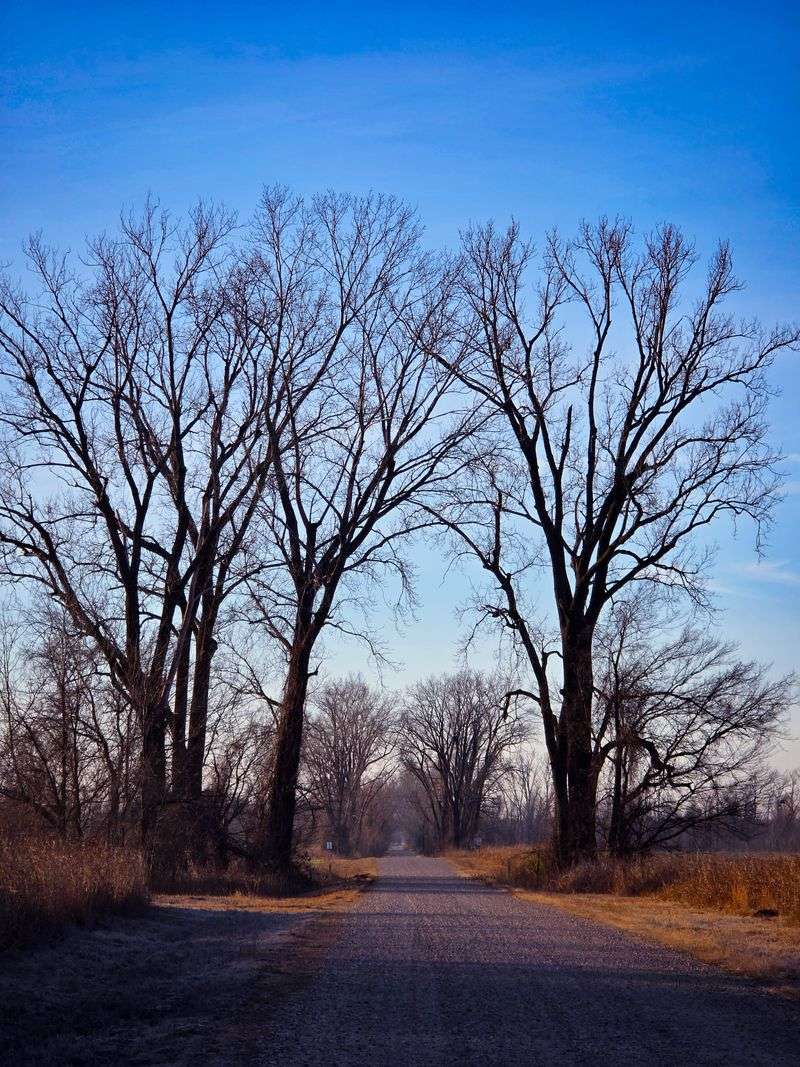
Composition opportunities abound, with leading lines created by the trail itself, framing elements from overhanging branches, and natural color contrasts between green vegetation and blue water.
Seasonal changes offer fresh perspectives, from spring wildflowers to autumn foliage to winter’s stark beauty. Return visits reveal how the same location transforms throughout the year.
Seasonal Transformations Keep It Fresh
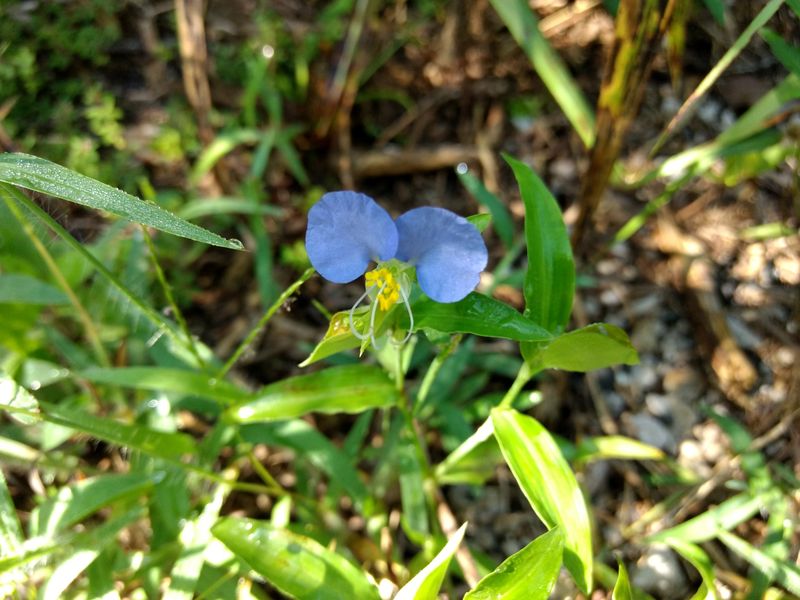
Horton’s Slough Trail reveals different personalities as seasons change, ensuring that repeat visitors always discover something new. Spring erupts with activity as migratory birds return, wildflowers bloom, and trees leaf out in brilliant green.
Breeding season brings territorial displays and nest-building behaviors that fascinate observers. Water levels typically run higher, expanding the wetland’s reach and creating additional habitat.
Summer heat slows the pace somewhat, though early morning walks remain pleasant and productive for wildlife viewing. Plants reach full growth, creating dense vegetation that provides cover for animals raising young.
Dragonflies and damselflies patrol the water’s edge in dazzling colors. Lotus and lily pads spread across open water, their flowers adding splashes of pink and white to the green canvas.
Autumn brings migratory species passing through on their way south, with shorebirds probing mudflats and waterfowl rafting up in open water. Foliage transitions to gold and russet tones, creating painterly scenes.
Winter strips away the leafy cover, making wildlife observation easier while testing your cold-weather gear. Bald eagles become more common, and the quiet solitude appeals to those seeking contemplative experiences.
Each season offers valid reasons to visit this Oklahoma gem.
Conservation Success You Can Witness
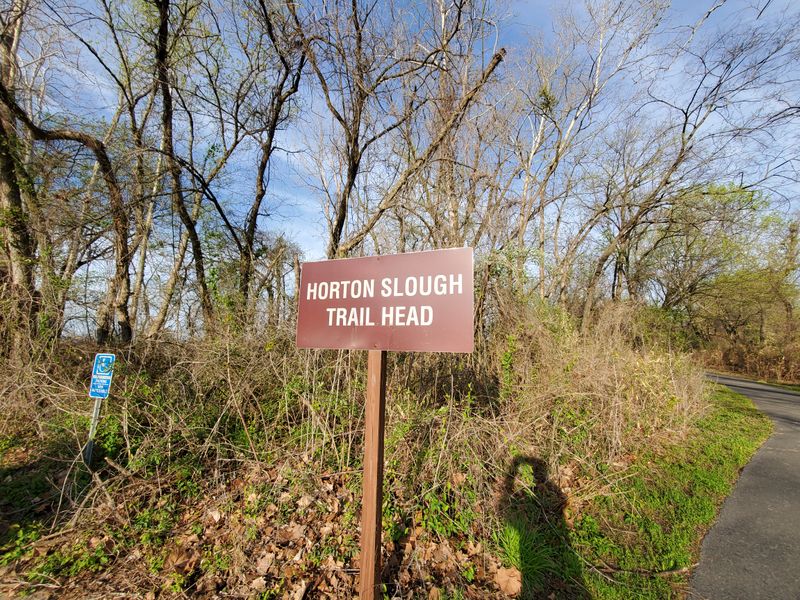
Sequoyah National Wildlife Refuge represents conservation done right, protecting crucial habitat that might otherwise have been drained, developed, or degraded. Horton’s Slough Trail lets visitors witness the results of this protection firsthand, observing healthy ecosystems that support abundant wildlife.
The refuge was established in 1970, following the construction of Robert S. Kerr Lock and Dam, which created extensive backwater areas perfect for wetland habitat.
Management practices here focus on maintaining optimal conditions for migratory birds, resident wildlife, and native plant communities. Controlled water levels mimic natural flooding cycles that many species depend upon for survival.
Invasive species removal protects native vegetation, while habitat restoration projects repair damage from past land uses. These efforts ensure the refuge continues providing ecological services for generations to come.
Visiting the trail supports conservation through increased public awareness and appreciation of wetland values. When people experience these places personally, they become advocates for continued protection and funding.
The refuge welcomes over 100,000 visitors annually, creating economic benefits for surrounding communities while fostering environmental stewardship.
Your footsteps along Horton’s Slough Trail connect you to something larger than yourself, a landscape where nature still calls the shots and wildlife thrives in Oklahoma’s caring hands.
Dear Reader: This page may contain affiliate links which may earn a commission if you click through and make a purchase. Our independent journalism is not influenced by any advertiser or commercial initiative unless it is clearly marked as sponsored content. As travel products change, please be sure to reconfirm all details and stay up to date with current events to ensure a safe and successful trip.
