Hot take: the most underrated history lesson in all of Virginia isn’t in a textbook or a big-city museum. It’s tucked into a quiet valley in Bland County, where the mountains hum with stories that stretch back five centuries.
I stumbled onto this place almost by accident, and honestly, it stopped me in my tracks. Southwest Virginia has a way of surprising you, and this corner of it delivers something rare: a living, breathing window into the world of the Eastern Woodland Indians, reconstructed right where archaeologists found evidence of their actual village.
If you think you know Virginia history, I’d challenge that assumption right now. This is the kind of place that rewrites what you thought you knew, sparks genuine curiosity, and makes the past feel startlingly close.
So, locals and road-trippers alike, tell me: have you actually visited, or has this gem been flying under your radar all along?
A Village Frozen in Time: The Reconstructed Eastern Woodland Settlement
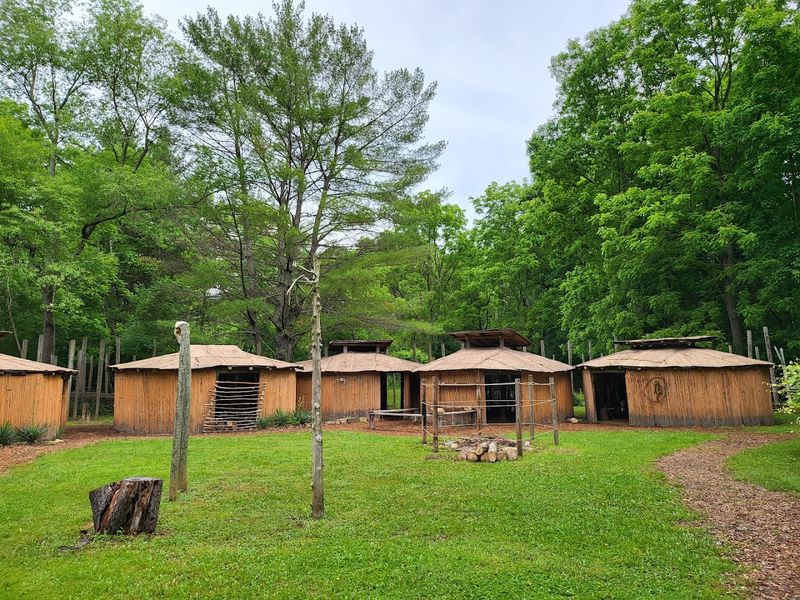
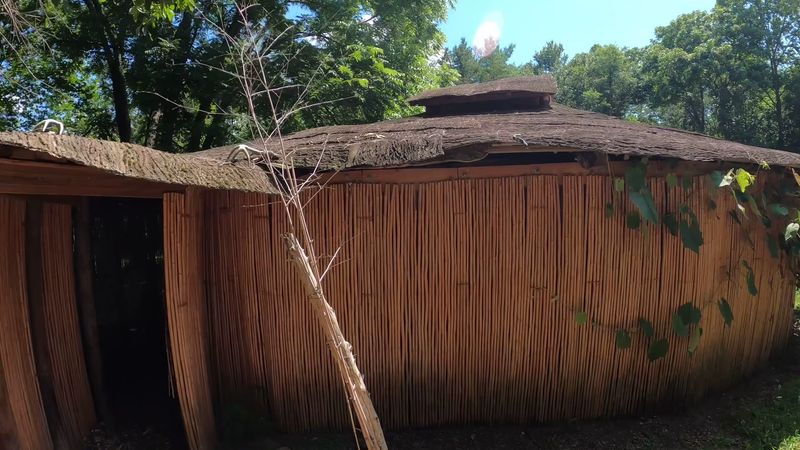
Stepping into the reconstructed village at Wolf Creek Indian Village & Museum feels less like visiting a museum and more like crossing a threshold into another century entirely. The circular structures rise from the earth just as they would have around the late 1400s, built using archaeological data uncovered right here in Bland County, Virginia.
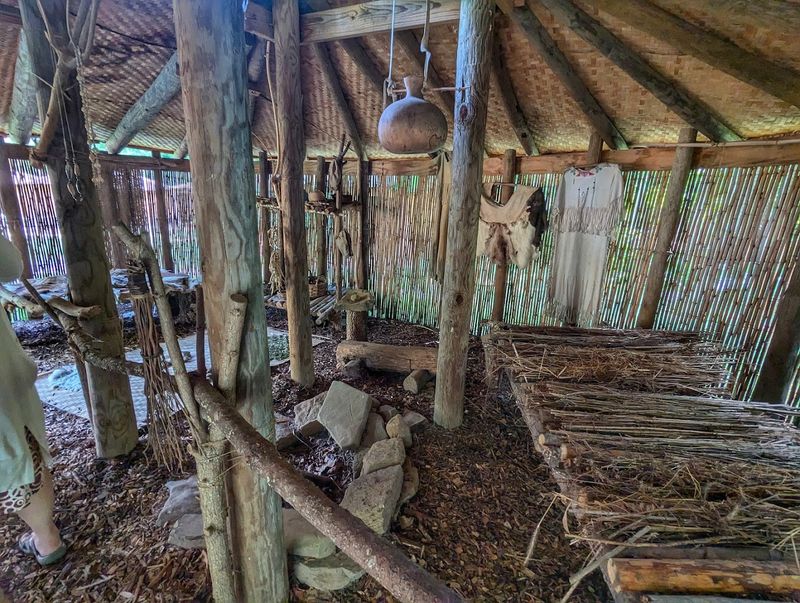
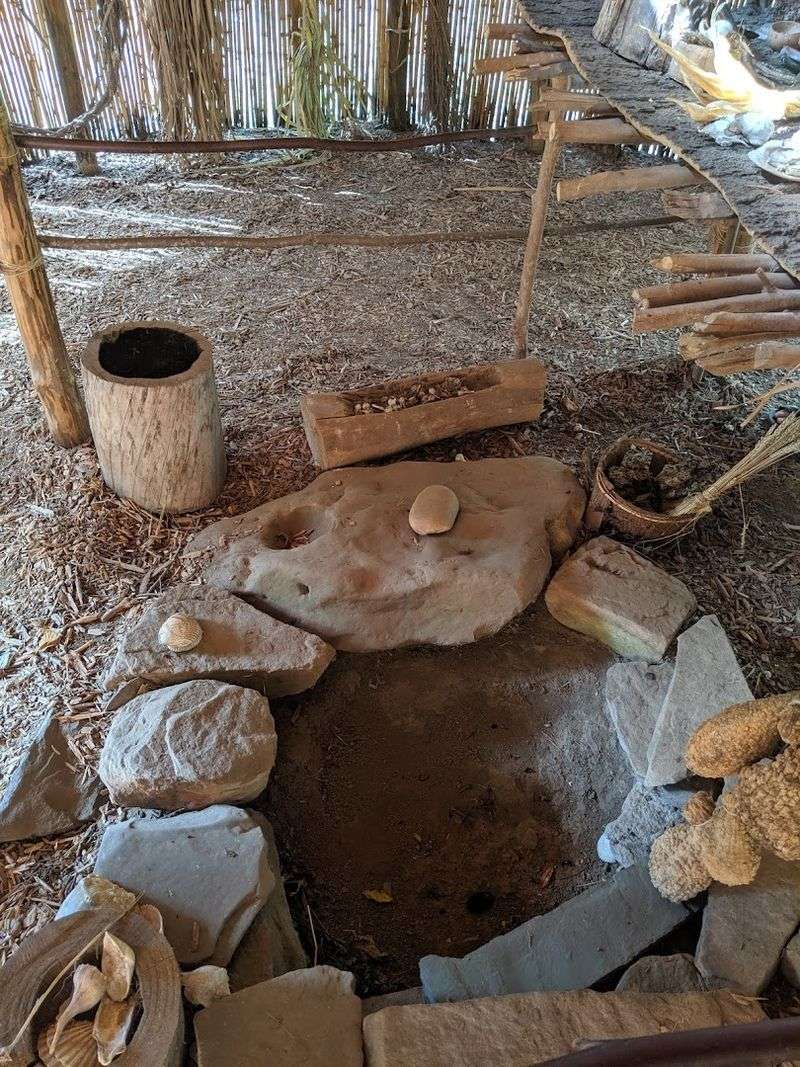
Each building tells a specific story. Storage huts, fire pits, and living quarters are arranged with careful authenticity, giving the whole settlement a surprisingly organic feel.
Nothing here was guessed at randomly; every design choice traces back to real excavation findings from the Brown-Johnston site.
The surrounding landscape amplifies the experience. Tall trees frame the village, and Wolf Creek murmurs just behind the settlement, adding a layer of natural ambiance that no indoor exhibit could replicate.
Standing in the center of this place, you genuinely feel the weight of five hundred years pressing gently against the present. Virginia has plenty of historic sites, but few manage to recreate the texture of daily life quite this vividly or this honestly.
The Archaeological Roots: What the Brown-Johnston Site Revealed
Most museums display artifacts without explaining where they actually came from. Wolf Creek Indian Village & Museum flips that script entirely, grounding everything you see in the real archaeological work done at the Brown-Johnston site, which sits right on this property in Bastian, Virginia.
A state-appointed archaeologist surveyed the land and uncovered compelling evidence of a Native American settlement dating roughly between 1480 and 1520. That precision matters enormously.
It transforms the village reconstruction from a creative guess into a disciplined, evidence-based portrait of a specific community at a specific moment in history.
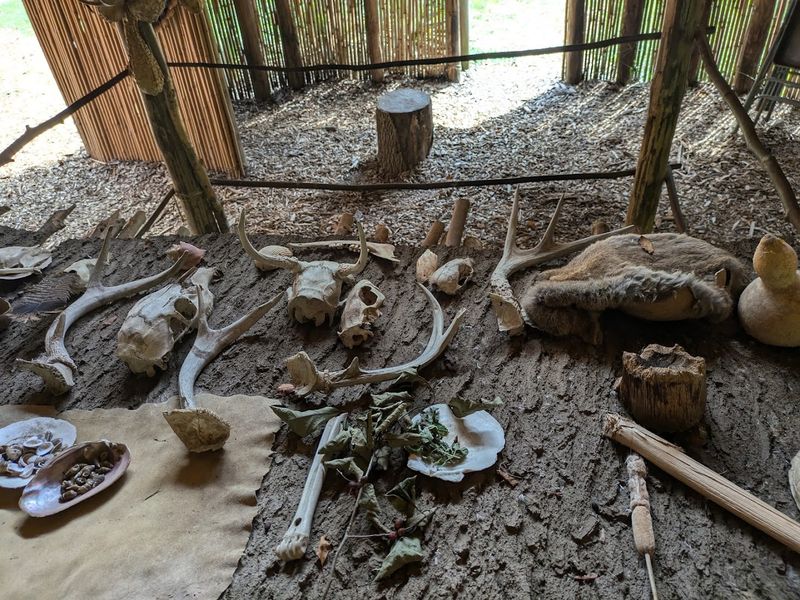
Potsherds, structural post holes, and other material remains informed every detail of the rebuilt structures you walk through today. The museum’s indoor exhibits translate those findings into accessible, engaging displays that connect the raw data of archaeology to the human lives behind it.
For anyone curious about how historians piece together the past from fragments left in the ground, this site is a genuinely illuminating case study. Southwest Virginia rarely gets credit for its archaeological richness, but the evidence unearthed here quietly demands a second look at the region’s deep, layered human story.
Guided Tours That Actually Bring History Alive
Not all guided tours are created equal, and the ones at Wolf Creek Indian Village & Museum sit firmly at the top of the scale. The guides here don’t recite memorized scripts; they engage, adapt, and respond to whoever is standing in front of them, making every tour feel personal rather than canned.
Kids get pulled into hands-on moments, like handling replicas of arrowheads or learning about the plants the Eastern Woodland people cultivated. Adults find themselves fielding answers to questions they didn’t even know they had.
The storytelling weaves together archaeology, ecology, and cultural practice into something that feels cohesive and compelling rather than fragmented.
For families making their way through Southwest Virginia, booking the guided tour is genuinely the move. The self-guided option is solid too, but the guided experience adds layers of context that would take hours of independent research to replicate on your own.
Virginia has no shortage of historic sites, yet finding one where the human element of the tour itself becomes part of the memory is something special. Pack your curiosity and plan to stay longer than you expected.
The Indoor Museum: Artifacts, Displays, and Deep Context
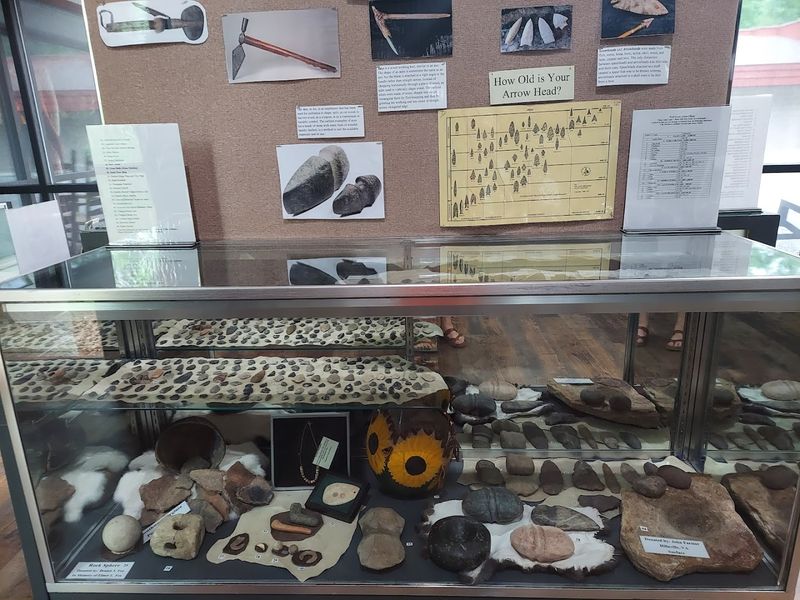
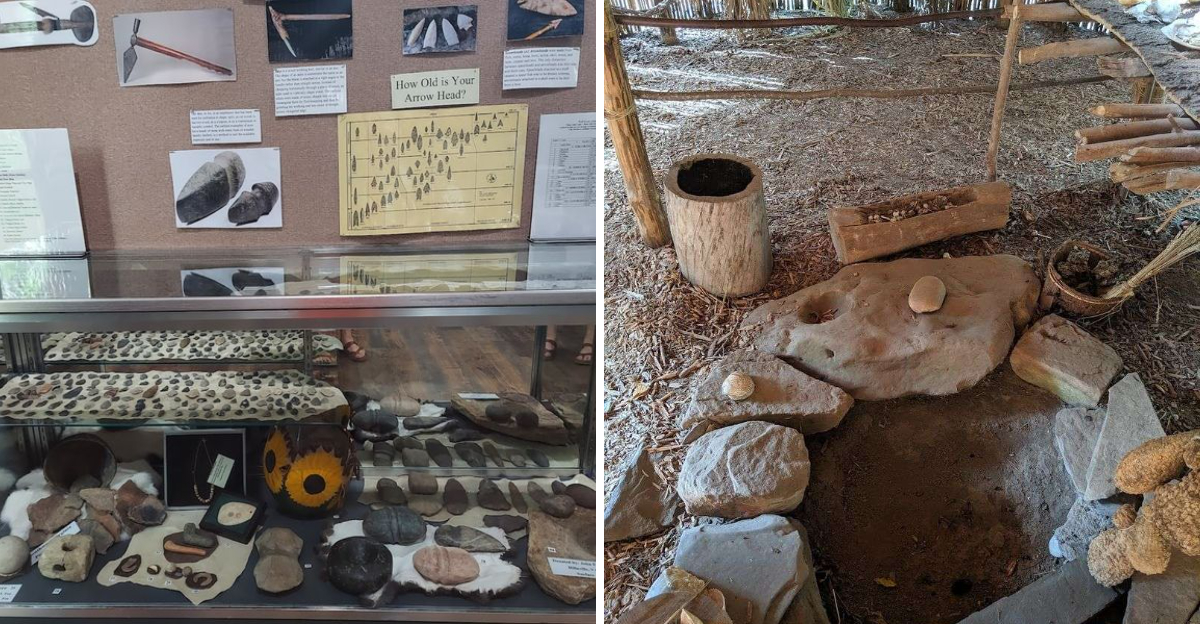
Before or after the village walk, the indoor museum at Wolf Creek Indian Village & Museum deserves serious attention. It isn’t a quick glance-and-move-on kind of space; it’s a carefully curated collection of artifacts and educational displays that fill in the cultural and historical picture surrounding the outdoor reconstruction.
Pottery fragments, tools, and other objects recovered from the Brown-Johnston site are presented with clear, accessible explanations that don’t talk down to visitors. The exhibits cover everything from the agricultural practices of Virginia’s First People to their social structures and trade networks, painting a portrait that feels genuinely three-dimensional.
What strikes me most is the curatorial restraint on display. There’s no attempt to overwhelm or dazzle with sheer volume.
Instead, each exhibit earns its place by adding something specific and meaningful to the overall narrative. The result is a museum experience that feels focused and intellectually satisfying rather than exhausting.
For anyone traveling through Bland County with a few hours to spare, the indoor exhibits alone justify the stop. Southwest Virginia history runs deeper than most people realize, and this room makes that abundantly clear.
The Gift Shop: Handcrafted Treasures Worth Every Look
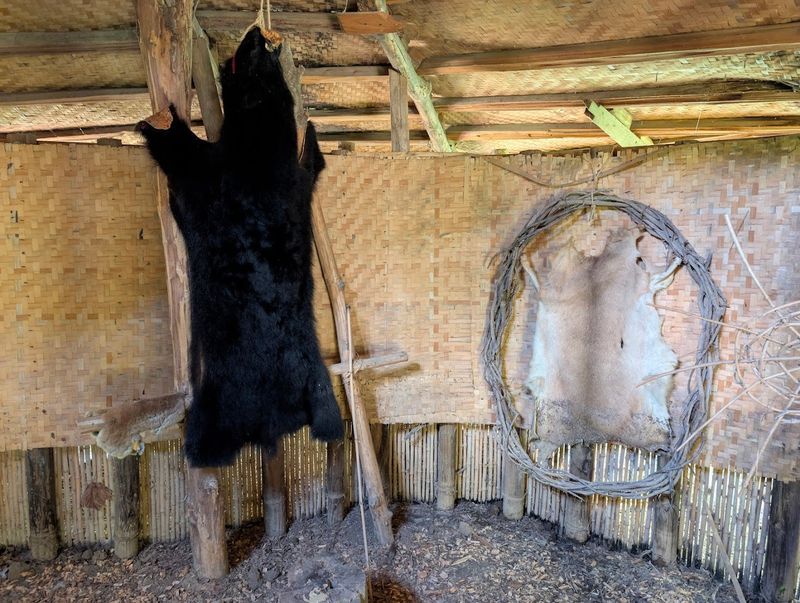
Museum gift shops can be forgettable afterthoughts, but the one at Wolf Creek Indian Village & Museum genuinely earns its own paragraph. The selection leans heavily into authentic, handcrafted goods that reflect the cultural themes of the museum itself, rather than generic souvenirs slapped with a logo.
Handmade jewelry catches the eye immediately. The pottery selection is equally impressive, with pieces that carry real artisanal weight.
The book collection covers Native American history, archaeology, and Virginia’s indigenous cultures in accessible formats suitable for everyone from curious kids to serious readers looking to go deeper.
Browsing here feels like an extension of the educational experience rather than a commercial interruption. Every item on the shelves connects back to the stories told throughout the museum and village.
Picking up something from this shop means bringing a piece of that story home, which is a far more satisfying souvenir than a fridge magnet. If you find yourself short on time and only able to pop in for a few minutes, at least wander through the gift shop.
You’ll leave with something meaningful and, very possibly, a reason to come back for the full tour next time.
The Scenic Trail and Wolf Creek: Nature Meets History
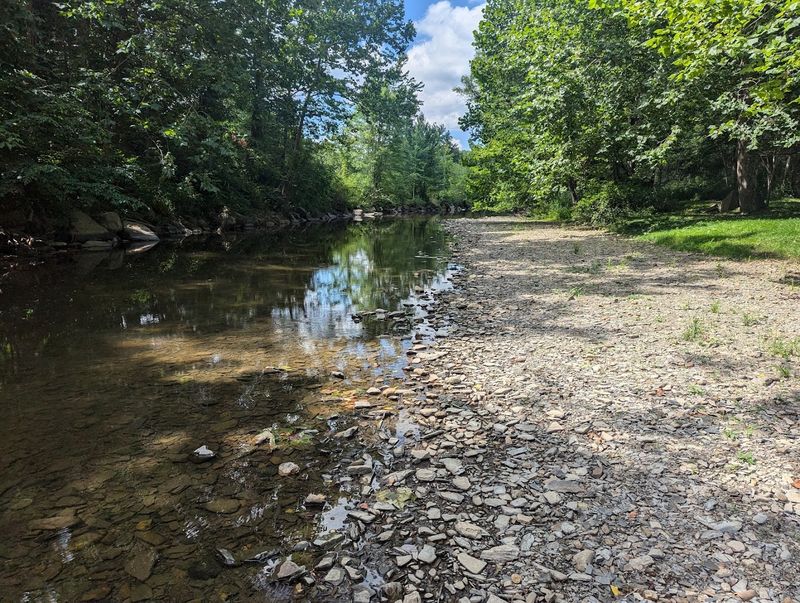
History and nature rarely share the same stage this gracefully, but at Wolf Creek Indian Village & Museum, the two coexist in a way that makes the whole experience feel genuinely restorative. A trail crosses the road from the main museum building, leading into terrain that rewards anyone willing to put in a little walking effort.
Trees and plants along the path are clearly labeled, which adds an unexpected layer of botanical education to what might otherwise just be a pleasant stroll. The connection to the land feels intentional here, echoing the deep relationship that the Eastern Woodland people maintained with their natural environment.
Wolf Creek itself runs right behind the reconstructed village, low and clear enough in warmer months to wade into and cool your feet. The combination of running water, forested hillsides, and the quiet presence of the village creates an atmosphere that’s hard to manufacture and impossible to rush.
Virginia’s mountains have a particular quality of stillness that amplifies the reflective mood of a place like this. Arriving here with no agenda and leaving genuinely moved is a very real possibility, and honestly, that’s exactly the kind of travel experience worth chasing.
Family-Friendly and Fully Accessible: A Museum for Every Age
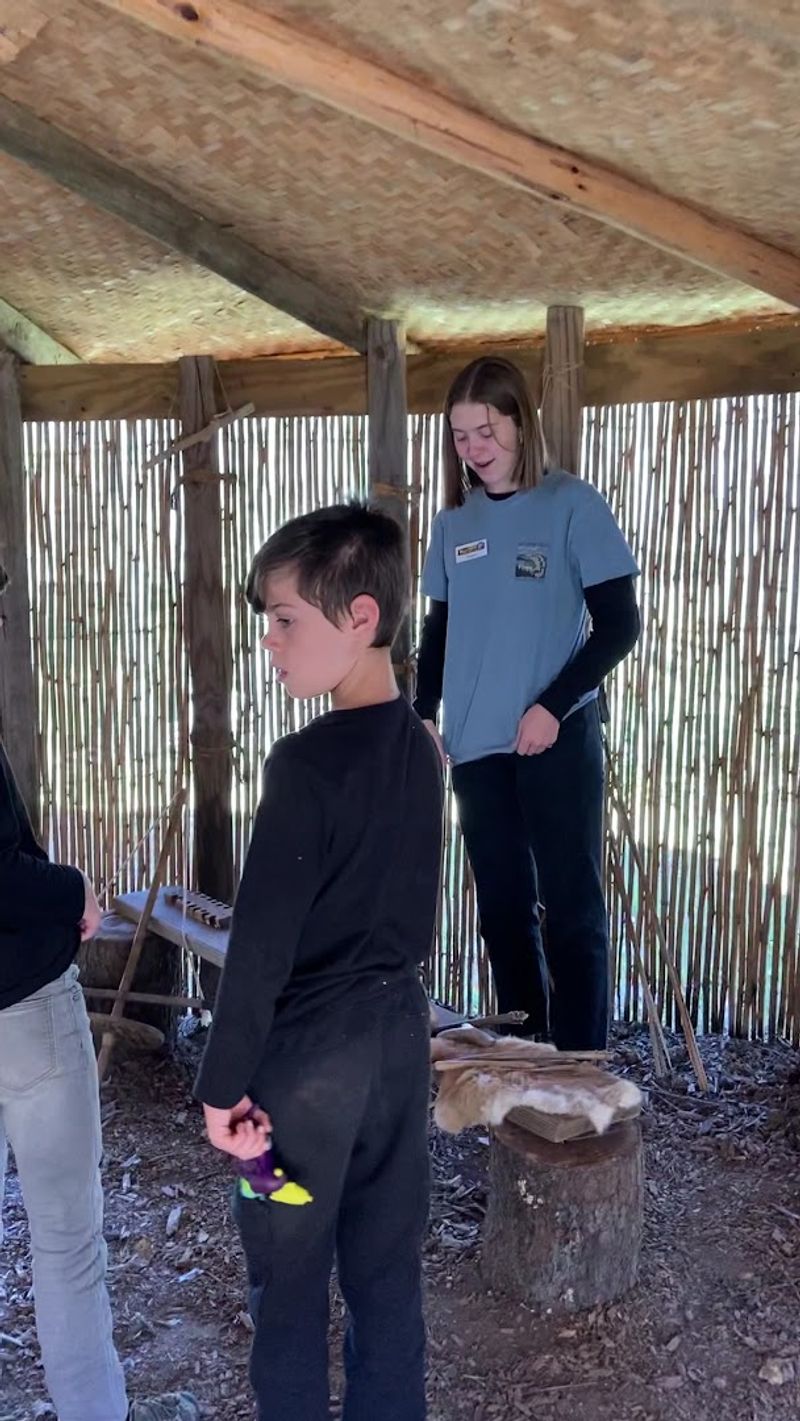
Bringing kids to a history museum can feel like a gamble, but Wolf Creek Indian Village & Museum stacks the deck heavily in your favor. The staff and guides have a genuine knack for tailoring the experience to whoever shows up, from wide-eyed toddlers to skeptical teenagers who thought this was going to be boring.
Hands-on participation is woven throughout the guided tour. Children get invited to engage with replicas, ask questions, and absorb information through activity rather than passive listening.
Mud face paint, replica tools, and interactive storytelling transform what could be a dry lecture into something kids actually remember and talk about afterward.
Accessibility is taken seriously here too. Golf carts are available for those who need them, ensuring that the path down to the village doesn’t become a barrier for older family members or anyone with mobility considerations.
The whole setup reflects a thoughtful, welcoming philosophy that makes the museum feel genuinely inclusive rather than just nominally so. Southwest Virginia doesn’t always get recognized as a family travel destination, but this particular spot makes a compelling argument for putting it firmly on the itinerary.
Plan a full morning and bring snacks for the trail.
The Cultural Significance of Virginia’s First People
Long before European explorers mapped the Appalachian ridges, the Eastern Woodland Indians called this corner of Virginia home. Wolf Creek Indian Village & Museum approaches their story with a respect and specificity that sets it apart from more superficial treatments of indigenous history found elsewhere.
The museum doesn’t flatten these communities into a single generic narrative. Instead, it focuses on the particular people who lived at this specific location during a specific era, using archaeological evidence to ground every claim.
That commitment to accuracy gives the whole experience an intellectual honesty that feels refreshing and important.
Understanding the cultural practices, agricultural methods, and social organization of Southwest Virginia’s First People reframes the entire region’s history. These weren’t nomadic bands passing through; they were settled communities with sophisticated knowledge of the land, the seasons, and the resources around them.
Visiting this museum shifts perspective in a meaningful way, making it harder to think of Virginia’s history as beginning only with colonial settlement. The story is far older, far richer, and far more layered than most people’s standard history education ever suggested.
That recalibration alone is worth the drive to Bastian.
Fort Ancient Culture Connection: A Broader Historical Web
One of the most fascinating dimensions of Wolf Creek Indian Village & Museum is how it connects to a much broader cultural network. Researchers have noted compelling links between this site and the Fort Ancient culture, a sophisticated archaeological tradition documented extensively at a World Heritage site in Ohio.
That connection reframes the village not as an isolated settlement but as part of a wider web of communities, trade routes, and shared cultural practices that stretched across a significant portion of eastern North America. The people who lived here were participants in a larger world, not isolated pockets of humanity.
For anyone with a background in archaeology or American history, this dimension of the museum adds a genuinely exciting layer of context. For casual visitors, it opens up a sense of scale that makes the reconstructed village feel even more significant.
Southwest Virginia sits at an intersection of cultural influences that most maps and textbooks never adequately capture. The fact that a county-level institution in Bland County, Virginia is actively preserving and interpreting this connection is remarkable and worth celebrating loudly.
History this layered and this locally maintained deserves far more attention than it typically receives.
Plan Your Visit: Getting to Wolf Creek Indian Village and Museum
Getting to Wolf Creek Indian Village & Museum is part of the adventure. Nestled along the North Scenic Highway in Bastian, Virginia, the drive itself delivers sweeping mountain views and the kind of unhurried countryside scenery that city roads simply cannot offer.
The museum sits less than five minutes off the main highway, making it a genuinely easy stop without sacrificing that sense of discovery.
The museum is open Monday through Saturday, so Sunday road-trippers should plan accordingly. Guided tours run throughout the day, but arriving earlier gives you the best shot at joining a smaller group and getting more one-on-one time with the knowledgeable staff.
Tickets purchased at the door are good for multiple days, which is a surprisingly generous policy that rewards anyone who wants to return for a deeper look.
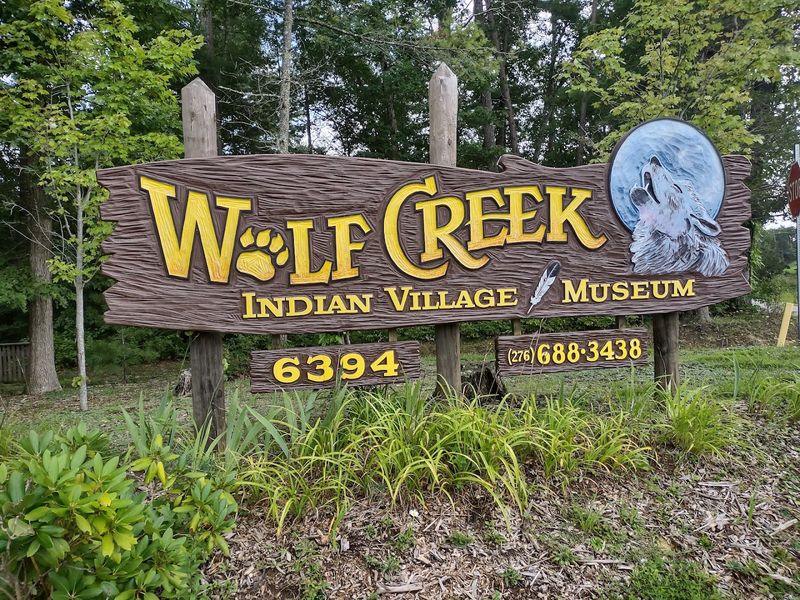
The address is 6394 North Scenic Highway, Bastian, VA 24314, and the team can be reached at 276-688-3438 or through their website at indianvillage.org. Group tours can be arranged in advance, which is well worth doing for school trips or organized outings.
Pack comfortable shoes, bring a sense of curiosity, and prepare to leave with a much richer understanding of Virginia’s remarkable, often overlooked ancient past.
Dear Reader: This page may contain affiliate links which may earn a commission if you click through and make a purchase. Our independent journalism is not influenced by any advertiser or commercial initiative unless it is clearly marked as sponsored content. As travel products change, please be sure to reconfirm all details and stay up to date with current events to ensure a safe and successful trip.
