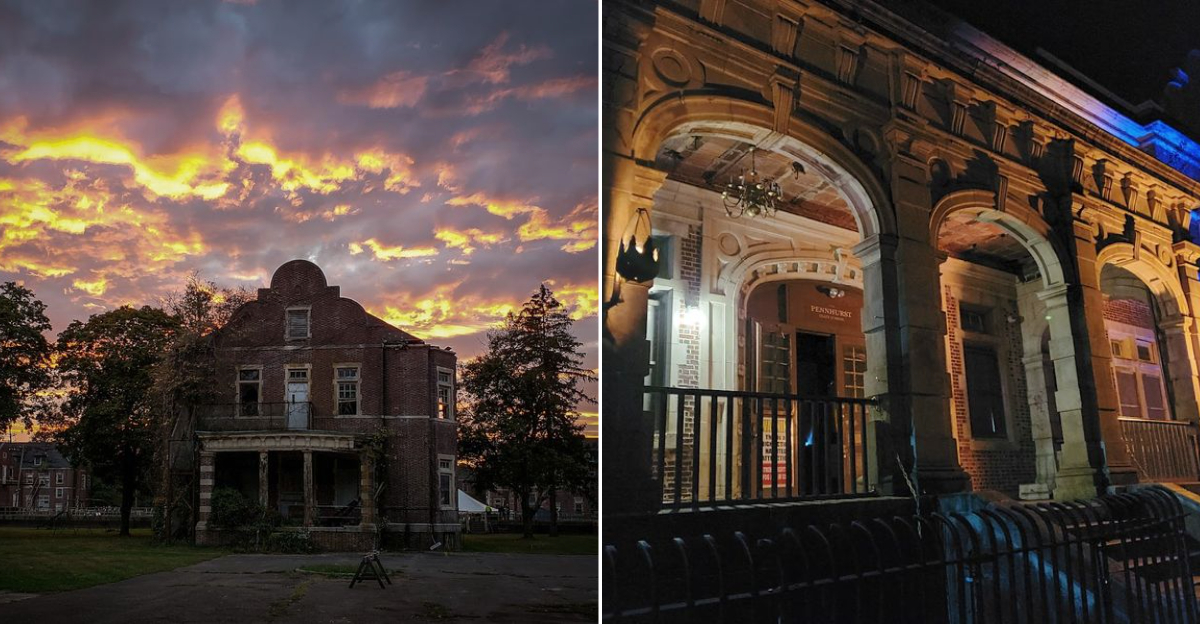
What happens when a sprawling institution that once housed thousands of people transforms into a theatrical haunted attraction with underground tunnels and overnight ghost hunts? You get one of the most talked-about paranormal destinations in the country.
This Pennsylvania asylum opened in the early 1900s as a self?contained village, complete with its own power plant and farm. Decades later, a television report revealed the difficult conditions inside, leading to major changes in disability law across the nation.
After the facility closed, a private developer bought the property and turned the historic administration building into a seasonal horror experience. Today, visitors can take historical tours during the day or sign up for spine-chilling overnight ghost hunts.
The grounds have been investigated by popular paranormal shows and are said to be among the most active locations in the United States.
So which Spring City landmark offers a glimpse into a complicated past and a chance to spend the night searching for spirits?
A Large Campus Of Red Brick Buildings
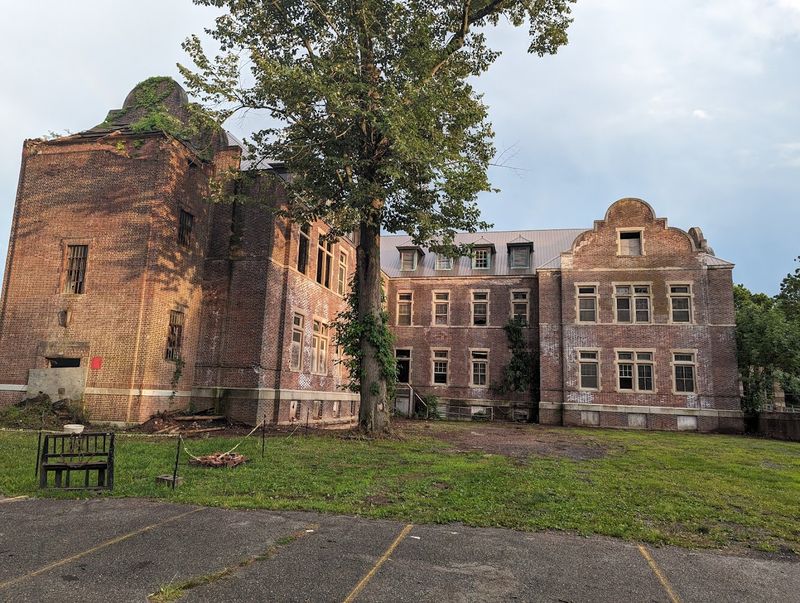
The first thing that hits you at Pennhurst is the scale, because this is not one lonely building sitting off by itself with a little bit of haunted hype attached to it. You are looking at a broad Pennsylvania campus of red brick structures that stretch across the grounds in a way that feels heavy, quiet, and strangely formal.
Even before you hear any history, the place already tells you that a lot happened here.
What makes it memorable is how the buildings seem to hold their posture, even after so much time has passed and so many stories have settled into the walls. The brickwork, the long facades, and the repeating windows give everything an institutional rhythm that feels different from the usual historic site.
It has presence, and you notice that right away without anyone needing to explain it.
I think that is why the campus works so well for both historical tours and ghost hunts, because the setting already pulls you into a certain frame of mind. In daylight, you can study the architecture and imagine daily routines unfolding across the property.
Later on, those same sightlines and empty stretches of building start to feel a lot less academic and a lot more unnerving.
If you like places that feel physically imposing before you even step inside, this one absolutely delivers that. You are not walking into a tidy museum wing and calling it a day.
You are entering a massive old environment that still feels organized, watchful, and impossible to take in all at once.
The Administration Building With Its Tall Cupola
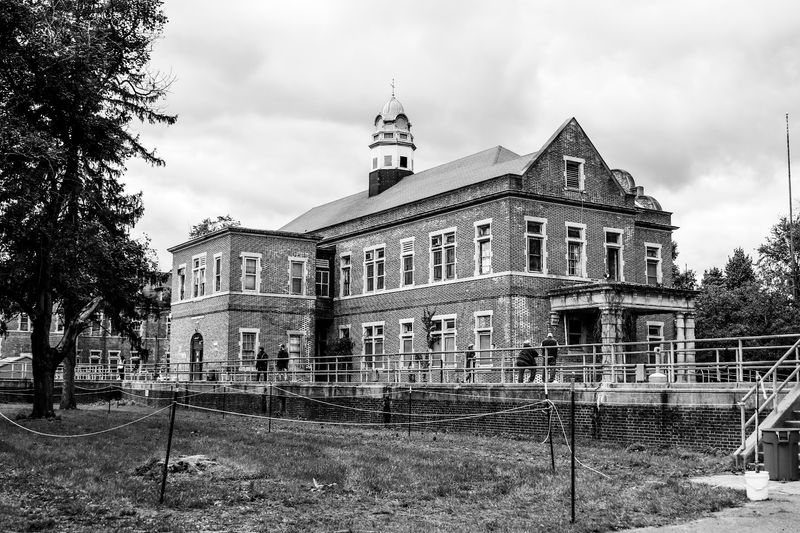
You know that one building on a historic property that immediately takes over the scene the second you spot it? Here, that is the Administration Building, and the tall cupola gives it a kind of authority that is impossible to ignore.
It anchors the campus visually, and it also sharpens the feeling that this place was built to organize a vast operation.
From a distance, the cupola draws your eye upward and makes the whole structure feel more formal than the buildings around it. Up close, the brick, the height, and the symmetry create that old institutional look that is both impressive and a little unsettling.
It is the kind of architecture that feels deliberate in every line, which makes sense once you understand the history behind the site.
What I liked is that it does not read like a movie set version of eerie, because it still feels grounded in its original purpose. You are not just reacting to dramatic shapes or weathered surfaces.
You are looking at a real administrative center that once helped direct daily life across the property, and that fact gives the building much more weight than any spooky rumor ever could.
Still, if you arrive with a haunted-place mindset, the cupola does its job and then some. It adds that watchful silhouette above the grounds, especially when the light starts fading and the campus quiet gets deeper.
Even in broad daylight, it has a way of making you pause and stare a little longer than you meant to.
Once A Self Contained Community For Thousands
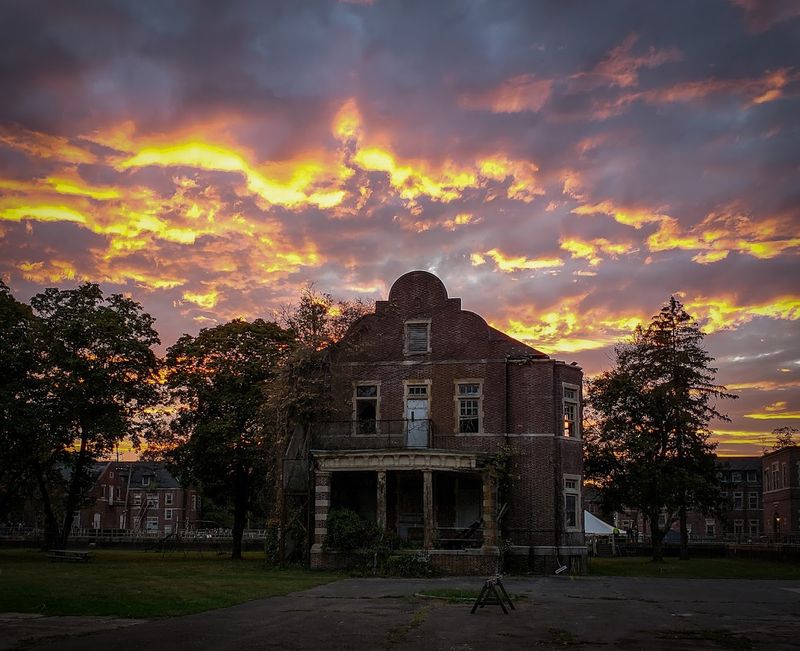
Once you start learning what Pennhurst actually was, the whole place becomes even harder to shake, because it functioned as a self contained community for a huge number of people. Standing there, you realize this was not just a cluster of buildings, but an entire world with routines, rules, work, care, and isolation folded into everyday life.
That larger context changes how you look at every corridor and doorway.
This is also the moment when the location lands in a more concrete way, since Pennhurst Asylum stands at 601 N Church St, Spring City, PA 19475, in a part of Pennsylvania that feels quiet enough for the setting to really sink in. Spring City itself does not prepare you for the emotional weight behind the grounds.
You arrive expecting a historic property, and then you understand you are stepping into a place shaped by many human lives.
I appreciated that the story here is bigger than ghost lore, because the institution became part of a much wider conversation about treatment, rights, and reform. You can feel that seriousness running under everything, even when people show up hoping for paranormal activity later in the evening.
The site asks you to hold both things at once, which honestly makes the experience more affecting.
So before anyone starts whispering about strange sounds, it helps to remember that this campus was once busy, structured, and full of constant movement. That idea stays with you as you walk.
It is easier to picture real voices, real schedules, and real lives threaded through these grounds.
Original Floors And Institutional Corridors Remain
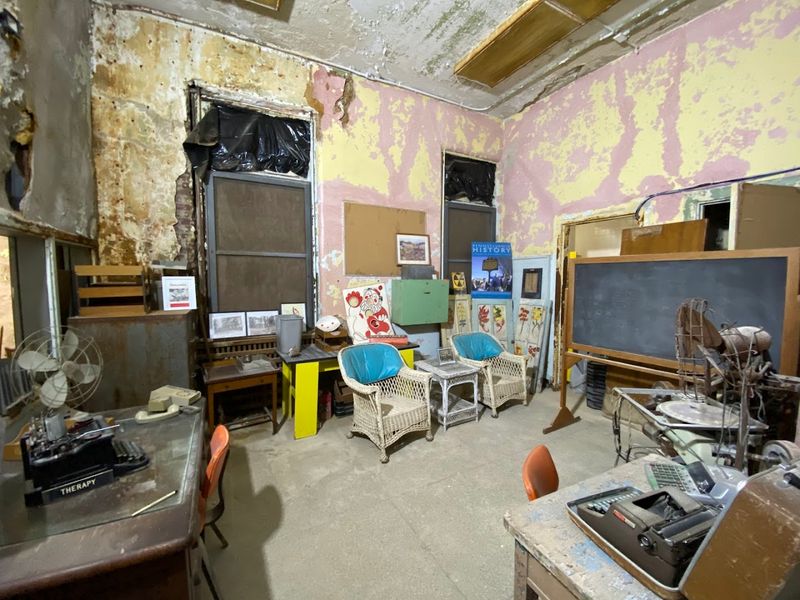
Once you get inside the preserved areas, the original floors and those long institutional corridors do a lot of the storytelling without saying a word. You can feel the age underfoot, and the worn surfaces make the place seem less like an attraction and more like a site that simply kept going for a very long time.
That texture matters, because it keeps the experience rooted in reality.
The corridors are especially striking because they stretch in that old institutional way that makes distance feel longer than it probably is. Light falls unevenly, doorways repeat, and the whole space develops a rhythm that can feel calm one minute and tense the next.
You do not need any theatrical setup for that effect, since the building itself is doing the work.
I think this is where a lot of people start imagining the human routine of the place, because floors and hallways are where daily life leaves its marks. You picture staff moving quickly, residents passing through, conversations drifting, and the ordinary sounds that once filled these spaces.
That is what makes the quiet feel so noticeable now, especially in Pennsylvania where many old institutional sites have vanished or changed beyond recognition.
For me, these interiors are some of the most compelling parts of Pennhurst, because they preserve atmosphere without trying too hard. Nothing feels overly polished or stripped of context.
You are standing in corridors that still carry the physical language of the institution, and that makes both the history tour and the paranormal side feel much more immediate.
Underground Tunnels Connect The Main Structures
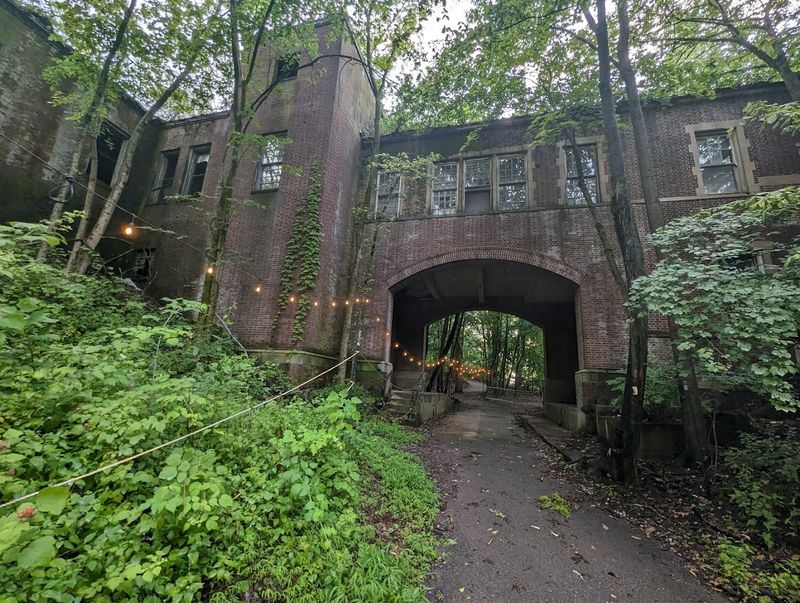
Now, if you want the part that really gets people leaning in, it is the underground tunnels connecting the main structures. The idea alone is enough to make your imagination start working overtime, because tunnels always seem to hold onto a different kind of silence than the rooms above them.
At Pennhurst, they are not just creepy features, since they were built as part of how the campus functioned.
That practical purpose is exactly what makes them interesting to me, because these passages linked buildings in a way that kept the institution running as a connected whole. You are walking through infrastructure, not some added gimmick meant to raise goosebumps.
Of course, once you are actually down there, knowing that does not make the atmosphere feel any less tense.
The light changes, sound carries strangely, and every turn seems to make you more aware of your own footsteps. During a daytime visit, the tunnels add another layer to the historical picture and show how expansive the operation once was.
During paranormal investigations, they become one of those places where everyone starts paying extra attention to tiny noises they might ignore anywhere else.
I would never say the tunnels are the only reason to come, but they are definitely one of the hardest parts to forget afterward. They connect the campus physically, and they also connect the historical and haunted sides of the visit in a very direct way.
If you like spaces that feel functional, claustrophobic, and a little surreal, these tunnels stay with you.
Daytime Historical Tours Explain The Site’s Past
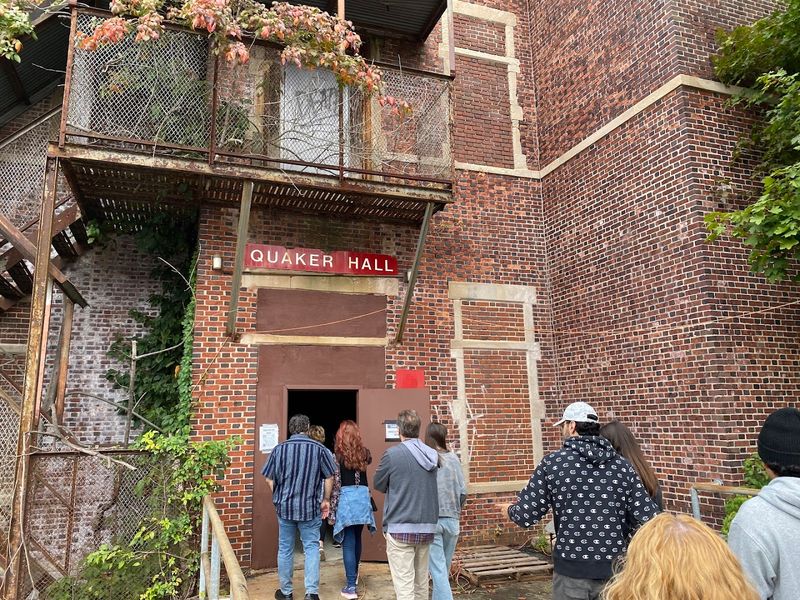
If you go during the day, the historical tour is really the thing that gives the whole visit its backbone. Instead of leaning only on haunted reputation, Pennhurst lays out the true story of the former institution in a way that feels direct, serious, and surprisingly absorbing.
You are not just wandering around old buildings and guessing what happened in them.
The daytime tours in Pennsylvania focus on the actual past of Pennhurst State School and Hospital, and that grounding makes a huge difference. Guides explain how the campus operated, what daily life could look like, and why the site matters in the broader history of disability rights.
That context gives the property a human scale, even though the campus itself feels enormous.
I appreciated that the tour format lets you absorb the architecture and the social history at the same time, because one constantly reshapes the other. A doorway or stairwell means more when you understand who moved through it and under what kind of system.
It becomes less about atmosphere for its own sake and more about listening carefully to what the place still shows you.
Then, interestingly, the paranormal side becomes more effective because the history is no longer abstract. You have already spent time with the real story, so the evening mood lands differently.
If you are deciding between only a ghost hunt or first seeing the site in daylight, I would absolutely start with the historical tour and let the place introduce itself properly.
The Museum Preserves Artifacts And Local History
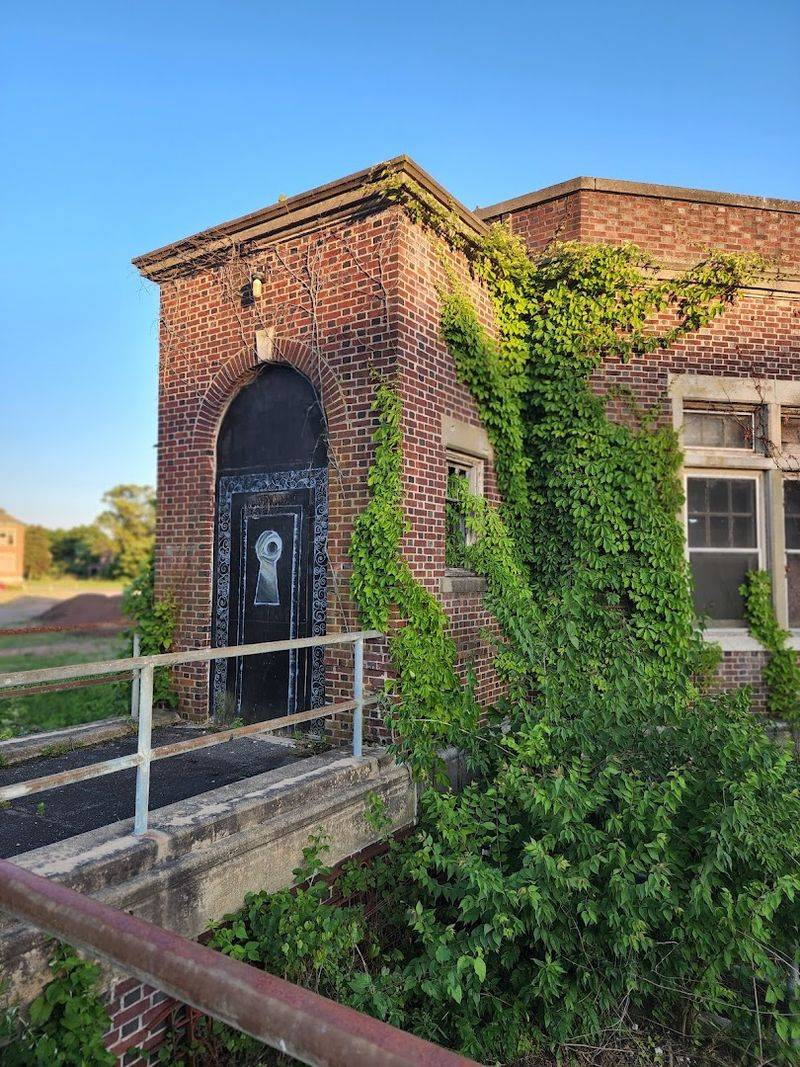
One part that people sometimes overlook is the museum side of Pennhurst, and honestly, I think it deserves real attention. Preserved artifacts and historical materials give the visit shape, because they pull the story out of rumor and place it right in front of you.
Suddenly, the campus is not only a mood or a setting, but a documented piece of local and institutional history.
What works so well is how the objects make the scale of the place feel personal again. Buildings can seem overwhelming on their own, but artifacts narrow your focus and remind you that everyday life happened here in tangible ways.
You start connecting the broad history of Pennsylvania with individual experiences, routines, and systems that were once considered ordinary.
I like museums that do not overtalk the visitor, and this one fits that mood because the material already carries plenty of weight. You can move through it at your own pace and let certain details catch your attention longer than others.
For me, those quiet moments often land harder than the most dramatic stories, since they feel specific and unforced.
It also balances the visit nicely if you came mainly for the haunted reputation, because the museum keeps pulling you back to what is verifiable and human. That is important at a place like this.
When a site has such a strong paranormal identity, having preserved history right there in front of you makes the experience fuller, more responsible, and honestly much more interesting.
Seasonal Evening Events Run From September To November
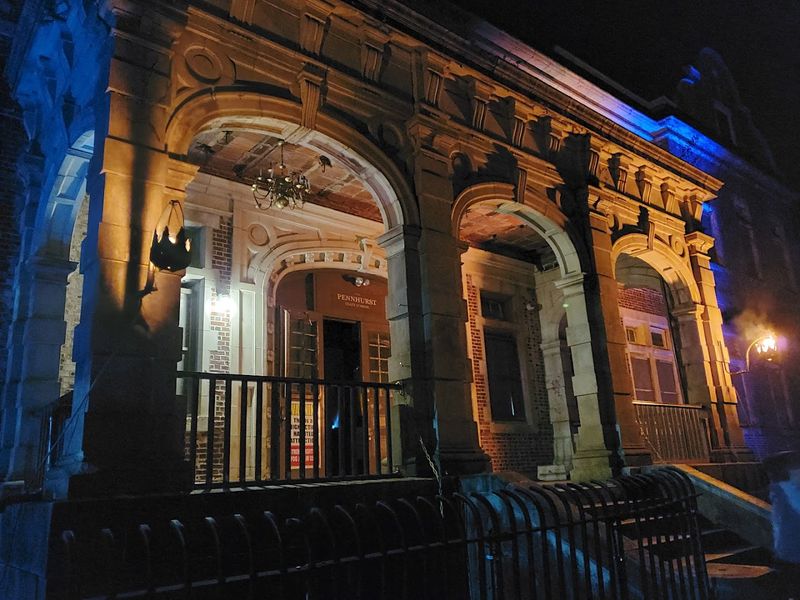
Here is where the energy changes, because the seasonal evening events are when Pennhurst starts leaning into the chills people come for. From early fall into late fall, the grounds pick up that after-dark tension that feels almost built into the brick and concrete.
Even if you are usually pretty skeptical, the setting makes it easy to understand why this place has such a reputation.
What I find interesting is that the atmosphere does not come only from darkness, but from already knowing something about the site before the sun goes down. You have seen the buildings, heard the history, and maybe walked spaces that felt solemn in daylight.
Once evening settles over the Pennsylvania campus, all of that background starts pressing in differently.
The seasonal timing helps too, because that part of the year naturally sharpens every sound and shadow. Air feels cooler, the grounds seem quieter, and the long facades take on a much heavier look as the light fades.
It is not hard to see why so many people plan visits specifically for this stretch, especially if they want the historical setting and the haunted mood in the same trip.
Even then, I would not call the experience campy or overblown, because the place itself keeps things grounded. Pennhurst already has enough atmosphere on its own.
The evening events simply let you experience the campus in the hour when old architecture, silence, and imagination start working together a little too well.
One Last Look Before Leaving The Grounds
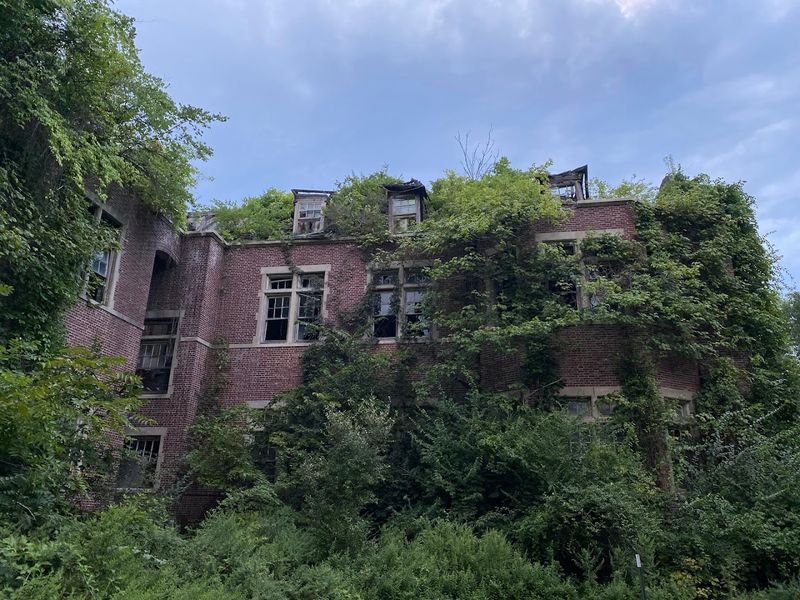
The part I kept replaying later was that final look back before leaving the grounds, because Pennhurst really knows how to stay with you. Maybe it is the size of the campus, maybe it is the history, or maybe it is just the strange way the buildings hold the dark.
Whatever it is, the place feels different when you are walking away than it did when you first arrived.
By then, you have taken in the red brick facades, the preserved interiors, the museum pieces, the tunnels, and maybe even the overnight investigation atmosphere if you stayed that long. All of those parts stack on top of each other and create a feeling that is hard to reduce to either history or haunting alone.
It is more layered than that, which is probably why people keep talking about Pennhurst long after the visit ends.
I also think leaving gives you a second to recognize how unusual the site is within Pennsylvania travel, because it is not just scenic or entertaining in the usual sense. It asks more from you than that.
You pay attention, you imagine lives that passed through here, and you carry a little tension with you even while heading back toward ordinary surroundings.
So if you go, do not rush that last moment in the parking area or at the edge of the grounds. Turn around and take one more look.
Whether you came for the daytime history, the nighttime ghost hunt, or both, that final glance is where the whole experience seems to gather itself and follow you out.
