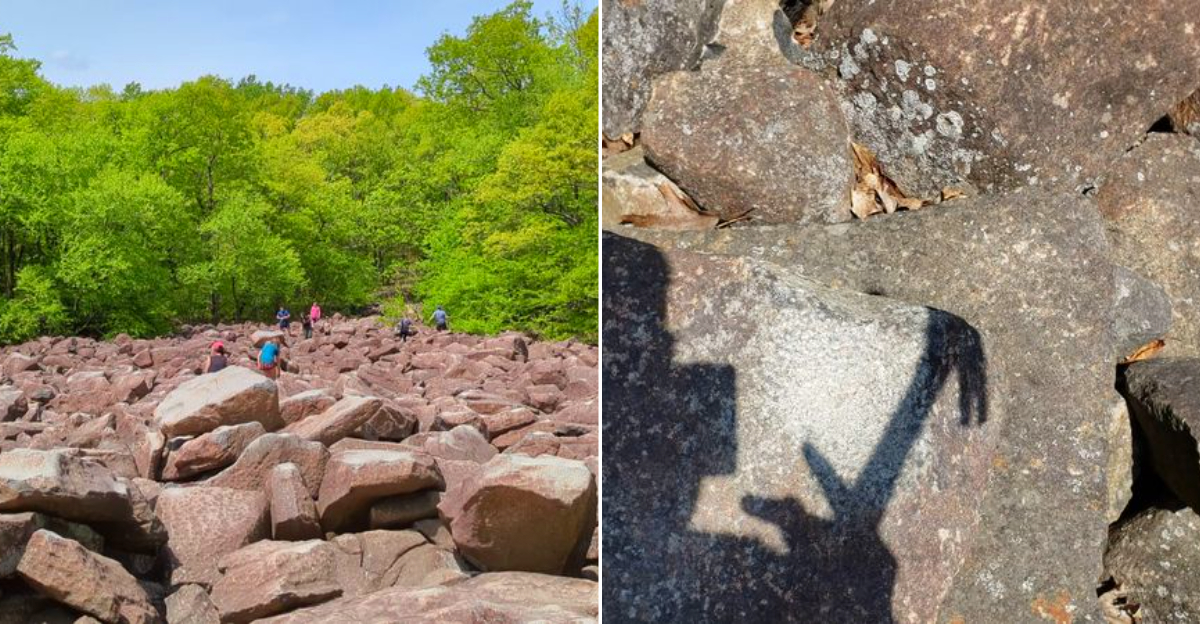
Step onto a seven-acre field of dark boulders, raise a hammer, and bring it down on the stone. Instead of a dull crack, you hear a clear, metallic ring, like a bell hidden deep inside the rock.
That is the strange magic of this Pennsylvania park, where about a third of the boulders are “live stones” that sing when struck. Geologists know the field formed from ancient volcanic activity and was shaped by ice, but why only some rocks ring remains a mystery.
In 1890, a local doctor played a tune on a large boulder, performing what is often called the world’s first “rock concert.” The land was nearly sold to a company that wanted to crush the stones into paving blocks, but a banker saved it just in time. Locals say if you take a ringing rock home, it falls silent.
So which hidden gem in Upper Black Eddy lets you turn a hammer into an instrument? Bring a tool, listen closely, and let the boulders sing. Just leave them where they belong.
A Bucks County Park With A Musical Secret
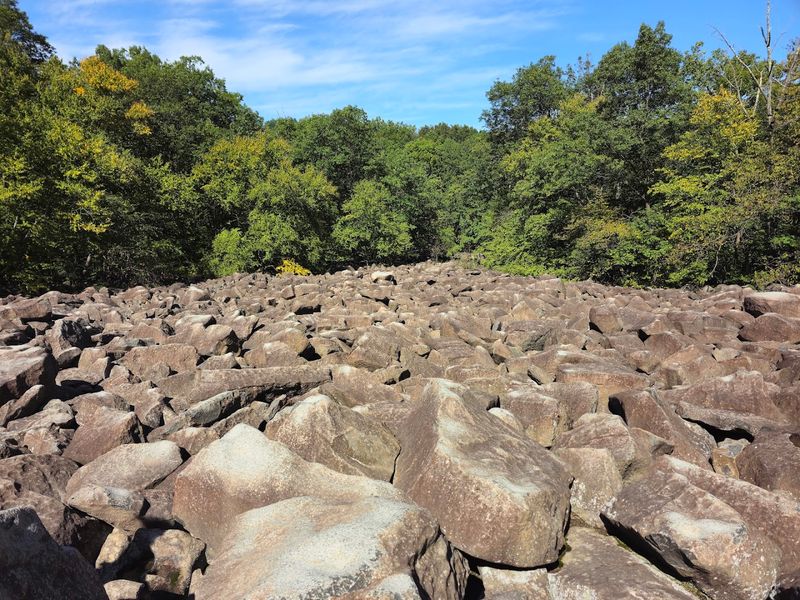
You step off the dirt and onto a sea of boulders, and the whole place suddenly feels like a stage you did not know you missed. The stones are dark and heavy underfoot, with flat faces that beg for a test tap.
You listen, tap again, then realize the air has that light ring that makes your shoulders loosen.
The trick is to move slow and let your ears lead, which is honestly part of the fun. Your footing becomes this quiet dance, one careful hop at a time, and the field replies with bright pings and stubborn thuds.
It is a conversation, and you can hear yourself relax into the rhythm.
What gets me every time is the contrast between the still forest and the cheerful sound. The rocks look stern and old, yet they sing when you ask nicely.
In Pennsylvania, spots like this feel both playful and grounded, and you leave humming.
Native American Legends Spoke Of An Eerie Aura
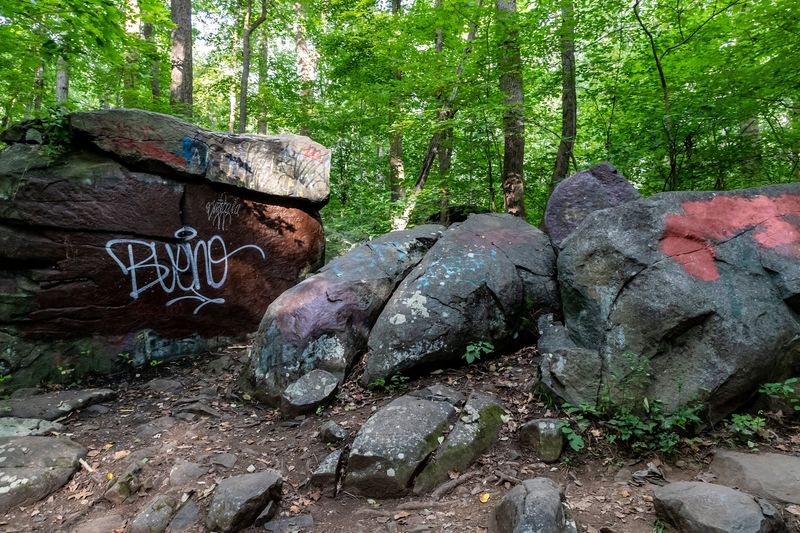
Before you even swing the hammer, the place already carries a hush that feels older than the trails. Friends have told me stories passed along in soft voices about spirits in the stones and songs on the wind.
Whether you believe or just like the goosebumps, the field invites that slower breath and careful step.
I am not here to rewrite anyone’s heritage, only to say the feeling is real when you stand still and listen. The boulders absorb your footsteps and return only what you ask, which feels like a kind of respect.
You try a small strike, then pause, and the echo softens into the trees like a reply.
Here is the practical bit for you too. Ringing Rocks Park, 1101 Ringing Rocks Rd, Upper Black Eddy, PA 18972, is easy to reach yet tucked enough to feel secluded.
In Pennsylvania, that mix of access and mystery keeps the stories alive without turning them into noise.
The Infamous 1737 Walking Purchase Acquired The Land
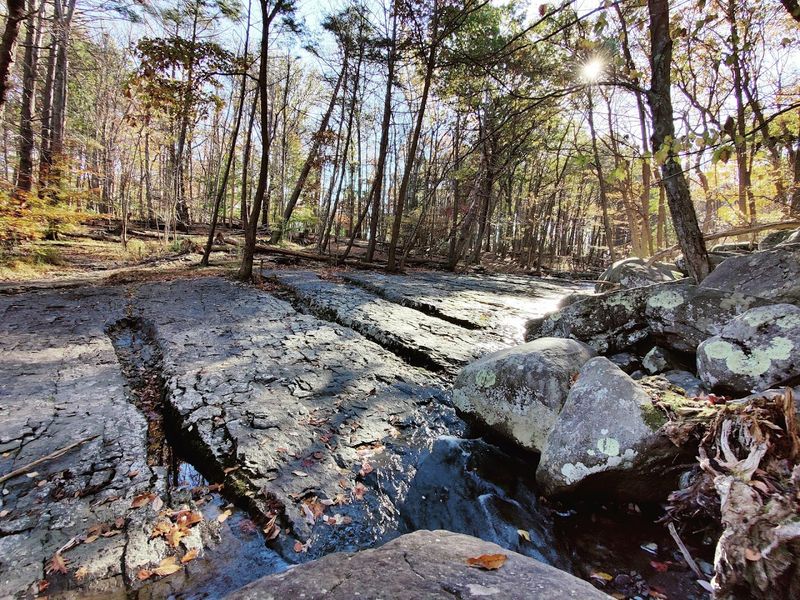
You can feel the weight of tangled history even if the trees stay quiet about it. Land passed hands in ways that left marks you cannot always see, and this patch of forest holds that tension like a breath.
When the rocks ring, the sound threads through time and reminds you there is always more beneath the surface.
We can talk trailheads and parking, but you will still sense a complicated backstory under your boots. The field looks simple, a jumble of dark blocks, and yet the air has this layered mood.
I like to keep my notes humble here and let the stones do most of the speaking.
If you want a grounding move, try one gentle strike, then let silence settle before the next. The pause matters as much as the tone, which feels right for a place that remembers a lot.
Pennsylvania is full of chapters like this, and standing here turns the page slowly.
A 19th Century Doctor Played The First Rock Concert
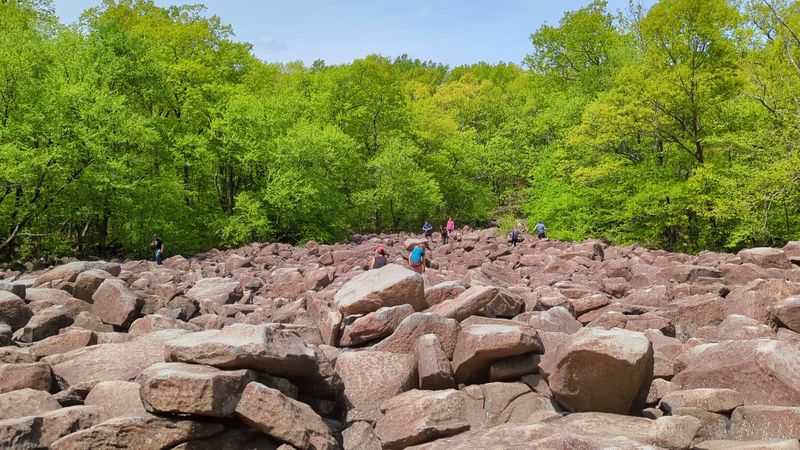
Somewhere back in the day, a curious soul treated the field like a makeshift instrument, and honestly, you get why within minutes. You find a bright note, then a lower one nearby, and pretty soon you are arranging a clunky little scale.
It is messy and charming and way more musical than you expected.
I like to move in a loose arc and map out tones by ear, marking them in memory like stepping-stones. Your rhythm grows more confident, and the forest starts to feel like an audience leaning in.
Not a performance, really, just a friendly experiment with rocks and patience.
Do you hear that slightly bell-like shimmer when your strike lands just right? That is the field saying keep going, you are close.
In Pennsylvania, oddball joy like this tends to live in the woods, waiting for whoever shows up willing to play a little.
Only A Third Of The Boulders Actually Ring
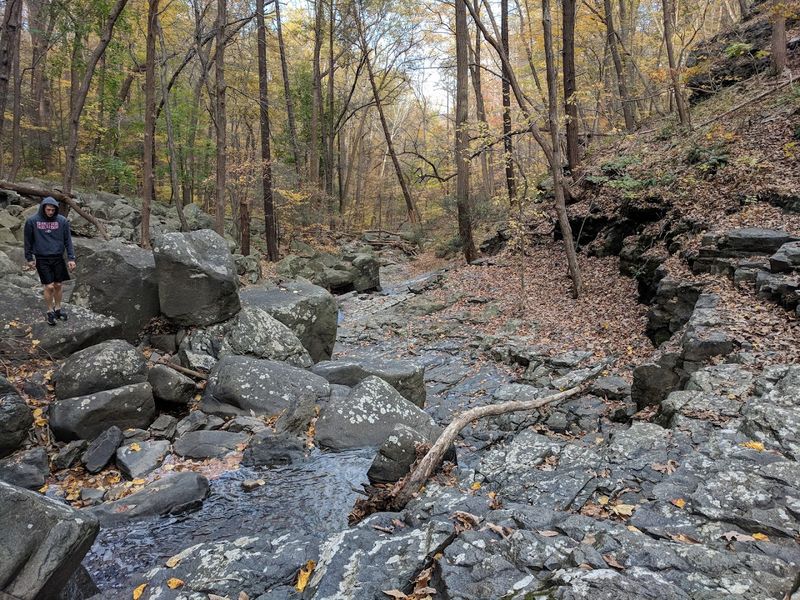
Here is the thing people always ask: do all of them sing? Not even close, which is part of why it feels like a treasure hunt.
You will tap a silent block, then another, and then suddenly the next one lights up your ears with a clean, metallic tone.
Think of it like tuning forks scattered across a hillside. The ringing stones have stresses locked inside that turn your tap into a note, while their neighbors just thud politely.
You learn fast to follow the music and let the dull ones guide you toward the bright pockets.
Give yourself time to wander and compare because contrast sharpens your hearing. That is when you start building a mental map, marking clusters that respond, and drifting back for a little encore.
Pennsylvania surprises you like that, slipping music into geology and making your afternoon feel both nerdy and magical.
Scientists Still Cannot Explain The Sonic Mystery
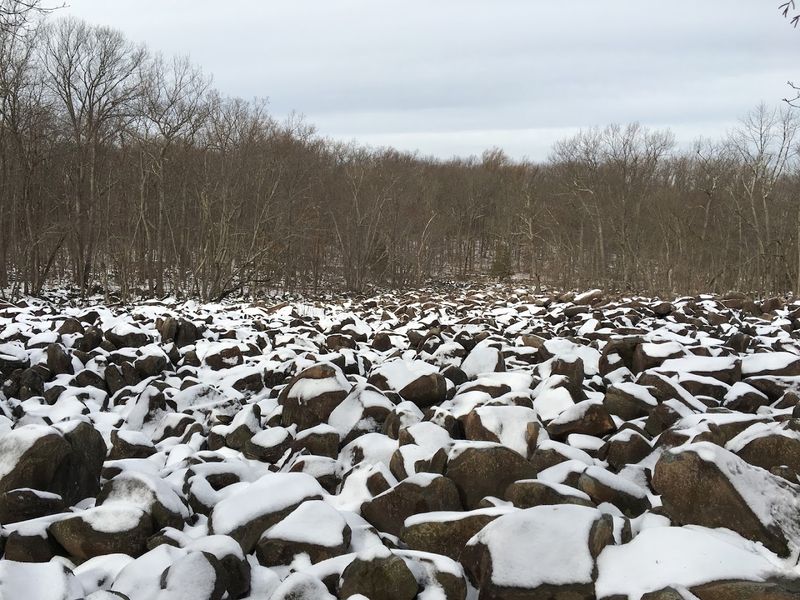
Even with smart guesses about stress and crystal structure, the field keeps some secrets for itself. You can read a dozen theories, nod along, then stand here and realize your ears are the best instrument you brought.
The explanation is interesting, sure, but the feeling is what lands the memory.
I like that it refuses to be tidy. The rocks ring in place and sulk when removed, and that quirk dodges the neat, easy answer.
You end up valuing the experience more than the lab note, which fits a park that turns visitors into casual percussionists.
Try testing the same stone at different spots, because even one boulder can carry a handful of voices. Light taps, firm taps, then a softer touch again, and suddenly a new tone sneaks out like it was hiding.
That whisper of mystery is very Pennsylvania to me, steady and patient, asking you to keep listening.
The Rocks Lose Their Tone Once Removed From The Field
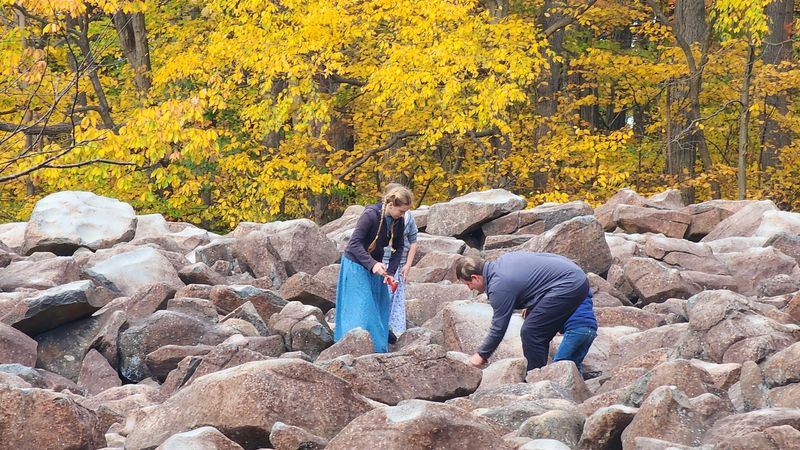
This is the rule that makes everyone blink: the song belongs to the field. Pull a rock out of the chorus and it sulks into silence, which honestly feels poetic.
The music depends on neighbors, pressure, and position, like a band that only plays together.
So when you get the urge to pocket a souvenir, swap it for a longer session of exploring tones. You will hear more by staying than by taking, and the field rewards patience with brighter notes.
It is a simple bit of park etiquette that also preserves the very magic you came for.
Try standing still in the middle, then working outward in gentle zigzags to notice how the sound shifts. Edges can feel different from the heart of the field, and that contrast is part of the charm.
Pennsylvania keeps teaching me that leaving things where they belong can make the music last.
Bring Your Own Hammer To Join The Percussion Section
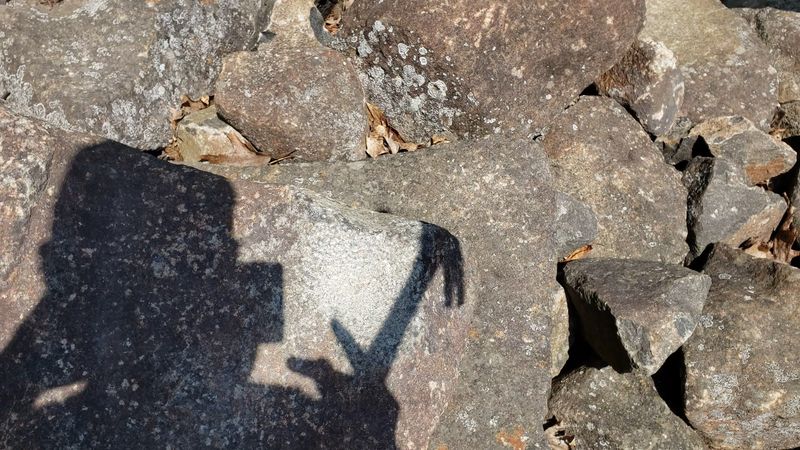
Pack a small hammer, nothing wild, and give yourself room to swing without clipping a knee. I like a modest head with a comfortable handle, plus a wrist loop so it never leaps into a crack.
You would be amazed how a light touch carries farther than a heavy blow.
Before you start, pick a stable stone and plant your feet, then test with gentle taps to find the sweet spot. You can rotate slightly and try different contact points to pull out higher or lower tones.
If you are with friends, trade stones and compare notes, because each person’s ear catches something different.
There is a simple rhythm that feels right: listen, strike, listen again, then adjust. Keep pockets zipped, watch your footing, and aim for controlled swings that feel safe and steady.
Pennsylvania trips like this remind you that the best souvenirs are the sounds you carry home in your head.
A Waterfall And Hiking Trails Complete The Adventure
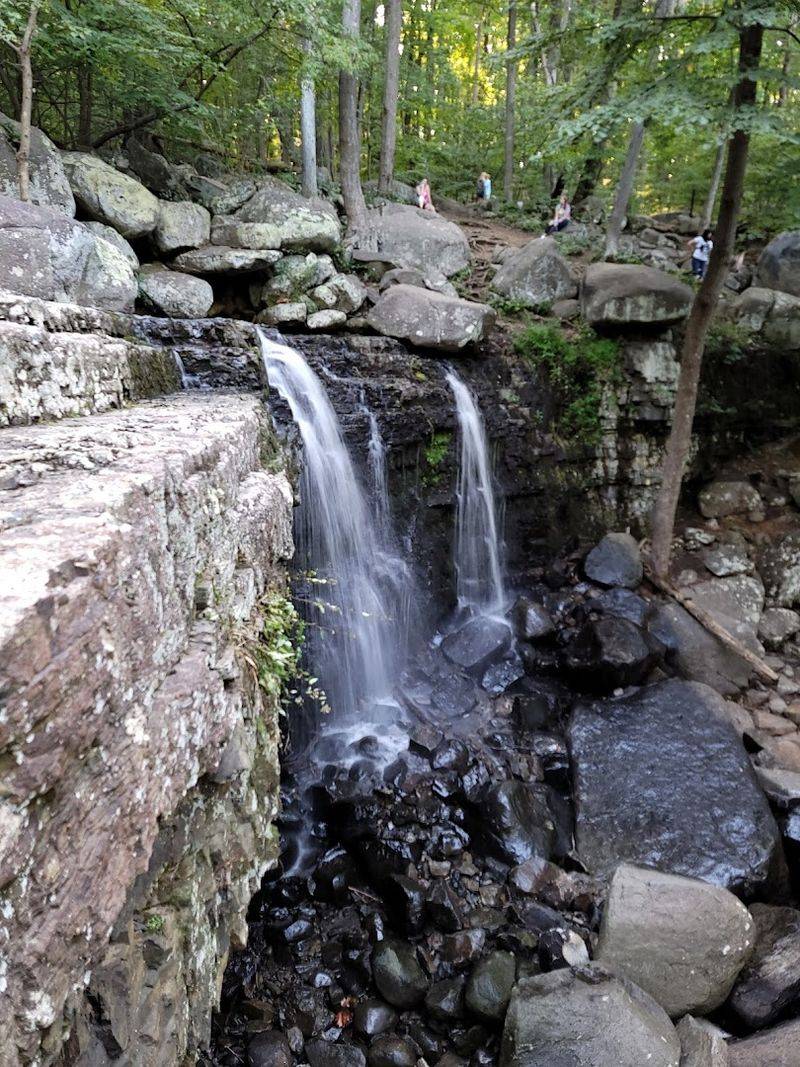
Once you have had your fill of music, follow the path and let the trees cool things down. The creek chatter blends with leftover chimes in your head, and the waterfall shows up like a soft exhale.
It is not about size here, it is about the pause and the steady sound of water smoothing the day.
The trails are friendly but still ask you to watch your steps near wet stone. I like to linger where the light flickers through leaves and turns the spray into quick silver.
Give yourself a few quiet minutes, because the contrast from metallic notes to water hush feels perfect.
Loop back when you are ready, and the field will be waiting for a last riff. That balance between hiking and tapping keeps the visit easy and unhurried.
Pennsylvania makes room for both, letting you wander, play, and settle without rushing the afternoon.
One Last Strike Before The Silent Forest Takes Over
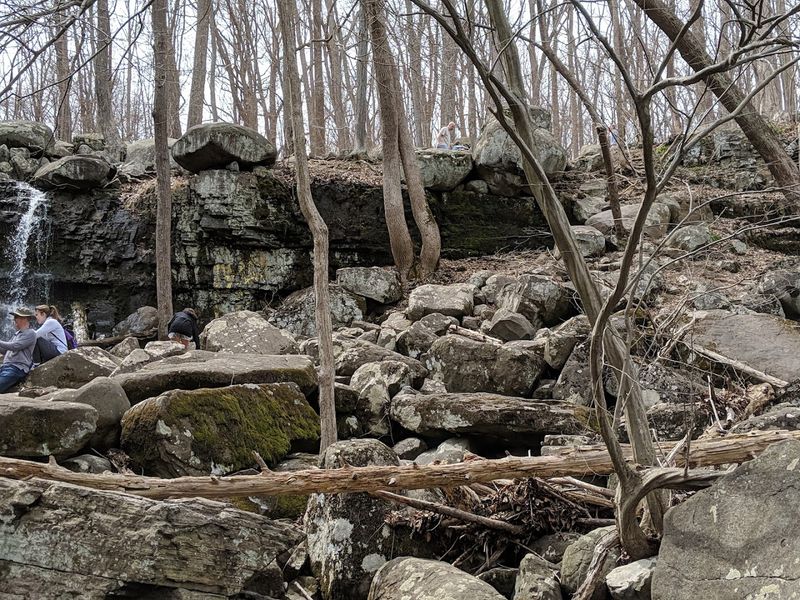
Right before you leave, find one more bright note and let it hang while the light slides through the trees. You will hear the tone fade back into the woods like a smile you can almost see.
That is the moment you tuck away for the drive home.
I like to stand quiet after the last tap, just listening for the forest to retake the space. The silence does not feel empty, more like a curtain closing on a friendly show.
You came to play a little, and the rocks answered, and now everyone rests.
Head back along the path with slow steps and a lighter mood, because the music did its job. You may not solve any mysteries, but you joined them, which is enough.
In Pennsylvania, some days are built from small sounds and steady trees, and this one rings long after you go.
