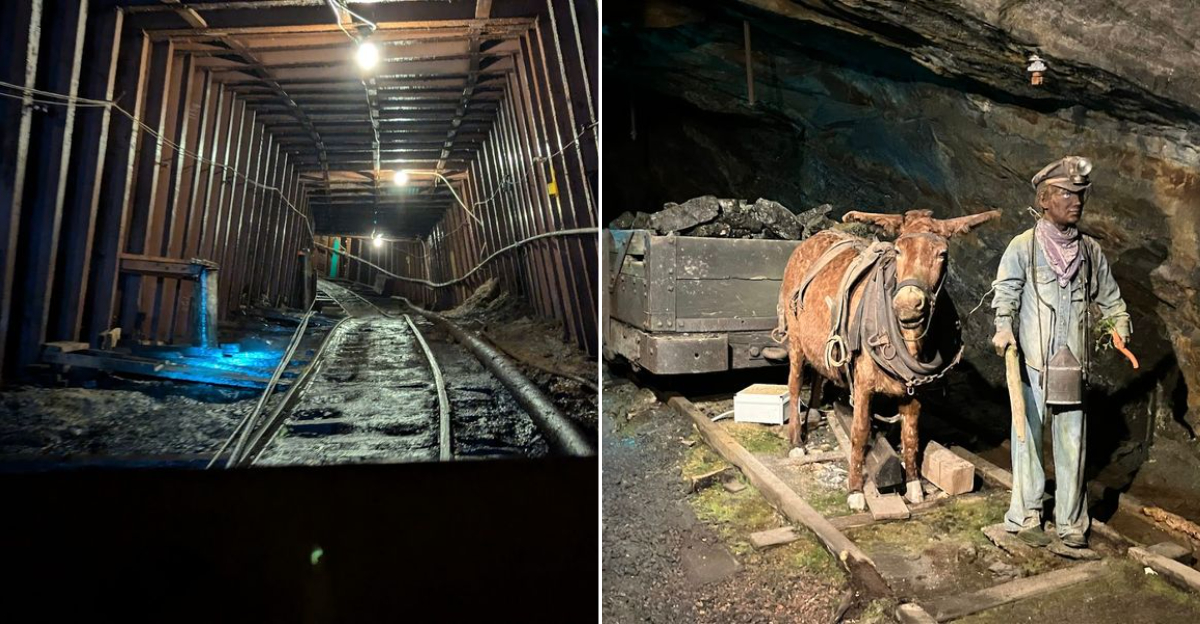
What if one of Pennsylvania’s most fascinating old stories was waiting beneath the surface the whole time? This underground tour reveals a hidden side of a historic coal region that most visitors never get to experience from this angle.
It is not just about hearing facts or looking at exhibits. The setting itself changes everything, because heading below ground makes the history feel heavier, more real, and a lot harder to shrug off.
That is what gives this experience its pull. You are stepping into a place shaped by Pennsylvania’s coal past, seeing a side of the region that feels preserved in a way ordinary sightseeing rarely delivers.
There is depth to it, atmosphere all around it, and a strong sense that this is not the kind of story you fully understand from the surface alone. If you like history that feels immersive, memorable, and just a little different from the usual tour stop, this Pennsylvania experience makes a strong impression.
The Descent Underground Sets The Tone Fast
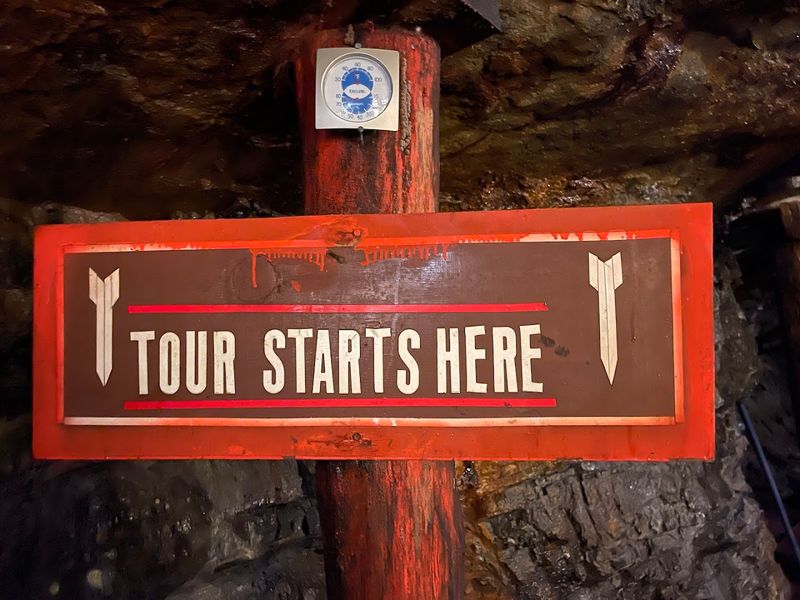
You step into the mine car and your voice naturally drops, like the rock itself is asking for a little respect. The ride down is steady and simple, but the moment the light thins, your attention sharpens in a way that feels physical.
Guides keep things calm and clear, and that first breath of cool underground air tells you instantly that this is not a stage set.
We roll to a stop and the doors open, and the temperature sits close to your skin while the ceiling lowers just enough to make you notice your posture. If you want the address for your map, it is the Lackawanna Coal Mine Tour, Bald Mountain Rd, Scranton, PA 18504, tucked inside a county park that locals know by feel.
Pennsylvania history has a way of living in the landscape, and you feel that here as boots meet damp gravel.
The guide walks you to the first intersection and casually points to darkness that turns out not to be empty at all. Your light picks up timbers, old rails, and shapes that resolve into the everyday tools of hard work.
You listen because the space edits out distractions, and every sound lands. If you came for simple curiosity, the descent makes it personal, and before you realize it, you are leaning in, hearing how rock, wood, and water learned to coexist with people.
Old Anthracite Tunnels Bring The Region To Life
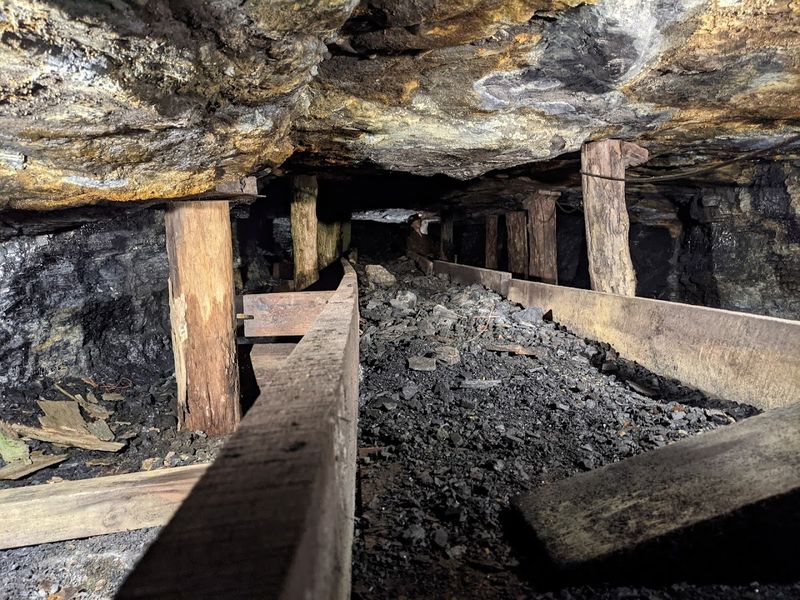
There is a moment when the tunnel curves and the beam from your helmet light finds a wall that looks almost alive. Anthracite has this dense sheen that throws back a quiet sparkle, and it turns the corridor into a living timeline.
You hear a soft drip ahead, a scuff behind, and the whole place becomes a conversation you walked into halfway through.
What surprised me most was how ordinary the space feels, in the best way. The timbers are not trying to impress you, and the rails do not look posed for photos, yet that unpolished honesty makes the story stronger.
Pennsylvania is full of museums that do great work above ground, but these old tunnels explain the region with the directness of a handshake, and you feel it in your shoulders.
Guides point out where crews cut across the seam, where they shored the roof, where the corridor narrowed and decisions had to be made without delay. You stand there and picture the rhythm of a shift, the pattern of steps, the way voices would carry, and it all clicks.
The tunnel gives you scale and consequence at the same time. By the time we loop back toward the main gangway, those dark bends are not threats, just pages you have not read yet, and you want one more minute to let the lamp light trace the old work.
Three Coal Veins Make The Tour Feel Real
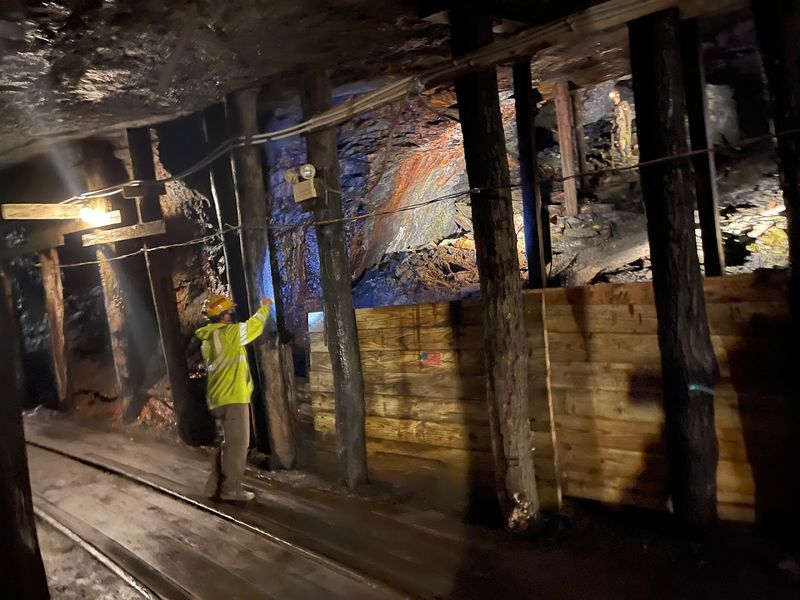
You know how geology can feel abstract until someone shows you where the layers actually sit under your boots? Down here the coal seams run like dark ribbons through the rock, and the guide uses the lamp to sketch edges and shifts your eyes can follow.
It is not a lecture so much as a look, and the clarity lands fast.
Instead of memorizing terms, you see how crews chased the richest band, how side cuts met structural limits, and why certain sections needed more timber and patience. That kind of physical evidence makes the work feel immediate.
Pennsylvania stories often start on the surface with towns and families, but the real spine is this mineral map, and it sits inches from your hand.
The coolest part is realizing how choices underground shaped everything topside, from shifts to pay to the rhythm of whole neighborhoods. When the seam rose or dipped, lives adjusted with it, and that is hard to forget once you have watched your light crawl along the edge.
You do not need to be a rock nerd to feel the pull. The guide’s quiet pride makes space for your questions, and the rock does the rest.
By the time we move on, the veins stop being lines on a diagram and turn into a lived route, and that is why this place stays with you long after the tour ends.
Mining History Hits Harder Below The Surface
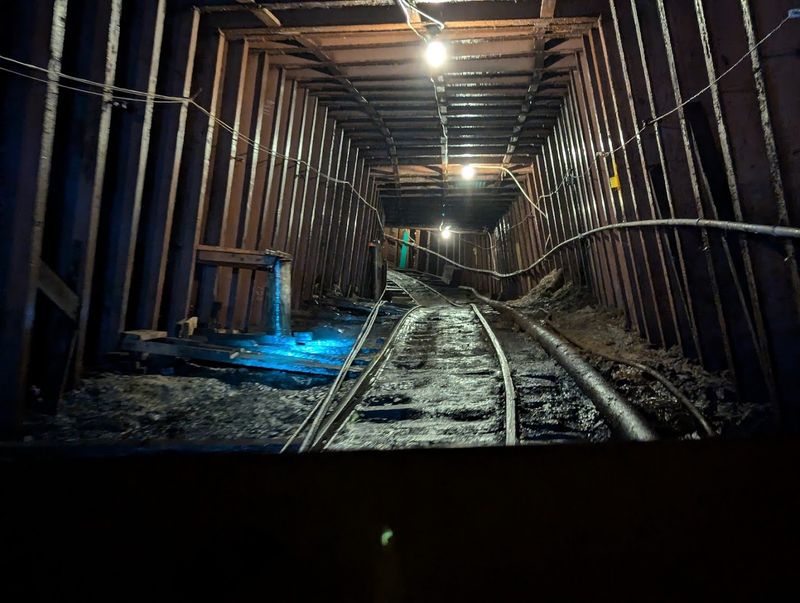
Upstairs, history can feel respectful and clean, but down here, it carries weight you can feel in the cool air. The guide mentions a crew, a family, a shift that ran long, and the tunnel seems to nod along.
When you pause beside a set of tools and an old lunch pail, the scale of the past stops being distant and lands in a very human way.
It is not heavy handed. The space does the talking, with small details that make you picture the start of a day, the end of one, the walk out to night air that probably felt brand new every single time.
Pennsylvania has told this story for generations, but hearing it underground gives it shape and temperature.
You get a sense of courage, yes, but also humor, stubbornness, and the kind of practical smarts that keep people safe. The guide answers with patience when someone asks how crews navigated trouble, and the reply is simple because it had to be.
Standing there, you realize the past is not just something to admire. It is a tool you can use to understand the present, which is why this tour feels less like checking a box and more like learning a place by heart.
When we start walking again, the tunnel seems friendlier, like it knows you are listening.
Winding Gangways Add To The Atmosphere
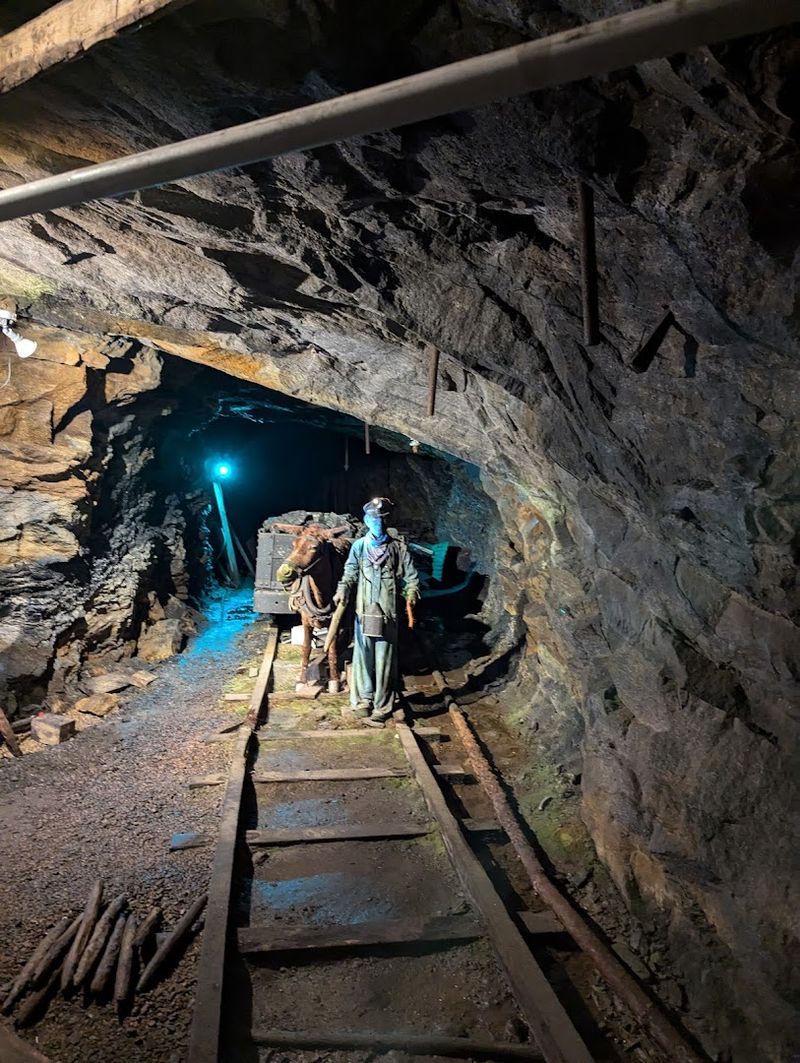
The path twists a bit, and that subtle curve does more for the mood than any dramatic reveal could. Corners soften the light and turn voices into little echoes that feel safe, not spooky, so you lean in and keep moving.
The gangway sort of edits your attention, and it is amazing how fast a group finds its rhythm.
There is a stretch where the roof dips lower and the timbers feel closer, and suddenly you are aware of your stride and the placement of your hands. That awareness narrows your focus in a good way.
Pennsylvania weather can change by the hour up top, but down here, the tunnel keeps its own steady climate, and that calm adds to the charm.
Every turn holds something small that sticks, maybe a notch in a beam, a spot where carts rolled smooth, or a patch of coal that looks almost like glass. When the guide pauses, the quiet is comfortable, and you can hear water somewhere ahead.
You do not need a map to enjoy it, because the space invites you to follow the line. By the time we straighten out near the main junction, the winding has done its work, and you feel both grounded and surprised in the best possible way.
The Tools And Methods Feel Closer Down Here
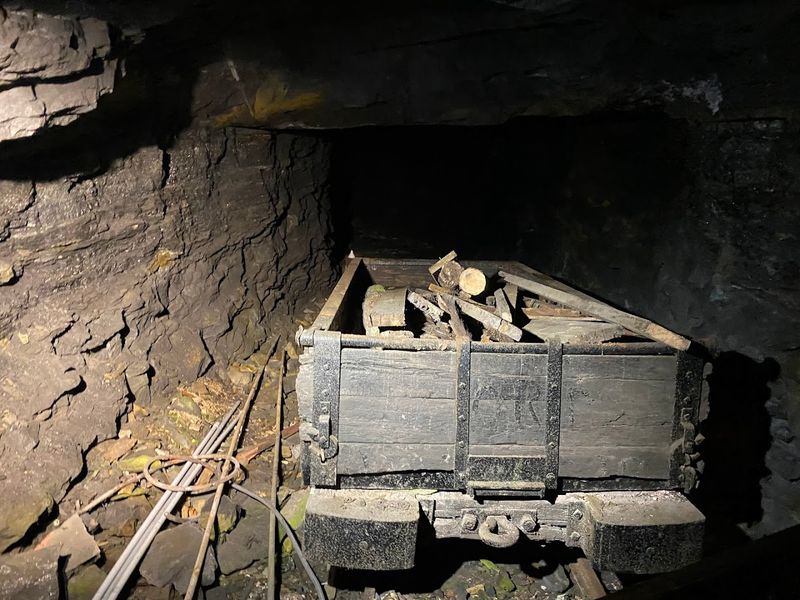
Seeing tools on a wall is one thing, but seeing them where they were used flips a switch. The picks, drills, wedges, and carts look worn in a way that says they were part of a routine, not props.
The guide explains how tasks stacked up and why certain moves came first, and you can picture hands on every handle.
I loved how the methods felt practical rather than heroic. You learn how crews managed airflow, kept track of time, and solved problems using whatever the site allowed.
Pennsylvania ingenuity is famous for being hands on, and down here that spirit looks like solid timber, careful steps, and plans that could bend without breaking.
There is a spot where you can stand beside a rail cart and understand weight, leverage, and momentum just by shifting your feet. The lesson is quiet, but it lands hard, and you come away appreciating how skill looks humble until you try it yourself.
When the guide points to a set of markings, you start reading the tunnel like a notebook, with entries written in chalk and timber. It is relatable, tactile, and close, and that closeness is what sticks as you move along.
Damp Darkness Shapes The Whole Experience
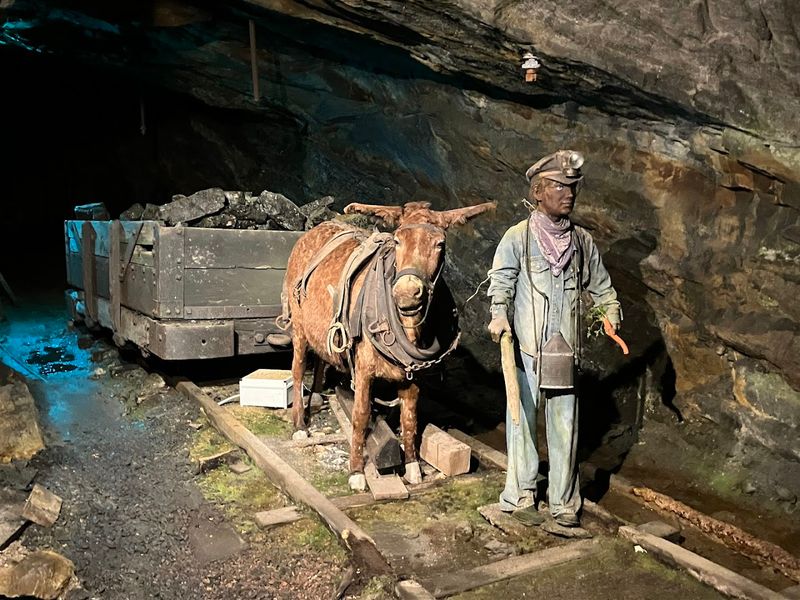
The air has a clean chill that wakes you up without asking, and the damp smell is earthy in a way that feels grounding. Your light finds droplets on timber and rock, and they throw back tiny reflections that make the darkness look alive rather than empty.
It is a calm kind of dark, and it slows your thoughts down just enough to notice things.
Every sound is simple and clear. A drip, a step, a short laugh, and then the quiet returns, like the place is reminding you to listen.
Pennsylvania nights can feel big and wide, but this underground night is compact and thoughtful, and it asks you to stand inside it for a while without hurrying.
What I love is how the senses line up. You see just enough, feel steady ground underfoot, and breathe air that holds a story you do not have to force.
It is easy to forget your phone and just look. By the time we head back toward daylight, the darkness has done its work.
It turns out you remember more when a place edits the world down to a few essential notes, and this tour understands that rhythm perfectly.
The Ride Down Makes This Tour Stand Out
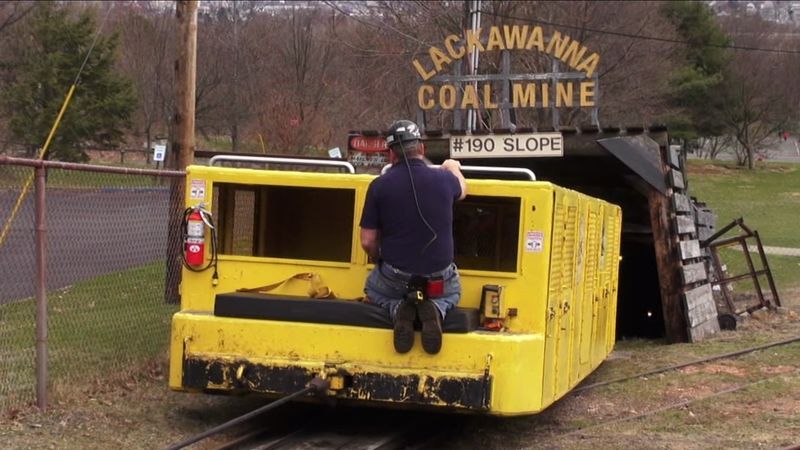
I am a simple believer in strong first impressions, and that initial ride seals it. You feel the car ease forward, the walls draw near, and the light shift from day to measured glow.
It is not a thrill ride, it is a scene setter, and the steady movement clears your head of everything above ground.
The guide talks just enough to keep you oriented while leaving space for the moment to breathe. You notice metal, wood, the line of the shaft, and the way everyone goes a little quiet without being told.
Pennsylvania has plenty of impressive museum entries, but this one asks you to arrive with your whole body, and it works.
By the time the doors open, you are already tuned to the pace of the tour. The rest of the experience builds on that calm, and it never rushes you.
The ride becomes a hinge between two worlds, and it sets the promise that the story you are about to hear belongs to this ground. That sense of belonging is the part that keeps people talking on the way home, and it still makes me smile.
A Hidden Side Of Scranton Still Waiting Below
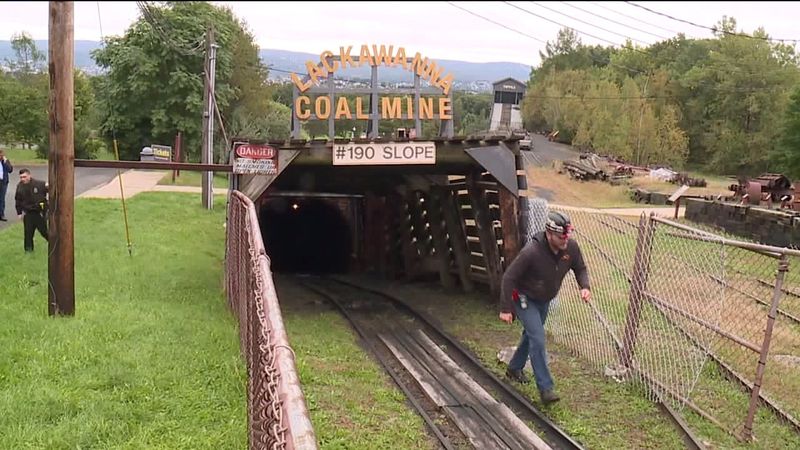
Scranton is one of those places where the past sits close to the present, and the mine tour makes that feel welcoming instead of heavy. You show up at the park, look at the hillside, and realize the city’s story extends right under your feet in a way you can visit.
That sense of access is a gift you feel as soon as you check in.
What lives below the surface is not hidden because it was forgotten. It is simply settled, the way deep roots settle, and all it asks is a quiet hour and an open ear.
Pennsylvania towns carry pride that sounds like a conversation on a porch, and this tour joins that conversation by inviting you underground with care.
When we come back to daylight, nothing above has changed, yet everything feels a shade richer. Streets look familiar and also slightly new, like you learned the backstage of a place you thought you already knew.
If someone asked what surprised you most, would you say the calm, or the stories, or that glimmering anthracite? I think you would say the way it all links together, and how that connection follows you long after you leave the park and point the car toward home.
Dear Reader: This page may contain affiliate links which may earn a commission if you click through and make a purchase. Our independent journalism is not influenced by any advertiser or commercial initiative unless it is clearly marked as sponsored content. As travel products change, please be sure to reconfirm all details and stay up to date with current events to ensure a safe and successful trip.
