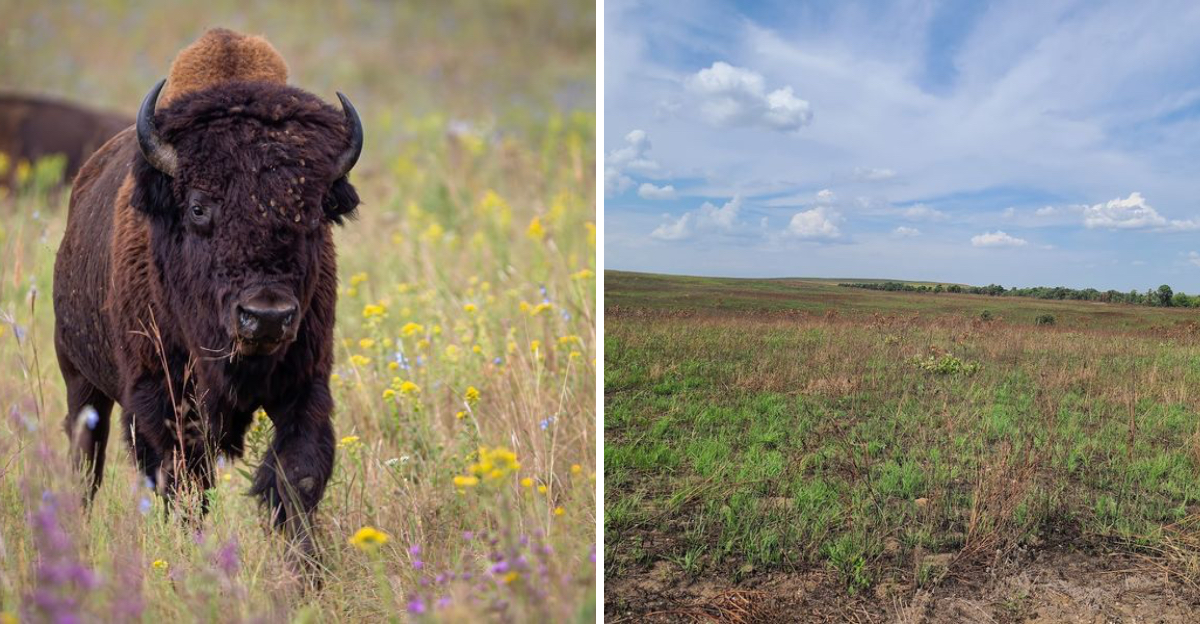
Somewhere in Oklahoma, the landscape suddenly opens up and everything feels bigger, quieter, and a little wilder than you expected. Rolling grasslands stretch as far as you can see, with no buildings, no noise, just miles of open prairie moving with the wind.
Out here, a massive herd of bison roams freely, sometimes crossing the road like they own it, which, honestly, they kind of do. You slow down, wait, and realize there’s no reason to rush anything.
It’s one of those drives where the road isn’t the point. The experience is.
The Story Behind the Preserve
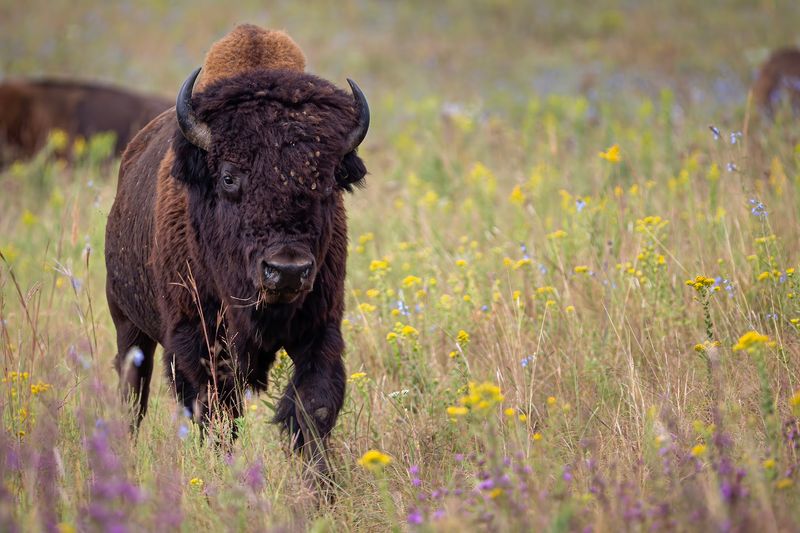
Long before anyone called it a preserve, this stretch of northeastern Oklahoma was simply the land as it had always been, covered in big bluestem grass, wildflowers, and the quiet hum of wind moving across open hills.
The Nature Conservancy acquired the land in 1989 and established what is now the Joseph H. Williams Tallgrass Prairie Preserve, named in honor of a major donor whose support made the project possible.
It sits at 15316 Co Rd 4201, Pawhuska, OK 74056, and covers roughly 39,000 acres of the Osage Hills region.
Before European settlement, tallgrass prairie covered about 170 million acres across North America. Today, less than four percent of that original ecosystem remains intact.
This preserve protects one of the most significant surviving pieces of that vanishing landscape.
The decision to reintroduce bison in 1993 was a turning point for the land. Bison naturally graze in patterns that support plant diversity, which means their presence helps the entire ecosystem stay balanced.
The preserve essentially uses bison as a living conservation tool, and the results speak for themselves across every rolling acre.
What the Prairie Actually Looks Like
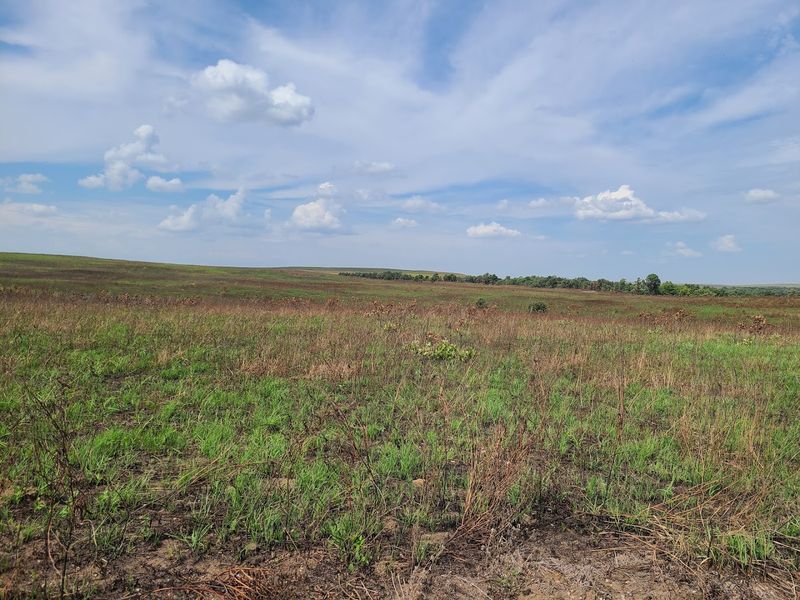
Standing at the edge of the preserve for the first time, the sheer scale of the place is something that takes a moment to fully register. There are no buildings, no billboards, and no traffic sounds.
Just grass, sky, and the occasional red-tailed hawk circling overhead.
The dominant plant here is big bluestem grass, which can grow taller than six feet by late summer. Mixed in with it are hundreds of species of wildflowers, sedges, and forbs that bloom in rotating waves from spring through fall, painting the landscape in constantly shifting colors.
The Osage Hills add a gentle topography to the scene, with low ridges and shallow valleys that give the prairie a sense of depth and movement. From certain overlook points along the drive, you can see for miles in every direction without a single manmade structure breaking the view.
Spring brings the most dramatic wildflower displays, while fall turns the grasses into warm shades of copper and gold. Every season offers something different, which is why so many visitors make the trip more than once each year.
The Bison Herd Up Close
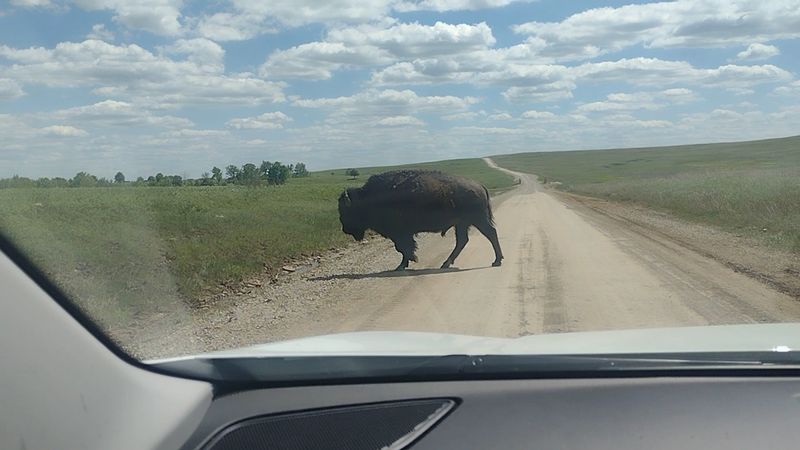
Few things prepare you for the moment a bison steps onto the road directly in front of your car. These animals weigh up to 2,000 pounds and move with a kind of slow, unbothered confidence that makes it very clear who has the right of way out here.
The preserve maintains a herd of approximately 2,500 bison, which includes around 1,700 adults and 400 or more calves born each spring.
Seeing a cinnamon-colored calf trotting alongside its much darker mother is one of the most charming sights the prairie has to offer, and spring is widely considered the best time to visit for exactly that reason.
The bison loop road takes most visitors about one hour to complete at a relaxed pace, and herds can often be spotted from the road without needing to leave your vehicle.
In fact, the preserve strongly advises staying inside your car when bison are nearby, since these animals are wild and can move quickly when startled.
Bringing a pair of binoculars is a smart move, especially on days when the herds are spread out across the more distant parts of the range.
Driving the Bison Loop Road
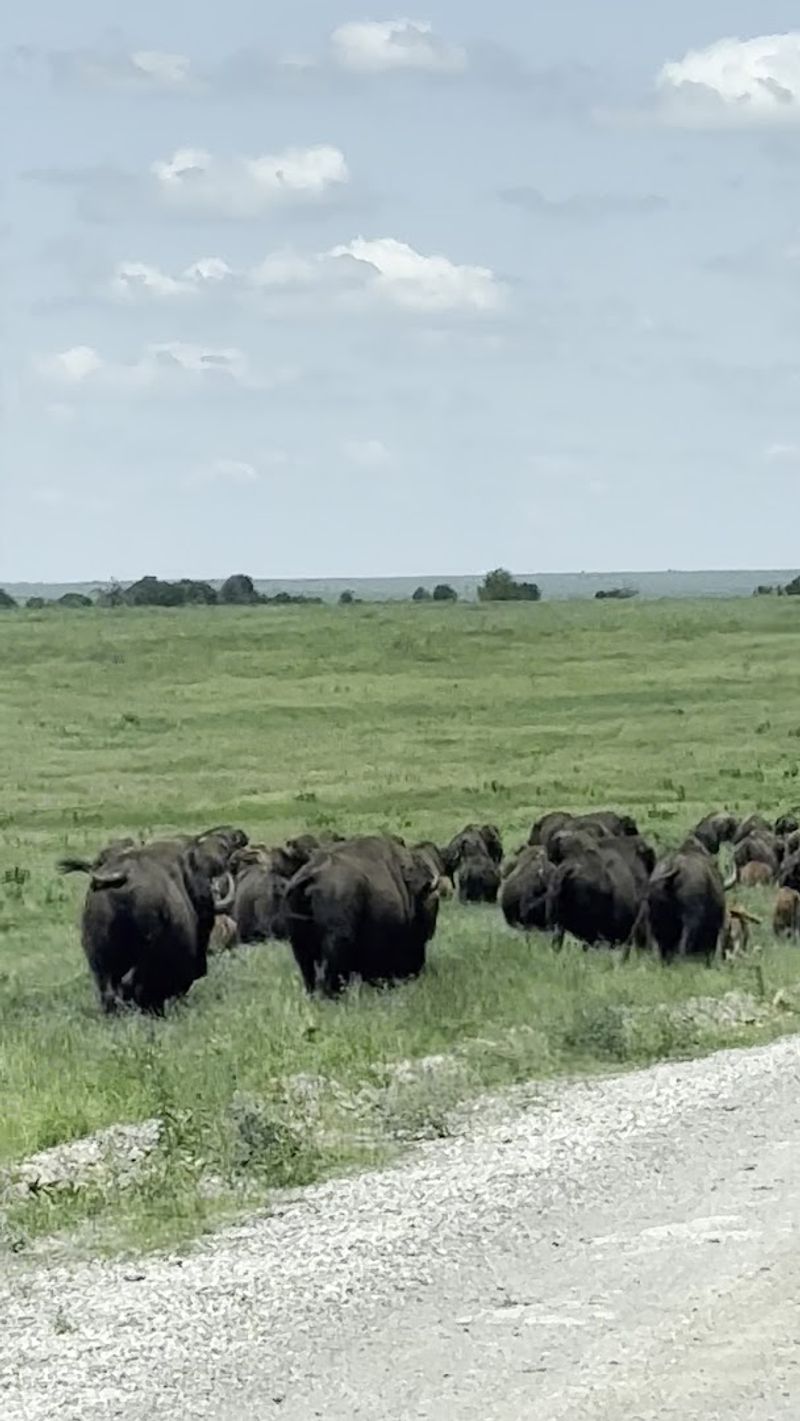
The bison loop is the main attraction for most visitors, and it lives up to every bit of the hype. The route winds through the heart of the preserve on unpaved gravel roads, giving you a front-row seat to one of the most raw and beautiful landscapes in the American interior.
Plan for a round trip of about three hours from Pawhuska if you want to stop often, drive slowly, and spend time at the visitor center. The roads are maintained well enough to handle most vehicles, though an SUV or pickup truck will handle the rougher sections more comfortably than a low-clearance sedan.
Speed limits along the gravel roads max out around 30 to 35 miles per hour, and for good reason. Wildlife can appear suddenly, from deer bounding across the road to the occasional turtle making a very slow crossing.
Going slow is not just a rule here but a genuine pleasure.
One practical note: your vehicle will be dusty and dirty by the time you finish the loop. Factor in a car wash on the way home, and consider it a badge of honor for a drive well taken.
The Visitor Center Experience
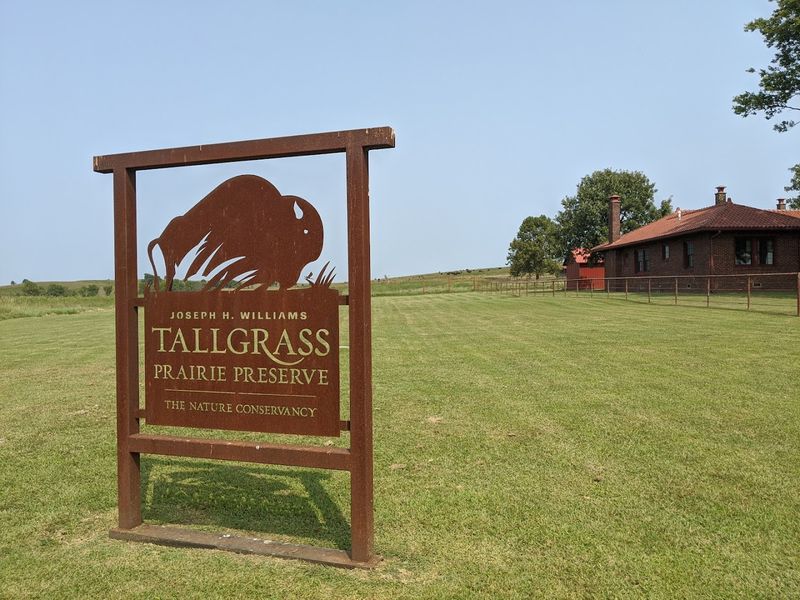
Tucked near the end of the bison loop, the visitor center is one of those places that turns a good trip into a great one. The volunteers and docents stationed there bring a level of enthusiasm and knowledge that is hard to find anywhere else.
Inside, you will find educational displays about the tallgrass ecosystem, bison biology, and the conservation history of the preserve. Real bison skulls and bones are available for kids and adults to touch and examine, which makes the science feel tangible rather than distant.
The visitor center does not currently operate a gift shop, but the bathrooms are clean and well maintained.
The staff can point you toward where the herds were last spotted, which is genuinely useful information since the bison move freely across 39,000 acres and their location changes daily. A quick five-minute conversation with the person at the desk can easily save you an hour of searching.
The center keeps the same hours as the preserve itself, open daily from 7 AM to 7 PM, and the volunteers there are the kind of people who make you feel glad that conservation work exists in the first place.
Hiking Trails Through the Grassland
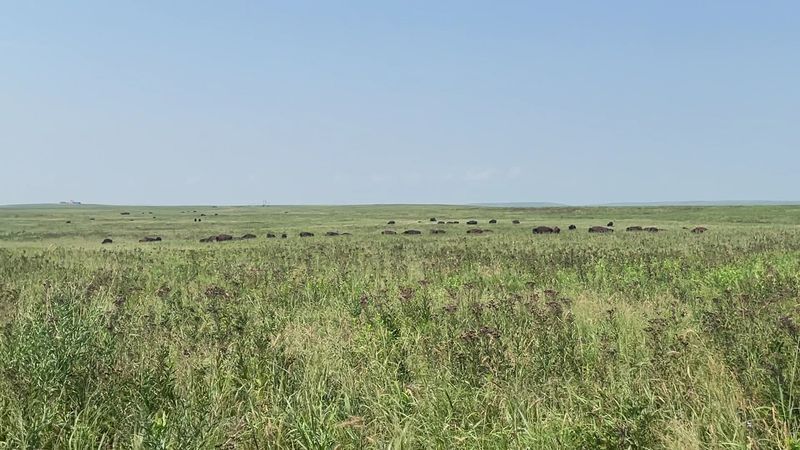
For those who want to stretch their legs and feel the prairie beneath their feet, the preserve offers several walking trails that cut through the grassland at a human pace. The trails are mowed and well maintained, making them accessible to most fitness levels without sacrificing the feeling of being genuinely out in the wild.
The longer trail is labeled as difficult on the preserve maps, but most hikers find it more manageable than expected. Taking it slowly and stopping at the benches placed along the route makes the experience far more rewarding than rushing through to the end.
Wildlife sightings on the trails tend to include white-tailed deer, various butterfly species, and a wide range of prairie birds. The preserve is also honest about the presence of rattlesnakes, so keeping your eyes on the path and wearing sturdy footwear is strongly recommended.
Two practical items belong in every trail bag here: insect repellent and sunscreen. Most of the trails run through open, sun-exposed terrain with little shade, and ticks are a real consideration during warmer months.
Pack both, and the hiking experience becomes something genuinely memorable rather than something to endure.
Wildlife Beyond the Bison
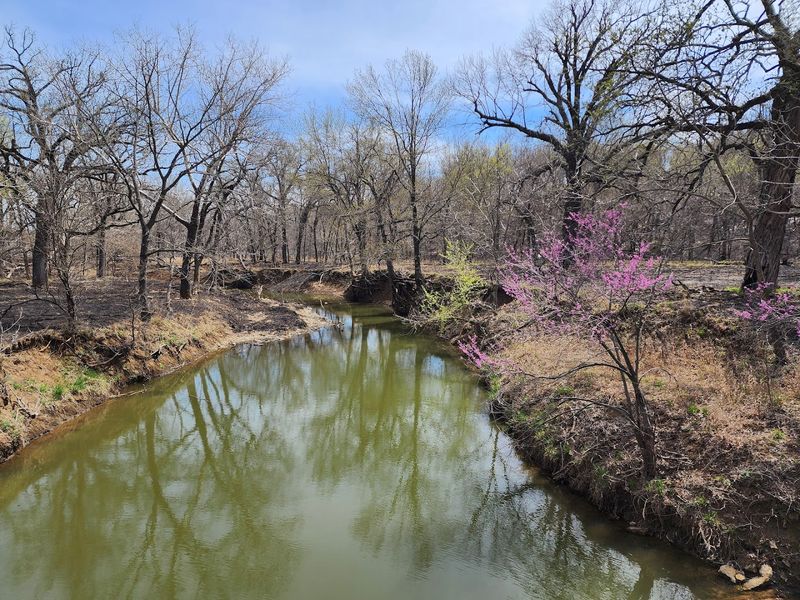
Bison get most of the attention at the preserve, and fairly so, but the supporting cast of wildlife here is worth the trip on its own. White-tailed deer appear in large numbers throughout the preserve, often bounding across the gravel roads in small groups, especially during the late afternoon hours.
Coyotes are also spotted regularly along the bison loop, usually trotting at the edge of the road with the casual air of someone who has never once worried about anything.
Birders will find plenty to keep their binoculars busy, with red-tailed hawks, meadowlarks, and various grassland sparrows commonly sighted across the open terrain.
The preserve also supports a healthy population of wild turkeys, which tend to appear near the tree lines along creek drainages. Turtles make slow crossings of the gravel roads during warm months, and the occasional coyote pup can be spotted near den sites in late spring.
One of the more surprising encounters visitors report is seeing baby rattlesnakes on the road, a reminder that the preserve is a fully functioning wild ecosystem and not a managed park. Watching where you step and staying alert adds a layer of genuine adventure to every visit.
Best Times to Visit and Practical Tips
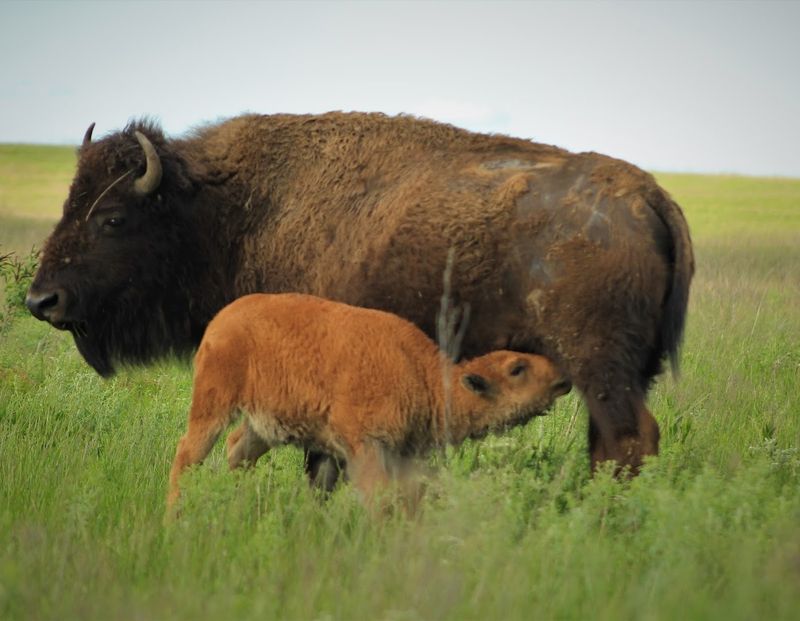
Spring is the season that most regular visitors point to as the best time to experience the preserve. Wildflowers are at their peak, the grasses are fresh and green, and the bison calves are out in the pastures with their mothers, which adds a warmth to the whole experience that is hard to beat.
Fall is a strong second choice, when the grasses shift into deep copper and amber tones and the air cools enough to make hiking genuinely comfortable. Summer visits are absolutely possible but require more preparation, since the sun is intense and shade is scarce along most of the trail routes.
The preserve is open every day of the week from 7 AM to 7 PM, which gives early risers a particular advantage. Morning visits tend to offer better wildlife sightings since the animals are more active before the midday heat sets in.
Coming from Tulsa, the drive takes roughly 90 minutes and is straightforward on clear roads. Filling your gas tank before leaving Pawhuska is wise, since there are no services inside the preserve.
A full tank, a camera with a zoom lens, and a cooler with snacks will set you up for a near-perfect day on the Oklahoma prairie.
Why This Place Feels Like the Real Oklahoma
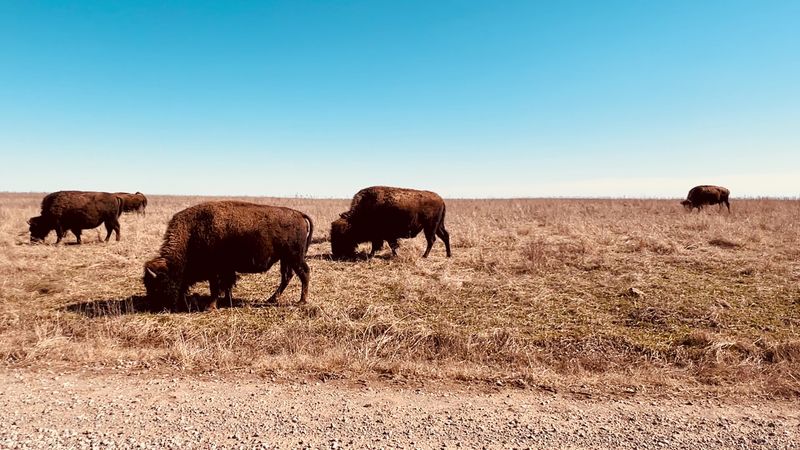
There is a version of Oklahoma that exists in road-trip mythology, wide open, wind-swept, and untouched, and the Joseph H. Williams Tallgrass Prairie Preserve is the closest thing to that vision that actually exists in the real world.
It is not a reconstruction or a theme park version of nature. It is the actual thing, preserved with care and managed with genuine scientific commitment.
The Osage County landscape that surrounds the preserve has its own deep history tied to the Osage Nation, whose ancestral territory covered this part of northeastern Oklahoma for generations.
Driving through the preserve with that context in mind adds a layer of meaning to the scenery that goes beyond simple sightseeing.
What makes this place stick with you after you leave is not just the bison or the wildflowers or the rolling hills. It is the quiet.
The kind of quiet that makes you realize how rarely you experience it in daily life, and how much your brain apparently needed it.
Whether you are a first-time visitor or someone making your fifth loop through the preserve, the land has a way of delivering something new every single time, and that is the mark of a place worth returning to again and again.
Dear Reader: This page may contain affiliate links which may earn a commission if you click through and make a purchase. Our independent journalism is not influenced by any advertiser or commercial initiative unless it is clearly marked as sponsored content. As travel products change, please be sure to reconfirm all details and stay up to date with current events to ensure a safe and successful trip.
