You know that little spot at the very bottom of New Jersey where the Atlantic Ocean shakes hands with the Delaware Bay?
Yeah, that’s Cape May, and trust me, it’s more than just a postcard town with pastel Victorian houses that look like they were painted by a giant box of macarons.
Sure, the architecture is charming, but the real showstopper here? Seafood.
And not just any seafood – we’re talking a scene so fresh and abundant it could go toe-toe-toe with any coastal destination in America.
This isn’t some sleepy shore town with a couple of fish shacks; Cape May is one of the East Coast’s heavyweight champions of commercial fishing, hauling in millions of pounds of ocean treasures every single year.
Picture this: fishing boats rolling into the harbor daily, decks stacked with scallops that sparkle like jewels, squid so tender it practically melts, and fluke so flaky it could star in a pastry commercial.
And the best part? That catch goes from net to plate faster than you can say, “Pass the cocktail sauce.”
Cape May’s love affair with the sea isn’t new either – Native American tribes and Dutch whalers were onto this liquid gold centuries ago.
Today, that legacy is alive and thriving in family-run restaurants, bustling fish markets, and dockside eateries where the “catch of the day” was probably swimming around just hours before it landed on your fork.
The Commercial Powerhouse Behind the Beauty
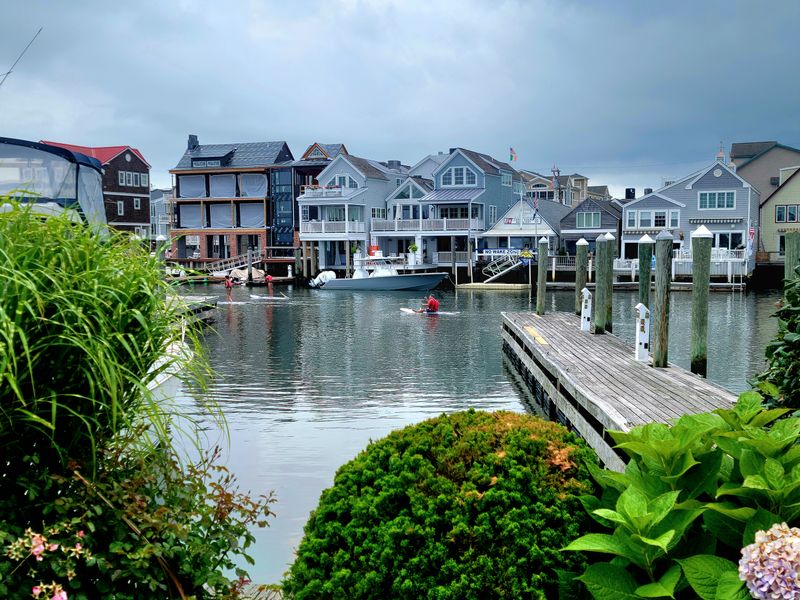
Cape May doesn’t just look like a postcard; it functions as a roaring economic engine that fuels the entire region’s seafood industry. This charming Victorian town operates one of the largest commercial fishing ports along the entire Eastern Seaboard, where the business of hauling in ocean bounty happens on a scale most visitors never imagine.
Every year, the fleet here lands millions upon millions of pounds of scallops, squid, and fluke, making Cape May a critical supplier to restaurants and markets from Maine down to Florida.
The numbers tell a story that goes way beyond quaint seaside charm. Commercial vessels work around the clock, navigating both Atlantic swells and Delaware Bay currents to bring back hauls that can fill entire warehouses in a single day.
Scallops alone represent a multimillion-dollar segment of the local economy, with Cape May ranking among the top scallop ports in the nation year after year.
Walking along the docks, you’ll witness forklifts moving pallets of iced seafood, crew members mending nets under the afternoon sun, and captains coordinating the next departure with the precision of air traffic controllers. This isn’t a tourist attraction designed for photo ops; it’s a working waterfront where livelihoods depend on the ocean’s generosity and the skill of those who know how to harvest it sustainably.
The town’s restaurants benefit directly from this proximity, offering menus that change with the tides and seasons in ways landlocked cities can only dream about.
From Whaling Villages to Modern Trawling Fleets
Long before Cape May became famous for its gingerbread trim and bed-and-breakfasts, the Lenni Lenape people paddled these waters in dugout canoes, spearing fish and harvesting shellfish from the rich estuaries. Their knowledge of seasonal runs and tidal patterns formed the foundation of a fishing tradition that would only grow more sophisticated with time.
When Dutch explorers arrived in the 1600s, they recognized the area’s potential immediately and established some of the earliest whaling operations on the Atlantic coast.
Those early whaling villages were rough-and-tumble places, where men risked everything for barrels of oil that lit lamps across colonial America. The industry shaped the town’s character, creating a culture of maritime expertise that passed from generation to generation like a treasured family recipe.
As whale populations declined and new technologies emerged, Cape May’s fishermen adapted, transitioning from harpoons to nets and from sail power to diesel engines.
Today’s commercial fleet represents the cutting edge of fishing technology, with vessels equipped with GPS navigation, sonar fish finders, and refrigeration systems that preserve catches at sea. Yet the core values remain unchanged: respect for the ocean, knowledge of the waters, and a work ethic that starts before dawn and doesn’t quit until the hold is full.
This evolution from indigenous fishing grounds to high-tech commercial port tells the story of American maritime history in miniature, all concentrated in one picturesque New Jersey town.
The Lobster House: A Schellenger’s Landing Landmark
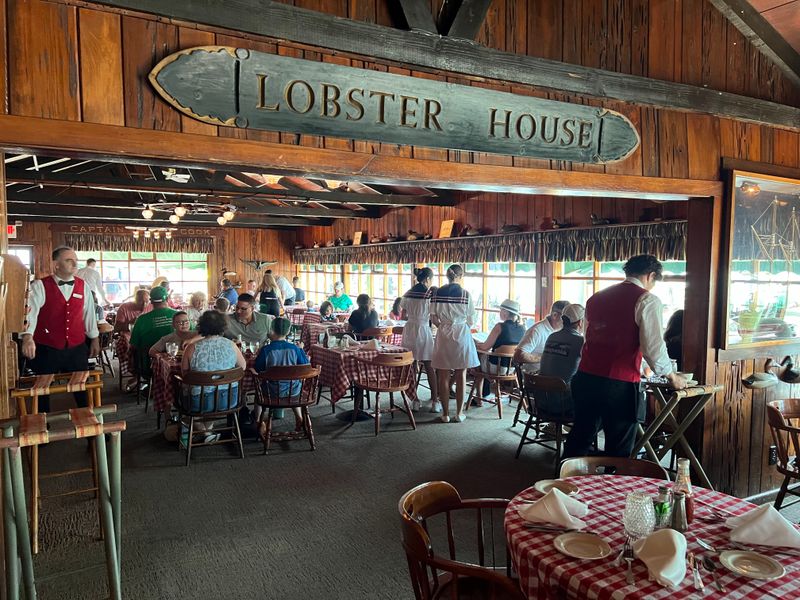
Families have been making pilgrimages to The Lobster House since 1954, when the Laudeman family opened what would become Cape May’s most iconic seafood destination. Located right on Schellenger’s Landing at 906 Schellenger’s Landing Road, Cape May, NJ 08204, this sprawling complex operates its own fleet of fishing boats, which means the shrimp on your plate might have been swimming in the Atlantic just this morning.
That boat-to-table approach isn’t marketing hype; it’s the business model that has kept this place thriving for seven decades.
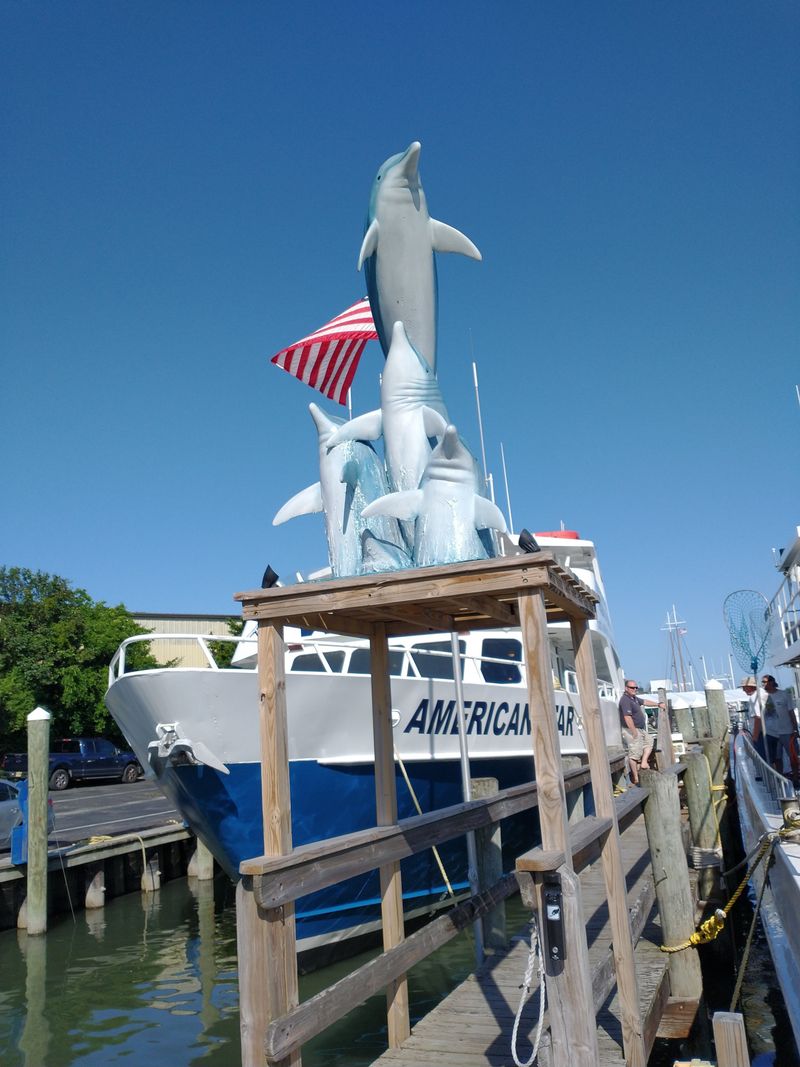
The restaurant itself feels like three venues in one: a casual raw bar downstairs where you can watch shuckers work their magic, an upscale dining room upstairs with panoramic harbor views, and the famous “Schooner American” docked right outside. That historic schooner serves as a floating cocktail bar where you can sip drinks while watching the working fleet come and go, creating an atmosphere that’s part nautical museum and part party deck.
What sets this place apart isn’t just the freshness of the seafood but the sheer variety of preparation styles available. You can order your flounder broiled with simple lemon butter or go wild with creative preparations that showcase the kitchen’s range.
The Laudeman family’s commitment to quality control extends from the fishing nets through the kitchen line, ensuring consistency that has earned them a reputation stretching far beyond New Jersey’s borders.
Cape May Fish Market: Heart of Washington Street Mall
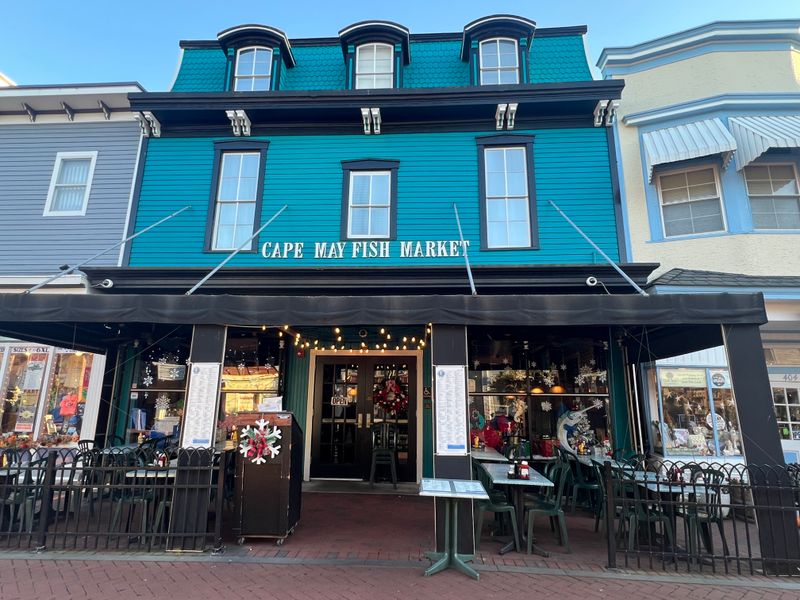
Right in the middle of Cape May’s pedestrian-friendly shopping district, the Cape May Fish Market at 608 Jefferson Street, Cape May, NJ 08204, brings dockside freshness to the heart of the action. This spot has become a favorite for visitors who want to grab incredible seafood without leaving the Victorian charm of the Washington Street Mall area, where brick sidewalks and boutique shops create the perfect setting for a lunch break that tastes like the ocean.
The menu reads like a greatest hits album of Atlantic and Gulf catches, featuring everything from local “Cape May Salt” oysters to more exotic selections that arrived on ice from distant waters. Those Cape May Salts deserve special mention; these briny beauties are cultivated right in Delaware Bay and carry a distinctive mineral flavor that oyster enthusiasts travel specifically to taste.
The market’s willingness to source both hyperlocal and imported varieties means your meal can be a comparative tasting tour without ever leaving your seat.
Casual atmosphere defines the experience here, with picnic-style tables and a counter-service setup that keeps things moving even during peak summer crowds. Families appreciate the approachable menu that includes fried options for less adventurous eaters alongside more sophisticated preparations for seafood connoisseurs.
The location makes it perfect for a midday refuel during a shopping expedition, and the prices remain reasonable despite the prime real estate and premium ingredients, proving that fresh seafood doesn’t have to mean fancy prices or stuffy atmospheres.
H&H Seafood Market: Authentic Dockside Dining
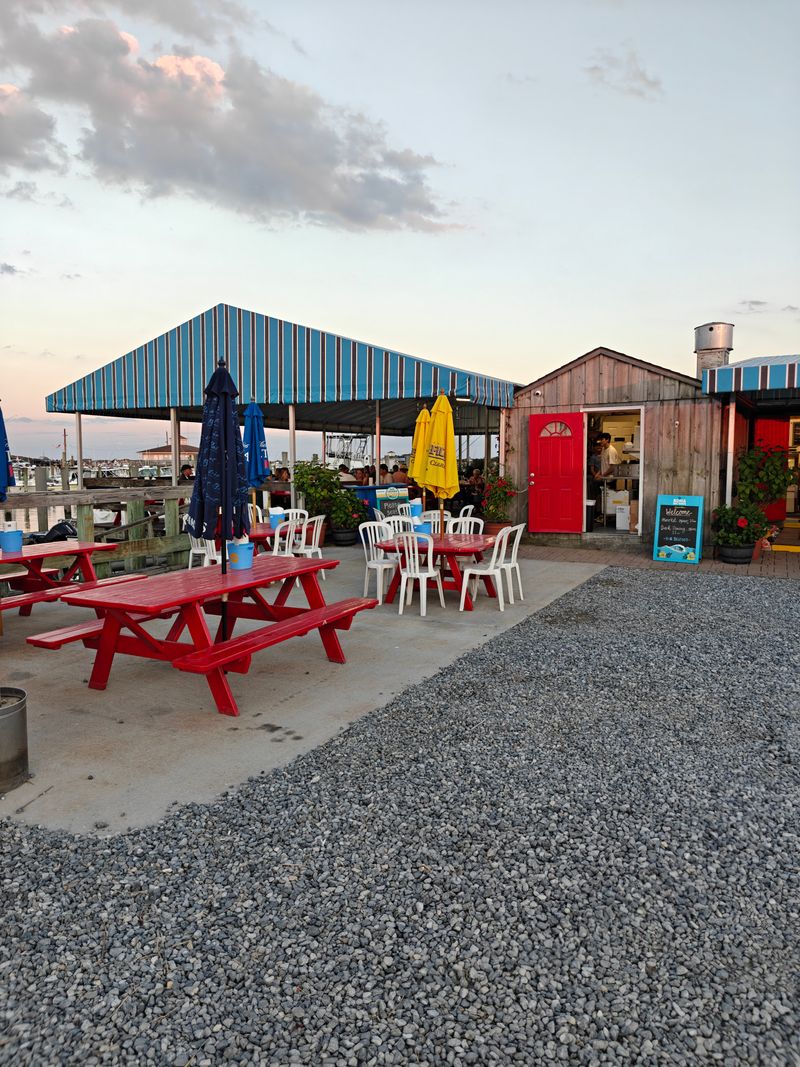
Some places try to create an authentic fishing village vibe through clever interior design and nautical decor. H&H Seafood Market at 1118 New Jersey 109, Cape May, NJ 08204, doesn’t need to try because it sits right where the real work happens, surrounded by commercial fishing operations and the salty smell of the sea.
This no-frills operation has built a cult following among locals who know that the best seafood often comes from the plainest buildings, where all the investment goes into product quality rather than fancy furniture.
The specialty here is “steamed to order” blue crabs, served by the dozen on brown paper with wooden mallets and plenty of napkins. Watching staff pull live crabs from tanks and drop them into steaming pots means you’re getting seafood as fresh as physically possible without catching it yourself.
The platters come loaded with corn, potatoes, and enough Old Bay seasoning to make your fingers smell delicious for the next two days, no matter how many times you wash your hands.
Outdoor picnic tables provide the dining room, which means you’re eating in the elements just like watermen have done for centuries. Seagulls circle overhead hoping for scraps, boats motor past just yards away, and the whole experience feels wonderfully unpretentious and real.
Many locals bypass the restaurants entirely and come straight here to buy fresh catches to take home, trusting H&H’s quality control more than any supermarket seafood counter could ever inspire.
Fins Bar & Grille: Modern Coastal Cuisine
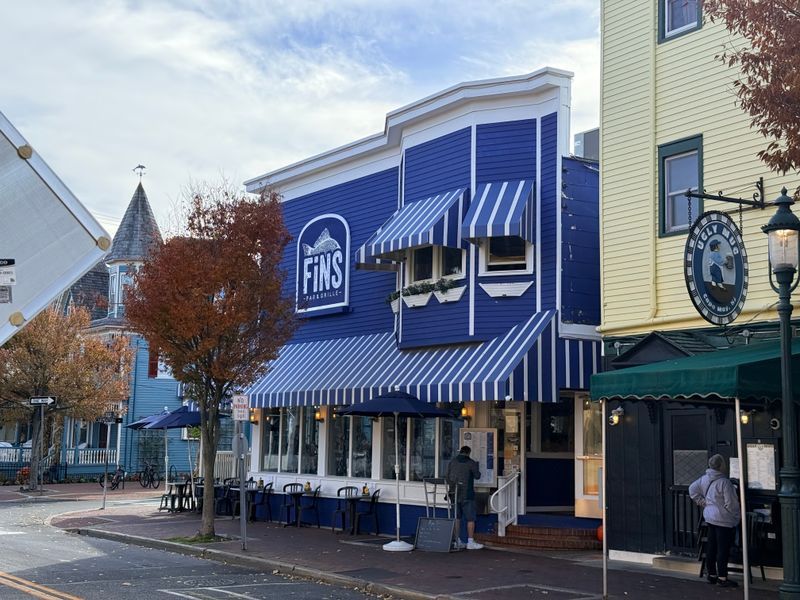
Cape May’s seafood scene isn’t stuck in traditional preparation methods, and Fins Bar & Grille at 1208 Route 109, Cape May, NJ 08204, proves that fresh local catches can shine in contemporary culinary contexts. This restaurant represents the new generation of Cape May dining, where respect for the town’s fishing heritage meets modern cooking techniques and global flavor influences that create something excitingly different from the old-school steamed-and-fried approach.
The sushi menu alone demonstrates the kitchen’s versatility, with creative rolls that incorporate locally caught fish alongside traditional Japanese ingredients. Watching a chef transform Cape May fluke into delicate sashimi or seeing local scallops get the maki treatment shows how versatile these ingredients really are when handled by skilled hands.
The “Fins-style” preparations mentioned on the menu refer to signature techniques that might include Asian glazes, Latin American salsas, or Mediterranean herb combinations that complement rather than overwhelm the seafood’s natural flavors.
The atmosphere strikes a balance between casual beach town and upscale dining destination, making it appropriate for both a special anniversary dinner and a relaxed meal after a day of sightseeing. Large windows let in plenty of natural light, and the bar area buzzes with energy from both locals and visitors who appreciate craft cocktails alongside their carefully sourced seafood.
This approach to coastal cuisine shows that Cape May’s fishing industry supports not just traditional restaurants but also innovative chefs who are pushing New Jersey’s culinary reputation into exciting new territory.
Quincy’s Original Lobster Rolls: The Casual Favorite
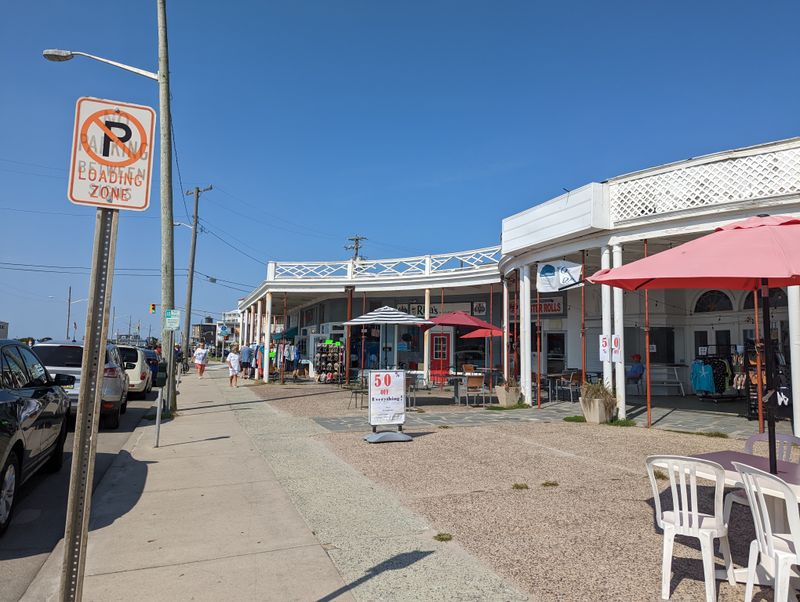
Not every great seafood experience requires reservations and a dress code. Quincy’s Original Lobster Rolls at 1441 Beach Avenue, Cape May, NJ 08204, built its reputation on making premium seafood accessible in the most casual format possible: the handheld lobster roll that you can eat while walking back to the beach.
This approach democratizes luxury ingredients, proving that high-quality lobster meat doesn’t need white tablecloths and wine lists to be appreciated properly.
The menu offers three distinct regional styles that reflect different American lobster roll traditions. The Classic version comes with mayo-based dressing and lettuce in a toasted bun, representing the Cape Cod approach that most people picture when they hear “lobster roll.” The Maine style keeps things even simpler with just butter and lobster meat, letting the sweet shellfish flavor dominate without competition.
Connecticut style serves the meat warm with drawn butter, creating an entirely different textural and flavor experience that has its own devoted following.
Quality meat makes all three versions work, with generous portions of knuckle and claw meat that would cost significantly more at a sit-down restaurant. The beachside location means you can grab your roll and head straight to the sand, making this the perfect lunch option for families who don’t want to waste precious beach time sitting indoors.
Lines can get long during peak summer hours, but the staff moves quickly and the wait gives you time to debate which style to try, knowing you’ll probably be back tomorrow to sample the others anyway.
Matthews Seafood Market: The Fisherman’s Vision
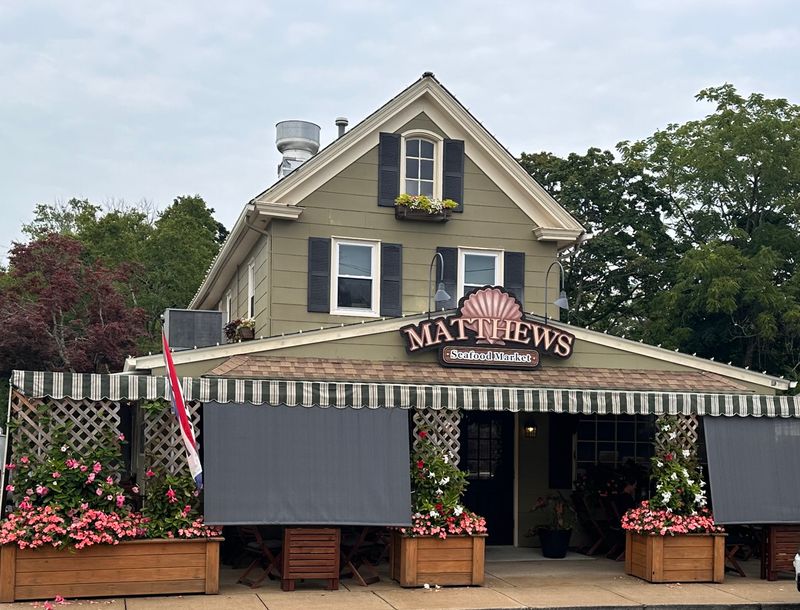
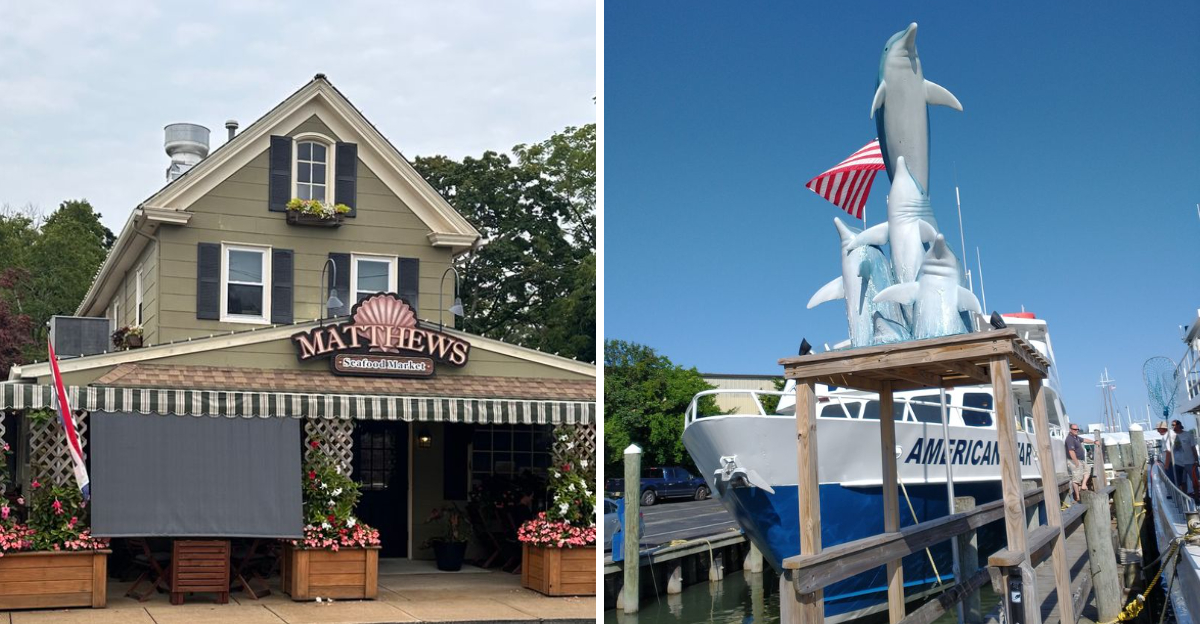
When a commercial scalloper decides to cut out the middleman and sell directly to consumers, you know you’re getting something special. Matthews Seafood Market at 321 Schellenger’s Landing Road, Cape May, NJ 08204, was founded by someone who spent years working the offshore scallop grounds and got tired of watching his premium catches get mixed with inferior product at wholesale markets.
The boat-to-table philosophy here isn’t a trendy marketing phrase; it’s a business model born from frustration with the traditional supply chain.
The prepared foods section has become legendary among locals who want restaurant-quality seafood to cook at home. Their crab cakes contain so much lump crabmeat and so little filler that they barely hold together, which is exactly how they should be made but rarely are in commercial production.
Seafood salads, stuffed clams, and marinated preparations use the same locally sourced ingredients that go into their raw seafood cases, giving home cooks access to professional-level recipes without the professional-level effort.
What makes Matthews special is the owner’s willingness to educate customers about what they’re buying. Ask about the best way to prepare a particular fish, and you’ll get detailed instructions based on years of experience both catching and cooking seafood.
This knowledge transfer helps visitors become better seafood consumers, teaching them to recognize quality and understand sustainable fishing practices. The market also functions as a restaurant, with tables where you can eat what you just bought, giving you the option to take your chances at home cooking or let their kitchen handle the preparation while you handle the eating.
Oyster Bay Steak & Seafood: The Upscale Experience
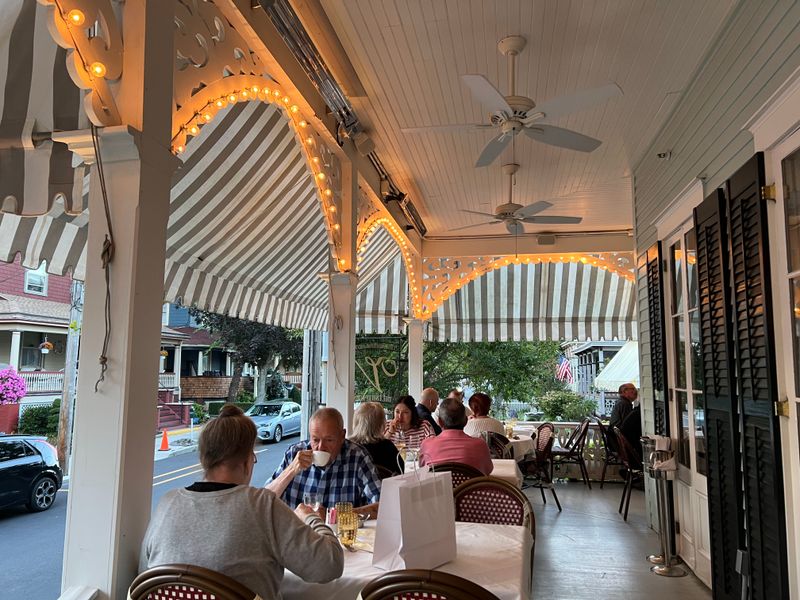
Fresh seafood can be enjoyed at picnic tables with plastic forks, but it can also be the star of an elegant evening that feels like a special occasion. Oyster Bay Steak & Seafood at 615 Lafayette Street, Cape May, NJ 08204, occupies the upscale end of the town’s seafood spectrum, where Cape May scallops get seared to caramelized perfection and Cape May Salt oysters arrive on ice sculptures that look like art installations.
The sophisticated atmosphere proves that fishing town ingredients can hold their own in the fanciest dining rooms.
The menu pairs local catches with premium cuts of beef, recognizing that not everyone in your dinner party may be a seafood enthusiast but everyone deserves an exceptional meal. This surf-and-turf approach works beautifully in Cape May, where the seafood side of the equation comes with built-in advantages that landlocked steakhouses can’t match.
Watching a server present a tower of chilled oysters or a perfectly plated scallop dish reminds you that these ingredients are special enough to deserve this level of presentation and care.
The wine list and cocktail program match the food quality, with sommeliers who understand which varietals complement briny oysters versus sweet scallops versus rich lobster. Service runs professional without being stuffy, striking that difficult balance between attentive and overbearing.
For couples celebrating anniversaries or families marking graduations, this restaurant shows that Cape May’s seafood scene can compete with any coastal destination when it comes to creating memorable fine dining experiences that justify the splurge and create lasting food memories.
The Scallop Shack Farms: The Specialty Pop-Up
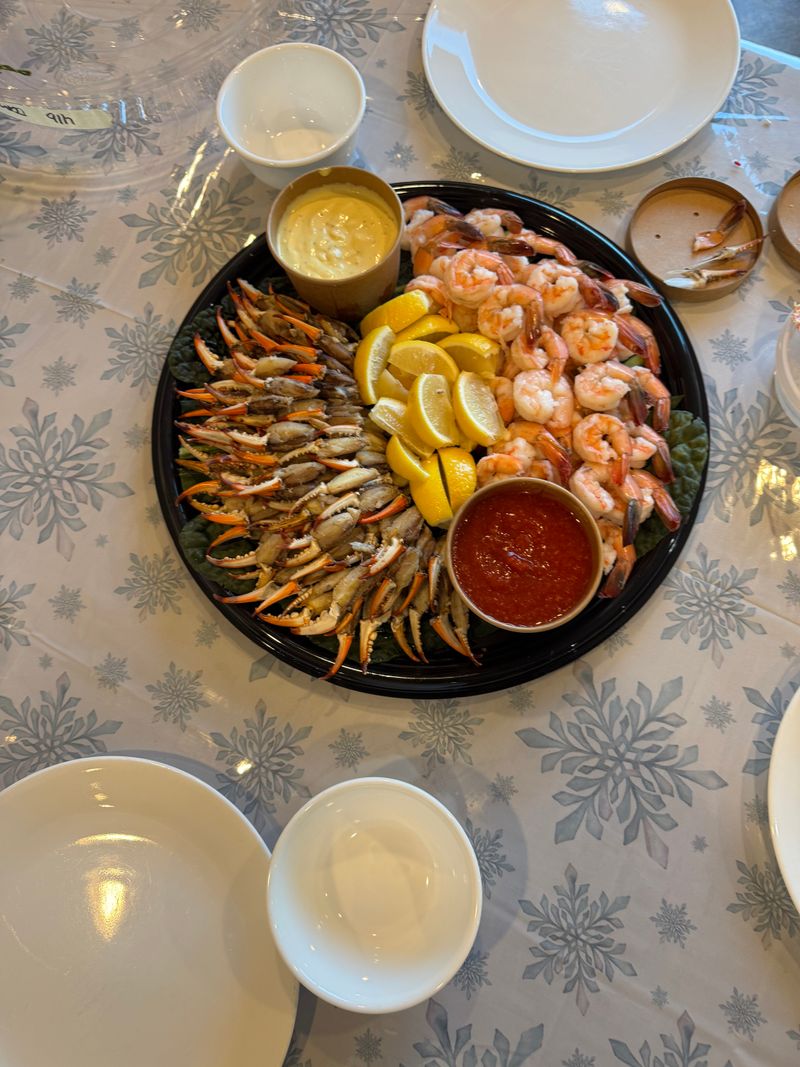
Cape May’s most valuable export swims in shells along the ocean floor, and sea scallops represent the crown jewel of the local commercial fishing industry. The Scallop Shack Farms operates as a niche, direct-to-consumer business that focuses exclusively on these sweet, tender bivalves that command premium prices in restaurants worldwide.
This small-scale operation lets visitors buy the exact same product that gets shipped to fancy restaurants in New York and Philadelphia, cutting out the distribution markups and getting top-quality scallops into home kitchens at surprisingly reasonable prices.
The pop-up nature of the business means you might find them at the local farmers market, at special events around town, or through pre-arranged pickup times that get coordinated through social media. This flexibility reflects the realities of commercial scalloping, where boats operate on weather-dependent schedules and catches can’t be predicted weeks in advance.
The uncertainty actually adds to the appeal for seafood enthusiasts who enjoy the thrill of scoring fresh scallops when the opportunity arises.
Buying directly from operations like Scallop Shack gives you insight into the commercial fishing world that restaurant dining can’t provide. You’ll learn about scallop sizes, how to store them properly, and the best cooking methods to preserve their delicate sweetness.
Taking home a pound or two of Cape May scallops extends your vacation beyond your departure date, letting you recreate a taste of the Jersey shore in your own kitchen while supporting the small-scale fishermen who keep this town’s maritime traditions alive and thriving into the modern era.
Dear Reader: This page may contain affiliate links which may earn a commission if you click through and make a purchase. Our independent journalism is not influenced by any advertiser or commercial initiative unless it is clearly marked as sponsored content. As travel products change, please be sure to reconfirm all details and stay up to date with current events to ensure a safe and successful trip.
