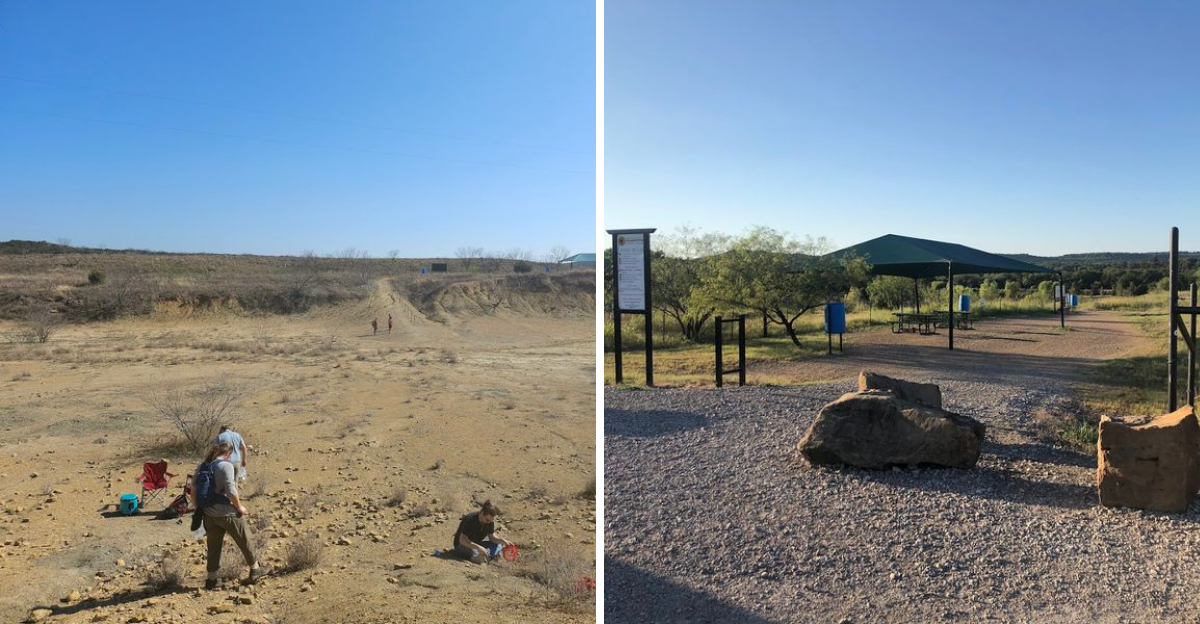
Most parks do not hand you the chance to walk away with something that predates dinosaurs.
Here, you are scanning the ground like it actually matters, because it does. Every rock starts to look suspicious, every texture makes you stop and check twice, and before long you are fully invested in the hunt.
It turns into part curiosity, part competition with yourself to find something real. Texas has plenty of ways to spend a day outside, but digging up pieces of a 300-million-year-old world is hard to top.
What Makes Mineral Wells Fossil Park So Remarkably Special
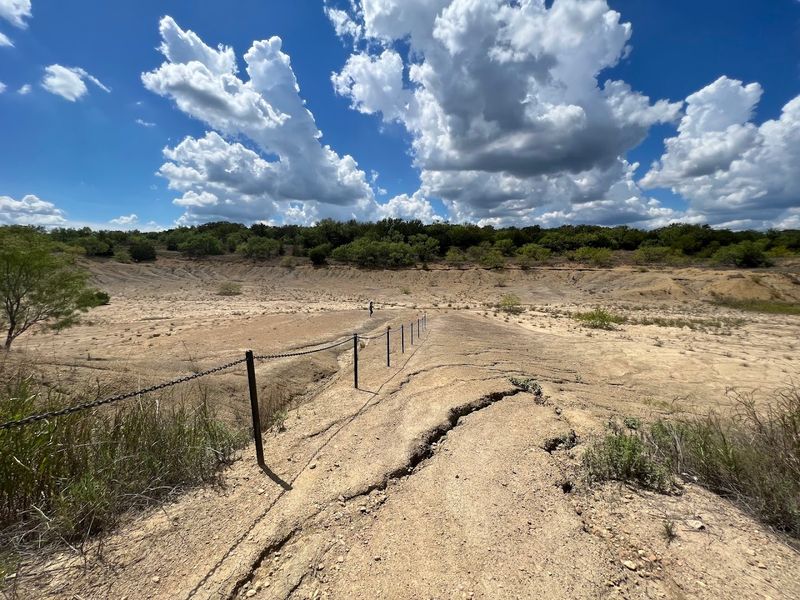
Most parks ask you not to touch anything. This one hands you the whole experience and says, go for it.
Mineral Wells Fossil Park is one of the very few public fossil sites in the United States where visitors are actually allowed to collect and keep what they find, completely free of charge.
The park sits on land rich with Pennsylvanian Period marine fossils, meaning everything buried in that rocky soil dates back over 300 million years. That was long before the Gulf of Mexico existed as we know it, when a warm inland sea covered much of what is now central Texas.
The fossils preserved here are remnants of that ancient underwater world.
What sets this place apart is not just the age of the finds, but the sheer accessibility. Families with young kids, retired geology enthusiasts, and curious first-timers all show up and leave with something real.
There are no guided tours required, no reservation needed, and no fee at the gate. The park is open daily from 8:00 a.m. to 8:45 p.m., which gives you plenty of daylight to explore.
It feels less like a tourist attraction and more like a genuine outdoor discovery.
The Fossils You Can Actually Find Here
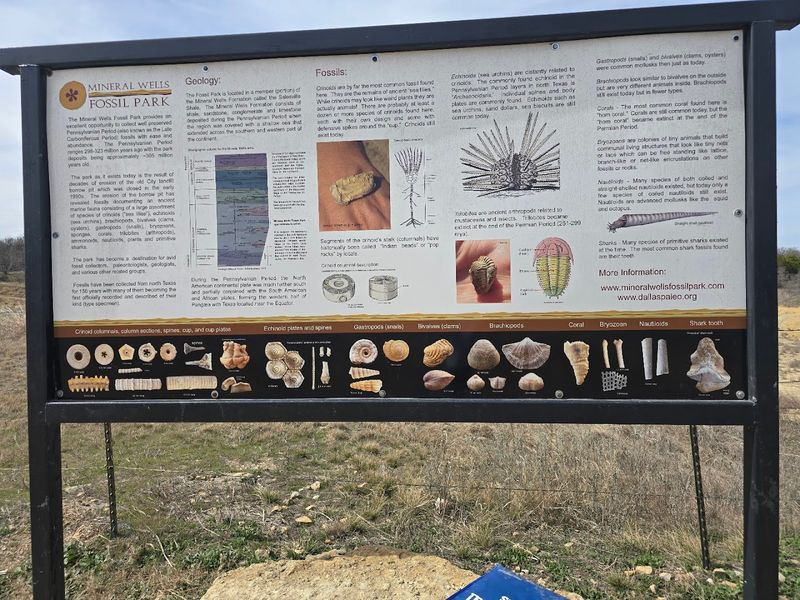
Crinoids are probably the most common find at the park, and they look almost otherworldly. Sometimes called sea lilies, these ancient filter feeders left behind disc-shaped stem segments that litter the ground like scattered buttons.
Once you know what to look for, you start spotting them everywhere.
Beyond crinoids, the site yields brachiopods, bryozoans, echinoids, clams, oysters, and corals. Each one tells a small chapter of the story of that ancient sea.
Brachiopods look a bit like clam shells but are actually from a completely separate lineage that predates most modern shellfish.
The real crowd-pleaser is finding shark teeth or fragments of trilobites, which are rarer but absolutely possible. Trilobites are among the most iconic of all prehistoric creatures, and the idea that you might uncover one with your own hands is genuinely exciting.
Even without a rare find, the variety of fossils available makes every visit feel rewarding. Kids especially love the hunt, and adults get just as absorbed once they start.
The ground itself becomes a kind of puzzle, and each rock you flip could reveal something that no human has ever seen before.
How to Prepare Before You Arrive at the Park
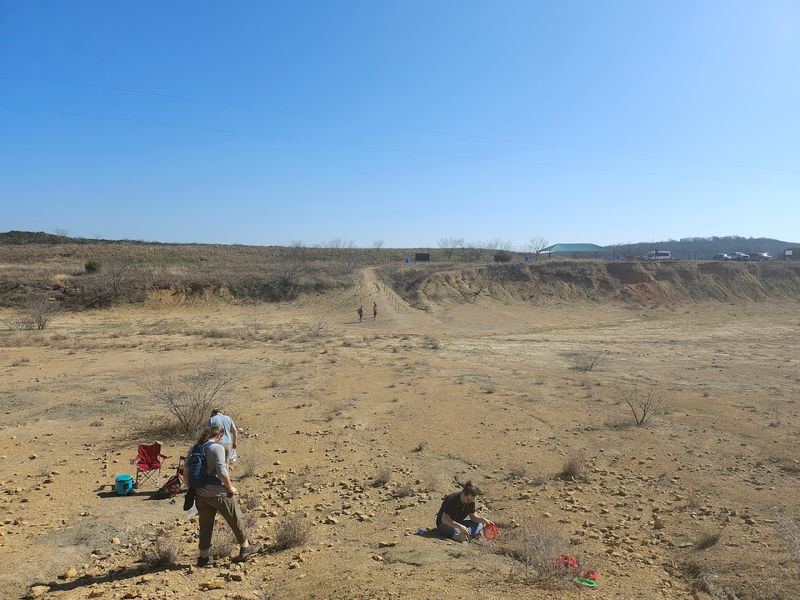
Preparation makes a real difference at this park, and skipping it can turn a fun outing into an uncomfortable one fast. The terrain is rough and uneven, with loose soil, steep slopes, and areas where the ground drops off unexpectedly.
Good footwear with ankle support is not optional here, it is genuinely important.
Bring plenty of water, especially between May and September when Texas heat is no joke. The park has a shade structure, but it does not cover the entire site.
A personal umbrella or wide-brimmed hat can save you from a miserable afternoon.
For collecting, small zip-lock bags or a nail apron work great for sorting and carrying your finds without losing them. A soft brush helps clean off the dust so you can actually see what you have picked up.
Knee pads are a surprisingly helpful addition if you plan to spend time crouching over rocks. The park has primitive restrooms on site but no running water, so hand sanitizer is a smart addition to your bag.
Pack a snack, charge your phone, and plan to stay longer than you think because time genuinely slips away once the fossil hunting begins.
The 300 Million Year Old Story Buried in This Texas Hillside
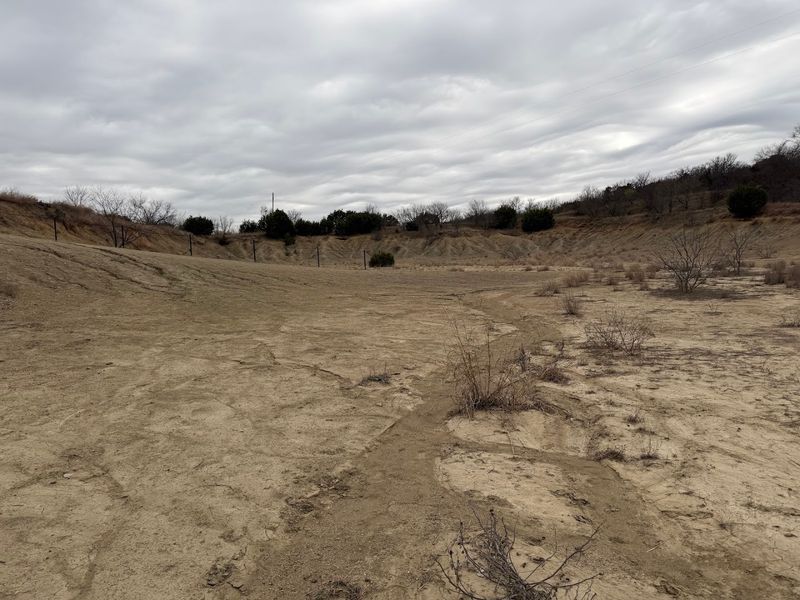
During the Pennsylvanian Period, the land that is now north-central Texas was submerged under a shallow tropical sea. Creatures like crinoids, brachiopods, and early sharks lived and died in those warm waters, and over millions of years their remains settled into layers of sediment that slowly hardened into rock.
Tectonic shifts, erosion, and time eventually pushed those ancient seafloor deposits to the surface. What you are walking on at Mineral Wells Fossil Park is essentially a slice of that original seabed, exposed and crumbling at the surface for anyone to explore.
It is a genuinely humbling thought.
The Pennsylvanian Period lasted from roughly 323 to 299 million years ago. At that time, the supercontinent Pangaea was still forming, and the area that would become Texas was sitting near the equator.
The climate was warm and wet, perfect for the dense marine ecosystems that left so many fossils behind. Understanding this backstory adds a whole new layer to the experience.
Every rock you pick up is not just a rock, it is a physical record of a world that existed long before any land animal had figured out how to walk upright.
Visiting With Kids: Why This is One of Texas Best Family Outings
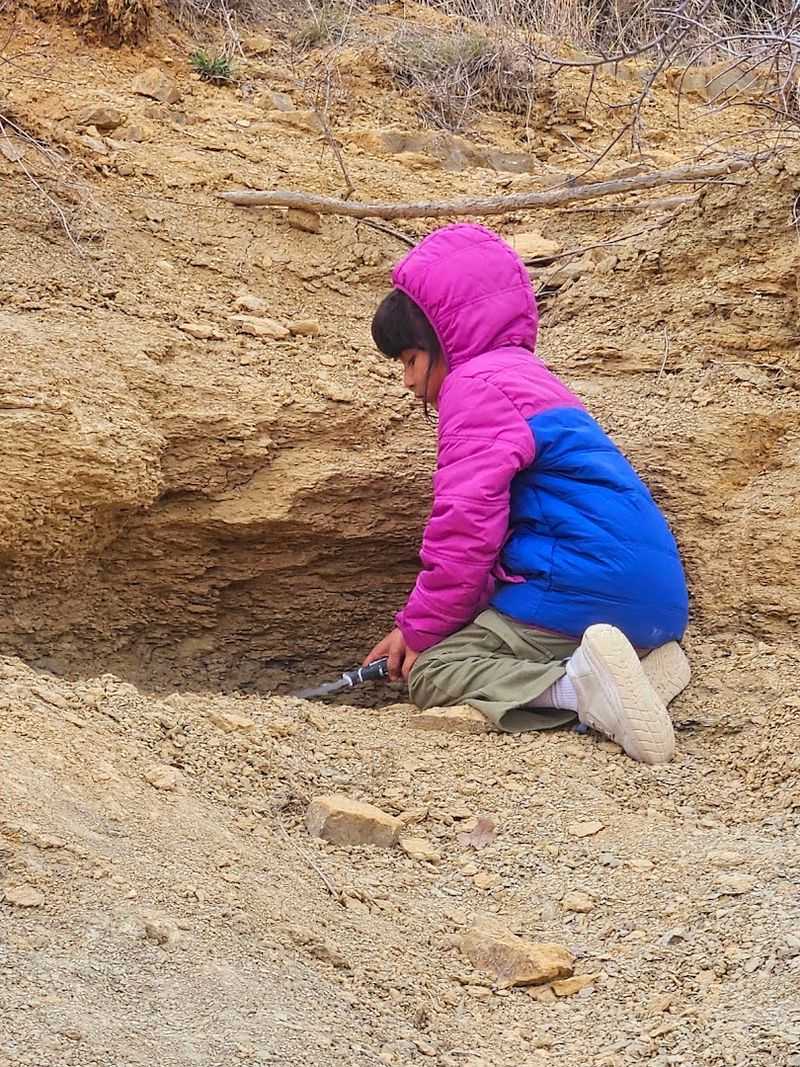
Bringing kids to Mineral Wells Fossil Park might be one of the best spontaneous decisions a Texas family can make. There is no screen competing for their attention, no waiting in line, and no overpriced gift shop at the end.
Just rocks, dirt, and the thrill of finding something real.
Children tend to take to fossil hunting naturally. The combination of treasure-hunt energy and the permission to get messy makes it irresistible for most kids.
Even a four or five year old can spot a crinoid stem once an adult points out what to look for.
It is also a surprisingly organic science lesson. Kids start asking questions almost immediately.
Why is this shell in a rock? What did this animal look like?
How long ago did it live? Those questions lead to real conversations about geology, biology, and deep time that no classroom worksheet can replicate.
The park is free, which means there is zero financial pressure to rush or feel like you are not getting your money’s worth. Bring a change of clothes for the younger ones, pack some snacks, and clear your afternoon schedule because this outing tends to run longer than planned in the best possible way.
Navigating the Terrain Safely Without Missing the Best Spots
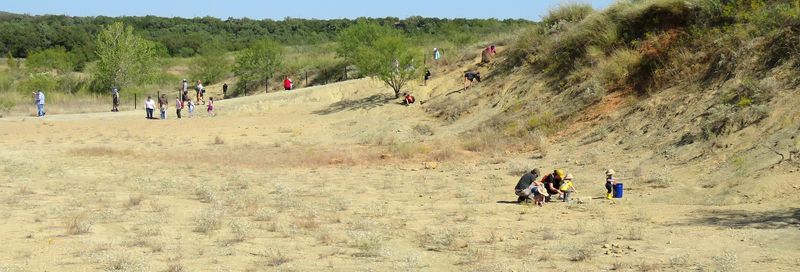
The park is not a manicured trail system, and that is part of its charm. But it does mean you need to pay attention to where you step.
There are genuine drop-offs in certain areas, and the loose soil on slopes can shift underfoot without much warning. Moving carefully is just part of the experience.
The most fossil-rich areas tend to be along exposed rock faces and in the loose gravel that accumulates at the base of slopes. Those spots get churned up by weather and erosion, which constantly brings new material to the surface.
Checking freshly disturbed ground after a rain is especially productive.
Insects and wildlife are part of the landscape, so awareness matters. Checking before sitting down on a rock and watching where you place your hands is a smart habit.
The park recommends staying alert and respecting the natural environment. Despite the rough terrain, most visitors of average fitness navigate the site without issue.
The reward for pushing a little further into the rockier sections is often worth it. Some of the best finds come from spots that require a bit of scrambling to reach, which adds a small adventure element to what is already a pretty memorable outing.
The Free Admission Factor That Makes This Place Even Better
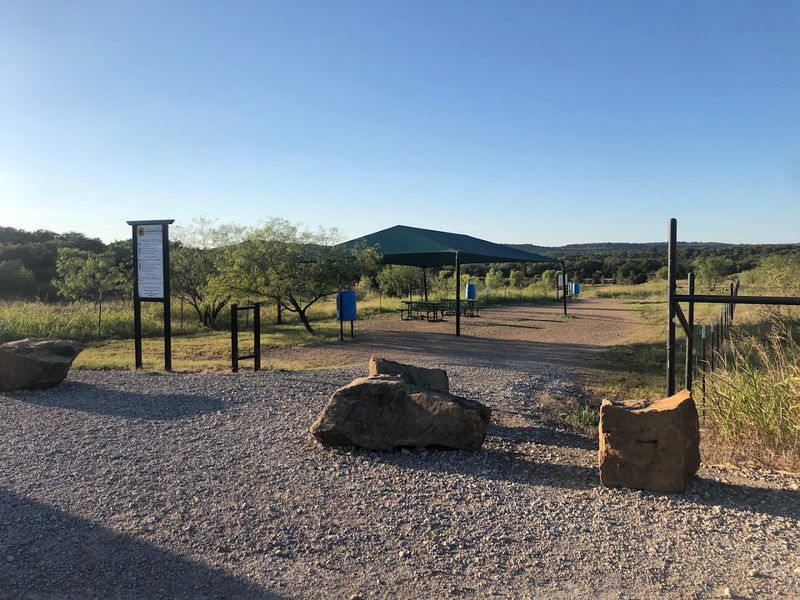
Free admission at a place this good feels almost suspicious at first. Most fossil sites that allow collection charge significant fees, and some of the well-known ones require permits and guided supervision.
Mineral Wells Fossil Park operates on a different philosophy entirely.
The park is managed by the City of Mineral Wells and is genuinely free to enter and free to collect from. You can take home everything you find, which is not something most public lands allow when it comes to fossils.
That openness is a big part of what makes the place feel so welcoming.
For families watching a budget, the value here is hard to beat. A few hours of outdoor exploration, hands-on learning, and genuine discovery costs nothing but your time and a little gas money.
Compare that to a museum visit where the fossils are behind glass and the admission adds up quickly, and the appeal of Mineral Wells becomes obvious. The park is open daily from 8:00 a.m. to 8:45 p.m., so there is flexibility for early risers and late afternoon visitors alike.
It is the kind of place that surprises people who stumble across it for the first time and brings them back again the following season.
What to Do With Your Fossils After You Get Home
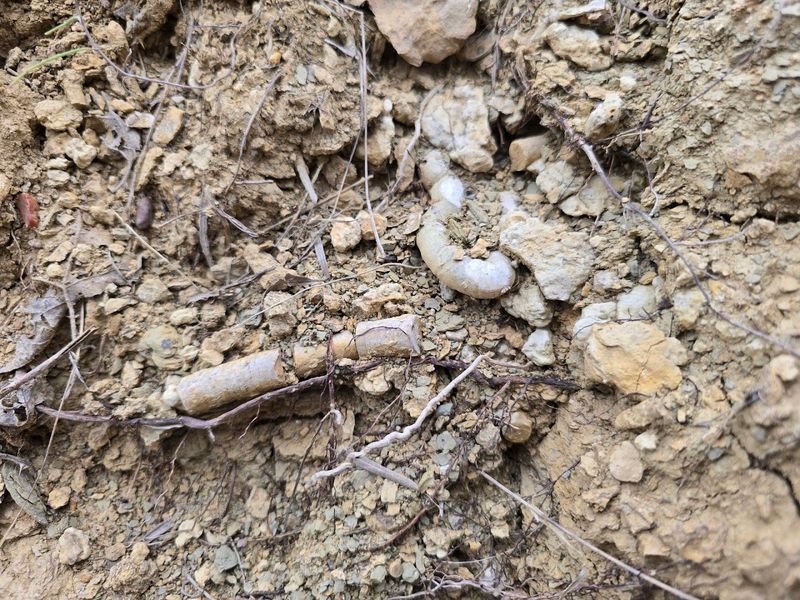
Bringing your fossils home is only half the fun. Once you are back, cleaning and identifying your finds turns into its own satisfying project.
A soft toothbrush and a little water are usually enough to remove the dust and loose sediment without damaging the specimen underneath.
After cleaning, try to identify what you have found. The Mineral Wells Fossil Park website has a helpful identification guide, and there are several well-regarded fossil identification books that cover Pennsylvanian marine life in detail.
Matching a dusty rock fragment to an actual ancient organism is genuinely exciting, especially for kids who found it themselves.
Many people display their collections in small shadow boxes or clear containers with labels. It becomes a conversation piece and a tangible memory from the trip.
Some families start a fossil journal where each find gets a sketch, a label, and a note about where and when it was discovered. Over multiple visits, those collections grow into something genuinely impressive.
Schools and homeschool groups sometimes use collected fossils as teaching materials, which gives the finds a second life beyond the windowsill.
Whatever you do with them, the fossils you carry home from Mineral Wells are real scientific specimens, not replicas, and that distinction matters more than it might first seem.
How to Get There and What to Expect on Arrival
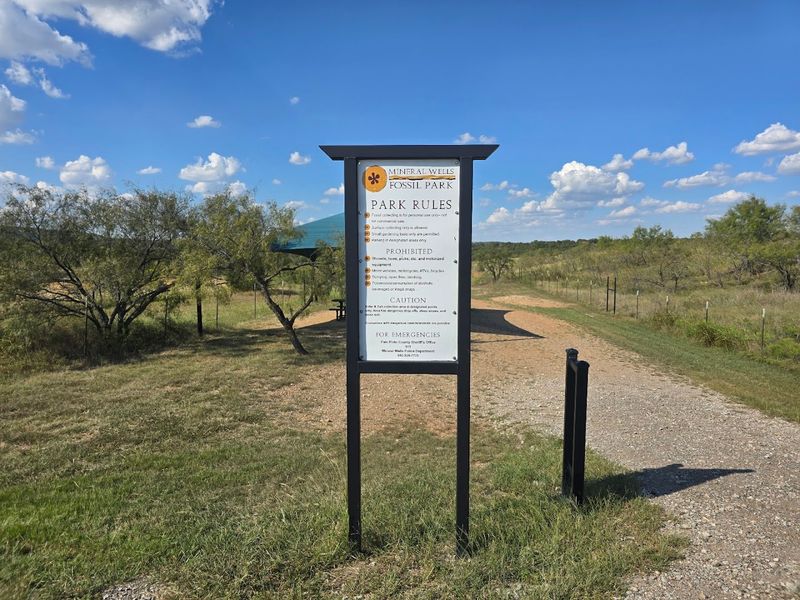
Getting to the park is straightforward once you know the route. From downtown Mineral Wells, head west on Highway 180 for about 3.5 miles, then turn north onto Indian Creek Road.
Drive roughly 2.5 miles and you will reach the park entrance. The road is paved and accessible for regular vehicles.
On arrival, the site looks more rugged than polished, which sets the right expectations immediately. There is a parking area, a shade structure, and primitive restroom facilities.
No gift shop, no ticket booth, no ranger station greeting you at the gate. Just open land and exposed rock waiting to be explored.
First-time visitors sometimes spend a few minutes orienting themselves before getting started. Taking a slow walk around the perimeter first helps you spot the more productive fossil zones before committing to one area.
The exposed rock faces along the slopes tend to be the most promising starting points. Mornings and late afternoons are the most comfortable times to visit, especially during summer.
Midday heat in Texas can be intense, and the site has limited natural shade. Arriving with a plan, good footwear, and a full water bottle puts you in the best position for a successful and enjoyable visit from the very first step.
Why Mineral Wells Fossil Park Deserves a Spot on Your Texas Road Trip
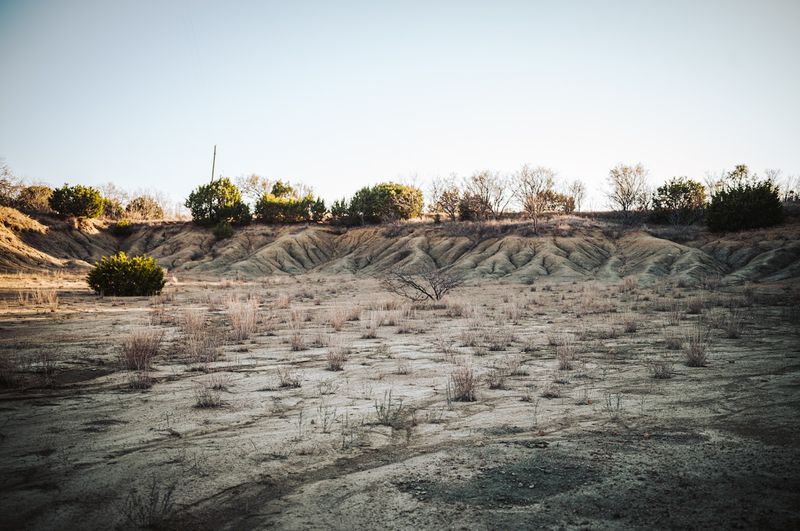
Texas road trips tend to follow the same well-worn routes, Big Bend, the Hill Country, the Gulf Coast. Mineral Wells Fossil Park offers something genuinely different, a stop that feels unexpected and leaves a lasting impression in a way that a scenic overlook or a roadside diner simply cannot.
The town of Mineral Wells itself has a fascinating history, and pairing a fossil park visit with a stroll through town makes for a well-rounded day trip. The park is roughly 45 miles west of Fort Worth, which puts it within easy reach for a day excursion from the Dallas-Fort Worth area.
What makes it road-trip worthy is the combination of uniqueness and accessibility. You do not need special skills, gear, or prior knowledge to have a great time here.
The experience is self-directed, which means introverts love it just as much as families who like to make noise while they explore. Every visitor leaves with something physical to show for their time, a real fossil pulled from real ancient rock.
That kind of tangible memory sticks with people. It is the sort of stop that ends up being the thing everyone talks about on the drive home, not the restaurant, not the hotel, but the moment they found a piece of a 300 million year old sea creature in the Texas dirt.
Address: 2375 Indian Creek Road, Mineral Wells, Texas
Dear Reader: This page may contain affiliate links which may earn a commission if you click through and make a purchase. Our independent journalism is not influenced by any advertiser or commercial initiative unless it is clearly marked as sponsored content. As travel products change, please be sure to reconfirm all details and stay up to date with current events to ensure a safe and successful trip.
