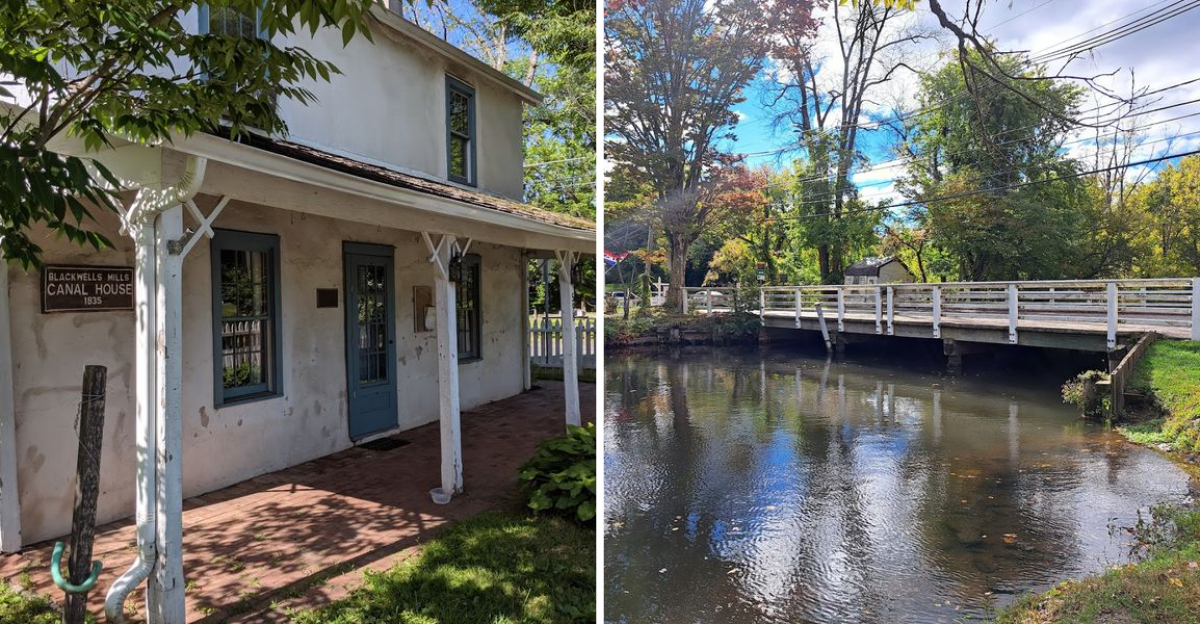
New Jersey has a knack for hiding spots, and this little house is one of them. It looks quaint from the outside, but inside it’s brimming with stories from the canal era that make history feel surprisingly alive.
I once found myself imagining what daily life must have been like here, probably a lot less glamorous than the cozy vibe it gives off today.
Have you ever walked into a place and instantly felt like you were eavesdropping on the past?
The creaky floors and old walls seem to whisper tales if you’re willing to listen.
Honestly, it’s the kind of spot that makes you slow down, smile, and realize history isn’t just in textbooks, it’s right under your feet.
A House Built Alongside History
Few buildings in New Jersey carry as much quiet pride as this one. The Blackwells Mills Canal House was constructed around 1835, built at the exact same time as the Delaware and Raritan Canal itself.
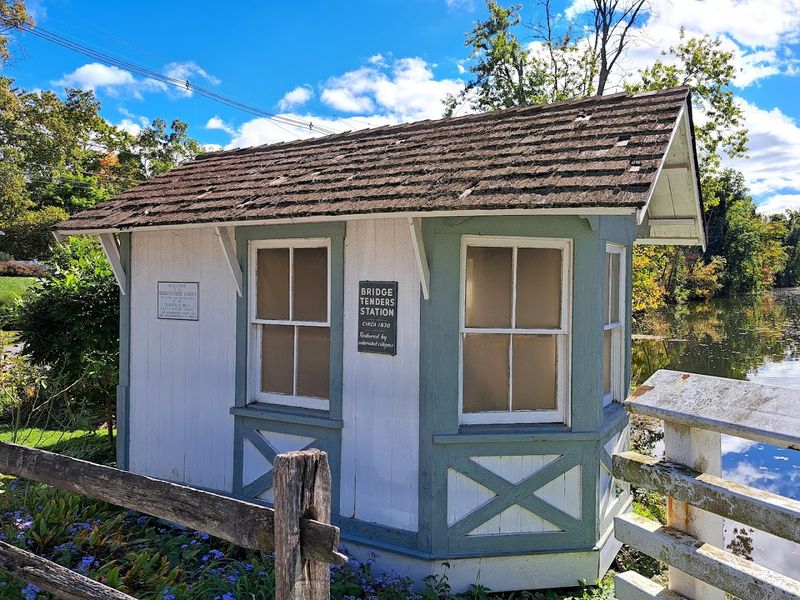
That timing was not a coincidence. The house was purpose-built, designed specifically to shelter the person responsible for operating the swing bridge nearby.
That bridge was the key to keeping canal traffic moving smoothly. Boats needed to pass, and road traffic needed to be managed, so the bridge tender’s job was constant and essential.
The house was functional, sturdy, and modest, built to last through seasons of hard work along the waterway.
Standing in front of it today, you can almost feel the weight of that original purpose. The structure has two stories and four rooms, nothing extravagant, but everything necessary.
It is the kind of building that tells you everything about the era it came from, one that valued practicality over polish. Visiting this spot feels less like touring a museum and more like stepping into a chapter of a history book that somehow never got closed.
The Canal That Shaped a Region
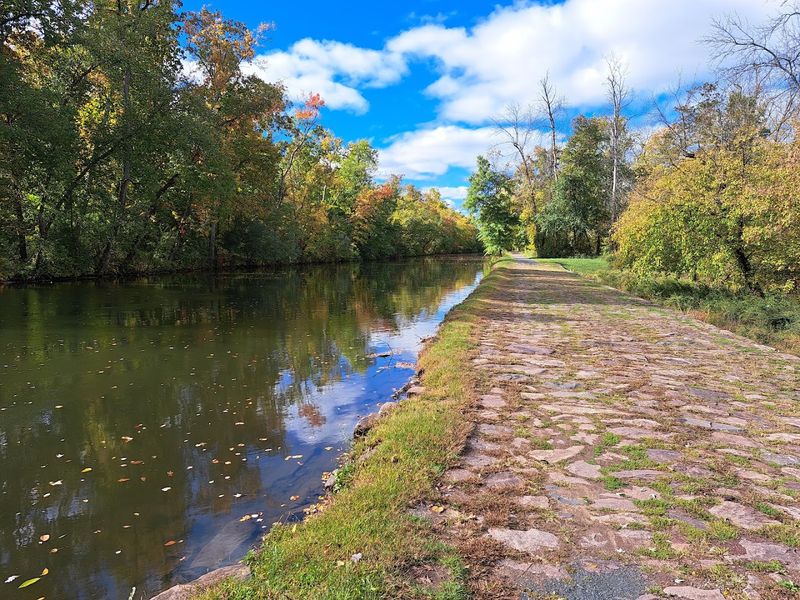
The Delaware and Raritan Canal was once one of the busiest canals in the entire United States. Running through central New Jersey, it served as a crucial commercial route for moving goods between Philadelphia and New York during the 1800s.
Canal boats loaded with coal, lumber, and other materials made their way through this waterway daily.
The canal operated for nearly a century before closing in 1932. By then, railroads had taken over as the dominant mode of transporting goods, and the canal’s commercial usefulness had faded.
But the waterway itself never disappeared. It simply transformed into something different.
Today, the canal is a New Jersey State Park and a designated national historic site. The towpath that mules once walked while pulling loaded boats is now a popular trail for hikers, cyclists, and runners.
The water remains calm and reflective, lined with trees that create a canopy of green in warmer months. Visiting Blackwells Mills means you get both the history of the house and the gentle beauty of this remarkable waterway all at once.
It is a package deal that few spots in New Jersey can match.
What a Bridge Tender Actually Did
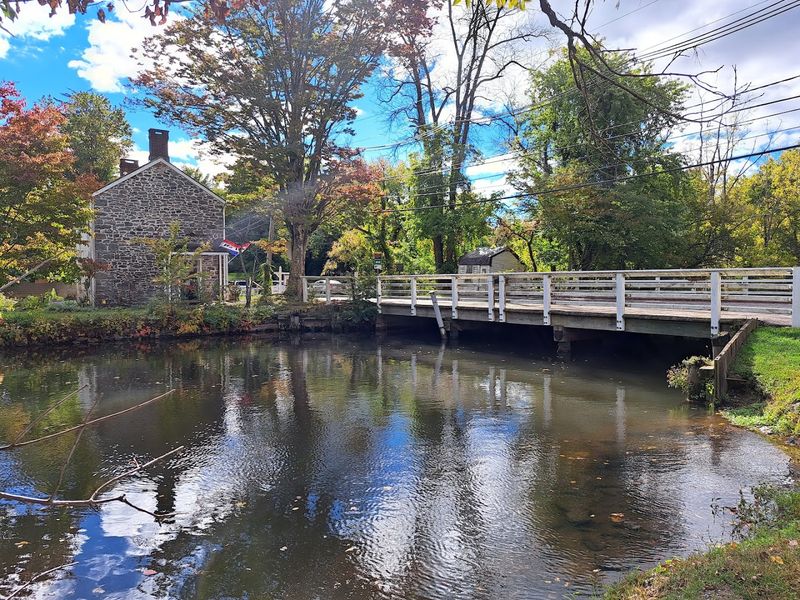
Most people have never heard the job title “bridge tender,” and honestly, that feels like a small injustice. These were the people who kept the entire canal system running on time.
At Blackwells Mills, the bridge tender was responsible for swinging the bridge open to let canal boats pass and then closing it again for road traffic.
It sounds simple enough until you realize this happened around the clock, in every kind of weather, across every season. The job required physical strength, steady attention, and a reliable presence.
Missing a boat or delaying a crossing could throw off the schedule for everyone downstream.
The bridge tender lived right there on site, in the house that still stands today, so they were always just steps away from the bridge when needed. That level of dedication is something easy to underestimate from a modern perspective.
The last person to hold this role at Blackwells Mills was Sandor Fekete, who continued living in the house long after the canal stopped operating in 1932, remaining there until his passing in 1970. His long residency gave the house an added layer of living history that makes it feel truly irreplaceable.
Exploring the Towpath on Two Wheels
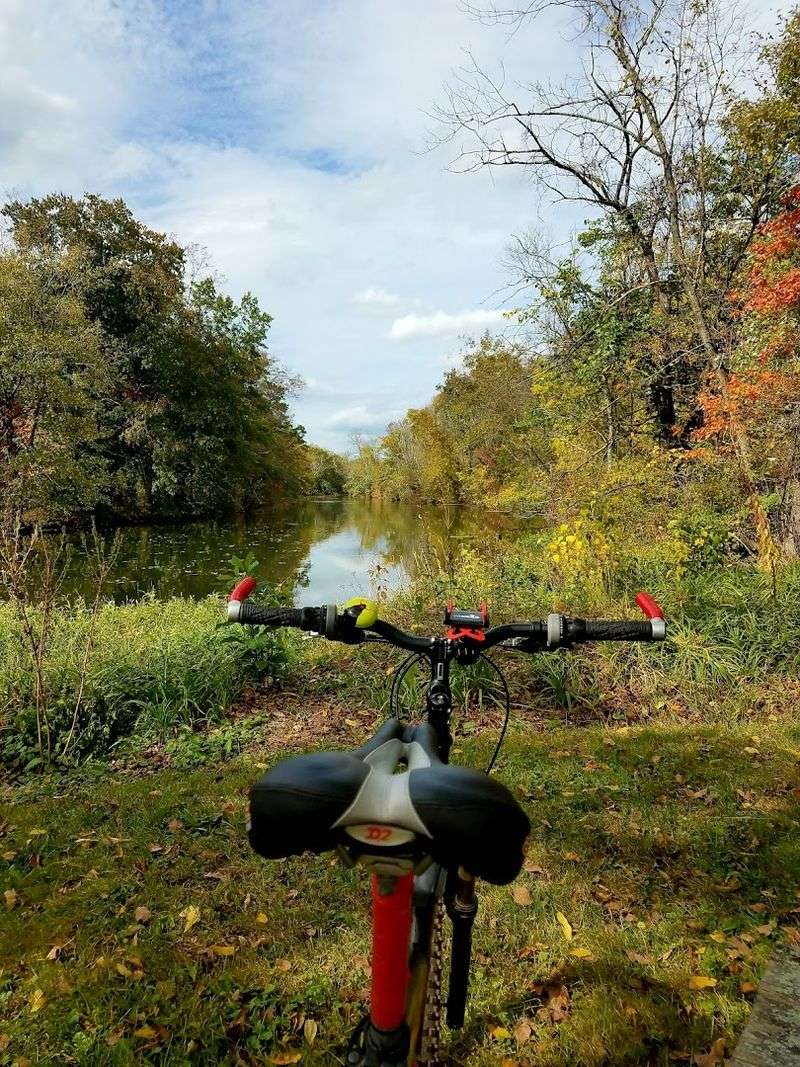
One of the best ways to experience this stretch of New Jersey is by hopping on a bicycle and following the towpath. The trail running alongside the canal near Blackwells Mills is flat, well-maintained, and genuinely scenic.
It winds through forests, open fields, and small historic communities that feel like stepping back in time.
The route from Blackwells Mills toward Rockingham House is especially rewarding. Along the way, you pass quiet water, open sky, and the occasional great blue heron standing motionless at the canal’s edge.
The pace feels unhurried, which is honestly the point.
Packing a simple picnic is a smart move for this ride. Stopping along the towpath to enjoy some fresh fruit, a sandwich, and a cold drink while surrounded by that kind of scenery turns a bike ride into something much more memorable.
The canal house makes a natural starting or ending point for the journey, giving the whole outing a sense of purpose and place. Whether you ride five miles or twenty, the towpath delivers a kind of peaceful satisfaction that is surprisingly hard to find anywhere else in the region.
The Restoration Story Worth Knowing
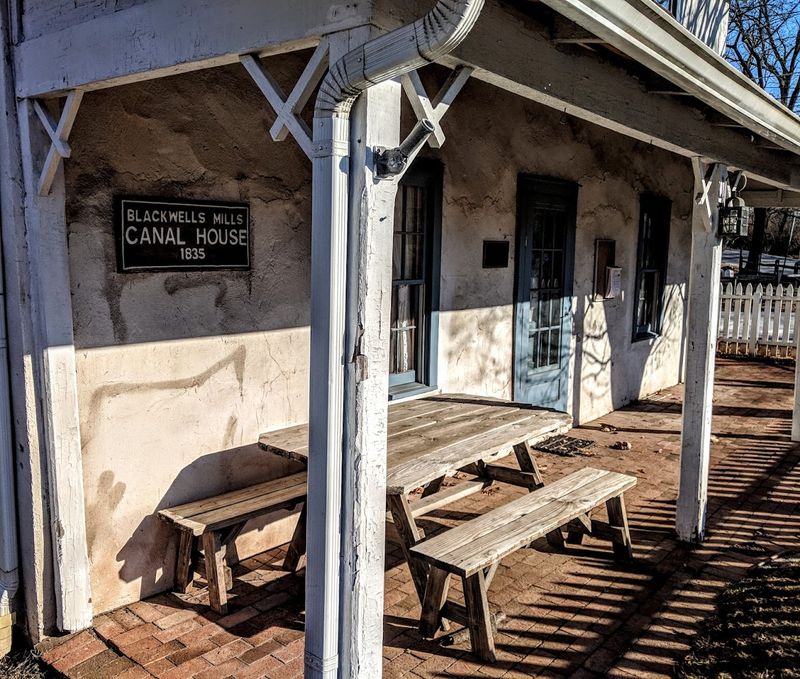
By 1971, the Blackwells Mills Canal House had been sitting unused for years. The canal had closed decades earlier, and without a bridge tender to occupy it, the house had grown quiet.
A group of community members recognized what was at stake and formed the Blackwells Mills Canal House Association to bring it back to life.
The restoration effort was driven entirely by local passion for the area’s history. Volunteers worked to preserve the structure, maintain its historical integrity, and transform it into a space that could serve the community again.
The result is what visitors see today: a functioning museum, community center, and library all wrapped into one modest historic building.
That kind of community-driven preservation is rarer than it should be, and it deserves real recognition. The house did not survive because a large institution stepped in with funding.
It survived because local people cared enough to show up and do the work. Visiting the canal house today is, in part, a small act of appreciation for that effort.
Every person who stops, looks around, and learns something new about canal life is contributing to the reason this place continues to matter.
Educational Events That Bring History to Life
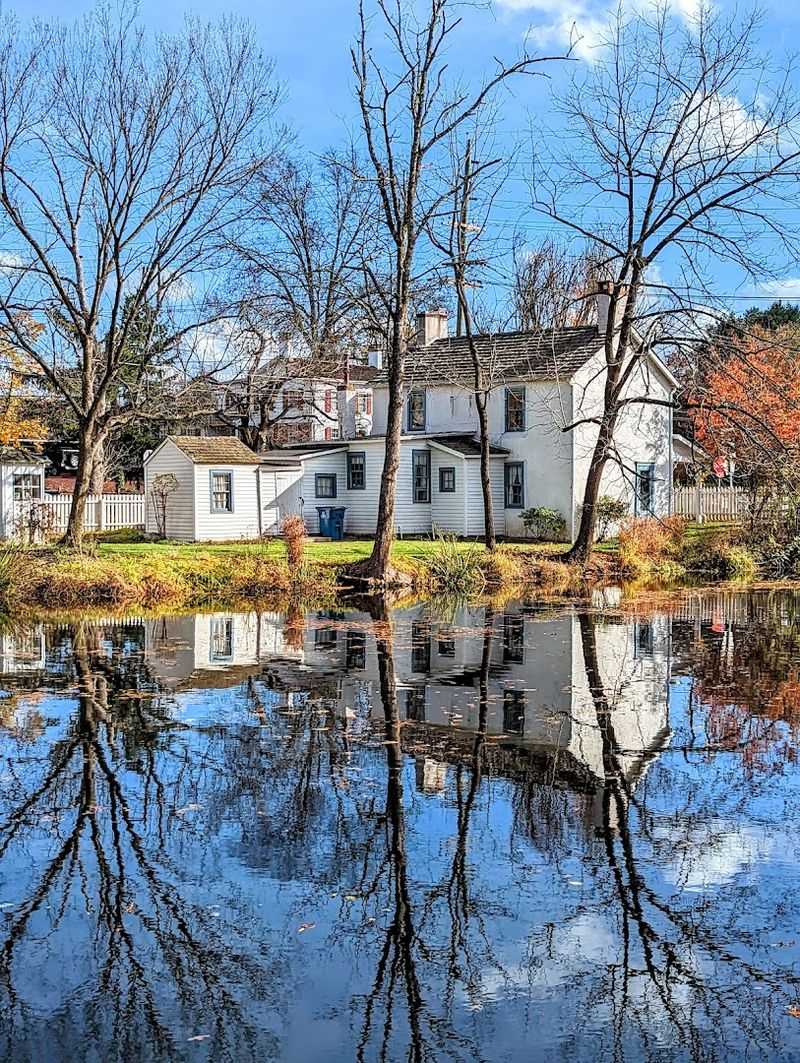
The Blackwells Mills Canal House Association does not just keep the building standing. It actively fills the space with programs, events, and activities that connect people to the history of the canal era.
Throughout the year, the association hosts educational events designed for visitors of all ages.
These gatherings range from guided walks along the towpath to hands-on programs that explore what daily life looked like for canal workers and their families in the 1800s. For kids especially, this kind of experiential learning sticks in a way that textbooks simply cannot replicate.
Checking the association’s schedule before visiting is a smart idea because catching one of these events turns a casual stop into a genuinely enriching experience. The house itself is open to the public, offering a glimpse into the tools, routines, and rhythms of canal life from nearly two centuries ago.
Even without a scheduled event, the setting alone sparks curiosity. Standing beside a canal that once carried hundreds of boats per day, in front of a house where a real person lived and worked for decades, has a way of making history feel surprisingly close and completely real.
Fishing, Walking, and Slowing Down
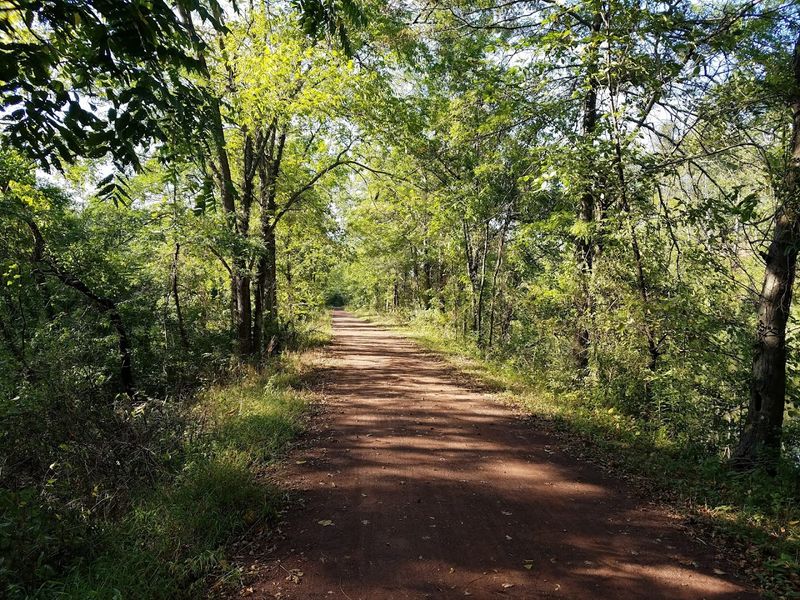
Not every great travel experience needs to be packed with activities. Sometimes the best thing a place can offer is permission to slow down, and the canal area around Blackwells Mills does exactly that.
The towpath is ideal for a long, easy walk where the only agenda is paying attention to what is around you.
Fishing along the canal is another popular reason people make their way out here. The water is calm and clear in many stretches, and the peaceful atmosphere makes it easy to settle in for an unhurried morning or afternoon by the bank.
It is the kind of activity that feels restorative in a way that is hard to explain until you try it.
The combination of natural beauty, historical setting, and genuine quiet makes this stretch of New Jersey feel like a world apart from the busy highways and suburbs nearby. Bringing a good book, a thermos of hot tea, and a pair of comfortable shoes is really all you need.
The canal does the rest. There is a reason people come back here season after season.
It never stops delivering exactly what a tired, overworked mind needs most.
The Millstone Valley and Its Scenic Surroundings
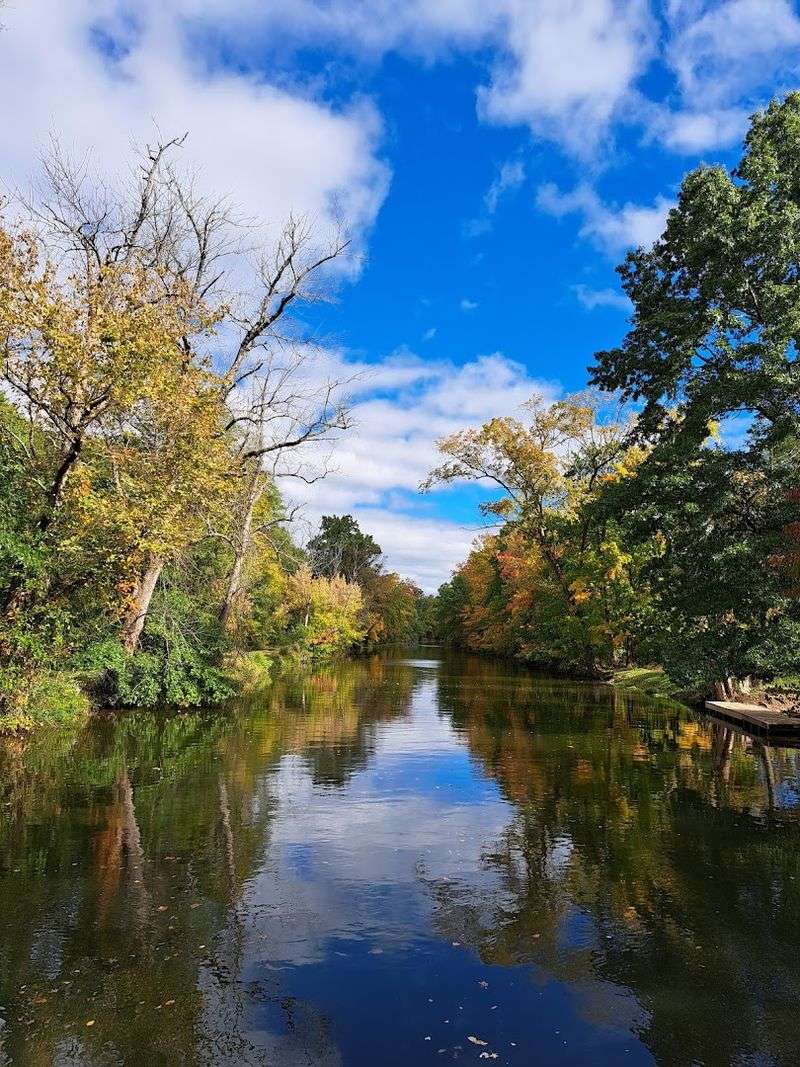
The Blackwells Mills Canal House sits within the broader Millstone Valley, a stretch of central New Jersey that has managed to hold onto its rural character despite being surrounded by development on all sides. The valley is genuinely beautiful, with open farmland, historic villages, and the canal threading through it all like a long, slow river.
The Millstone Valley Scenic Byway runs through this area, connecting a string of historic sites, natural landscapes, and small communities that reward slow, curious exploration. Pairing a visit to the canal house with a drive or ride along the byway adds real depth to the outing.
Local farm stands along the route offer some of the best seasonal eating in the region. Fresh corn in summer, pumpkins and cider in fall, and root vegetables through the winter months give every visit a different flavor depending on when you go.
The landscape itself shifts with the seasons too, from bright green in spring to deep gold and red in autumn. Few places in New Jersey offer this combination of history, scenery, and genuine agricultural character all within a short drive of each other.
It rewards repeat visits in a way that feels earned rather than marketed.
Why This Small House Matters So Much
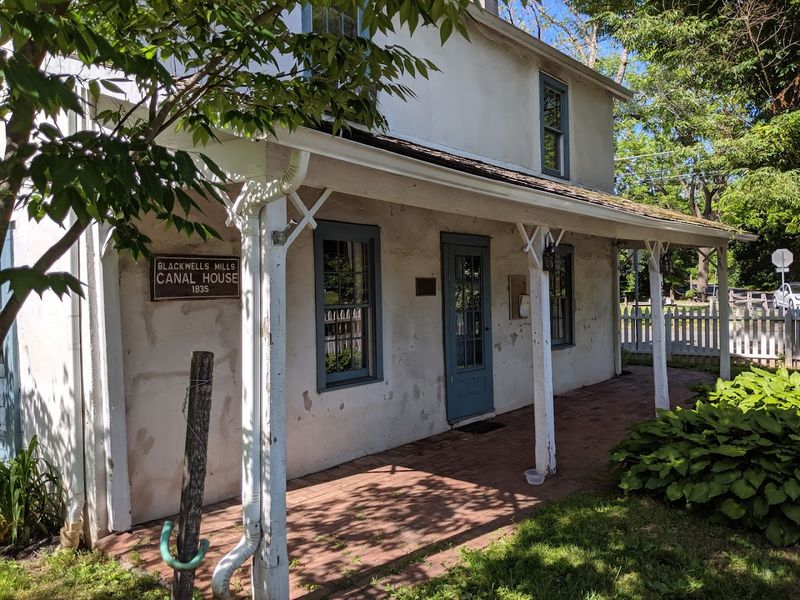
Small buildings have a way of carrying enormous stories, and the Blackwells Mills Canal House is proof of that. It is not grand or imposing.
It does not demand your attention from a distance. But once you are standing in front of it, reading its history and understanding what it represents, something shifts.
This house is a direct physical link to an era of American commerce and community that most people only encounter in history classes. The Delaware and Raritan Canal was not a footnote.
It was a major economic artery that helped shape the development of an entire region for nearly a century.
Preserving a building like this means preserving the human scale of that history. It is not about kings or generals.
It is about the person who woke up every morning, walked a few steps to a bridge, and made sure the boats could pass. That kind of ordinary, essential work built this country as much as anything else.
Coming here, taking it in, and carrying that understanding home is the whole point of a visit. The Blackwells Mills Canal House earns every bit of the quiet admiration it receives.
Address: 598 Canal Rd, Somerset, NJ
Dear Reader: This page may contain affiliate links which may earn a commission if you click through and make a purchase. Our independent journalism is not influenced by any advertiser or commercial initiative unless it is clearly marked as sponsored content. As travel products change, please be sure to reconfirm all details and stay up to date with current events to ensure a safe and successful trip.
