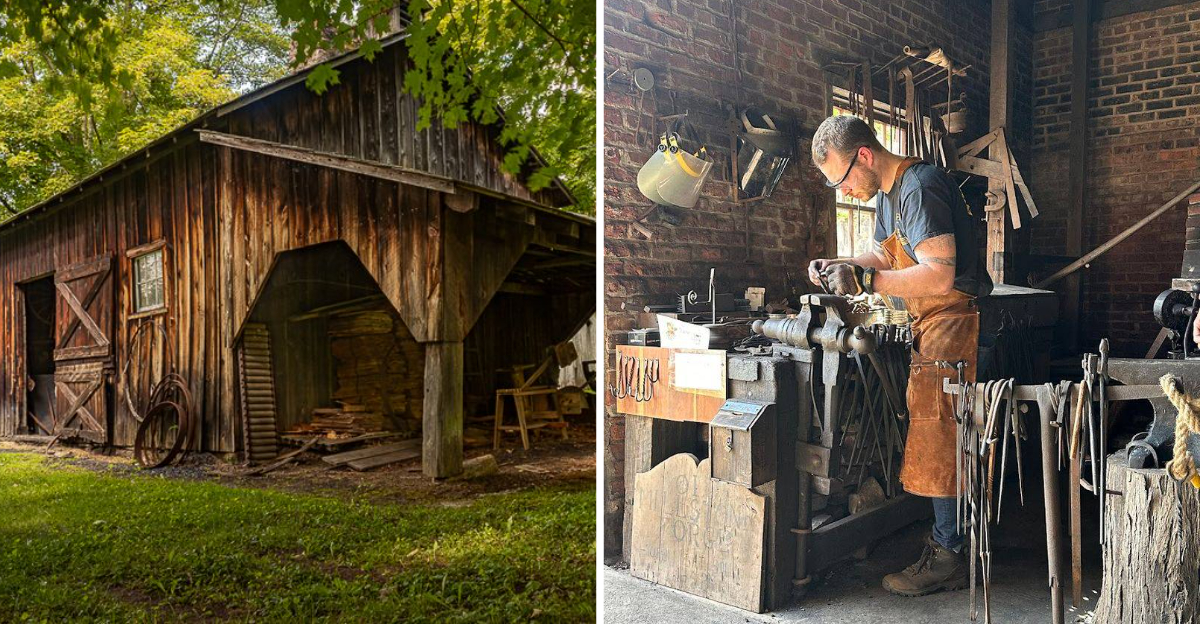
If you’ve ever felt like the 21st century is just one long, loud notification you can’t silence, there’s a secret corner of New Jersey where the “offline” mode was perfected nearly two hundred years ago.
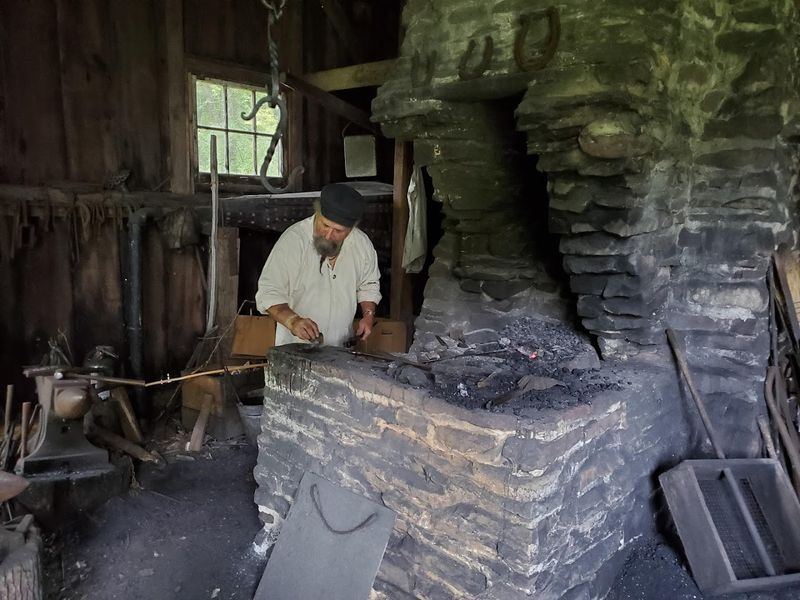
It’s a place where the only “tweets” come from the trees and the most high-tech thing you’ll encounter is a blacksmith’s hammer hitting hot iron with a rhythm that’s oddly therapeutic.
I’ll be honest, the first time I visited, I actually felt a little guilty checking my phone, as if the 1830s-style general store would somehow sense my modern betrayal and kick me out.
It is a total “standard-ruiner” for anyone who thinks they need a plane ticket to find peace, proving that sometimes the best way to move forward is to find a dirt road that leads straight into the past.
The 1832 Origins That Started It All
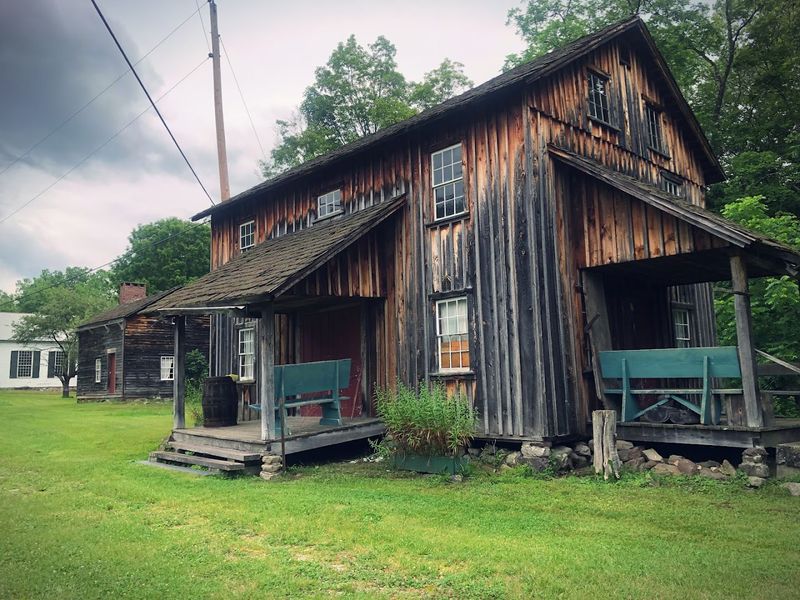
Back in 1832, a man named Abram Garis had an idea that would shape an entire community for generations. He built a grist mill along the Columbia-Walpack Turnpike, right where Van Campen’s Mill Brook flowed through the land.
Farmers from the surrounding area brought their grain here to be processed, and just like that, a village began to breathe.
By 1875, Millbrook had grown into a proper little settlement with around 75 residents. It had a Methodist Church, a school, a hotel, and nearly 19 major buildings dotting the landscape.
That kind of growth, fueled by one hardworking mill and a community willing to build around it, is genuinely remarkable.
Visiting Millbrook today means walking the same ground those early settlers walked. The energy of that original founding still feels present somehow.
Whether you know the history before you arrive or pick it up along the way, the story of how this village began makes every building and pathway feel much more meaningful to explore.
A Living History Museum Unlike Any Other
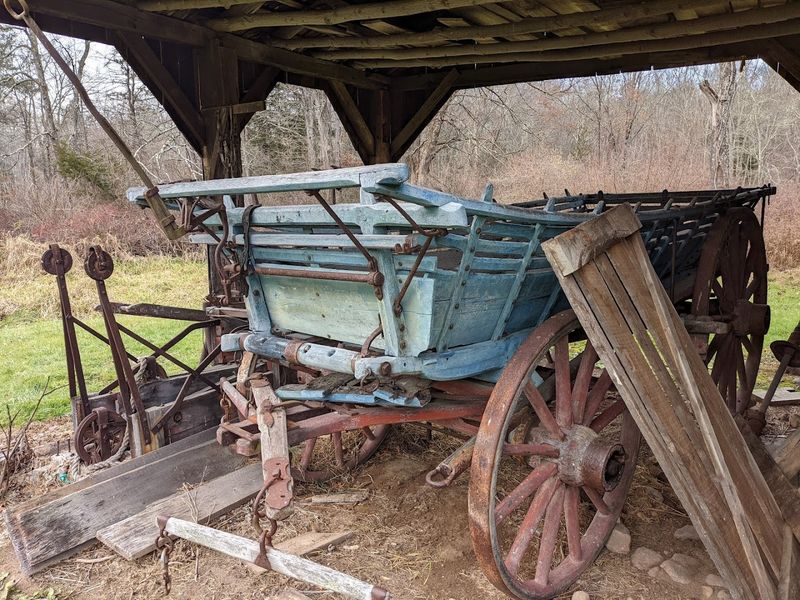
Most history museums keep everything behind glass, which is fine, but Millbrook goes a completely different route. Here, history is something you can actually stand inside of, smell, and watch unfold in real time.
Volunteers dressed in period-appropriate clothing bring the 1800s to life through hands-on demonstrations that feel more like performances than lessons.
The National Park Service, working alongside the Millbrook Village Society, has carefully restored several key structures. The grist mill, blacksmith shop, and general store are among the highlights.
Each building has been preserved with serious attention to detail, and walking through them feels like flipping through pages of a living textbook.
On weekends during the summer months, these spaces open their doors and welcome visitors into the daily rhythms of 19th-century rural life. It is the kind of experience that sticks with you long after you have driven home.
Kids especially tend to light up when they realize history does not have to be boring, and adults often find themselves equally absorbed in the whole experience.
Traditional Crafts That Still Captivate Visitors
There is something almost meditative about watching someone spin wool by hand on a traditional spinning wheel. At Millbrook, that is a completely normal Saturday afternoon activity.
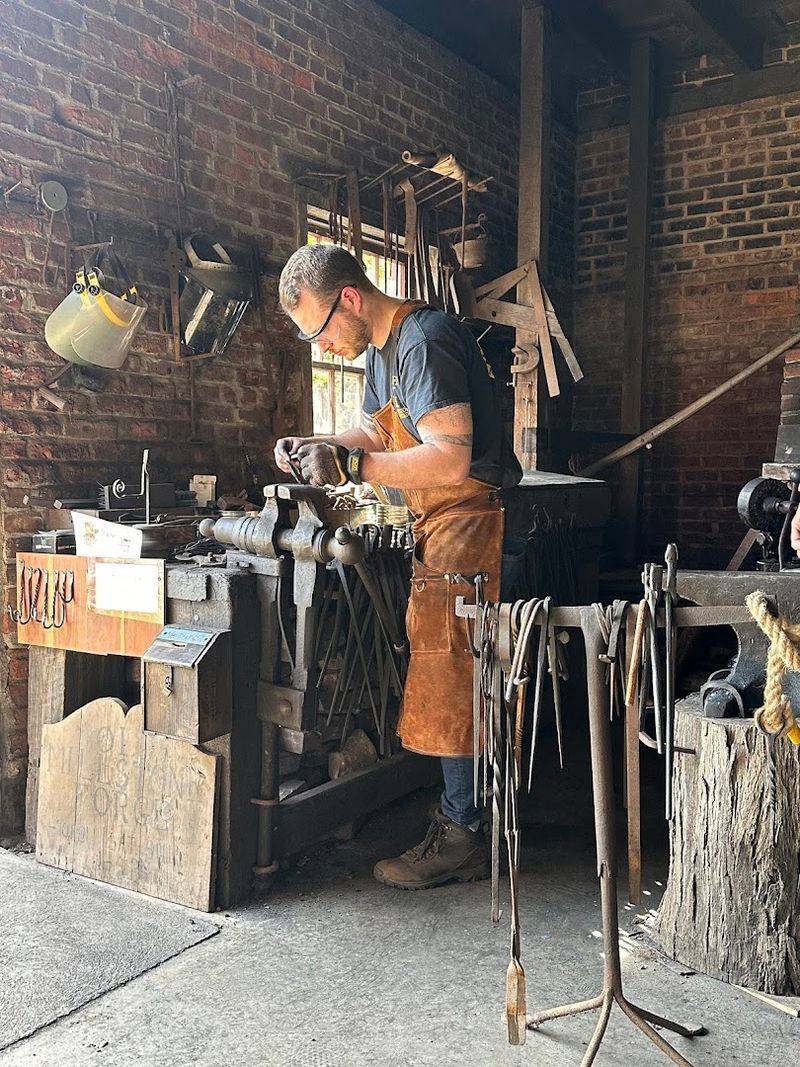
Woodworking, weaving, blacksmithing, and gardening are just a few of the crafts demonstrated here by skilled volunteers who genuinely love what they do.
These are not rushed demonstrations thrown together for tourist appeal. Each craft shown at Millbrook reflects the actual daily work of 19th-century rural residents.
The techniques used are historically accurate, and the volunteers take real pride in sharing that knowledge with anyone willing to stop and pay attention for a few minutes.
What makes these demonstrations so engaging is how approachable they feel. You are not watching from behind a rope barrier.
The atmosphere encourages curiosity, and questions are always welcome. Whether you are drawn to the rhythmic clang of the blacksmith’s hammer or the quiet focus of a weaver at the loom, each craft tells a small but important piece of the bigger story of how people once lived and worked together.
Lantern Tours and Seasonal Programs That Glow
Seeing Millbrook Village during the day is wonderful, but experiencing it by lantern light is a completely different kind of magic. The seasonal lantern tours offered here cast a warm, flickering glow over the restored buildings and pathways, turning an already atmospheric place into something that feels genuinely otherworldly.
These guided walks are thoughtfully designed to bring out the more intimate details of the village’s history. The pace is relaxed, the storytelling is engaging, and the combination of fading daylight and glowing lanterns creates a mood that no photograph can fully capture.
It is one of those experiences you keep talking about for weeks afterward.
Beyond lantern tours, Millbrook also offers a rotating calendar of seasonal programs throughout the year. Guided walks, themed events, and special demonstrations keep the schedule fresh and give returning visitors new reasons to come back.
Checking the National Park Service calendar before your visit is a smart move, because the best programs tend to fill up quickly and the experience varies beautifully depending on the season you choose to visit.
The Peaceful Trails Along the Creek
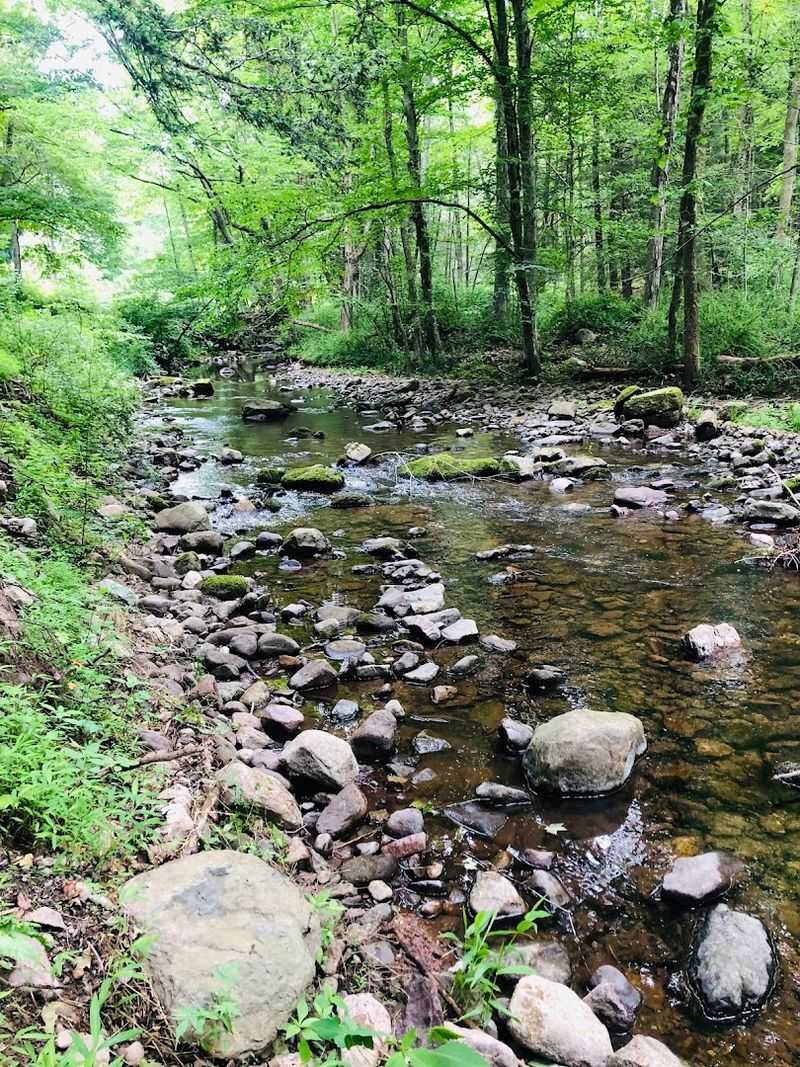
Right alongside the historic buildings, a lovely trail runs near the creek that gave Millbrook its original character. Van Campen’s Mill Brook is still flowing, still peaceful, and still very much worth a slow walk beside.
The sound of moving water through the trees is the kind of soundtrack that makes every step feel effortless.
The trail is accessible and relatively easy, which makes it a great option for visitors of all ages and fitness levels. Dogs are welcome too, and they seem to have an especially enthusiastic response to the whole experience.
The combination of natural beauty and historic surroundings creates a setting that feels genuinely restorative.
One small but important tip: tick awareness is real on this trail, particularly during warmer months. Wearing long socks and checking yourself and your pets thoroughly after your walk is just smart practice.
That minor preparation aside, the trail is an absolute gem. It rounds out the Millbrook experience perfectly, giving you a chance to breathe in the landscape that inspired the village’s founding in the first place.
Free Admission and Open Grounds Year-Round
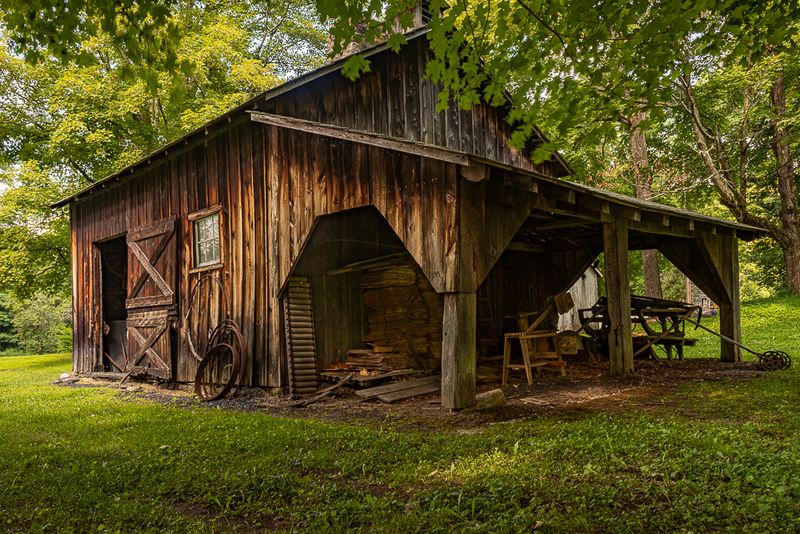
One of the most genuinely refreshing things about Millbrook Village is that it costs absolutely nothing to visit. The grounds are open daily during daylight hours throughout the entire year, which means there is no reason to keep putting off a trip here.
Free admission at a place this well-maintained and historically significant feels almost too good to be true.
The open-access policy makes Millbrook an ideal destination for spontaneous day trips. You do not need to book tickets weeks in advance or stress about fitting it into a tight budget.
Just show up, walk around, and let the village do the rest. That kind of low-barrier access to living history is genuinely rare and worth appreciating.
Even outside of the summer weekends when demonstrations are running, the grounds themselves are beautiful and worth exploring. The restored buildings, the creek, the open fields, and the surrounding woodland all combine into a setting that feels special regardless of the season.
Winter visits have their own quiet charm, and spring brings the whole landscape back to life in the most satisfying way possible.
The General Store: A Window Into Everyday 1800s Life
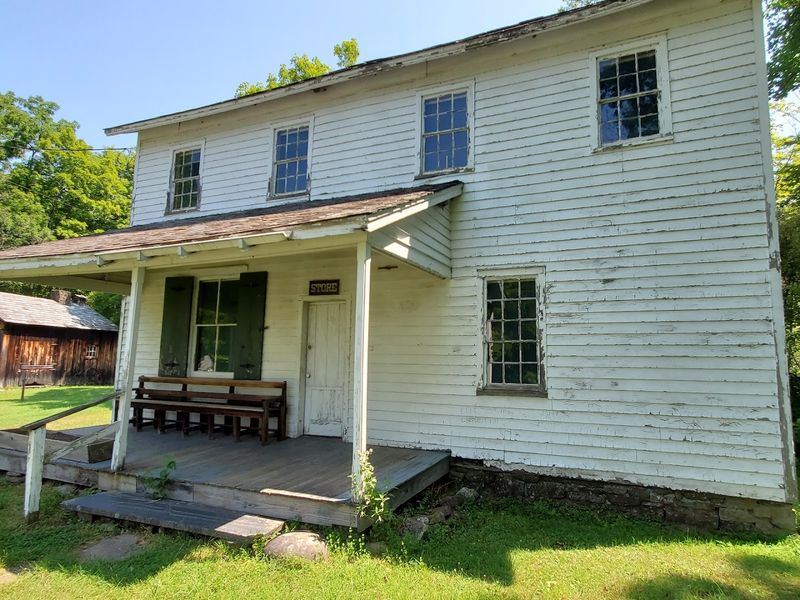
Walking into the restored general store at Millbrook feels like opening a door that was quietly left unlocked by time. The shelves, the layout, and the overall atmosphere reflect how central the general store was to any small 19th-century community.
It was not just a place to buy things. It was a social hub, an information center, and the heartbeat of daily village life.
The National Park Service has done careful work restoring this space to reflect its historical accuracy. Period-appropriate goods and furnishings give the interior a texture and warmth that reproduction spaces often struggle to achieve.
Standing inside it, you get a clear sense of how much thought and effort went into getting the details right.
On demonstration days, the general store often comes alive with activity. Volunteers help explain what products were commonly stocked, how transactions worked, and what role the store played in the broader community.
It is one of those spots in the village that rewards visitors who slow down and spend a little extra time looking at the smaller details rather than rushing through to the next building on the path.
The Methodist Church and Schoolhouse: Community Cornerstones
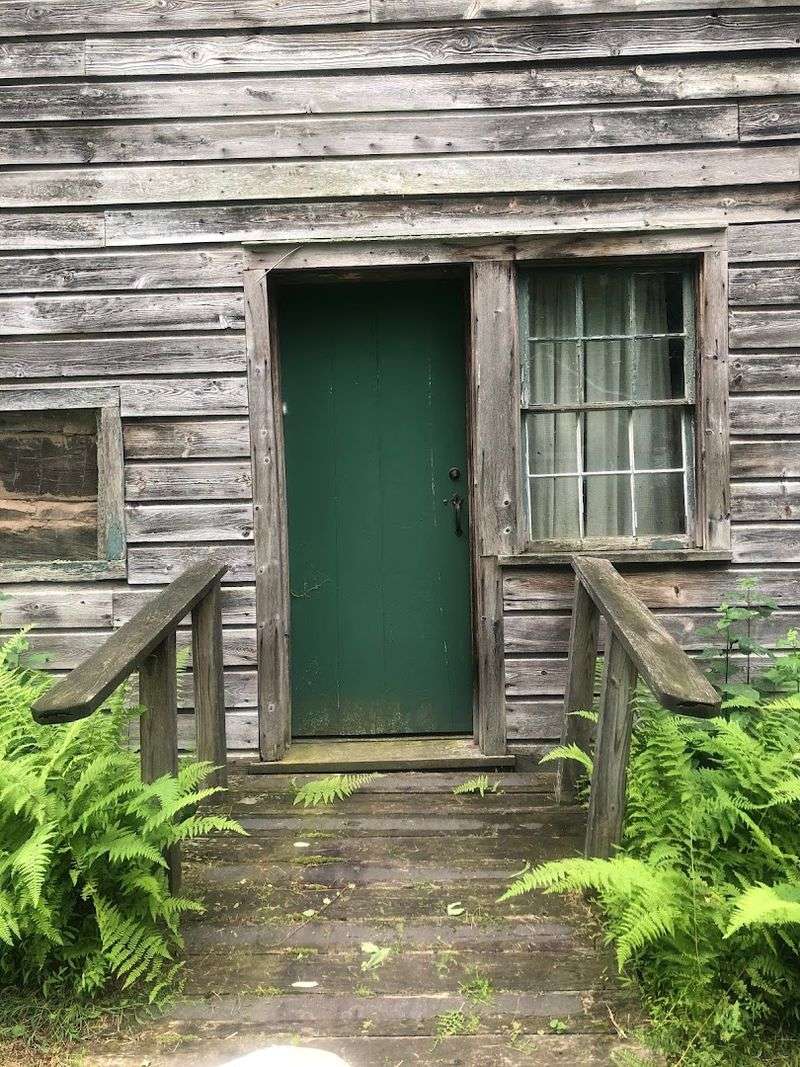
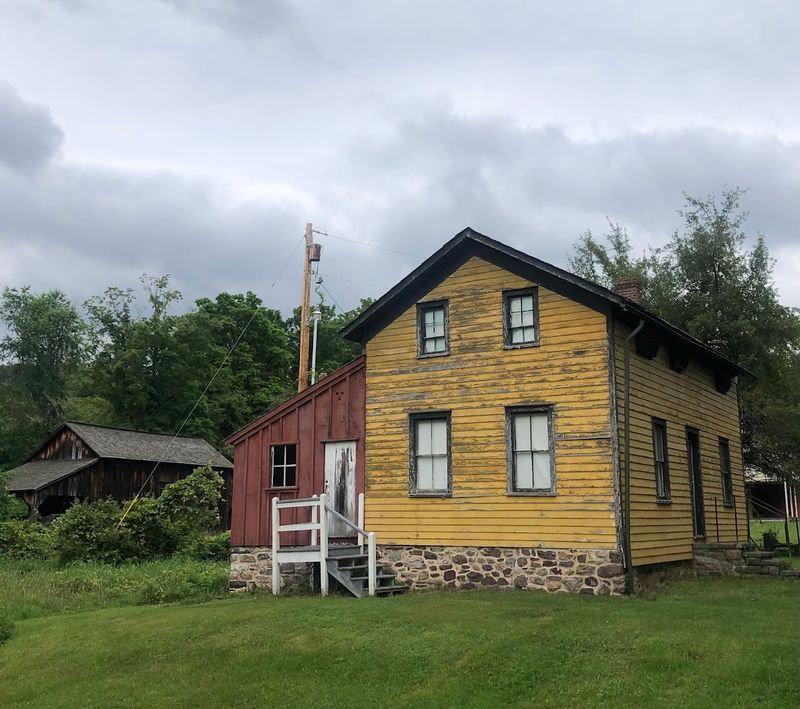
By 1875, Millbrook was not just a milling operation. It was a fully functioning community with institutions that shaped the social and intellectual life of its residents.
The Methodist Church and the one-room schoolhouse were two of the most important structures in the village, and both have been preserved as part of the site’s ongoing restoration efforts.
The church represented the spiritual center of the community, a gathering place that went far beyond Sunday services. It hosted community events, provided a sense of shared identity, and helped bind together a group of people who depended heavily on one another for daily survival.
That kind of communal purpose feels almost poignant when you stand inside it today.
The schoolhouse tells its own compelling story. A single room, a handful of desks, and one teacher responsible for educating children of multiple ages simultaneously.
Visiting it gives you an immediate and humbling appreciation for how much the priorities and possibilities of education have shifted over time. Both buildings together paint a fuller picture of what village life actually looked and felt like beyond the mill and the marketplace.
Why Millbrook Village Still Matters Today
Some places exist purely as attractions. Millbrook Village feels more like a responsibility, a place that people genuinely care about keeping alive because what it represents matters.
The partnership between the National Park Service and the Millbrook Village Society reflects that commitment, and the result is a site that feels cared for rather than just maintained.
In a world where everything moves fast and most things are disposable, there is something quietly radical about a village that insists on slowing down. The crafts being demonstrated here were not preserved for novelty.
They are being kept alive because they connect us to a way of living that had real value, real community, and real ingenuity at its core.
Visiting Millbrook is not just a fun day out, though it absolutely is that too. It is a reminder that history is not something locked away in textbooks or behind museum glass.
It is something you can walk through, breathe in, and carry with you. Address: 602 Old Mine Rd, Fredon Township, NJ 07860.
Dear Reader: This page may contain affiliate links which may earn a commission if you click through and make a purchase. Our independent journalism is not influenced by any advertiser or commercial initiative unless it is clearly marked as sponsored content. As travel products change, please be sure to reconfirm all details and stay up to date with current events to ensure a safe and successful trip.
