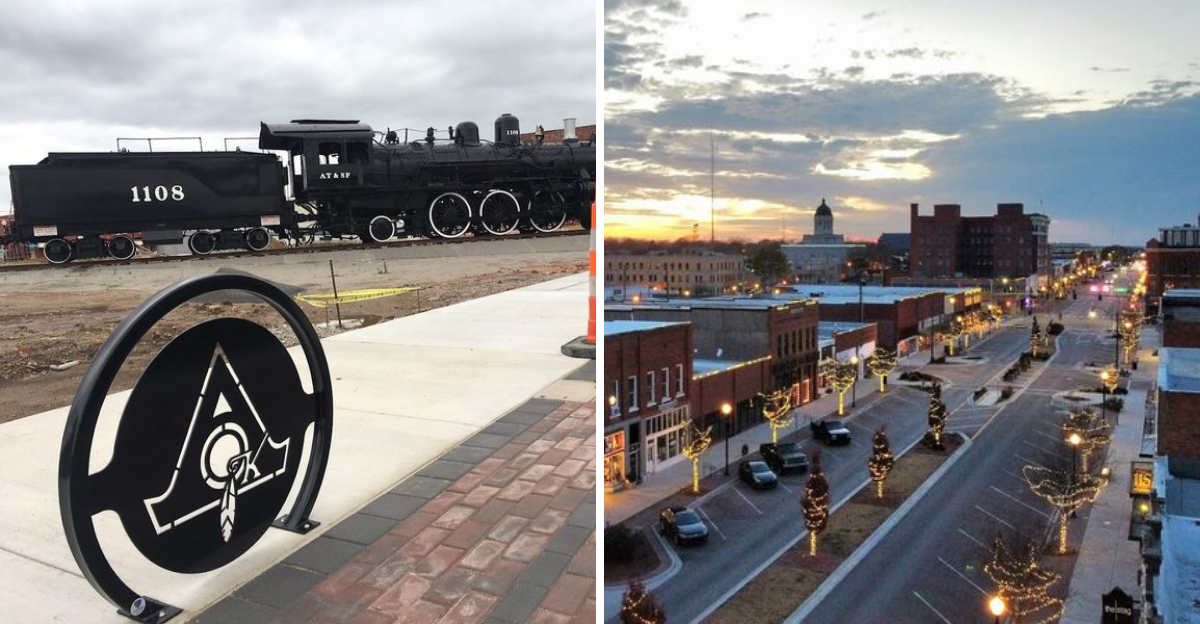
You might feel like you have wandered onto a movie set when you first arrive in this southern Oklahoma gem. Quaint storefronts line the main street, neighbors wave from porch swings, and the pace of life moves at a gentle amble rather than a hurried sprint.
But look a little closer, and surprises peek out from every corner. A retro diner serving pie that will make your eyes roll back, a hidden garden behind an old brick building, or maybe a mural that stops you mid step just because it makes you grin.
Pack your walking shoes and a curious spirit, because this town rewards slow looks and second glances in the best possible way.
A Town With Deep Railroad Roots
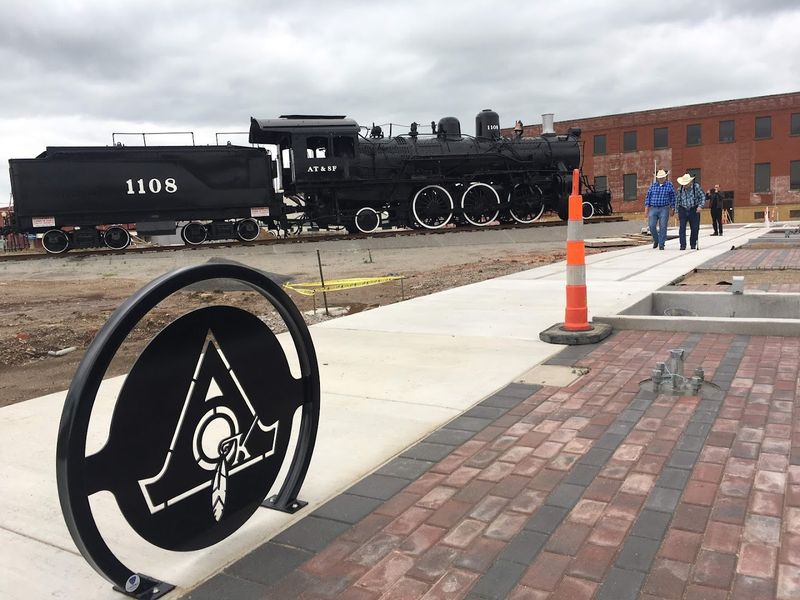
Long before highways dominated the American landscape, Ardmore grew up around the railroad, and you can still feel that energy in the bones of the city.
The Santa Fe Railroad played a huge role in shaping this part of Oklahoma, and Ardmore was right at the center of it all.
The old depot area still carries that industrial character, with solid brick structures and wide streets built to handle the commerce of a booming cattle and oil economy.
Walking through downtown, it’s easy to picture what this place must have felt like in its early days, when trains rolled in loaded with supplies and left carrying livestock and crude oil.
The city was officially incorporated in 1887, which makes it older than Oklahoma statehood itself, a fact that gives Ardmore a certain pride and depth that newer towns simply don’t have.
History here isn’t locked behind glass in a museum. It’s baked into the sidewalks, the building facades, and the street grid that was laid out when this was still Indian Territory.
That kind of living history makes exploring Ardmore feel genuinely rewarding, like piecing together a story one block at a time.
Carter County’s Proud County Seat
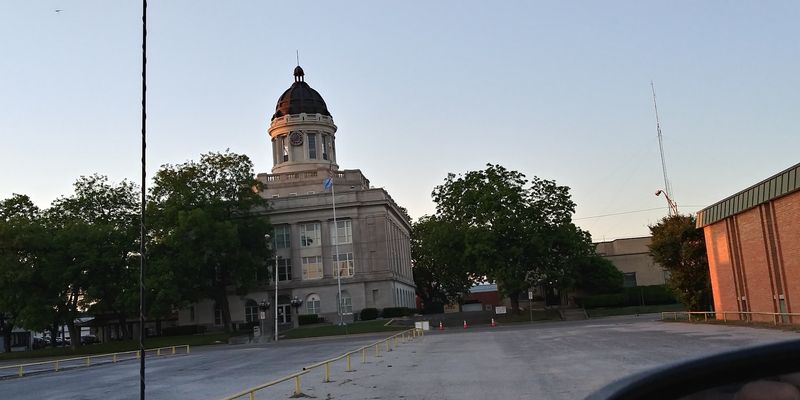
Being the county seat of Carter County means Ardmore carries a certain civic weight that shapes its personality in interesting ways.
The courthouse anchors the downtown area and gives the city a sense of permanence and purpose that you notice right away.
Carter County itself covers a wide stretch of southern Oklahoma, and Ardmore serves as the hub for everything from government services to regional commerce.
That central role means the city gets a steady flow of people from surrounding smaller towns, which keeps the local economy active and the streets lively on weekdays.
There’s something grounding about a town that knows its function in the region. Ardmore doesn’t try to be something it’s not, and that confidence is part of its charm.
The mix of long-time residents and people coming in from the county gives the city a social texture that feels real and unforced.
Spending time here, you start to appreciate how a well-rooted community like this one creates a kind of stability that bigger cities often lose in their rush to grow.
Lake Murray Is the Outdoor Crown Jewel
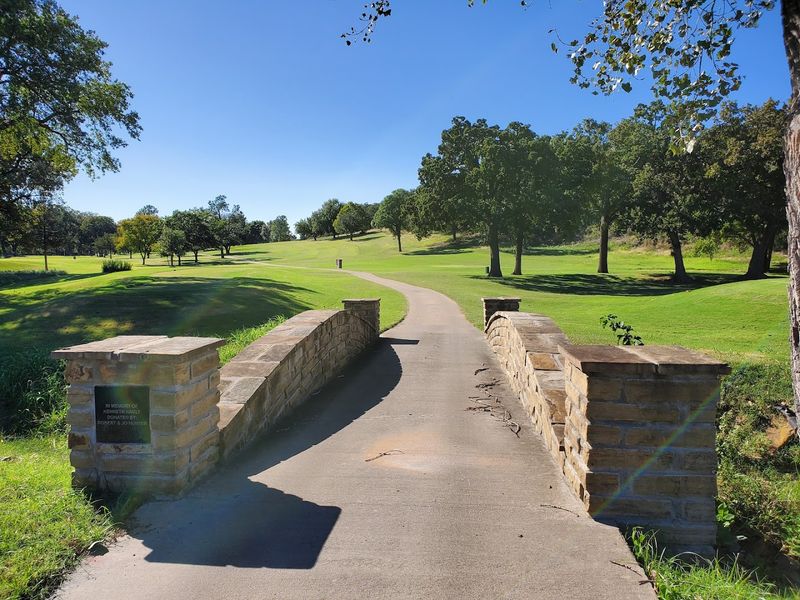
Just a short drive from the city center, Lake Murray State Park is one of Oklahoma’s oldest and most beloved state parks, and it genuinely earns that reputation.
The lake stretches across more than 5,700 acres and the surrounding park covers a massive amount of land filled with trails, cabins, campgrounds, and shoreline that feels almost endless.
Fishing is a major draw here, with bass, catfish, and crappie keeping anglers busy across every season.
Boating, kayaking, and paddleboarding are popular too, and the calm coves on the western side of the lake are especially good for a quiet morning on the water.
The park also has a beach area, a golf course, a marina, and a resort lodge, so it functions almost like a self-contained destination on its own.
Families come here for the weekend and end up staying longer than planned, which is the best kind of travel problem to have.
For anyone visiting Ardmore, skipping Lake Murray would be a genuine mistake. It’s the kind of natural space that reminds you why Oklahoma’s outdoor offerings deserve far more attention than they typically receive.
The Charm of Ardmore’s Historic Downtown
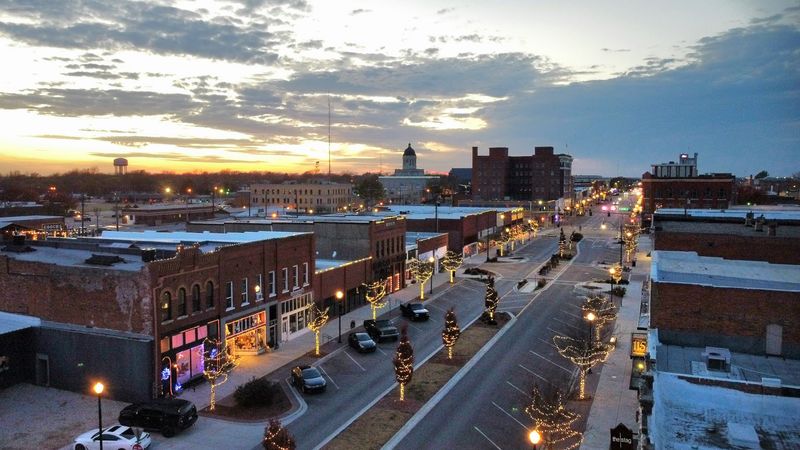
Downtown Ardmore has the kind of character that urban planners spend millions trying to recreate in newer cities, but here it developed naturally over more than a century.
The main commercial streets are lined with original brick buildings that have been repurposed into shops, cafes, galleries, and offices without losing their architectural soul.
There’s a walkability to the area that makes it easy to spend a few hours just wandering, popping into a local boutique or sitting at a window table in a small restaurant.
The Eliza Cruce Hall Doll Museum is one of the more unexpected stops in the downtown area, housing an impressive collection of antique dolls from around the world that draws curious visitors of all ages.
Public art and murals have been added in recent years, giving the streets a fresh creative energy that sits comfortably alongside the older architecture.
The downtown area also hosts seasonal events and farmers markets that bring the community together in a way that feels organic rather than manufactured.
Spending a morning here sets a wonderful tone for the rest of a visit, because Ardmore’s downtown is genuinely proud of itself, and rightfully so.
Oklahoma’s Oil Legacy Lives Here
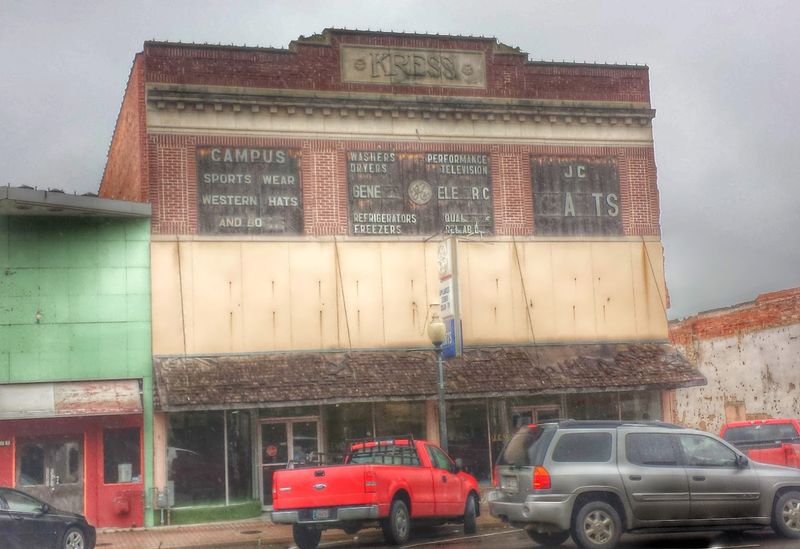
Oklahoma and oil are practically synonymous, and Ardmore played a significant role in the state’s petroleum history during the early twentieth century.
The region around Carter County saw major oil discoveries that brought wealth, workers, and rapid development to Ardmore at a time when the state was still finding its identity.
That oil money helped fund many of the handsome buildings that still stand downtown today, giving the city a prosperity that outlasted the boom years.
The Greater Ardmore area became an important refining and distribution hub, and that industrial heritage is woven into the local culture in ways you notice when talking to longtime residents.
Even today, the energy sector remains part of the local economy, though the city has diversified considerably since those early wildcatter days.
Learning about this history adds a whole new layer to walking the streets of Ardmore. Those wide commercial blocks and solid brick facades weren’t built by accident.
They were built by a community that had real money and real ambition, and the physical landscape of the city still tells that story clearly to anyone paying attention.
The Performing Arts Scene Will Surprise You
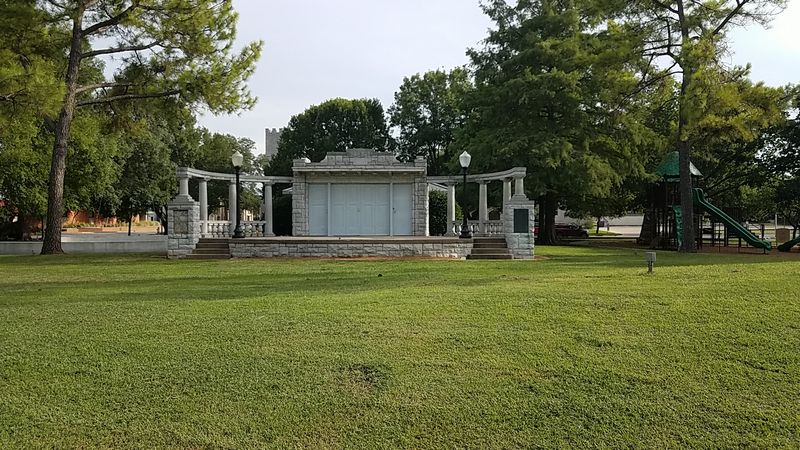
For a city its size, Ardmore has a performing arts scene that punches well above its weight class, and it’s one of the most pleasant surprises the city offers.
The Goddard Center is the cultural heart of the community, hosting visual arts exhibitions, theatrical performances, concerts, and educational programs throughout the year.
The building itself is worth a visit, with gallery spaces that rotate through a solid lineup of regional and national artists working in a variety of media.
Live theater has a strong following in Ardmore, with local productions drawing enthusiastic crowds and a level of talent that reflects how seriously the community takes its arts.
There’s something wonderful about watching a live performance in a smaller venue where the connection between the audience and the stage feels immediate and personal.
The arts community here also supports younger performers and artists through workshops and educational outreach, which means the scene keeps regenerating itself with fresh energy.
If you happen to be in Ardmore on a weekend when there’s a show or an opening, clear your schedule and go. The experience will genuinely shift how you think about small-town Oklahoma.
Southern Oklahoma’s Dining Culture Has Personality
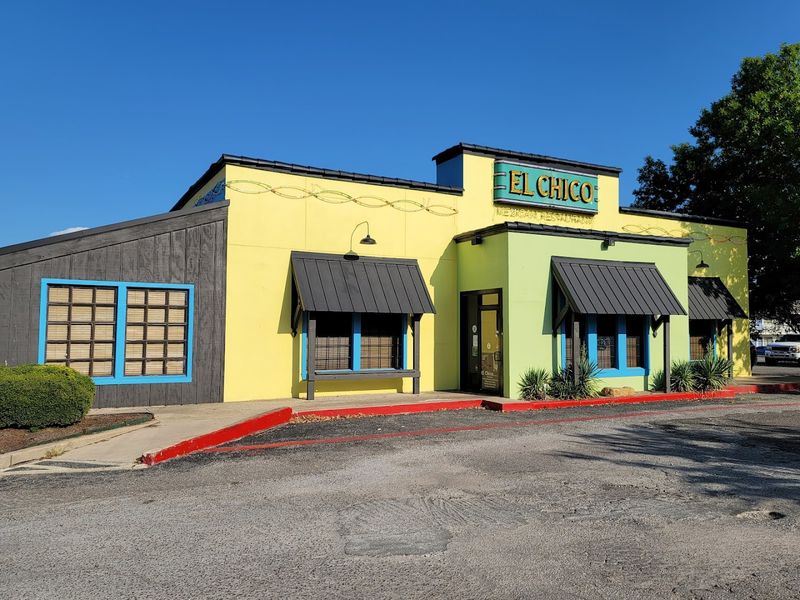
The food culture in Ardmore reflects the broader personality of southern Oklahoma, which means generous portions, bold flavors, and a deep comfort food tradition that takes no shortcuts.
Local diners and family-owned restaurants dominate the scene here, and that independence gives each place its own distinct character rather than the sameness you find in chain-heavy towns.
Oklahoma barbecue is a serious affair, and Ardmore has spots that treat smoked meats with the reverence they deserve, slow-cooking everything until it reaches that falling-apart perfection.
Mexican food also has a strong presence in the local dining scene, reflecting the cultural mix of southern Oklahoma and the influence of communities that have been part of this region for generations.
Breakfast is treated as a real meal here, not an afterthought, and the morning crowd at a good local diner is one of the most reliable ways to get a feel for the rhythm of daily life in the city.
Eating your way through Ardmore doesn’t require a big budget or a reservation. It just requires a willingness to step through doors that look unassuming, because that’s usually where the best food hides.
Hardy Murphy Coliseum and the Spirit of Local Events
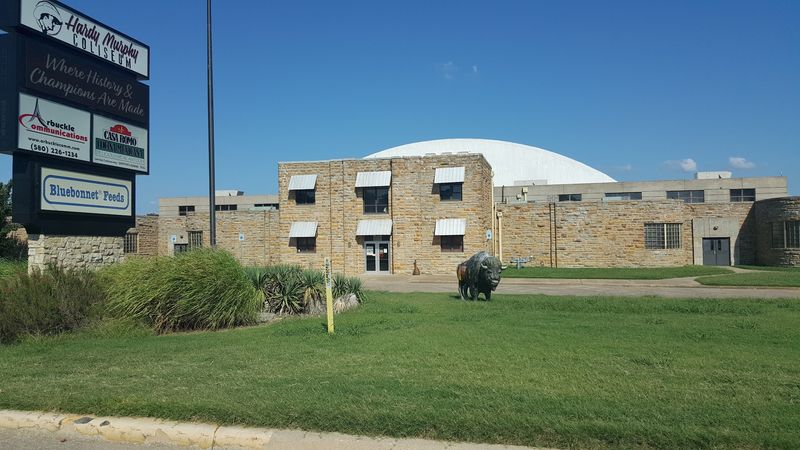
Hardy Murphy Coliseum is one of those venues that tells you a lot about the community it serves, because the events it hosts reflect exactly what this part of Oklahoma cares about.
Rodeos, livestock shows, concerts, and trade fairs cycle through the calendar here, drawing crowds from across Carter County and the surrounding region.
The coliseum has been a fixture of Ardmore’s event landscape for decades, and its continued use speaks to the enduring popularity of the kinds of gatherings that feel rooted in actual local culture.
Attending a rodeo here is one of those experiences that feels genuinely authentic rather than touristy, because the crowd is made up of people who actually know and love the sport.
The energy in the arena during a good performance is something you have to experience in person to fully appreciate.
Events at the coliseum also tend to bring out the social side of Ardmore, with families, old friends, and new faces all mixing in the stands and the parking lot before and after shows.
Checking the events calendar before your trip to Ardmore is worth the five minutes it takes, because landing on a coliseum night can turn a good visit into a great one.
The Natural Landscape Around Ardmore Is Quietly Spectacular
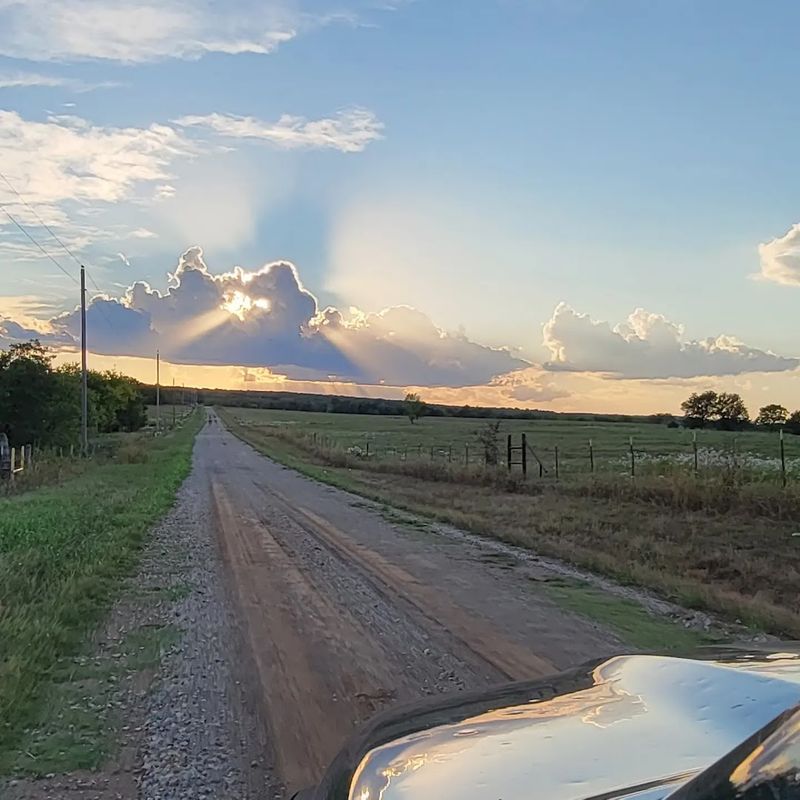
Southern Oklahoma has a landscape that doesn’t announce itself loudly, but the more time you spend in it, the more you start to appreciate its quiet beauty.
The area around Ardmore sits in a transitional zone between the Cross Timbers and the southern plains, which creates a varied terrain of rolling hills, post oak woodlands, and open grasslands.
Spring is particularly striking, when the roadsides fill with wildflowers and the trees put on a show of fresh green that feels almost too vivid to be real.
Driving the rural routes around the city, you pass through stretches of countryside that feel genuinely untouched, with cattle grazing in fields framed by tree lines and red dirt roads disappearing into the distance.
The Arbuckle Mountains are not far to the north, adding another dimension to the natural landscape accessible from Ardmore within a short drive.
Chickasaw National Recreation Area, one of Oklahoma’s most underrated natural treasures, is also within easy reach and offers hiking, swimming, and freshwater springs that feel almost surreal in their clarity.
This part of Oklahoma rewards the curious traveler who takes the time to slow down and look around rather than rushing from one highlight to the next.
Ardmore’s Community Events Keep the Calendar Full

One of the clearest signs that a town has a healthy community spirit is a packed events calendar, and Ardmore delivers on that front throughout the year.
The city hosts a range of festivals, seasonal celebrations, and community gatherings that give both residents and visitors plenty of reasons to show up and be part of something.
The Ardmore Main Street program has been instrumental in organizing events that bring people into the downtown area and support local businesses at the same time.
Seasonal events around the holidays turn the downtown streets into something genuinely festive, with lights, decorations, and activities that make the city feel warm and welcoming in a way that’s hard to manufacture.
Car shows, outdoor concerts, and cultural festivals fill the warmer months with enough activity to keep weekends interesting from spring through fall.
The community’s enthusiasm for these events is obvious, and it comes from a place of genuine local pride rather than any effort to attract outside attention.
Arriving in Ardmore during one of these gatherings shifts the experience from sightseeing to participation, and that shift is what turns a good trip into a memorable one.
The Chickasaw Nation’s Influence Shapes the Region
Ardmore sits within the historical boundaries of the Chickasaw Nation, and that connection to Indigenous culture and governance shapes the region in ways that go far beyond the surface.
The Chickasaw Nation is one of the most economically active tribal nations in the United States, and its presence in southern Oklahoma is visible in infrastructure, cultural programs, and community investment throughout the area.
Understanding this history adds real depth to any visit to Ardmore, because the land itself has a story that predates the railroad, the oil boom, and the state of Oklahoma entirely.
The Chickasaw Cultural Center in nearby Sulphur is one of the most impressive Indigenous cultural institutions in the country, and it’s well worth the short drive from Ardmore.
Exhibits there bring Chickasaw history, language, and traditions to life in ways that are both educational and genuinely moving.
Back in Ardmore, the Chickasaw Nation’s economic presence contributes to the local quality of life through healthcare facilities, recreational amenities, and community programs.
Learning even a little about Chickasaw history before visiting this part of Oklahoma changes how you see the landscape and the communities built upon it, making every mile more meaningful.
Practical Tips for Getting the Most Out of Ardmore
Ardmore sits right along Interstate 35, which makes it one of the most accessible small cities in Oklahoma for road trippers moving between Oklahoma City and Dallas.
The drive from Oklahoma City takes about an hour and a half, and from Dallas it’s roughly two hours, which puts Ardmore in a sweet spot for a weekend getaway from either direction.
Spring and fall are the best seasons to visit, when the temperatures are comfortable and the landscape is at its most photogenic.
Summer can get genuinely hot in southern Oklahoma, so if you’re visiting between June and August, plan outdoor activities for the early morning and save the afternoons for indoor stops like the Goddard Center or the doll museum.
The city is compact enough that a car is the easiest way to get around, and parking is generally easy to find, which is a small but real pleasure compared to navigating bigger cities.
Accommodation options range from national chain hotels near the interstate to smaller local options closer to the lake and the park.
Giving yourself at least two full days in Ardmore allows you to cover the highlights without rushing, which is exactly the pace this city was built for.
