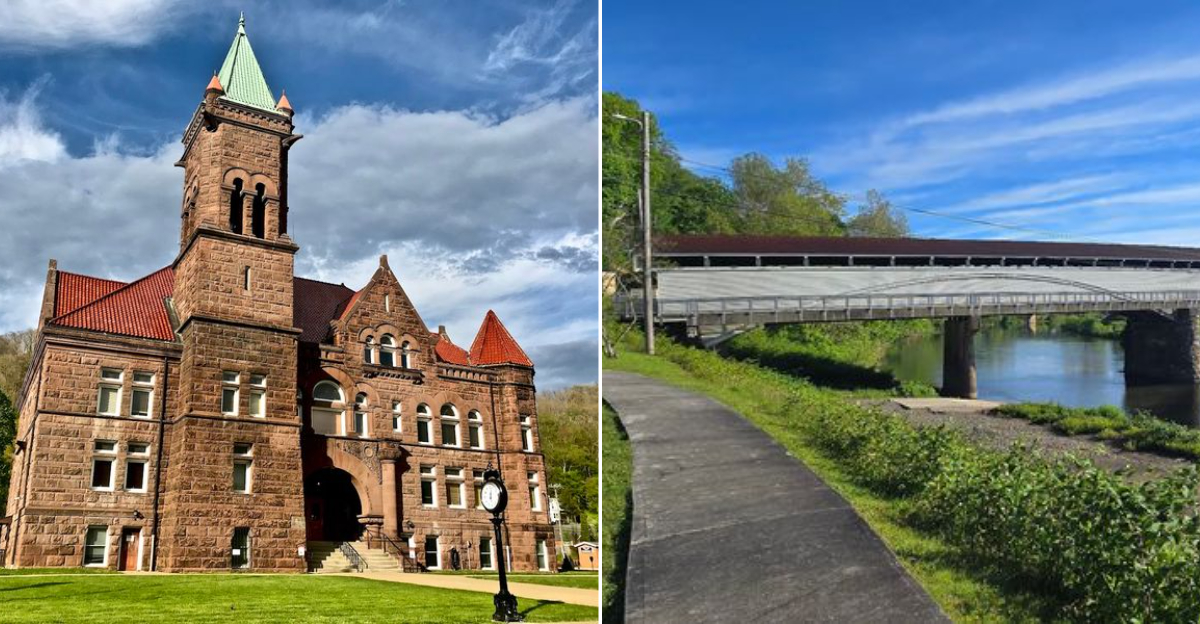
A covered bridge, a river, and the first land battle of the Civil War. That is what you will find in this quaint West Virginia town, where history and natural beauty share the same quiet streets.
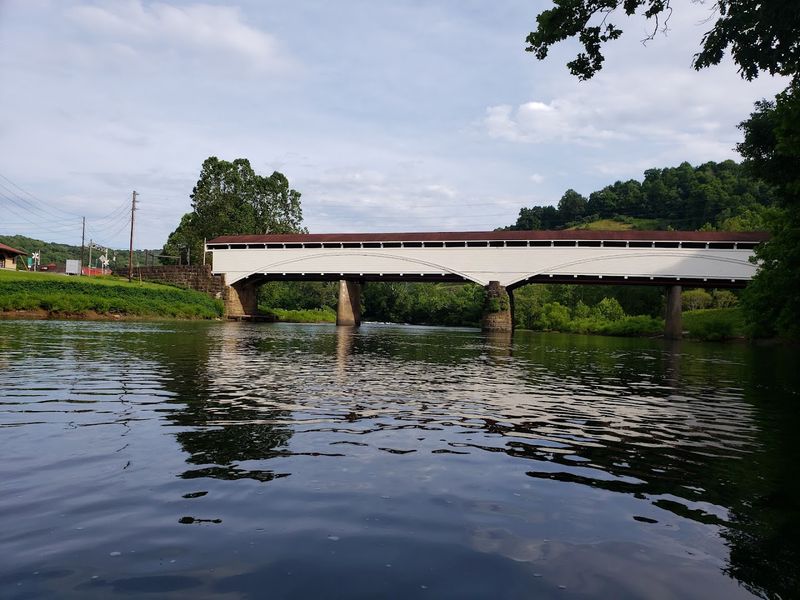
The old bridge still stands, weathered and proud, having witnessed more than its share of American story. Today, the Tygart Valley River flows gently past downtown, inviting you to slow down and enjoy the view.
You can walk the same ground where soldiers once faced their fears, then sit on a bench and watch kayakers paddle by. Shops and cafes line the main road, welcoming visitors with small town warmth.
The hills rise green on both sides, framing a scene that feels preserved in amber. West Virginia knows how to keep its treasures humble, and this town is no exception.
Come for the history, stay for the riverside peace, and leave wondering why you have not visited sooner.
Philippi Covered Bridge
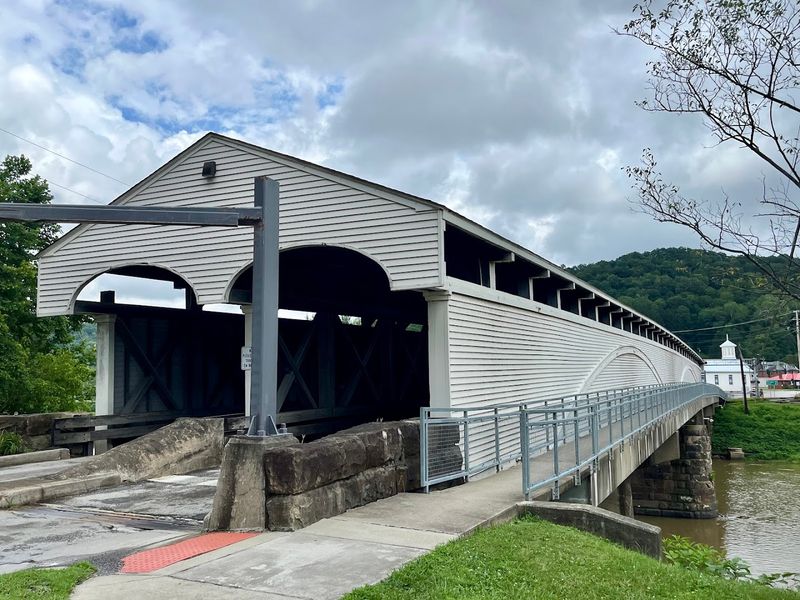
The first thing that gets you in Philippi is the covered bridge, because it does not sit there like a museum piece trying too hard to impress you. It feels useful, familiar, and completely woven into the town, which somehow makes it even more memorable.
When you walk near it and hear the river below, the whole place starts making sense in a very immediate way.
This bridge is one of those landmarks that carries real Civil War weight without losing its everyday warmth, and I love that balance. Troops moved through Philippi, history turned here fast, and yet what you notice now is the texture of the wood, the quiet rhythm of traffic, and the way the river light slips through the openings.
It gives you that rare feeling of standing somewhere important without being pushed into a grand performance.
If you are easing into town, start here and just let yourself look around a while. The nearby streets, the riverbank, and the compact downtown all seem to gather around the bridge like old friends.
In West Virginia, plenty of places tell you they remember the past, but this one actually feels like it never stopped carrying it.
Barbour County Historical Museum
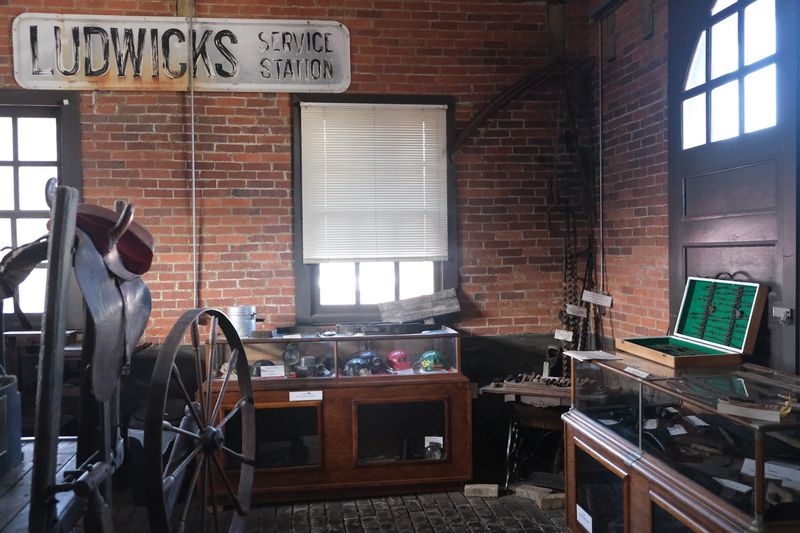
If you think a local museum might feel dry, this one changes your mind pretty quickly. The Barbour County Historical Museum has that slightly creaky, deeply personal feeling that makes you slow down because every room seems tied to somebody’s actual life.
Instead of giving you a neat little summary, it lets Philippi feel layered, complicated, and very human.
What I liked most was how the place connects the town’s Civil War story to ordinary people rather than leaving everything at the level of generals and battle talk. You move from military history into household objects, clothing, photographs, and bits of local memory, and suddenly the town around you feels fuller.
That kind of context matters, especially in West Virginia, where small communities often hold more history than they first reveal.
The museum also helps you appreciate Philippi beyond the famous bridge, because it fills in all the quieter details you would miss on a quick walk. After spending time inside, the courthouse, old homes, and river streets outside feel less like scenery and more like a lived-in archive.
Honestly, it is the kind of stop that makes the rest of your day better.
Blue And Gray Park
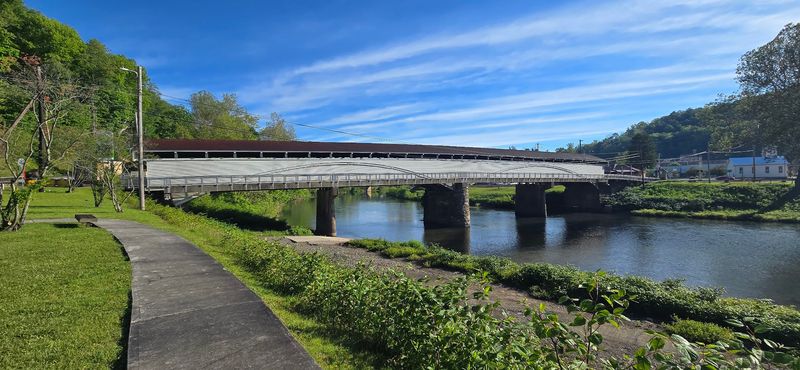
This is where Philippi exhales a little, and you probably will too once you get there. Blue And Gray Park gives you a softer side of the town’s history, with open space, river air, and enough room to let your thoughts catch up with everything you have seen.
It is the kind of place where you naturally start walking slower without even deciding to.
The name tells you immediately that memory matters here, and that Civil War legacy is still part of the town’s identity. Even so, the park does not feel heavy or solemn in a way that keeps you at a distance, because the trees, paths, and views of the water make it welcoming.
I liked that combination a lot, since it lets you reflect without feeling like you have been assigned homework.
If you need a break between museum stops and downtown wandering, this is where I would send you. Sit for a minute, look toward the river, and notice how the natural setting softens the historic edges of Philippi.
That balance is a big part of why this town stays with you, because West Virginia history can feel intense, and here it is given some breathing room.
The Tygart Valley River
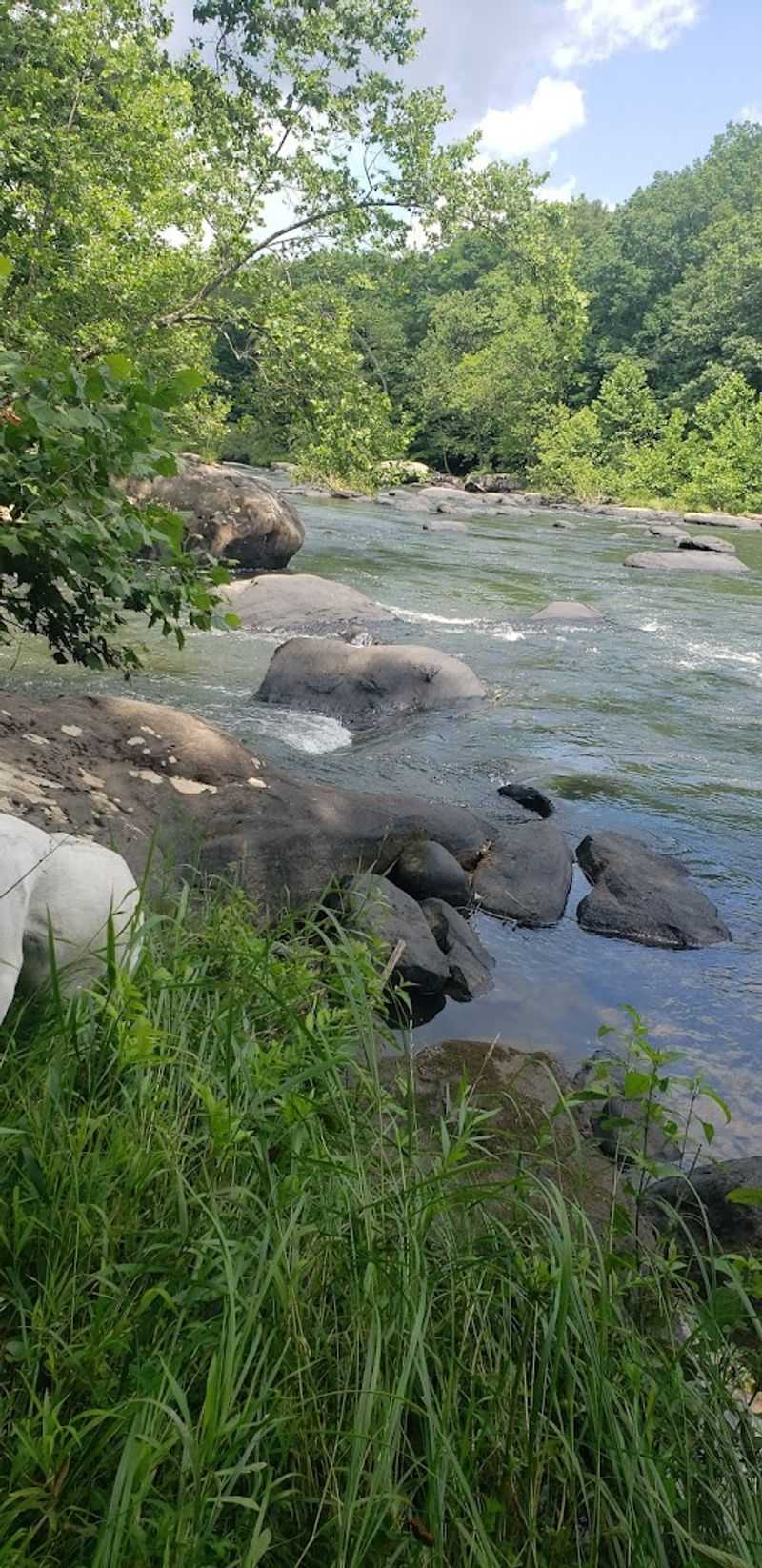
What really ties Philippi together is the Tygart Valley River, because almost every part of town feels shaped by it in some quiet way. You hear it, cross it, glimpse it between buildings, and then suddenly realize it has been setting the mood the whole time.
Without the river, the history would still matter, but the town would lose a lot of its softness.
I always think places with this much Civil War significance can risk feeling a little stern, and Philippi avoids that because the water keeps everything grounded. The river adds movement, light, and that low steady sound that makes you want to linger instead of checking off sights.
It also explains why the town feels so naturally placed, as if it grew from the landscape rather than being pressed onto it.
You do not need some huge river adventure here to appreciate what it brings to the day. A simple walk, a pause near the bank, or even a view from downtown is enough to feel the connection.
That is one reason Philippi stands out in West Virginia to me, because its beauty is not loud, but it keeps showing up whenever you pay attention.
Barbour County Courthouse
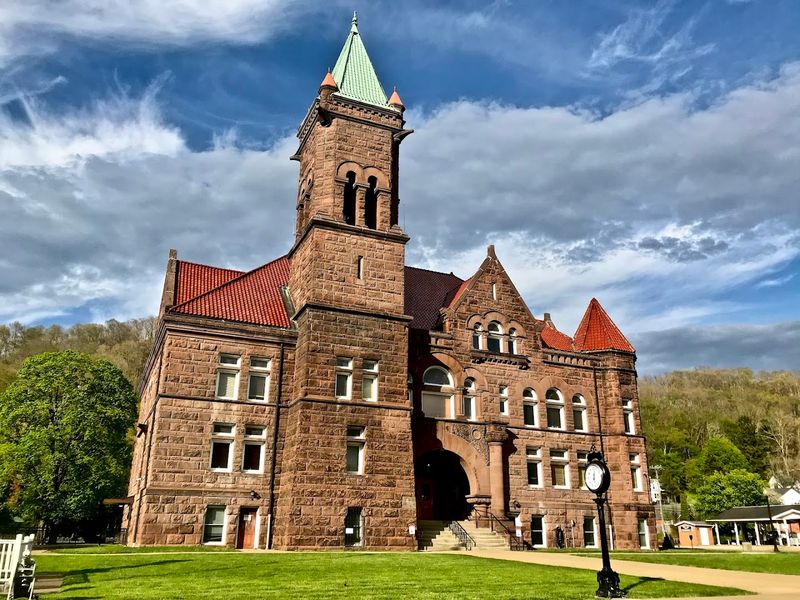
The courthouse sits in Philippi with the kind of calm authority that old county buildings do so well. You look at it and immediately understand that this town has been organizing its life around this square for a very long time.
It is stately without feeling distant, which matches the personality of the town better than something flashier ever could.
I like courthouses most when they help tell the story of a place beyond politics or paperwork, and this one does exactly that. Standing nearby, you can feel how civic life, local memory, and Civil War history all brush up against each other in the center of town.
The architecture gives the streets a sense of continuity, and that matters in a place where the past still feels close enough to touch.
It is also just a good anchor point for wandering, because from here you can drift toward shops, historic buildings, and river views without losing the thread of Philippi. Sometimes a courthouse is only something you pass on the way somewhere else, but here it helps hold the whole town together.
In West Virginia, that kind of lived-in center can feel deeply reassuring when you are traveling slowly.
Philippi National Cemetery
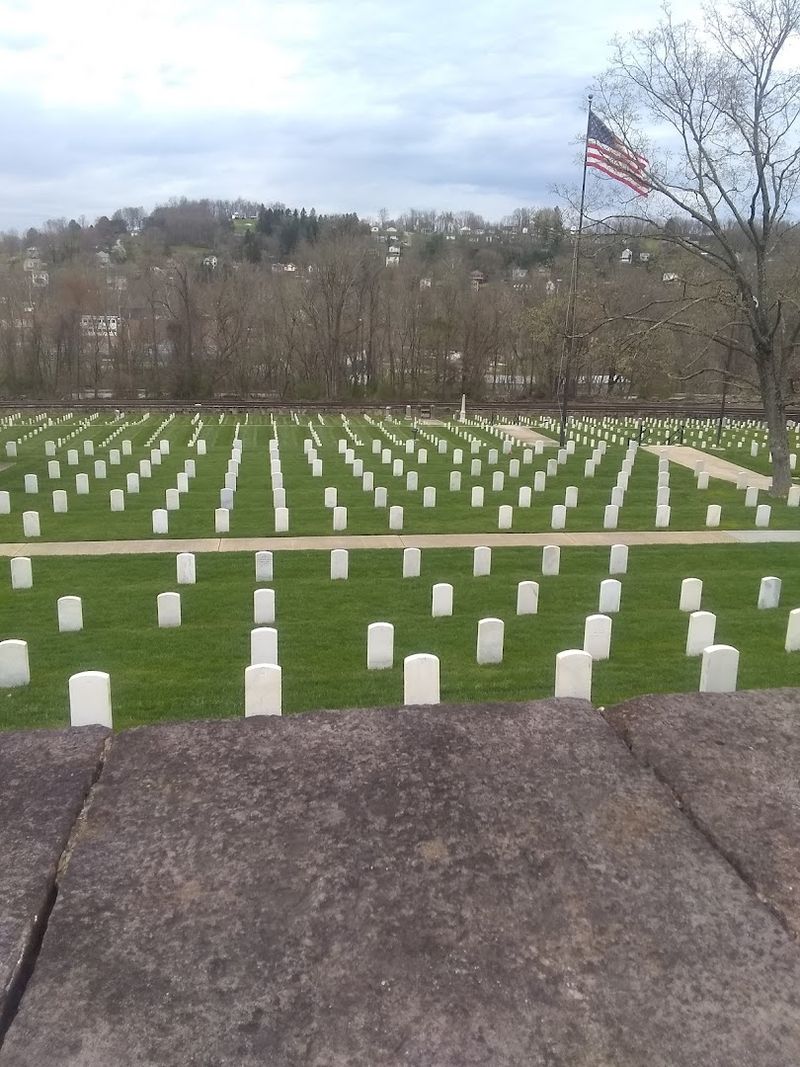
This is one of those places where the town’s Civil War story stops being abstract and becomes deeply personal. Philippi National Cemetery is quiet in a way that makes you lower your voice without thinking about it, and the stillness feels earned rather than staged.
You come here for history, but you leave thinking more about people than events.
I appreciated that the cemetery does not need dramatic interpretation to have an effect on you. The order of the stones, the open sky, and the surrounding calm do the work on their own, reminding you that small towns often carried enormous burdens during wartime.
In Philippi, that reality is especially close, because the town’s earliest battle history and its ordinary streets are never very far apart.
If you include this stop in your day, give it a little space and do not rush through it like an obligation. It pairs naturally with the museum and the bridge, but emotionally it lands in a different register, quieter and more intimate.
West Virginia has many places where the past feels present, yet this cemetery is one of the clearest examples of how remembrance can live gently inside a community.
Adaland Mansion At Philippi
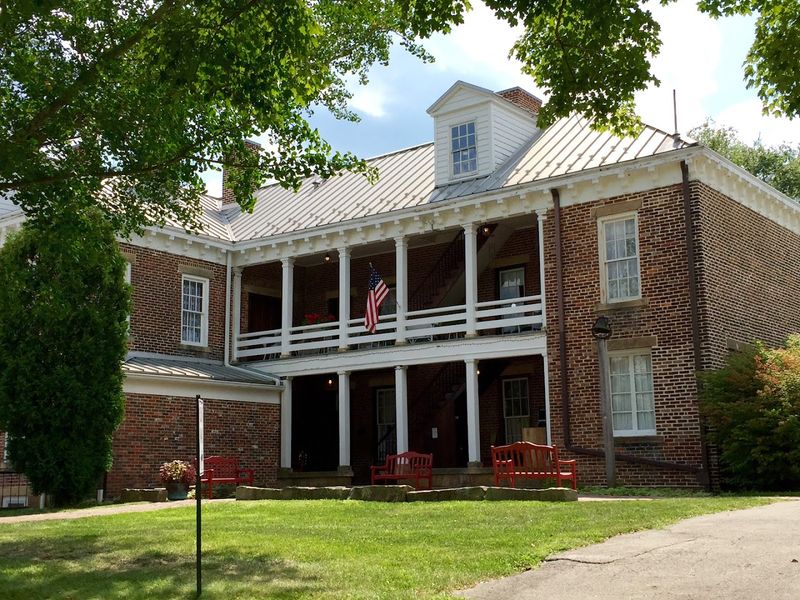
If you want to see another side of Philippi beyond battle history and courthouse streets, head over to Adaland Mansion. The place has a more domestic, almost gracious rhythm to it, and that shift is nice after spending time with war stories and public landmarks.
It reminds you that local history is also about how people lived, gathered, and shaped everyday life.
What I enjoyed here was the sense of scale and detail, because older homes can tell you so much through porches, rooms, and the way the property sits on the land. Adaland feels connected to the region’s broader story without losing its own personality, and that makes it more than just a pretty house.
You start seeing Philippi as a community built from homes and habits, not only from conflict and commemoration.
It is also a good stop if you need the day to change pace for a while. The setting feels open, the architecture gives your eyes something different to settle on, and the experience rounds out everything you have learned elsewhere in town.
For me, places like this are essential in West Virginia, because they keep history textured, lived-in, and close to the human scale.
Battle Of Philippi Historic Area
Here is where Philippi really sets itself apart, because you are standing in the place tied to the first organized land battle of the Civil War. That sounds huge, and it is, but what struck me most was how ordinary the setting can feel at first glance.
The contrast makes the history hit harder, since major turning points often happen in places that still look human-sized.
As you move through the historic area, the story becomes easier to picture because the town has not lost the scale that lets your imagination work. You can connect the roads, the buildings, and the surrounding hills, and suddenly the military significance feels grounded in actual geography.
I find that far more affecting than a battlefield that has been flattened into pure monument language.
This part of Philippi asks you to pay attention, and if you do, it gives a lot back. The details are subtle, the setting is calm, and the sense of consequence arrives gradually instead of all at once.
That feels right for a town like this, where West Virginia history is not roaring at you from every corner, but speaking in a steady voice that gets clearer the longer you stay.
