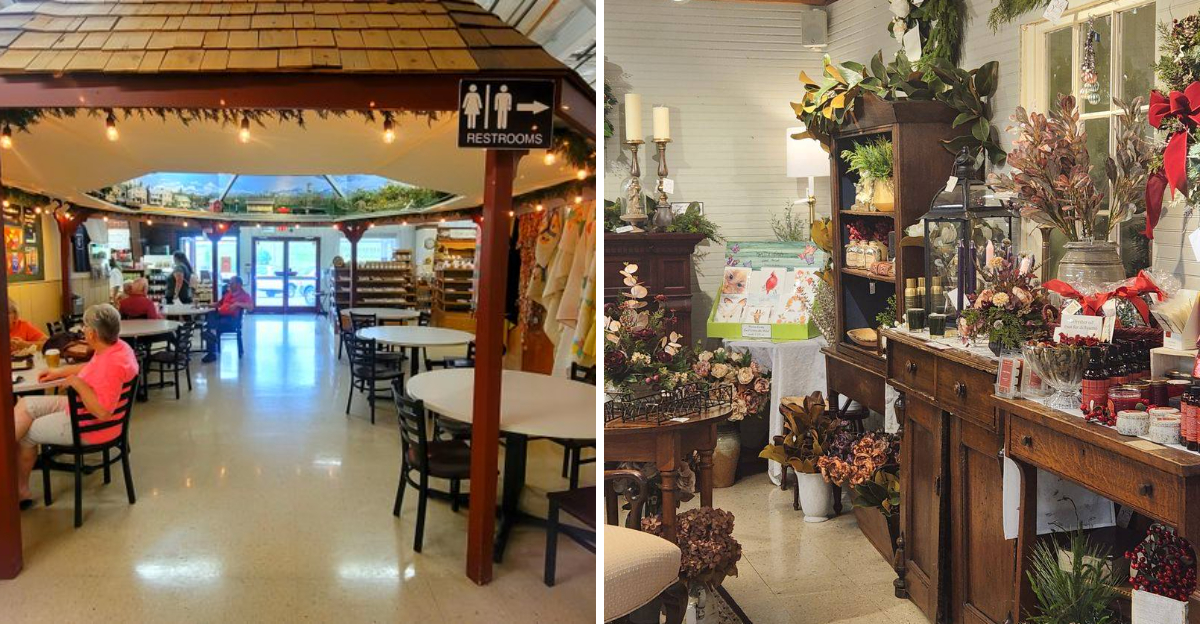
Tucked away in the Shenandoah Valley, the Amish community near Dayton, Virginia, offers visitors a peaceful glimpse into a way of life that values simplicity, tradition, and craftsmanship.
Unlike the larger settlements found in Pennsylvania or Ohio, this Virginia community remains relatively undiscovered, making it an authentic destination for those seeking to understand Amish culture without the crowds.
The Dayton Market serves as a welcoming gateway to this world, where handmade goods, traditional foods, and warm hospitality create an unforgettable experience. Whether you’re drawn to handcrafted furniture, homemade treats, or simply the slower pace of life, this quiet corner of Virginia provides a rare opportunity to step back in time and appreciate the beauty of living deliberately.
The Dayton Market Serves as a Cultural Bridge
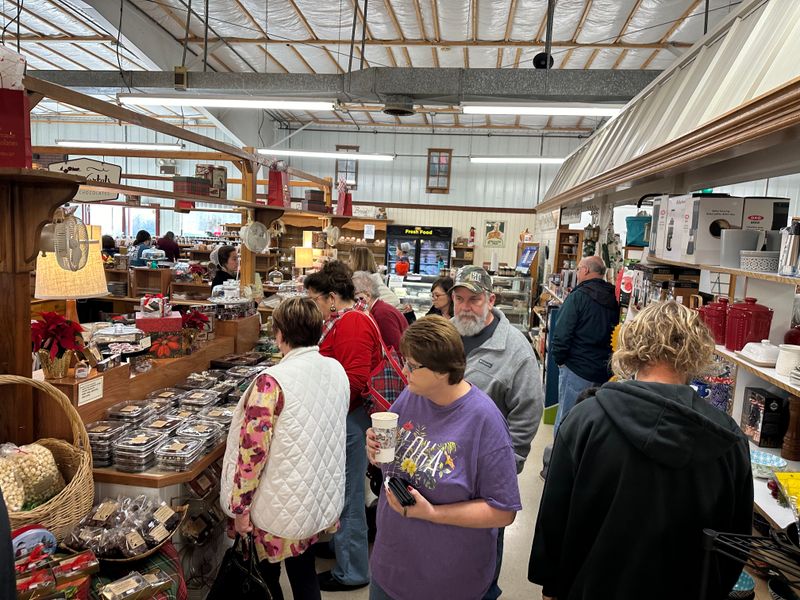
Located at 3105 John Wayland Highway in Dayton, Virginia, The Dayton Market stands as the primary connection point between the local Amish community and visitors from across the region. Open Thursday through Saturday, this indoor marketplace brings together multiple vendors under one roof, creating an authentic shopping experience that feels worlds away from typical retail environments.
Walking through the doors, you’ll immediately notice the absence of flashy advertising and corporate branding. Instead, individual shop owners greet visitors personally, sharing stories about their crafts and products.
Many of these vendors are Mennonite or Amish families who have operated their businesses for generations.
The market’s layout encourages leisurely exploration, with winding pathways leading past displays of handmade goods, specialty foods, and traditional crafts. Unlike commercial shopping centers, there’s no rush here.
Conversations flow naturally between shopkeepers and customers, creating connections that go beyond simple transactions.
Each visit reveals something new, whether it’s a seasonal product, a freshly baked item, or a craftsperson demonstrating their skills. This ever-changing selection keeps the experience fresh and gives visitors reasons to return throughout the year, deepening their appreciation for Amish traditions and values.
Handcrafted Furniture Showcases Traditional Woodworking Skills
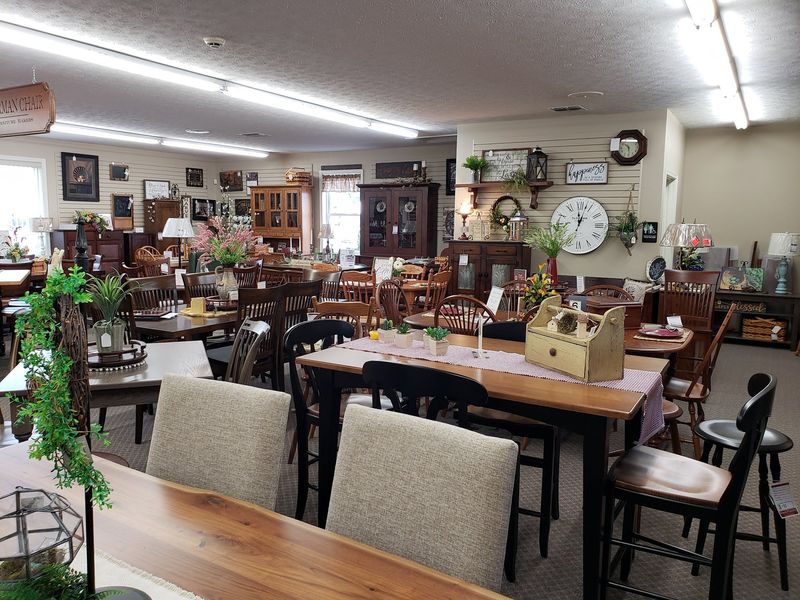
Amish furniture represents more than just functional pieces for the home. Each table, chair, and cabinet tells a story of patience, precision, and generational knowledge passed down through families who have perfected their craft over centuries.
Near The Dayton Market, a separate furniture showroom displays the remarkable quality that comes from working without shortcuts or mass production techniques.
Craftsmen in this Virginia community use traditional joinery methods, avoiding modern fasteners whenever possible. Dovetail joints, mortise and tenon connections, and hand-rubbed finishes create furniture that lasts for decades, often becoming family heirlooms.
The wood itself comes from carefully selected hardwoods, chosen for grain patterns and durability.
Visiting the furniture shop provides insight into the Amish philosophy of creating things built to last rather than disposable items designed for quick replacement. You’ll find bedroom sets, dining tables, rocking chairs, and storage pieces that combine beauty with practicality.
While prices reflect the hours of skilled labor invested in each piece, buyers understand they’re purchasing furniture that their grandchildren might someday inherit. This approach to consumption stands in stark contrast to modern throwaway culture, offering a refreshing perspective on value and sustainability.
Homemade Baked Goods Reflect Simple Ingredients and Time-Honored Recipes
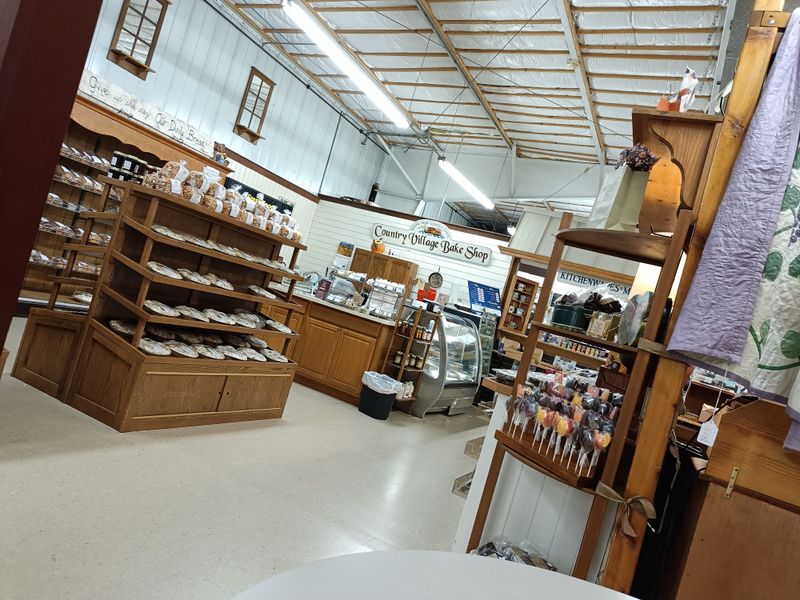
Step into the bakery section of The Dayton Market and your senses come alive with the aroma of fresh bread, pies, and pastries. Mennonite bakers work throughout the week preparing goods that rely on basic ingredients like flour, butter, eggs, and sugar, transformed through skill and tradition into remarkable treats.
What sets these baked goods apart is the absence of preservatives, artificial flavors, and shortcuts. Everything is made from scratch using recipes that have been refined over generations.
Pies feature fruit fillings that taste like actual fruit, not overly sweetened gel. Breads have substantial texture and flavor that store-bought loaves simply cannot match.
Popular items include shoofly pie, a molasses-based dessert traditional to Pennsylvania Dutch culture, alongside fruit pies featuring local apples, cherries, and berries. Cookies, brownies, and sweet breads round out the selection, with seasonal specialties appearing throughout the year.
Visitors often purchase multiple items to take home, knowing these treats won’t last long once family members discover them. The reasonable pricing makes it easy to stock up, and many customers make regular trips specifically to replenish their supply of favorite baked goods from this authentic source.
The Cheese Shop Offers Specialty Varieties and Bulk Goods
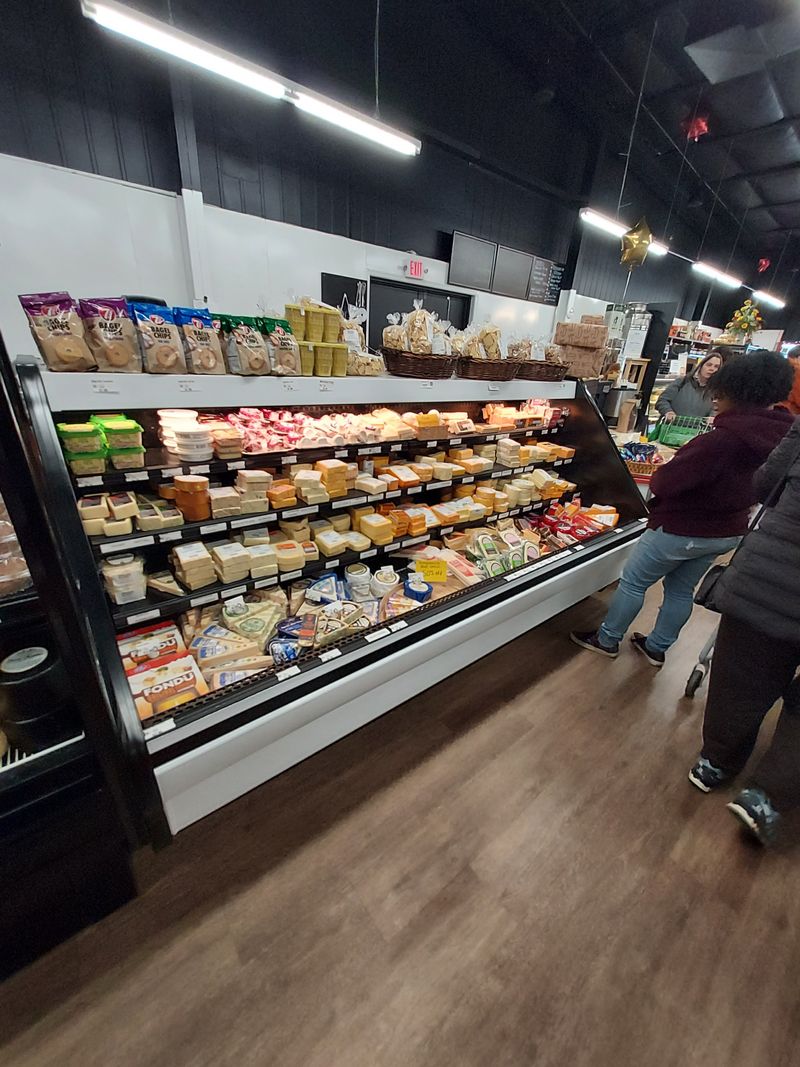
Among the most popular destinations within The Dayton Market, the cheese shop draws visitors with an impressive selection that goes far beyond typical grocery store offerings. Shelves lined with blocks of cheese in various ages and styles sit alongside bulk pastas, crackers, cookies, and specialty candies that can’t be found elsewhere.
The shop specializes in connecting customers with hard-to-find items, from imported European cheeses to locally produced varieties. Staff members offer samples and recommendations, helping visitors discover new favorites.
Many customers arrive with lists of specific items they’ve been unable to locate in conventional stores.
Beyond cheese, the shop stocks pantry staples in bulk quantities at prices that make stocking up practical. Bags of pasta in dozens of shapes, specialty flours for baking, dried fruits, nuts, and confections fill the space.
Chocolate-covered espresso beans have developed a devoted following among regular customers.
Shopping here feels like visiting an old-fashioned general store, where personal service and product knowledge matter more than flashy marketing. The owners take pride in sourcing quality items and helping customers find exactly what they need, whether for everyday meals or special occasions requiring unique ingredients.
Fresh Meat Counter Provides Quality Cuts and Traditional Butchering
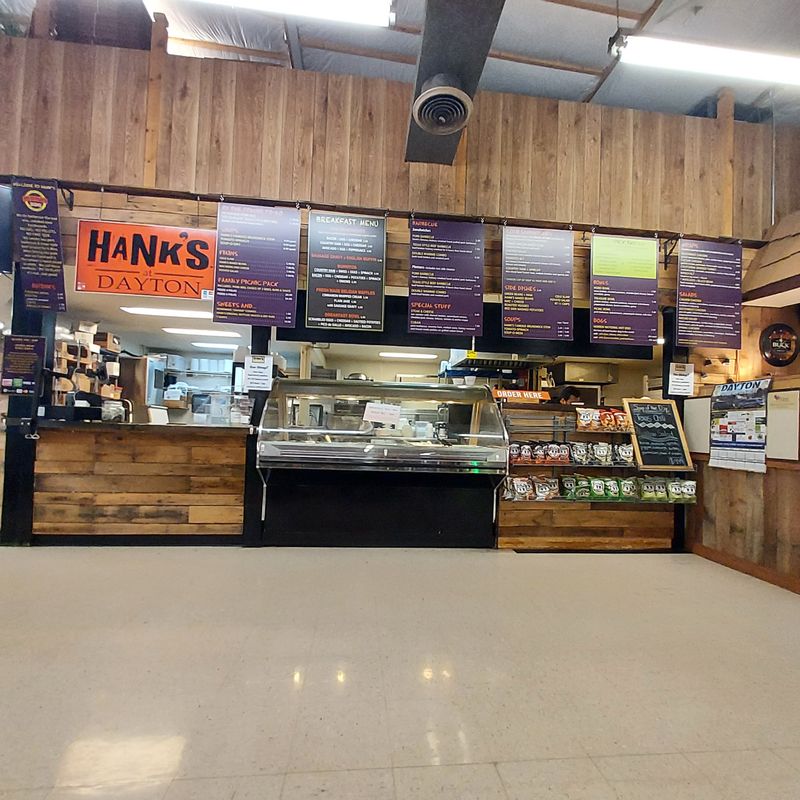
Understanding where your food comes from matters to both the Amish community and increasingly to modern consumers seeking alternatives to factory-farmed meat. The butcher counter at The Dayton Market connects these values, offering fresh cuts prepared using traditional methods that prioritize quality over mass production.
Customers can select from various beef, pork, and poultry options, with butchers willing to prepare custom cuts upon request. The meat comes from farms that raise animals humanely, without the hormones and antibiotics common in industrial operations.
This approach results in better flavor and texture that home cooks immediately notice.
Specialty items like beef jerky are prepared on-site, with customers often watching the process through viewing windows. The jerky has become so popular that many visitors make it their primary reason for stopping at the market.
Various flavors and styles cater to different preferences, from mild to spicy.
Seafood selections including salmon, crab cakes, and fresh shrimp round out the offerings, providing options for customers planning special meals. The combination of quality, fair pricing, and knowledgeable staff makes this counter a favorite stop for those who take their cooking seriously and appreciate knowing the source of their ingredients.
Handmade Crafts Demonstrate Artistic Skills Passed Through Generations
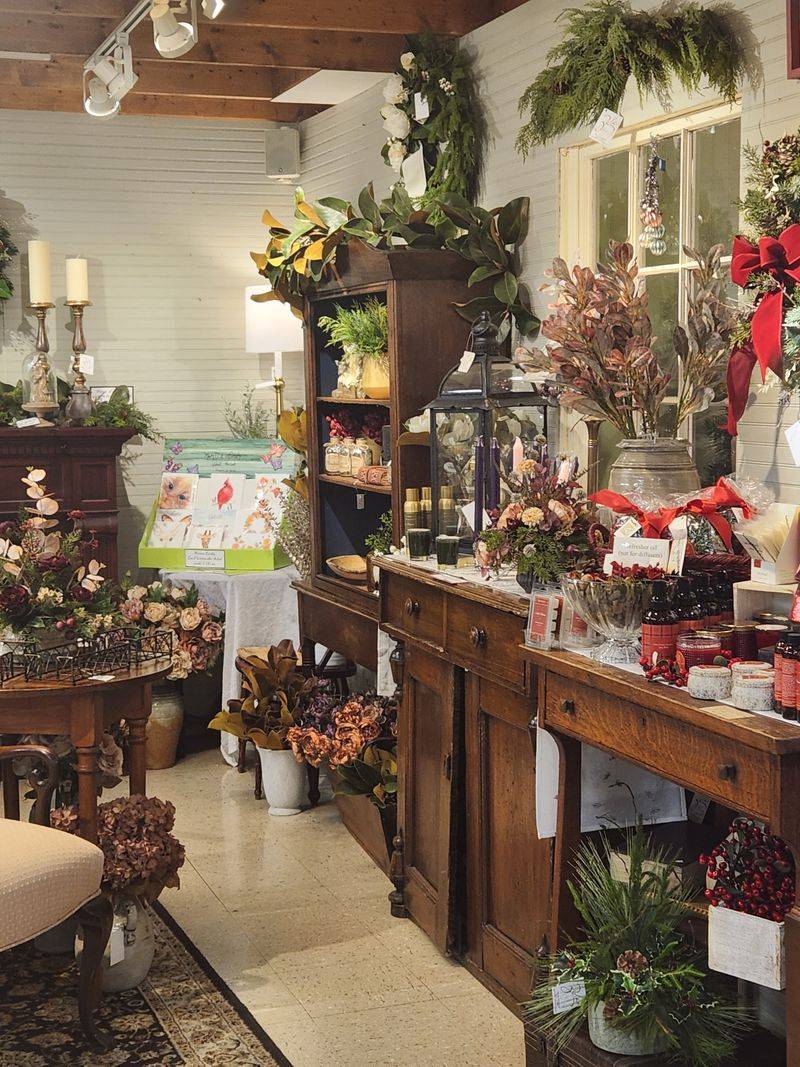
Wander through The Dayton Market and you’ll encounter booths filled with handmade items that showcase the artistic talents thriving within the Amish and Mennonite communities. From decorative flowers to hand-poured soaps, these crafts represent skills learned in childhood and refined over lifetimes of practice.
Zola’s shop has earned particular recognition for beautiful floral arrangements that brighten homes throughout the seasons. Unlike mass-produced artificial flowers, these pieces show attention to detail and artistic sensibility that comes from genuine craftsmanship.
Each arrangement is unique, reflecting the maker’s creative vision.
Soap makers offer products created from natural ingredients, often incorporating herbs, essential oils, and traditional recipes. These soaps clean effectively while being gentle on skin, without the harsh chemicals found in commercial products.
Scents range from lavender and mint to more complex blends that customers find nowhere else.
Other crafts include quilts, wooden toys, pottery, candles, and home decorations that add personality to living spaces. Purchasing these items supports small family businesses while bringing home pieces that carry stories and authentic human touch.
Each craft represents hours of patient work, making them meaningful alternatives to factory-produced goods that lack soul and character.
Traditional Canned Goods Preserve Seasonal Flavors Year-Round
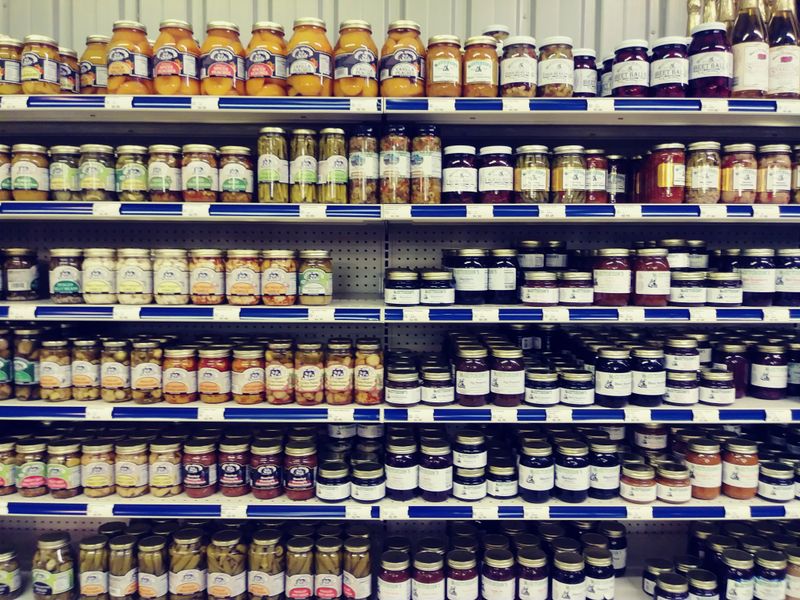
Before modern refrigeration, canning provided essential food preservation, allowing families to enjoy summer’s bounty through winter months. This practical skill remains central to Amish life, and the canned goods available at The Dayton Market demonstrate how tradition meets delicious results.
Apple pie filling stands out as a customer favorite, prepared using recipes that balance sweetness with the natural tartness of quality apples. Home bakers appreciate having this shortcut that doesn’t sacrifice flavor, making impressive pies possible even when fresh apples aren’t in season.
The thick, chunky filling tastes genuinely homemade because it is.
Jams, jellies, pickles, relishes, and vegetable preserves line the shelves, each jar representing careful preparation and attention to detail. Flavors reflect what grows well in Virginia’s climate, from strawberry preserves to pickled green beans.
These products contain recognizable ingredients without the additives that fill commercial versions.
Using these canned goods connects modern cooks to traditional foodways while saving time in the kitchen. Opening a jar of Amish-made preserves for breakfast or adding home-canned vegetables to dinner brings authentic flavors that remind us how food used to taste before industrial processing changed everything.
Many customers buy multiple jars to stock their pantries throughout the year.
Toy Store Celebrates Childhood Without Electronic Distractions
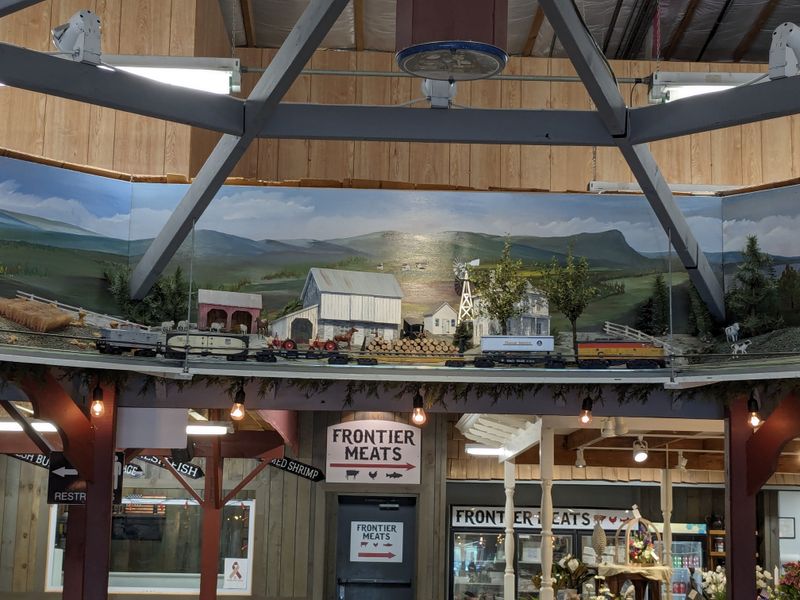
In an age when children’s entertainment centers on screens and batteries, the toy store at The Dayton Market offers a refreshing alternative. Wooden toys, puzzles, building sets, and classic games fill the space, reminding visitors that play doesn’t require electricity or internet connections.
Many toys are handcrafted from wood, built to withstand years of active play rather than breaking after a few uses. Trains, cars, dollhouses, and animal figures encourage imaginative play, allowing children to create their own stories rather than passively consuming pre-programmed content.
These toys develop creativity and problem-solving skills in ways that electronic devices cannot match.
The store also stocks puzzles ranging from simple designs for young children to complex challenges for adults. Board games encourage family interaction, creating opportunities for conversation and connection that screen time eliminates.
Parents appreciate finding toys that bring family members together rather than isolating each person with their own device.
A model train display captivates visitors of all ages, demonstrating the enduring appeal of well-crafted toys. Shopping here becomes an experience itself, with children exploring possibilities and parents rediscovering the simple pleasures they enjoyed during their own childhoods.
The toy selection reflects Amish values of simplicity, quality, and meaningful engagement with the world.
Clothing Boutiques Feature Modest Styles and Quality Fabrics
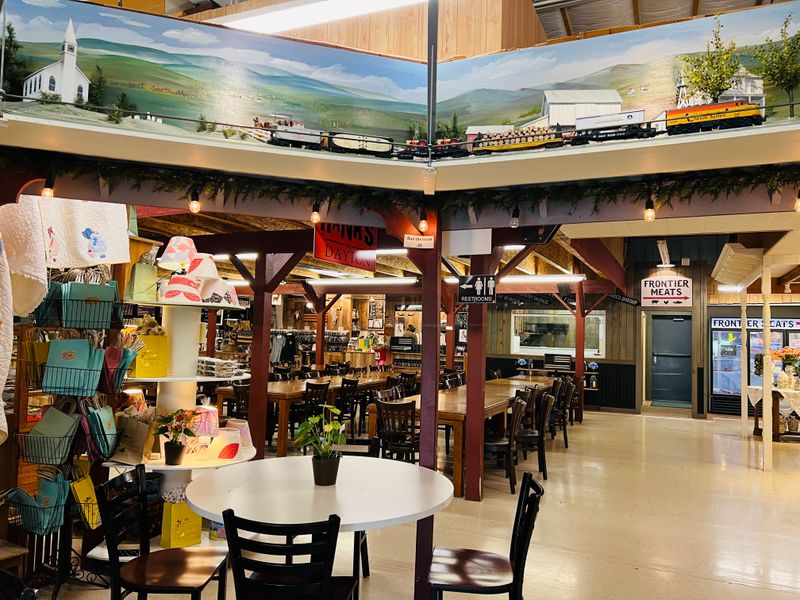
While Amish clothing follows specific plainness standards, the boutiques at The Dayton Market cater to broader audiences seeking modest, well-made garments that prioritize comfort and durability over fleeting fashion trends. These shops offer alternatives to the disposable fast fashion dominating modern retail.
Clothing selections emphasize practical styles that work for everyday wear, from jeans and casual shirts to dresses suitable for various occasions. Staff members provide personalized service, helping customers find proper fits and suggesting items that match their needs.
This attention contrasts sharply with impersonal big-box stores where finding assistance feels impossible.
Fabrics tend toward natural fibers that breathe well and hold up to repeated washing. Stitching and construction details reveal the difference between clothes made to last and those designed to fall apart after a season.
While styles remain classic rather than trendy, this means garments won’t look dated next year.
Shopping for clothes here encourages a different approach to wardrobe building, focusing on versatile pieces that serve multiple purposes rather than accumulating closets full of rarely worn items. The modest pricing makes quality accessible, and customers often discover that investing in better-made clothing actually saves money over time by reducing the need for constant replacements.
Community Atmosphere Creates Connections Beyond Commerce
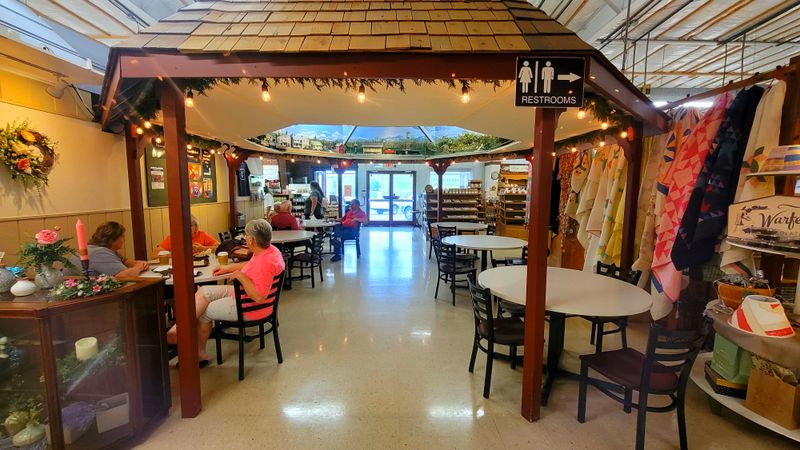
Perhaps the most valuable aspect of visiting the Amish community near Dayton isn’t any specific product or shop, but rather the atmosphere that permeates the entire experience. The Dayton Market functions as a gathering place where relationships matter more than transactions, and taking time to talk with neighbors is expected rather than unusual.
Regular visitors often develop friendships with shop owners, learning about their families and sharing updates about their own lives. This personal connection transforms shopping from a chore into a social activity that builds community bonds.
In our increasingly isolated society, these face-to-face interactions provide something many people desperately miss.
The slower pace allows for conversations that would never happen in typical retail environments. Shop owners remember repeat customers, asking about previous purchases and making recommendations based on individual preferences.
This personalized service reflects Amish values of treating others with respect and kindness.
Visitors frequently mention feeling welcomed and valued, regardless of whether they make large purchases or simply browse. The market creates space for people to relax, enjoy simple pleasures, and remember that life doesn’t have to rush constantly.
This intangible quality makes the Amish community near Dayton special, offering not just products but a gentler way of engaging with the world around us.
Dear Reader: This page may contain affiliate links which may earn a commission if you click through and make a purchase. Our independent journalism is not influenced by any advertiser or commercial initiative unless it is clearly marked as sponsored content. As travel products change, please be sure to reconfirm all details and stay up to date with current events to ensure a safe and successful trip.
