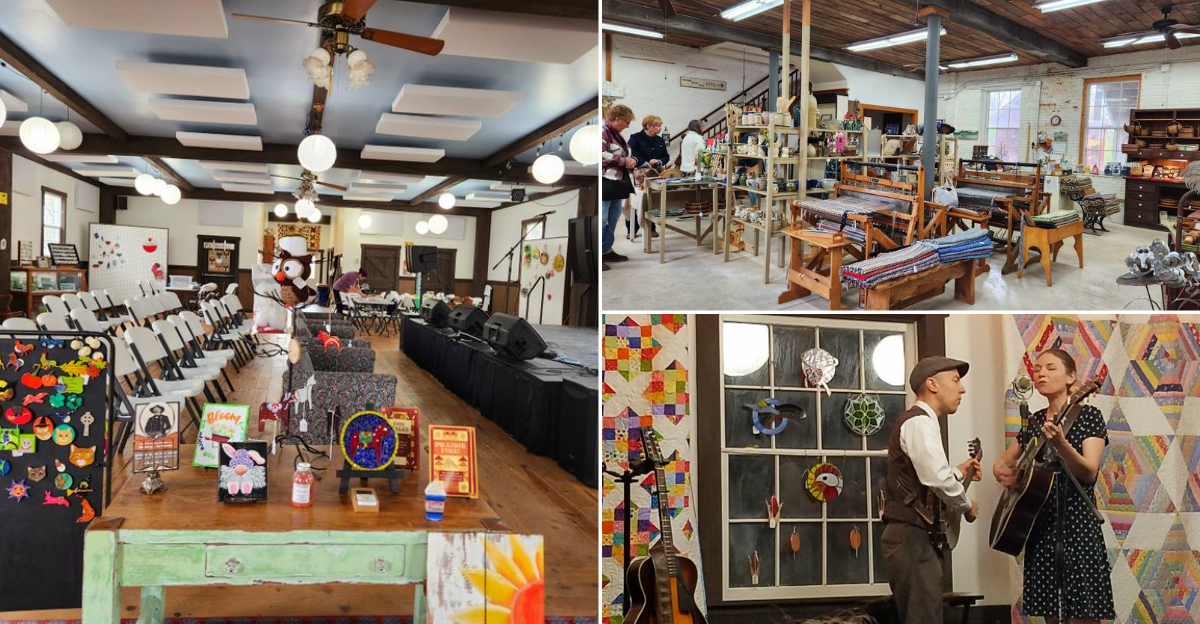
Let’s aim the car toward Bishop Hill in Illinois and slow our pace before we even park.
You’ll feel it right away, like the village has its own heartbeat and it keeps time the old way.
The routines, the crafts, the songs, they’re not museum pieces here.
They’re lived in, and you can sense it the second your shoes hit the boardwalks.
The air feels quieter on purpose, like the town is gently asking you not to rush past anything.
You might catch someone weaving, baking, or explaining a tradition without a script, just muscle memory and pride.
It’s the kind of place where the present politely steps aside and lets history lead for a while.
Morning Routines That Still Set The Day
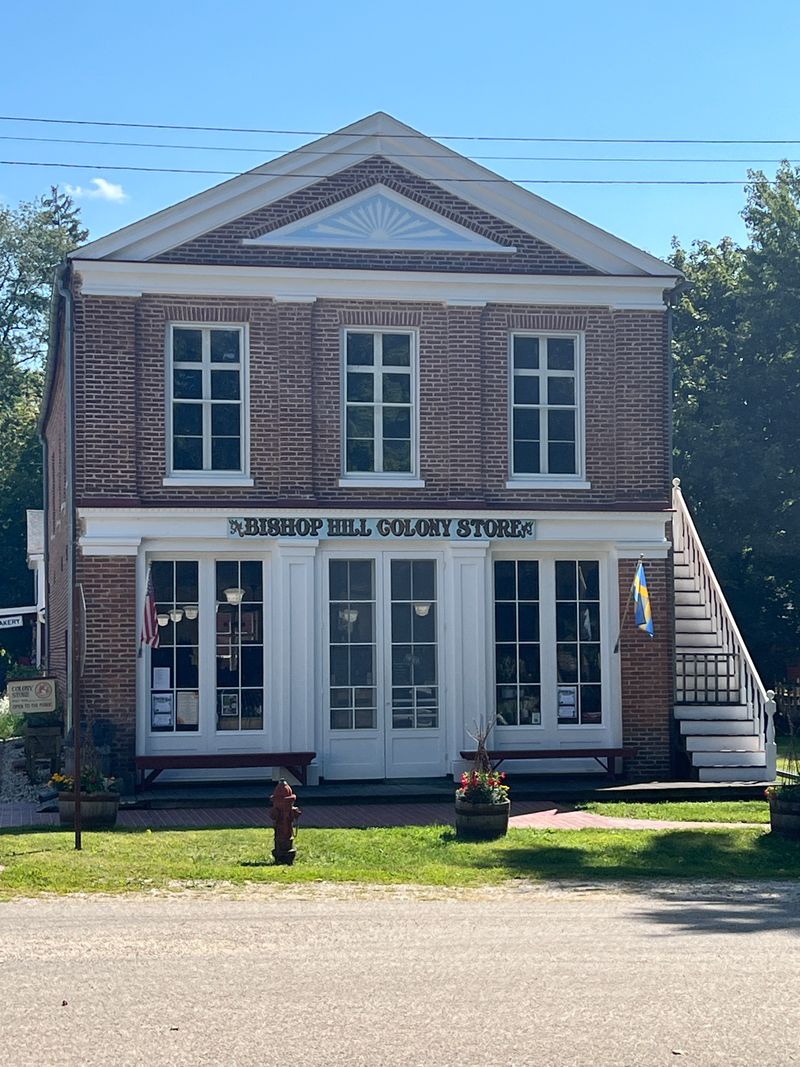
Start your day on the village green like you actually meant to breathe today. The lawn opens wide and the brick fronts feel steady and familiar.
Bishop Hill in Illinois does mornings without noise.
Walk by the Colony Store at 109 N Bishop Hill St, and hear doors creak in that good way. Gravel underfoot reminds you to slow down.
The rhythm is gentle and it sticks.
The museum at 304 S Bishop Hill St wakes up gradual. You see it in the windows and the neat porches.
Nothing hurries and somehow everything gets done.
I like to loop past the Steeple Building. The shadows lay long across the path and the bells feel close even when silent.
It’s a routine that settles your shoulders.
If you want a cue, watch the shopkeepers sweep. It looks like care more than chore.
That small sound on the boardwalk sets the whole tone.
Illinois mornings can be bright or softly overcast and both work here. The village keeps its pace either way.
You fall into it without trying.
There’s a map by the green but you probably won’t need it. The streets tell you where to go.
Just follow where it feels calm.
By the time the sun climbs, you’re already tuned in. You’re present without effort.
That’s the quiet gift of Bishop Hill.
Seasonal Festivals That Follow Old Calendars
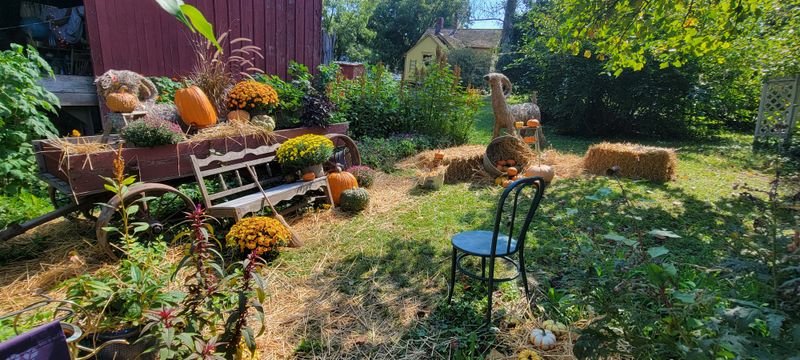
You know how some places throw events just to fill a calendar. Bishop Hill does the opposite.
The seasons decide and the people listen.
On the village green near 304 S Bishop Hill St, the decorations change with the light. Ribbons, straw ornaments, and hand painted signs appear like old friends.
It never feels rushed.
You’ll hear fiddles from the green and see craft tables tucked under trees. It’s all small scale and very human.
The streets turn into gentle lanes of conversation. You catch neighbors greeting each other like they always have.
The whole thing moves at a human stride.
Illinois weather shapes the crowd and the mood. Sunny or brisk, people come wrapped the way the season asks.
It keeps the festivals honest.
You can watch a dance form without staging. Musicians set up near doorways and porches.
The sound drifts, not blasts.
Kids wander with grandparents who know every story. You sidestep into shade and linger longer than planned.
The day just stretches nicely.
By evening, lanterns glow near the green. The brick warms up with color.
It looks like memory but it’s right now.
Nothing tries to be bigger than the village can hold. That’s the trick.
The calendar is the guide and the rest follows.
Handcrafted Goods Made The Traditional Way
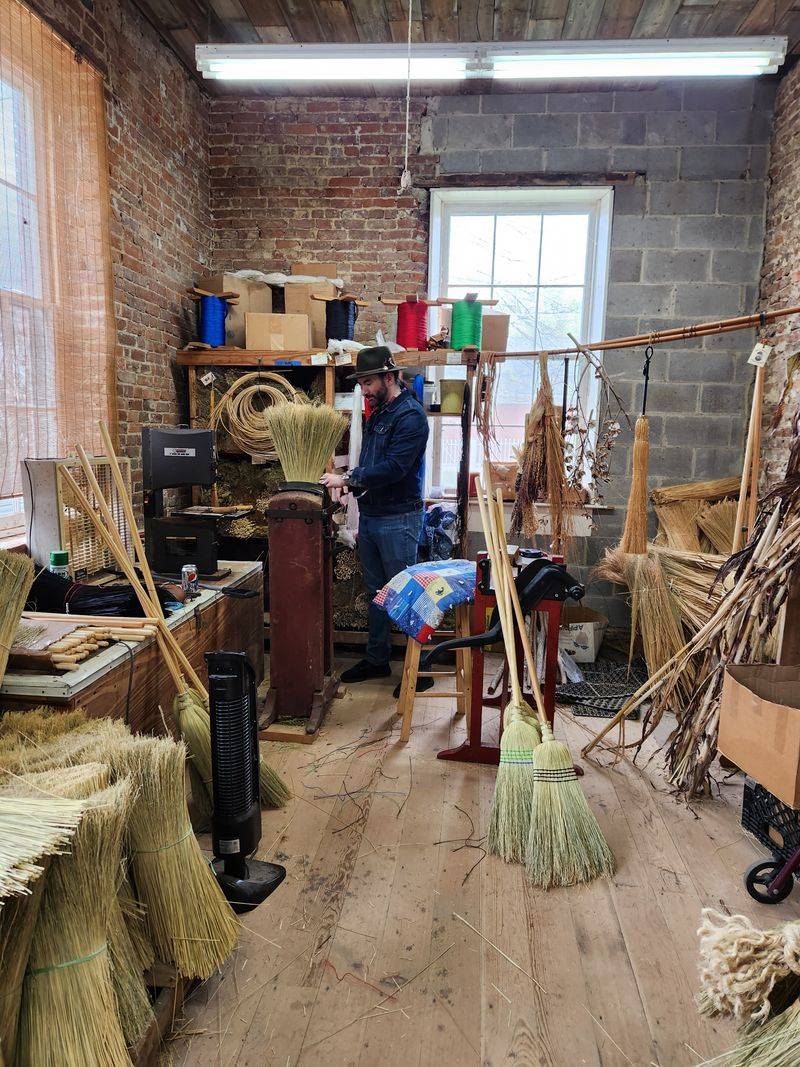
If you want to see hands teach time, step into the craft rooms. Tools sit where they belong and nothing whirs louder than a soft scrape.
It’s focus with a friendly face.
The Colony Store at 109 N Bishop Hill St keeps the shelves tidy and useful. Textiles hang with quiet pride.
The wood grain on old counters tells its own story.
Across the way, the Steeple Building at 103 N Bishop Hill St often hosts demonstrations. You’ll catch someone carving or weaving with an easy rhythm.
Questions are welcome but not rushed.
The Prairie Arts Center feels like a steady heartbeat. Light comes through those windows just right.
Displays feel lived in rather than staged.
Illinois has a practical streak and you see it here. Nothing flashy, just strong work that lasts.
It’s the kind you want to bring home and actually use.
Watch how materials get handled. Cloth is folded, not flung.
Wood gets brushed off like an old friend.
You pick up little phrases and techniques as you stand nearby. Someone mentions a pattern in passing and suddenly it clicks.
That’s how skills pass along.
Walk out and you carry more than a bag. You’ve held the pace in your hands.
It lingers in your fingers all afternoon.
Traditional never feels stiff in Bishop Hill. It feels stubborn in the best way.
The craft lives because people keep doing it.
Food Traditions Passed Down Without Fuss
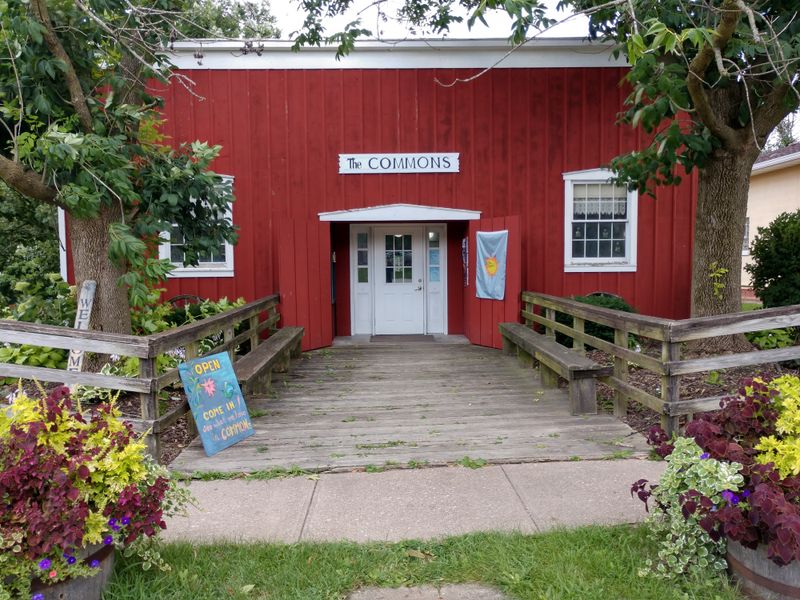
You can feel the old rhythm around meal times even without a plate in front of you. Long tables line up like a promise.
People sit so they can talk, not just finish and leave.
Community spaces near the village green and 304 S Bishop Hill St make it easy. Chairs match in that perfectly mismatched way.
The room buzz is gentle and kind.
Stroll by and you catch the setup. Tablecloths get smoothed by hands that learned from other hands.
It’s ordinary and special at once.
Illinois gatherings love a practical layout. Walkways stay clear.
Seats are saved with a sweater draped over the back.
Recipes live here without headlines. People share by doing, not announcing.
You hear stories of who stirred what, and why.
There’s a pause before things begin. Someone checks the chairs again, just to be sure.
That small attention is the tradition.
Afterward, cleanup is its own ritual. Bins roll out, towels appear, laughter sticks around.
No one bolts for the door.
Step outside and the air feels softer. Conversations spill onto the path and keep going.
The evening light makes the windows glow.
It’s not about novelty in Bishop Hill. It’s about repeating what works.
The kind of sharing that keeps neighbors close.
Buildings Still Used As Intended
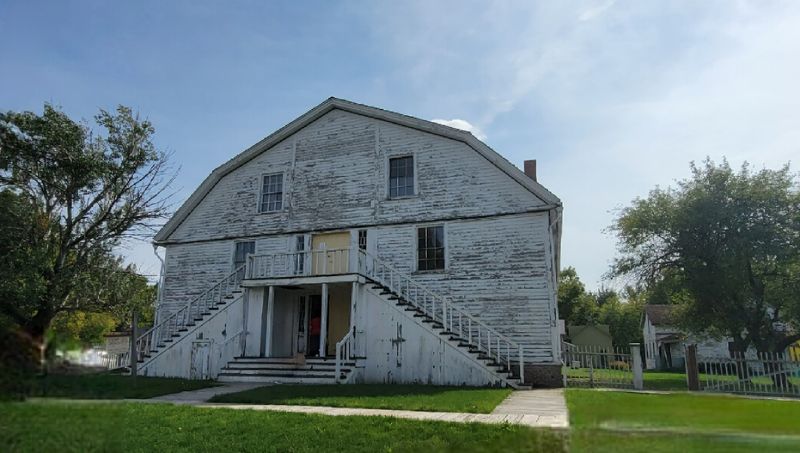
Some towns freeze their old buildings behind ropes. Bishop Hill just keeps using them.
Doors open and floors creak because people walk through daily.
The Steeple Building stands tall and calm. Offices and exhibits share space without a fuss.
It feels natural, not staged.
Down the lane, the Colony Store at 109 N Bishop Hill St looks sturdy as ever. The counters and shelves earn their keep.
You sense a long line of ordinary days.
Head toward the museum heartbeat. The rooms show and tell without trying too hard.
You can hear quiet footsteps and low conversation.
Illinois light treats brick kindly. Midday sun warms the color and late shadows trim the edges.
The buildings look right in every season.
Benches sit where they should. People rest, nod, and keep going.
The flow never jams.
You notice small repairs handled with respect. A new board matches the old in spirit, not just size.
That balance is the whole secret.
Walk around the back lanes and peek at the gardens. Plain fences, tidy corners, tools leaned just so.
It all says still working.
By evening, the windows glow like lanterns. You know folks are finishing tasks inside.
The day closes without closing the place.
Why Community Meals Still Matter
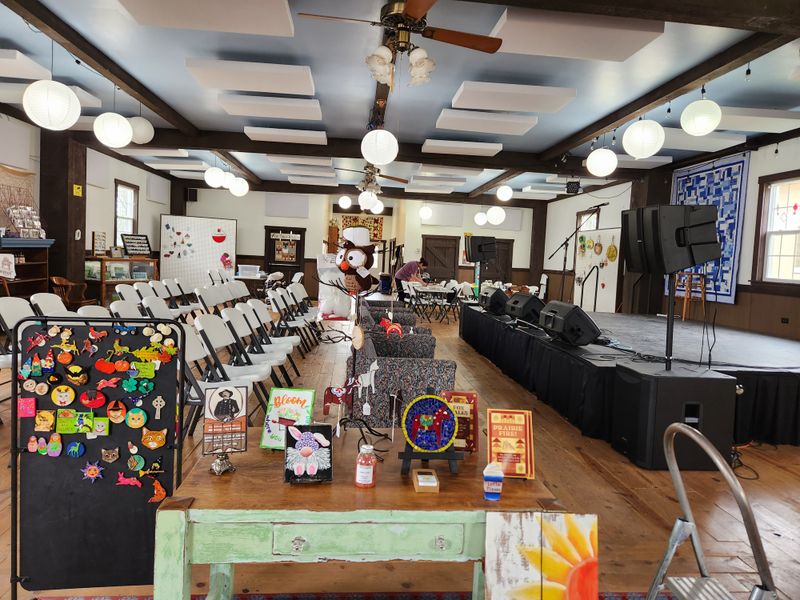
Here’s what I love about Bishop Hill. Meals are less about what and more about who.
Chairs scrape, voices braid, and the room warms up.
At spots near 304 S Bishop Hill St, you feel the welcome before you sit. The tables stretch like an invitation.
No one checks a clock too often.
Illinois towns know how to hold space. People make room for one more without a fuss.
Stories reach both directions down the table.
You see helpers glide through. Someone adjusts a chair with a quick grin.
Another steadies a tray like they’ve done it forever.
Cleanup brings the best jokes. Sleeves get rolled and time slows in the nicest way.
The clatter turns friendly.
Outside, the boardwalks catch soft footsteps. Folks stand under porches for a few extra minutes.
The night air is part of the conversation.
Inside, the stack of folded cloths waits by the door. It’s the quiet signal that traditions are safe.
Tomorrow can borrow from tonight.
Walk past and wave to someone locking up. The nod back says see you soon.
That rhythm is hard to fake.
Community meals matter here because they keep neighbors close. They teach kids how to belong.
They give the village its steady heartbeat.
Music That Belongs To The Village
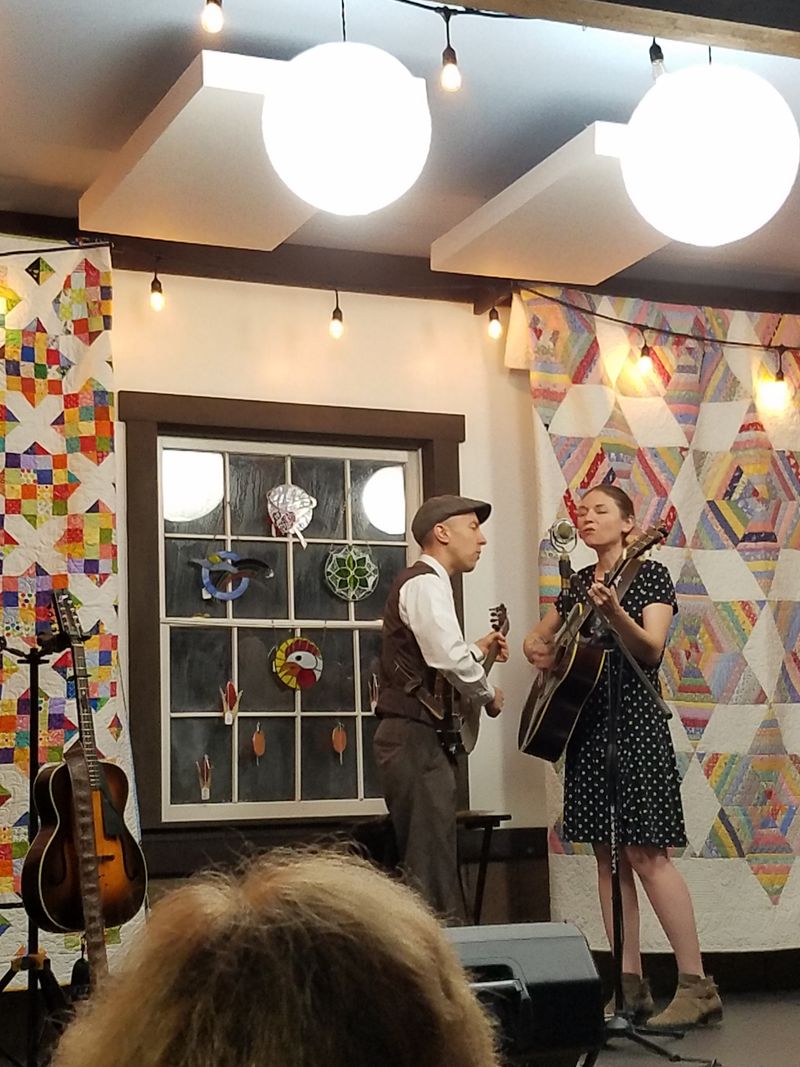
You ever hear music that sounds like it grew out of a place? That’s how it feels on the green here.
Tunes rise easy and drift across the brick.
Stand and listen. A porch can be a stage when the day is right.
Chairs appear like they knew the cue.
Over by 103 N Bishop Hill St, echoes bounce gently. The space between buildings makes a natural hall.
It’s soft on the ears and kind to conversation.
Bishop Hill does not blast. It invites.
You can hear every note without leaning in too hard.
Illinois evenings carry sound in a warm way. A little breeze threads the melody through the trees.
It’s a nice kind of hush.
Kids sway, elders tap, and the rest of us breathe easier. You look around and realize everybody belongs to the song.
That’s the whole point.
When it wraps up, people linger. No rush to fold chairs or pack up.
The sky holds the last chord for a bit.
Walk past and catch a final echo. It slips down the lane like a friendly wave.
You follow it without thinking.
The music here stays gentle and grounded. It remembers where it comes from.
It leaves you quieter in a good way.
Holiday Customs That Stay Simple
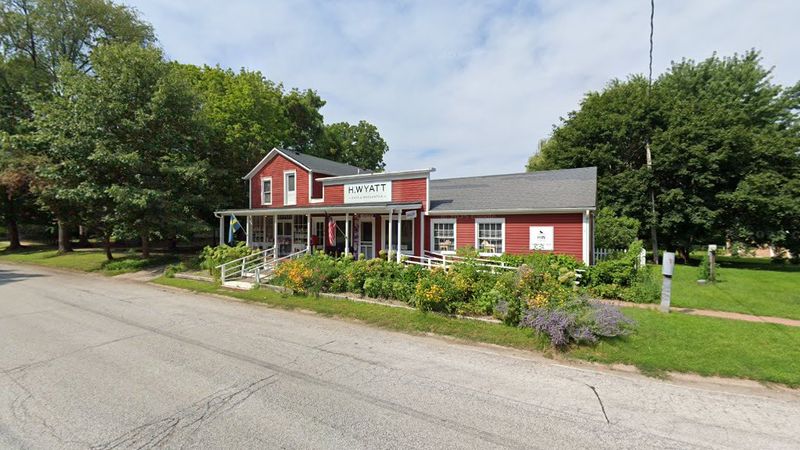
The holidays in Bishop Hill feel like a sigh of relief. Decorations go up with calm hands.
Nothing blinks too hard or shouts for attention.
Candles line up like steady stars. It’s understated and beautiful.
Down by 109 N Bishop Hill St, you’ll see handmade touches. Straw ornaments, ribbons, simple wreaths, all done with care.
You can tell who made what just by the style.
Illinois winters can be soft or steady. Either way, the village tucks into itself.
The streets hum instead of roar.
People share greetings that feel like real conversations. No rush, just warmth.
You can hear bootsteps on wood and gravel.
Lights along porches reflect off old glass. The whole street takes on a gentle shimmer.
It turns walking into a small event.
At 103 N Bishop Hill St, the tall windows catch the evening. You see silhouettes moving with purpose.
It’s all calm choreography.
When it gets late, the light narrows to doorways. That’s your cue to head back down the lane.
The night holds steady around you.
Simple customs stay because they work. They do not need extra sparkle.
They just need neighbors who remember together.
Workdays That Move At Human Speed
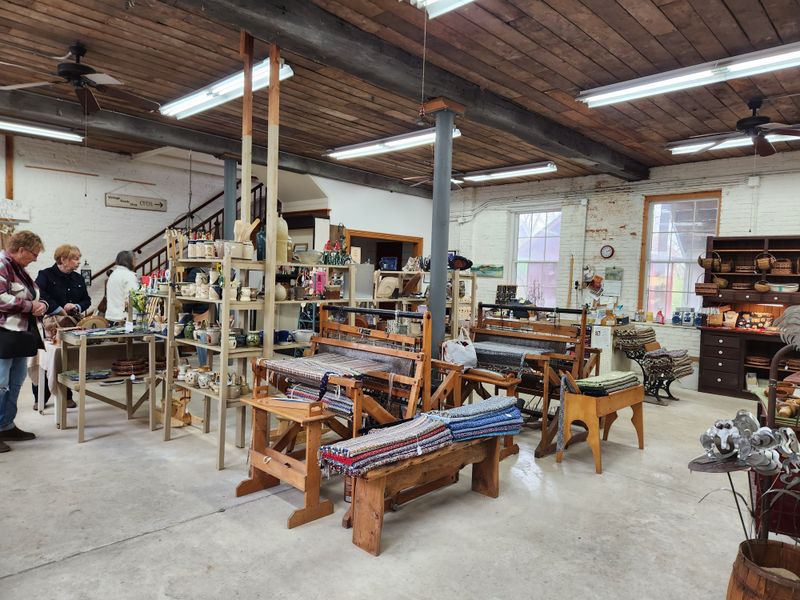
Watch a weekday in Bishop Hill and you’ll see time do something nice. Tasks start, pause, and finish without drama.
It’s a steady pace that respects breath.
Along the lanes doors stay open. A broom rests by the step like part of the plan.
You can hear soft talk from inside.
Over by 103 N Bishop Hill St, someone checks a hinge. Another sorts materials into tidy stacks.
Nothing scrambles, and everything moves.
Illinois work ethic shows up in small ways. Gloves hung to dry.
Tools wiped down before lunch.
There’s a list somewhere but it’s probably in someone’s head. People just know what’s next.
The day finds its own order.
Walk and peek around. You’ll see tasks layered like a quilt.
Each piece fits the temperature and light.
Breaks happen near doorways. A little stretch, a nod, back to it.
The rhythm feels friendly to your bones.
By late afternoon, projects look quietly solved. No fanfare, just done.
You notice how tidy the edges are.
Human speed is underrated, but not here. It’s the rule everyone keeps.
That’s why the village breathes easy.
How Craft Skills Get Taught Here
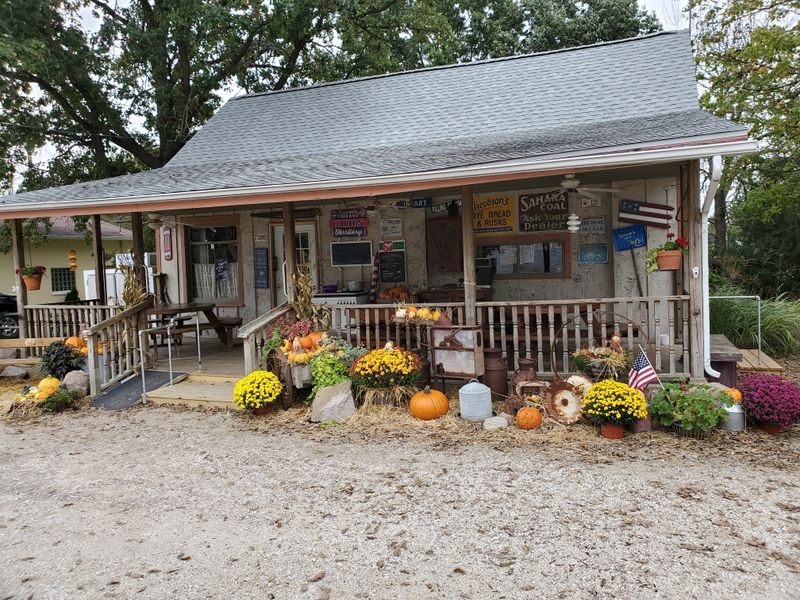
Learning in Bishop Hill looks like a neighbor showing you a trick. No fuss, just sleeves up and try this.
You get invited to watch and then do.
Inside spaces near 103 N Bishop Hill St, tables hold tools that make sense. Everything has a spot.
The light lands where hands need it.
Someone points to a stitch and you immediately see it. Then you try it and it sticks.
Walk past 109 N Bishop Hill St and peek in a doorway. You’ll catch a quiet demo starting.
People lean in without pushing close.
Illinois hospitality is practical. They show, they wait, they nod.
That feedback loop is kind and clear.
Skills move by repetition. One more pass, a small correction, done.
Then you repeat it again tomorrow.
Nothing gets overexplained. You learn by the feel of it.
Your hands remember sooner than your head does.
When you leave, the pattern sits in your pocket. Not a certificate, just a new habit.
You’ll think of it when you see good light on wood.
This is how tradition survives here. Teaching happens in real time.
The craft keeps breathing because people keep sharing.
Why Evenings Go Quiet Early
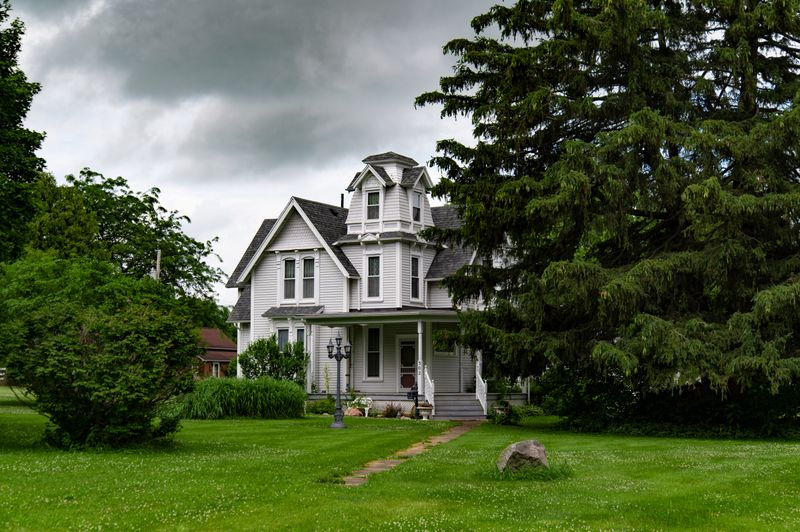
Evenings here choose quiet on purpose. The sky fades to blue and the streets nod along.
It feels respectful, like the day earned some hush.
Stand near as windows take on that soft amber. The outlines of porches turn gentle.
You find yourself talking lower without trying.
Walk down to 109 N Bishop Hill St and listen for the gravel. Footsteps come spaced out.
The air smells like wood and evening.
At 103 N Bishop Hill St, the silhouette looks steady against the sky. A light clicks off and leaves one on.
It’s a small chord struck just right.
Illinois nights can carry a cool edge. It makes the last minutes of walking feel fresh.
Your shoulders unclench without a plan.
There’s no race to be anywhere. People finish conversations at the door.
Keys turn softly and that’s that.
If you sit on a bench, time stretches. You notice tree shapes and window grids.
That kind of noticing is rare lately.
By the time real dark arrives, the village feels tucked in. Nothing dramatic, just settled.
You head back the way you came.
The quiet is not empty. It’s full of trust.
Bishop Hill keeps it like a promise.
Winter Traditions That Slow Everything Down
Snow changes the village in the nicest way. Sounds soften and the boardwalks show clear lines of footprints.
You feel the pace drop to something kind.
The light hits the snow and doubles the calm. Doors open just enough to share warmth.
By 109 N Bishop Hill St, porches carry simple greenery. The wind nudges a ribbon and then leaves it alone.
Everything holds still for a moment.
Walk toward 103 N Bishop Hill St when the sky turns silvery. The brick looks deeper in color.
Your breath comes out like little promises.
Illinois winters know how to hush a place. Bishop Hill listens and answers quietly.
People move with care and intention.
Paths get swept just wide enough. Benches wait under a clean layer.
The village looks newly drawn every morning.
Inside, windowpanes fog at the corners. You catch shadows that look like stories.
It’s easy to stand still and watch.
Evening brings a steady glow that feels like a blanket. You follow it back down the lane.
Time feels friendly in winter.
These traditions slow everything to human speed. They keep the village warm without noise.
That’s the beauty of Bishop Hill in the cold.
Dear Reader: This page may contain affiliate links which may earn a commission if you click through and make a purchase. Our independent journalism is not influenced by any advertiser or commercial initiative unless it is clearly marked as sponsored content. As travel products change, please be sure to reconfirm all details and stay up to date with current events to ensure a safe and successful trip.
