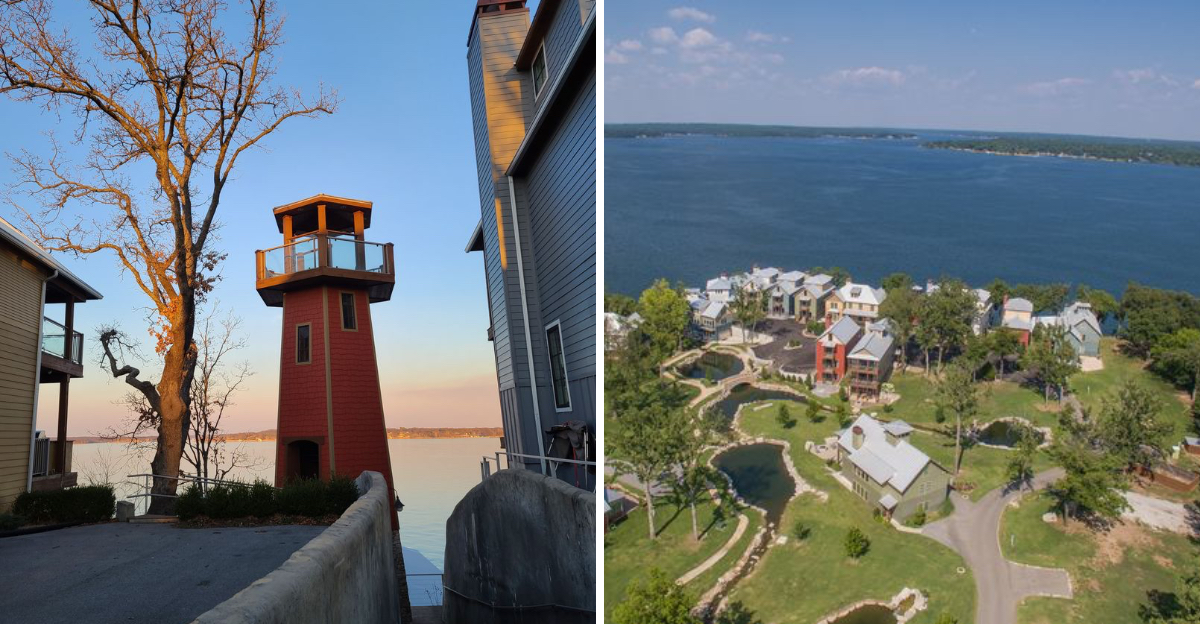
Locals in Oklahoma know there’s a lakeside town tucked into the Ozark foothills where the pace hasn’t changed in decades, but do tourists realize what they’re missing or is the secret better kept quiet?
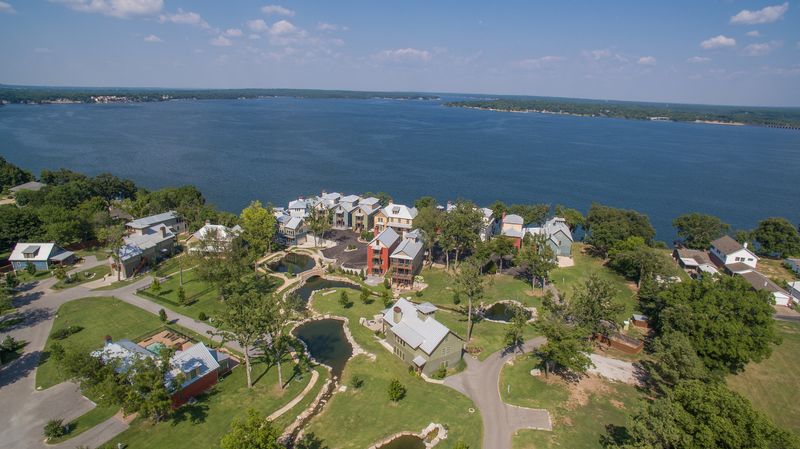
Langley sits quietly on the shores of Grand Lake o’ the Cherokees, a place where the modern world seems to pause at the town limits.
With a population hovering just over 600, this tiny community offers something rare: authenticity without the tourist trappings.
Whether you’re craving a slow morning by the water or a genuine taste of small-town Oklahoma life, Langley delivers an experience that feels refreshingly untouched.
A Lakeside Setting That Steals the Show
Grand Lake o’ the Cherokees wraps around Langley like a liquid embrace, offering miles of shimmering shoreline that changes mood with the weather. Mornings bring glassy reflections of the Ozark foothills, while afternoons spark with sunlight dancing across gentle waves.
Fishermen cast lines from weathered docks, and pontoon boats putter past without the roar of jet skis that plague busier waters.
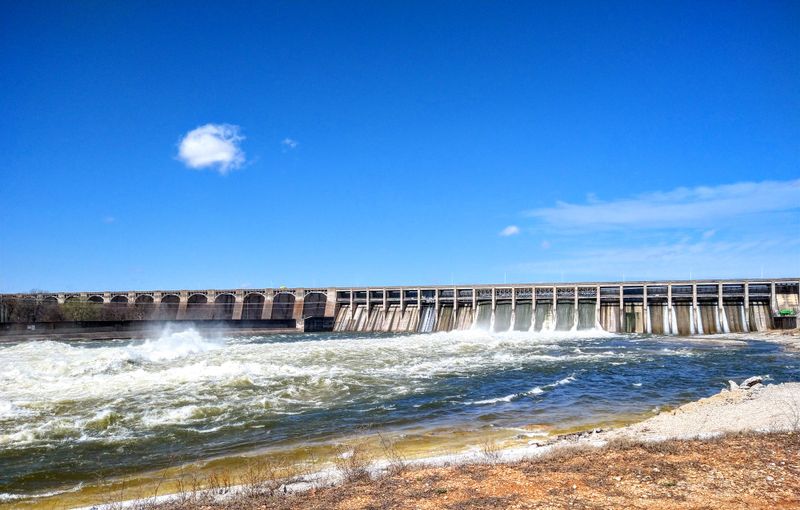
The lake formed in 1940 when Pensacola Dam blocked the Grand River, creating Oklahoma’s oldest and largest reservoir. Langley claimed its spot on the western shore, where the water stays deep and the coves stay quiet.
Unlike the crowded resort towns dotting the eastern banks, this side maintains a sleepy charm that feels almost accidental.
Stroll the public access points and you’ll find locals rigging fishing poles and families spreading picnic blankets on grassy banks. No boardwalks lined with souvenir shops, no parasailing operations hawking sunset tours.
Just clean water, open sky, and the kind of peace that makes you forget your phone exists. The lake here isn’t an attraction, it’s a neighbor, familiar and unhurried, inviting you to sit a spell and watch the day unfold without a single agenda item crowding your thoughts.
Main Street Where Time Took a Vacation
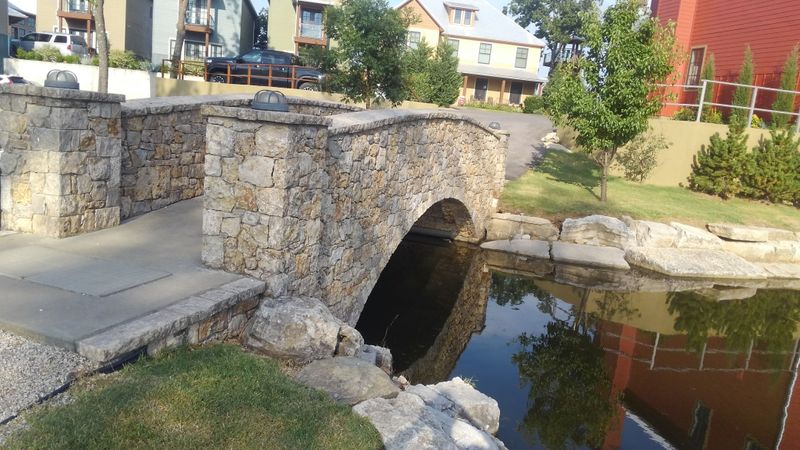
Langley’s main drag won’t win awards for bustle, but that’s precisely its charm. A handful of storefronts stand shoulder to shoulder, their facades weathered by decades of Oklahoma sun and summer storms.
Paint peels in spots, signs hang slightly crooked, and parking spots outnumber customers most days. Yet there’s an honesty here that polished tourist towns can never replicate.
Walk past the local market and wave to the owner who’s likely rearranging the same produce display he’s tended for twenty years. Peek into the small engine repair shop where conversations about carburetors stretch longer than the actual work.
No boutique coffee roasters or artisan ice cream parlors interrupt the rhythm, just practical businesses serving practical needs for practical folks.
The beauty lies in what’s missing: no chain restaurants with neon signs, no gift shops peddling mass-produced trinkets stamped with the town name. Langley’s main street exists for residents first, visitors second.
That means real hardware stores instead of galleries, actual barber chairs instead of trendy salons. It’s a street built for function, not Instagram, and somehow that makes it infinitely more photogenic in its unvarnished truth.
Fishing Culture That Runs Deep
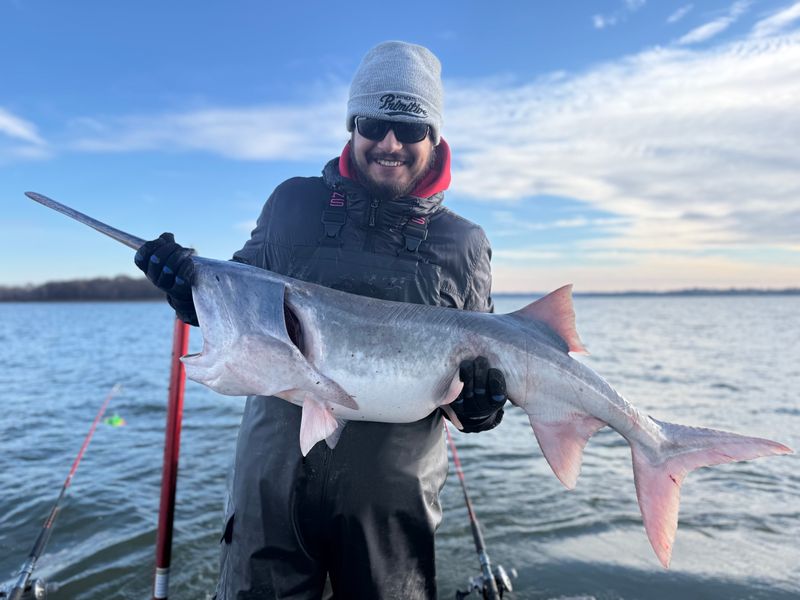
Anglers know Langley as a launching point for some of Grand Lake’s best bass, crappie, and catfish waters. Locals talk fishing like other folks discuss weather, constantly, casually, and with strong opinions about technique.
Tackle boxes live permanently in truck beds, and conversations at the gas station inevitably drift toward water temperatures and recent catches.
The lake’s western arm near Langley offers structure-rich zones where submerged timber and rocky points hold fish year-round. Spring brings spawning runs that fill creels quickly, while summer evenings see boats drifting quietly as anglers work topwater lures across glassy surfaces.
No tournament crowds or bass boat traffic jams disrupt the rhythm here. Fishing remains a personal pursuit, not a spectator sport.
Small marinas dot the shoreline, offering boat ramps and fuel without the resort amenities that inflate prices elsewhere. Bait shops stock essentials, live minnows, nightcrawlers, and local knowledge dispensed freely to anyone who asks.
You won’t find guided fishing packages or charter services advertising on billboards. Instead, you’ll discover a community where fishing skills pass down through generations, where secret spots stay secret, and where a good day on the water matters more than any trophy mount or social media post.
Population That Prefers Privacy
The 2020 census counted 606 souls calling Langley home, down from 819 a decade earlier. Numbers tell one story, younger generations moving to cities for work, retirees passing on, fewer families replacing them.
But statistics miss the character of those who remain: folks who choose community over convenience, quiet over commerce, and roots over restlessness.
Neighbors know each other by first name and family history. Conversations happen on front porches, not Facebook threads.
When someone needs help moving furniture or fixing a fence, hands appear without formal requests. This isn’t Mayberry nostalgia, it’s practical interdependence born from living where services are scarce and self-reliance matters.
People here don’t romanticize small-town life; they simply live it, with all its limitations and rewards.
The shrinking population means empty storefronts and quieter schools, challenges that residents acknowledge without panic. Growth isn’t the goal.
Preservation is. Langley’s people protect their pace, their privacy, and their way of life with a polite but firm resistance to change.
They’re not unfriendly to visitors, wave and you’ll get a wave back, but they’re not rebranding their town for tourist dollars either. Authenticity can’t be manufactured, only maintained, and Langley’s residents seem determined to keep things exactly as they are.
Absence of Tourist Trappings
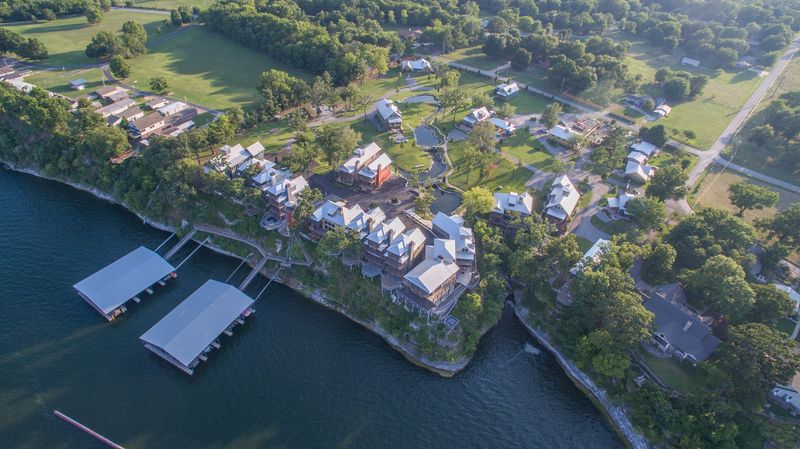
What Langley lacks speaks louder than what it offers. No visitor center greets arrivals with brochure racks and enthusiastic volunteers.
No souvenir shops hawk keychains and T-shirts. No food trucks cluster at scenic overlooks, no wine-tasting rooms occupy renovated barns, and no boutique hotels promise curated local experiences.
The town simply exists, indifferent to travel trends and Instagram aesthetics.
This absence creates space for something rarer: genuine interaction with a place on its own terms. Without guided tours dictating your itinerary or gift shops framing your purchases, you’re free to wander, observe, and connect without commercial mediation.
Strike up a conversation at the local diner and you’ll hear real stories, not rehearsed talking points designed to charm tourists.
The lack of infrastructure also means Langley won’t coddle visitors. No cute maps guide you to photo ops, no signage explains historical significance, and no amenities cater specifically to outsiders.
You’ll need to bring curiosity, patience, and a willingness to appreciate subtlety. The rewards aren’t immediate or obvious, but they’re substantial: a slower rhythm, unfiltered authenticity, and the rare pleasure of discovering a place that hasn’t been packaged, promoted, or prettied up for public consumption.
Langley remains stubbornly itself, take it or leave it.
Seasonal Rhythms That Rule the Calendar
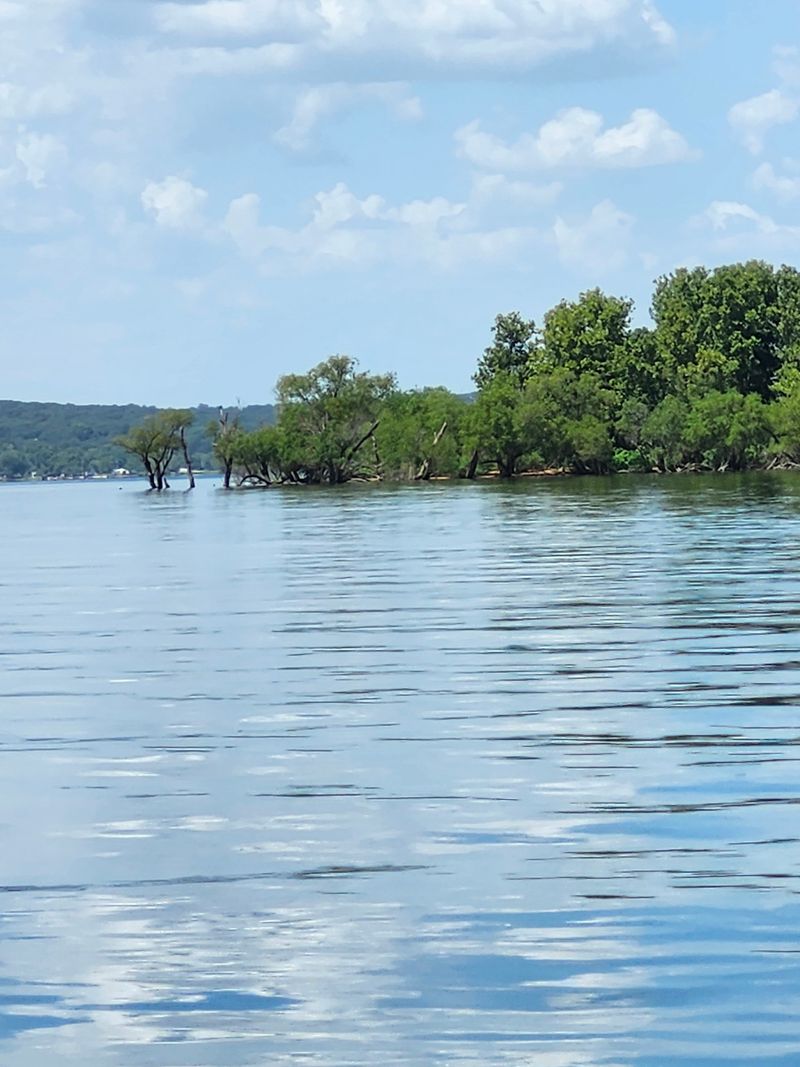
Langley’s year unfolds in predictable patterns tied to weather and water. Spring brings anglers chasing spawning fish and families opening lakeside cabins shuttered through winter.
Trees leaf out in waves of green, wildflowers carpet roadside ditches, and the lake shakes off its gray winter mood to sparkle blue again. Locals emerge from hibernation, tending gardens and repairing docks damaged by ice and storms.
Summer settles in with heat and humidity, sending residents to the lake for relief. Pontoon boats drift lazily in coves, kids jump from docks into cool water, and evenings stretch long under pink-streaked skies.
The pace slows further, as if the town collectively agrees that nothing urgent can happen when temperatures push past ninety degrees. Cicadas buzz, ceiling fans spin, and time becomes elastic.
Autumn transforms the foothills into a patchwork of color while the lake cools and fish move to deeper water. Hunters head into the woods for deer season, and the air carries that crisp scent of dying leaves and wood smoke.
Winter arrives quietly, stripping trees bare and turning the lake steely gray. Boats disappear into storage, and Langley hunkers down for the cold months, a season of rest before the cycle begins again.
Each phase brings its own beauty and purpose, unhurried and unchanging.
Architecture That Tells Stories
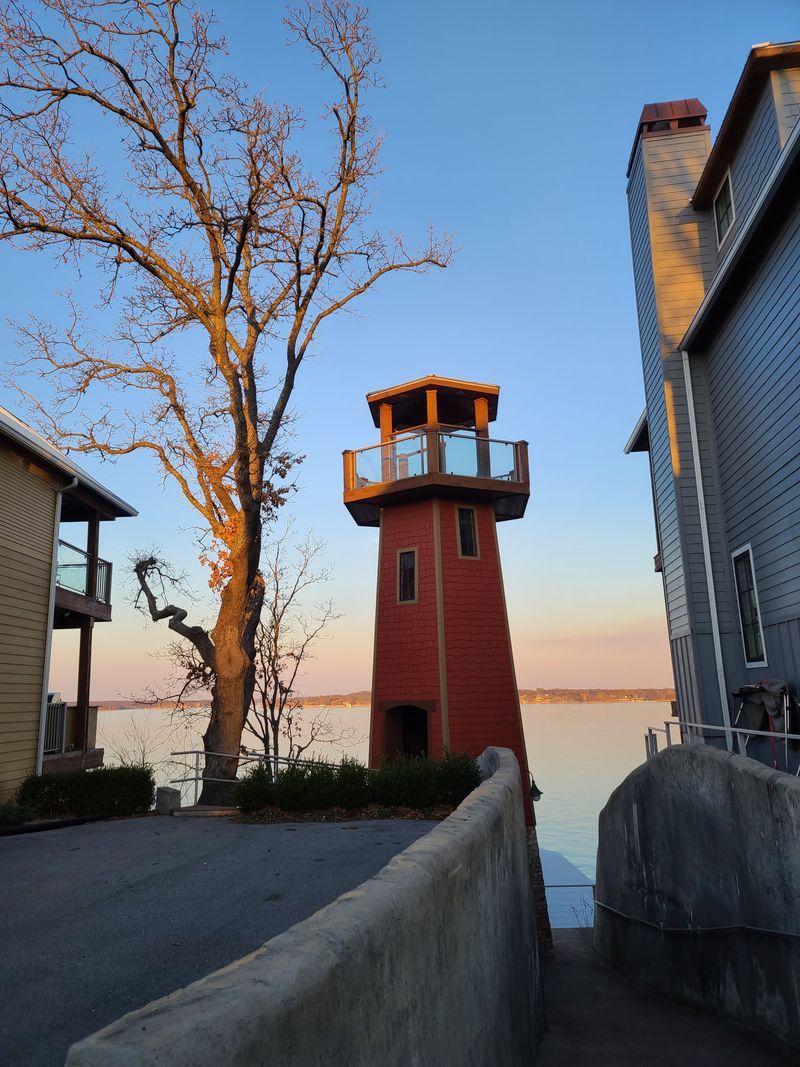
Langley’s buildings won’t inspire architecture tours, but they document decades of practical construction and modest means. Weathered clapboard houses line residential streets, their porches sagging slightly, their paint faded to soft pastels.
Metal roofs replaced shingles long ago, and window air conditioners jut from bedroom walls. These aren’t showpieces, they’re shelter, built to last and modified as needed over generations.
Downtown structures lean toward mid-century utilitarian: flat roofs, large windows, simple brick facades. No Victorian flourishes or Art Deco details interrupt the plainness.
A few buildings date to earlier eras, their stone foundations and hand-laid brickwork hinting at the town’s origins, but most construction reflects the post-dam boom when Grand Lake transformed the area. Function trumped form, and that priority remains visible in every structure.
Lakeside cabins range from basic fishing shacks to modest weekend retreats, most built decades ago when lakefront property sold cheap. Aluminum siding, concrete block foundations, and screened porches dominate the aesthetic.
No modern lake mansions intrude on the skyline, no architect-designed showplaces demand attention. The built environment stays humble, unpretentious, and perfectly suited to a town that values substance over style, durability over design, and honest construction over architectural ambition.
Silence That Speaks Volumes
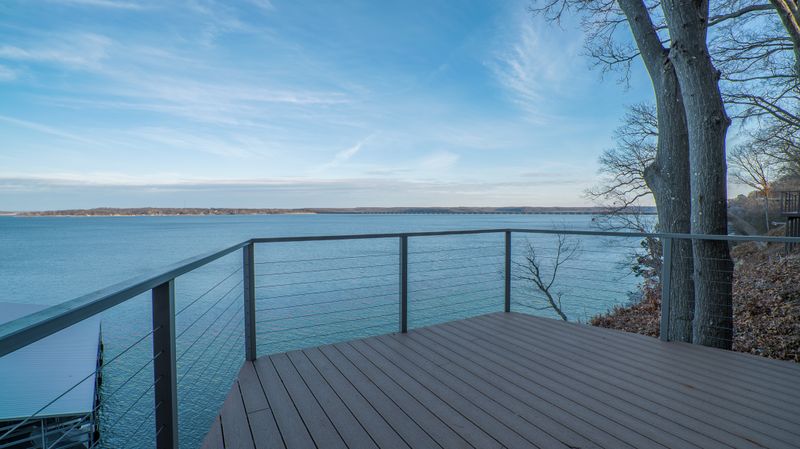
Stand anywhere in Langley and notice what you don’t hear. No traffic hum, no sirens wailing, no construction equipment beeping, no crowds generating that low-frequency buzz of human activity.
The quiet runs deep here, broken only by natural sounds, wind through leaves, bird calls, water lapping shorelines, distant boat motors fading in and out.
Night amplifies the silence. Stars appear in quantities city dwellers forget exist, unobscured by light pollution.
Crickets and tree frogs create rhythmic soundscapes, while owls hoot territorial claims from dark timber. The occasional dog barks, a screen door slaps shut, and then silence returns, profound and enveloping.
Your ears adjust, becoming sensitive to subtleties usually drowned out: leaves rustling, your own heartbeat, the soft whisper of your breath.
This quietness isn’t emptiness, it’s fullness of a different kind. Space for thoughts to unfold without interruption, room for conversations to breathe without competing noise, freedom from the constant auditory assault that modern life normalizes.
Langley’s silence feels almost rebellious in its completeness, a rejection of the louder-faster-busier mentality that dominates elsewhere. Spend a few days here and you’ll recalibrate, finding peace in the pauses and discovering just how much noise you’ve been carrying without realizing it.
Dear Reader: This page may contain affiliate links which may earn a commission if you click through and make a purchase. Our independent journalism is not influenced by any advertiser or commercial initiative unless it is clearly marked as sponsored content. As travel products change, please be sure to reconfirm all details and stay up to date with current events to ensure a safe and successful trip.
