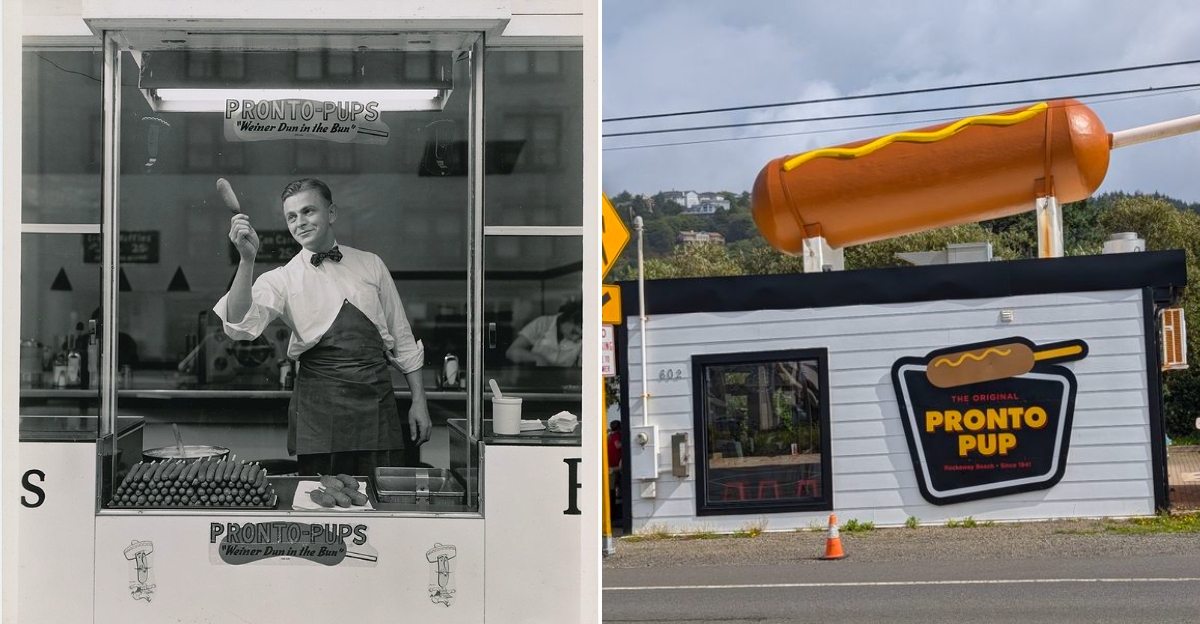
You know how some places brag a lot and others just get on with it.
Rockaway Beach, Oregon, is the second type, and that is exactly why it sticks with you.
This quiet strip of coast sparked a snack that traveled the whole country, then went right back to listening to the ocean.
If you are up for a low key road trip with a wild little story tucked inside, let’s map it out and go.
A Town That Never Tried To Impress
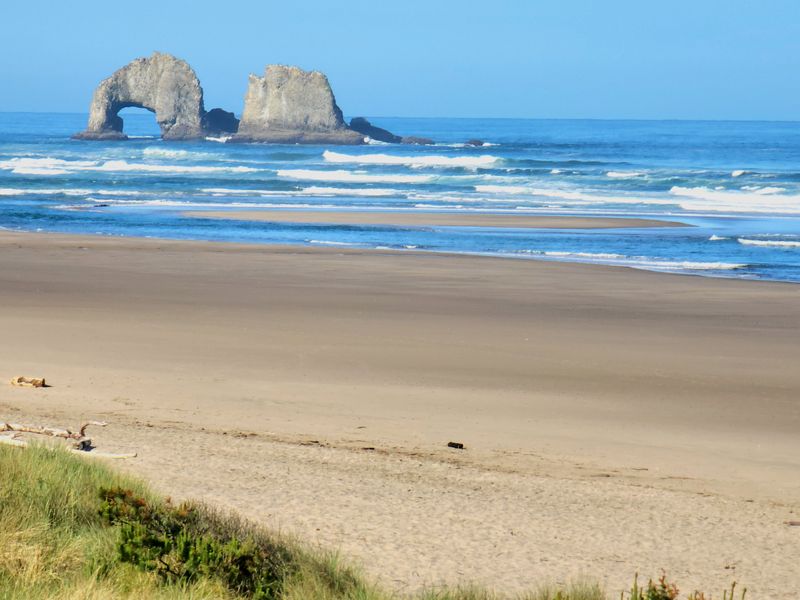
First thing I notice in Rockaway Beach is the pace.
You can hear your own shoes on the boardwalk.
The town does not rush you, and it does not try to.
Main Street runs steady between the tracks and the water.
Small shops face the breeze with easy pride.
Nothing is tall, nothing is loud, and that feels right on this coast in Oregon.
If you want an address to start the loop, aim for the Rockaway Beach Wayside at 103 S First Ave.
Park there and breathe.
The ocean writes a soft line you can follow.
You and I can wander past murals, utility poles, and those weathered shingles the salt always chews.
It is ordinary in the friendliest way.
The kind of ordinary that lets real stories land.
I like that you can still hear the train bell from the Oregon Coast Scenic Railroad.
It slides along like an old postcard.
The sound drops into the gulls and stays.
We will keep it simple: Walk a block, turn, and there is another glimpse of water.
That pattern becomes a rhythm.
Rockaway Beach does not push a headline at you.
It shrugs, like, here is the beach and the sky.
That is the setup for everything else.
When a town is this relaxed, you look closer.
That is when the origin story makes sense.
Quiet places can change big things and barely blink.
A Coastal Stop Most Travelers Skip
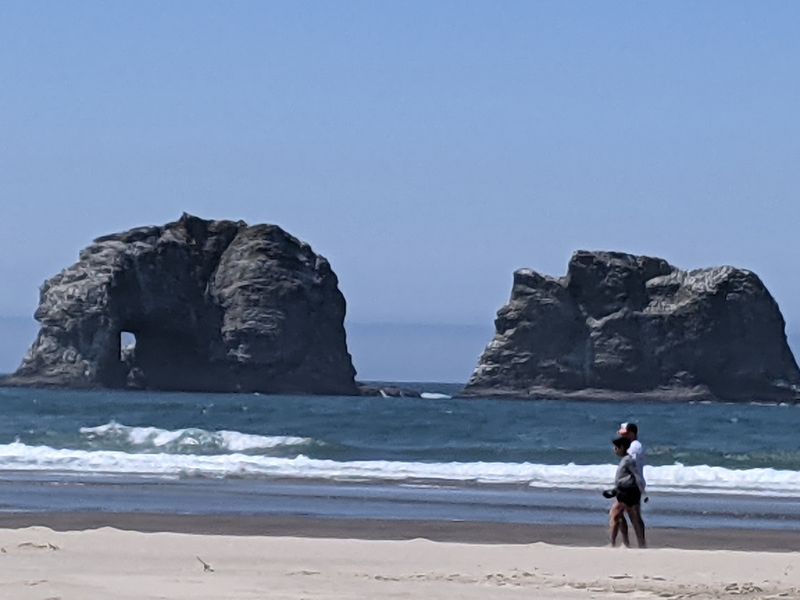
Let’s be honest, most folks blast past Rockaway Beach on the way to bigger names.
You and I are not doing that today.
We are pulling over and letting the tide set the tempo.
The beach stretches loose and open.
There is driftwood like punctuation along the sand.
You can stand and feel the Pacific write little edits around your ankles.
If you want a fixed point, the Rockaway Beach City Hall sits at 276 S Highway 101.
From there you can thread the town on foot.
It is close enough that even a lazy stroll works.
Motels look like they have stories and morning fog baked in.
Porches angle toward the sound of waves.
Nothing tries to be trendy, and you do not miss it.
Skipping this place would be skipping a quieter kind of memory.
The one that hums rather than shouts.
Oregon has plenty of those if you slow down.
We can swing by little storefronts, step into a park, then circle back to the sand.
The loop never feels forced. It just gently closes.
You can see why a simple idea could start here.
The town leaves room for tinkering, and space invites curiosity.
We are giving it a full breath and maybe two.
That small choice is the trip.
A Rainy Day That Sparked An Idea
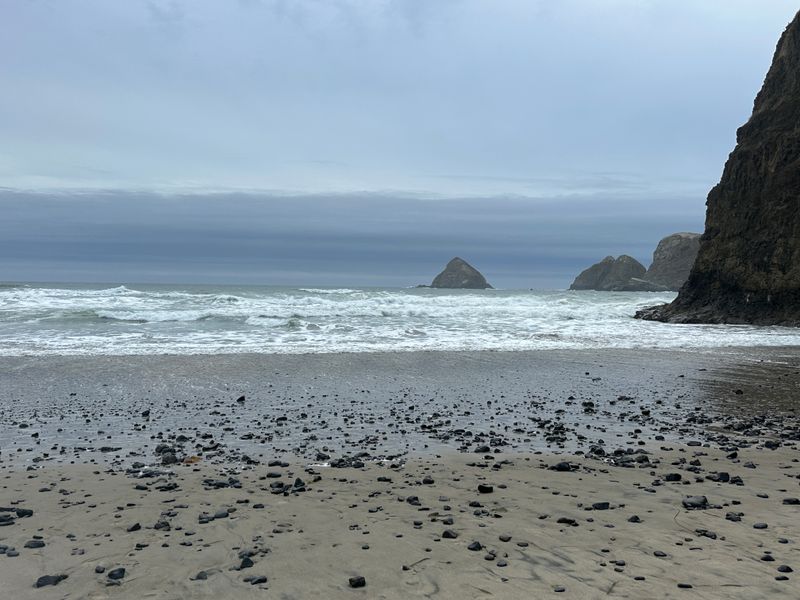
Picture a stubborn coastal rain settling in for the afternoon.
The kind that beads on your jacket and keeps conversation short.
That is the kind of weather that nudges experiments.
Rockaway Beach knows that drizzle well.
It softens the edges of the day.
People get practical fast and start solving little problems.
Stand by the wayside at 103 S First Ave, and you will feel what I mean.
The air tastes like salt and tin.
The sky hangs low enough to touch your thoughts.
Rain shifts plans here. It gathers folks under awnings and makes them share space.
Ideas jump faster when shoulders are closer.
I keep thinking about how small choices start big stories.
You try something because the weather insists.
Oregon weather does that without apology.
We duck into a shop doorway and listen to the hiss of tires on wet Highway 101.
The sound is steady, almost soothing.
It sets a beat your feet match without trying.
Drizzle keeps tourists honest and locals resourceful.
It is a setting that rewards patience.
Curiosity sneaks in when the rush steps out.
So yeah, a rainy day here is not a setback.
It is a nudge. And that nudge can turn into a new path before anyone realizes it.
The First Corn Dog Comes Together
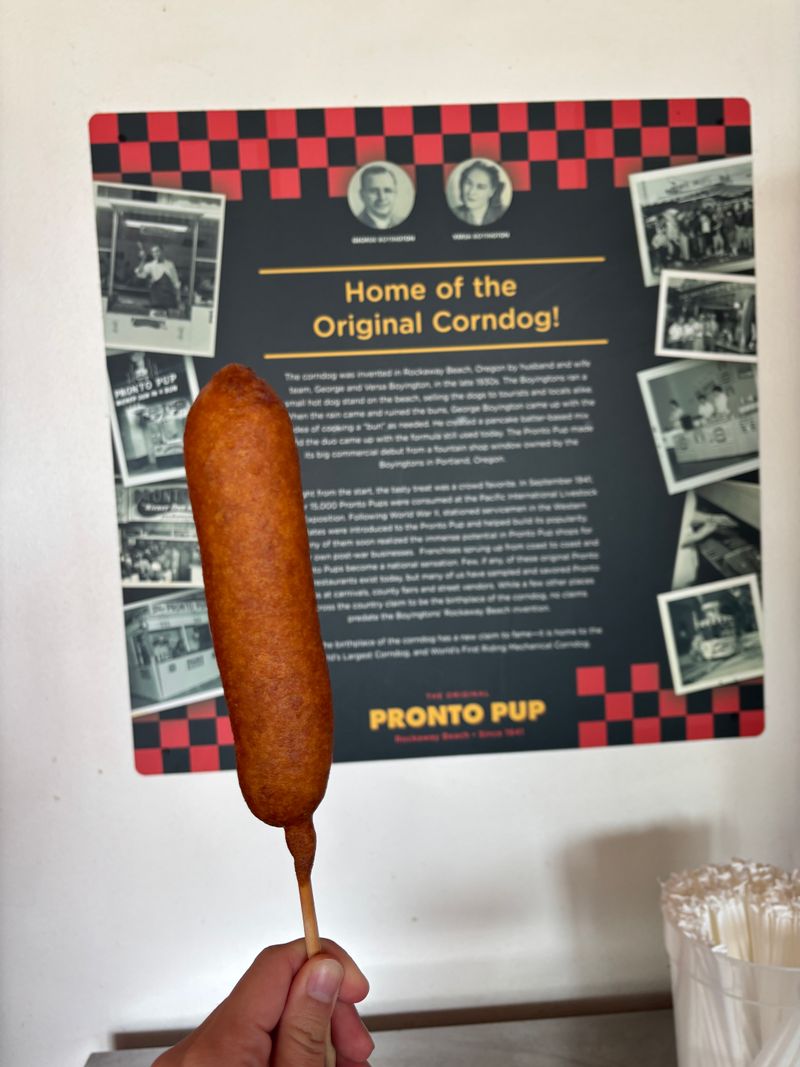
Here is where the story tightens.
A couple of vendors stared down soggy conditions and got creative.
That spark was simple and kind of brilliant.
Layers of trial and error live in any invention.
You adjust, you wait, you try again.
Then a clean idea stands up.
Stand on the sidewalk near 100 S Highway 101, Rockaway Beach, and let your brain rewind.
Imagine a tiny stand with a line of curious faces.
Coastal air, damp coats, impatient hands tucked in pockets.
This moment feels domestic, not dramatic.
Just people solving a little problem in real time.
That is the kind of scene I believe in.
The town does not spin the story into glitter.
It lets the memory sit where it started.
Oregon has that grounded honesty that keeps myths from ballooning.
I like thinking about how ideas find a home.
Some places invite experiments without fuss. This is one of them.
We talk, we laugh about the weather, we let the wind steal a word or two.
The past folds into the present without a seam.
You can almost see the decision happen.
Nothing about it feels like destiny.
It feels like a napkin note gone right. And that is the charm of Rockaway Beach.
The Small Stand That Made It Happen
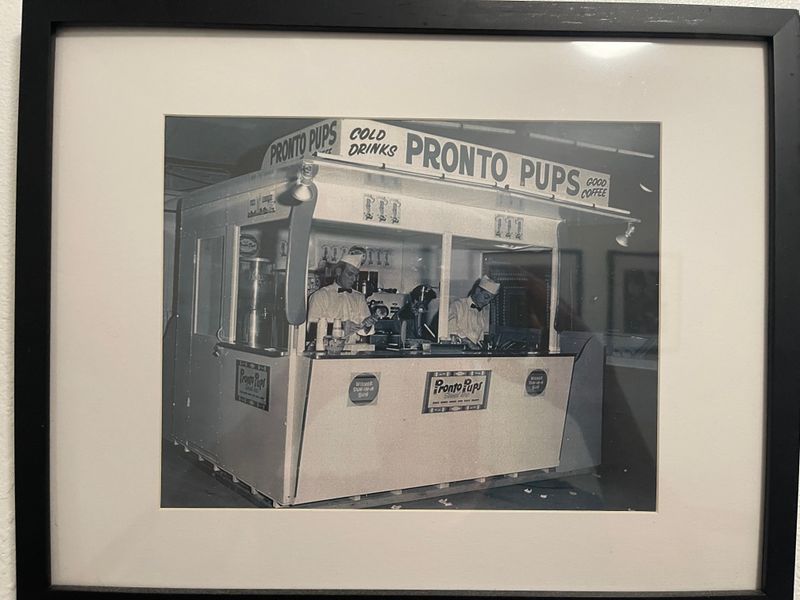
This is the part you will want a photo of.
A small stand where the town’s big story began.
It looks like a regular stop, and that is the point.
The facade has that coast worn charm.
Paint meets salt and makes peace.
Signs do their job without shouting.
Walk to the cluster of shops around 120 S Highway 101.
You will find the rhythm of footsteps and gull chatter.
The place blends into daily life.
I like how the story sits in plain view.
No stage lights, no velvet rope. Just a spot that remembers.
Small spaces do a lot of heavy lifting in Oregon.
They hold weather, work, and the kind of persistence you feel in your shoulders.
That combo builds legends quietly.
You and I can lean on the railing and listen to the ocean fill the gaps.
The sound edits your thoughts.
It leaves only what matters.
The stand’s size makes the tale human scale.
You can picture hands, sleeves, and quick decisions.
That is more than enough detail.
Take a breath, take it in, and let the scene settle.
This is where a road trip turns into a story you will actually tell.
Small stand, big ripple, no fuss.
How The Town Let The Moment Pass
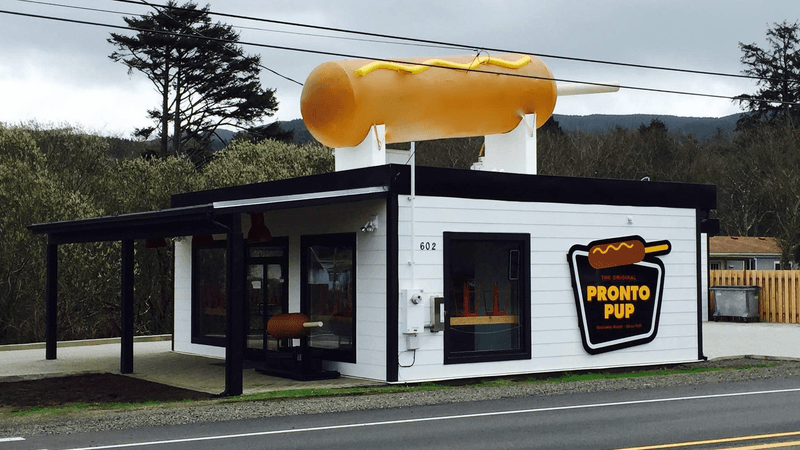
What gets me is how the town just kept going.
No parade, no giant banner, just the tide rolling like always.
That restraint feels very Oregon to me.
People here show up, do the work, and sweep the floor.
Big stories do not need fireworks.
They need a place to breathe.
If you want a vantage point, stand by the Rockaway Beach Post Office at 120 S Twin Rocks Ave.
Watch the evening slide in.
The calm is not empty. It is full of routine.
Shops click their doors, dogs tug leashes, and the train horn stitches through.
I like towns that do not force a brand.
They save energy for real things.
You can feel the difference when you walk.
We are not collecting highlights here.
We are collecting moments that fit in your pocket.
That is better on a long drive.
Letting the moment pass did not shrink the story. It kept it honest.
You can trust a memory that never chased a spotlight.
So we nod to the origin, then let the ocean take the last word.
The coast has a steady editor.
It cuts clean and leaves the heart of it.
The Snack That Quietly Spread Everywhere
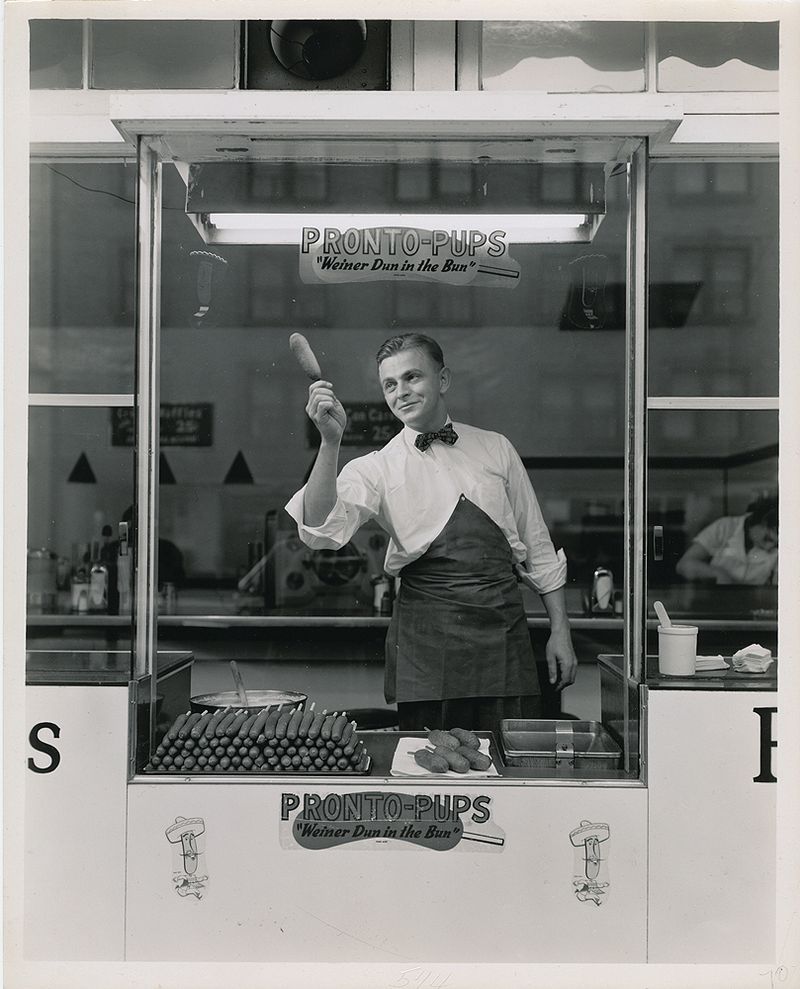
From one small town, the idea traveled with road trips and fairs and everyday chatter.
People share what works.
That is how good notions move.
Standing on Highway 101, you feel the spine of the coast.
It connects towns like beads on a string.
Rockaway Beach sits there, steady and modest.
Cars pull stories north and south.
The line goes farther than your eyes do.
I love how the spread feels unplanned.
No master campaign, just word of mouth doing laps.
America runs on that kind of relay.
Oregon sends out a lot of quiet exports.
Ideas shaped by rain and patience.
They travel better than souvenirs.
You and I can trace the route on a map with a finger.
It is a fun little ritual before the next stop.
The road itself becomes the messenger.
The town does not make a fuss about any of this.
It holds the origin and lets the country take it from there.
That balance feels healthy.
So when we drive out, we carry a simple story with long legs.
Small start, big reach, easy grin.
That is how good things spread.
What The Town Feels Like Today
Right now, Rockaway Beach feels like a friendly porch between forest and sea.
You hear train whistles and gulls taking turns.
The air is a mix of cedar and salt.
Side streets lead to cottages with bikes leaning on rails.
Porches face west like clock faces.
The light stays soft even when the sun shows up.
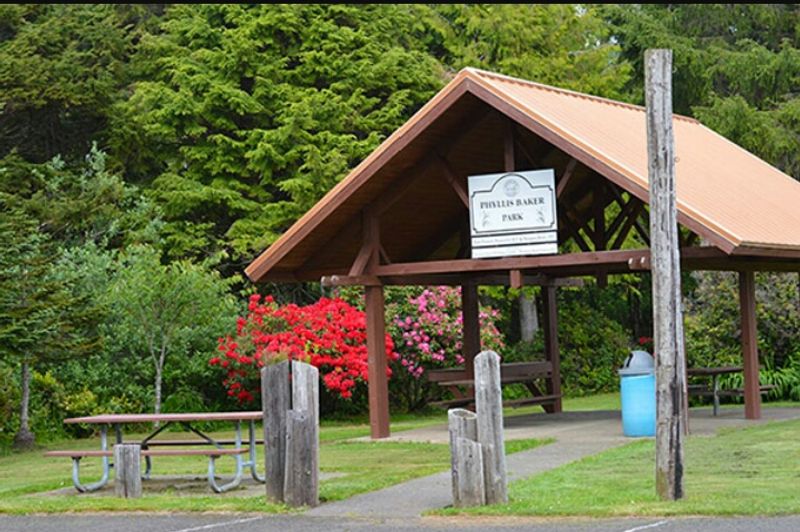
A good landmark is Phyllis Baker City Park at 300 S Anchorage Ave.
Trails wiggle through grass and trees.
It makes a nice breather between downtown loops.
The storefronts keep things casual.
Hand painted signs, open doors, and people who nod before they speak.
You can blend in within minutes.
Oregon towns have this welcoming practicality.
They skip the drama and guide you where you need to go.
It is a comfortable rhythm to borrow for a day.
We can watch the clouds stack like clean laundry over the headlands.
Then wander back toward the sand for a last sweep.
The soundtrack is always that hush of waves.
Today feels honest here.
No gloss needed. Just the real shape of a small coastal day.
That is the mood I keep.
It sticks better than a souvenir.
When we leave, it rides shotgun for miles.
Why The Story Still Gets Overlooked
Some stories do not shout because the towns telling them do not.
Rockaway Beach is that kind of narrator.
It speaks in tide tones and porch voices.
The big coast names pull more eyes.
That is fine. This place prefers steady company to a crowd.
If you need a pinpoint to mull it over, stop by Rockaway Beach Library at 120 N Coral St.
The building sits quiet among trees.
It is a good match for reflective thoughts.
I think the story drifts under radar because it never needed costume.
The facts are enough. A simple start, a wide finish.
Oregon tends to keep its heroes in flannel and comfortable shoes.
That tone keeps myths from floating away.
It keeps history touchable.
We sit on the steps and watch the street go by.
People carry groceries and beach chairs.
Real life moves the plot better than any signboard.
Being overlooked can be a gift.
It preserves the feeling that you found something by listening.
That is a nice feeling to carry.
So the story stays soft spoken.
It is not a secret, just selective about volume.
You learn it best by being here.
How Rockaway Beach Moved On
After the idea went wide, the town kept doing what it does.
It watched the tide, fixed things, and waved to the train.
That balance never left.
You and I can stand at the Rockaway Beach Wayside again at 103 S First Ave.
The ocean keeps the same tempo it had before.
That continuity is kind of comforting.
Moving on here means moving steady.
Projects get done, porches get painted, and the sky does its daily mood swings.
I like trips that end where they started.
The circle closes and you feel the change in your own stride.
Oregon roads do that to you.
We take one last wander past the tracks.
The whistle trails off like a soft underline.
Streetlights catch puddles and make tiny mirrors.
The town does not measure itself by headlines.
It measures by neighbors and seasons. That is a scale I trust.
So we pack up slowly and promise to come back.
The story is still here whenever you want it. It waits without fuss.
And that is Rockaway Beach.
Quiet, steady, and somehow bigger than it looks.
The kind of place that lets you breathe and remember why you came.
Dear Reader: This page may contain affiliate links which may earn a commission if you click through and make a purchase. Our independent journalism is not influenced by any advertiser or commercial initiative unless it is clearly marked as sponsored content. As travel products change, please be sure to reconfirm all details and stay up to date with current events to ensure a safe and successful trip.
