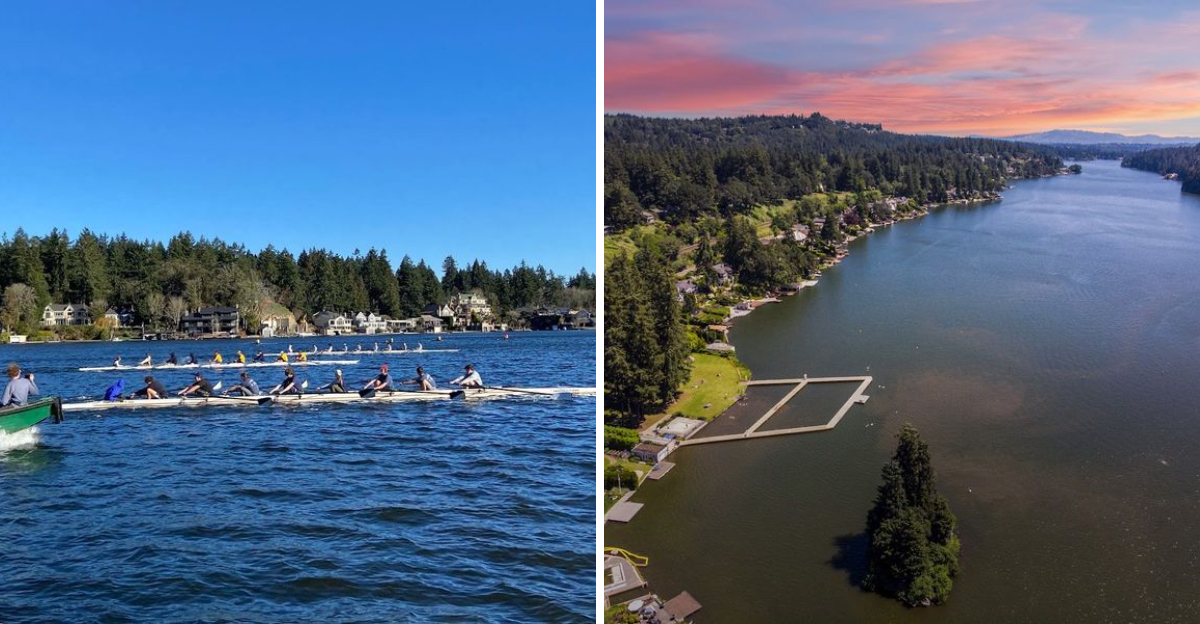
A quiet lake in Oregon has suddenly turned into the center of a very heated debate and nobody can agree on what should happen next. The water is beautiful and calm, surrounded by nice homes and tree lined shores.
The problem is that not everyone gets to enjoy it. The lake has been privately owned and controlled for decades, meaning only certain people with certain property rights can swim, boat, or even touch the water.
Locals who live nearby but not right on the shore have started pushing back. They argue that a body of water this large should be open to everyone.
The current owners say they have maintained it for years and private rules should stay in place. Arguments have shown up in town meetings, local news segments, and angry social media posts.
Kayakers have launched anyway hoping forgiveness comes before punishment. The whole situation feels tense every summer when the weather warms up and people want to cool down.
Oregon has plenty of public lakes with open access, but this one remains locked behind a legal fight that keeps growing. Bring your own opinion when you ask a local about it because they will definitely share theirs.
The History Behind the Lake
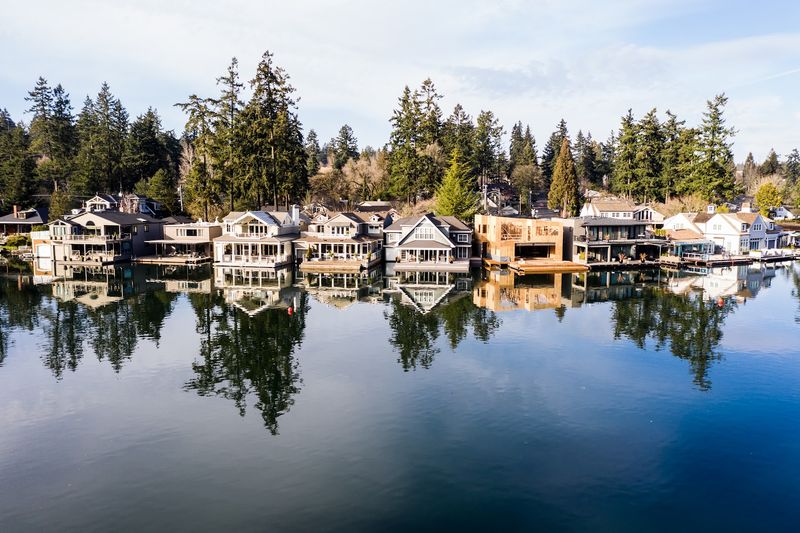
Long before the debate started, Oswego Lake had a quiet but fascinating past. The lake began as a natural body of water, but it was expanded by a dam that pushed its size to 365 acres.
That engineering decision shaped everything that came after.
Back in the early 1900s, the area around the lake was tied to the iron industry. Over time, the land shifted toward residential development. Wealthy homeowners built along the shore, and the lake slowly became synonymous with exclusivity.
The Lake Oswego Corporation, a private entity, managed water rights and access for decades. Residents who owned property connected to the lake paid fees for that privilege.
For most outsiders, the lake was simply something you admired from a distance.
Understanding this history makes the current debate feel much more layered. The conflict is not just about today.
It is really about who shaped the lake’s identity over a century and whether that history can justify keeping others out.
What the Public Access Debate Is Really About
At its core, the argument centers on water rights. Oregon law generally treats navigable waterways as public resources.
The question is whether Oswego Lake qualifies and what that means for everyday people who want to use it.
A judge ruled that the public does have legal rights to access the lake. That ruling sent shockwaves through the community. Homeowners who had long treated the lake as a private amenity suddenly faced a very different reality.
For many locals outside the gated neighborhoods, the ruling felt like a long-overdue win. People had been locked out of a beautiful natural space for generations.
One public boat launch at the northwest corner of the lake was basically the only way in.
The debate touches on bigger questions about equity and land use. Should geography and wealth determine who gets to enjoy Oregon’s natural spaces?
That question does not have a simple answer, and the community is still wrestling with it in very public ways.
The Private Homeowners’ Side of the Story
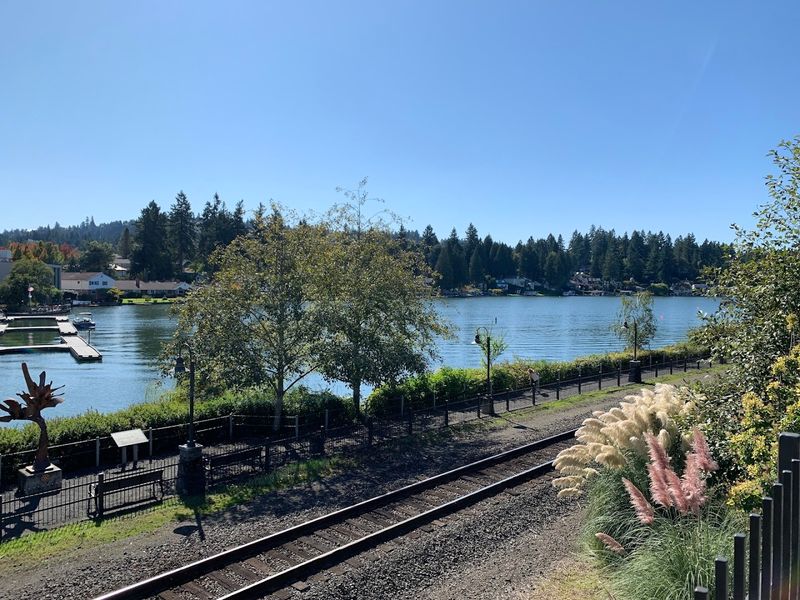
Spending time near the lake, you notice how carefully maintained the shoreline properties are. Manicured lawns stretch to the water.
Docks jut out at even intervals. Everything about the setting signals a community that has invested heavily in its surroundings.
Homeowners argue they have paid for lake access through fees and property costs for years. They built their lives around the assumption that the lake was semi-private.
That assumption, now legally challenged, feels like a major disruption to them.
Their concerns are not purely selfish, either. Some worry about overcrowding, water quality, and safety if large numbers of visitors start using the lake regularly.
Managing a 365-acre reservoir is not simple. Increased traffic on the water brings real logistical challenges. It is worth sitting with that perspective for a moment. These are people whose daily lives are genuinely tied to the lake.
Change, even legally justified change, hits differently when it reshapes something you have counted on for decades. That tension is very human and very real.
Water Quality Concerns That Keep Coming Up
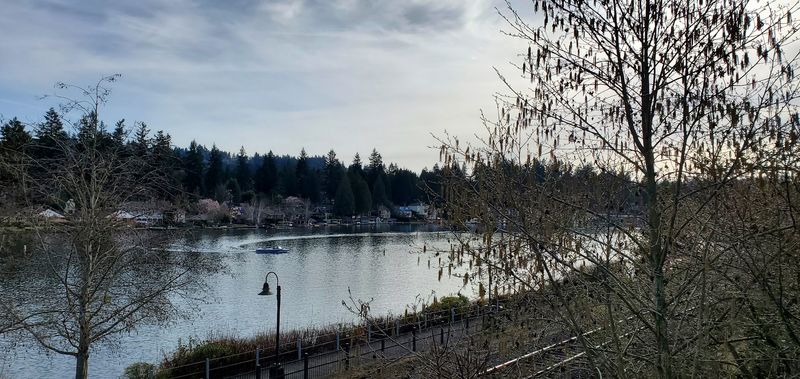
Water quality is one of the most consistent complaints tied to Oswego Lake. Algae blooms have appeared in reviews and local discussions repeatedly.
Warm summer temperatures can push nutrient levels in the water to problematic heights.
Algae is not just an aesthetic problem. Certain types of algae blooms can be harmful to people and animals. Managing water quality in a semi-enclosed reservoir like this requires real effort and consistent monitoring.
Critics of the private management model argue that limited public oversight has allowed water quality issues to go unchecked. When a small group controls a shared resource, accountability can get murky.
That concern has become louder as public access discussions have grown.
On the flip side, increased public use could also add pressure to the lake’s ecosystem. More boats, more people, and more activity can stir up sediment and introduce pollutants.
Any serious plan for public access will need a clear water quality management strategy built right into it from the start.
The One Public Boat Launch and Why It Matters
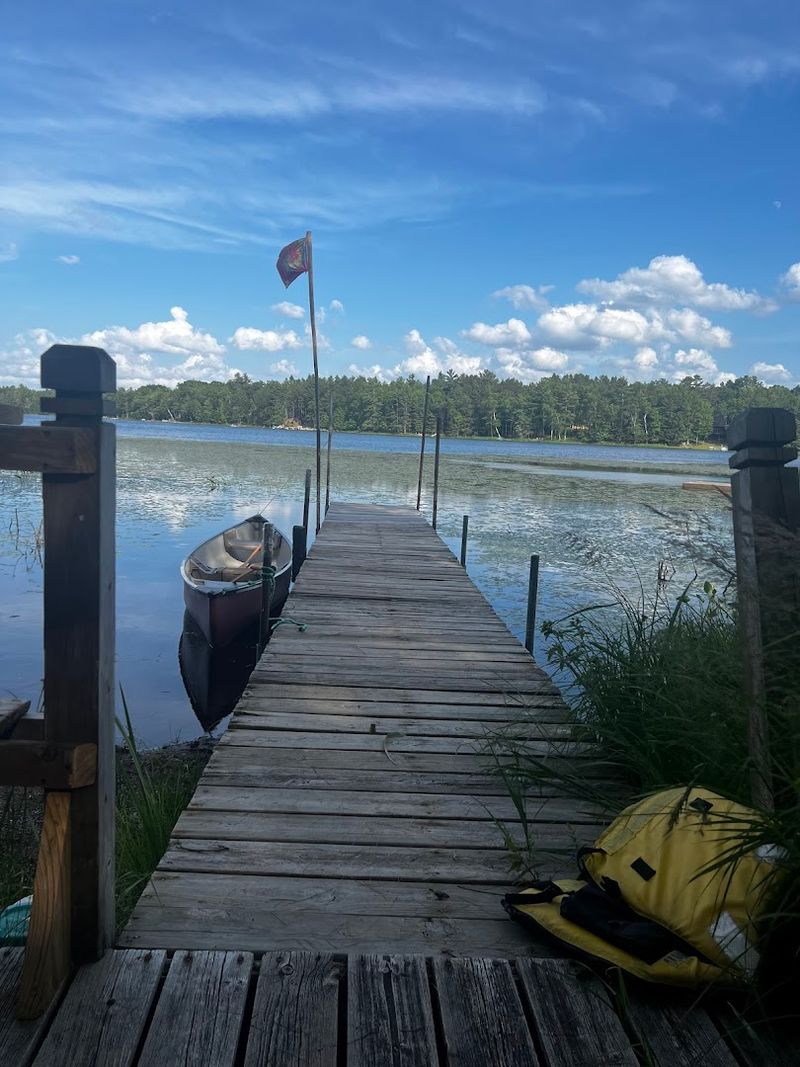
There is something almost ironic about a 365-acre lake having just one real public entry point. The boat launch at the northwest corner of the lake is modest.
It does the job, but it was never designed to handle serious public demand. Finding parking near the launch is already a challenge for visitors. Reviews mention circling the area with no luck.
That friction discourages casual visitors and effectively keeps the lake quiet even when it is technically accessible.
If public access expands following the court ruling, infrastructure will need to grow with it. A single launch ramp cannot serve a city’s worth of curious visitors on a hot July weekend. That reality is not lost on planners or residents.
The boat launch also tells a story about how access was designed to be just enough to satisfy legal requirements without really welcoming anyone. Changing that culture, not just the legal status, may be the harder and more meaningful challenge ahead for Lake Oswego as a community.
What the Lake Actually Looks Like Up Close
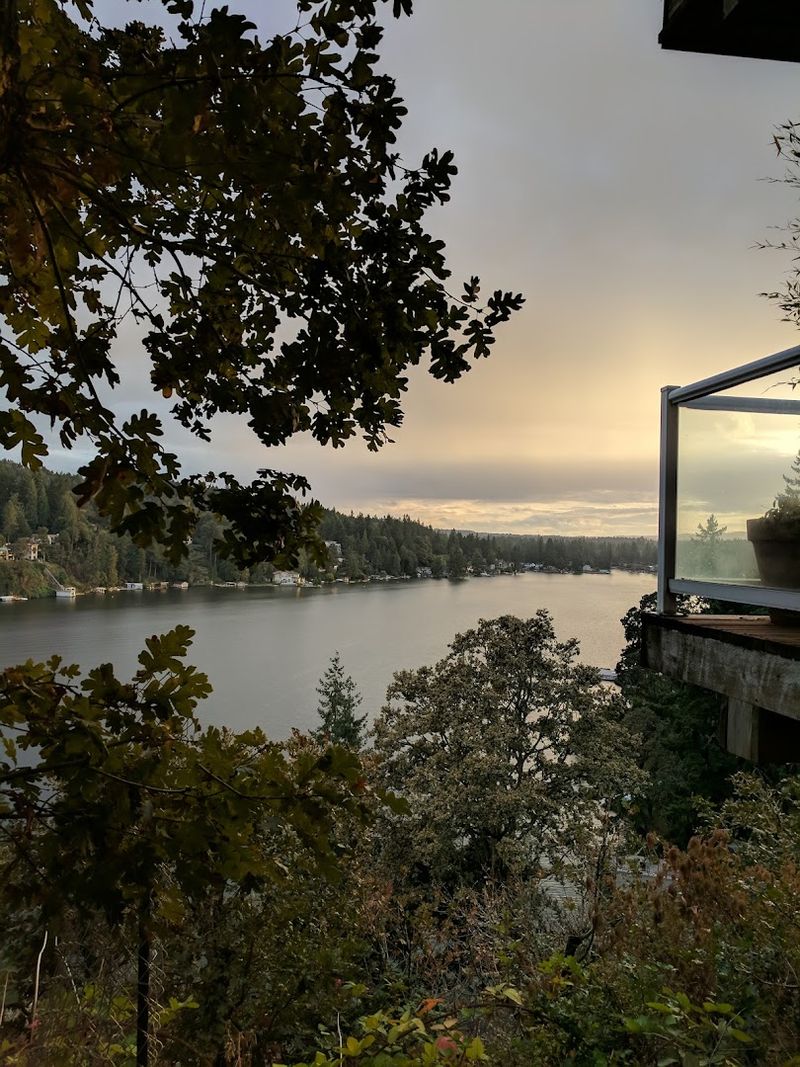
Getting near the water, even briefly, makes the debate feel more urgent. The lake is genuinely beautiful.
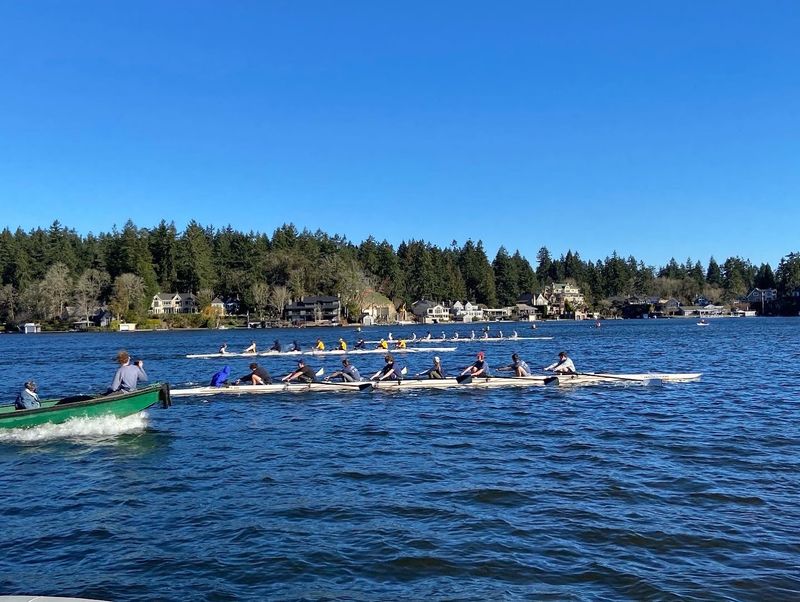
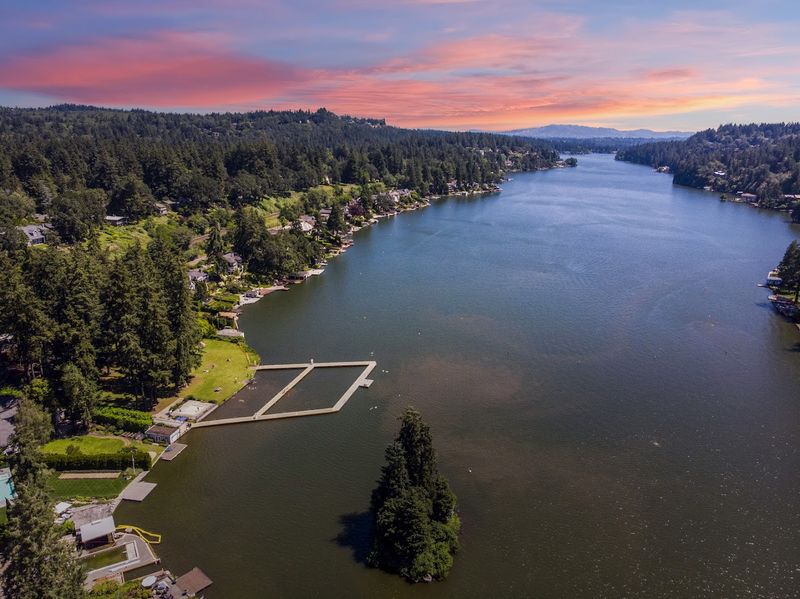
Small bays cut into the shoreline. Wooded islands break up the open water. Large birds glide low over the surface in the early morning. The homes that line the shore are impressive. Some are modest by lake-house standards.
Others are sprawling estates with private docks, manicured gardens, and views that feel almost cinematic on a clear Pacific Northwest afternoon.
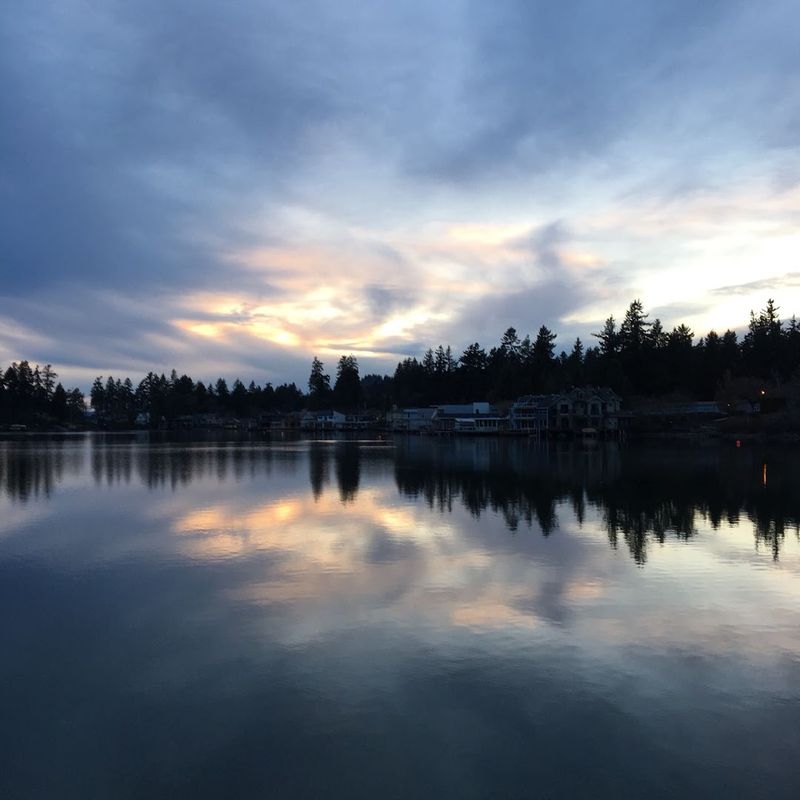
The water itself has a calm, almost meditative quality on still days. Reflections of the surrounding trees and sky make the surface look like a painting. It is the kind of place that makes you stop walking and just look for a minute.
That visual beauty is exactly why the access question matters so much. People who drive past this lake on their way to work every day deserve a chance to enjoy it too.
Beauty like this should not require a certain zip code or a membership fee to experience up close.
How the Local Community Has Responded
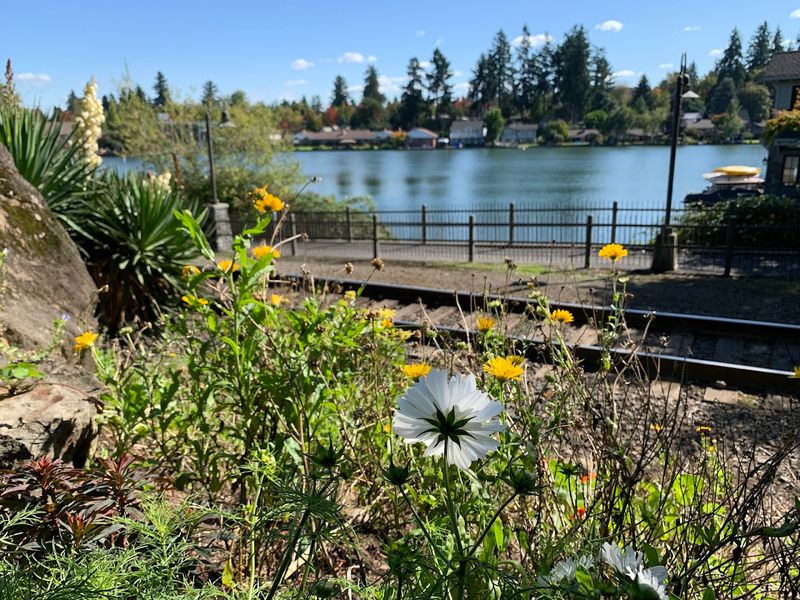
The reaction inside Lake Oswego has been anything but quiet. Neighborhood forums, local news comment sections, and city council meetings have all become venues for passionate debate.
People feel strongly, and they are not keeping it to themselves. Some residents celebrated the court ruling immediately. They saw it as a correction of a long-standing injustice.
The idea that a public waterway had been functionally privatized for so long struck many as genuinely wrong.
Others pushed back hard. Concerns about property values, liability, and the practical realities of managing increased access surfaced quickly.
A few homeowners expressed frustration that outside voices were shaping decisions about their immediate neighborhood.
What is interesting is how the debate has forced the community to look at itself honestly. Lake Oswego has a reputation as an exclusive enclave.
This conversation is making that reputation explicit in ways that feel uncomfortable for some and validating for others. Growth, even social growth, tends to be messy before it becomes meaningful.
Exploring the Area Around the Lake
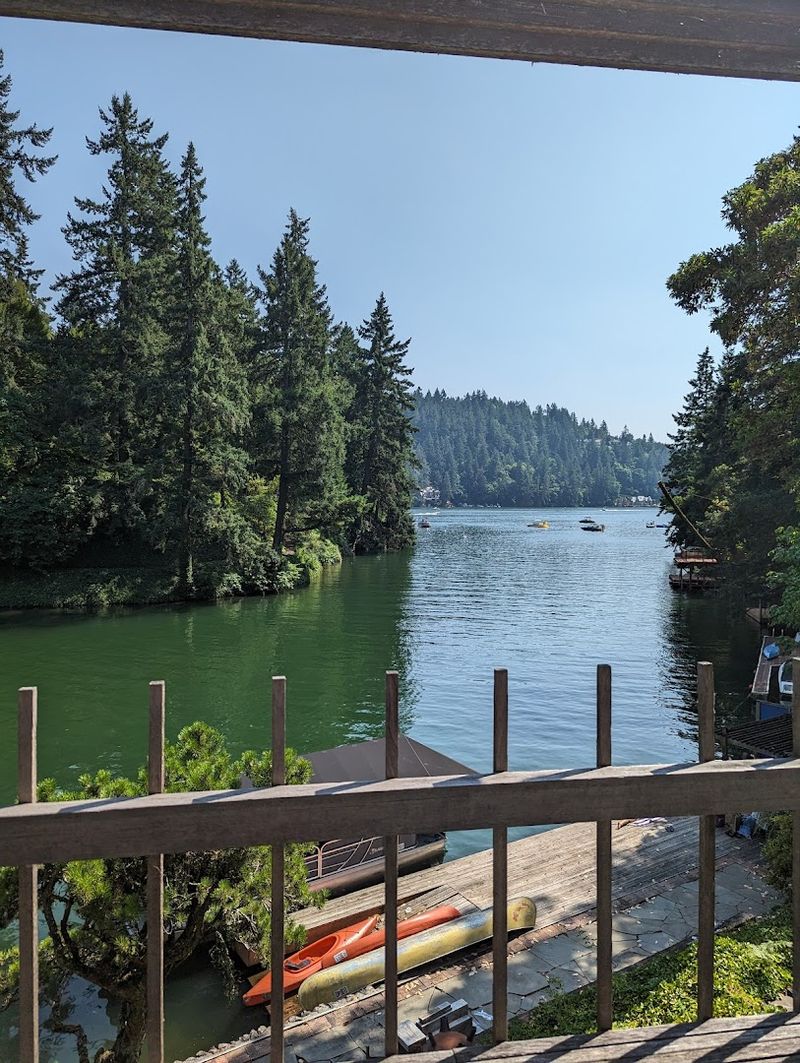
Even before public access fully opens up, the neighborhood around Oswego Lake is worth exploring on foot. The streets near the shore are lined with mature trees. The landscaping is immaculate. It genuinely feels like a different world from nearby Portland.
Walking through the area, you pick up small details that tell a bigger story. Glimpses of the water between properties.
The sound of ducks. The faint smell of pine and damp earth that follows you down every quiet street.
Local spots nearby add to the experience. Papa LeeLee’s, mentioned by lake visitors, handles bicycle repairs if you arrive on two wheels and need a fix before exploring further.
Small touches like that make a neighborhood feel lived-in rather than just photographed. The surrounding area has a relaxed, almost village-like energy despite its affluence.
The Role of Oregon Water Law in All of This
Oregon has some of the most interesting water law in the American West. The state generally holds that navigable waterways belong to the public.
That principle is what gave the court case against Oswego Lake’s private management its legal footing.
The argument was not simply about fairness. It was built on a specific reading of state law and historical precedent.
Oregon’s public trust doctrine holds that certain natural resources cannot be fully privatized, no matter who owns the adjacent land.
Legal scholars have pointed to this case as a potentially significant moment for water rights across the state. If Oswego Lake can be opened to the public through the courts, similar arguments could be made about other restricted waterways in Oregon.
For everyday people, water law sounds dry and distant. But this case proves it is anything but.
The rules written into state statutes have a direct impact on whether you can take a kayak out on a gorgeous summer afternoon.
What Might Change Going Forward
The future of Oswego Lake feels genuinely uncertain right now. The court ruling opened a door, but walking through it will take planning, funding, and community cooperation. None of those things happen overnight.
City officials will likely need to invest in new infrastructure. Better parking, additional access points, and clear signage are the basics.
Managing a newly public lake is a logistical challenge that requires real resources and political will. There is also the question of programming. Will the city offer kayak rentals or guided tours?
Will there be designated swimming areas? These decisions will shape whether the lake becomes a genuine community asset or just a legal technicality that changes little in practice.
Personally, I hope the lake becomes something the whole region can enjoy without friction. A 365-acre reservoir surrounded by natural beauty, right in the middle of a major metro area, is a rare gift.
Getting the access piece right could turn a bitter debate into something genuinely worth celebrating for everyone involved.
