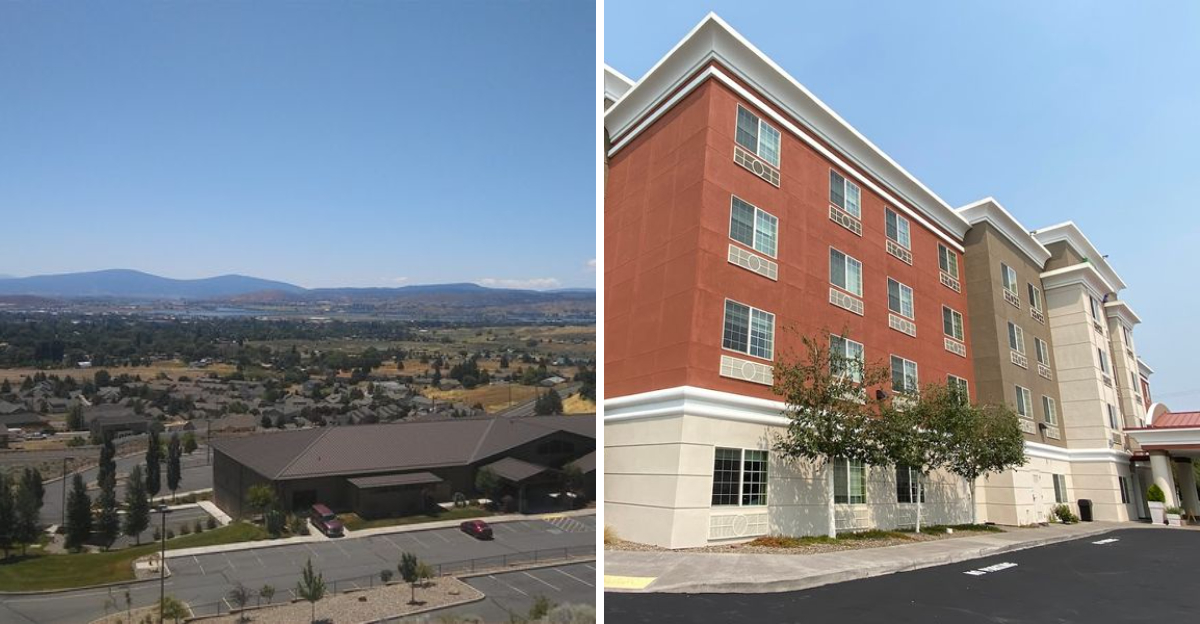
Rent under $580 feels almost impossible to find these days but this town makes it a reality. I walked down a quiet street where neighbors wave and the pace of life moves like a gentle river.
Oregon has a place where affordability meets natural beauty and the stress of big city living simply fades away. The mountains watch over the town and the lake sparkles in the afternoon light like a welcome mat for slower days.
I sat in a local cafe and listened to people talk about hiking and fishing instead of traffic and deadlines. Oregon really offers a lifestyle where your wallet can breathe and your calendar has room for spontaneous afternoon adventures.
The downtown has historic buildings and friendly shops and a sense of community that feels warm and genuine. I watched the sunset paint the sky over the water and felt like I had discovered a place where peace is part of the daily routine.
The pace here invites you to sit on a porch and watch the world go by without any rush at all. You leave dreaming about quiet mornings and affordable rent and a life that moves at a beautifully slow speed.
Rent That Actually Makes Sense
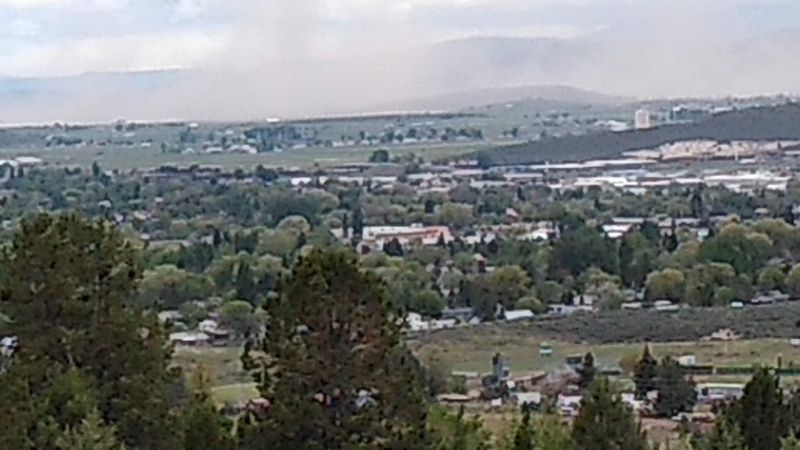
Walking through neighborhoods here, I kept thinking how long it had been since housing felt genuinely accessible. Klamath Falls consistently ranks among Oregon’s most affordable cities.
Renters can find decent, livable spaces well under what most cities charge.
The housing stock is varied. You will spot older craftsman bungalows, mid-century ranch homes, and newer apartment complexes.
Many come with yards, garages, and quiet streets included.
For remote workers or retirees on fixed incomes, this changes everything. Your money simply stretches further here.
Grocery runs, utilities, and everyday costs stay manageable too.
The affordability is not a fluke or a temporary dip. It reflects the town’s character, grounded, practical, and built for real living.
People move here and actually stay, not because they are stuck, but because the value is undeniable. That kind of financial breathing room is rare today, and Klamath Falls has quietly held onto it for years.
Upper Klamath Lake and Its Stunning Shoreline
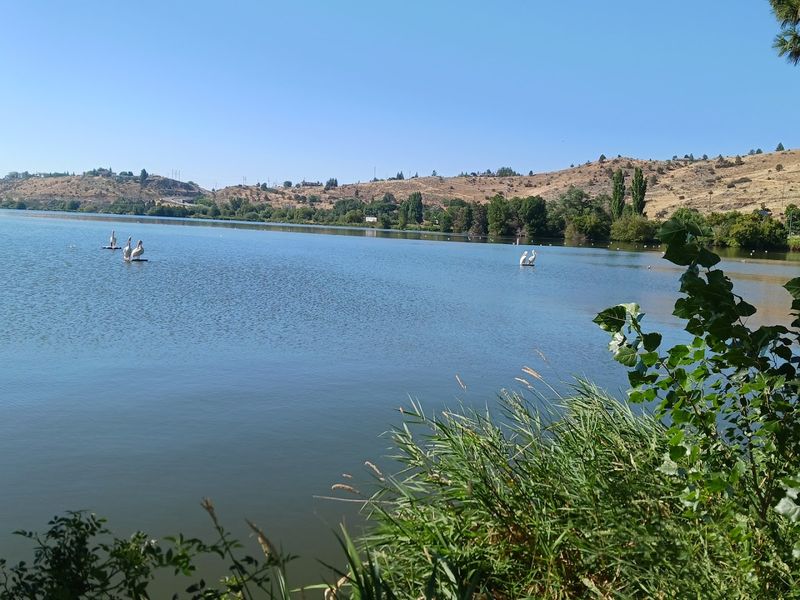
Upper Klamath Lake stopped me cold the first time I saw it. It is the largest freshwater lake in Oregon.
That fact alone deserves a moment of appreciation.
The lake stretches across roughly 140 square miles. Pelicans glide low over the surface in long, lazy formations.
Herons stand perfectly still along the reedy edges like living statues.
Kayaking here feels almost meditative. The water is calm most mornings, and the reflections of the Cascade Range shimmer below you.
It is the kind of place that makes you forget your phone exists.
Birdwatchers absolutely love this spot. The lake sits within a major migratory corridor, so the wildlife variety is remarkable across all four seasons.
Families come for the fishing, and solo travelers come for the silence. Both groups leave satisfied.
Upper Klamath Lake is not just a backdrop for the town. It is the heartbeat of the entire region, and spending even one afternoon on its shores makes that very clear.
The Link River Trail and Its Peaceful Walks
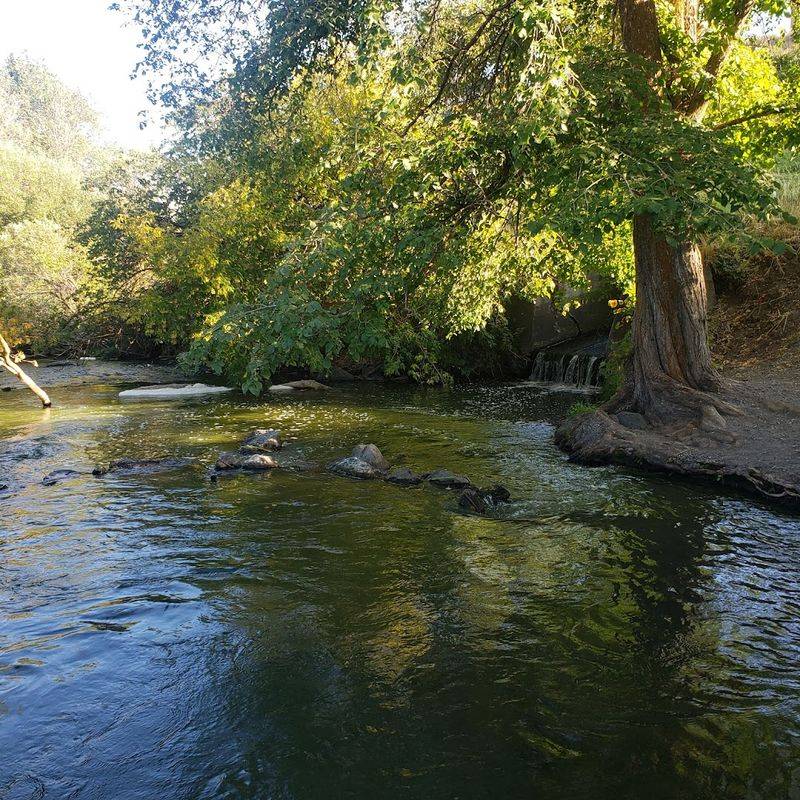
The Link River Trail is one of those places locals seem to visit on autopilot. I noticed people jogging it, pushing strollers, and walking dogs at every hour of the day.
It has that easy, welcoming quality that good trails always carry.
The path runs along the Link River, connecting Upper Klamath Lake to Lake Ewauna. It is paved, flat, and genuinely beautiful.
Great blue herons fish from the banks just feet away from you.
Osprey nest nearby and can often be spotted diving for fish. The sound of moving water follows you the entire route.
It never gets old, even on the tenth visit.
The trail is accessible for most fitness levels, which makes it a community gathering space as much as an exercise route. Benches sit at regular intervals.
Interpretive signs explain the local ecology and history in plain, readable language. George Nurse founded Linkville, later renamed Klamath Falls, right here along this river in 1867.
Crater Lake Is Just a Short Drive Away
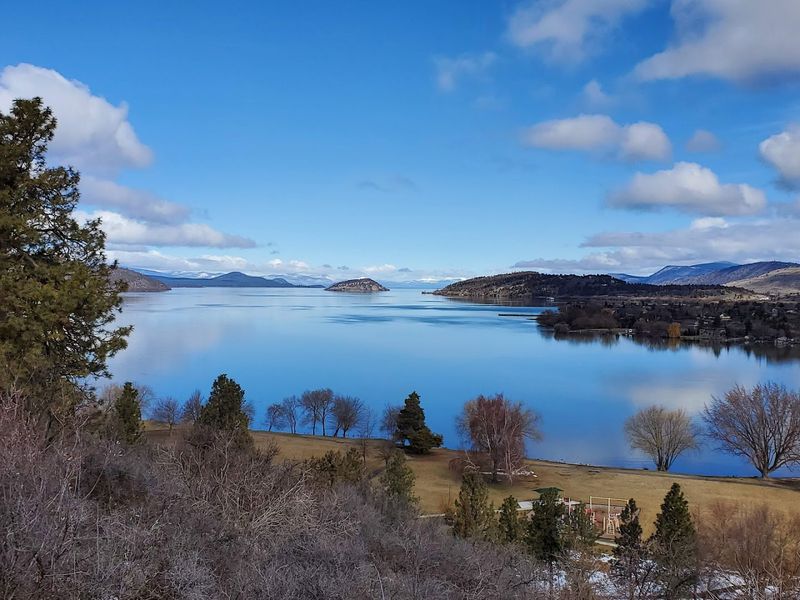
Living in or visiting Klamath Falls means Crater Lake is practically in your backyard. The drive north takes roughly an hour.
That is a staggering thing to have within easy reach.
Crater Lake National Park sits inside the collapsed caldera of ancient Mount Mazama. The water is famously deep and almost impossibly blue.
No rivers flow into or out of it, only rain and snowmelt.
I made the drive on a weekday morning and had stretches of the rim road nearly to myself. The views are the kind that make you feel very small in the best possible way.
Every angle looks like a painting.
In winter, the park transforms into a snow-covered wonderland. Snowshoeing and cross-country skiing draw a quieter crowd then.
Klamath Falls serves as a natural base camp for exploring the park across multiple seasons, which gives the town an adventurous edge that feels effortless rather than forced. Having a national treasure this close is one of the town’s most underrated advantages.
The Klamath Basin’s Wildlife Refuges
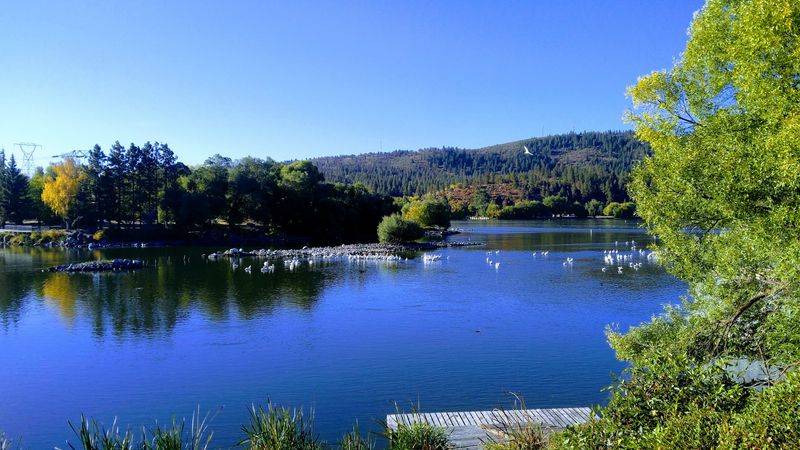
The Klamath Basin hosts one of the most significant migratory bird stopovers in North America. I had read about it before arriving.
Nothing fully prepared me for actually seeing it.
Six national wildlife refuges make up the Klamath Basin complex. They span both Oregon and northern California.
The sheer scale of the wetlands and open water is hard to process from ground level.
During peak migration, hundreds of thousands of waterfowl pass through. Bald eagles concentrate here in impressive numbers during winter.
Photographers travel from across the country specifically for these refuges.
Even outside peak season, the birding is exceptional. White pelicans nest in summer.
Sandhill cranes fill the fields in autumn with their haunting calls. The refuges also protect tule elk, mule deer, and river otters.
Visiting feels like stepping into a living nature documentary, except quieter and far more personal. For anyone who loves wildlife, the Klamath Basin is genuinely one of the most rewarding destinations in the entire western United States.
Downtown Klamath Falls and Its Genuine Character
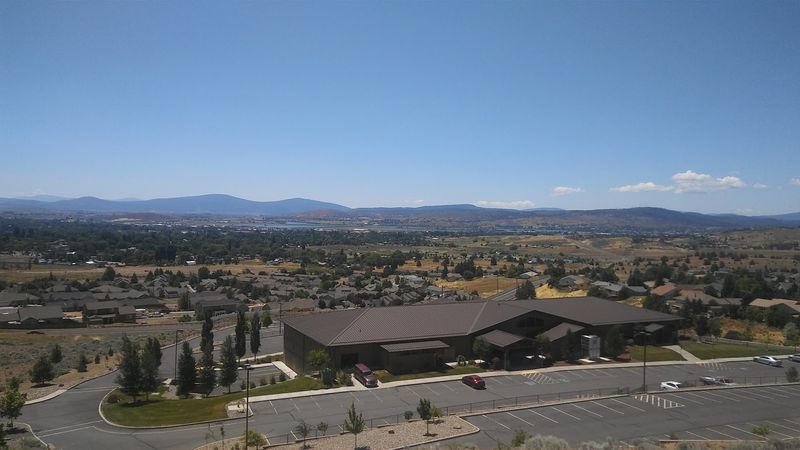
Downtown Klamath Falls has the kind of energy that feels real rather than curated. It is not trying to be a trendy destination.
It is just a working downtown that happens to have real charm.
Brick buildings from the early twentieth century line the main streets. Local boutiques, coffee shops, and art galleries occupy storefronts that have clearly been loved for decades.
The Favell Museum of Western Art and Native Artifacts stands out as a genuine cultural gem.
The Favell Museum is located at 125 West Main Street. Its collection of Native American artifacts and Western art is surprisingly deep.
Spending a few hours there shifts how you understand the entire region’s history.
Street murals add color throughout downtown. The farmers market brings the community together on weekends in a way that feels organic.
Small towns sometimes fake this kind of warmth. Klamath Falls does not have to.
The downtown core reflects who the people here actually are, practical, creative, and quietly proud of what they have built together over generations.
Geothermal Energy Heating the Whole City
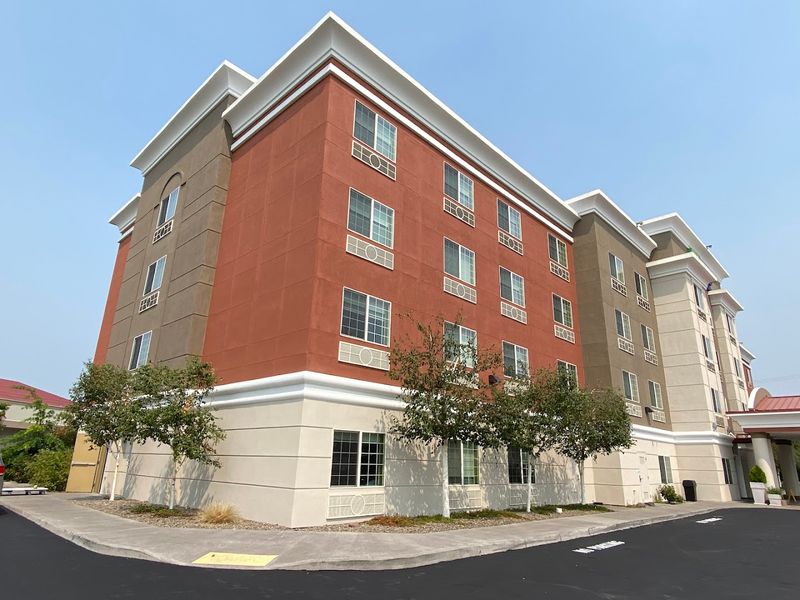
Klamath Falls sits on top of a geothermal hot spot, and the city has been using that energy to heat buildings for over a century. That is not a small detail.
It is genuinely fascinating.
The city operates one of the oldest direct-use geothermal systems in the United States. Hot water from underground wells circulates through pipes beneath downtown sidewalks.
Those same pipes keep the sidewalks clear of ice in winter.
Hundreds of homes and buildings tap directly into this geothermal resource. It reduces heating costs significantly for residents.
It also lowers the town’s carbon footprint in a meaningful, practical way.
Oregon Institute of Technology, located right here in Klamath Falls, runs entirely on geothermal energy. The campus at 3201 Campus Drive serves as a living laboratory for sustainable energy research.
Students study real-world geothermal applications in their own backyard. For a small city, that kind of forward-thinking infrastructure is remarkable.
It also says something about the community’s relationship with its landscape, resourceful, respectful, and quietly ahead of the curve.
Moore Park and the Easy Outdoor Life
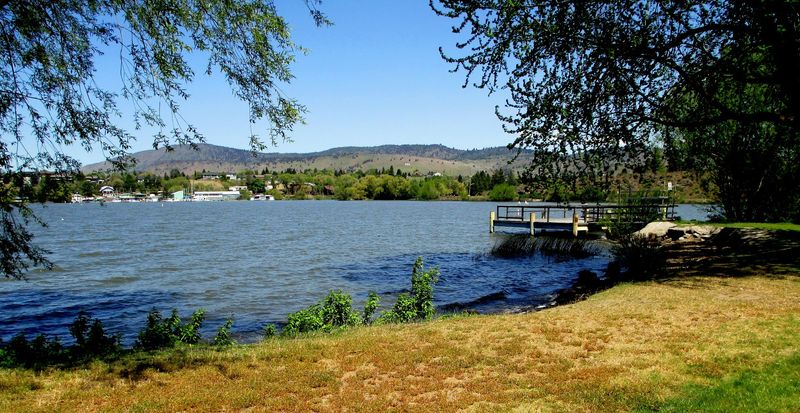
Moore Park sits right on the edge of Lake Ewauna, and it has the relaxed, lived-in feel of a place that locals genuinely treasure. Picnic tables cluster under big trees.
Kids run toward the water without being told twice.
The park includes boat ramps, a campground, and walking paths along the shoreline. It is the kind of multi-use space that serves everyone without feeling crowded or overdesigned.
Dogs trot happily along the grass.
Sunsets from Moore Park are worth planning your evening around. The sky turns shades of orange and pink over the water.
Mountains frame the whole scene in the distance.
Summer evenings here have a particular quality. Families grill, kids fish off the docks, and the pace drops to something close to zero.
There is no rush, no noise, and no pressure. Moore Park is located on Lakeshore Drive and is easy to find.
It captures the town’s pace better than almost anywhere else. Slow, generous, and completely unpretentious in the best possible way.
The Food Scene That Surprises Every Visitor
The food scene in Klamath Falls punches well above its weight. I was not expecting much from a small high-desert city.
I was wrong, happily and repeatedly.
Local spots serve everything from fresh-caught fish to farm-driven comfort food. The ingredients feel regional and honest.
You can taste the difference when a kitchen actually cares about sourcing.
Yelp’s Coffee House at 636 Main Street is a local favorite for breakfast and a relaxed morning coffee. The vibe is casual and the portions are generous.
It draws a crowd of regulars who clearly consider it a second living room.
The Klamath Grill on Main Street is known for straightforward, well-executed meals. Nothing is pretentious.
Everything is made to satisfy rather than impress. That philosophy suits the town perfectly.
Dining here feels communal rather than transactional. You overhear conversations between neighbors, notice familiar faces at nearby tables, and leave feeling like you belong somewhere.
That is a rare quality in any restaurant, and Klamath Falls has it in abundance across multiple spots.
A Community That Actually Slows You Down
Some towns market themselves as slow and peaceful. Klamath Falls simply is that.
The difference is noticeable within about twenty minutes of arriving. Your shoulders drop.
Your breathing changes.
People hold doors open without being asked. Neighbors still know each other’s names.
The grocery store checkout line becomes a brief, pleasant conversation rather than a transaction to survive.
The pace here is not about laziness. It is about intention.
People have time to be present because the city is not constantly demanding their attention with noise and congestion.
Community events draw real participation. The Saturday farmers market, local festivals, and outdoor concerts feel genuinely attended rather than performative.
The community college and Oregon Tech give the town an intellectual energy that balances the quiet.
