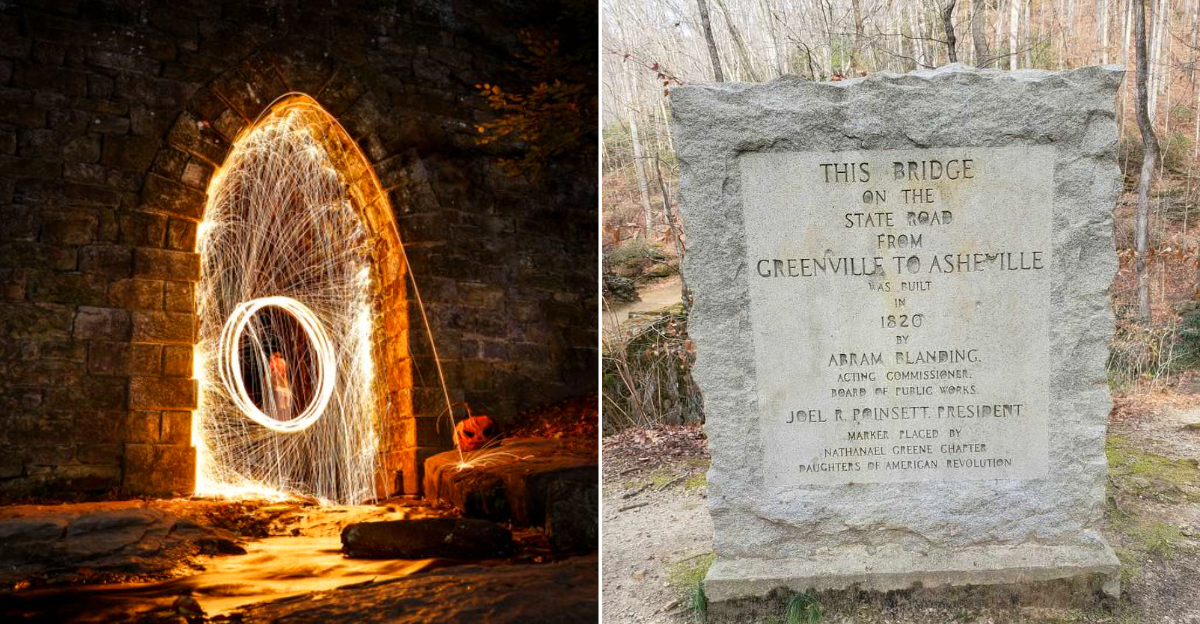
You know how some places feel like they are whispering instead of shouting?
Tigerville in South Carolina is exactly that kind of place. It sits tucked under tall trees where the light stays soft even at midday.
Just up the road, the state’s oldest bridge waits, worn and steady, like it has seen everything and decided not to brag.
You can feel history here, but it never puts on a show.
This is the kind of stop you almost skip, then think about long after.
If you want a road trip moment that feels personal and unadvertised, Tigerville delivers.
A Town Known For Being Quiet
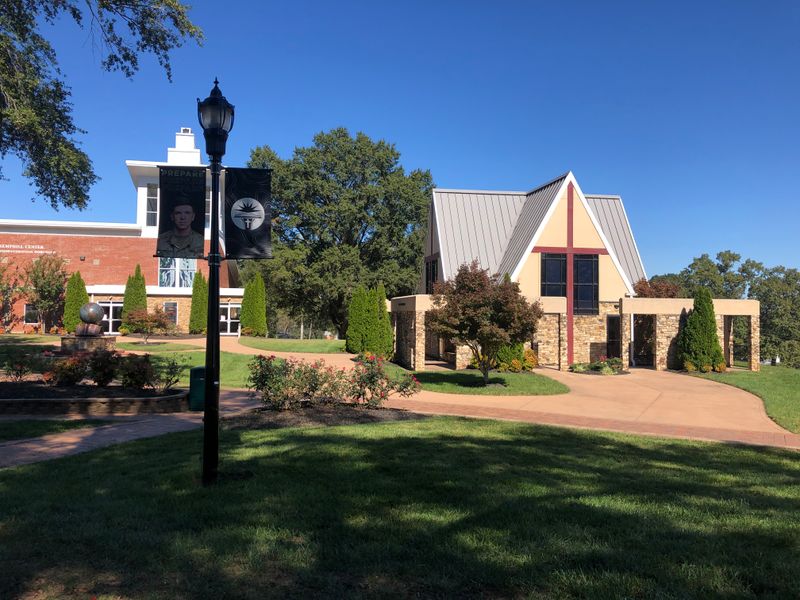
You can hear your own steps in Tigerville because the place does not hustle you along.
It sits north of Greenville, tucked into rolling hills and pines, where you can slow down without trying.
Set your map to 7801 N Tigerville Rd, Tigerville, South Carolina, and you will feel the pace shift the second you turn in.
The church bells carry across the road like a friendly wave.
There is a campus down the way, a few houses, and long stretches of shade where the air smells like leaves.
You will not get pulled into busy sidewalks or crowded parking lots here.
That calm is why the old bridge lasted this long without turning into a circus.
The town is not building flash around it, and honestly, that is the charm.
We can park, take a breath, and wander without schedules pushing us along.
If you have been craving a drive that feels like turning down the volume, this road into Tigerville does the trick.
The South Carolina hills lift and drop like a slow wave, and the trees keep you shaded most of the way.
It is the kind of quiet that makes conversation better, because there is room for it.
You do not need a checklist here, just ten unhurried minutes to look around.
When you reach the bridge site, that quiet keeps you company while you cross over old stone and water.
Let us start there and see what shows up.
Why Most People Drive Right Past
Here is the thing about Tigerville.
Most drivers blink and they are already beyond it.
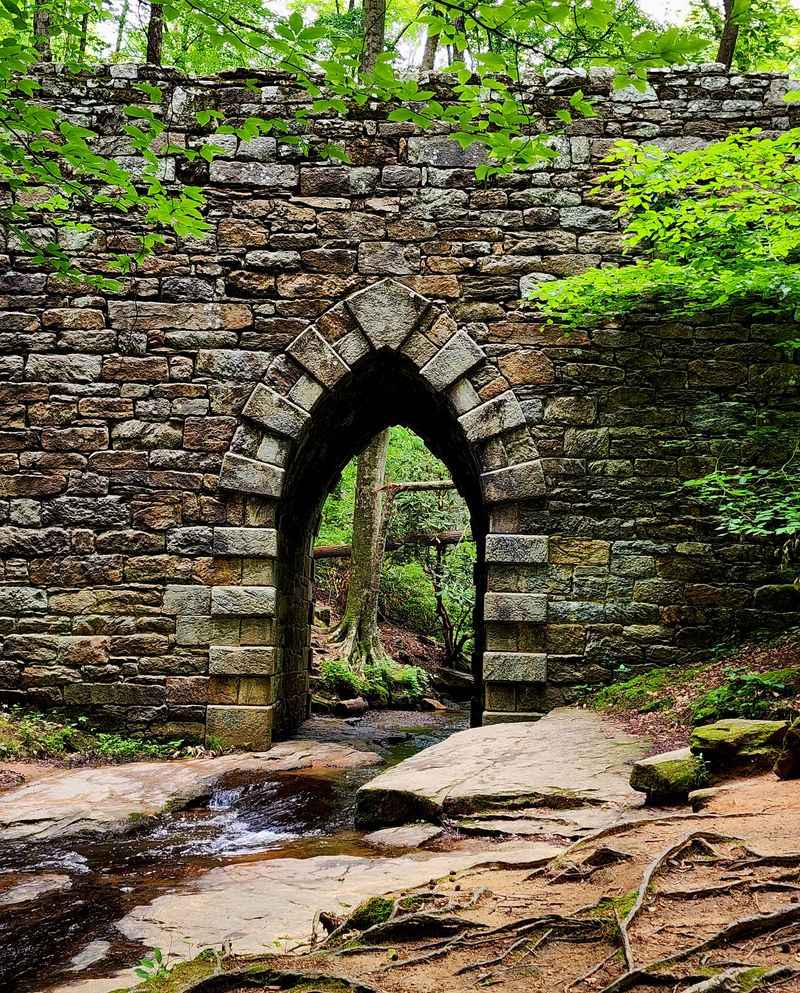
The address you want to keep in your notes is Poinsett Bridge at 580 Callahan Mountain Rd, Landrum, even though we will be hanging around Tigerville too.
Navigation apps tend to route folks along the faster roads toward Hendersonville or Greenville.
That shuffle keeps traffic light around the bridge and the surrounding woods.
You get a trailhead vibe rather than a tourist stop vibe.
There is no neon sign announcing the oldest bridge in the state.
It just appears when the trees thin and the creek sound rises.
If you were not looking, you could pass the gravel pull off without a second thought.
That is partly why the stone is still crisp and the arch looks unbothered.
The fewer people hurry in, the longer this place keeps its quiet face.
South Carolina has bigger, louder landmarks, but this one sticks because it does not push itself on you.
We will pull over, step out, and immediately notice how the forest takes back the noise.
The road behind you softens, and the creek noise takes the lead.
I like that we have to meet it halfway, rather than being handed a scripted experience.
It feels like arriving on purpose.
The Bridge Few Travelers Expect
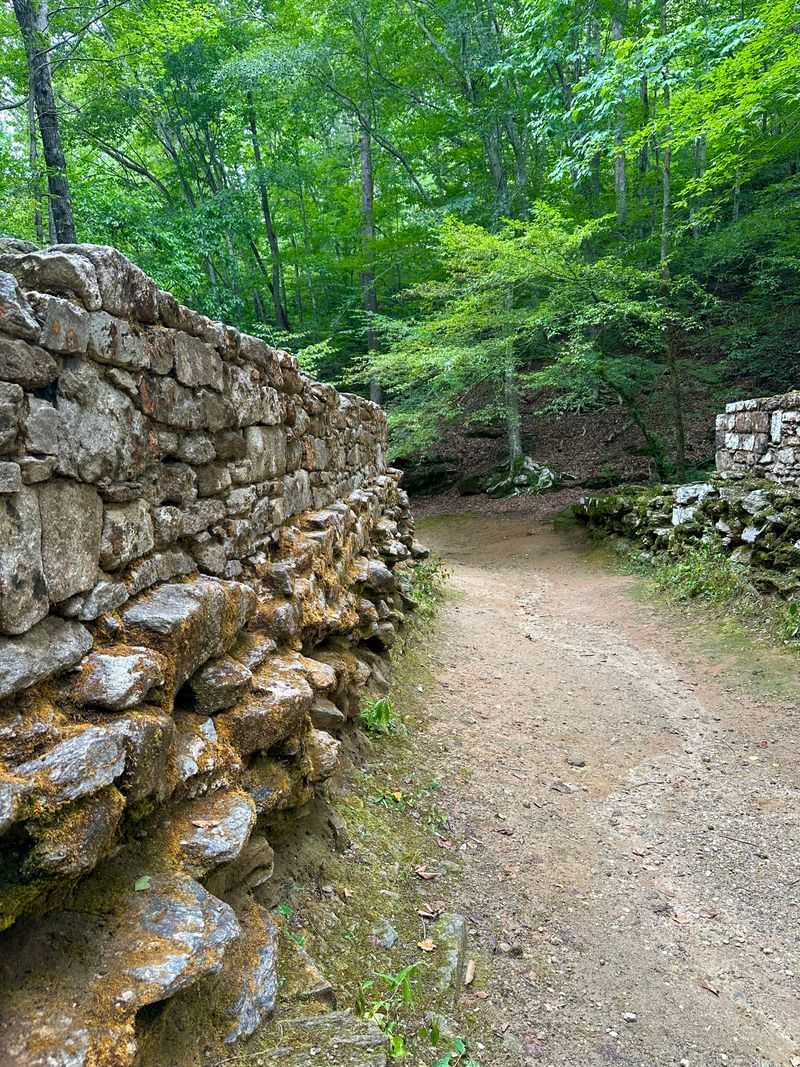
The first look is simple.
It is just a stone arch sitting over a creek with the woods gathered tight around it.
Stand at 580 Callahan Mountain Rd, Landrum, and you will see how the arch frames the water like a doorway.
The design is clean and balanced, each stone stacked like it never considered another job.
The path down is short, and the ground feels steady under your shoes.
You can step right beside the creek and lean on a rock to watch the light move.
Most folks expect ruins or scaffolding, but the bridge looks ready to carry a wagon this afternoon.
It is smaller than you imagine and somehow bigger in presence.
The arch pulls your eye up, and the moss pulls it back down.
You will probably whisper without meaning to.
There is no busy overlook, just trees and the creek and a few benches tucked back from the stones.
The calm is immediate, like the place sets its own rules for volume.
In South Carolina, we get used to history hidden in plain sight.
This one is hiding in plain quiet.
We can circle slowly, cross the top once or twice, and keep our footprints light.
Then we let the bridge keep its surprises.
How Old The Bridge Really Is
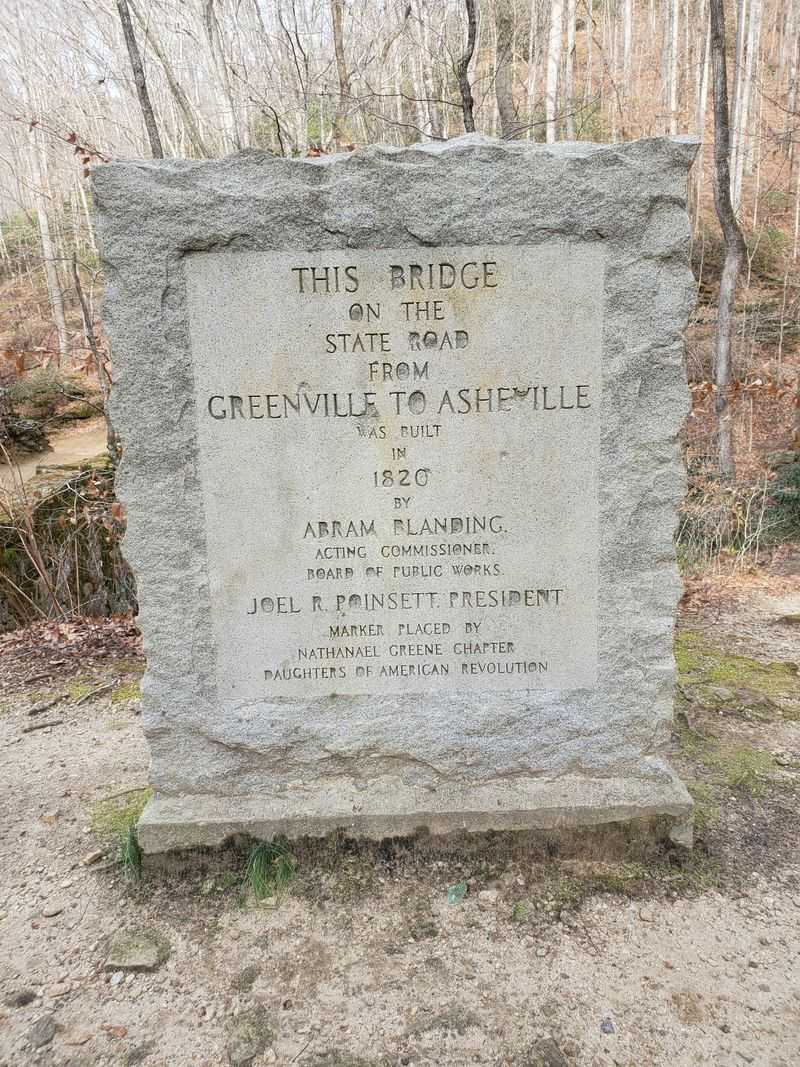
You can feel the years in the way the stones settle into each other.
The gaps are tight, and the arch curve looks like a lesson someone practiced until it felt right.
Poinsett Bridge is widely called the oldest surviving bridge in the state, and it wears that quietly.
There is no dramatic marker shouting the age, just a small sign and the confidence of solid work.
If you press your palm to the stone, it is cool even when the air hangs warm.
That temperature shift makes the age feel physical.
Think of wagons, horses, boots, and long stretches of quiet between them.
Think of storms that rolled through while the arch just held its line.
The creek did its creek thing the whole time, cutting and smoothing and whispering under the span.
Nothing about this spot asks you to hurry.
Time stacks here like leaves, one season on another.
South Carolina has saved plenty of old places, but this one is sturdy in a way that feels lived in rather than curated.
It is not fragile around the edges.
It is simply steady, the way good stonework gets when it is left mostly alone.
Stand with it for a minute and see if your breathing matches the creek.
You will get it then.
Why It Was Built Here
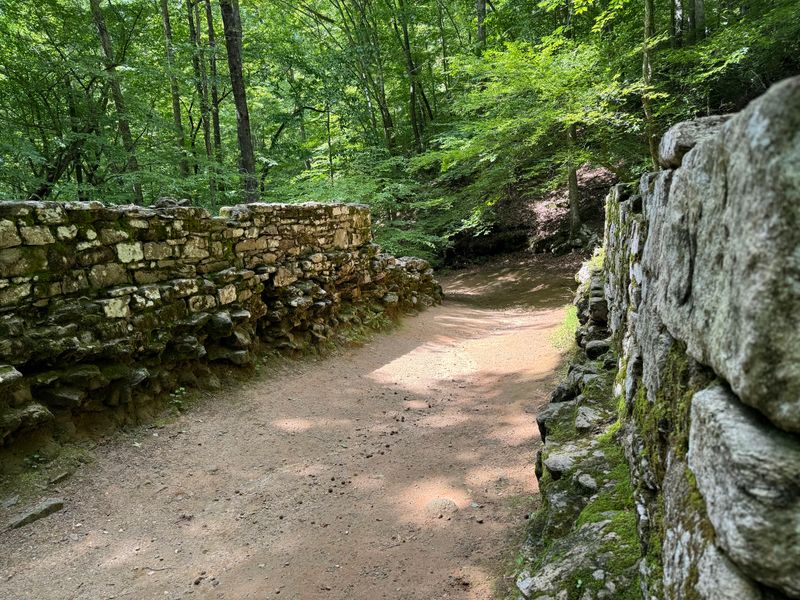
The spot makes sense when you look at the lay of the land.
Hills fold around a narrow pinch where a road needed to cross water and keep going.
Right off 580 Callahan Mountain Rd, you can trace the old route by the way the ground rises like a shoulder.
Up here, the foothills steer travelers whether they want steering or not.
Routes choose the gentlest climbs, the firmest ground, and a crossing that stays reliable after rain.
The arch clears the creek without demanding heavy maintenance.
Back then, builders used stone where the earth could handle it and timber where it could not.
This draw called for stone.
The creek channel runs straight enough that a single span does the job.
The forest holds the banks in place like quiet scaffolding.
You can still see how wagons would have lined up, crossed, and faded into the trees.
The whole thing fits the landscape rather than fighting it.
That match is why it lasts, and why it feels calm underfoot.
In South Carolina, the terrain writes half the story anyway.
We are just reading it out loud with our footsteps.
Walk the slope, cross the crown, and the route explains itself.
How The Forest Kept It Hidden
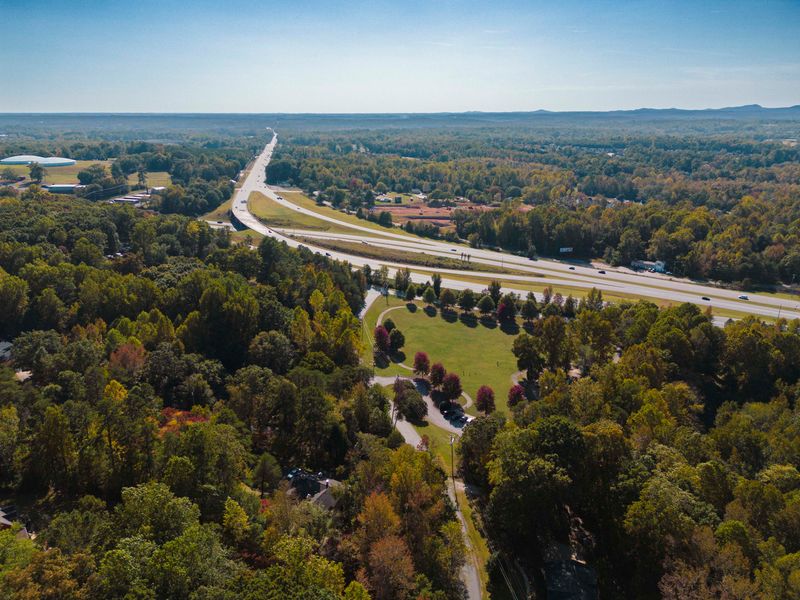
Trees did the guarding here.
The canopy closes in just enough to screen the bridge from quick glances off the road.
When you pull up it feels like the woods introduce the place on their own terms.
The understory is thick with ferns and rhododendron, so angles vanish fast unless you step down to the water.
That privacy kept the bridge out of headline traffic and weekend chaos.
Even photos on your phone will show more green than stone.
The sound layering helps too.
Wind and creek noise make a soft wall that quiets everything else.
You talk low without thinking about it.
You listen more carefully than usual, which is not a bad way to meet an old structure.
Season shifts change the whole mood.
Bright leaves flash in fall, and the arch looks carved into the color.
In winter, the bones of the forest show and the geometry pops.
Spring and summer wrap it back up again.
South Carolina woods can feel like a room with moving walls, and this is one of those rooms.
Give your eyes a minute to adjust, and the bridge steps forward.
What Visitors Notice First
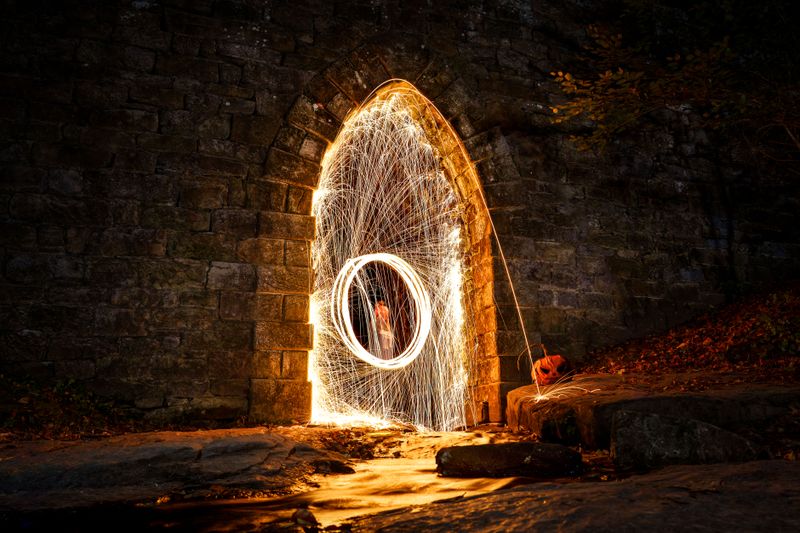
Most people go quiet at the arch.
The curve pulls you in like a question you suddenly want to answer.
From the path, the opening looks taller than it is because the creek draws your eye straight through.
The stones have texture you can see from a few steps back.
Edges catch the light, shadows settle into the joints, and the whole thing looks hand made because it is.
Then your ears notice the creek whether you meant to or not.
The sound gets under your shoulders and tells them to relax.
It is subtle, but it shifts your mood fast.
People also notice how close you can get without feeling fenced in.
You can pace the top, trace the parapet with your fingertips, and scan the tree line for woodpeckers.
No one is rushing you along.
There is space to look, step back, and look again.
South Carolina humidity wraps the scene like a filter, even on mild days.
It softens the light and gives the stones a tiny sheen.
Take a slow lap, then sit a minute and let the details show up.
They will.
How The Bridge Survived Two Centuries
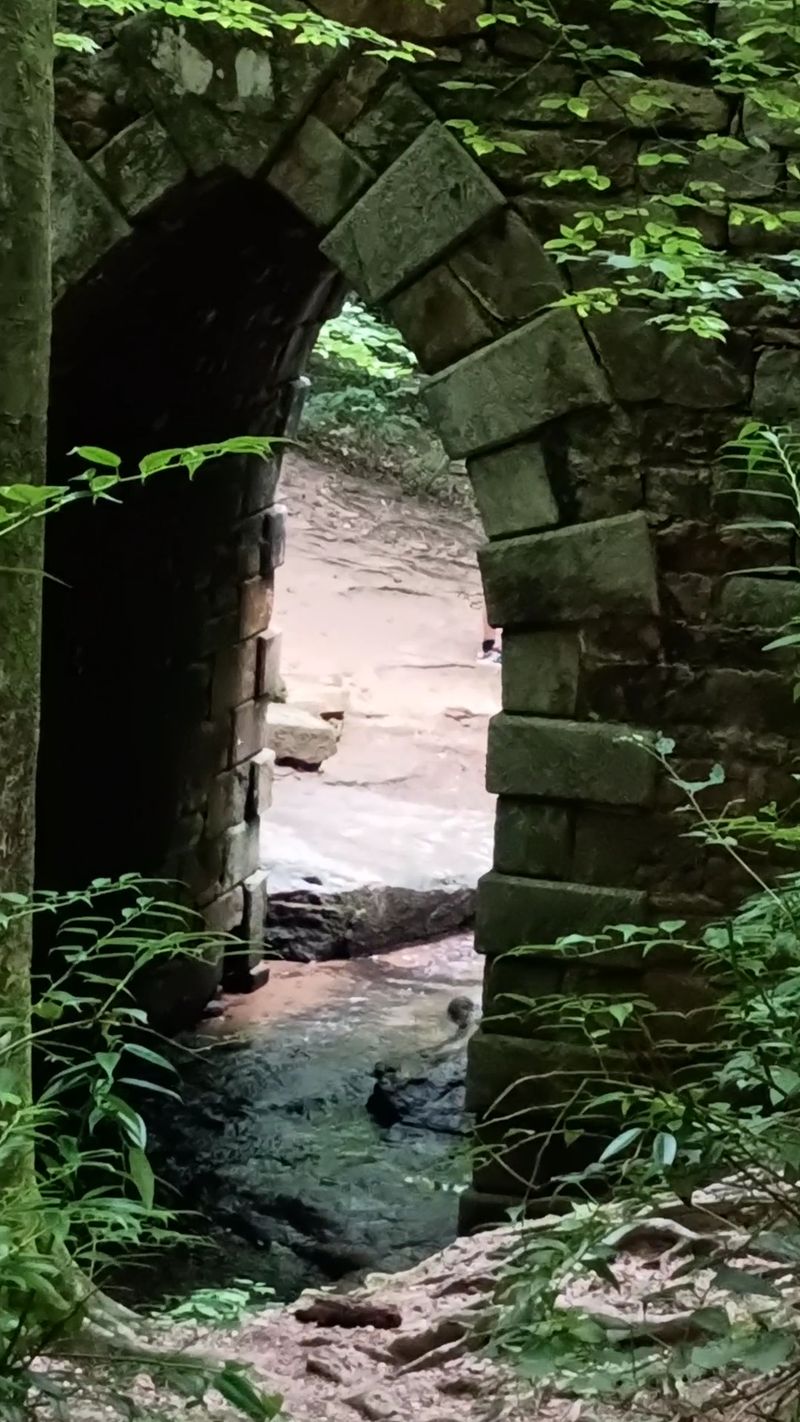
Good placement and solid craft kept this bridge standing.
The arch is a shape that distributes pressure without fuss.
The creek runs centered and calm most days, which saves the base from wild scouring.
Stone on stone with tight joints keeps water from chewing up the skeleton.
The forest slows runoff and shields the structure from brutal temperature swings.
That quiet traffic load we talked about helps too.
No heavy rumble above means less shake in the bones.
Maintenance crews check in, but the big story is just good design in the right spot.
You can walk across and feel how the deck does not flex.
The arch handles weight by handing it down to the abutments, then into the ground.
It is a clean conversation between gravity and stone.
South Carolina storms have come and gone, and the bridge keeps meeting them with patience.
Edges soften, lichen spreads, but the line holds.
That is durability you can feel with your feet.
Take one slow pass across the crown and you will get exactly why it lasted this long.
It is built to breathe with the hill.
Dear Reader: This page may contain affiliate links which may earn a commission if you click through and make a purchase. Our independent journalism is not influenced by any advertiser or commercial initiative unless it is clearly marked as sponsored content. As travel products change, please be sure to reconfirm all details and stay up to date with current events to ensure a safe and successful trip.
