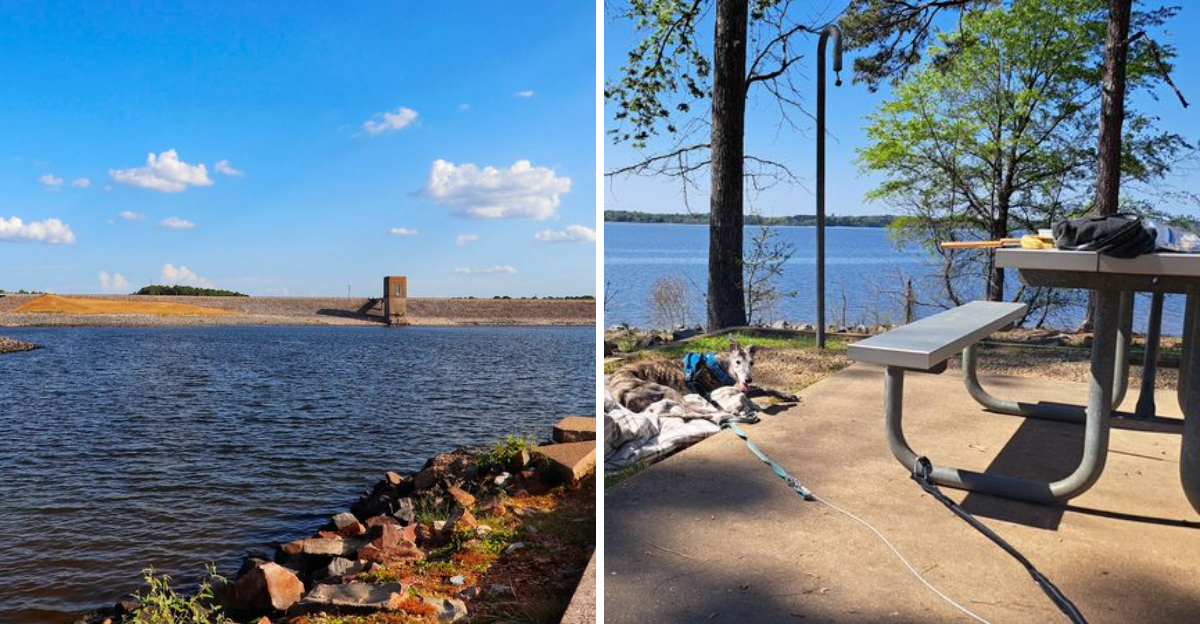
Peaceful lakes in Texas are usually known for fishing, boating, and quiet afternoons on the water. Recently, however, this normally calm lake has found itself at the center of growing debate.
What was once simply a scenic place for locals and visitors to unwind has become a topic of heated discussion, drawing attention from people across the region. Conversations about the lake now reach far beyond its shoreline, with opinions forming on all sides.
The contrast between the lake’s serene setting and the intensity of the debate has made it one of the more talked-about spots in the area.
The Lake Itself: What Makes It Worth Fighting For
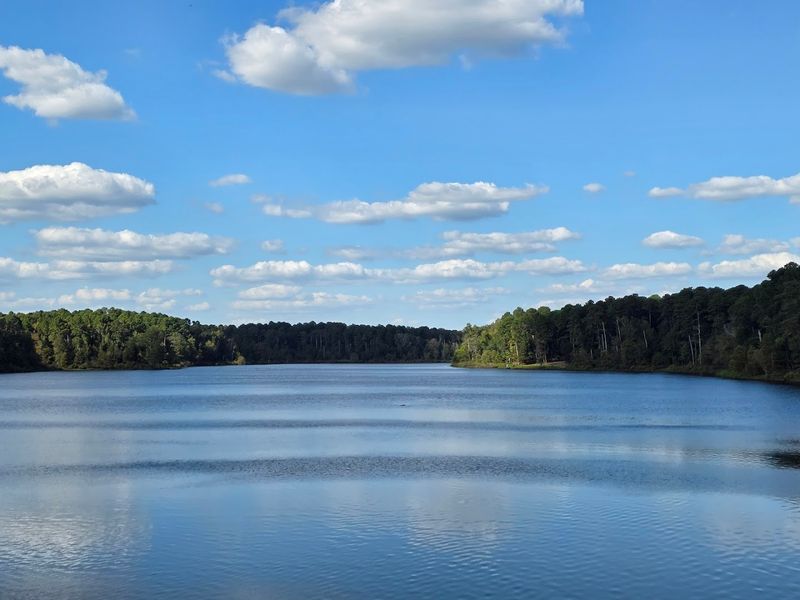
Lake O’ the Pines sits in Marion and Upshur counties in East Texas, covering roughly 18,700 acres of reservoir formed by the damming of Big Cypress Bayou. Created by the U.S.
Army Corps of Engineers in the late 1950s, it was originally built for flood control and water supply, but over the decades it became something much more personal to the people who live nearby.
The lake is flanked by thick stands of loblolly pine and hardwood, giving it a lush, almost enclosed feeling that sets it apart from the wide-open reservoirs further west in Texas. Mornings here carry a quiet that feels earned.
Mist rises off the water, herons stand still at the shoreline, and the only sounds are bird calls and the occasional boat motor warming up.
For locals, this lake is not just scenery. It supports fishing tournaments, family camping trips, wildlife watching, and a tourism economy that keeps small towns like Jefferson and Daingerfield alive.
That is exactly why, when outsiders came looking at the water as a resource to be sold, the community pushed back so hard and so fast.
Big Cypress Bayou and Its Connection to Caddo Lake
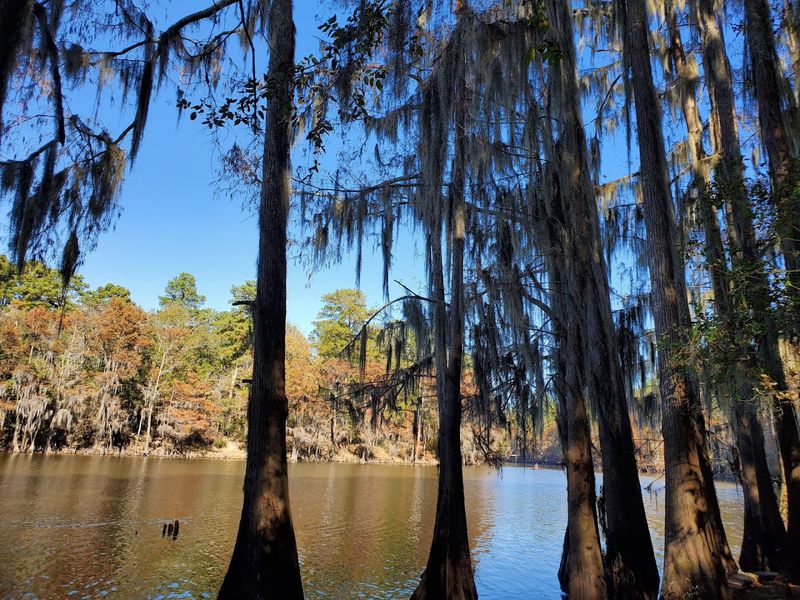
Big Cypress Bayou is the lifeblood that flows through this entire region. It feeds Lake O’ the Pines and eventually connects downstream to Caddo Lake, which is one of the most ecologically significant natural lakes in the American South.
That connection is not just scenic. It is ecological, and disrupting the flow of water through this system has real consequences.
Caddo Lake is home to a remarkable bald cypress forest and supports dozens of species of fish, migratory birds, and rare plants. Scientists and conservationists have spent years studying and protecting its delicate balance.
Any significant reduction in the water flowing from Lake O’ the Pines downstream through Big Cypress Bayou could stress that entire ecosystem.
This is a big part of why organizations like the Caddo Lake Institute jumped into the debate so quickly. The concern was not just about one lake.
It was about a chain of water systems that depend on each other to stay healthy. When you pull water from one end of that chain to send it hundreds of miles away, the effects ripple outward in ways that are very hard to reverse once they start.
The Water Rights Proposal That Started Everything
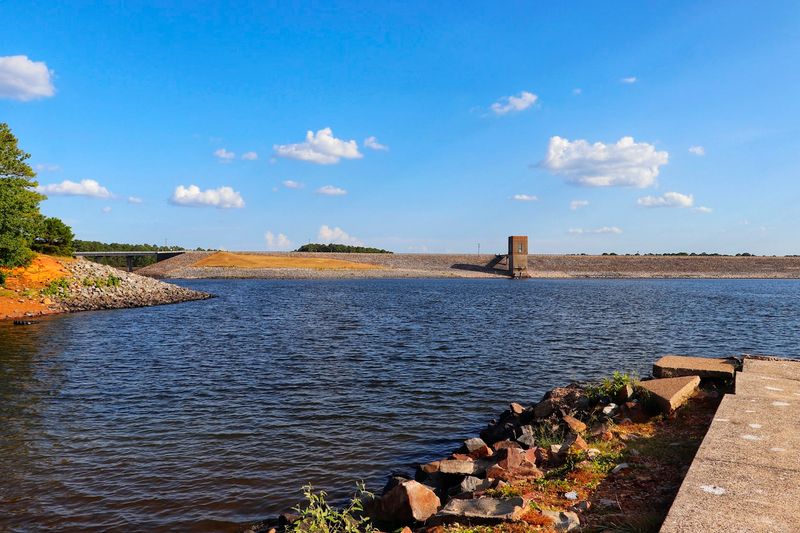
The Northeast Texas Municipal Water District, which manages Lake O’ the Pines, began exploring an agreement to sell water to the North Texas Municipal Water District.
The NTMWD serves a rapidly growing population in the Dallas-Fort Worth area, and like many water managers in Texas, it is always looking for new sources to meet future demand.
On paper, the deal made a certain kind of financial sense.
But the moment word got out, the response from East Texas communities was immediate and intense. Residents worried that selling large volumes of water would lower lake levels, damage property values, hurt fishing and recreation, and threaten the downstream health of Caddo Lake.
These were not abstract fears. They were grounded in how deeply the lake is woven into the local economy and identity.
Local officials in Jefferson, Daingerfield, and Marion County did not wait around. They passed formal resolutions opposing the sale and began coordinating with state representatives to block the agreement.
The Lake O’ the Pines Chamber of Commerce added its voice to the opposition. What started as a water district negotiation turned into a full community mobilization, and it moved surprisingly fast.
How the Community Organized and Won
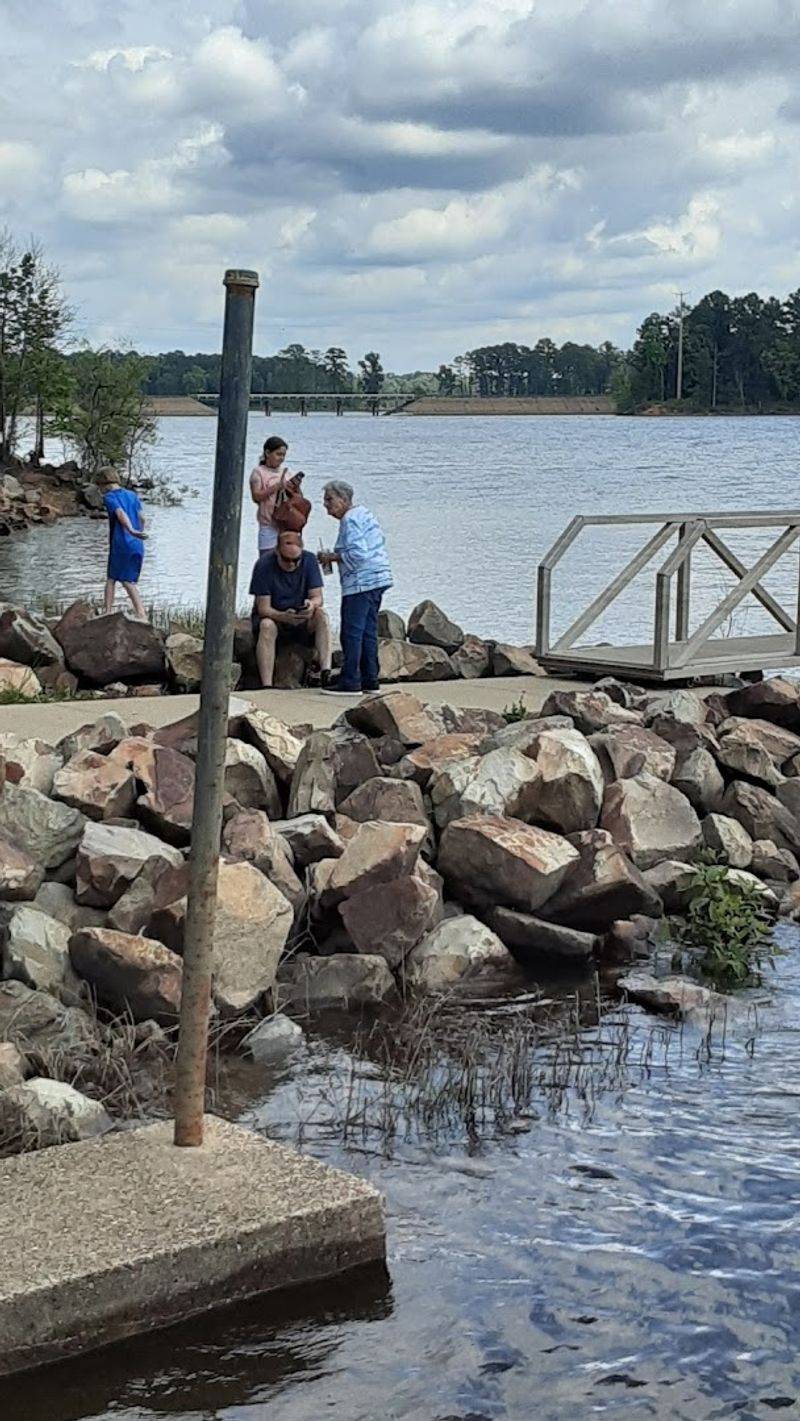
There is something genuinely moving about watching a small community organize around something it loves. The fight over Lake O’ the Pines water rights did not rely on big lobbyists or expensive legal teams.
It ran on local resolve, consistent pressure, and the kind of civic energy that does not show up very often in modern life.
County governments passed resolutions. The Chamber of Commerce held meetings.
State Representative Jay Dean became a vocal advocate, and by April 2025, he was able to announce publicly that the lake’s water rights would not be sold. The NTMWD walked away from the proposal and turned to alternative sources closer to its own service area.
That outcome felt like a genuine victory, not a compromise or a delay, but a clear answer.
What made this campaign effective was how quickly people connected their personal stake to the broader environmental argument. Fishermen, resort owners, retirees, and environmental groups all found common ground.
They showed that regional identity, when it is threatened, can be a surprisingly powerful force. The story of this lake’s defense is worth knowing, not just for Texans, but for anyone who has ever watched a place they love face a threat from outside.
Fishing at Lake O’ the Pines: Still One of the Best in East Texas
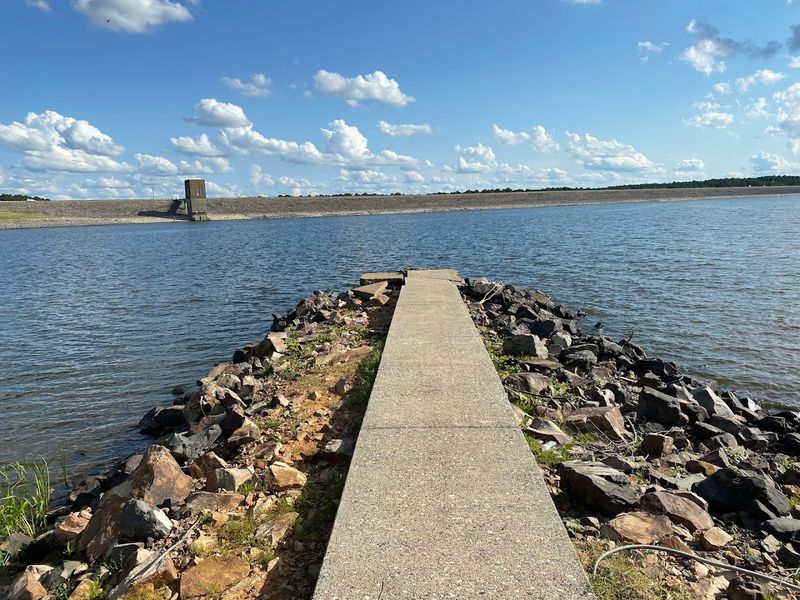
Long before the debate, fishing is what put Lake O’ the Pines on the map for most Texans. The lake is well known for largemouth bass, white bass, crappie, and catfish, and it draws anglers from across the region throughout the year.
Spring and fall tend to be the most productive seasons, but honest truth is that someone is always pulling something out of this lake no matter the month.
The structure of the lake helps a lot. Submerged timber, creek channels, and cove systems give fish plenty of places to hold and feed.
Bass tournaments are held here regularly, and the results are consistently competitive, which tells you something about the quality of the fishery. Crappie fishing around the brush piles is especially popular with families and weekend anglers who are not looking for tournament glory, just a good day on the water.
The Corps of Engineers manages several boat ramps and fishing access points around the lake. Brushy Creek, Alley Creek, and Johnson Creek Recreation Areas all offer easy water access.
If you are planning a trip purely around fishing, Lake O’ the Pines rewards patience and local knowledge in equal measure. Talk to the folks at nearby bait shops and they will point you in the right direction.
Camping, Hiking, and Getting Outdoors Around the Lake
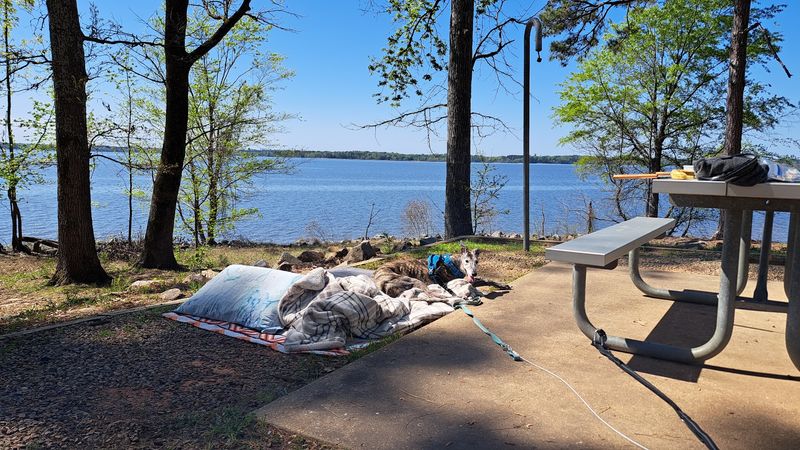
The U.S. Army Corps of Engineers operates multiple recreation areas around Lake O’ the Pines, and they are genuinely well-maintained.
Buckhorn Creek, Lone Star, and Brushy Creek Recreation Areas all offer developed campgrounds with electric hookups, restrooms, and direct lake access. Reservations can be made through Recreation.gov, and weekends in spring and fall fill up faster than you might expect.
Paddling is one of the best ways to experience the lake at a slower pace. Kayaks and canoes let you drift into coves and shoreline areas that powerboats skip right past.
The quiet parts of the lake, especially near the upper end where it narrows toward the bayou, feel completely removed from the modern world. Great blue herons, wood ducks, and the occasional osprey are regular sights.
Hiking options are more modest here than in some Texas destinations, but the piney woods terrain makes even short walks feel immersive. The dense canopy keeps things shaded and cool in warmer months, which is a real advantage in East Texas summers.
Whether you are setting up a tent for a long weekend or just pulling in for a day trip, the outdoor experience at Lake O’ the Pines is low-key in the best possible way.
The Town of Jefferson: A Perfect Base Camp for Your Visit
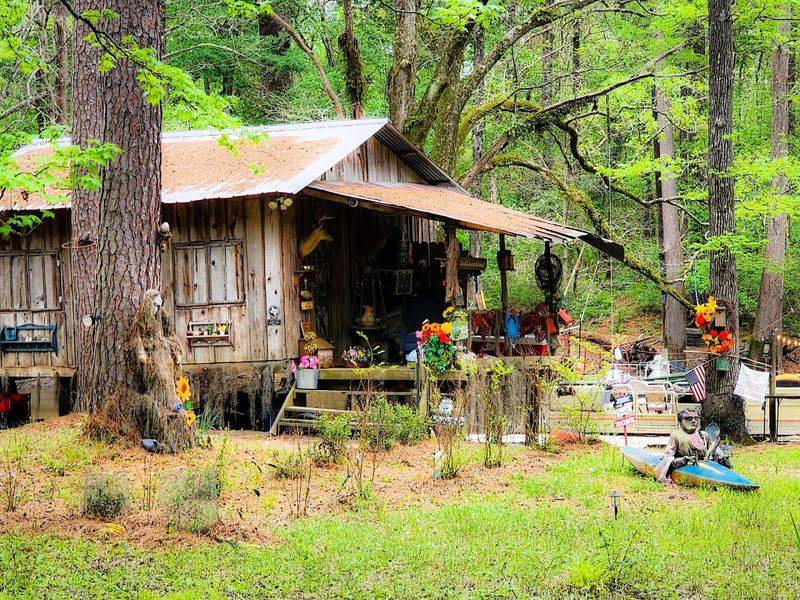
Jefferson, Texas is the kind of town that surprises people. It sits about ten miles from the lake, and it carries more history per square block than most Texas cities ten times its size.
In the mid-1800s, Jefferson was actually one of the busiest inland ports in the South, moving cotton and goods through Big Cypress Bayou to the Red River and beyond. The town has held onto that history with real pride.
The historic district is lined with antebellum homes, bed-and-breakfasts, and small shops that feel genuinely local rather than manufactured for tourists. The Excelsior House Hotel on Austin Street is one of the oldest continuously operating hotels in Texas, and it has hosted a remarkable list of guests over the decades.
Walking through downtown Jefferson feels like the past is still present, not in a museum way, but in a lived-in way.
For visitors coming to Lake O’ the Pines, Jefferson makes an ideal home base. You get the quiet of the lake during the day and the charm of a real historic town in the evenings.
Restaurants and cafes are plentiful enough without being overwhelming. Address: 211 W Austin St, Jefferson, TX 75657 is the Excelsior House if you want to stay somewhere with genuine character and story.
Why This Debate Matters Beyond East Texas

The fight over Lake O’ the Pines is not a local story in a small sense. It is a preview of conflicts that are going to play out across Texas and the American West for the next several decades.
Population growth in urban centers creates enormous pressure on water systems, and that pressure does not stay neatly inside city limits. It reaches out into rural areas, often to communities that have little political power to resist.
What happened here in East Texas was unusual because the community actually won. That does not always happen.
Rural water sources have been sold or redirected away from their home regions before, and the consequences for local economies and ecosystems can be long-lasting. The speed and unity of the response in Marion County and the surrounding area gave the opposition real credibility.
There is also a broader environmental lesson embedded in this story. Water in Texas is not just a utility.
It is a living system. Lakes, bayous, wetlands, and aquifers are all connected, and decisions made at a boardroom table can have consequences that ripple far beyond the spreadsheet.
Lake O’ the Pines stayed whole this time. But the pressures that created this debate have not gone away, and they will come back in some form.
Staying informed is the first step to staying ready.
Dear Reader: This page may contain affiliate links which may earn a commission if you click through and make a purchase. Our independent journalism is not influenced by any advertiser or commercial initiative unless it is clearly marked as sponsored content. As travel products change, please be sure to reconfirm all details and stay up to date with current events to ensure a safe and successful trip.
