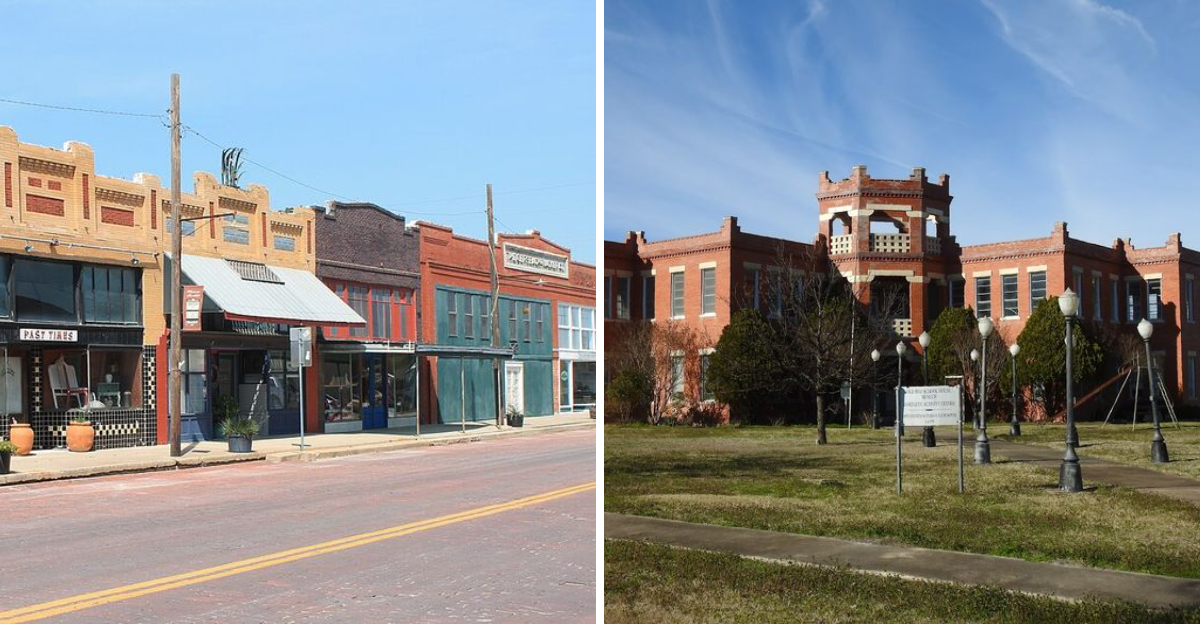
Finding a town where history still feels alive can be a rare experience. This quiet Texas town welcomes visitors with a main street that looks almost untouched by time, lined with historic storefronts and classic architecture.
Texas has many charming small towns, but places like this stand out for how carefully their history has been preserved. In Texas, strolling down a street like this can feel like stepping into an earlier era.
The calm pace, vintage buildings, and welcoming atmosphere make it easy to slow down and enjoy the view.
The Bartlett Commercial Historic District
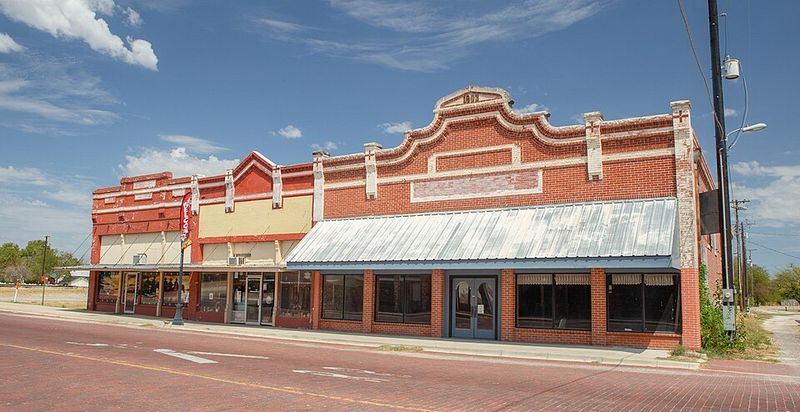
Nearly 90% of the buildings in this two-block stretch are considered historically significant, and that number alone tells you something remarkable is happening here.
The Bartlett Commercial Historic District runs along East Clark Street, and it looks the way old Texas is supposed to look before developers and chain stores got their hands on everything.
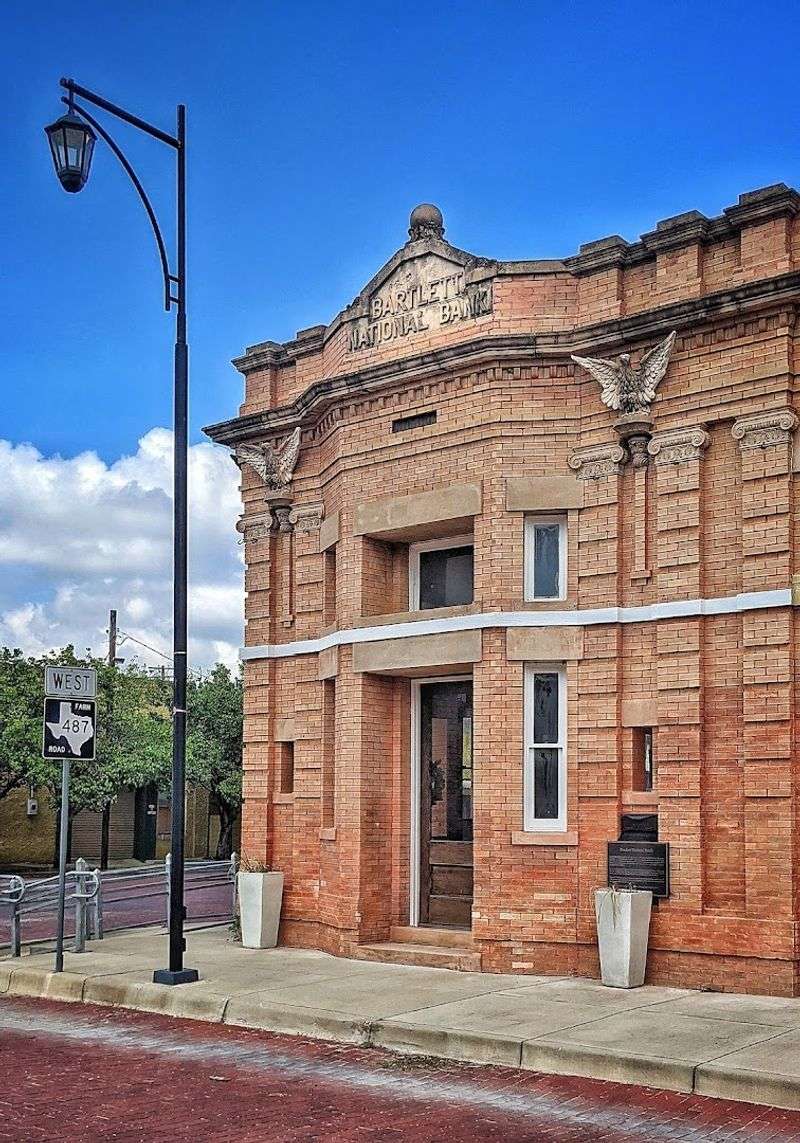
Listed on the National Register of Historic Places, the district preserves a tight collection of early 20th-century commercial row buildings that once hummed with the business of a booming cotton economy.
The brick facades, the arched windows, the old signage still faintly visible on some walls, every detail has a story.
What makes this place stand out from other preserved downtowns is how little has been altered. You are not looking at a recreation or a renovation project dressed up to look old.
These buildings survived because people here cared enough to leave them mostly alone. That kind of restraint is rare and worth appreciating.
Take your time walking the district slowly, because the details reveal themselves gradually and generously.
A Cotton Town Frozen in Time
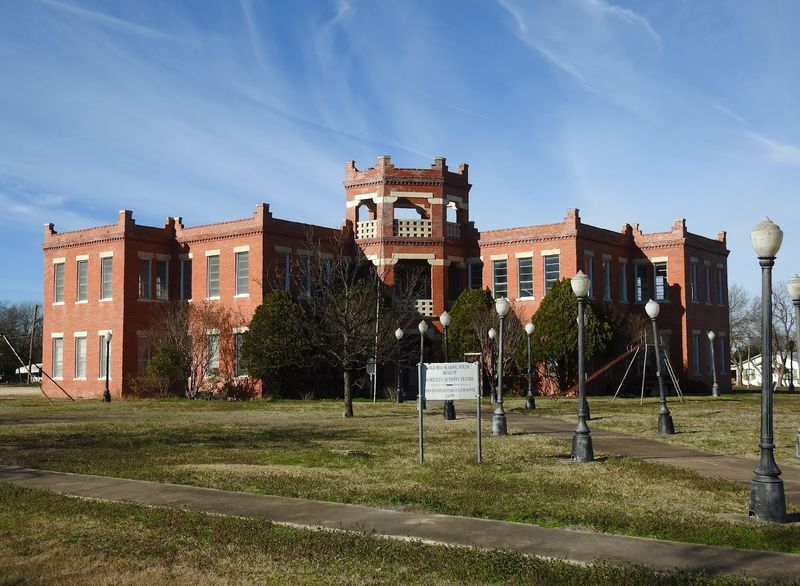
Cotton built Bartlett. That is not a metaphor or a romanticized version of history, it is just the plain truth of how this town came to exist in the shape it does today.
In the early 1900s, Bartlett was a serious shipping hub for cotton moving through central Texas, and that prosperity funded the commercial buildings that still line its streets.
When you understand that context, the architecture starts to make more sense. These were not modest storefronts thrown up quickly.
They were statements of confidence, built by merchants and business owners who believed their town was going places. The scale and craftsmanship reflect that ambition.
Eventually, the cotton economy shifted, and Bartlett did not grow into a larger city the way some of its neighbors did. That economic pause, as painful as it must have been for residents at the time, accidentally preserved everything.
The buildings never got torn down to make room for something newer and bigger. So today, visitors get to walk through a downtown that feels genuinely frozen in a moment that most Texas towns long ago erased.
It is accidental preservation at its most photogenic.
The Architecture You Cannot Stop Photographing
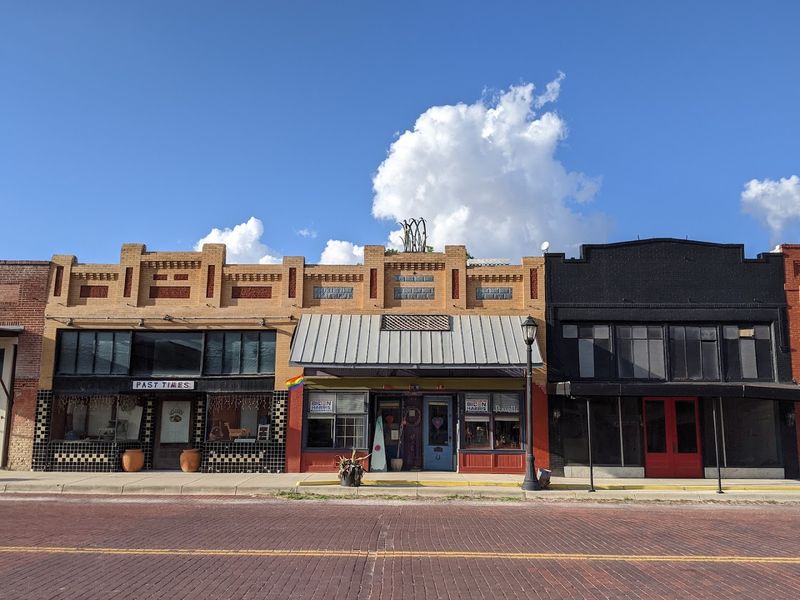
My camera roll after a single afternoon in Bartlett was embarrassingly full. The buildings along East Clark Street have this quality where every angle offers something new, a carved cornice here, a faded painted advertisement there, a doorway framed in original tile that somehow survived a century of weather.
The commercial row style that dominates the district was common in small American towns of the early 1900s, but Bartlett has preserved it at a concentration that feels almost unreal. Most towns have one or two surviving examples.
Bartlett has an entire block where the rhythm of the facades plays out like a visual sentence that never loses its thread.
Photographers, whether hobbyist or professional, tend to go a little quiet when they first arrive here. The light in the late afternoon is particularly flattering, hitting the warm red brick at an angle that makes everything glow.
Bring a wide-angle lens if you have one, because the full streetscape rewards a broad view. And do not rush past the smaller details, the old metal awning brackets, the ghost lettering, the handmade quality of the brickwork itself.
Those textures are where the real story lives.
Bartlett on the Silver Screen
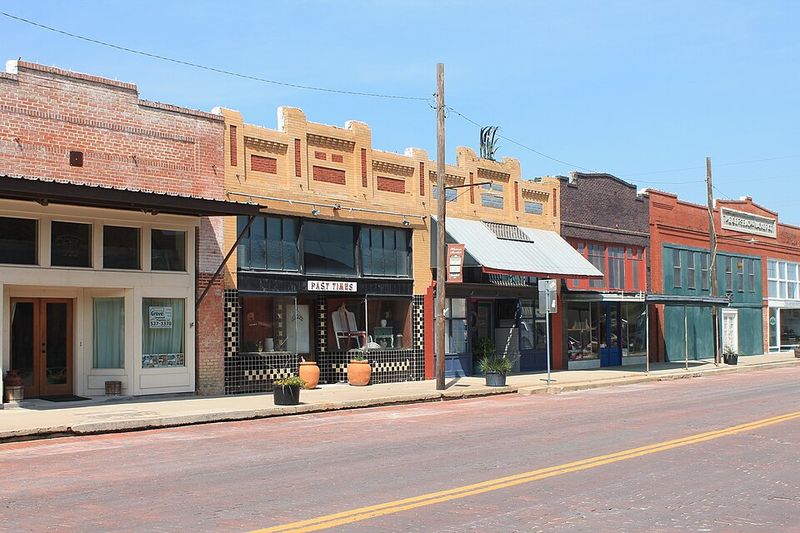
Hollywood noticed Bartlett before most travelers did. The town’s Main Street has served as a filming location for movies and television productions including The Stars Fell on Henrietta, The Newton Boys, and the NBC drama Revolution.
That is a range of projects spanning decades, which says something about how consistently photogenic and authentic this streetscape really is.
Filmmakers choose locations like Bartlett because building a set that looks this real would cost a fortune and still not quite get there. The aged brick, the proportions of the buildings, the absence of modern intrusions, it all adds up to a setting that cameras love and art directors dream about.
For visitors who have seen any of these productions, there is a fun layer of recognition that comes from turning a corner and realizing you have seen that wall or that window on a screen somewhere. It gives the place a slightly surreal quality without diminishing its authenticity.
The town was not built for the cameras, the cameras just had the good sense to show up. That distinction matters, and it makes the experience of being here feel grounded rather than theatrical.
The Main Street Revitalization Effort
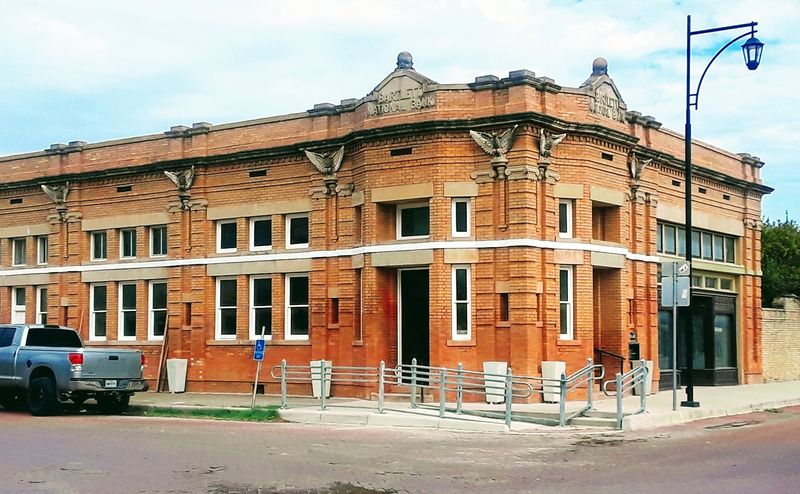
Preservation is not passive. Keeping a historic district alive requires active decisions, funding, and community commitment, and Bartlett has been putting in that work.
The Main Street Financial Assistance Program offers financial support for facade improvements and other enhancements to buildings in the downtown historic district, helping property owners maintain and restore what they have.
The results are visible if you know what to look for. Some buildings have clearly received recent attention, with cleaned brickwork and repaired details that bring out the original character without erasing the patina of age.
The goal is not to make everything look brand new, it is to stabilize what exists and keep it standing for another hundred years.
Community-led preservation like this tends to be more successful than top-down efforts because local people have a personal stake in the outcome. Bartlett residents understand what they have, and that understanding shows in how carefully the improvements are being approached.
If you visit and want to support the effort, spend money at local businesses and take a moment to appreciate the craftsmanship of what has been maintained. Showing up and paying attention is its own form of support.
Exploring the Side Streets and Quiet Corners
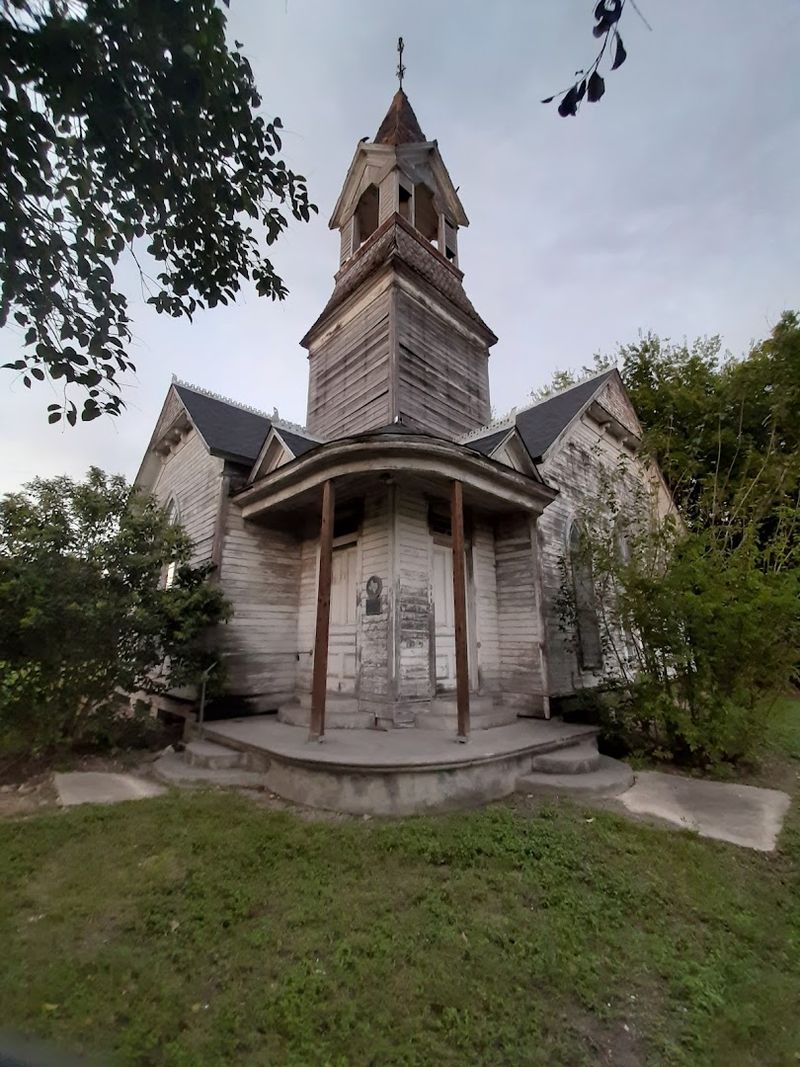
East Clark Street gets most of the attention, but Bartlett rewards the curious visitor who ventures a little further. The residential streets surrounding the commercial district are lined with older homes that carry the same early 20th-century character as the downtown buildings.
It is a neighborhood that feels lived-in and genuine rather than curated for tourism.
There is something grounding about a place where the historic district does not end sharply at a designated boundary. The history bleeds naturally into the surrounding blocks, giving the whole town a coherent sense of era and place.
You do not feel like you are leaving a theme park when you step away from the main street.
The pace of life on those quieter streets is noticeably slow in the best possible way. Locals move through their days without much urgency, and the general atmosphere invites you to do the same.
Sitting on a bench, watching the light shift across an old porch, listening to the sounds of a small Texas town going about its business, these are not dramatic travel moments, but they are the kind that stick with you long after the more obvious highlights have faded.
When to Visit and How to Make the Most of It
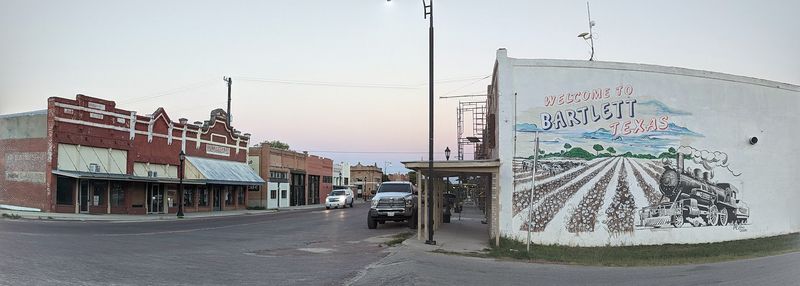
Bartlett is a year-round destination, but the shoulder seasons of spring and fall are particularly rewarding.
Central Texas weather in March through May and again in October through November tends to be mild and clear, which makes walking the historic district genuinely comfortable rather than something you rush through to escape the heat.
The town is small, so a focused visit of three to four hours can cover the main historic district thoroughly. That said, the experience is much better when you slow down and treat it less like a checklist and more like an afternoon stroll.
Bring comfortable shoes, a good camera, and no particular agenda.
Bartlett is located about 45 minutes north of Austin, making it a very manageable day trip from the city. If you are traveling from the Temple or Killeen area, it is even closer.
The drive itself passes through classic central Texas landscape, rolling terrain with cedar and live oak, which adds a pleasant framing to the arrival. Pair the visit with a stop in nearby Georgetown or Taylor to round out a full day of small-town Texas exploration without overloading any single stop.
Why Bartlett Stays With You
Some places are impressive. Bartlett is something quieter and harder to name.
It is the kind of town that does not perform for visitors, it just exists, steadily and honestly, and that quality is increasingly rare in an era where small towns either disappear or reinvent themselves for Instagram.
What lingers after a visit to Bartlett is not any single building or landmark. It is the overall feeling of a place that has maintained its integrity across more than a century of change.
The commercial district looks the way it does not because of a restoration project with a big budget, but because generations of people made choices that prioritized keeping things real over making things profitable.
That kind of continuity has a texture to it that you can feel when you are there. The streets are quiet but not empty, the buildings are old but not neglected, the town is small but not forgotten.
Bartlett sits in that rare category of places that reward attention and patience. You have to be willing to look closely and move slowly.
When you do, it gives back more than you expected, which is the best thing any travel destination can do.
Dear Reader: This page may contain affiliate links which may earn a commission if you click through and make a purchase. Our independent journalism is not influenced by any advertiser or commercial initiative unless it is clearly marked as sponsored content. As travel products change, please be sure to reconfirm all details and stay up to date with current events to ensure a safe and successful trip.
