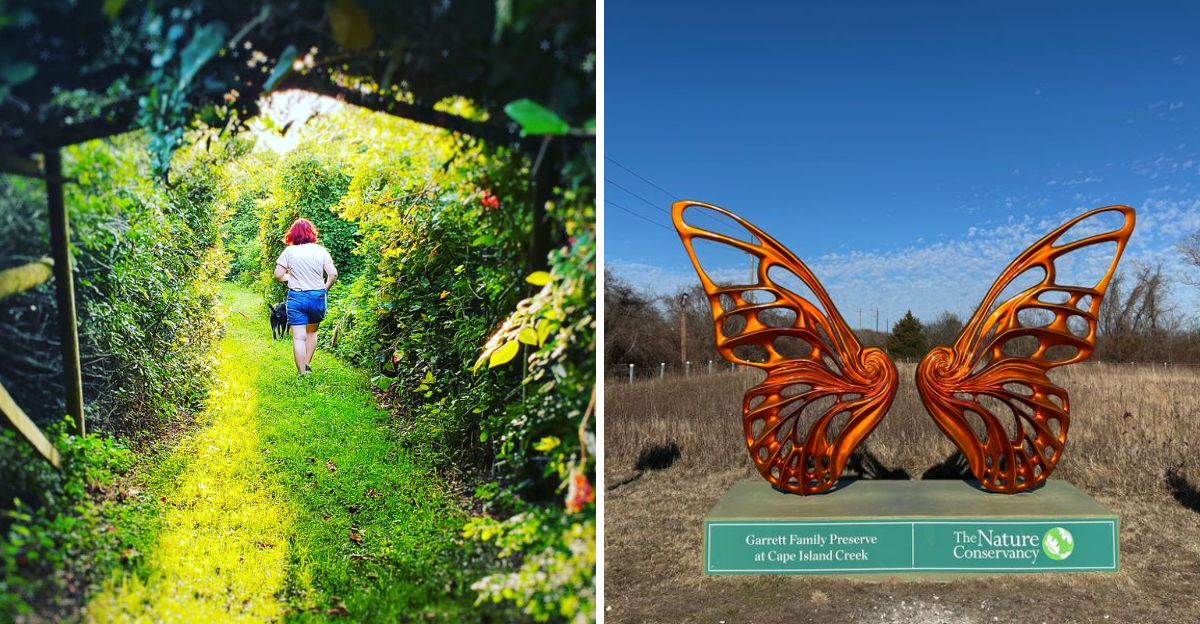
Who knew the best soundtrack at the Jersey Shore isn’t arcade bells – it’s birdsong in a wildflower meadow.
At 801 Wilson St in Cape May, the Garrett Family Preserve at Cape Island Creek flips the script on the usual shore scene.
Instead of wrapping up with a checklist, let me tell you what sealed it for me: the first time I wandered those trails, I stumbled into a patch of wildflowers so thick with butterflies it felt like stepping into a living kaleidoscope.
I remember thinking, this can’t be the same Jersey Shore I grew up with. No boardwalk noise, no traffic, just the quiet thrill of discovering a place that feels like it’s keeping a secret just for you.
Now, whenever I need to escape the chaos, Garrett Family Preserve is the spot I return to, sneakers dusty, phone full of photos, and a grin that says I found my own corner of magic in New Jersey.
Open daily from 6 AM to 8 PM, it invites visitors year-round to explore well-maintained paths and discover the quieter, wilder side of the Garden State.
Well-Maintained Trails That Welcome Every Skill Level

Forget rugged mountain climbs or treacherous terrain that leaves you gasping for breath. The trails at Garrett Family Preserve feature flat, even pathways perfect for everyone from toddlers in strollers to grandparents seeking a gentle morning stroll.
Visitors consistently praise the preserve’s accessible design, noting how easy it is to navigate without worrying about steep inclines or rocky obstacles that might trip you up.
Multiple trail options let you customize your adventure based on time and energy levels. The perimeter trail offers a longer loop for those wanting extended exploration, while shorter paths provide quick nature fixes during busy schedules.
Connecting trails by the train tracks extend your journey north and south if you’re feeling ambitious or training for longer distances.
Signage throughout the preserve helps orient visitors, though some reviewers recommend snapping a photo of the entrance map for reference. The paths themselves stay well-groomed year-round, making them accessible even after recent rain when other natural areas turn muddy and impassable.
Wooden boardwalk sections protect sensitive wetland areas while giving you up-close marsh views.
Families especially appreciate how the smooth surfaces accommodate strollers, wheelchairs, and little legs still mastering coordination. The preserve even features a braille trail around the wildflower meadow, demonstrating thoughtful inclusivity that makes nature accessible to visitors with visual impairments.
No matter your fitness level or physical abilities, these trails invite you to experience coastal New Jersey’s natural beauty without barriers or intimidation factors that sometimes keep people from exploring outdoor spaces.
Butterfly Migration Spectacle That Rivals Any Air Show
Between summer and fall, something magical happens at this Cape May preserve that transforms ordinary meadows into living kaleidoscopes. Thousands of butterflies pause here during their epic journey to Mexico, creating a natural phenomenon that rivals any fireworks display or aerial performance.
Monarch butterflies especially favor this stopover point, painting the air orange and black as they refuel on native wildflowers before continuing south.
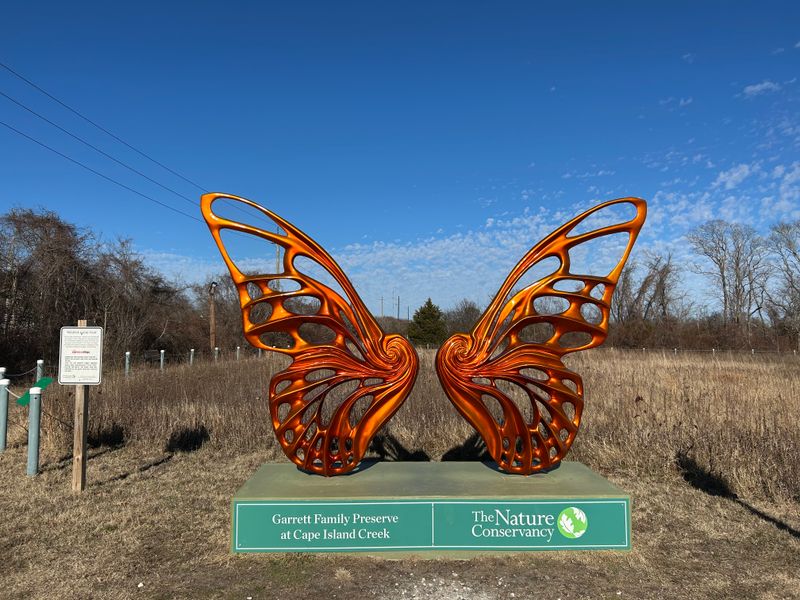
The preserve even hosts special butterfly events celebrating these remarkable travelers. A butterfly statue stands as a permanent tribute to migration efforts and conservation work protecting these delicate creatures.
Educational programs teach visitors about butterfly lifecycles, migration patterns, and the critical role coastal habitats play in supporting their transcontinental journeys.
Timing your visit during peak migration season (typically late summer through October) rewards you with unforgettable sights. Watch butterflies cluster on flowering plants, wings opening and closing in synchronized rhythm as they sip nectar and gather strength.
Dragonflies join the aerial ballet, adding splashes of iridescent blue and green to the performance.
Photography enthusiasts find endless subjects among the fluttering wings and colorful blooms. Bring a camera with decent zoom capabilities to capture close-up details without disturbing these fragile insects.
Children become instant naturalists, squealing with delight as butterflies land nearby or dance past on invisible currents. The preserve’s commitment to habitat restoration ensures these migration spectacles continue for future generations, making every visit a chance to witness one of nature’s most impressive travel adventures right here in New Jersey.
Painted Train Cars That Add Unexpected Artistic Flair
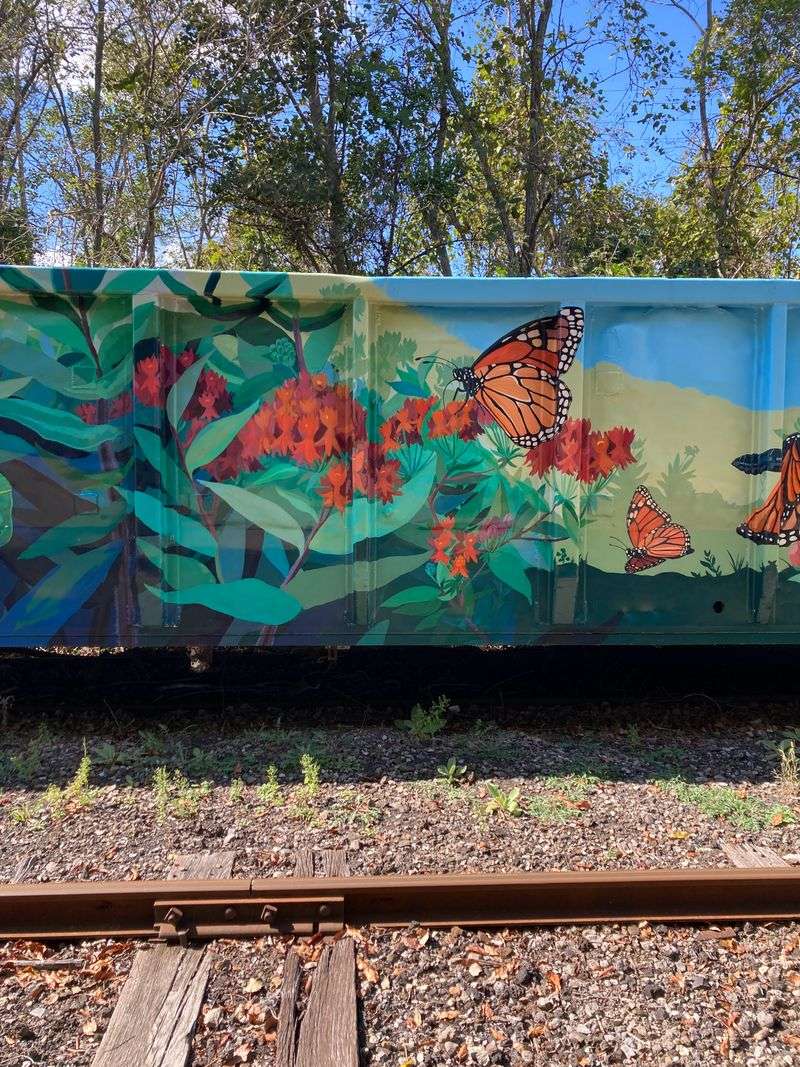
Art meets industrial history where preserved train cars sport vibrant murals near the preserve entrance. These unexpected canvases showcase local artistic talent, transforming utilitarian railroad equipment into eye-catching installations that make visitors do double-takes.
The well-executed designs range from nature themes to abstract patterns, creating photo opportunities that blend human creativity with natural surroundings.
Reviewers consistently mention these painted cars as delightful surprises during their visits. The juxtaposition of industrial remnants against coastal wilderness tells stories about the area’s layered history, when railroads connected Cape May to broader transportation networks.
Rather than removing these relics, the preserve incorporates them as quirky landmarks that give the space distinctive character.
Kids especially love discovering the colorful cars, treating them like treasure finds during nature walks. The murals provide conversation starters about art, history, and creative reuse of abandoned objects.
Some visitors make the train cars their turnaround point on shorter walks, using them as recognizable markers when planning route distances.
The artistic installations also connect to longer trail systems following old railroad corridors. These rail-trails extend miles beyond the preserve boundaries, offering extended walking and jogging routes for those seeking more distance.
The painted cars mark the intersection between preserve trails and these regional pathways, serving as both art installations and wayfinding landmarks. Whether you’re an art lover, history buff, or just someone who appreciates unexpected touches of whimsy, these decorated train cars add memorable personality to your preserve experience.
Premier Birding Destination For Feathered Friend Encounters
Serious birders and casual observers alike flock to this preserve for exceptional avian encounters. The diverse habitats, from open meadows to dense marshlands, attract impressive bird variety throughout the year.
Migration seasons transform the preserve into a birding hotspot where rarities and common species mingle in spectacular numbers that make binoculars almost mandatory equipment.
Guided birdwatching walks led by knowledgeable naturalists help visitors spot and identify species they might otherwise miss. These expert guides know exactly where different birds prefer to hang out, positioning groups for optimal viewing while sharing fascinating facts about behaviors, calls, and ecological roles.
Some even loan extra binoculars to unprepared visitors, ensuring everyone can appreciate fine details of plumage and movement.
The Blue Trail along the preserve’s southern section earns particular praise from birding enthusiasts. Berry-producing plants lining this path attract small songbirds, especially during migration periods when exhausted travelers seek quick energy sources.
Patient observers can spot warblers, thrushes, sparrows, and other species refueling before continuing their journeys.
Wetland areas host wading birds, waterfowl, and raptors hunting for meals in shallow waters. Early morning visits typically yield the best birding opportunities when birds are most active and vocal.
Bring field guides or birding apps to help identify unfamiliar species, and remember that quiet movement and patience reward you with closer encounters. The preserve’s commitment to habitat management ensures healthy bird populations, making it a reliable destination for building your life list or simply enjoying nature’s feathered performers.
Wildflower Meadows That Paint The Landscape In Living Color
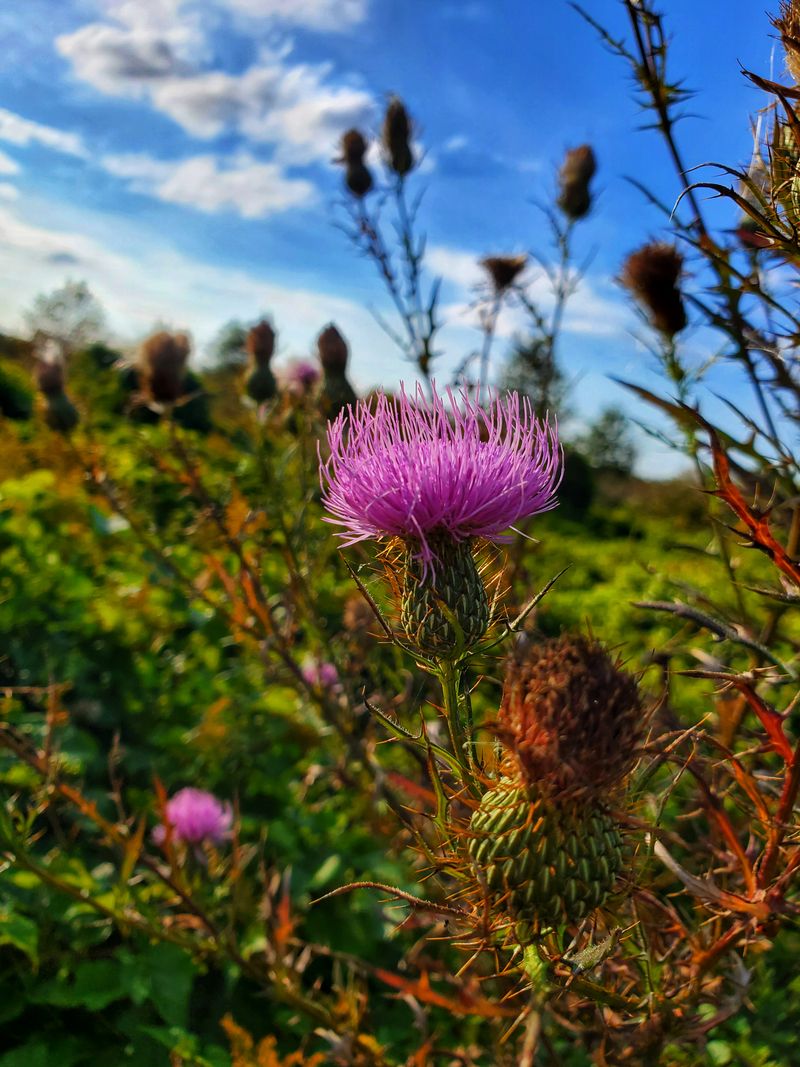
Forget manicured gardens with fussy roses and imported exotics. The wildflower meadows at Garrett Family Preserve showcase native species in glorious, untamed profusion that changes with the seasons.
Spring brings early bloomers poking through warming soil, while summer explodes in waves of color that attract pollinators by the thousands. Fall offers golden hues and seed heads that feed migrating birds preparing for winter journeys.
Walking among these flowers feels like stepping into an impressionist painting where every brushstroke represents a different species. Purple coneflowers nod alongside black-eyed Susans, while delicate asters add splashes of lavender to the palette.
Native grasses sway between flowering plants, creating texture and movement that keeps the landscape dynamic even on still days.
The preserve’s restoration work transformed former farmland back into thriving native habitat. This rewilding process takes years of careful management, removing invasive species while encouraging natives to reestablish.
Visitors witness conservation in action, seeing how degraded land can recover when given proper care and protection. Educational signage explains restoration efforts and identifies common wildflower species.
Photographers find endless subjects among the blooms, from macro shots of individual flowers to sweeping landscape compositions. The braille trail specifically circles one major meadow area, making these floral displays accessible to all visitors.
Bring sunscreen since meadows offer little shade, but the spectacular colors and sweet fragrances make any sun exposure worthwhile. These wildflower expanses prove that the most beautiful gardens are often those designed by nature herself, requiring no human intervention beyond protection and respect.
Secret Tree Cave Complete With Hidden Picnic Table
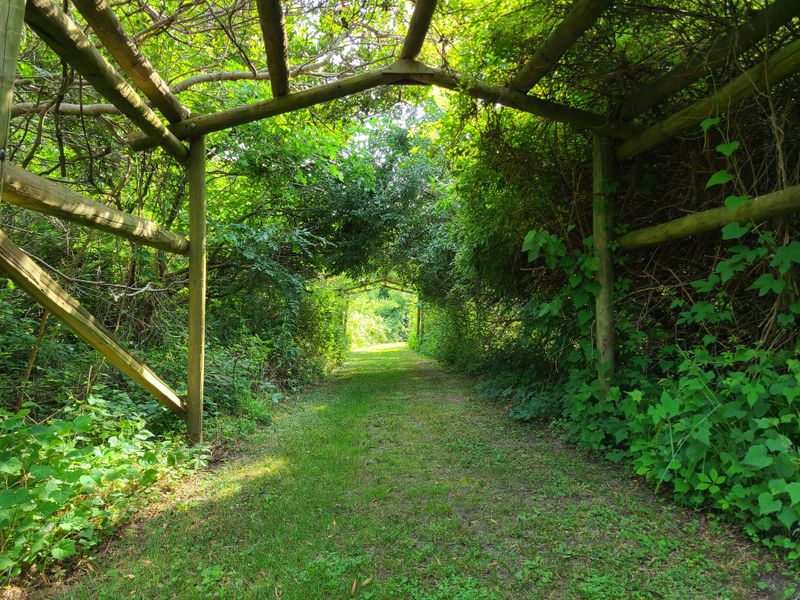
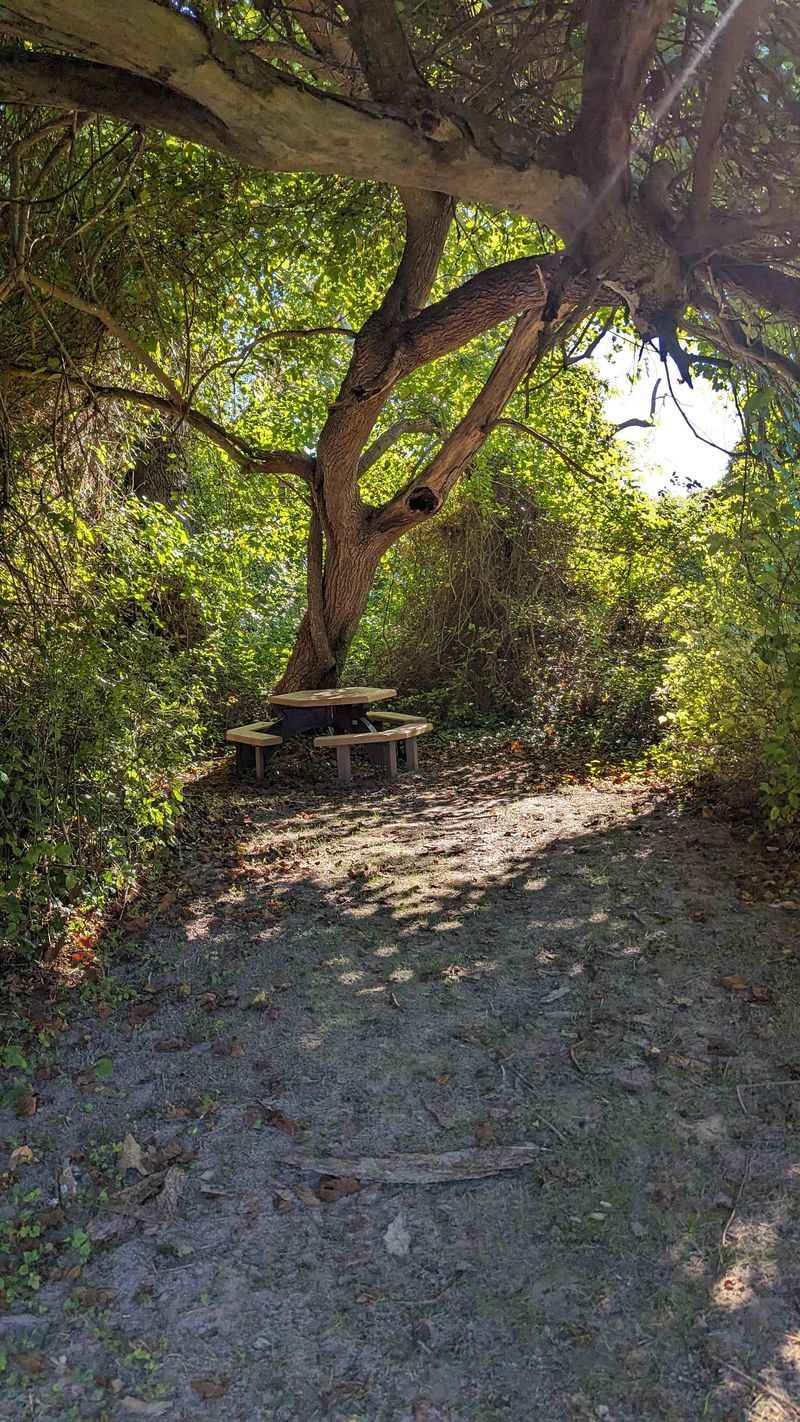
Somewhere within the preserve hides a delightful secret that makes visitors feel like they’ve stumbled into a fairy tale. A massive tree features a hollow interior large enough to shelter a picnic table, creating an enchanted dining room courtesy of Mother Nature.
Discovering this “tree cave” ranks among visitor highlights, earning enthusiastic mentions in reviews and becoming a sought-after destination for families exploring the trails.
The sheer improbability of finding furniture inside a living tree adds whimsical charm to an already magical location. Someone with vision and playfulness recognized this hollow tree’s potential as a unique gathering spot, installing the table to create an unforgettable picnic venue.
Children especially adore the hideaway quality, treating it like a natural fort where imagination runs wild.
Reaching the tree cave requires some exploration since its location isn’t immediately obvious from main pathways. Part of the fun involves the treasure hunt aspect, following trails and keeping eyes peeled for clues leading to this hidden gem.
Regulars enjoy watching first-time visitors’ faces light up upon discovering the secret spot, that moment of pure delight when the unexpected reveals itself.
Pack a lunch and claim the tree table for an unconventional meal surrounded by living wood walls. The enclosed feeling provides shelter from wind while maintaining connection to surrounding nature.
Photograph opportunities abound, from classic family portraits inside the tree to creative angles highlighting the hollow’s impressive size. This quirky feature exemplifies why Garrett Family Preserve offers more than standard nature walks, instead delivering memorable moments and stories you’ll retell for years whenever someone mentions unusual picnic locations.
Marsh Views That Showcase Coastal Ecosystem Beauty
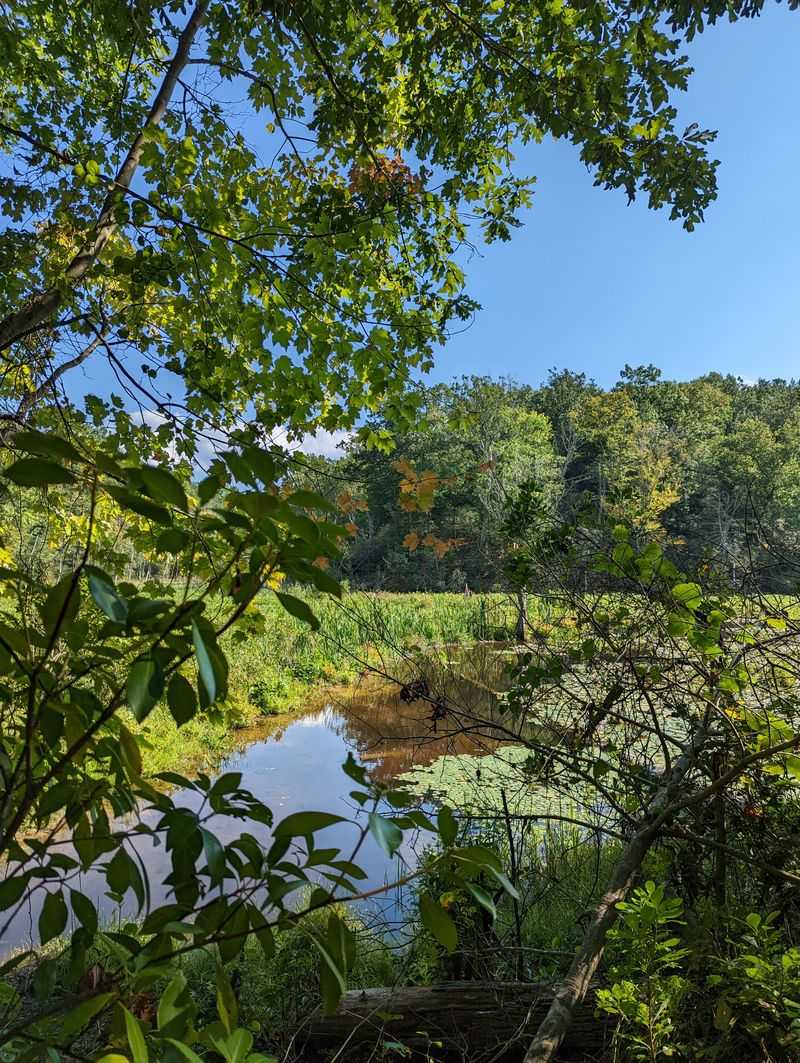
Beyond meadows and woodlands, the preserve protects crucial marsh habitats where land meets water in gradual transitions. These wetland areas might not grab attention like dramatic ocean waves, but they support incredible biodiversity and ecological functions that make coastal environments thrive.
Elevated viewing points and trail sections offer prime marsh vistas where you can observe this productive ecosystem in action.
Marsh grasses wave in synchronized patterns, creating mesmerizing visual rhythms as breezes sweep across open expanses. Tidal creeks wind through vegetation, their water levels rising and falling with lunar cycles that govern coastal life.
During low tide, exposed mudflats attract wading birds probing for invertebrates, while high tide brings different species hunting fish in deeper channels.
Educational opportunities abound for curious visitors wanting to understand marsh ecology. These wetlands filter pollutants, buffer storm surges, provide nursery habitat for countless marine species, and sequester carbon at impressive rates.
What might look like simple grass and water actually represents one of Earth’s most productive and valuable ecosystems, deserving protection and appreciation.
Photographers can capture stunning compositions during golden hour when low-angled sunlight illuminates marsh grasses and creates dramatic shadows across water surfaces. Bring binoculars for distant wildlife observation without disturbing sensitive areas.
The preserve’s marsh sections remind visitors that New Jersey’s coastline offers more than beaches and boardwalks, encompassing diverse habitats that require conservation attention. Spending time observing these wetlands builds appreciation for often-overlooked landscapes that quietly perform essential environmental services while supporting remarkable wildlife communities in spaces where fresh and salt water mingle.
Artistic Easels Inviting Creative Expression In Nature

Scattered throughout the preserve, industrial-style easels stand ready to support artistic endeavors. These permanent installations invite visitors to bring art supplies and capture surrounding beauty through painting, sketching, or any creative medium that strikes their fancy.
The easels transform the preserve into an outdoor studio where nature itself becomes both inspiration and subject.
Unlike flimsy portable easels that tip over in gentle breezes, these sturdy structures withstand weather while providing stable work surfaces. Their industrial aesthetic complements the preserve’s painted train cars, creating visual connections between different artistic elements.
Positioning near particularly scenic viewpoints ensures artists have compelling compositions ready-made, though creative interpretation remains entirely personal.
Visiting artists appreciate this thoughtful amenity that acknowledges nature’s power to inspire creative expression. Rather than just walking through landscapes, you can pause and truly engage, translating observations into artwork that captures specific moments and perspectives.
The easels democratize plein air painting, making it accessible to casual dabblers and serious artists alike without requiring equipment hauling.
Even non-artists enjoy discovering these creative stations during walks. They serve as conversation pieces and photo props, adding unexpected elements to trail experiences.
Some visitors return specifically to use the easels, packing watercolors or sketchbooks for artistic afternoons immersed in natural surroundings. The preserve’s support for artistic pursuits reflects broader recognition that nature connection happens through multiple pathways, not just scientific observation or physical recreation.
Whether you consider yourself an artist or just someone who occasionally doodles, these easels extend an open invitation to slow down, really look at your surroundings, and create something reflecting your unique perspective on this special place.
Seasonal Changes That Transform The Preserve Year-Round
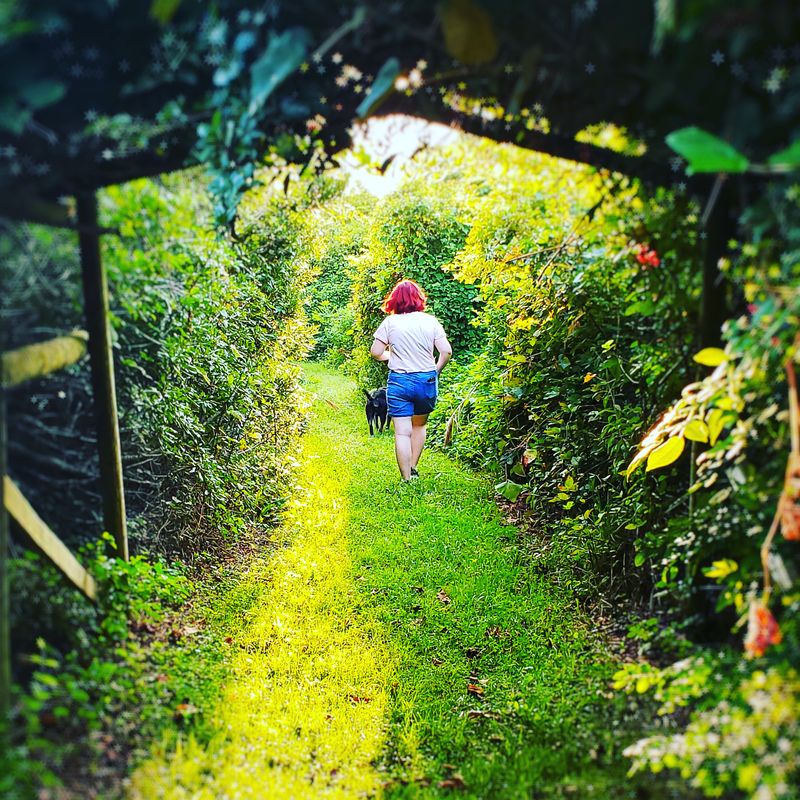
Unlike destinations that shine only during peak tourist season, Garrett Family Preserve rewards visits throughout the entire calendar. Each season paints the landscape in different colors and brings unique wildlife activities that make return trips feel like discovering completely new places.
Spring awakening brings migrating birds, emerging wildflowers, and that particular green intensity of fresh growth after winter dormancy.
Summer delivers peak wildflower displays and maximum butterfly activity, though heat and humidity require preparation with water and sun protection. The preserve can feel intense during July and August when shade remains scarce and temperatures soar, but early morning or evening visits avoid the worst heat while catching wildlife at active periods.
Longer daylight hours extend exploration time for those wanting to maximize their preserve experiences.
Fall transforms the landscape into golden and russet tones as grasses cure and seed heads ripen. Migration reaches fever pitch with birds and butterflies passing through in impressive numbers.
Cooler temperatures make hiking more comfortable, and that special autumn light photographers crave bathes everything in warm, flattering glow. Many regulars consider fall the preserve’s finest season.
Winter brings its own stark beauty and peace. While wildflowers sleep and butterflies have departed for warmer climates, the preserve’s bones become visible in ways summer growth obscures.
This season allows dog walking (November 1 through March 31), letting four-legged family members enjoy the trails alongside their humans. Winter birding can be excellent as resident species become more visible without leafy cover.
Bundle up and experience the preserve’s quietest season when you might have entire trail systems to yourself.
Free Access And Convenient Hours For Spontaneous Visits
In an era when many attractions charge increasingly steep admission fees, Garrett Family Preserve at Cape Island Creek offers something refreshingly rare: completely free access. No tickets, no entrance fees, no membership requirements, just open gates welcoming anyone seeking nature connection.
This accessibility removes financial barriers that sometimes prevent families from enjoying outdoor recreation, making the preserve genuinely available to all economic backgrounds.
Operating hours from 6 AM to 8 PM daily provide flexibility for early birds wanting sunrise walks and evening visitors preferring sunset strolls. The extended schedule accommodates various work schedules and personal preferences, whether you’re a dawn jogger starting your day with endorphins or someone unwinding after work with peaceful trail time.
Arriving right at opening often rewards you with the most wildlife activity and fewest other visitors.
Convenient parking at the Wilson Street location makes access straightforward once you find the preserve. Some reviewers note that roadside signage could be improved, so using GPS navigation (801 Wilson St, Cape May, NJ 08204) ensures you don’t miss the turn.
The short residential street ends at the parking area, where your preserve adventure begins just steps from your vehicle.
Port-a-potty facilities provide basic amenities, though this remains a natural area without visitor centers or extensive infrastructure. The simplicity feels refreshing rather than lacking, keeping focus squarely on nature rather than human comforts.
Phone service at +1 908-879-7262 connects you with The Nature Conservancy for questions about programs or preserve conditions. This combination of free access, generous hours, and easy parking makes spontaneous visits entirely feasible whenever the mood strikes or weather looks perfect.
Dear Reader: This page may contain affiliate links which may earn a commission if you click through and make a purchase. Our independent journalism is not influenced by any advertiser or commercial initiative unless it is clearly marked as sponsored content. As travel products change, please be sure to reconfirm all details and stay up to date with current events to ensure a safe and successful trip.
