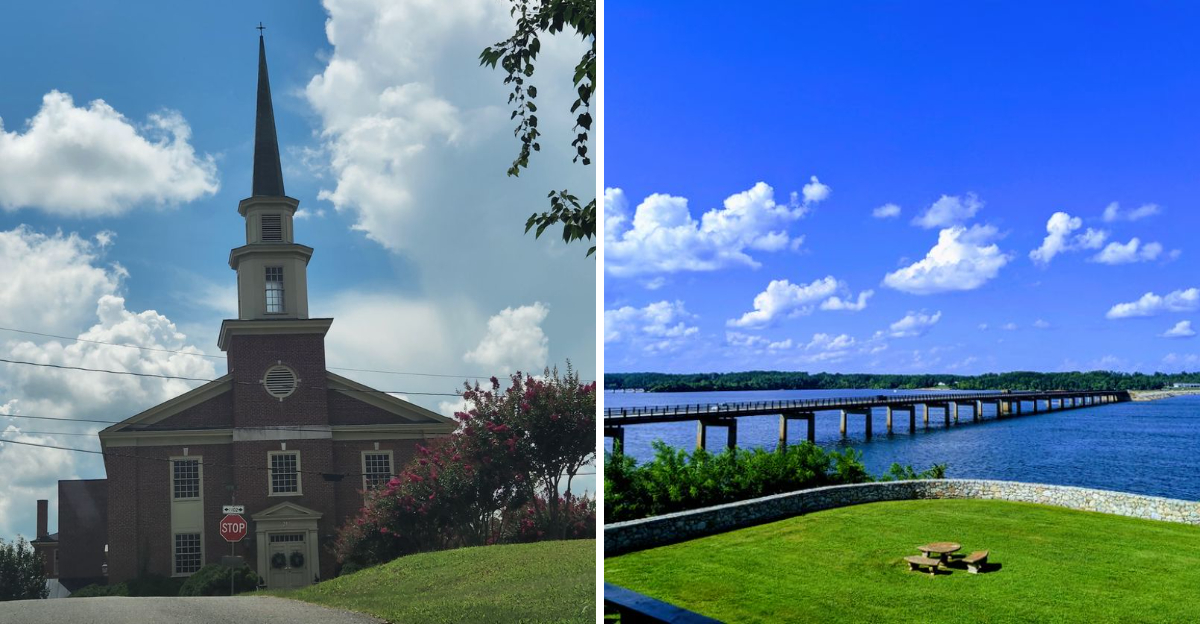
Think all small towns in Virginia are just pretty postcards with nothing going on beneath the surface? Think again.
Clarksville sits quietly on the edge of Kerr Lake, looking like your typical sleepy southern spot, but this place has stories that’ll make your history teacher jealous. Tobacco wealth, lake creation drama, and Civil War tension all swirl together in this Mecklenburg County gem near the North Carolina border.
Population hovers around a thousand folks, but the layers of local lore run deep. Walking these streets means stepping through centuries of change, conflict, and community.
Ready to peel back the postcard and see what’s really going on? Clarksville’s past is way more twisted than its peaceful present lets on.
Occoneechee State Park Holds Indigenous Secrets

Long before European settlers showed up, the Occoneechee people thrived along the Roanoke River. Their trading post sat right where modern Clarksville now sprawls, making this spot a bustling hub for indigenous commerce centuries ago.
The park named after them stretches along Kerr Lake’s shoreline, offering trails that wind through land once walked by Native traders.
Artifacts turn up regularly in the area, reminding visitors that this wasn’t always quiet lakeside property. The Occoneechee served as middlemen between coastal tribes and inland groups, controlling trade routes that made them powerful and prosperous.
Their influence shaped the region’s early economy before colonization changed everything.
Today’s park feels peaceful, but standing on those trails connects you to a vanished world. Interpretive signs explain indigenous life, though they barely scratch the surface of what existed here.
The lake itself covers archaeological sites that researchers will never fully explore.
Address: 1192 Occoneechee Park Rd, Clarksville, VA 23927. The park offers a tangible link to pre-colonial Virginia, making history feel immediate rather than abstract.
Prestwould Plantation Reveals Tobacco Empire Roots
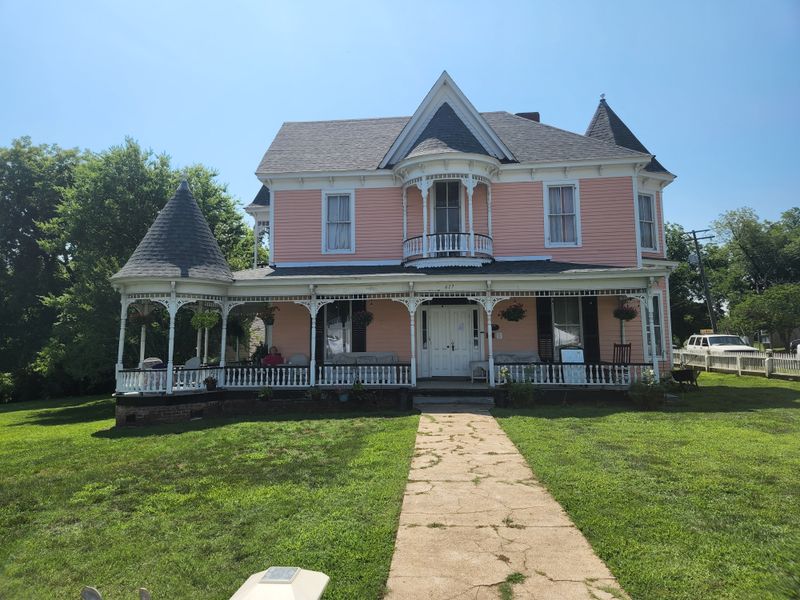
Tobacco money built Clarksville, and Prestwould Plantation stands as proof. This grand estate showcases how Virginia’s agricultural economy created vast wealth for some while relying on enslaved labor for others.
The mansion’s elegant rooms tell one story, but the grounds whisper darker truths about who actually made the fortune possible.
Sir Peyton Skipwith established Prestwould as a showpiece property, importing fashionable furnishings and hosting elite social gatherings. The plantation operated as a self-contained world where enslaved workers farmed tobacco, maintained buildings, and served the Skipwith family.
Their labor generated profits that funded the luxury visible in every room.
Walking through Prestwould forces visitors to confront uncomfortable realities about southern prosperity. Period furniture and decorative arts dazzle the eye, but understanding the full story requires acknowledging who paid the real price.
The plantation’s preserved structures include dependencies where enslaved people lived and worked.
Address: 429 Prestwould Dr, Clarksville, VA 23927. Tours provide historical context that goes beyond romanticized plantation mythology, offering a more complete picture of antebellum Virginia life.
Kerr Lake Creation Drowned A Town
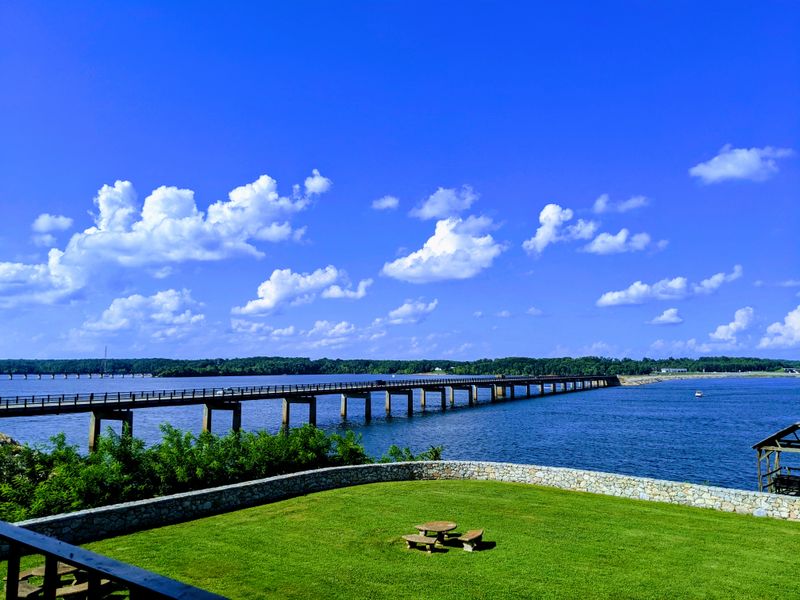
Imagine watching your hometown disappear underwater. That’s exactly what happened when the Army Corps of Engineers dammed the Roanoke River to create Kerr Lake.
The reservoir flooded thousands of acres, swallowing farms, homes, churches, and cemeteries that had stood for generations. Families had to relocate, and entire communities vanished beneath the rising water.
Construction finished in the fifties, transforming the landscape forever. What the Corps called progress felt like devastation to folks who lost ancestral land.
The lake brought economic benefits through tourism and recreation, but those gains came at a steep cost. Underwater ghost towns still rest on the reservoir bottom, complete with foundations and forgotten roads.
Clarksville adapted by reinventing itself as a lakeside destination, though old-timers remember what was sacrificed. The reservoir stretches across Virginia and North Carolina, creating recreational opportunities that draw visitors year-round.
Boating, fishing, and camping now define the area’s economy.
Local memory keeps the drowned communities alive through stories passed down. The lake’s creation represents progress and loss intertwined, a complex legacy that still shapes Clarksville’s identity today.
Civil War Skirmishes Left Their Mark
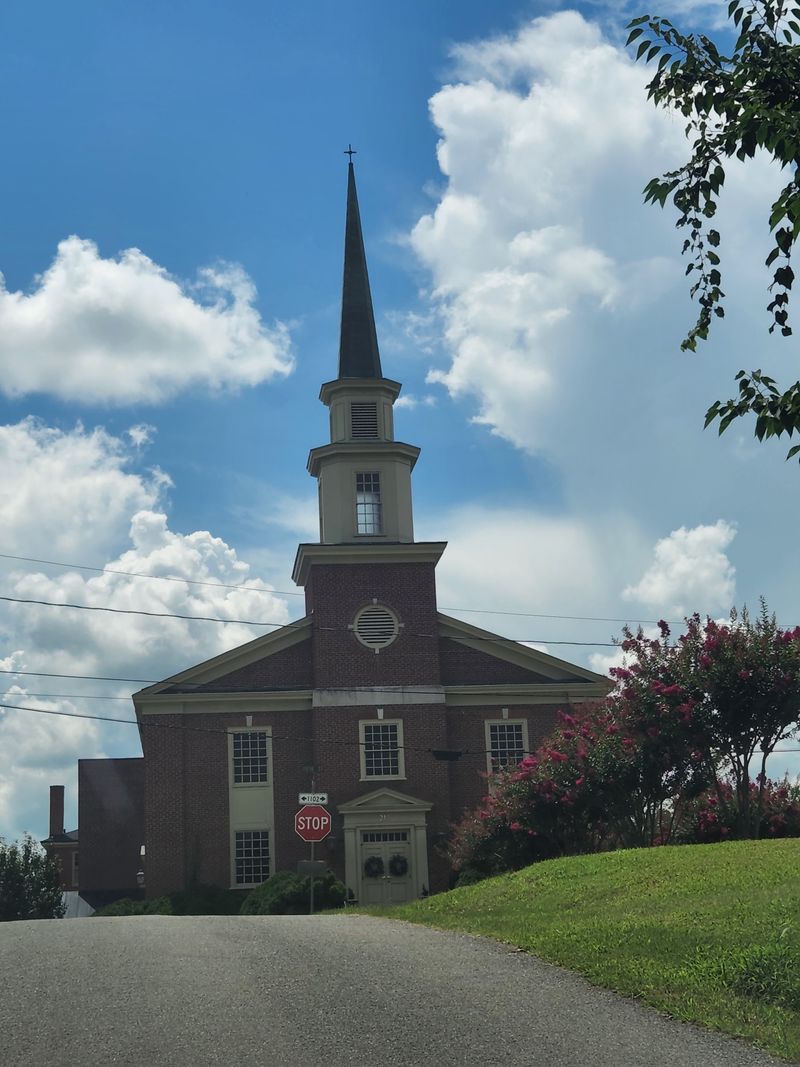
Mecklenburg County sat in a strategic location during the Civil War, making Clarksville a spot where Union and Confederate forces occasionally clashed. The town’s proximity to North Carolina meant troops moved through regularly, requisitioning supplies and sometimes engaging in small skirmishes.
Local families found themselves caught between competing armies, trying to protect property and survive the chaos.
Confederate sympathies ran strong here, as tobacco plantations depended on enslaved labor. When Union forces advanced into the area, tensions exploded.
Homes served as makeshift hospitals, and fields became campsites. The war disrupted daily life completely, leaving scars that took decades to heal.
Some historic buildings still bear marks from that turbulent period, though many were lost to time or later development. Stories of hidden valuables, midnight raids, and divided loyalties persist in local lore.
The conflict forced residents to choose sides, fracturing communities along political lines.
Reconstruction brought additional challenges as the region struggled to rebuild without slave labor. Clarksville’s Civil War history remains less famous than Gettysburg or Richmond, but the local impact was profound and personal for everyone involved.
Tobacco Warehouses Dominated Downtown Commerce
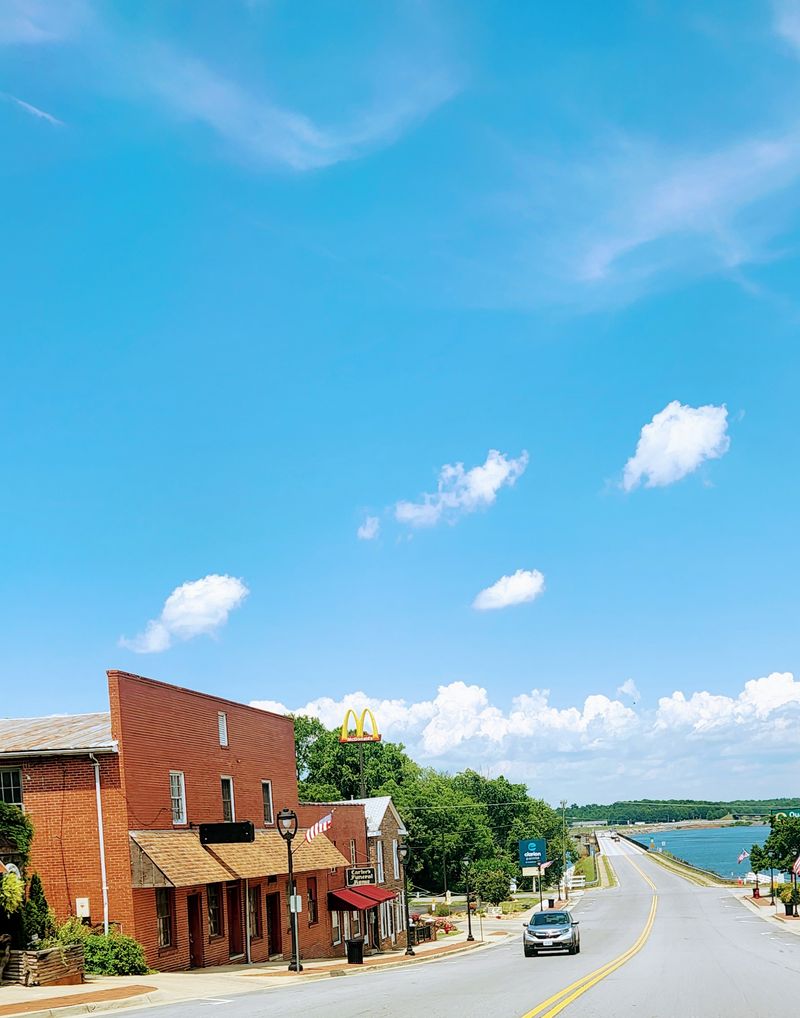
Clarksville’s downtown once bustled with tobacco warehouses where farmers brought their crops for auction. These massive structures defined the local economy, with buyers bidding on cured leaves that would be shipped worldwide.
The auction system created a social hub where farmers, merchants, and auctioneers gathered during selling season.
Warehouse floors echoed with rapid-fire bidding as auctioneers called out prices in their distinctive chant. Fortunes were made and lost based on crop quality and market demand.
The tobacco industry shaped everything from architecture to social hierarchies, with warehouse owners wielding considerable influence.
As smoking declined and agricultural practices changed, these buildings lost their original purpose. Some were demolished, while others found new life as event spaces or storage facilities.
The remaining structures stand as reminders of an era when tobacco was king and Clarksville served as a regional trading center.
Walking past these old warehouses today feels like visiting a different world. The bustle and energy are gone, replaced by quiet streets and adaptive reuse projects.
Yet the buildings themselves tell stories of economic power, agricultural tradition, and community identity built around a single controversial crop.
African American Heritage Runs Deep But Underrecognized
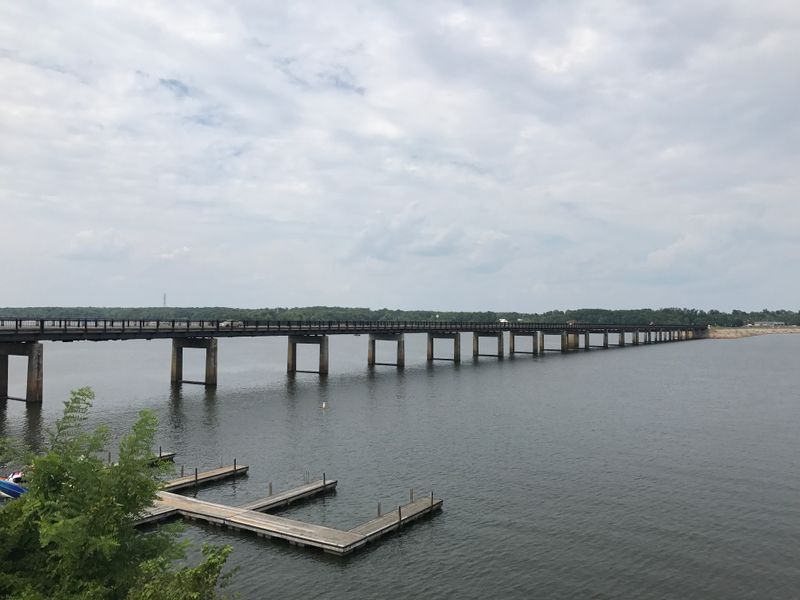
Enslaved people built Clarksville’s wealth, yet their contributions often get overlooked in historical narratives. After emancipation, African American communities established churches, schools, and businesses that sustained them through Jim Crow segregation.
These institutions created spaces where Black residents could worship, learn, and thrive despite systemic oppression.
Churches became anchors of community life, serving as meeting places for organizing civil rights efforts. Schools educated generations despite receiving far fewer resources than white institutions.
Black-owned businesses provided essential services and employment when discrimination barred African Americans from mainstream commerce.
Many of these historic sites have disappeared or fallen into disrepair, their stories fading without proper documentation. Cemeteries hold graves of formerly enslaved people and their descendants who shaped Clarksville’s development.
Oral histories preserve memories that official records ignored or erased.
Efforts to recognize African American heritage face funding challenges and competing priorities. Yet understanding Clarksville’s full history requires centering Black experiences and contributions.
The town’s story is incomplete without acknowledging both the brutality of slavery and the resilience of those who survived and built communities despite it.
Railroad Arrival Changed Everything
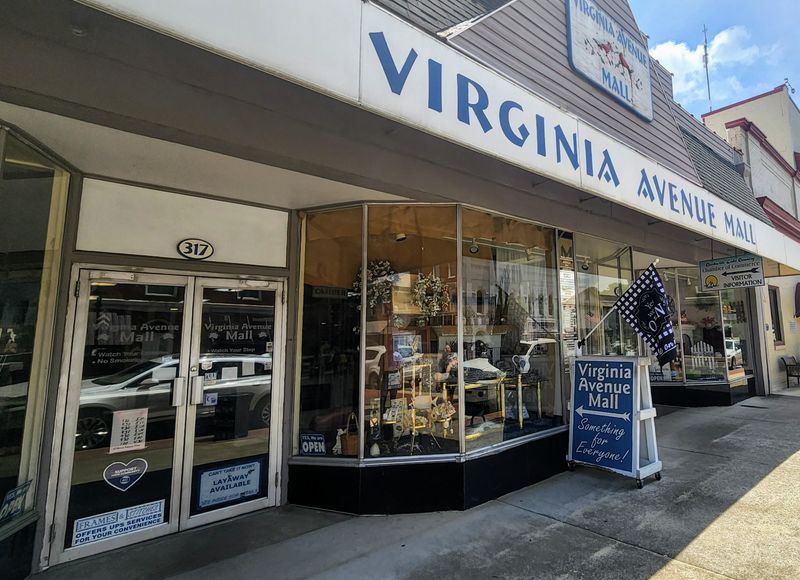
Railroads revolutionized Clarksville by connecting the town to distant markets and transforming local commerce. Before trains arrived, transporting tobacco and other goods required slow, expensive wagon travel.
The railroad made shipping faster and cheaper, spurring economic growth and population increase.
A depot became the town’s lifeline, with passenger and freight trains arriving daily. Farmers could reach broader markets, merchants could stock diverse goods, and residents could travel with unprecedented ease.
The railroad literally put Clarksville on the map as a viable commercial center.
Train schedules dictated daily rhythms, with people timing activities around arrivals and departures. The depot served as a social gathering spot where folks caught up on news and greeted visitors.
Railroad jobs provided employment and brought new residents to town.
As highways and automobiles gained prominence, rail service declined, eventually ceasing passenger operations. The depot’s role diminished, though freight trains still pass through occasionally.
The railroad’s legacy persists in town layout and economic patterns established during that transformative era. Clarksville’s development arc mirrors countless American towns where rails brought prosperity before roads redirected it elsewhere.
Main Street Architecture Tells Changing Times
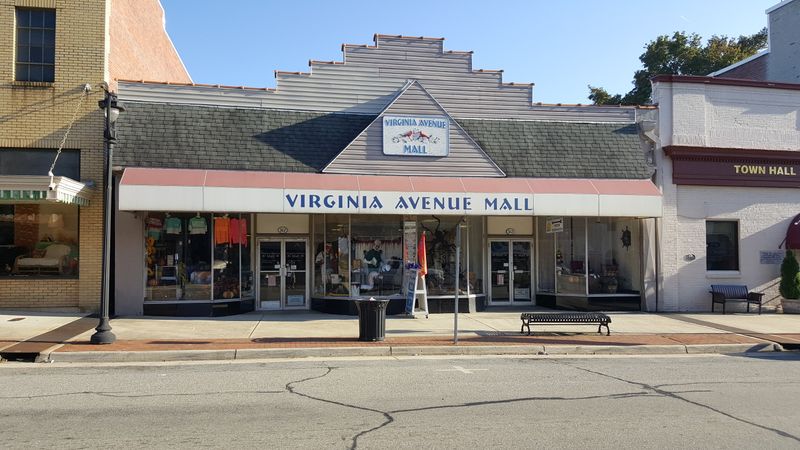
Clarksville’s Main Street showcases architectural styles spanning multiple eras, each reflecting the town’s economic fortunes at different moments. Victorian commercial buildings sit beside simpler structures from earlier periods, creating a visual timeline of development.
Some facades retain original details, while others have been modernized or modified over the decades.
Storefronts that once housed thriving businesses now hold different enterprises or stand vacant. The buildings themselves survived even as the commerce inside changed repeatedly.
Architectural details like cornices, window arrangements, and brickwork reveal construction dates and original purposes.
Preservation efforts have saved some historic structures, though others were lost to fire, neglect, or demolition. Each building holds stories of the families who built them, the businesses that operated inside, and the customers who passed through their doors.
Main Street’s evolution mirrors broader economic shifts from agriculture to tourism.
Walking this street today means seeing layers of history in physical form. The architecture documents ambition, decline, adaptation, and persistence.
Some buildings await restoration, while others serve new purposes. Together they create a streetscape that feels authentic rather than manufactured, showing real change over real time in a real Virginia town.
Dear Reader: This page may contain affiliate links which may earn a commission if you click through and make a purchase. Our independent journalism is not influenced by any advertiser or commercial initiative unless it is clearly marked as sponsored content. As travel products change, please be sure to reconfirm all details and stay up to date with current events to ensure a safe and successful trip.
