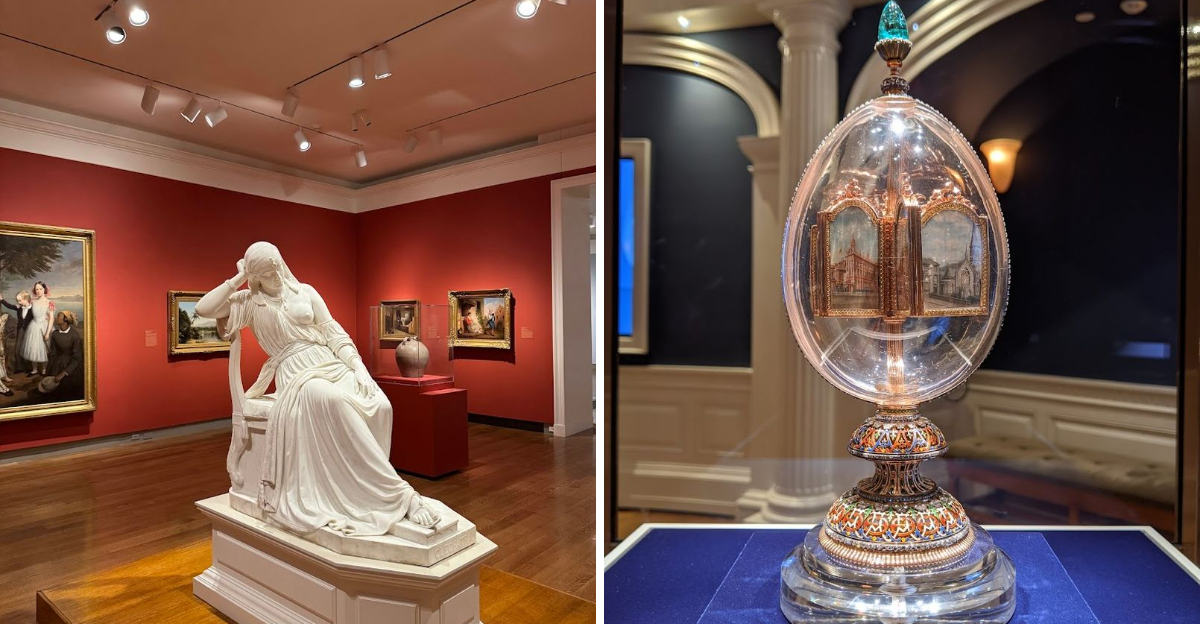
Some museums whisper their greatness, and this museum in Richmond is exactly that kind of place. Tucked along Arthur Ashe Boulevard, it holds one of the most powerful visual records of the American South you will ever encounter, and admission is completely free.
I walked in expecting a pleasant afternoon and walked out genuinely moved. If you have been sleeping on Richmond as a cultural destination, this museum is the wake-up call you did not know you needed.
A Long Arc: Photography and the American South Since 1845
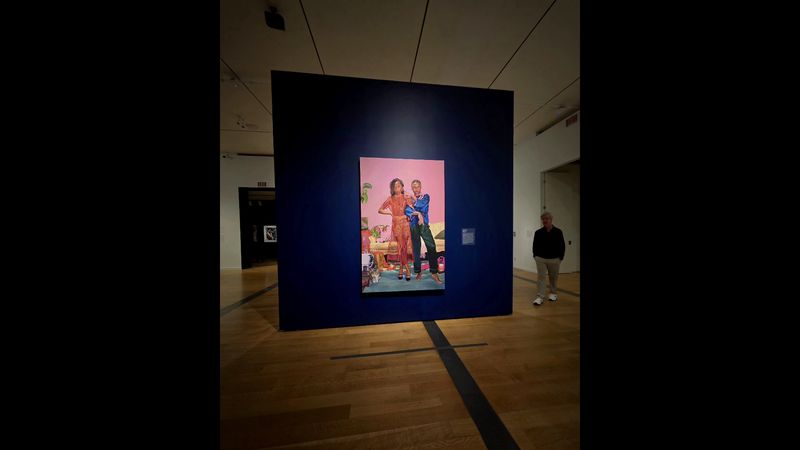
Photography has a way of freezing time, and this landmark exhibition at the Virginia Museum of Fine Arts proved that point with breathtaking clarity. Spanning nearly two centuries of Southern history, it brought together over two hundred photographs that trace the region’s shifting identity with raw, unflinching honesty.
Works by Alexander Gardner, Dorothea Lange, Robert Frank, and Sally Mann shared wall space in a way that felt both intentional and electric. Each image pulled me deeper into a story that Virginia has been quietly telling for generations.
The exhibition moved chronologically through the Civil War era, the documentary photography of the 1930s and 1940s, the civil rights movement, and contemporary social issues. Seeing these chapters laid out visually made the South’s complexity feel tangible rather than abstract.
What struck me most was how accessible it all felt. This was not a collection designed to intimidate.
It was curated to spark conversation, reflection, and maybe even a little discomfort, which is exactly what great art should do. Honestly, this single exhibition alone is worth the drive to Richmond.
The Permanent American Art Collection
Standing in front of Eastman Johnson’s 1862 painting “A Ride for Liberty, The Fugitive Slaves” stopped me cold. It depicts a family of African Americans riding desperately toward freedom during the Civil War, and it carries a weight that no textbook description can replicate.
This painting is part of the Virginia Museum of Fine Arts’ broader American art holdings, a collection that refuses to shy away from the complicated, painful, and triumphant threads woven through Southern history. The curation feels deliberate and deeply considered.
Paintings, sculptures, and decorative objects sit side by side in a layout that encourages you to draw your own connections across time periods and styles. Nothing feels random.
Every placement seems to serve a larger visual argument about who Americans are and where they came from.
Virginia’s own complicated history makes this collection feel especially resonant when you are standing inside a Richmond museum. The state’s past is present in every canvas, and VMFA does not flinch from that reality.
That courage is what elevates this collection above a simple display of beautiful objects.
The World-Class Faberge Egg Collection
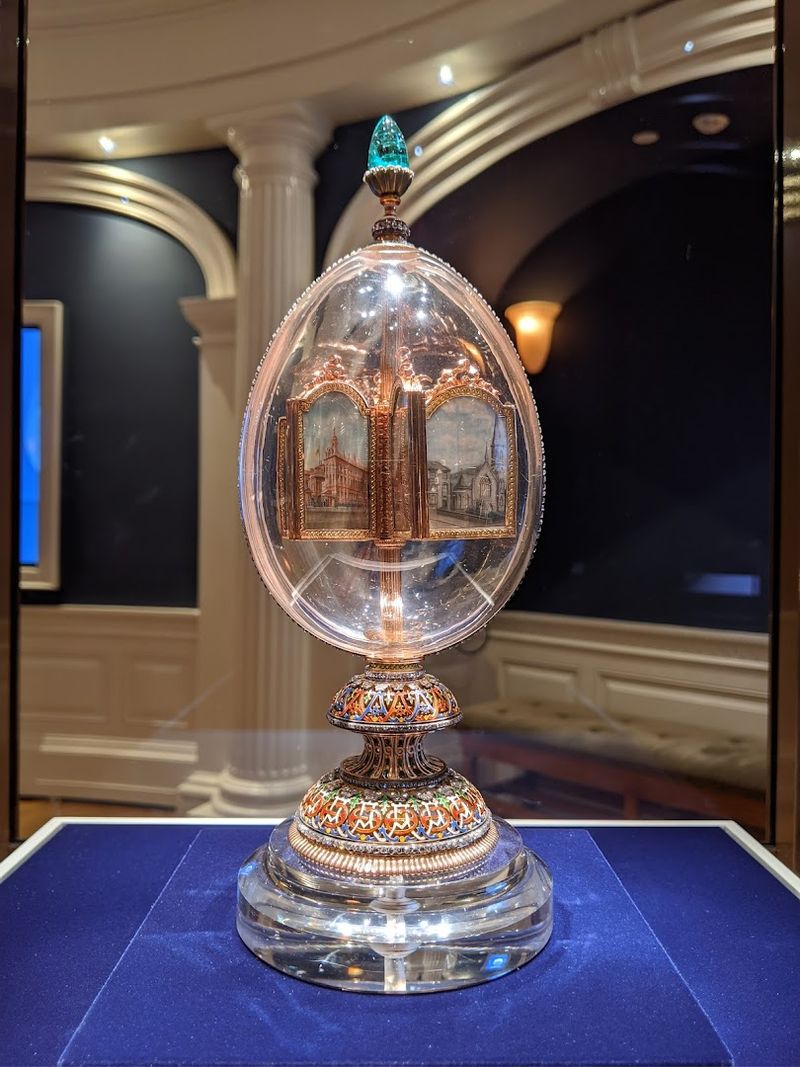
Not every surprise at the Virginia Museum of Fine Arts is rooted in Southern history. Some surprises are encrusted with jewels and small enough to hold in your palm.
The VMFA houses the largest public collection of Faberge objects outside of Russia, and seeing them in person is genuinely jaw-dropping.
Each egg is a masterpiece of precision craftsmanship, layered with enamel, gold, and gemstones in combinations that should feel excessive but somehow feel perfect. The cases are lit to highlight every intricate detail, and I found myself pressing closer to the glass more than once.
What makes this collection so memorable is its sheer unexpectedness. You come to Virginia to learn about the American South, and then you stumble into a room full of imperial Russian artistry.
That kind of curatorial range is rare and genuinely thrilling.
The Faberge gallery draws a crowd for good reason. People who claim they are not particularly interested in decorative arts tend to linger here longer than anywhere else.
There is something almost hypnotic about objects crafted with that level of devotion and skill. Do not skip this room under any circumstances.
The Art Nouveau Gallery, Finest Outside Paris
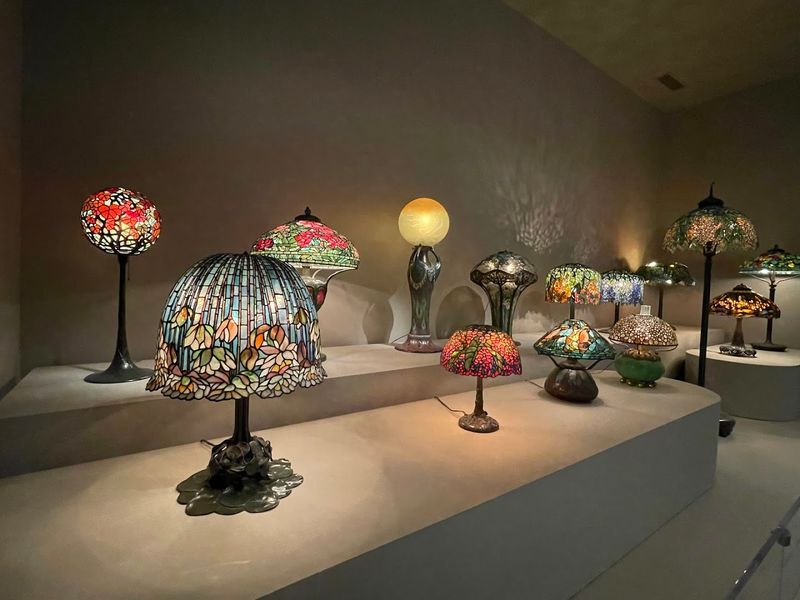
Art Nouveau is one of those movements that photographs beautifully but absolutely demands to be experienced in person. Lucky for art lovers, the Virginia Museum of Fine Arts holds what is considered the finest Art Nouveau collection outside of Paris, and it delivers on every promise that reputation makes.
Flowing organic lines, nature-inspired motifs, and that distinctive early twentieth century sensibility fill the gallery with a warmth that feels almost alive. Furniture, glasswork, jewelry, and ceramics share the space in a way that feels more like walking into a beautifully designed home than a traditional museum display.
Emile Galle’s glasswork is particularly stunning. The colors shift depending on how light hits each piece, and the botanical designs feel impossibly delicate for something made of glass.
Spending time in this gallery rewired my understanding of what decorative art can achieve.
Richmond is not a city most people associate with world-class European decorative arts, which makes discovering this collection feel like a genuine secret. Virginia keeps surprising you at every turn inside this building, and the Art Nouveau gallery is one of its most quietly spectacular chapters.
Ancient Egyptian and World Antiquities
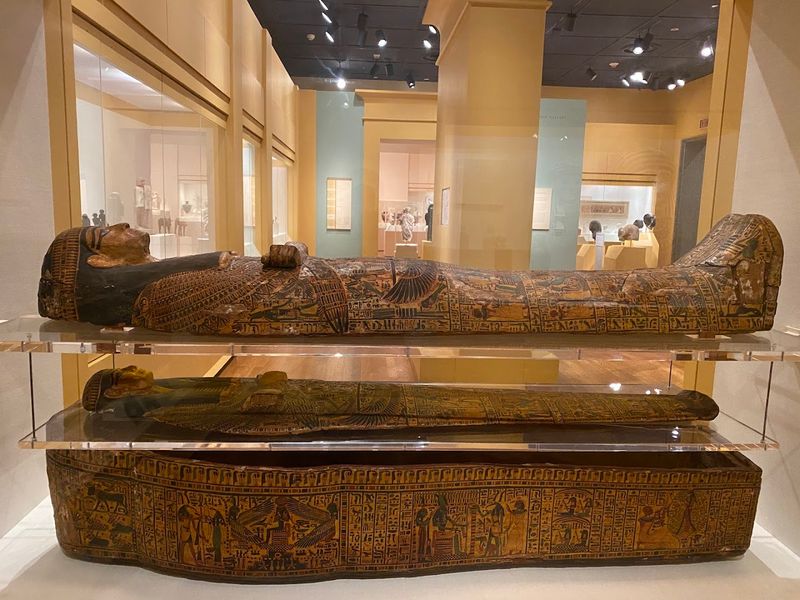
My expectations for the ancient world galleries were modest walking in, and the Virginia Museum of Fine Arts absolutely demolished them. The Egyptian collection alone is more substantial than anything I had encountered outside of dedicated archaeology museums, and that caught me completely off guard.
Carved stone figures, funerary objects, and ceremonial artifacts fill the cases with the kind of quiet authority that only truly ancient things possess. Each object has survived thousands of years to end up in Richmond, Virginia, which is a fact that takes a moment to fully absorb.
Beyond Egypt, the antiquities collection spans multiple continents and civilizations, creating a genuinely global context for the American and Southern art found elsewhere in the building. That breadth of scope is part of what makes VMFA feel so intellectually generous.
One detail I particularly appreciated was the quality of the wall text and interpretive panels. They manage to be informative without being condescending, which is harder to achieve than it sounds.
You leave these galleries feeling genuinely educated rather than lectured at, and that makes a meaningful difference in how long you want to stay.
The Outdoor Sculpture Garden and Grounds
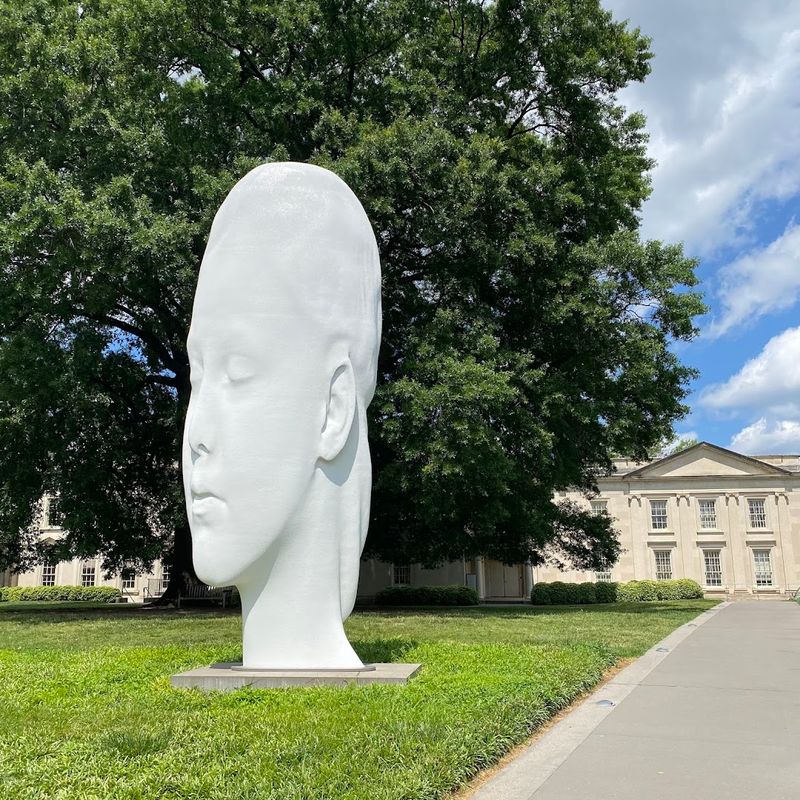
Stepping outside the Virginia Museum of Fine Arts feels like a natural extension of the experience rather than a break from it. The grounds are genuinely gorgeous, landscaped with care and dotted with large-scale sculptures that hold their own against the open sky.
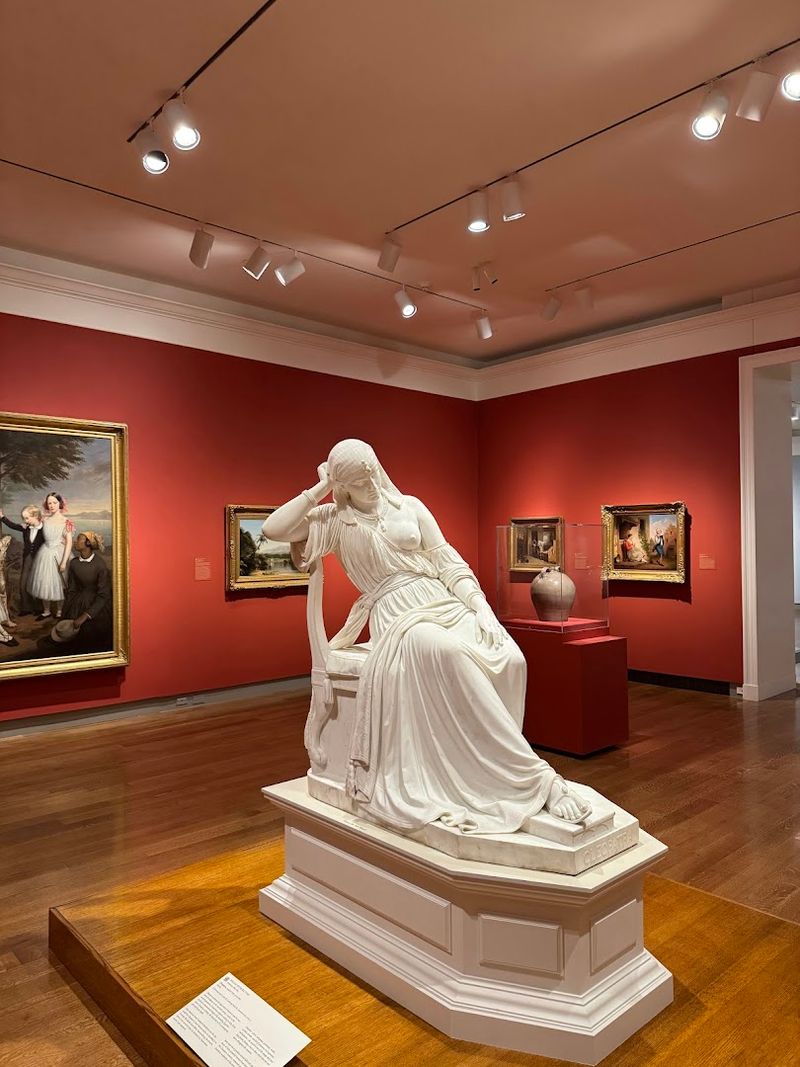
Chloe, the massive white sculpture positioned on the museum grounds, has become something of a landmark in her own right. She is impossible to miss and impossible not to photograph.
The outdoor art trail invites you to slow down and engage with work that benefits from natural light and open space in ways that indoor galleries simply cannot replicate.
On a warm afternoon, the grounds attract families, couples, and solo wanderers who are perfectly happy to sit on the grass and let the art come to them. There is a relaxed, community-park energy out here that softens the more formal museum atmosphere inside.
Virginia’s mild seasons make the outdoor collection accessible for much of the year, and the VMFA takes full advantage of that. Live events, dance performances, and seasonal programming regularly spill onto the grounds, turning the museum campus into something genuinely lively rather than strictly contemplative.
Special Exhibitions and Rotating Shows
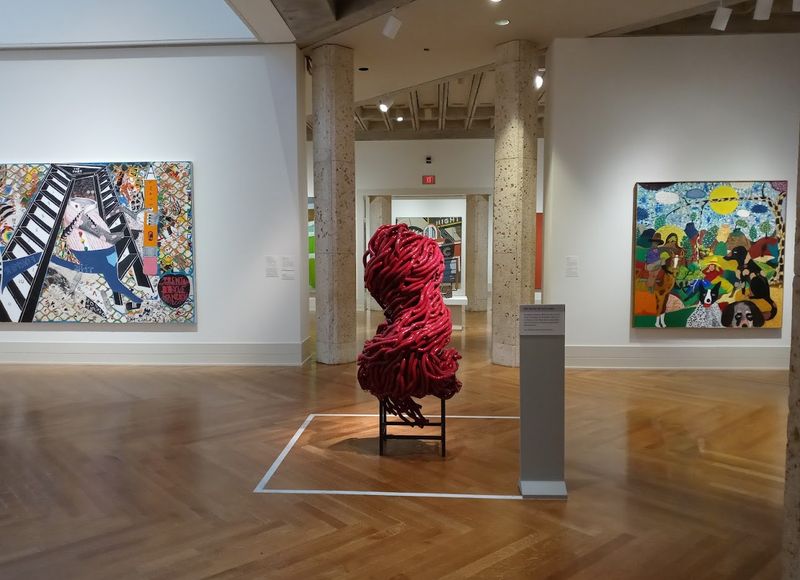
The permanent collection alone would justify a trip to the Virginia Museum of Fine Arts, but the rotating special exhibitions push the experience into genuinely unmissable territory. Past shows have featured Frida Kahlo, the Giants collection curated by Swizz Beatz and Alicia Keys, and the landmark photography survey of the American South.
Each exhibition brings a distinct curatorial personality to the museum’s elegant spaces. The Frida Kahlo show incorporated interactive video elements alongside the artwork, creating an immersive atmosphere that rewarded slow, attentive viewing.
The Giants show matched its bold subject matter with equally bold presentation choices.
What impresses me most about the VMFA’s programming is the range. High-profile celebrity-curated collections sit alongside rigorous historical surveys without either feeling out of place.
That tonal flexibility speaks to a curatorial team with genuine confidence and vision.
Checking the museum’s calendar before your visit is genuinely worth the two minutes it takes. Special exhibitions sometimes require separate tickets, so planning ahead saves you the disappointment of missing something extraordinary.
The VMFA updates its programming regularly, giving repeat visitors fresh reasons to return to Richmond every few months.
Live Jazz, Events, and Cultural Programming
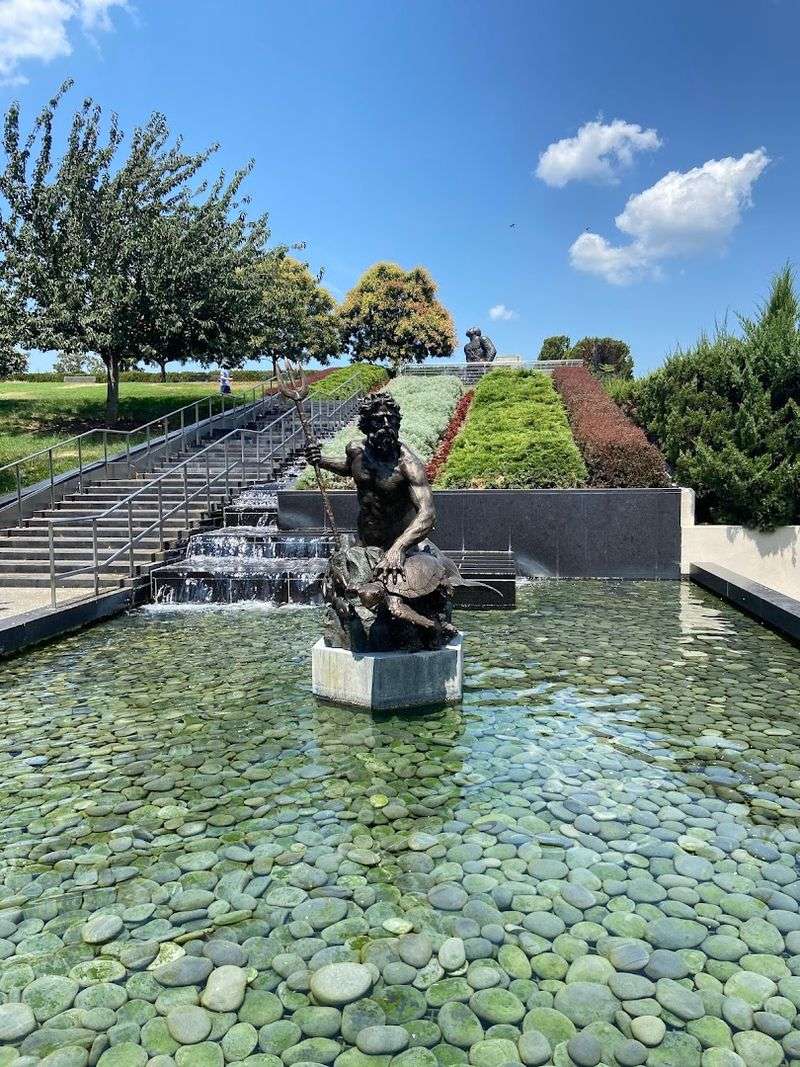
Few art museums feel as genuinely alive after hours as the Virginia Museum of Fine Arts does on a Friday or Saturday evening. The programming calendar extends well beyond traditional gallery hours, transforming the building into a cultural hub that Richmond residents clearly treasure.
Live jazz sessions are a recurring highlight, filling the museum’s beautiful interior spaces with sound that complements the visual art in surprisingly moving ways. I attended one on a visit and found the combination of music and surrounding paintings created an atmosphere that was almost impossible to leave.
Tango nights, family programming, film screenings, and community events rotate through the calendar with impressive regularity. The VMFA seems genuinely committed to being a living institution rather than a static showcase, and that philosophy shows in how warmly locals engage with the space.
Virginia has a rich tradition of community gathering around cultural institutions, and the VMFA embodies that spirit more fully than almost anywhere else I have visited in the state. The events are typically free or modestly priced, keeping the museum accessible to the full spectrum of Richmond’s diverse and enthusiastic community.
Check the calendar, pick an evening, and prepare to be pleasantly surprised.
Amuse Restaurant and the Museum Dining Experience
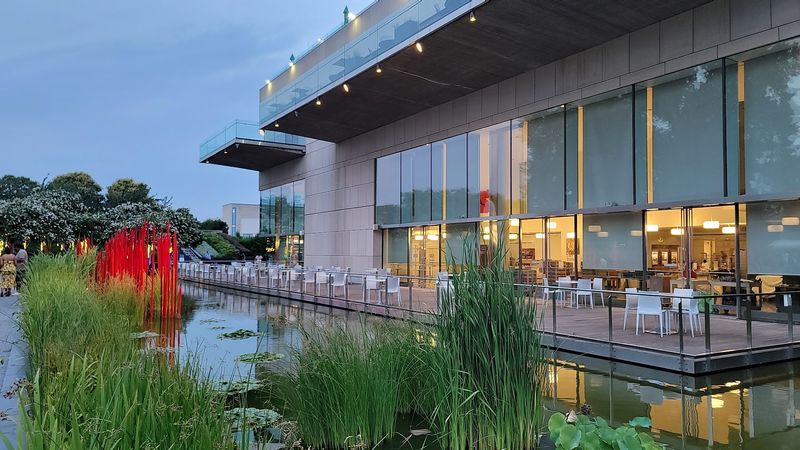
Perched at the top of the Virginia Museum of Fine Arts, Amuse restaurant earns its name. The views alone would justify a reservation, but the food and atmosphere together make it one of Richmond’s more memorable dining experiences, full stop.
The room is beautiful in that understated, confident way that good design always manages. Large windows frame views of the surrounding campus and cityscape, and the art on the walls continues the museum’s curatorial conversation in a setting where you can linger over a meal rather than move on to the next gallery.
For something more casual, the ground floor cafe offers a relaxed alternative with Blanchard’s coffee and lighter fare. The bottomless coffee situation there has earned genuine devotion from regulars who use the museum as a comfortable, creative workspace on weekday mornings.
Having quality dining options inside the museum removes one of the classic excuses for cutting a visit short. You can spend a full day at VMFA without ever needing to leave the building, moving fluidly between galleries, the cafe, the restaurant, and back again.
That kind of seamless experience is rarer than it should be, and the VMFA gets it exactly right.
Free Admission and Accessibility at VMFA
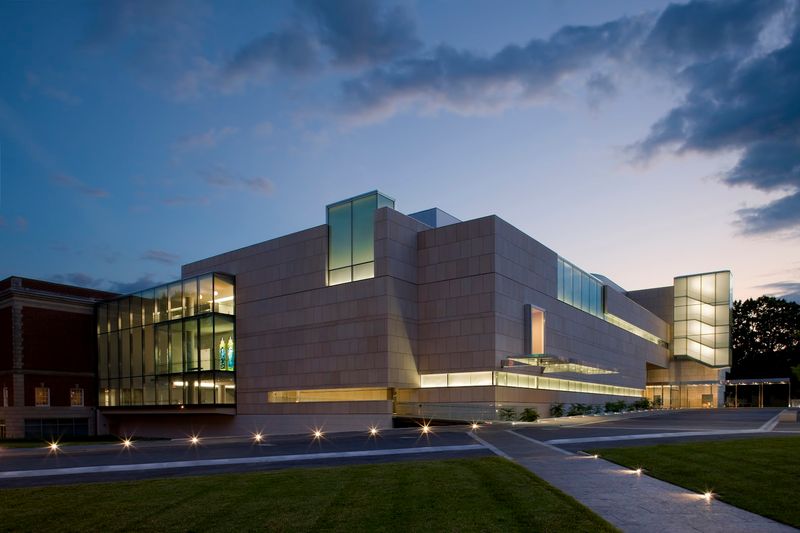
Here is the detail that genuinely sets the Virginia Museum of Fine Arts apart from almost every comparable institution in the country: general admission is completely free, every single day of the year. That is not a promotional period or a limited offer.
It is the museum’s permanent, unwavering commitment to accessibility.
For a collection of this scale and quality, that policy is extraordinary. Comparable museums in other major cities charge significant entry fees for collections that do not match what VMFA offers.
Richmond residents have access to world-class art at zero cost, which is something worth celebrating loudly.
The museum is open six days a week with extended evening hours on Wednesdays, Thursdays, and Fridays, giving working adults genuine flexibility to visit at their own pace. Accessible bathrooms on every floor, clear navigation, and a welcoming staff make the space comfortable for all visitors regardless of mobility or familiarity with museums.
The museum is located at 200 N Arthur Ashe Blvd, Richmond, VA 23220. Parking is available in an on-site garage for a modest fee.
Plan to arrive early on weekends to secure a spot easily. The VMFA is the kind of place that makes you proud Virginia exists.
