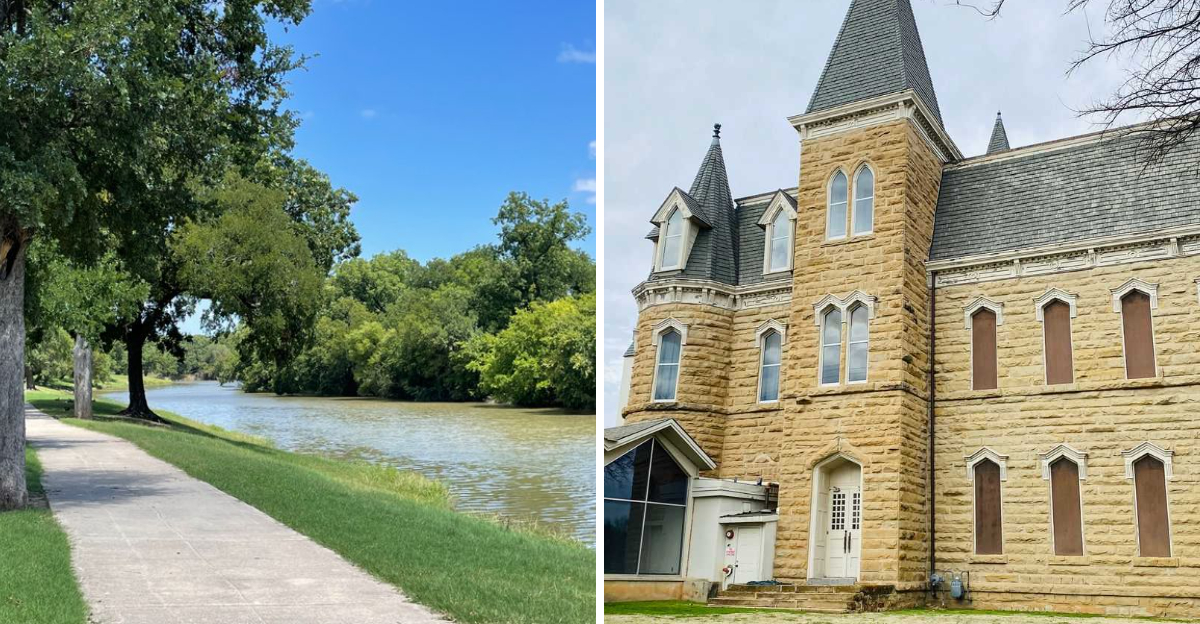
Rolling into Brownwood feels like easing into a different rhythm. The streets are lined with historic buildings that have clearly seen decades come and go, and downtown has that steady, lived in feel that bigger places try hard to recreate.
I spent most of my time wandering the square, ducking into local shops and settling into a café where conversations stretch longer than expected. There is a real sense of pride here, not flashy or overdone, just steady and genuine.
The mix of old storefronts, familiar faces, and small town traditions makes it easy to stay longer than planned. Brownwood does not try to impress you.
It just lets you experience it at your own pace, and that is exactly what makes it memorable.
Downtown Historic District
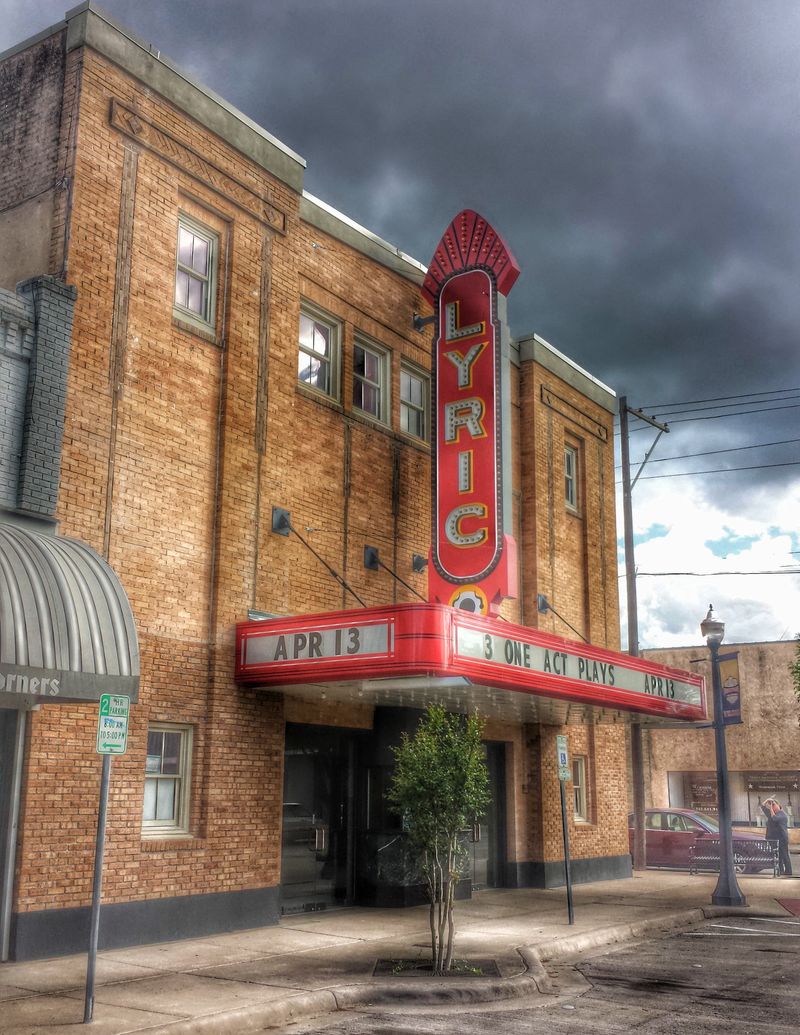
Walking through downtown Brownwood feels like flipping through pages of a living history book. The brick buildings date back to the late 1800s and early 1900s, their facades still showing the craftsmanship of another era.
I noticed details you just don’t see anymore: hand-carved cornerstones, original signage painted on brick walls, and iron fixtures that have weathered more than a century of Texas sun.
The district stretches several blocks along Center Avenue, where local shops and cafes now occupy spaces that once housed mercantiles and saloons. Small businesses thrive here, run by families who’ve called Brownwood home for generations.
You can browse antique stores, grab coffee at a corner cafe, or simply sit on a bench and watch the town go about its day.
What struck me most was how the town has preserved these buildings without turning them into museum pieces. They’re still functional, still part of daily life, which gives the whole area an authentic feel that’s increasingly rare in small Texas towns.
Howard Payne University Campus
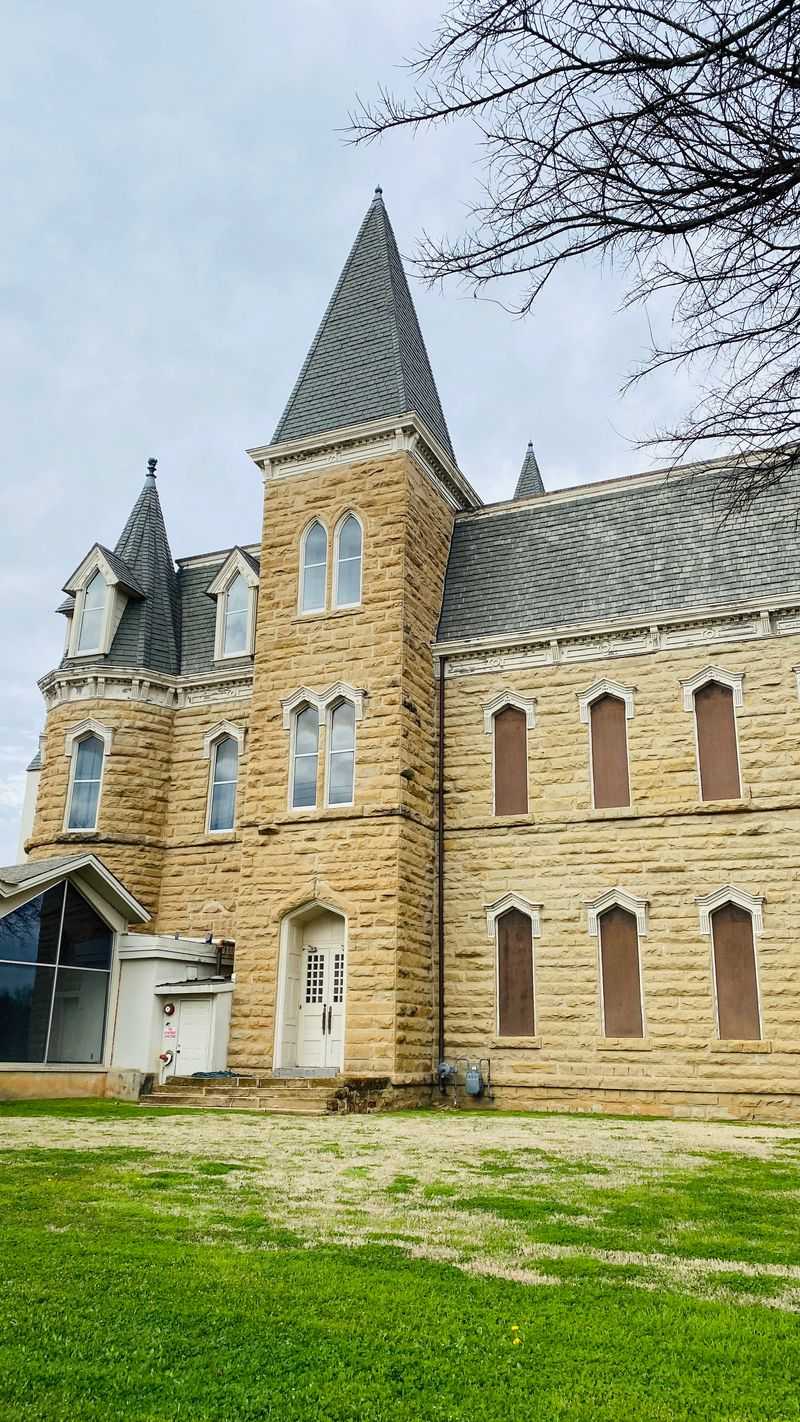
Howard Payne University has anchored Brownwood since 1889, making it one of the oldest educational institutions in Central Texas.
The campus spreads across the town with a mix of historic and modern buildings, all shaded by massive pecan trees that must have seen generations of students pass beneath them.
I walked the grounds on a quiet afternoon and felt the weight of all that history.
The university brings a youthful energy to Brownwood that balances perfectly with the town’s more traditional character. Students fill local coffee shops, participate in community events, and add a vibrant layer to the town’s personality.
The campus itself is beautiful, with Gothic-style architecture on some of the older buildings and well-maintained grounds that invite exploration.
Even if you’re not connected to the university, the campus is worth a stroll. Public art installations dot the walkways, and the Douglas MacArthur Academy of Freedom offers fascinating exhibits about American history and democracy that are open to visitors year-round.
Brown County Museum of History
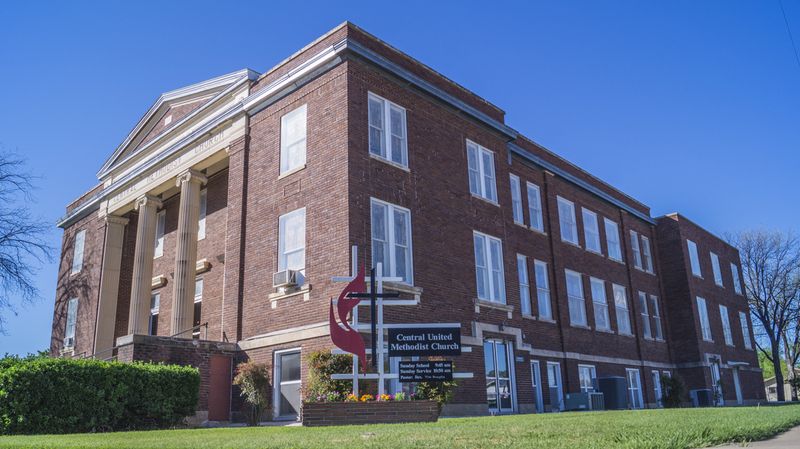
Housed in a former jail building from 1903, the Brown County Museum tells stories that textbooks often miss. I spent over an hour wandering through exhibits that chronicle everything from Native American settlements to pioneer life to the oil boom that transformed the region.
The building itself adds to the experience, with its original cell blocks still intact on the upper floor.
What makes this museum special is its focus on ordinary people rather than just famous figures. You’ll find artifacts from local families, letters written by settlers, tools used by early ranchers, and photographs that capture daily life across different eras.
The volunteers who run the place are incredibly knowledgeable, many of them lifelong residents with personal connections to the stories being told.
The museum also maintains extensive genealogical records, making it a valuable resource for anyone researching family history in Central Texas. Even if you’re not doing research, the displays offer genuine insight into how Brownwood evolved from a frontier outpost to the community it is today.
Camp Bowie Memorial Park
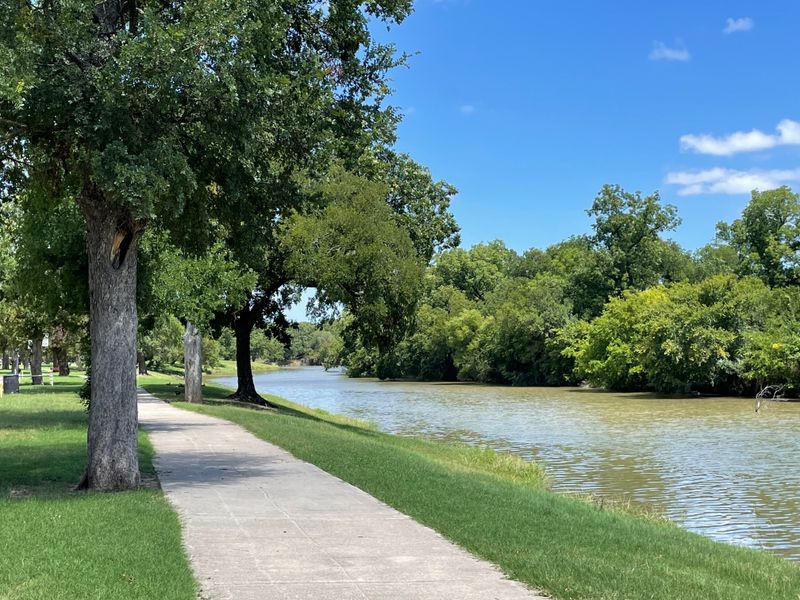
Camp Bowie holds a significant place in American military history, and this memorial park honors that legacy with quiet dignity. During World War I, the camp trained thousands of soldiers from the 36th Infantry Division before they shipped overseas.
I walked among the monuments and markers, reading names and trying to imagine what this place looked like when it was a bustling military installation.
The park itself is peaceful now, with walking paths, benches, and informational plaques that explain the camp’s role in the war effort. It’s not a large park, but it’s thoughtfully designed to encourage reflection.
Local veterans’ groups maintain the grounds and organize commemorative events throughout the year, keeping the memory of those who trained here alive.
What touched me most was discovering that many soldiers from the camp never returned home, and this park serves as a tangible connection between Brownwood and a pivotal moment in world history. It’s a reminder that even small towns played crucial roles in events that shaped nations.
Lake Brownwood State Park
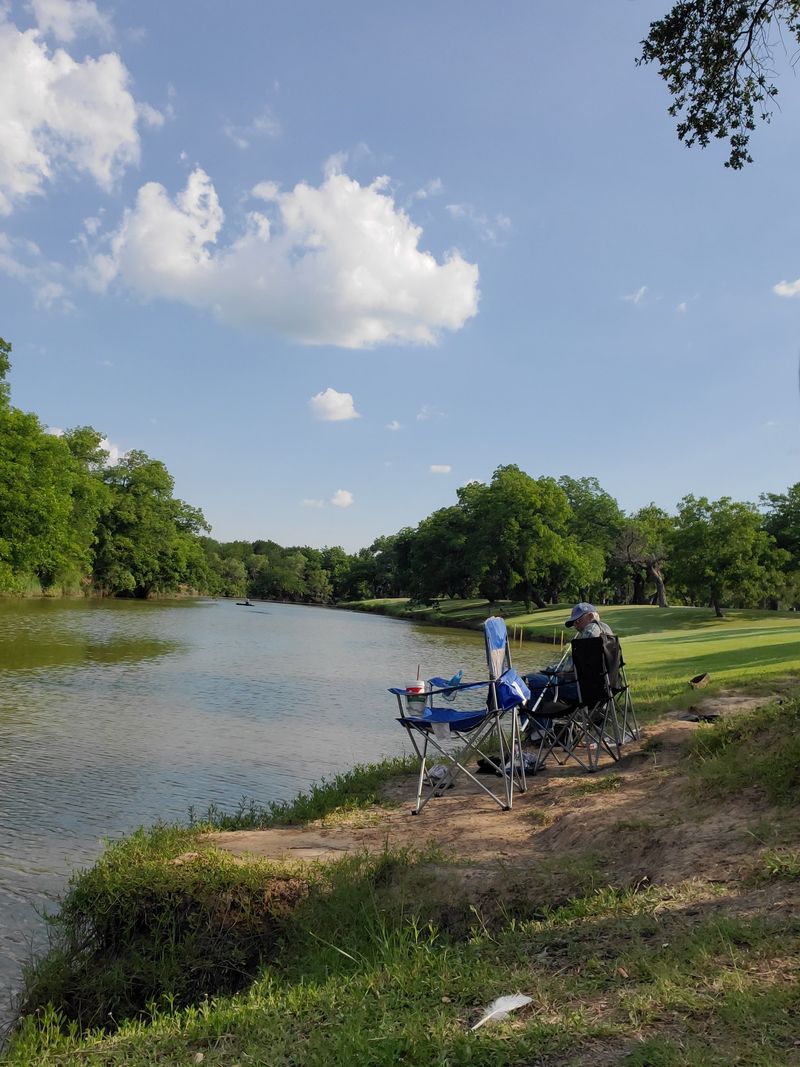
Just outside town, Lake Brownwood State Park offers a natural escape that feels worlds away from anywhere urban. The lake itself covers over 7,000 acres, its waters reflecting the big Texas sky and surrounding hills.
I arrived in the late afternoon when the light turned everything golden, and understood immediately why locals consider this place special.
The park provides everything you need for a day outdoors: hiking trails that wind through oak forests, fishing spots along the shoreline, picnic areas with shade structures, and a swimming beach that gets busy on summer weekends.
The trails vary in difficulty, making them accessible whether you’re an experienced hiker or just want a gentle walk through nature.
Birdwatchers bring binoculars to spot the incredible variety of species that call this area home.
What I appreciated most was how well-maintained everything is without feeling overly developed. The park preserves the natural character of the Hill Country landscape while providing amenities that make visits comfortable and enjoyable for families, solo travelers, and everyone in between.
Lehnis Railroad Museum
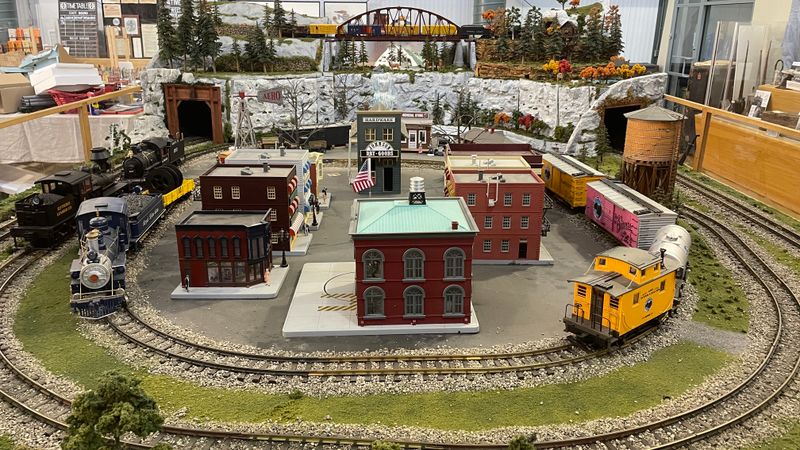
Railroad enthusiasts and history buffs alike will find plenty to love at the Lehnis Railroad Museum. The collection focuses on the Texas and Pacific Railway, which played a vital role in Brownwood’s development and connected the town to larger markets and distant cities.
I’m not usually drawn to train museums, but this one captured my attention with its personal approach to storytelling.
The museum houses an impressive array of artifacts: lanterns, uniforms, tickets, tools, photographs, and even a restored caboose you can climb inside. Each item comes with context about how railroads shaped life in Central Texas, transforming isolated communities into connected hubs of commerce and culture.
The volunteers running the place have encyclopedic knowledge and genuine passion for the subject.
What surprised me was learning how many local families had connections to the railroad industry.
The museum preserves those personal stories alongside the broader historical narrative, making it feel less like a collection of objects and more like a tribute to the people who built and ran these vital transportation networks across Texas.
Adams Street Community Center
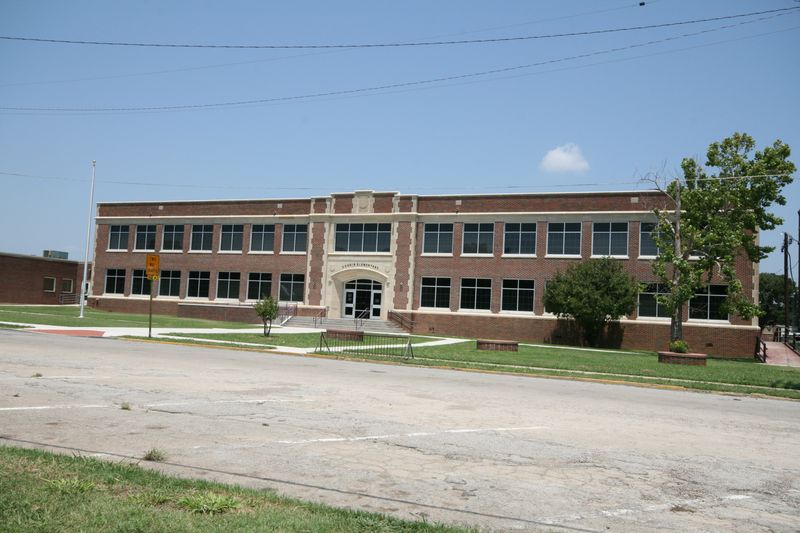
The Adams Street Community Center represents Brownwood’s commitment to preserving its diverse cultural heritage. This historic building served the African American community during segregation, functioning as a school, gathering place, and cultural hub.
I visited during a community event and felt the building’s continued importance as a space where people come together across generations.
Today, the center hosts events, classes, workshops, and celebrations that keep community traditions alive while creating new ones. The building itself has been beautifully restored, maintaining its historic character while adding modern amenities.
Local artists display work in the gallery space, and the center’s programming includes everything from youth activities to senior programs to cultural festivals.
What makes this place special is how it bridges past and present. The stories preserved here are essential parts of Brownwood’s complete history, offering perspectives and experiences that deserve recognition and celebration.
The center serves as a reminder that small-town Texas has always been more diverse and complex than simplified narratives suggest.
Coggin Avenue Historic Homes
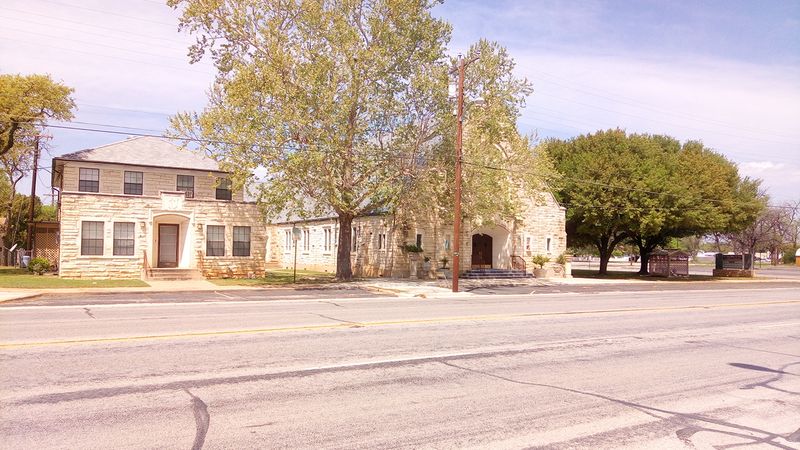
Some of Brownwood’s most beautiful architecture lines Coggin Avenue, where prosperous families built impressive homes during the town’s early boom years.
I drove slowly down this street, admiring houses that showcase Victorian, Colonial Revival, and Craftsman styles, each one distinct and carefully maintained.
These aren’t museum houses behind velvet ropes; they’re lived-in homes that happen to be architectural treasures.
The neighborhood tells a story about Brownwood’s prosperity in the late 1800s and early 1900s when the town was a regional center for ranching, cotton, and later oil.
The homes feature details that modern construction rarely includes: wraparound porches, stained glass windows, intricate woodwork, and turrets that seem almost whimsical.
Mature trees shade the sidewalks, making it a pleasant area for walking.
What struck me was the obvious pride residents take in preserving these homes. Gardens are meticulously tended, paint colors are historically appropriate, and original features are maintained rather than replaced.
It’s a living neighborhood that honors its past while remaining very much part of present-day Brownwood.
Brownwood Coliseum
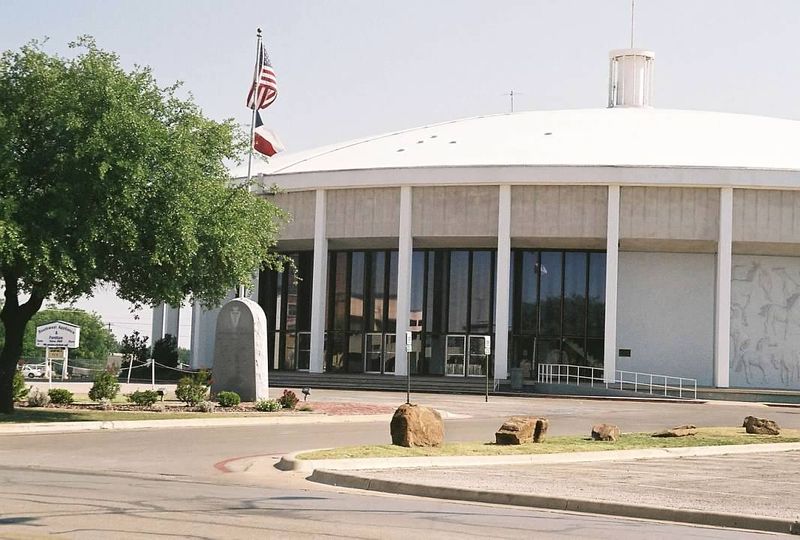
The Brownwood Coliseum proves that small towns can support big venues when community matters. This multi-purpose facility hosts everything from rodeos to concerts to trade shows to high school graduations.
I happened to catch a livestock show during my visit, and the energy inside was electric, with families cheering for young exhibitors showing cattle and sheep.
Built to serve the agricultural community that surrounds Brownwood, the coliseum has become a gathering place for events that bring people together from across the region. The facility is surprisingly large and well-equipped, with seating for thousands and the infrastructure to handle diverse events.
During rodeo season, professional cowboys compete here, and the stands fill with spectators who understand and appreciate the sport.
What I loved about the coliseum was how it reflects Brownwood’s identity as a town connected to ranching and agriculture while also serving broader community needs. It’s not trying to be something it’s not; it’s simply providing a quality venue for the events and activities that matter most to local residents.
Riverside Nature Center
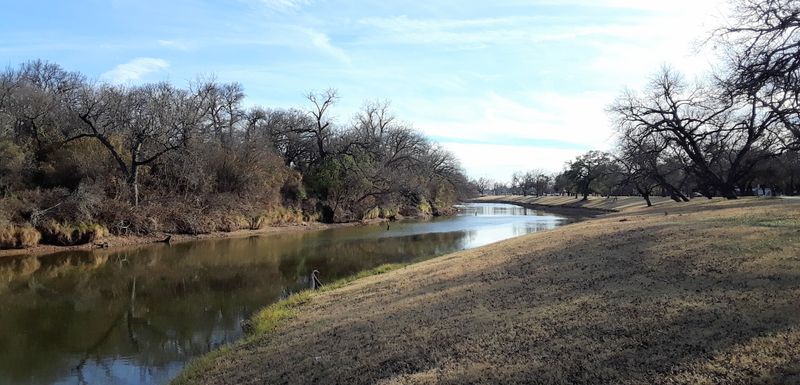
Tucked along Pecan Bayou, the Riverside Nature Center offers a quiet retreat where you can connect with the native plants and wildlife of the Hill Country. I visited on a morning when mist still hung over the water, and the only sounds were birds calling and leaves rustling in the breeze.
The center focuses on conservation and education, teaching visitors about the ecosystems that make this region unique.
Walking trails wind through different habitats, each one labeled with information about the plants growing there and the animals that depend on them.
The center maintains demonstration gardens showing how native plants can be used in landscaping, which is both beautiful and practical for anyone interested in water-wise gardening.
Volunteer naturalists lead walks and programs throughout the year, sharing knowledge about everything from butterflies to geology.
What makes this place valuable is its mission to help people understand and protect the natural world around them. It’s not flashy or large, but it serves an important purpose in connecting the community to the land and fostering appreciation for the native beauty that still exists in and around Brownwood.
Dear Reader: This page may contain affiliate links which may earn a commission if you click through and make a purchase. Our independent journalism is not influenced by any advertiser or commercial initiative unless it is clearly marked as sponsored content. As travel products change, please be sure to reconfirm all details and stay up to date with current events to ensure a safe and successful trip.
