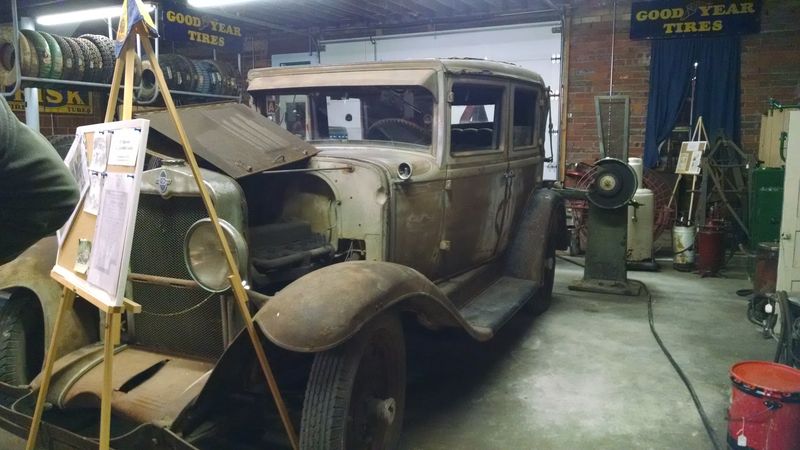
Sometimes the best discoveries in West Virginia sit quietly on a small-town Main Street, waiting for someone curious enough to walk through the door. Following the smell of home cooking down a sleepy little street, I stumbled onto something I never expected: an entire world of automobile history packed into one building.
It turned out to be a treasure chest of car curiosities that even lifelong gearheads have never seen. What follows is a look at a passion project that quietly holds one of the most remarkable automotive collections around.
A Hidden Gem on Harrisville’s Main Street
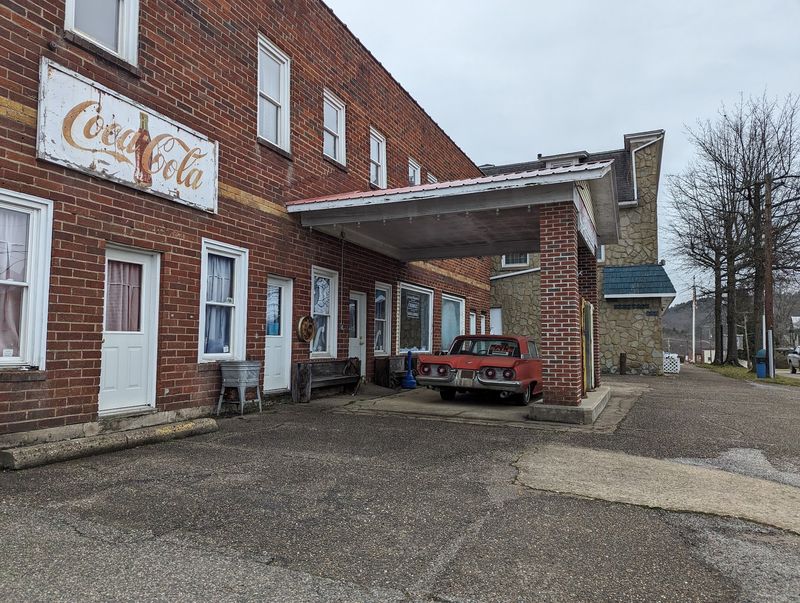
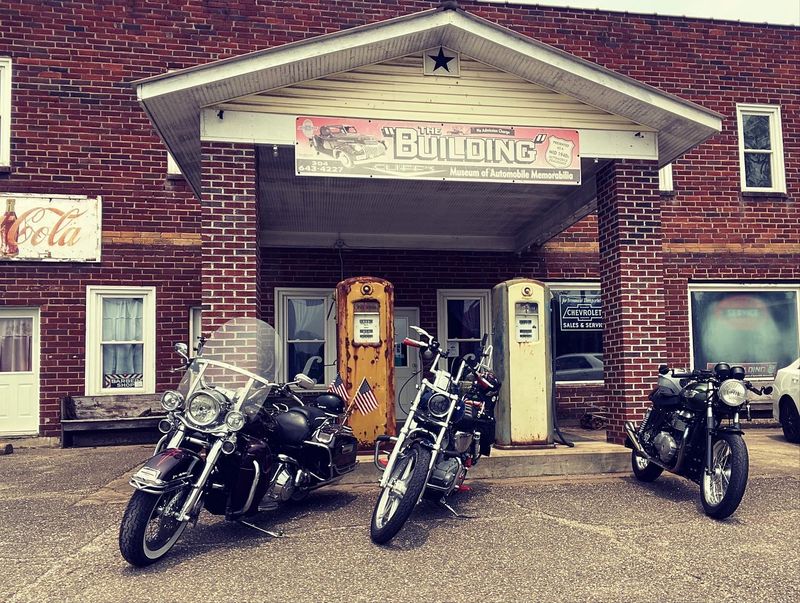
Tucked at 305 E Main St in the small town of Harrisville, West Virginia, sits a museum that most folks drive right past without a second glance. Cliff’s Museum of Car Memorabilia doesn’t shout for attention, and that’s part of its charm.
Behind the modest front is roughly 13,000 square feet of automotive wonder, lovingly assembled over a lifetime. Locals who wander in often walk out amazed at how much history hides inside such an unassuming spot.
What makes the place special isn’t just polished chrome or shiny fenders. Instead, it’s a celebration of the small, forgotten pieces that shaped a century of driving in West Virginia and beyond.
Visitors say the collection gives you goose bumps, and it’s easy to see why. Every shelf and corner seems to hold something you never knew existed.
Free to enter and rich with stories, this is the kind of stop that turns a quick detour into an afternoon you’ll happily lose track of. Harrisville may be quiet, but its little museum speaks volumes.
The Story of a Lifelong Collector
Every great collection starts with one person who simply couldn’t stop, and here that person is Cliff Weese. What began as a personal fascination grew, piece by piece, into something extraordinary.
Regulars describe Cliff as a gracious and knowledgeable host who genuinely loves sharing his life’s work. One visitor mentioned spending three full hours inside and still hating to leave, never once feeling rushed along.
That warmth seems to be the heart of the whole experience. Guests often note how welcoming the owners are, how happy they seem when someone shows real interest in the treasures on display.
Cliff’s dedication shows in the details. Assembling nearly every special license plate the state ever issued takes more than money; it takes decades of patience, hunting, and pure passion.
Rather than lock everything behind glass and charge a steep fee, he opens the doors freely. It feels less like a business and more like a friend inviting you into his garage to see something he loves.
That personal touch is exactly what turns visitors into repeat guests who recommend the place to everybody.
Stepping Into a 1940s Car Dealership
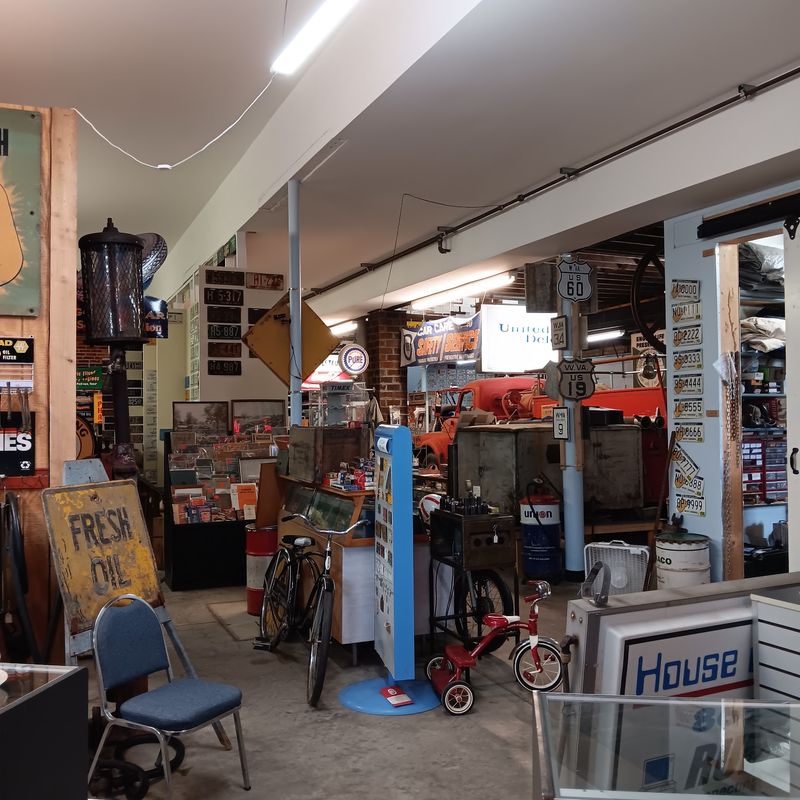
Walk inside and the calendar seems to roll back roughly eighty years. The main space, known simply as the Building, recreates a mid-1940s car dealership right down to the smallest touches.
You’ll find a replicated showroom where gleaming vehicles once would have tempted buyers, along with a stocked parts room that captures the busy hum of a dealership at its peak.
Nearby sits a fully outfitted repair shop and a vintage office, each staged so carefully that it feels like the workers just stepped out for lunch. World War II-era artifacts add another layer of authenticity to the scene.
Rather than a sterile display, the space tells a living story. Every wrench, sign, and counter has a purpose, drawing you into the daily rhythm of an era when cars were repaired by hand and neighbors knew their mechanic by name.
For anyone who grew up around old garages, the setting stirs powerful memories. For younger folks, it offers a vivid, hands-on window into how motoring used to work.
It’s less a museum room and more a time capsule you get to walk through.
The World’s Most Complete West Virginia License Plate Collection
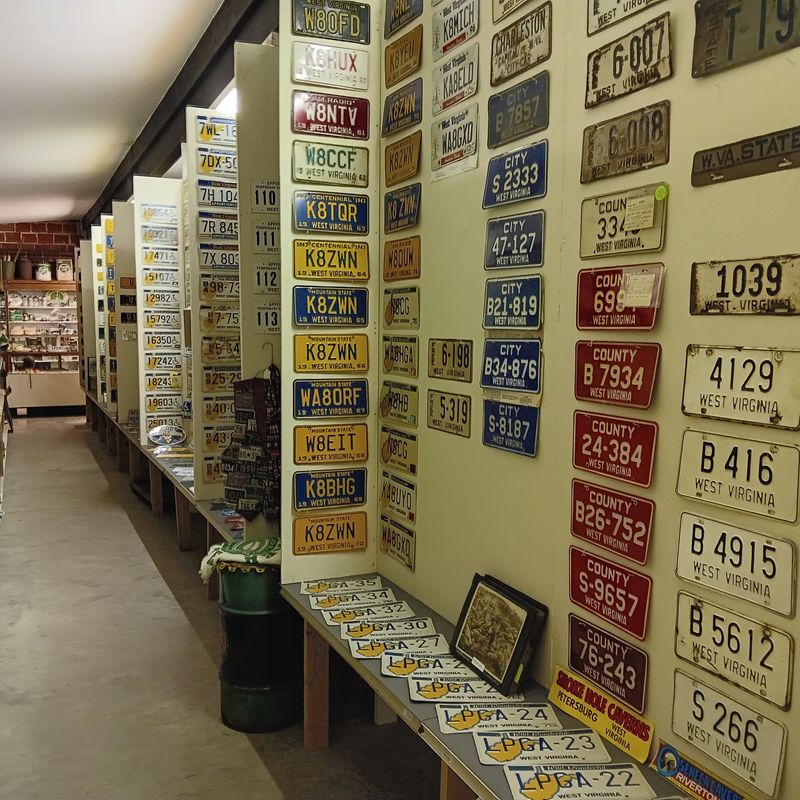
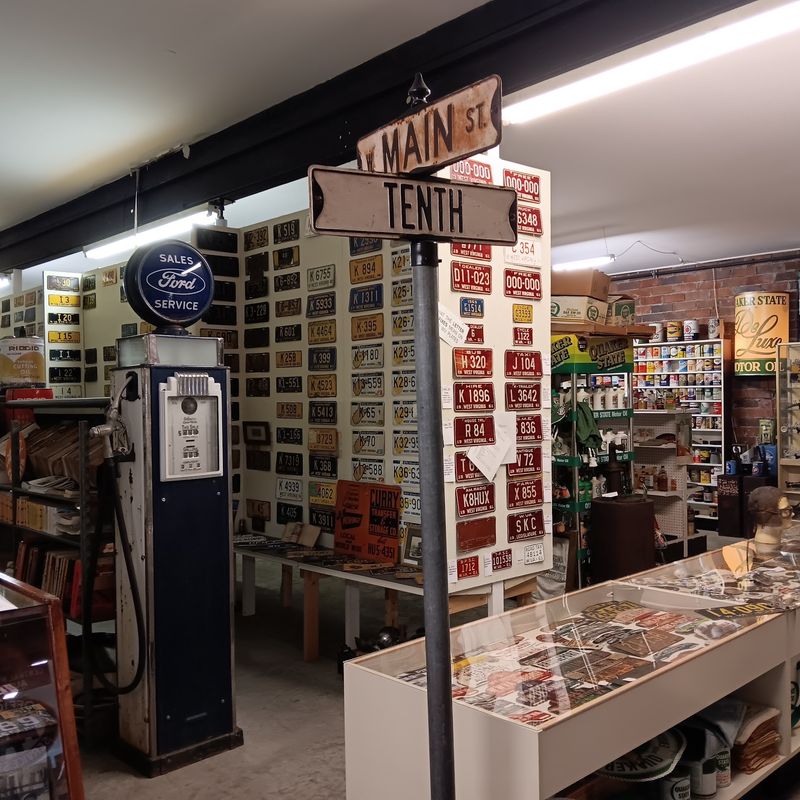
Imagine a wall so crowded with license plates that your eyes struggle to take it all in. That’s the jaw-dropping sight waiting here, and it’s considered the most complete West Virginia plate collection in the world.
The numbers alone are staggering. More than 4,000 unique plates fill the space, representing nearly every design the state has ever produced across more than a century of driving.
Among the rows are some truly rare finds. One of the only known 1905 West Virginia plates lives here, along with one of just fifteen surviving 1906 plates still known to exist.
Collecting nearly every special plate the state ever issued is the kind of feat that leaves even seasoned enthusiasts shaking their heads in disbelief. Each little metal rectangle carries a slice of history.
For West Virginians, the display doubles as a scrapbook of home. You might spot a plate style from the year you got your first car or the decade you learned to drive.
Visitors interested in state history often linger longest here, tracing the changing colors and shapes year by year.
Rare Paper Treasures From the Early Days of Driving
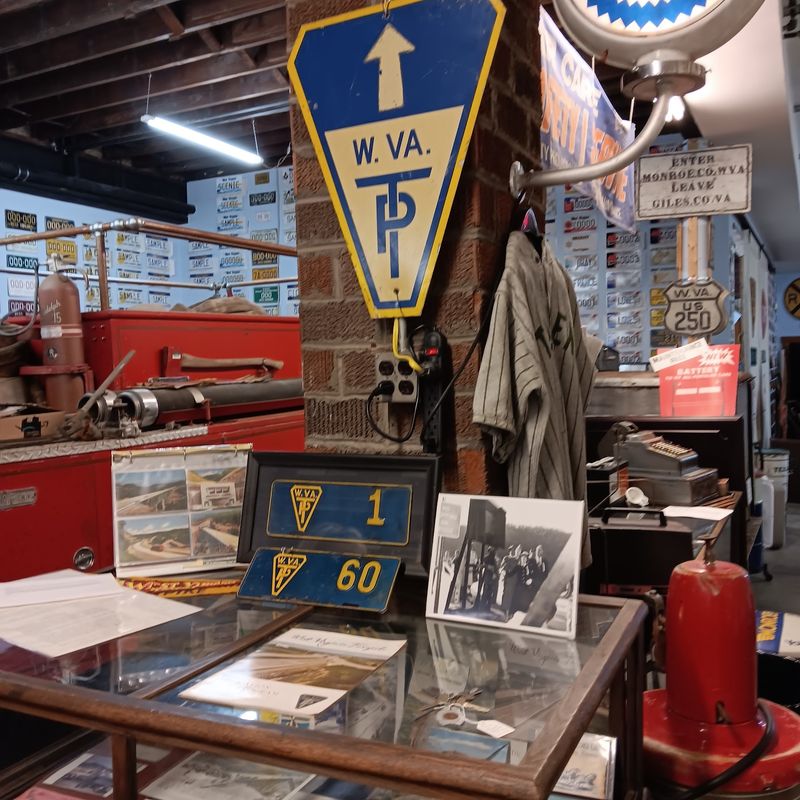
Beyond the metal plates lies a quieter kind of wonder: fragile paper and pinned badges that most people would have thrown away long ago. Cliff saved them, and they’re fascinating.
Picture a case full of chauffeurs’ badges, each once worn by a driver-for-hire in a bygone era. Beside them, a colorful spread of vintage drivers’ licenses shows how the humble ID card evolved over the decades.
There are automobile titles and registration cards too, small documents that once meant everything to a proud new car owner. Holding that kind of history in your gaze feels oddly personal.
These little artifacts tell stories the big shiny cars never could. They speak of ordinary people, daily commutes, and the paperwork of getting behind the wheel a hundred years ago.
What sets them apart is how rarely you’d find them in a grander, more conventional museum. Most institutions chase the flashy centerpieces and overlook these humble treasures entirely.
For history lovers, the paper collection may be the real hidden gem. It’s the kind of detail that rewards slow, curious wandering rather than a quick glance and a snapshot.
Oddball Automotive Memorabilia You Won’t See Elsewhere
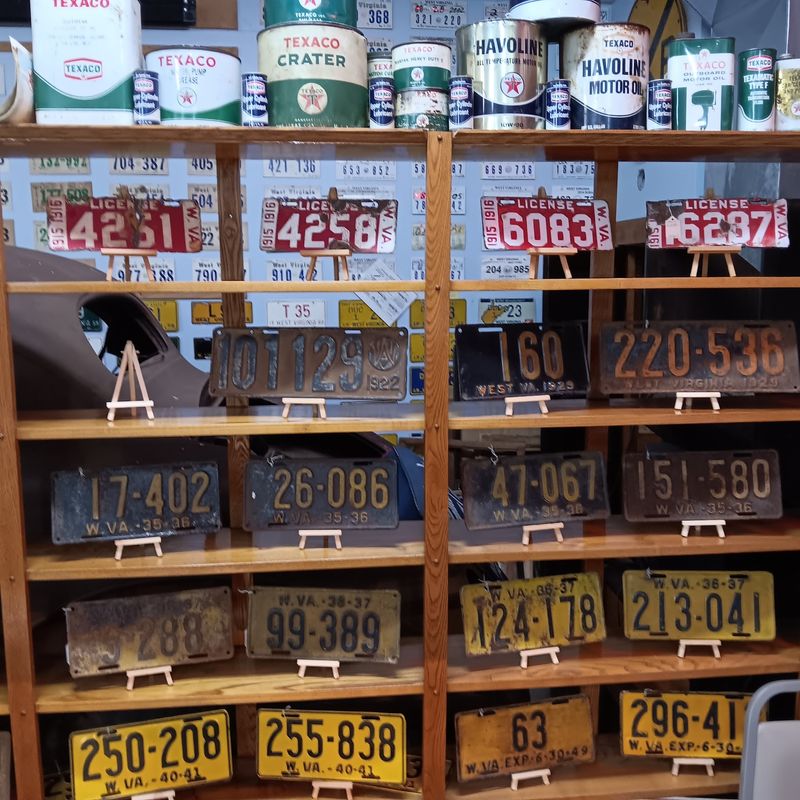
Ever seen a license plate that came free inside a cereal box? Here you will.
The museum delights in the playful and peculiar corners of car culture that most collectors ignore.
Antique state inspection stickers line up alongside an assortment of automobile club badges, each a tiny emblem of pride from motoring’s earlier years. Then come the novelty plates from cereal boxes and other promotions, pure fun frozen in tin.
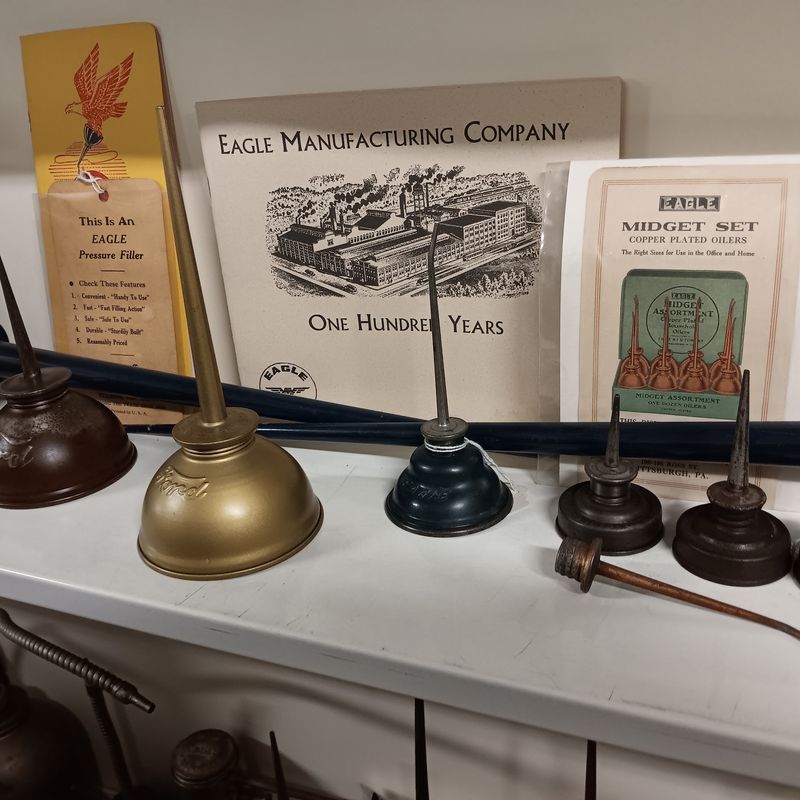
Old oil cans and glass oil bottles add a splash of nostalgia, carrying the colors and logos of service stations long gone. If you remember pumping gas at a full-service station, these will hit home.
There’s even New Old Stock, or NOS, parts, meaning components that were made decades ago yet never used. They offer a tactile link to the garages and repair bays of yesteryear.
Rather than sorting the collection into the usual predictable categories, Cliff embraces the odd and overlooked. That’s exactly what makes browsing so entertaining.
You come for the cars and stay for the surprises. Every shelf hides some small quirky thing that makes you smile and say you never knew that existed.
A Research Library for Serious Gearheads
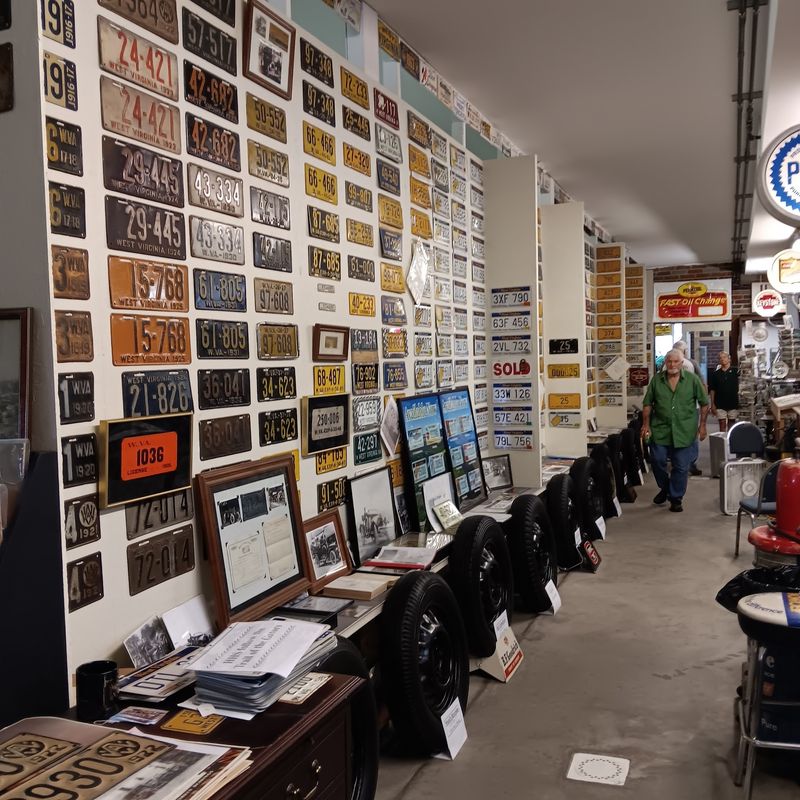
For those who love the how and why behind old machines, a quiet corner holds real gold: a research library packed with automotive knowledge.
Shelves here brim with auto repair manuals, and the oldest reach back as far as 1903. Flipping through pages more than a century old, you can almost hear the tick of an early engine.
Mechanics and restorers may find this section especially useful. Tracking down instructions for antique vehicles is notoriously hard, yet answers to those puzzles may be sitting right on these shelves.
One guest specifically recommended the museum to anyone interested in the repair and restoration of cars, and this library is a big reason why. It’s a working resource, not just a display.
Beyond the practical value, there’s romance in the printed word. These manuals capture how people once diagnosed and fixed problems without computers, relying on skill, patience, and hard-earned know-how.
The library rounds out the experience beautifully. Where the plates and badges tell you what people drove, these books quietly explain how they kept everything running mile after mile.
It’s a treat for the truly curious.
West Virginia Coca-Cola Bottles and a Cozy Diner Nook
Just when you think you’ve seen it all, a charming little recreated restaurant appears, and it’s stocked with a delightful surprise.
Lining the display is a collection of Coca-Cola memorabilia, but with a clever twist. Every bottle here came exclusively from West Virginia bottling plants, some dating back to the early twentieth century.
That local focus makes the display truly one of a kind. Instead of generic soda pop history, you get a hometown story told through embossed glass and faded logos from towns across the state.
The cozy diner setting adds to the fun. It’s easy to picture folks sliding into a booth, ordering a cold drink, and swapping small-town news on a warm summer afternoon.
For West Virginia natives, spotting a bottle from a nearby plant can spark a rush of memories. It’s the good-old-days feeling wrapped up in one small, fizzy artifact.
Little unexpected touches like this are exactly what elevate the museum from interesting to unforgettable. You never quite know what treasure waits around the next corner.
It’s proof that great collections thrive on the details others overlook.
An Unexpected Porcelain Doll Collection
Here’s a twist nobody expects at a car museum: a gathering of delicate porcelain dolls, sitting quietly amid the wrenches and plates.
At first the dolls seem out of place among all the automotive gear, and that unexpected contrast is exactly what makes them charming. They add a soft, gentle note to an otherwise mechanical world.
Each doll carries its own vintage character, from painted features to careful old-fashioned clothing. Together they hint at a different kind of collecting passion running alongside the love of cars.
Displays like this remind you that the museum reflects real people and their many interests, not a corporate checklist. It feels personal, warm, and a little wonderfully random.
Guests often mention how eclectic the whole establishment is, and the dolls are a perfect example. You come expecting fenders and find fine porcelain smiling back at you.
For visitors who appreciate antiques of every stripe, this quiet corner offers its own small delight. It’s a reminder to slow down and notice everything.
Charming surprises like these are why so many people leave saying they can’t wait to return and explore all over again.
Planning Your Free Visit to the Building
Best of all, seeing this remarkable collection won’t cost you a dime. Admission is free, though a donation box sits inside, and gifts are warmly welcomed to help preserve the collection.
You’ll find the museum at 305 E Main St in Harrisville, West Virginia, right on the town’s Main Street. It’s an easy stop if you’re exploring the region’s small towns and back roads.
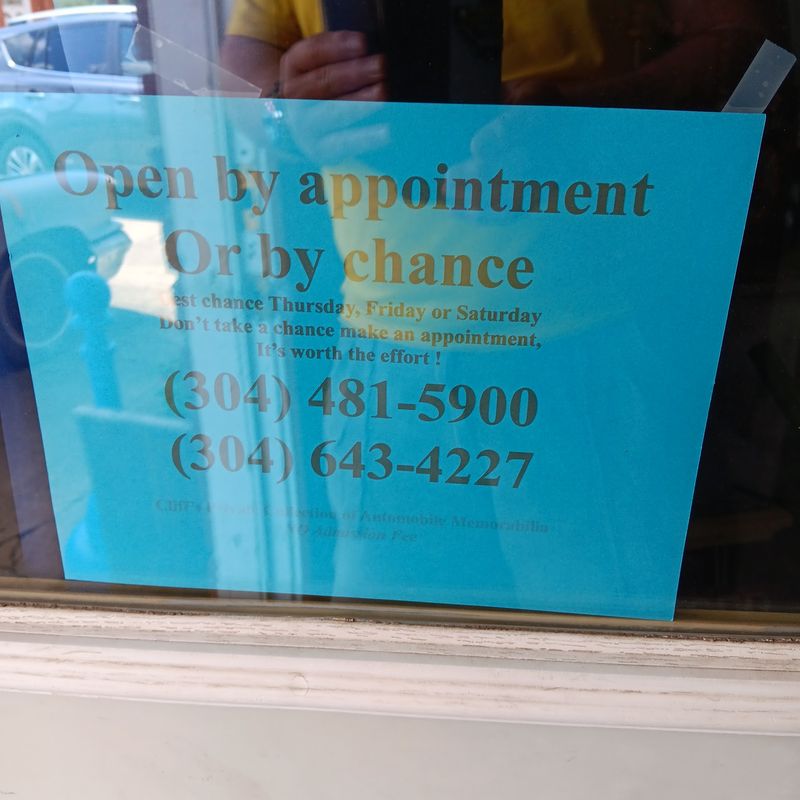
Because hours can be flexible, calling ahead is a smart move. One visitor phoned on a holiday, and the owners kindly opened up just for their small group, proof of how accommodating they can be.
The phone number is 304-643-4227, and there’s a website at cliffwvathebuilding.com if you’d like to plan first. A quick call helps make sure someone will be there to welcome you.
Give yourself plenty of time, since guests routinely spend hours soaking it all in. While you’re on the street, folks mention nearby stops worth a look too.
Between the warm hosts, the free entry, and the astonishing collection, this quiet West Virginia gem earns every bit of the affection visitors keep bringing back. Well worth the trip.
