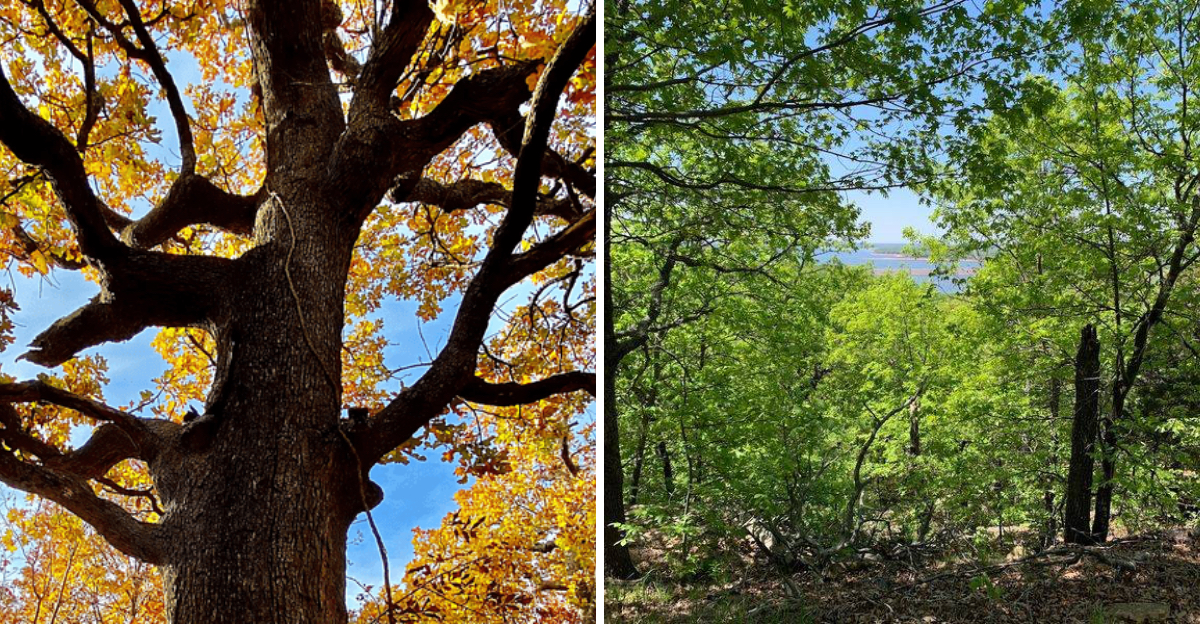
Most people drive past Sand Springs, Oklahoma without a second thought. But just outside town, something extraordinary is waiting quietly in the hills.
Keystone Ancient Forest is home to post oak trees that have been standing for over 500 years, making it one of the most remarkable natural areas in the entire state.
If you love the outdoors, history, or just need a reason to get off the couch and into the woods, this place is absolutely worth your time.
Ancient Trees That Have Seen Centuries Pass
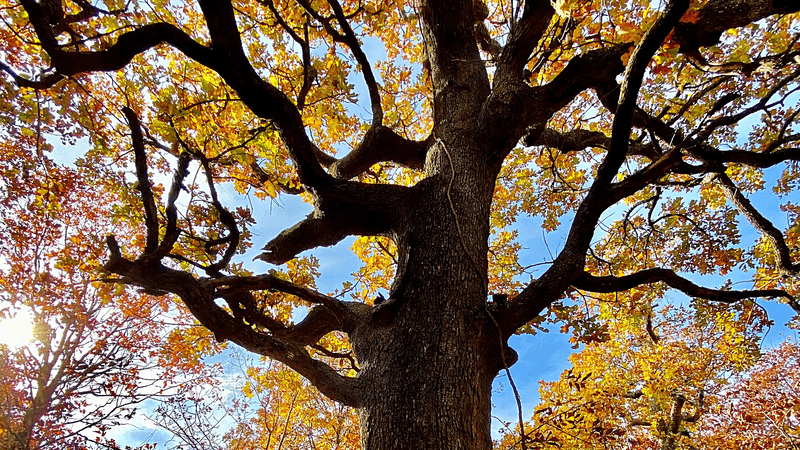
Some trees here were already old when European explorers first set foot on this continent. The post oak trees at Keystone Ancient Forest have been growing for more than 500 years, and standing next to one of them is a genuinely humbling experience.
These are not the kind of trees you glance at and walk past.
Post oaks are known for their rugged durability, and the ones here have survived droughts, fires, and centuries of Oklahoma weather without flinching. Their bark is thick and deeply furrowed, their canopies wide and dramatic.
Many of them have trunks so broad you could not wrap your arms around them even if you tried.
Informational signs are posted throughout the forest, giving visitors real context about what they are looking at. Learning that a single tree has been alive since before the 1500s changes how you see the forest entirely.
Suddenly every crooked branch and mossy root feels like a chapter in a very long story. This is not just a hiking area.
It is a living archive, and the trees are the oldest entries in it.
A Trail System Built for Every Kind of Hiker
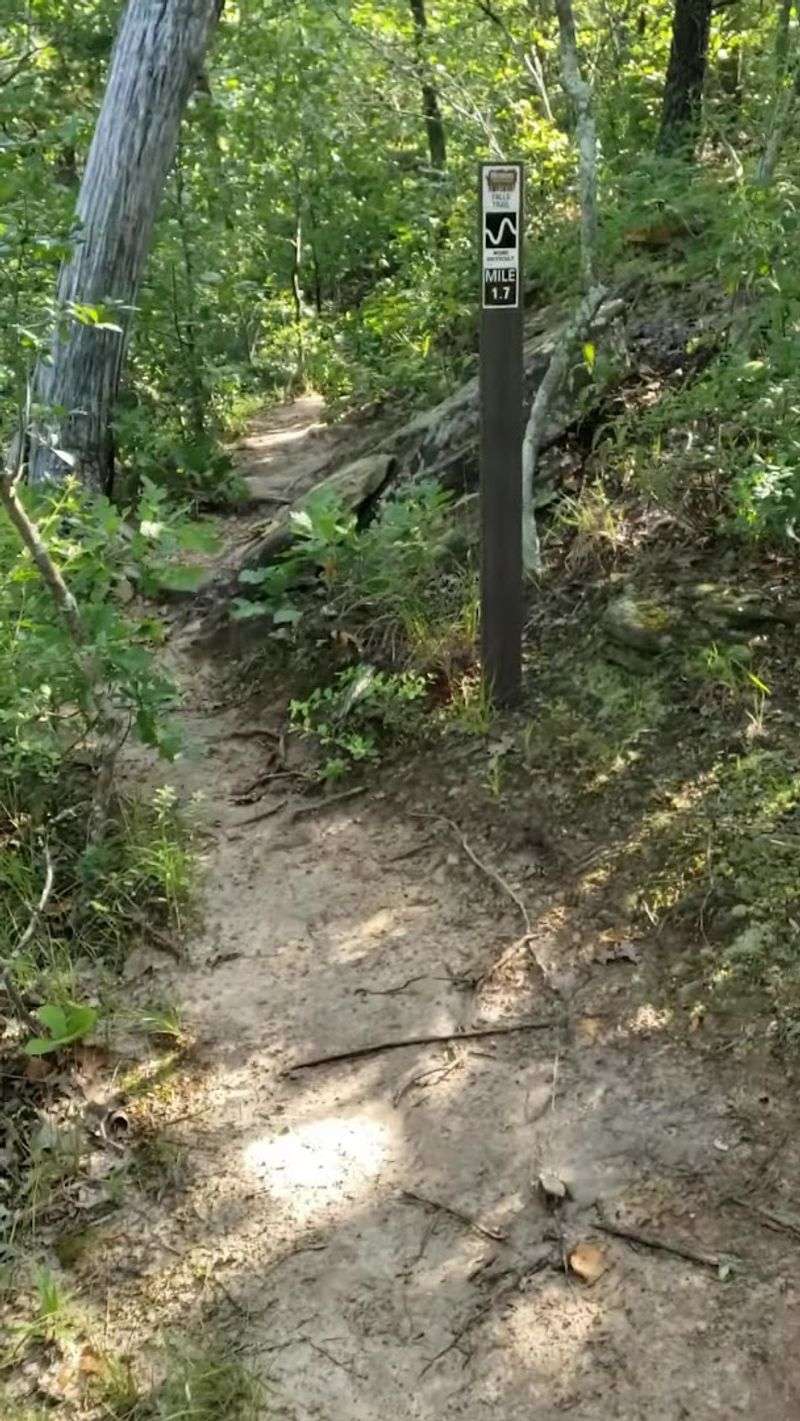
Not every hiking destination gets the balance right between accessibility and challenge, but Keystone Ancient Forest genuinely pulls it off. The trail system here includes options that range from an easy paved path to a genuinely demanding route with steep drop-offs and rocky creek crossings.
The Childer Trail is paved and less than a mile long, making it ideal for families with strollers or anyone who just wants a gentle walk through beautiful scenery. Frank’s Trail is a packed dirt path running about one and a half to two miles and offers a relaxed experience with lovely views.
The Less Traveled Trail stretches around four and a half miles at moderate difficulty, while the Falls Trail earns its difficult rating with rocky terrain, creek crossings, and some serious elevation changes over three and a half miles.
Wilson’s Trail rounds out the options at about a mile but is rated difficult, so do not let the short distance fool you. Every trail is clearly marked with numbered location markers, which is genuinely reassuring if you are hiking solo.
The whole system is well-maintained and easy to navigate, even for first-timers who show up with nothing but a water bottle and good intentions.
The Falls Trail: Oklahoma’s Most Rewarding Difficult Hike
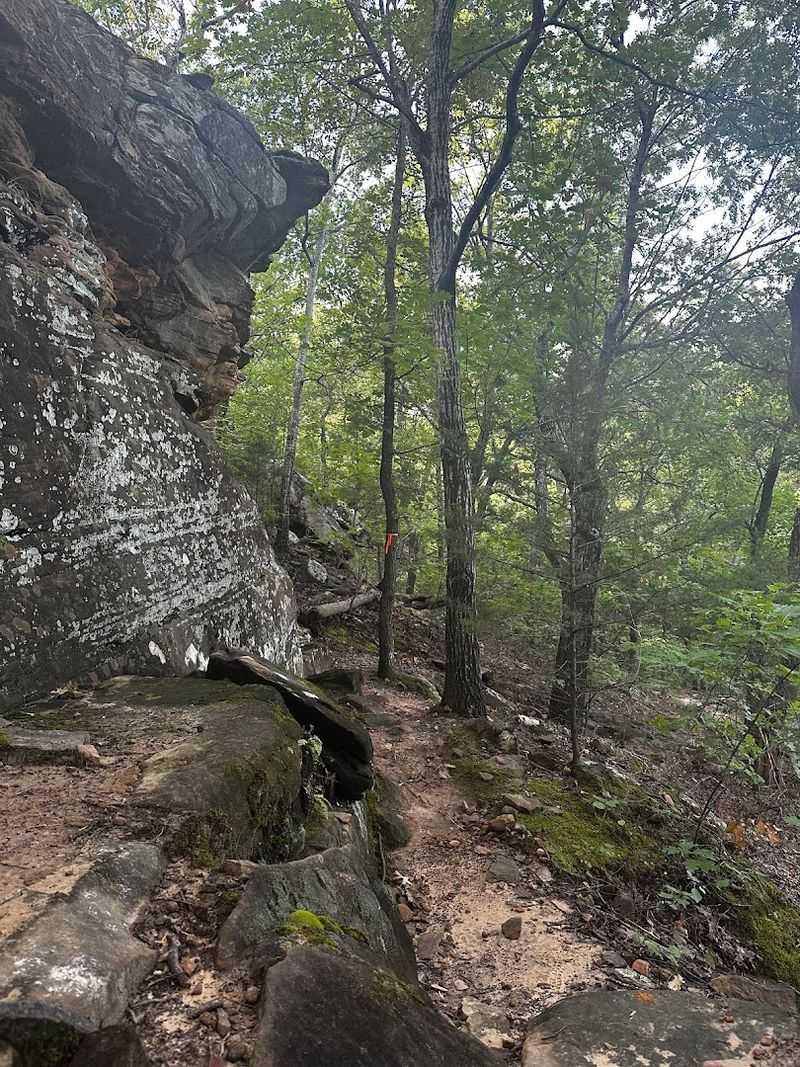
There is something deeply satisfying about finishing a trail that actually pushed you. The Falls Trail at Keystone Ancient Forest is three and a half miles of packed dirt, exposed rock, creek crossings, and steep inclines that will make your legs remember the next morning.
The trail is shaded about ninety percent of the time, which is a genuine blessing during Oklahoma summers. It follows a dry creek bed through much of its length, passing interesting rock formations that make the walk feel like an adventure rather than just exercise.
Armadillos are apparently a regular sighting out here, which adds an unexpectedly charming element to the whole experience.
People who have completed the Falls Trail often describe it as their favorite of the bunch. The difficulty feels earned rather than arbitrary, and the payoff in terms of scenery and solitude is real.
Some visitors have spent three and a half hours completing the loop with their families, and the general consensus is that it was absolutely worth every minute. If you only have time for one trail and you are reasonably fit, the Falls Trail is the one to choose.
Just bring enough water, wear proper shoes, and keep an eye on the trail markers when the path gets tricky.
Wildlife Encounters That Will Catch You Off Guard
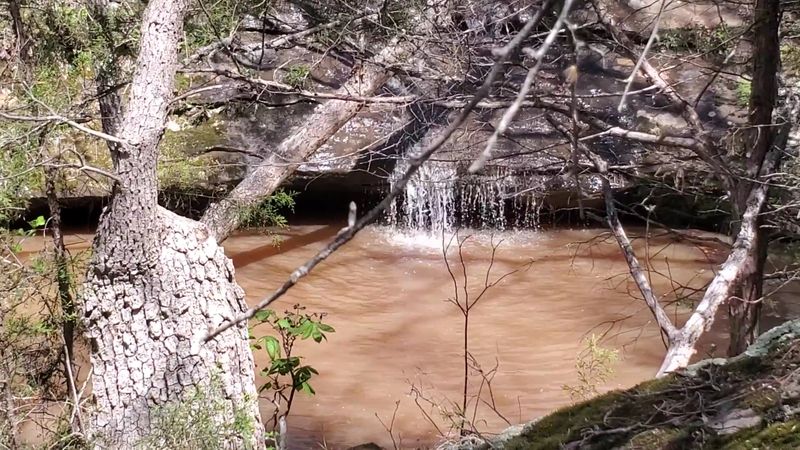
Oklahoma is not usually the first place people think of when wildlife watching comes up, but Keystone Ancient Forest has a way of changing that assumption quickly. The forest is alive with creatures going about their business, largely unbothered by hikers passing through.
Armadillos are spotted regularly on the trails, especially the Falls Trail, where multiple sightings in a single hike are not unusual. Skinks dart across rocky outcroppings and disappear before you can get a proper look.
Birds are everywhere, from species that call the forest home year-round to migratory visitors passing through during spring and fall. Deer tracks appear in the soft dirt near the creek beds, and the occasional deer sighting is a real possibility if you move quietly.
The forest also has a reputation among birders for offering a solid variety of species in a relatively compact area. The combination of mature oak woodland, creek habitat, and open ridgeline gives different species exactly what they need.
Bringing binoculars is a genuinely good idea rather than just an optional extra. The wildlife here is not curated or managed for visitors.
It is simply wild and present, going about life in the same forest where those ancient trees have been standing for centuries.
Views of the Arkansas River That Sneak Up on You
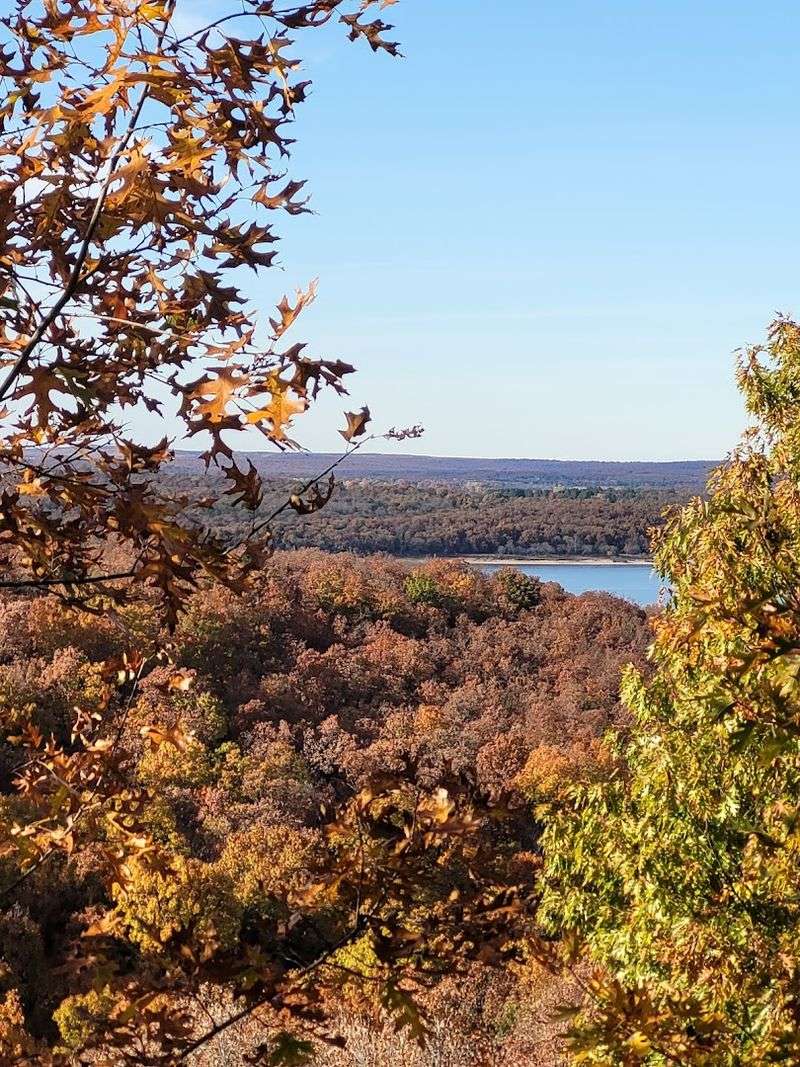
You are not expecting a river view when you are deep in the middle of an ancient Oklahoma forest, which is exactly what makes it such a pleasant surprise. From certain points along the trails, particularly on the ridgeline sections, the Arkansas River comes into view in a way that genuinely stops you in your tracks.
Oklahoma does not get a lot of credit for scenic landscapes, and that is honestly a shame. The combination of wooded hills, open sky, and the river winding through the valley below creates a view that feels bigger than you expected from a state that often gets overlooked.
Sunset from the higher points of the trail system is reportedly stunning, with the light hitting the river and the tree canopy in a way that makes the whole scene glow.
Fall is the most dramatic season for these views, when the deciduous oaks and hickories drop their leaves and suddenly open up sightlines that the summer canopy keeps hidden. Spring brings its own reward with fresh green growth and wildflowers.
Even in winter, the stripped-back forest reveals the bones of the landscape in a way that has its own quiet beauty. The river view alone is worth the effort of getting to the higher elevations on the trail.
The Visitor Center That Actually Impresses People
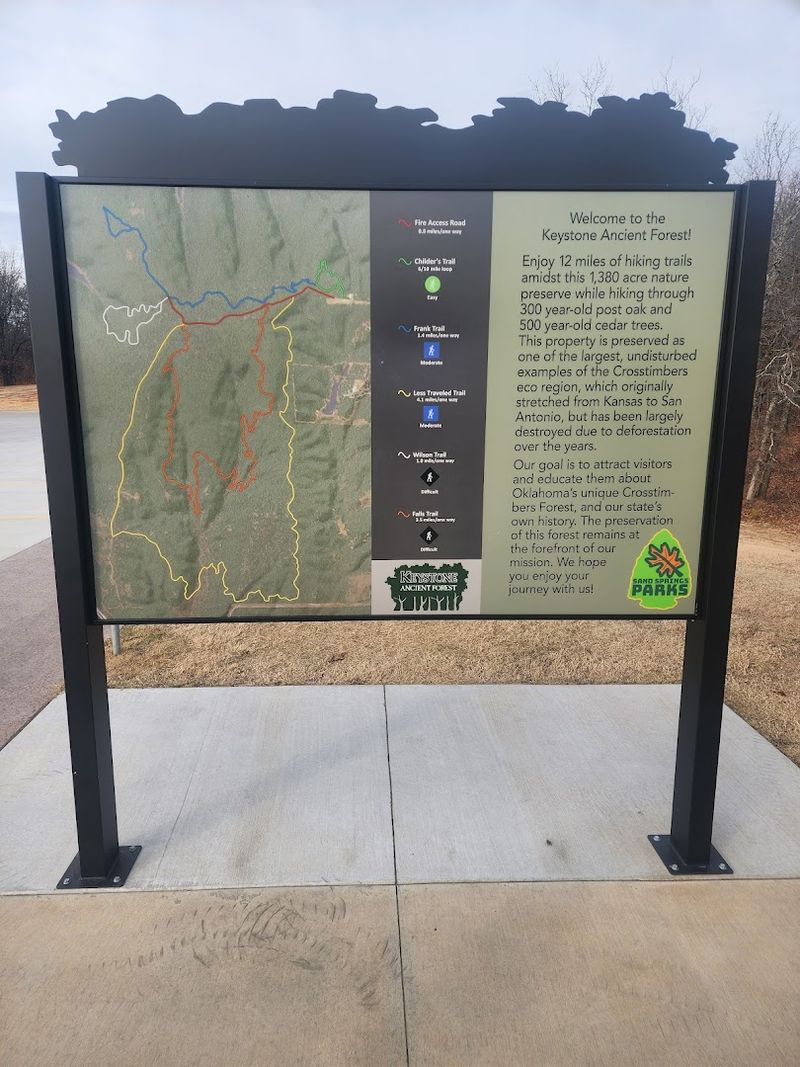
Most hiking areas have a parking lot and a trailhead sign, and that is considered sufficient. Keystone Ancient Forest has a proper visitor center that genuinely surprises people who show up expecting nothing more than a map and a porta-potty.
The facility includes clean restrooms, a water fountain for refilling bottles, and a small gift shop with souvenirs. Walking sticks are available to borrow, which is a thoughtful touch for anyone who shows up underprepared for the rockier trails.
There is a shelf stocked with educational materials about the forest’s ecology and history, and the volunteers who staff the center are consistently described as knowledgeable and enthusiastic about sharing what they know.
An off-road wheelchair was recently added to the facility, which significantly expands access for visitors who might otherwise be limited to the paved Childer Trail. Benches are positioned throughout the trails as well, providing rest spots that make longer hikes more manageable for a wider range of visitors.
Emergency location markers with numbered signs have been updated across the trail system, adding a practical safety layer that experienced hikers will appreciate and beginners will find genuinely reassuring.
The whole setup reflects the care that volunteers and the city of Sand Springs have put into making this place work for real people.
Volunteer-Powered and Proud of It
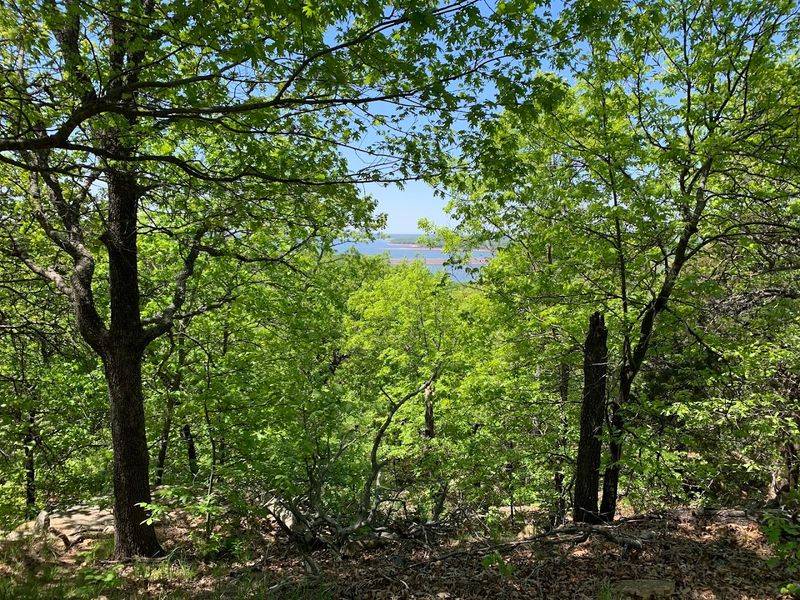
Here is something that makes Keystone Ancient Forest feel different from most public parks: the whole operation runs largely on volunteer energy. The trails are maintained, the visitor center is staffed, and the forest is kept clean and welcoming because a dedicated group of people genuinely care about this place.
That care shows up in practical ways. The trails have zero trash on them, which is not something you can say about every popular hiking destination.
The trail conditions are actively monitored and communicated to visitors, including a large sign at the entrance that flags current issues like muddy sections or downed trees. The fact that volunteers handle this kind of real-time information sharing says a lot about how seriously they take the visitor experience.
Guided art walks are offered on the first Sunday of each month, led by knowledgeable volunteers who bring an entirely different lens to the forest experience. Participants are encouraged to sketch what they find interesting along the trail, turning a nature walk into something more reflective and creative.
The forest has also hosted family groups, school visits, and regular hikers who return again and again. That kind of loyal repeat visitation does not happen by accident.
It happens because the people taking care of a place actually love it.
Fall Foliage That Transforms the Entire Forest
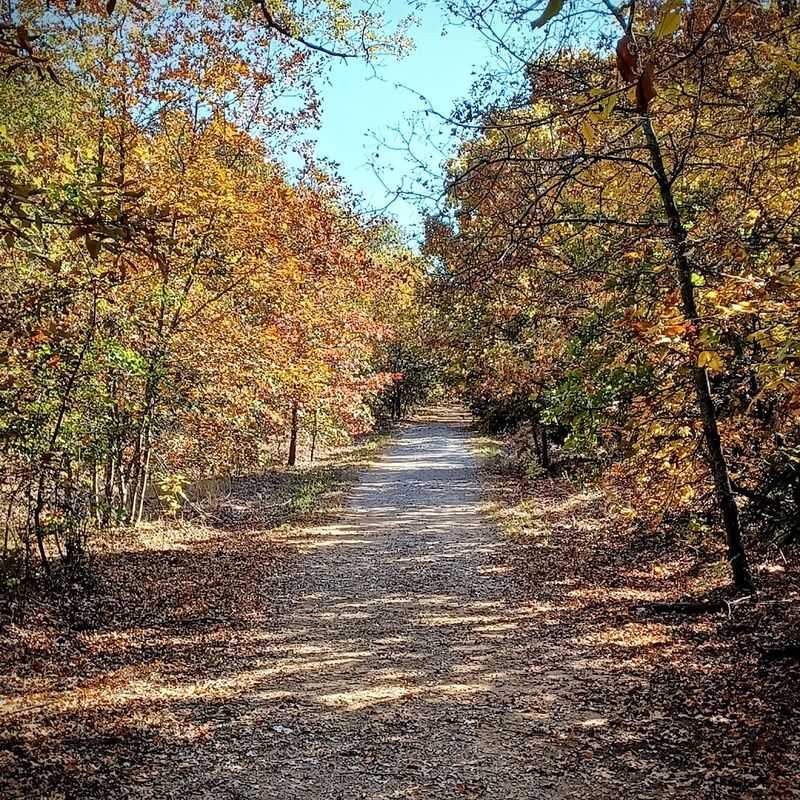
Fall in Oklahoma gets underestimated, and Keystone Ancient Forest is one of the best arguments for giving it another look. When the deciduous oaks and hickories begin changing color, the forest shifts into something that feels almost theatrical in the best possible way.
The canopy goes from deep summer green to layers of gold, amber, and rust. Leaves pile up along the trail edges and crunch underfoot in that deeply satisfying way that makes autumn hiking feel like a reward in itself.
The light filters through the changing leaves differently than it does in summer, softer and more golden, hitting the ancient bark of those centuries-old oaks and making everything look like it belongs in a painting.
An interesting detail that regular visitors have pointed out: as the leaves drop, views through the forest that were completely blocked in summer begin to open up. Sightlines to the Arkansas River become clearer, and the overall sense of the landscape shifts.
You can suddenly see how the land rolls and dips in ways that the full summer canopy hides entirely. Some hikers specifically time their visits for late October or early November to catch this window.
It is a genuinely different forest in fall, and if you have only visited in summer, coming back in autumn feels like discovering it all over again.
Bent Trees and the Mysteries Hiding in Plain Sight
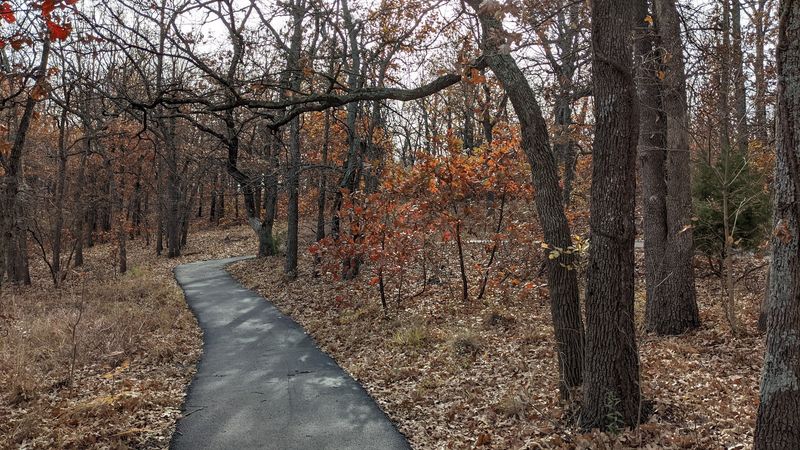
Not everything in Keystone Ancient Forest announces itself loudly. Some of the most interesting things here require you to slow down and actually look.
Among the ancient oaks, visitors have spotted trees with unusual bends and curves that do not look entirely natural, what some people believe may be marker trees used by Indigenous peoples to indicate trails, water sources, or significant locations.
These bent trees are a genuinely fascinating element of the forest, adding a layer of human history to what might otherwise feel like purely a nature experience. The idea that someone intentionally shaped a young sapling centuries ago, and that the tree has held that shape ever since, is quietly remarkable.
It connects the ancient forest to the people who lived alongside it long before any trail system existed.
The forest sits on land with deep historical significance in the region, and these possible marker trees are a physical reminder of that.
Whether or not every bent tree was intentionally shaped is a question that researchers and enthusiasts continue to debate, but the possibility alone makes you look at the forest differently.
Suddenly you are not just hiking through old trees. You are walking through a landscape that people have been reading and navigating for a very long time, and that changes the feeling of the whole place.
Planning Your Visit to Keystone Ancient Forest
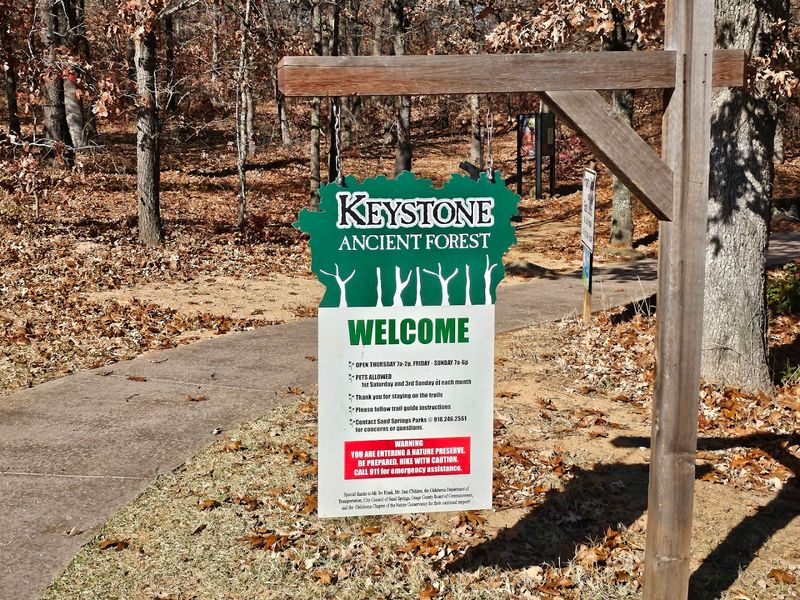
Getting to Keystone Ancient Forest is straightforward, and the setup once you arrive makes the whole experience feel easy from the start. The forest is located at 160 Ancient Forest Drive in Sand Springs, Oklahoma, which sits just west of Tulsa.
Plenty of parking is available, and the visitor center is right at the trailhead.
The forest is open Thursday from 7 AM to 2 PM, and Friday through Sunday from 7 AM to 6 PM. It is closed Monday through Wednesday, so checking the schedule before you drive out is worth a moment of your time.
Pets are allowed on certain weekends, generally the first and third weekend of each month, so if you are planning to bring a dog, confirming current pet policy ahead of your visit is a smart move.
Bring water, wear shoes with actual grip, and consider borrowing one of the walking sticks from the visitor center if you plan to tackle the Falls or Wilson trails. The numbered emergency markers on the trails are genuinely useful to note as you go, just in case.
The forest can be reached by phone, and more information is available through the City of Sand Springs website. This is a free, well-maintained, and extraordinary place sitting less than twenty minutes from Tulsa, and it deserves far more attention than it currently gets.
Dear Reader: This page may contain affiliate links which may earn a commission if you click through and make a purchase. Our independent journalism is not influenced by any advertiser or commercial initiative unless it is clearly marked as sponsored content. As travel products change, please be sure to reconfirm all details and stay up to date with current events to ensure a safe and successful trip.
